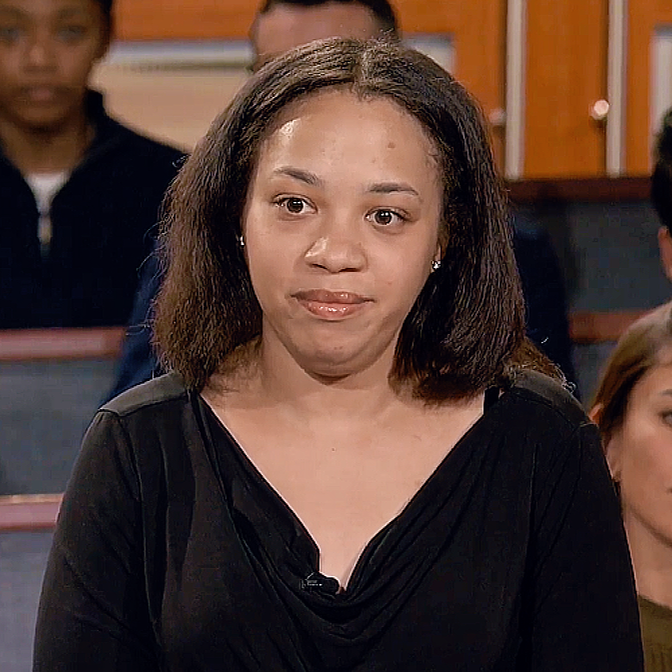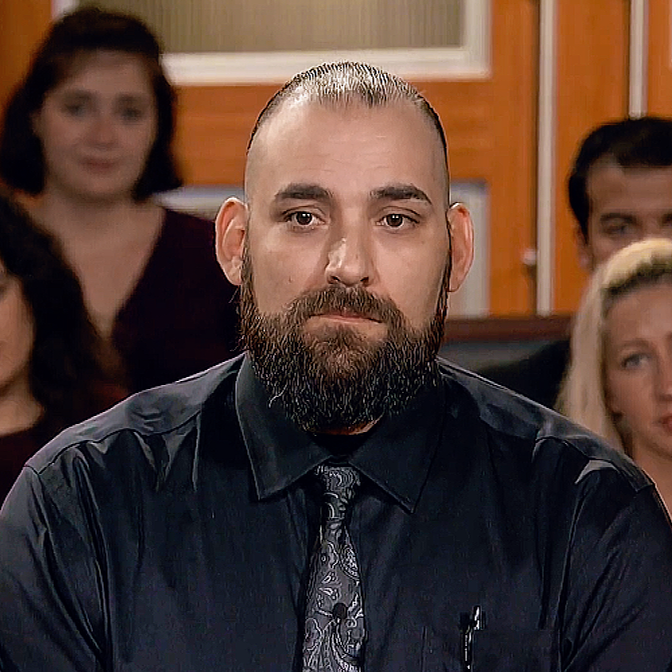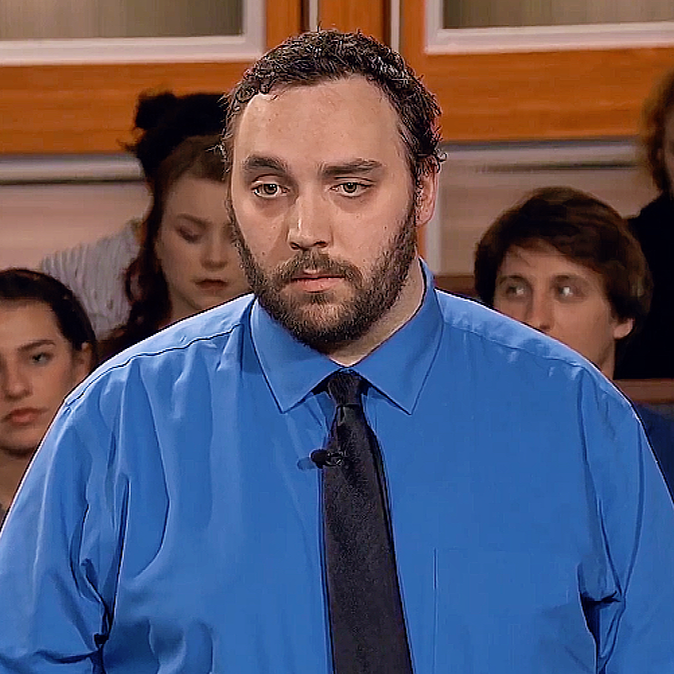
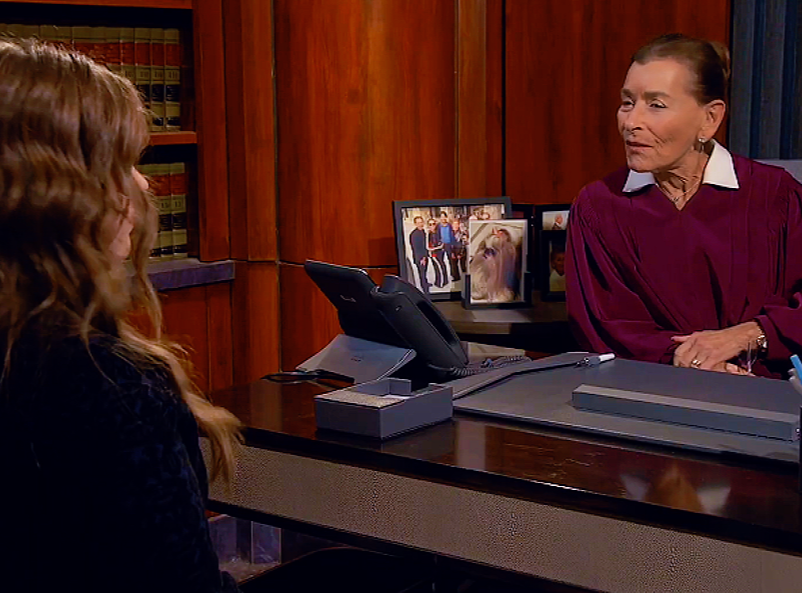
The silence between Fred Taggart and his son, Logan, was not created by a single argument. It grew out of a car loan, a blown engine, insurance payments, and a family arrangement that never became as simple as either side expected. When the two men faced Judge Judy in case 4137, the court had to determine how much of the old debt Logan should bear—and how much Fred could prove he had paid.
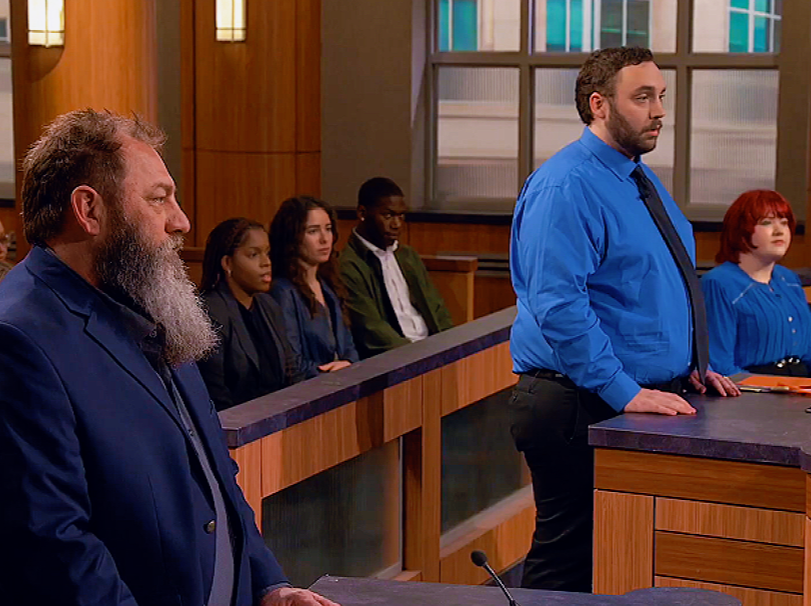
A Family Arrangement Begins
The dispute began with an act of parental help. Fred Taggart had a 2017 Hyundai Tucson, purchased new, but the vehicle still carried an outstanding loan. When his son needed a car and moved to Idaho, Fred turned the Tucson over to him around August or September 2022. The understanding, according to the testimony, was that Logan would continue making the payments.

Nothing in the opening arrangement suggested that the family expected to end up in court. But the car was not transferred free and clear. The loan remained part of the picture, and the responsibility for insurance still mattered to the lender. The title, the debt, and the insurance coverage did not all move to the same person at the same time.
That distinction became critical. Logan could possess and use the Tucson, yet Fred remained connected to the financial obligation. A family favor had created a legal exposure that would not disappear simply because the vehicle changed hands.
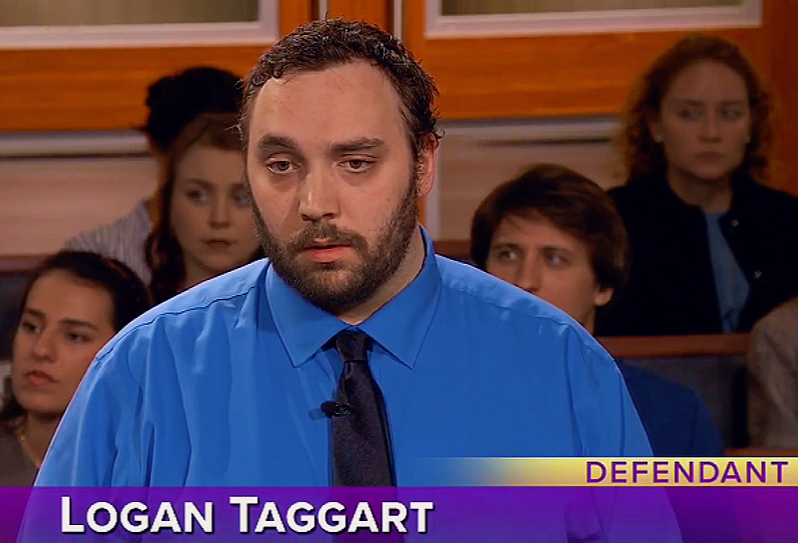
The Tucson Moves to Idaho
Logan testified that he drove the Tucson for roughly nine months, from the period after the 2022 transfer until May 2023. Judge Judy corrected Logan’s earlier description of the period as only a few months by counting the months from September through May. The timeline established that the vehicle was not used briefly and returned; it remained in Logan’s possession for a substantial period while the financing was unresolved.
The title was reportedly transferred into Logan’s name in November 2022. That might have appeared to settle ownership, but the title transfer did not automatically eliminate the existing loan. When Judge Judy asked whether the original loan had been paid off, Logan first described the arrangement as a refinancing through Idaho Central Credit Union.
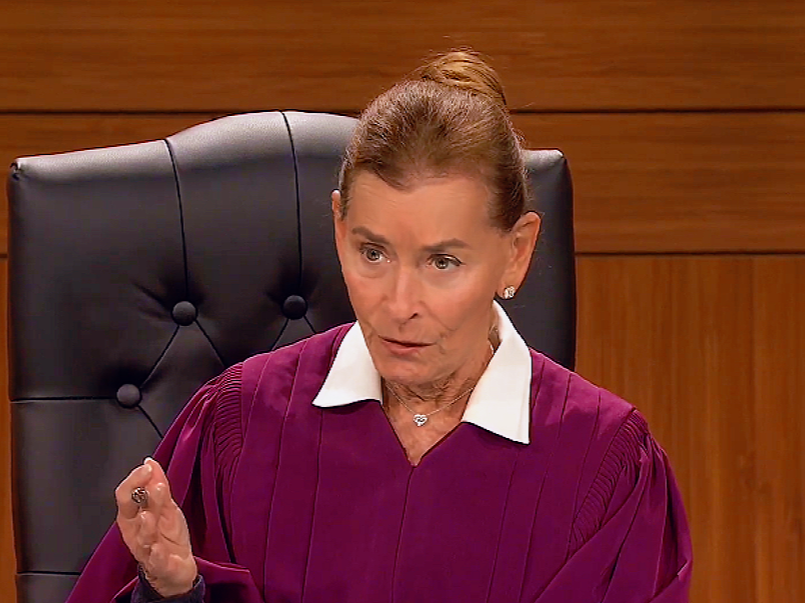
Under further questioning, however, he acknowledged that the original loan had not been paid off. He had hoped to refinance the debt into his own name, but said he had very little credit. The result was a complicated division of responsibility: Logan had the vehicle and, according to his testimony, the title, while Fred remained exposed on the outstanding loan.
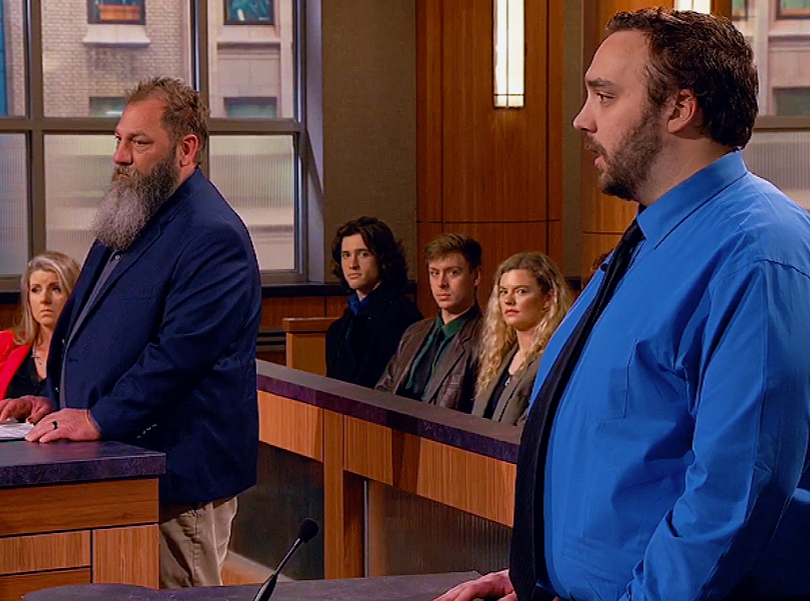
The Loan and Title Do Not Move Together
The courtroom focused on a point that was easy to describe but difficult for the family to resolve. A true replacement loan would pay off the original loan. In this case, that had not happened. Fred was still connected to the original obligation even though Logan was using the Tucson.
The numbers also shifted as the hearing examined different parts of the dispute. Logan said approximately $9,900 remained on the Tucson loan when the engine failed, although he did not remember the exact amount. Fred later identified the balance he was asking Logan to pay as approximately $4,300. Fred also mentioned a separate $4,200 balance on a credit card used in connection with a down payment, but he did not have proof that the card had carried a zero balance before the transaction.
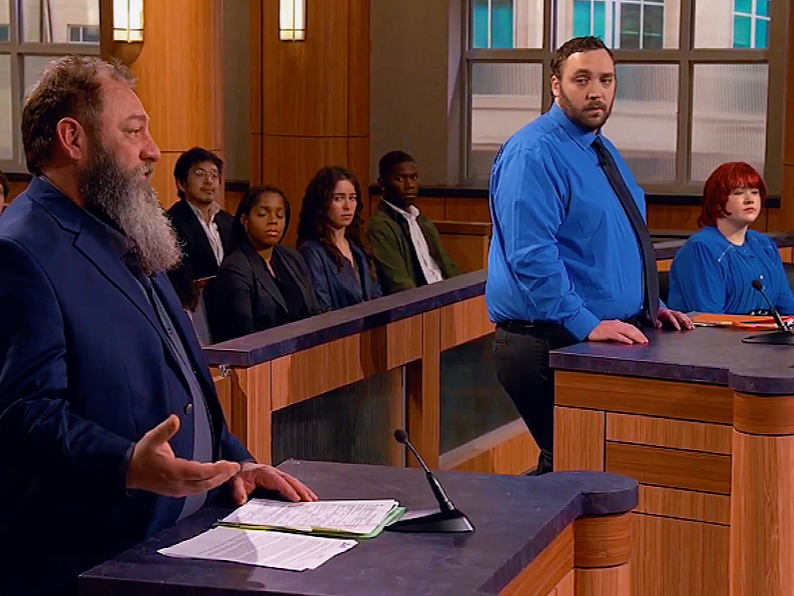
Judge Judy did not treat every alleged expense as automatically established. She asked for a loan payout, bank statements, and proof of the payments Fred had made. A statement showing that money was still owed could not, on its own, prove exactly how much Fred had paid or establish every part of the claim.
The case therefore became narrower and more concrete. The question was not simply whether Fred felt financially harmed. It was what the evidence showed Logan was responsible for repaying.
The Engine Fails in Colorado
The turning point came in May 2023, when Logan drove the Tucson to Colorado and the engine failed. Fred clarified that the vehicle had not been wrecked or totaled in a collision. The motor had blown, which created a very different insurance and repair problem.
The dealership reportedly estimated that a replacement engine would cost about $10,000. The family was told that obtaining the engine could take roughly one week and installing it another two weeks. The Tucson could therefore be out of service for approximately three weeks, while the repair would cost about as much as—or more than—the value the family believed remained in the vehicle.

The family considered trading the Tucson in, but a trade-in would not erase the loan balance. Whether they repaired the vehicle or replaced it, the debt still had to be addressed. The mechanical failure had turned an already complicated family arrangement into a financial crisis.
In his post-hearing remarks, Logan admitted that he had made a poor decision. He said he had driven the car’s engine for more than ten hours and believed he could fix it because he was a mechanic. Fred said the family urged Logan to turn around, return to Idaho, or stop and have the vehicle towed. Logan continued driving because he believed he could take care of the problem. By the time another mechanic diagnosed the vehicle, Logan said the damage was worse than he had expected.
Why Insurance Could Not Solve the Problem
Insurance became a second dispute layered on top of the failed engine. During the hearing, Judge Judy explained that ordinary auto insurance generally does not cover a blown engine when the failure is mechanical rather than the result of an accident or another covered event. The Tucson had been insured, but that did not mean the policy would pay for the engine replacement.
Fred said his insurance through Safeco remained listed with the bank because his name was still connected to the loan. He said the family had continued paying that insurance because Logan had not successfully reported his own coverage to the lender. Fred claimed he contacted the bank each month and was told that Safeco remained the insurance on file.
Logan testified that he had previously been covered through Travelers Insurance under a policy connected to his fiancée at the time. He said he later obtained Progressive coverage beginning in April 2024. Judge Judy reviewed the paperwork and asked whether the current policy identified the bank in the required way. She also questioned a document that appeared to refer to the Jeep Patriot rather than the Tucson.
The Jeep Patriot introduced another layer of confusion. Fred was a co-signatory on the loan for Logan’s 2016 Jeep Patriot, and Fred said the family still had to maintain insurance because their names remained connected to that loan. Logan responded that the continuing cost was not his fault. Judge Judy, however, repeatedly separated the newer Jeep loan from the old Tucson claim.
The Evidence Becomes the Case
Because Logan had stopped communicating with Fred’s family, Fred said he created recurring invoices through Square. The invoices were sent for $88 per month to show that the family was still paying for insurance and the credit-card obligation. Fred said Logan had viewed the invoices.
But showing that a bill had been sent was not the same as proving the precise debt owed. Judge Judy wanted documentation that connected the claimed amount to the old Tucson loan: the payout figure, bank records, and evidence of actual payments. She also made clear that the new Jeep Patriot, Logan’s current insurance, and his wife’s attempts to refinance did not replace the central question in the case.
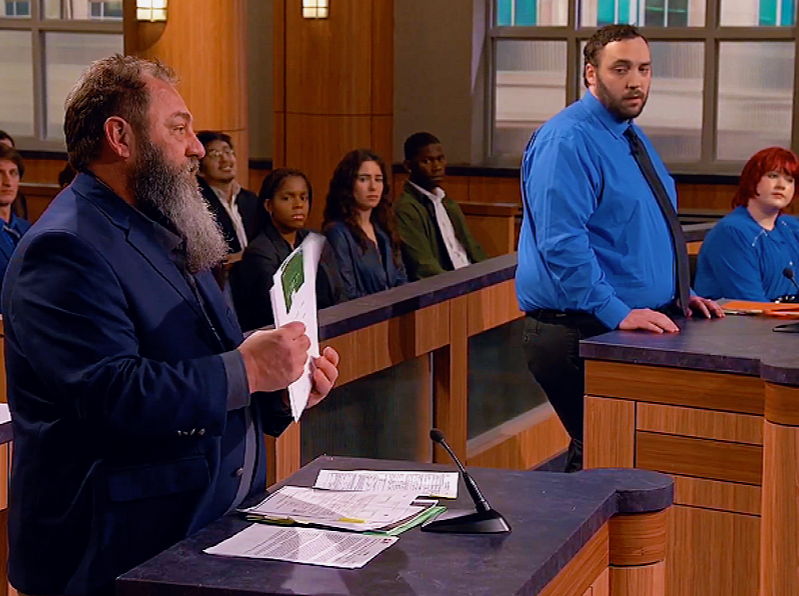
Logan said he had tried to refinance the Jeep through eight banks in Idaho, including the institution currently holding the loan. He described complications involving an Idaho title and a Colorado loan and said the debt was greater than the Jeep’s value. Eva, Logan’s wife, also testified that they had tried to refinance with her as a co-signer.
Judge Judy stopped that line of discussion. The court was not deciding the newer Jeep loan. It was examining the earlier Tucson arrangement, the original debt, and the consequences of Logan’s conduct after taking possession of the car.

Judge Judy Issues a $4,300 Judgment
The courtroom debate ultimately returned to responsibility. Fred had cosigned or remained financially tied to a vehicle intended to help his son. Logan had taken possession of the Tucson, failed to replace the original loan in Fred’s name, and continued driving until the engine failed. The family then remained responsible for a debt and, according to Fred, insurance payments connected to the lender’s records.
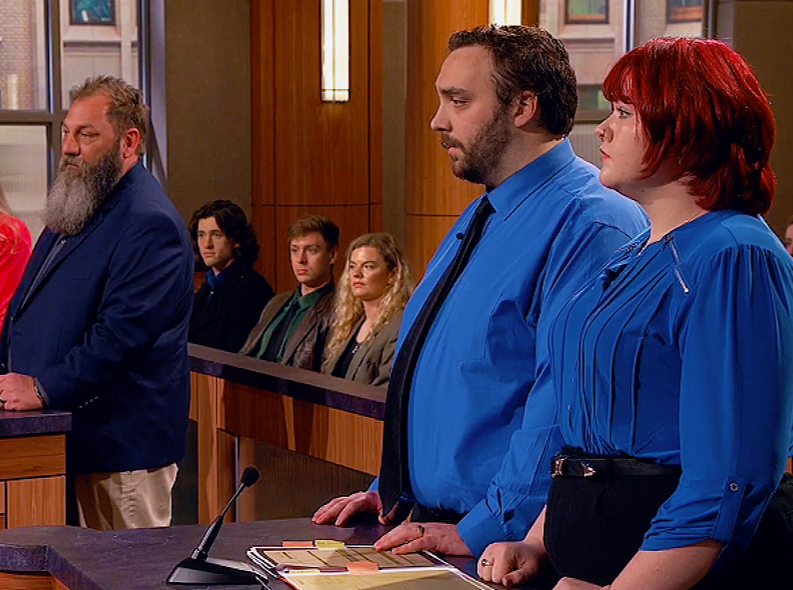
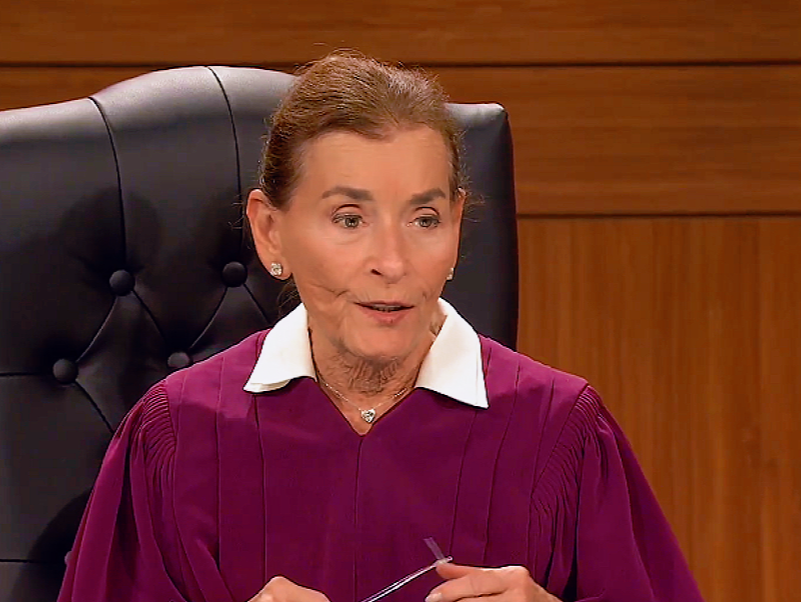
Judge Judy’s remarks were direct. Fred had been drawn into what she described as his son’s “drama,” and the judge used the dispute as a warning about cosigning loans for family members. Helping a child may feel like an act of support, but the legal and financial consequences can remain with the parent when the arrangement breaks down.
At the conclusion of the hearing, Judge Judy entered judgment for the plaintiff, Fred Taggart, in the amount of $4,300. The court then adjourned.
The Judgment Does Not Repair the Relationship
After court, Logan said he believed the judgment was fair and accepted that he had made a bad decision. He also maintained that Fred and the family should have been awarded the full amount because they continued paying insurance until Logan reported his coverage to the bank.
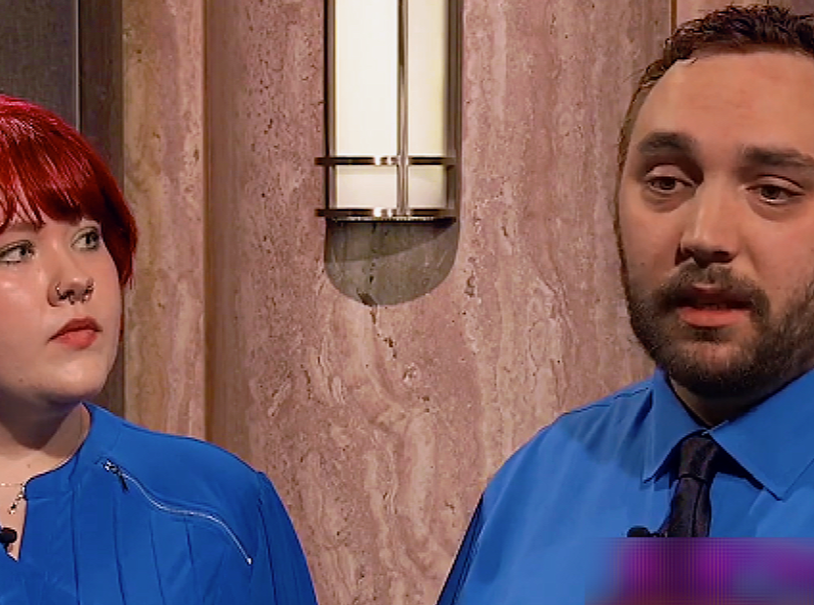
Fred said he had believed Logan could repair the vehicle. He also described repeated warnings to return the car to Idaho or have it towed. Logan, for his part, said he wanted a relationship with his father but no longer knew whether Fred wanted one with him. Fred said he hoped they could rebuild the relationship while still making clear that he would not allow himself to be taken advantage of.

The final lesson was not limited to auto finance. A title transfer did not eliminate the loan. Insurance on file with a bank did not automatically prove coverage for a blown engine. Invoices did not replace payment records. And a family promise, when it is not matched by clear financial arrangements, can leave everyone arguing over what was meant.
Judge Judy’s closing warning was simple: never assume a loan made for someone else will be repaid—even when that person is your child. In the Taggart case, the court resolved the provable claim with a $4,300 judgment. It could not, however, decide whether a father and son would recover the relationship damaged by the debt.
FAQ
What was Taggart v. Taggart about?
Taggart v. Taggart was a civil courtroom dispute involving Fred Taggart’s claim against his son, Logan Taggart, over financial responsibility connected to a 2017 Hyundai Tucson, its outstanding loan, and related insurance obligations.
How much money did Fred Taggart win?
Judge Judy entered judgment for Fred Taggart in the amount of $4,300.
When did Logan receive the 2017 Hyundai Tucson?
The testimony placed the transfer around August or September 2022, after Logan moved to Idaho. Logan said the title was transferred into his name in November 2022.
What happened to the Tucson?
The engine blew in May 2023 while Logan was driving the vehicle to Colorado. The testimony stated that the Tucson had not been wrecked; the engine failure was mechanical.
Why did insurance not pay for the engine?
The hearing stated that ordinary auto insurance generally does not cover a blown engine unless the failure resulted from an accident or another covered event.
Was the original Tucson loan refinanced?
No. Logan initially described the arrangement as a refinancing, but acknowledged under questioning that the original loan had not been paid off. Fred therefore remained connected to the outstanding debt.
What was the central warning from the case?
The judge warned that people should be extremely cautious about cosigning loans, including loans for family members, because the cosigner may remain responsible when the borrower does not complete the financial transfer.