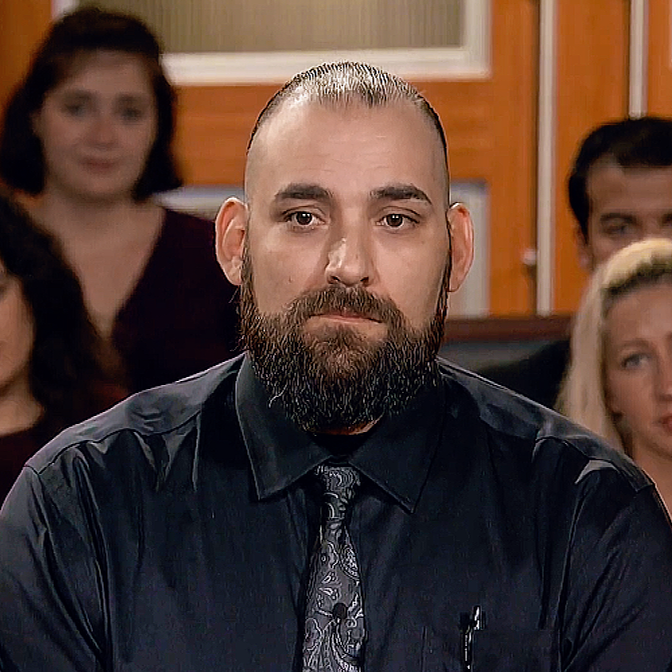
The argument began after a woman was released from a hotel balcony. Soon after, the room had become the scene of a physical fight, a damaged television, disputed injuries, and competing accounts of what happened. By the time the matter reached Judy Justice, the question was not whether the vacation had gone wrong. It was who should pay for the consequences—and how much of the story could actually be proved.
The episode then turns to a second, unrelated civil dispute between former friends. Read together, the two cases follow a clear pattern: personal conflict escalates, evidence is introduced, and the court separates what was alleged from what was established.
The First Case : The vacation that unraveled
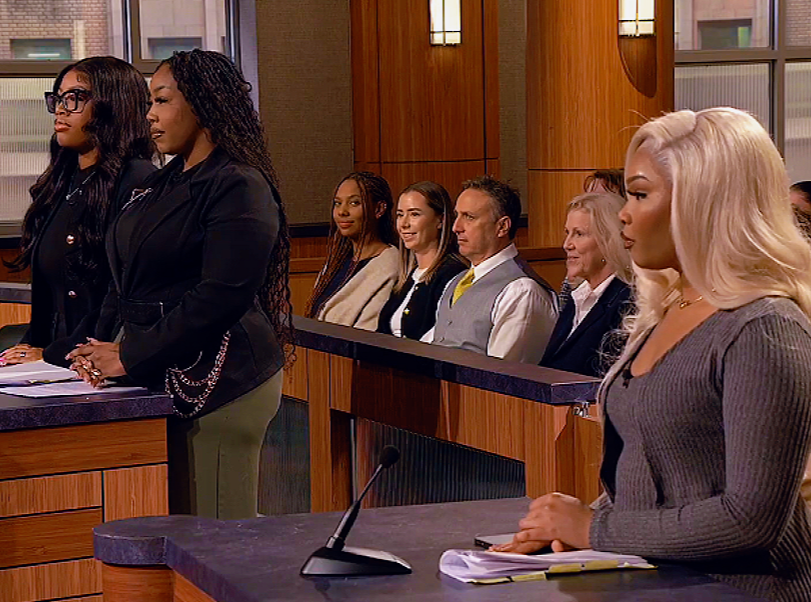
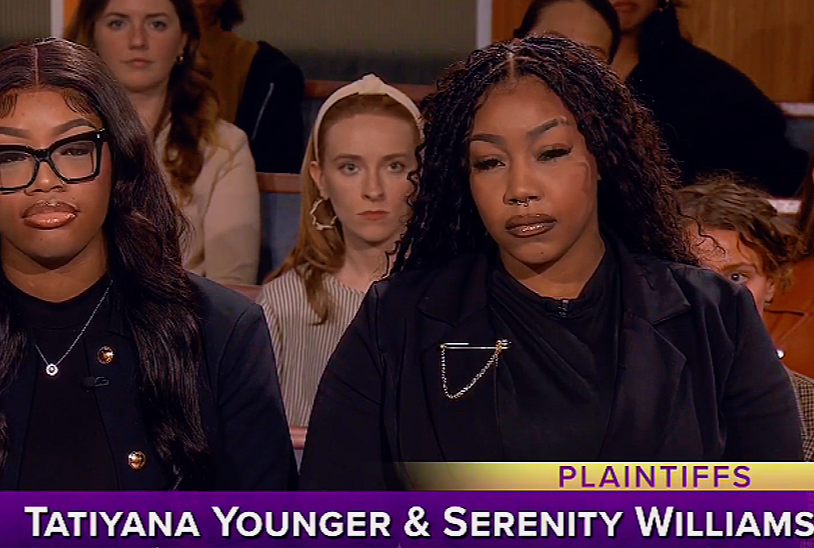
The first case, Williams/Younger v. Cole, involved Serenity Williams and Tatiyana Younger as plaintiffs and Serenity’s cousin, Sakeyma Cole, as the defendant. Their dispute concerned a hotel stay, a physical confrontation, and a bill the plaintiffs said Cole should pay.
Their claims involved hotel property damage, trip-related expenses, and an assault. Cole, in turn, challenged the account and pursued a counterclaim connected to the same trip.
The conflict centered on November 2, when the group was staying at a hotel. According to the testimony presented, Cole had been drinking. The disagreement escalated after she was put outside on a balcony and the door was locked. The plaintiffs said the decision was connected to Cole’s behavior and their concern about what might happen if she left the room. Cole described the incident as being left outside without water or a phone and treated the lockout as the event that triggered everything that followed.

The record presented in court showed a group whose night had moved from partying to accusation. It also showed why the case was difficult: the parties agreed on some broad facts, including that alcohol was involved and that a physical confrontation occurred, but they disputed the details that determined responsibility.
The hotel-room dispute
Williams testified that a television in the room had been broken, along with a lawn chair located on the hotel patio or balcony area. She described Cole stumbling backward, looking toward the television, and striking it with her hand. The hotel bill shown in court was listed as 160,294 Jamaican dollars, which was discussed as $1,014 in U.S. currency. The testimony clarified that the $1,014 amount applied to the television, not the chair.
The chair became a separate point of disagreement. Cole explained that, while trying to get back into the room, she knocked on the balcony door with the chair. Williams and Younger had allegedly been inside, putting on makeup and clothes. Cole said they ignored her and laughed. She acknowledged using the chair against the door but denied breaking it.
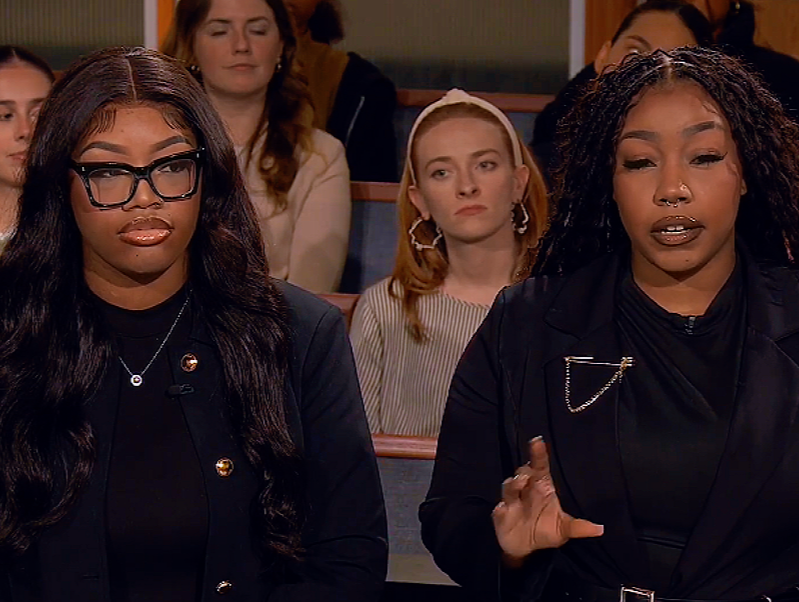
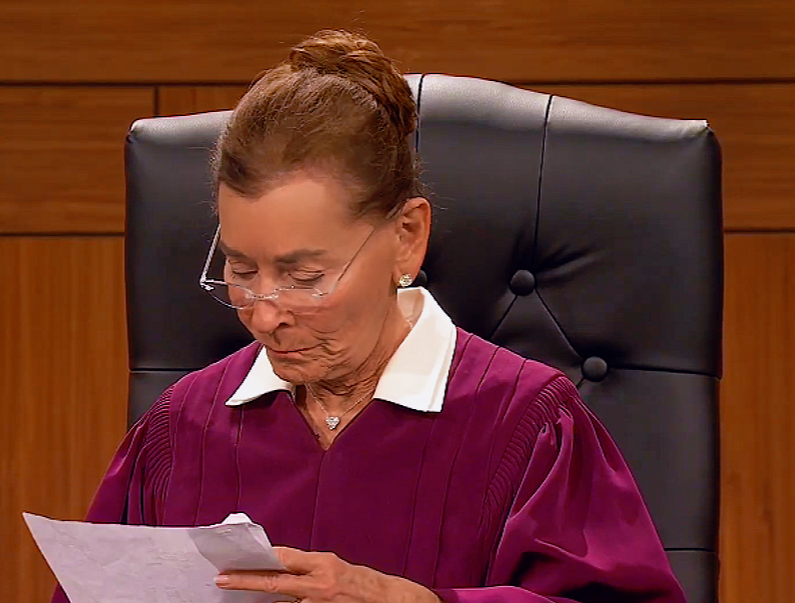
Judge Judy repeatedly separated the two issues. She criticized the decision to lock a person outside on a balcony, particularly when that person was intoxicated, but she also made clear that the plaintiffs would not automatically be held responsible for the television. The court’s focus was not simply on whether the situation had been mishandled. It was on what the available evidence supported.
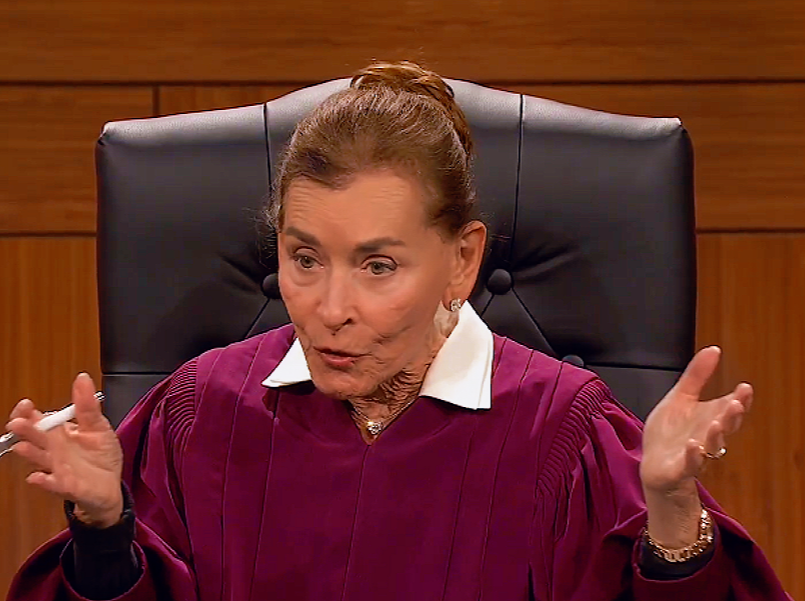
When the balcony became the turning point
Cole said she had been outside for a long time before Serenity opened the door. Once back inside, she asked why she had been locked out. Cole testified that Serenity pushed her and said, “Get out of my face.” She said a second push led her to hit Serenity.
The exchange was central to both sides’ versions of the confrontation. Cole described the fight as beginning only after the pushing. Serenity disputed that framing and argued that Cole’s intoxication affected her memory. The judge, however, did not treat the balcony lockout as a justification for physical retaliation. She told the plaintiffs that restraining someone—even if they believed they were protecting that person—was not acceptable. At the same time, she did not award Cole compensation for the lockout.
That distinction shaped the case. The court could condemn one decision without accepting every allegation made by the person who had been locked outside. It could also find Cole responsible for a specific item of property damage without resolving every disputed detail of the night.
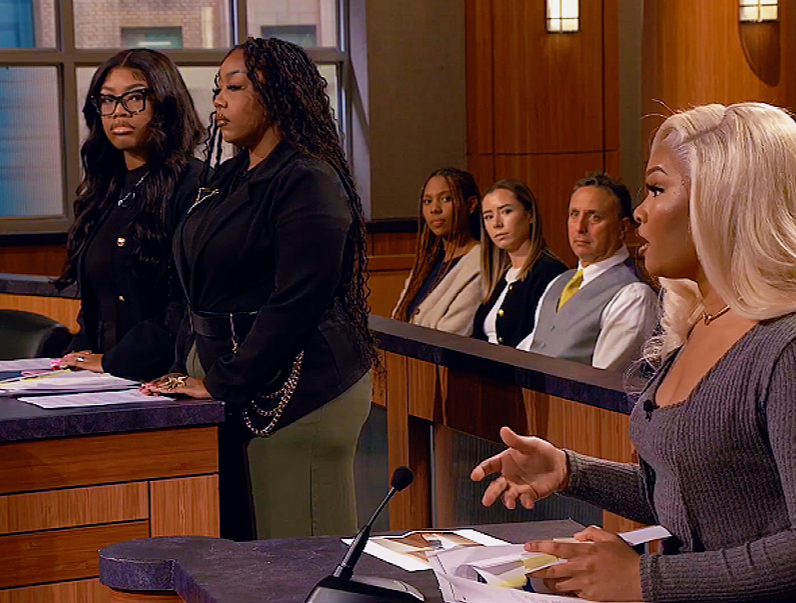
The fight and the competing injuries
The parties described injuries on both sides. Williams and Younger presented photographs showing an injury around Serenity’s right eye and broken, swollen nails. They also alleged that Cole pulled a lash. Serenity said the photographs showed her condition before and after the incident.
Cole maintained that she had been attacked first. When asked directly what she did after being pushed, she said she began pulling Serenity’s hair and hit her in the face. She also said Serenity hit back. Cole referred to a fingernail that remained broken and said the entire nail had come off, but when Judge Judy asked to see photographs of Cole’s appearance on the day in question, the available material did not establish a separate compensable claim.
The courtroom exchange became increasingly focused. The judge stopped explanations that moved away from the evidence and returned to the questions that could be decided: What was damaged? What did the hotel bill cover? What injuries were documented? And what amount was supported by the record?
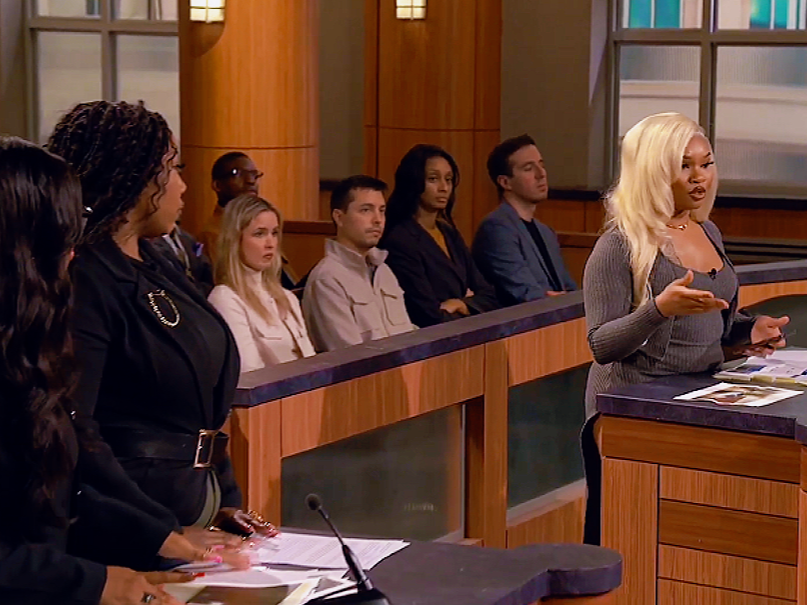
A $1,014 judgment
After reviewing the testimony and the evidence presented, Judge Judy entered judgment for the plaintiffs in the amount of $1,014. The amount corresponded to the television damage identified in the hotel bill. The chair was not included in that award.
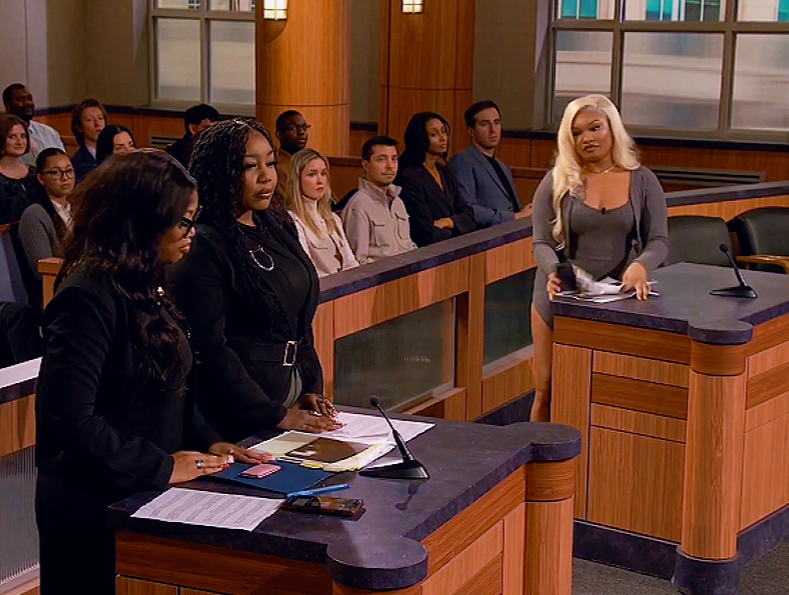
The judge’s later comments placed the decision in context. Based on Cole’s filed answer and the hotel’s decision to eject her, Judge Judy said there was no question that Cole had been severely intoxicated. She also stated that the plaintiffs were not responsible for the broken television. Her remarks held both ideas at once: the balcony lockout was wrong, but the evidence still supported the property-damage judgment against Cole. The judgment did not award every amount requested by the plaintiffs, and it did not compensate Cole for the balcony incident.
The first case ended with a judgment limited to the television bill. The episode then moved to a second dispute, showing how quickly personal relationships can shift from friendship to litigation.
The Second Case: Former friends, bleach, and a car dispute
Ziariah Licon sued her former friend, Joy Anderson, over property damage and stolen clothes. Anderson countersued, alleging vehicle damage and harassment. The case involved events beginning on September 24, 2024, although Licon acknowledged that she did not know the exact time of the initial incident because she was not present.
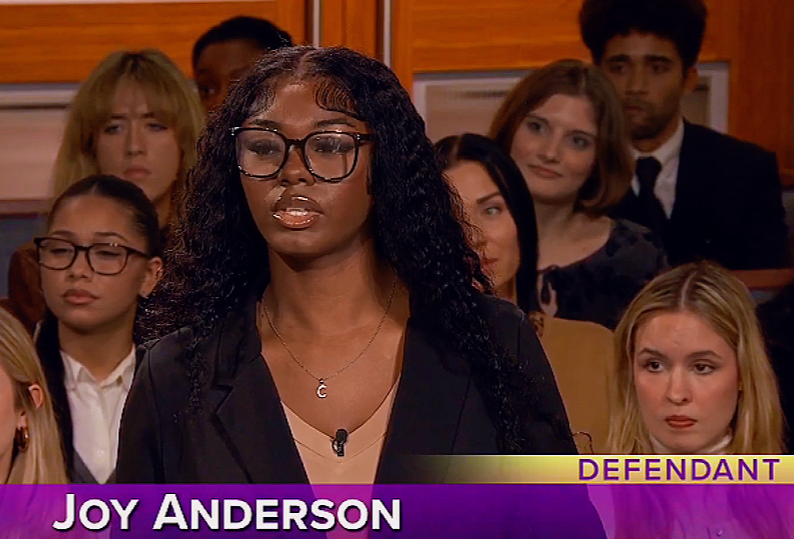
Licon offered a voicemail, text messages, videos, and an audio recording. The recording was difficult to hear and required translation. After listening, the judge said she still had no proof from the material that Anderson had damaged Licon’s property. Licon also described a confrontation at her apartment. She said Anderson came to the home after the women had decided to part ways, refused to leave, and threw bleach onto a wall and door.
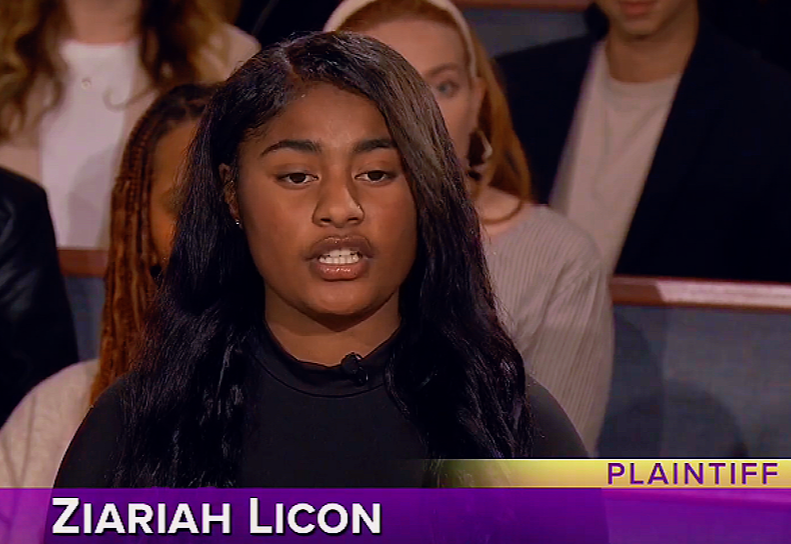
The video shown in court appeared to show wetness on a wooden floor, but the judge did not see discoloration or proof of lasting damage. Licon said cleaning the mess took one hour and thirty minutes. The court nevertheless ordered Anderson to pay Licon $500 for throwing material into the home.
Anderson then described a separate confrontation involving a car. She said Licon pulled up beside her, got out, and challenged her to fight. Anderson testified that, as she drove away, Licon kicked the car multiple times and followed her. A phone video was offered as proof, but the judge could not see clear contact between Licon and the vehicle. The counterclaim was dismissed.
What the episode established
Across both cases, the court distinguished between a chaotic story and a provable claim. In the first matter, the hotel bill supported a $1,014 award for the television, while the chair allegation did not become part of the judgment. In the second, the evidence supported a $500 award for the apartment mess, but not the vehicle-damage counterclaim.
The cases also carried a broader warning about conflict among friends and former friends. A vacation can create pressure, alcohol can intensify an argument, and accusations can multiply once people begin recording, confronting, or suing one another. Yet the courtroom does not decide who had the most dramatic story. It decides which claims are supported by evidence and which losses can be assigned a value. In both matters, the decisive question was narrower than the conflict itself: what could the parties demonstrate in court?
FAQ
Who sued Sakeyma Cole?
Serenity Williams and Tatiyana Younger sued Sakeyma Cole over hotel property damage, trip-related expenses, and an assault claim.
How much was the judgment against Sakeyma Cole?
Judge Judy Sheindlin entered judgment for the plaintiffs in the amount of $1,014, tied to the damaged hotel television.
What happened to the hotel lawn chair?
Cole said she used the lawn chair to bang on the balcony door while trying to get back into the room. She denied breaking it, and the $1,014 hotel amount was clarified as covering the television rather than the chair.
Did the court compensate Sakeyma Cole for being locked on the balcony?
No. Judge Judy criticized the balcony lockout but did not award Cole compensation for it.
Who were the parties in the second case?
Ziariah Licon sued former friend Joy Anderson. Anderson filed a counterclaim involving vehicle damage and harassment.
How much did Joy Anderson have to pay Ziariah Licon?
Judge Judy ordered Anderson to pay $500 for throwing material into Licon’s apartment. Anderson’s counterclaim was dismissed.