The game had barely begun when the tournament stopped. A disputed roster, two players who were too old under the applicable rules, and an argument over a refund set off a confrontation near the director’s table. By the time the courtroom heard the competing accounts, an umpire said he had been grabbed, his son said he had intervened, and Judge Judy had reduced the dispute to one decisive question: why put your hands on another person at all?
The Case Behind “Baseball Brawl”
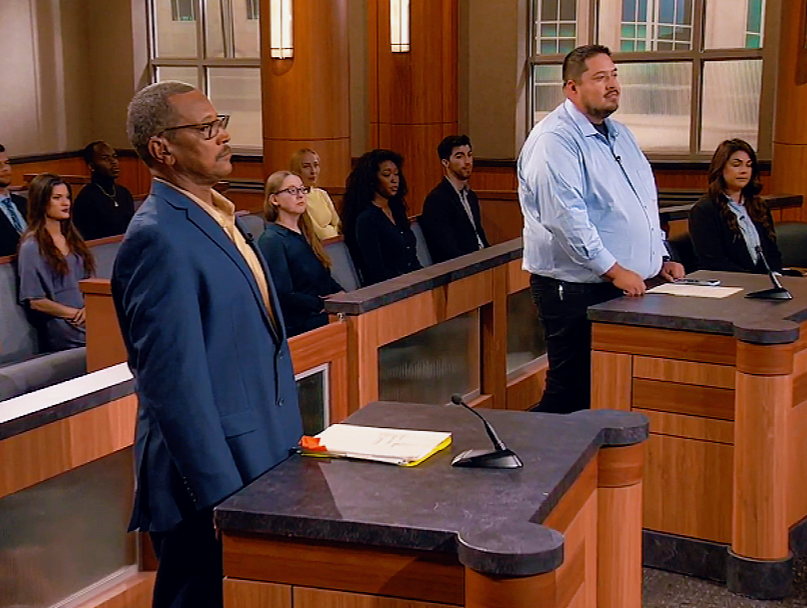
Its central case involves Calvin Green, a youth baseball umpire, suing coach Francisco Bagues for lost wages and damages connected to an alleged assault. The official episode description says Bagues’s team was disqualified for using illegal players and that Green’s son intervened.
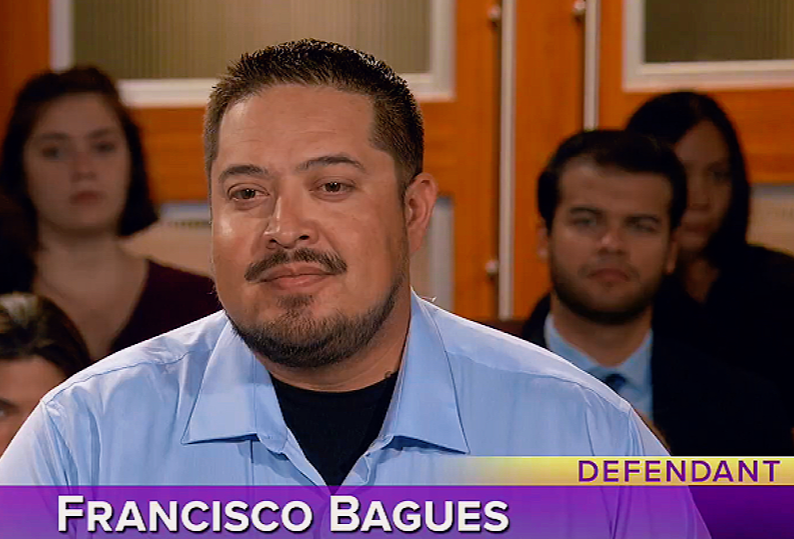
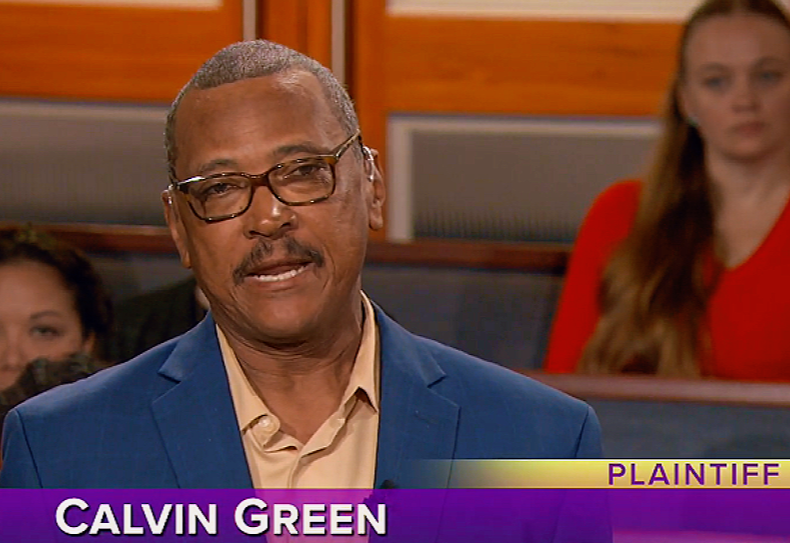
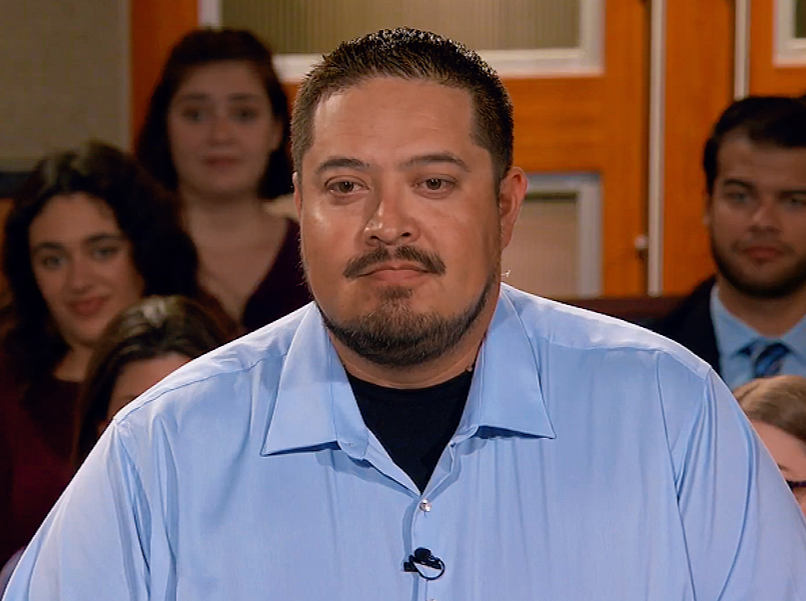
Green told the court he had worked as an umpire for about 15 years, usually taking weekend games as supplemental income. Depending on the age division, an umpire could receive $56 or $61 per game. Bagues said he had managed high-school players for approximately six years and coached the Bruins.
The Roster Dispute at the Tournament
The game took place on October 16, 2022, during a Sunday tournament day that Green described as “elimination day.” A team that lost on Sunday went home, while the winner advanced. That structure became decisive because the eligibility dispute did not surface before the first pitch.
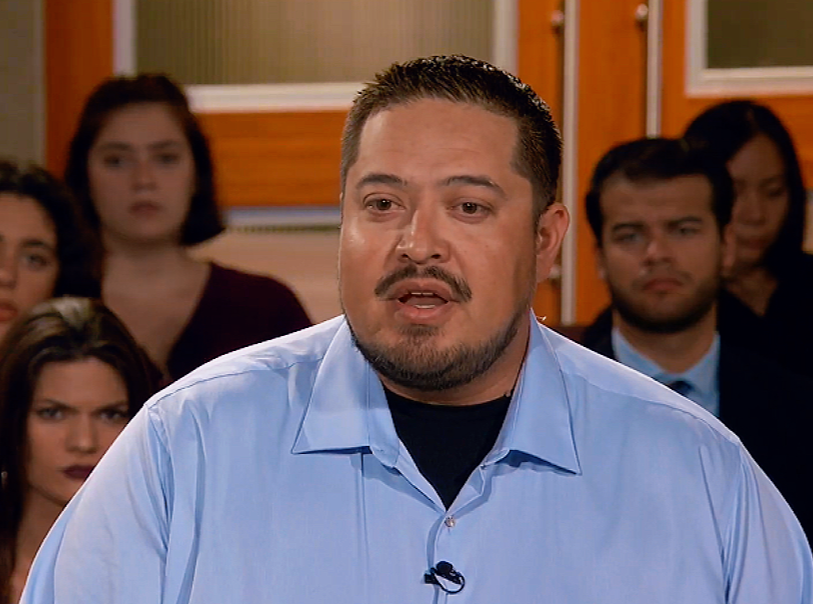
Bagues acknowledged that two players on his roster were 17 and beyond the age permitted for the relevant division. He also acknowledged knowing that the applicable sanctioning body allowed only one such player. His explanation was that he had misunderstood the rule and believed up to three players could be allowed. He further maintained that the sanctioning body had approved his roster before the tournament.
The disagreement circulated among people in the stands. Parents connected with the opposing team recognized one player, a catcher who had previously played for that team. Green said the opposing coach and parents reported the issue to the tournament director. Bagues disputed the sequence, saying he approached the director after hearing comments from parents on his side.
The tournament director ultimately came onto the field and ordered the game stopped. The testimony established a crucial distinction: if the over-age player had been removed before the game, the team could continue. Once the player appeared after the game started, however, the team faced forfeiture.
The opposing team’s complaint therefore changed the result of the tournament game, and the Bruins were eliminated.
How the Argument Moved Off the Field
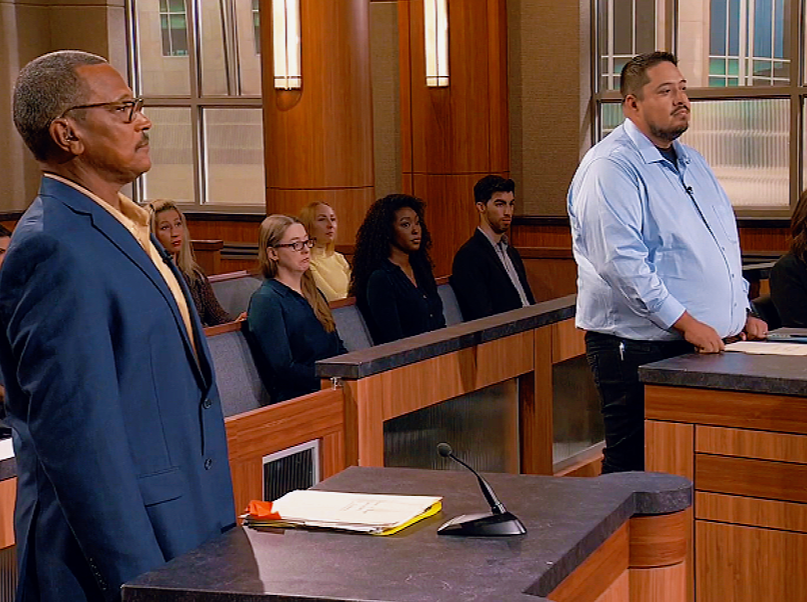
After the teams left the field, the disagreement continued at the director’s table, where umpires collected materials for later games. Bagues said parents sought the return of an $8 admission fee because they had arrived expecting to watch a game that did not conclude. A separate $895 tournament fee was discussed, but he said that matter had already been addressed with an official.
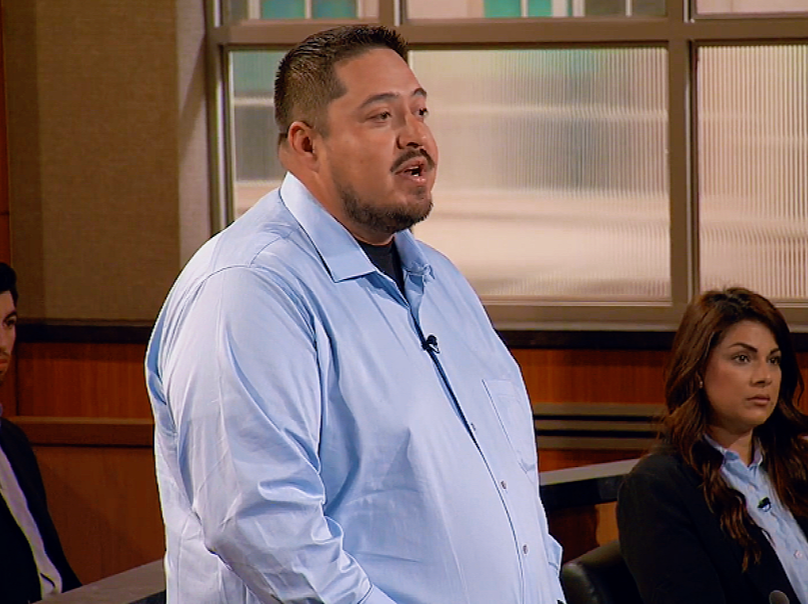
Green’s account placed Bagues at the table with several parents, arguing with a tournament director. Green said Bagues became angry after another director allegedly accused the team of cheating. Bagues testified that his anger began when a male tournament director told a parent that the team should not receive its tournament fee back because it had been cheating. Bagues insisted that the parents, rather than he, were seeking the $8 refund.
The disagreement drew Green from the field. Both sides agreed that he told Bagues to calm down because children were present. From there, the testimony diverged sharply.
Two Accounts of the Physical Confrontation
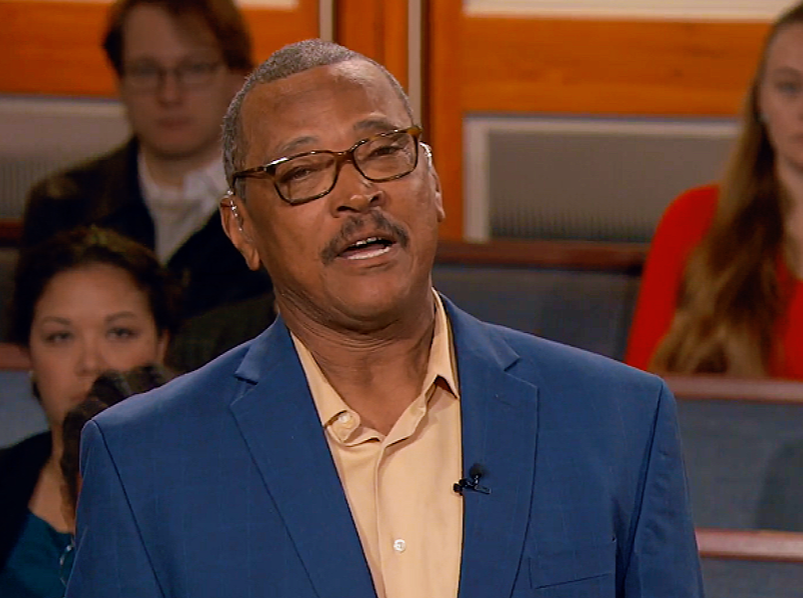
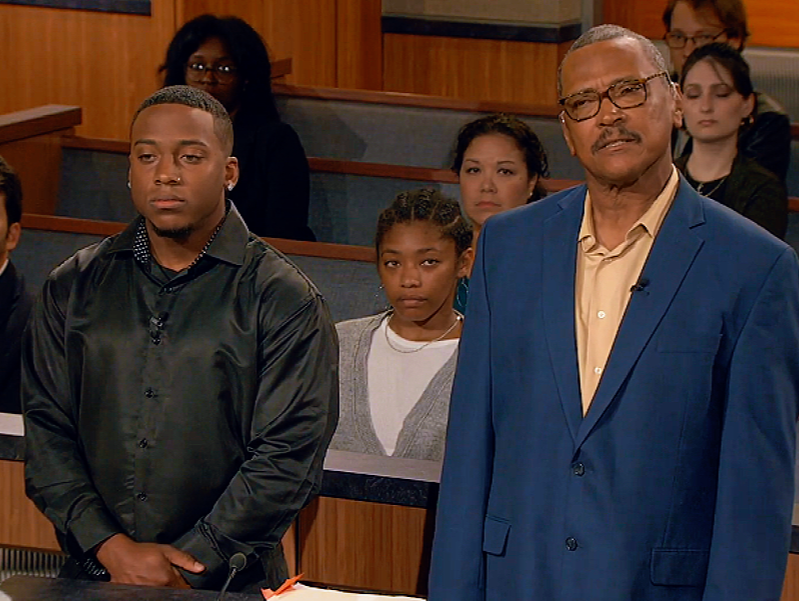
Green testified that Bagues grabbed him by the chest protector and raised a fist toward him. Green said he remembered another fist coming over his shoulder and later learned that it was his son, Camerhon Green, coming to his defense. He did not say he had been hospitalized. Instead, he said he went home and visited a doctor or urgent-care facility on October 17, after waking with significant pain in his face.
What Camerhon Green witnessed
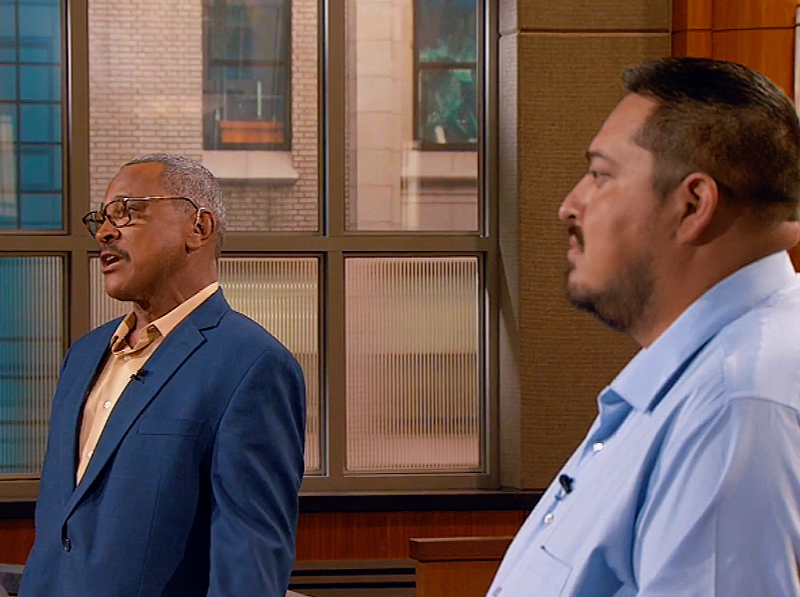
Camerhon Green offered a more detailed account. He said Bagues moved around a barricade of tables after verbally threatening the tournament director. Camerhon and his father stood between Bagues and the director in an attempt to stop and calm him. Camerhon testified that Bagues grabbed Calvin Green by the chest protector and lifted him. Camerhon then said he punched Bagues to defend his father.
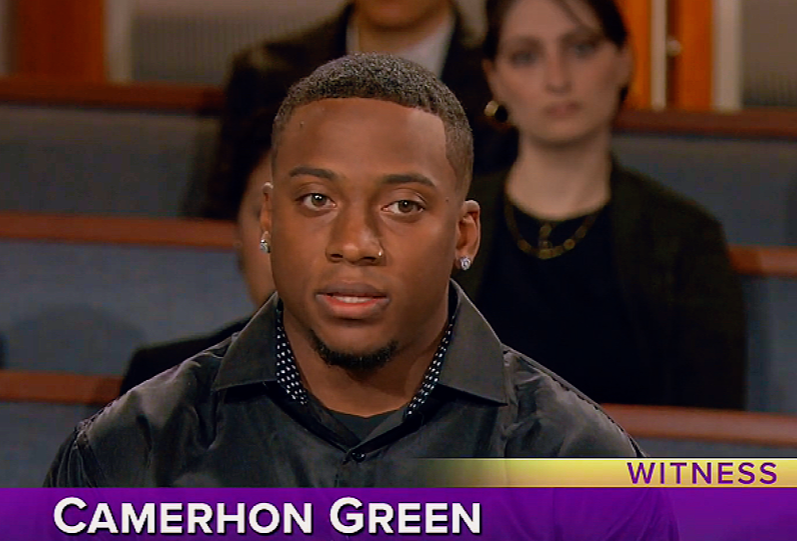
The confrontation continued. Camerhon testified that several parents attacked him and threw him to the floor until a bystanding coach intervened after approximately six seconds. Calvin said he pulled one parent away from his son and was then struck again by someone he could not identify; he was also looking for his hearing aids and glasses after the struggle.
What Francisco Bagues admitted
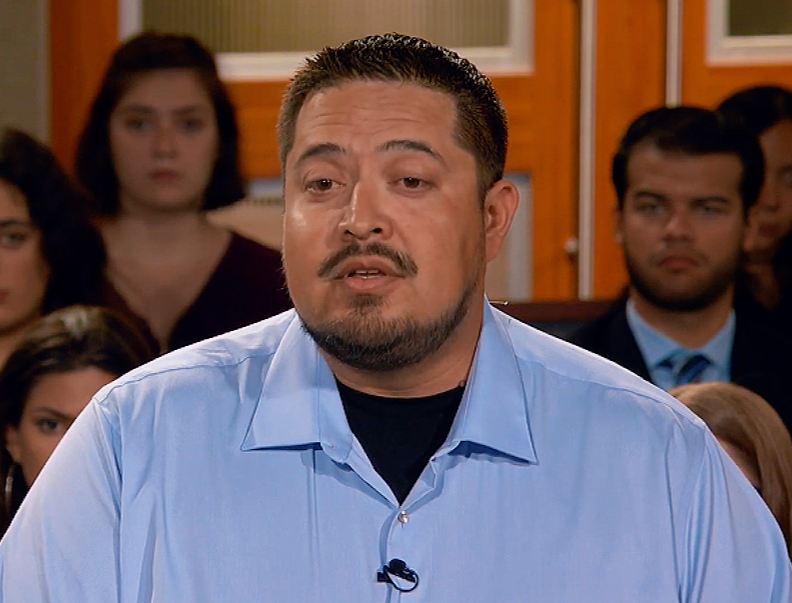
Bagues did not agree that he had punched Green. His position was that he grabbed Green’s chest protector only to move him out of the way because his argument was with the tournament director. He said he was punched after touching Green and that parents pulled him back. The central fact he ultimately admitted was not throwing a punch, but making physical contact with the umpire.
Medical Evidence, Police Reports, and a Protective Order
Green showed photographs and an original doctor’s report. Judge Judy described the visible injuries as significant black-eye areas. Green said the facility and its director filed a police report on October 18. He also testified that he filed a complaint with the Riverside County Sheriff and was contacted by police, though Bagues said he was not arrested.
Green had also obtained a one-year protective order after a separate hearing. It prohibited Bagues from assaulting, menacing, threatening, or harassing him, and kept him 100 feet away at games. The team itself was not barred.
Judge Judy’s Reasoning and the $10,000 Judgment
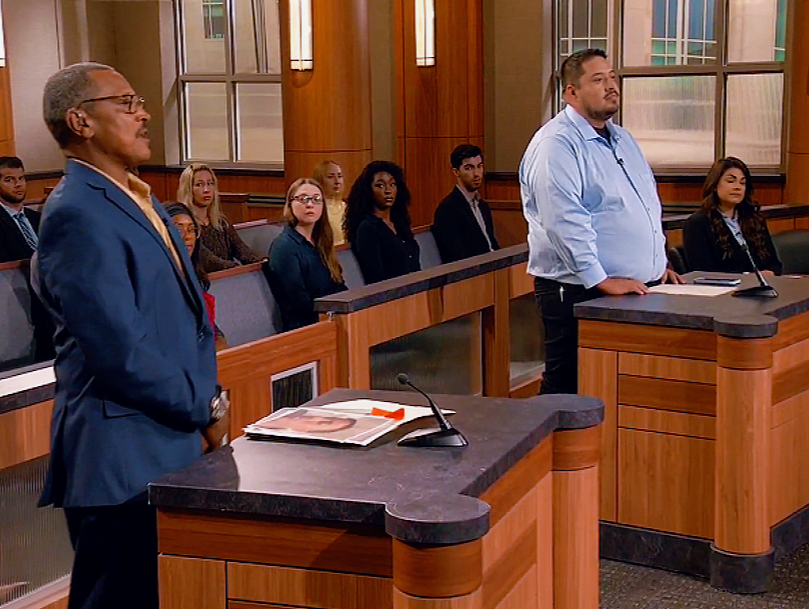
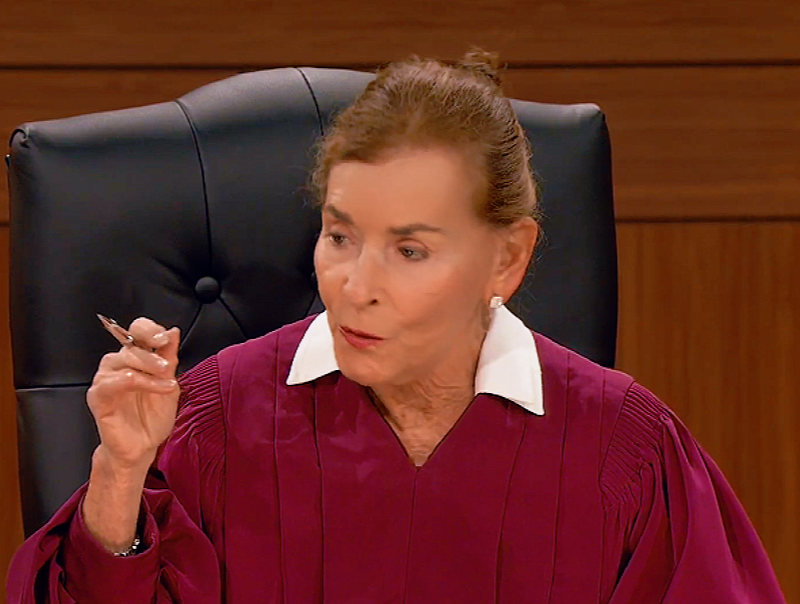
Judge Judy tested both narratives against the sequence of events. She found the explanation involving a team that waited until the game had started more plausible because forfeiture would then eliminate the Bruins and allow the opposing team to advance. She also focused on Bagues’s own admission that he put his hands on Green.
The judge’s reasoning was direct: regardless of the argument with the tournament director, Bagues had no right to put his hands on Green. She characterized the contact as aggressive and noted the age and size difference between the 62-year-old umpire and the 38-year-old coach. Her point was not that every later act became automatically justified, but that Bagues’s conduct began the physical chain of events described in court.
Green testified that he missed a month of his regular work and a month of umpiring. Judge Judy entered judgment for the plaintiff in the amount requested in his petition: $10,000.
The Larger Lesson for Youth Sports
After the ruling, Green said the case was about more than money. He urged parents to attend youth sports to support their children rather than harass umpires or confront tournament officials. His message was simple: violence has no place in baseball.
Bagues said he believed the decision was unfair and continued to maintain that he never punched Green. He acknowledged touching the chest protector, but not throwing a punch. The post-hearing comments therefore preserved the same divide that shaped the trial: one side focused on the physical contact and its consequences, while the other focused on the disputed roster, the tournament’s handling of the fee, and the absence of a punch.
What the case makes clear is that a youth tournament can turn on small procedural details—an age limit, a roster submission, a first pitch, or an $8 admission fee. None of those disputes requires a physical confrontation. The court’s judgment placed responsibility on the conduct that escalated the encounter and reaffirmed the basic boundary that should govern every sideline and baseball field: disagreement is not permission to use force.
FAQ
What is “Baseball Brawl” about on Judy Justice?
“Baseball Brawl” is the Season 3, Episode 1 case in which umpire Calvin Green sued coach Francisco Bagues for lost wages and damages after a confrontation at a youth baseball tournament.
Why was Francisco Bagues’s team disqualified?
The testimony stated that two 17-year-old players were used in a division whose sanctioning rules allowed only one such player. Because the game had already started, the team was subject to forfeiture rather than simply removing a player and continuing.
Did Francisco Bagues admit assaulting Calvin Green?
Bagues denied punching Green but admitted grabbing Green by the chest protector, saying he did so to move him out of the way. Judge Judy treated that physical contact as a significant part of the escalation.
What happened to Camerhon Green?
Camerhon Green testified that he punched Bagues while defending his father. He then said several parents attacked him before a bystanding coach separated him from the crowd.
How much money did Calvin Green receive?
Judge Judy awarded Green $10,000, the amount requested in his petition. Green testified that he missed a month of regular work and a month of umpiring.
Was there a protective order?
Yes. Green testified that he received a one-year protective order restricting Bagues from assaulting, threatening, menacing, or harassing him, including staying away from him at games.