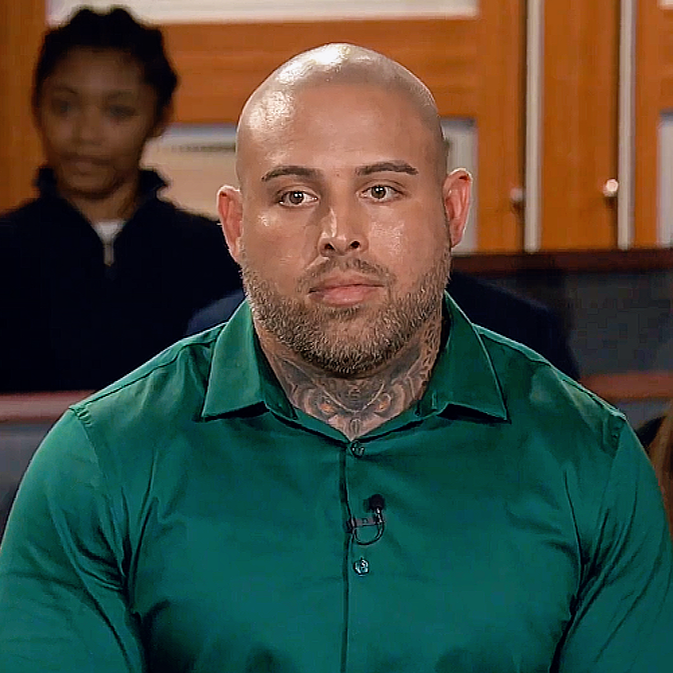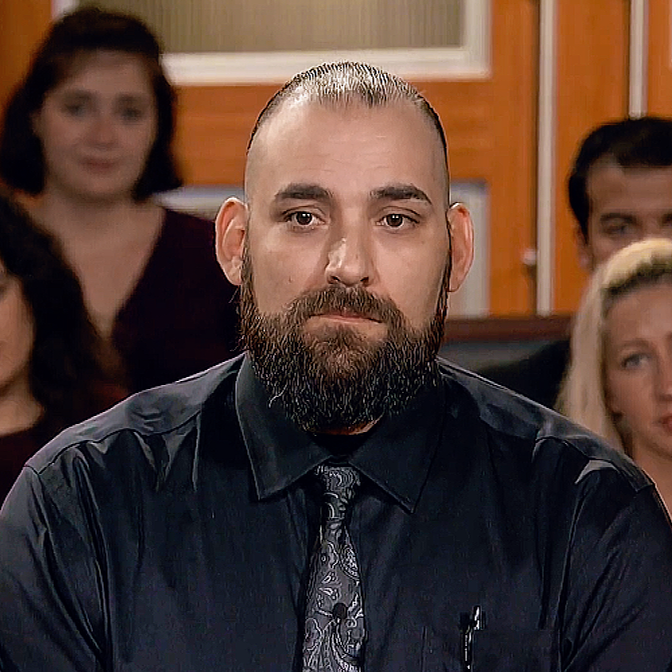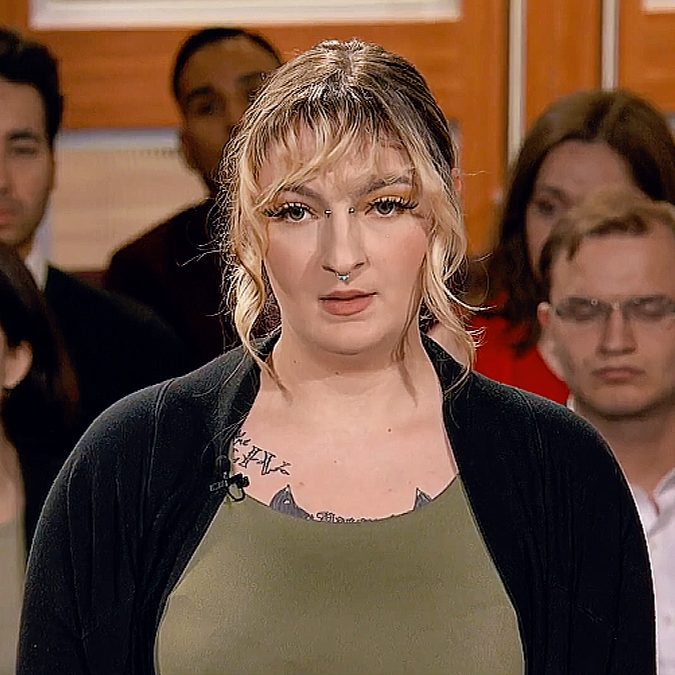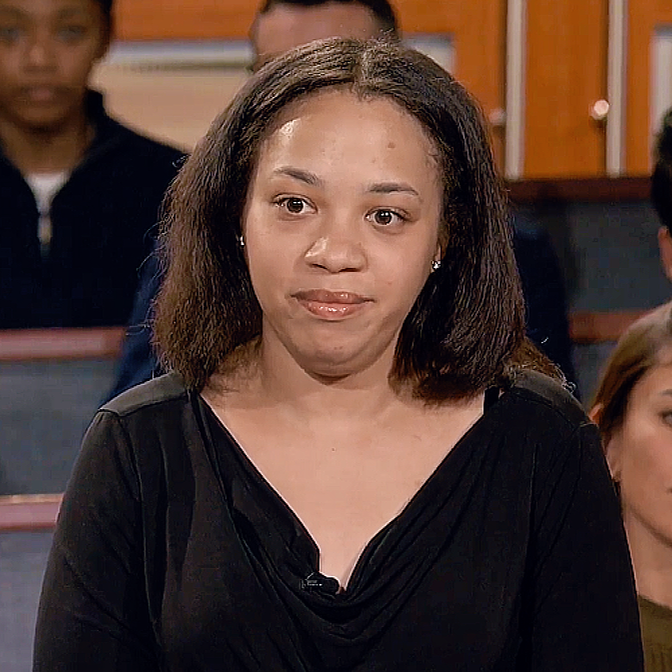
It began with a phone saved under the name “J Money.” By the end of the night, one woman said she had recorded a threat, moved her new car for protection, and later discovered deep scratches on its body. In a separate hearing, a breakup brought a broken phone, personal belongings, a physical confrontation, and an unresolved question of paternity into the same courtroom. The two cases were different, but both showed how quickly private relationship conflicts can become public disputes over evidence and responsibility.
The First Case : The phone call behind Roberts v. Scott
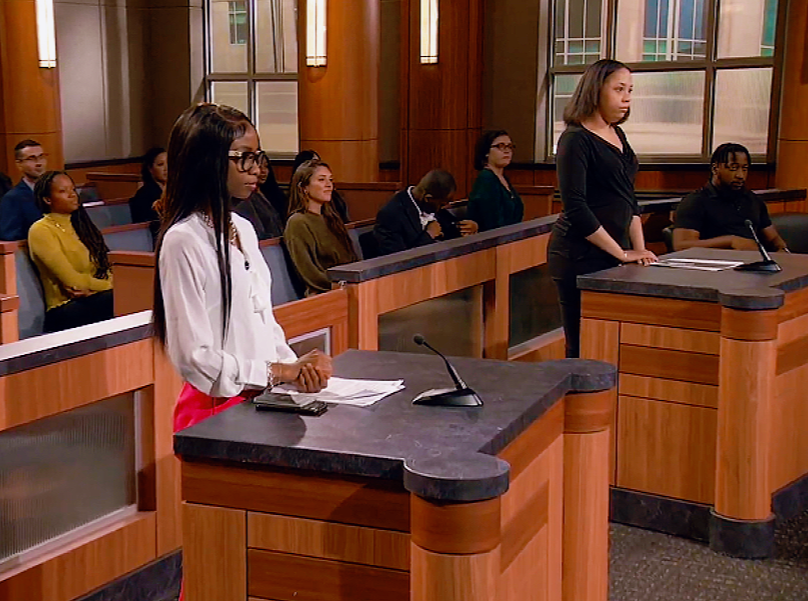
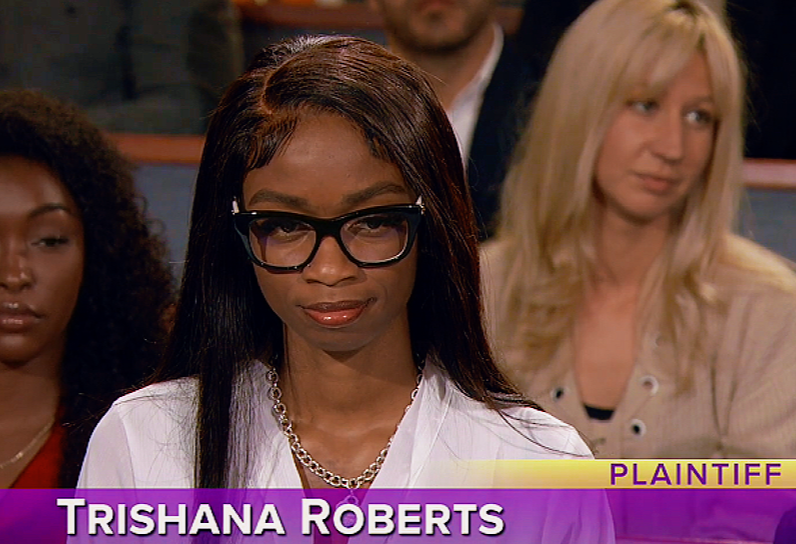
The first hearing, Roberts v. Scott, involved Trishana Roberts and Jah’nia Scott, the former and current partners of a man named Marcus. Roberts sued Scott for allegedly vandalizing her car on November 11, 2022.
The relationship background made the dispute difficult to separate from the alleged property damage. Scott testified that she and Marcus had been together for seven years, on and off, including about a year and a half apart. They did not live together. Scott usually went to Marcus’s family home and said they intended to make their relationship official after getting their finances, jobs, and wider circumstances in order. Roberts remained connected to Marcus as the mother of his child.
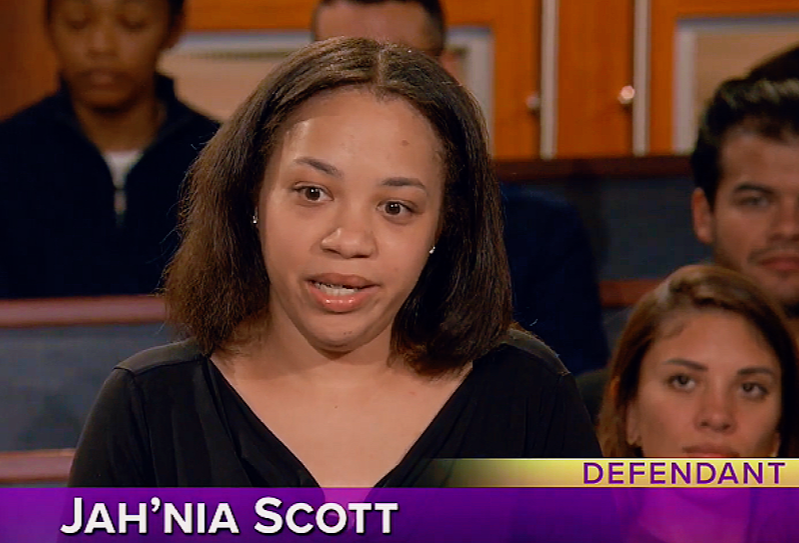
On the night at issue, Roberts said she and Marcus had gone out with their baby and returned to his home at about 12:30 a.m. They decided that she and the baby would stay there. While Marcus was in the shower, his phone rang. The caller was not saved under her name; the contact appeared as “J Money.” Roberts identified the caller as Scott.
Roberts answered the first call. She said the background was loud and that the call ended. When Scott called back, Roberts testified that Scott said she was coming to fight her and asked where Marcus was. Roberts recorded the exchange and brought the audio to court.
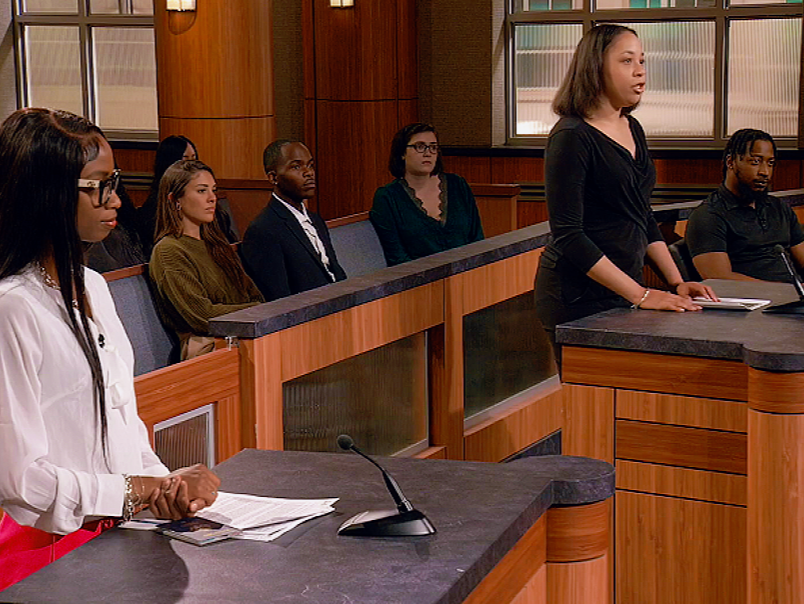
Scott acknowledged wanting a confrontation. She described accumulated resentment, including alleged remarks and group chats involving other women, and admitted that she wanted to fight. Judge Judy questioned why someone would go to a private home late at night with two friends for that purpose.
Scott said she had been at a bar with two female friends and became upset because Marcus was not answering. She knew he was home but initially did not know who was with him. Marcus eventually came outside and told her to calm down because the baby was inside.
What happened outside Marcus’s home
Scott testified that she left and sat in a friend’s car for about 30 minutes while her friends tried to calm her. She later received a call from Roberts’s friend, who Scott said threatened to kill her and her baby. Scott also said that night was when she learned she was pregnant. Later, sometime after 2:00 a.m., Roberts reportedly responded to Scott and asked her to come back outside. Scott said she did not return.
Roberts gave the court a different account of what followed. She said Scott and Marcus became involved in an altercation outside. Marcus then returned to the room, where he lay on the bed with Roberts and the baby. Roberts said she looked through a window and saw Scott and a friend walking around her car with a flashlight.

Roberts believed they were looking for the township’s permit parking. Judge Judy pointed out that Roberts could not know what they were searching for. Roberts replied that Marcus had told her that was what they were looking for. When Marcus was called to address the point, he denied making that statement and said he had no knowledge of the claim.
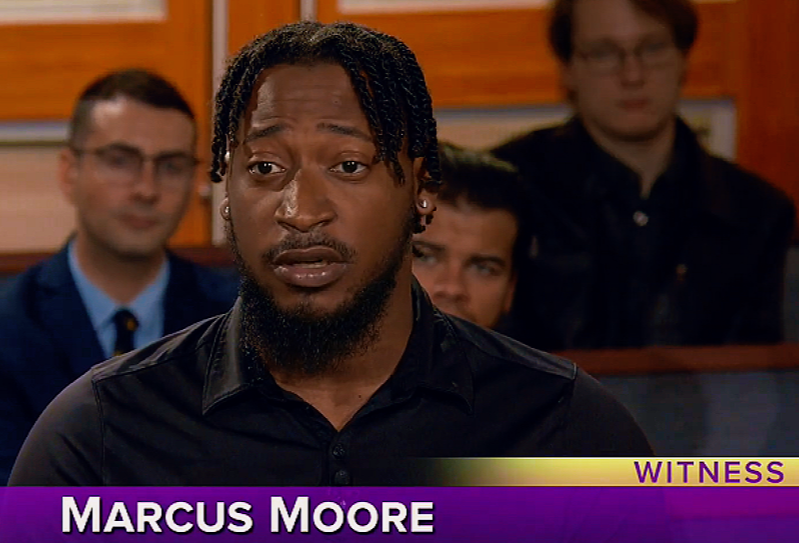
Roberts did not immediately drive away. Marcus said he learned about the vandalism roughly two days later, when she was preparing to leave. Roberts said she had stayed about a day and a half because health problems left her unable to drive home. She noticed the damage before leaving and sent Marcus a photograph.
Roberts said the car was new and had been purchased in February of that year. She testified that it had no marks before the incident. After showing Marcus the recording of Scott’s threat, Roberts said he told her to move the car. She moved it from his driveway to across the street. Marcus confirmed that he told her to move it, although he explained that the vehicle had been blocking the street from his driveway. He denied listening to the recording because he was upset that Roberts had answered his phone.
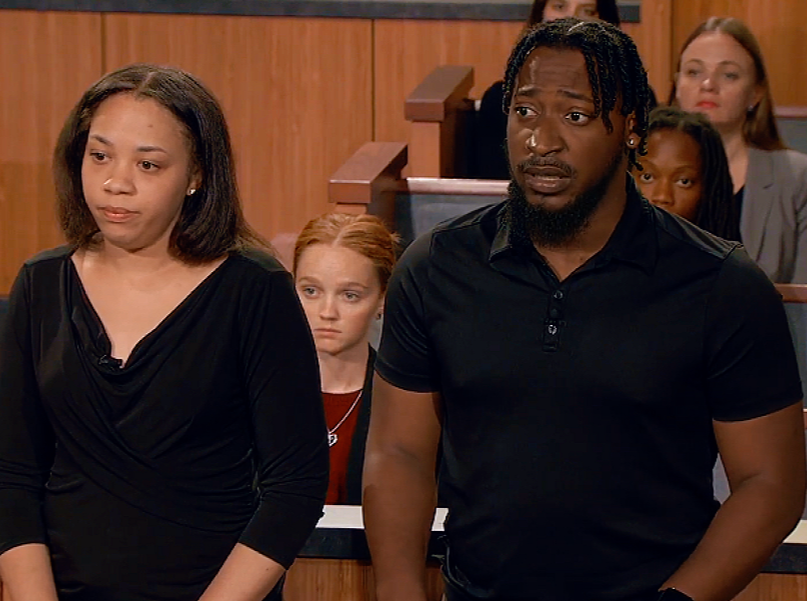
Why Judge Judy awarded $1,400
The court considered more than competing accounts. Roberts presented before-and-after photographs. Text messages discussed the damage, a repair estimate, leaving Marcus out of the dispute, and paying for a rental vehicle.
In the exchange reviewed in court, Scott said Roberts should never have touched her car. Roberts replied that the situation could have been avoided if Scott had not touched her phone. The messages did not provide a complete account of who caused the damage, but they formed part of the surrounding evidence.
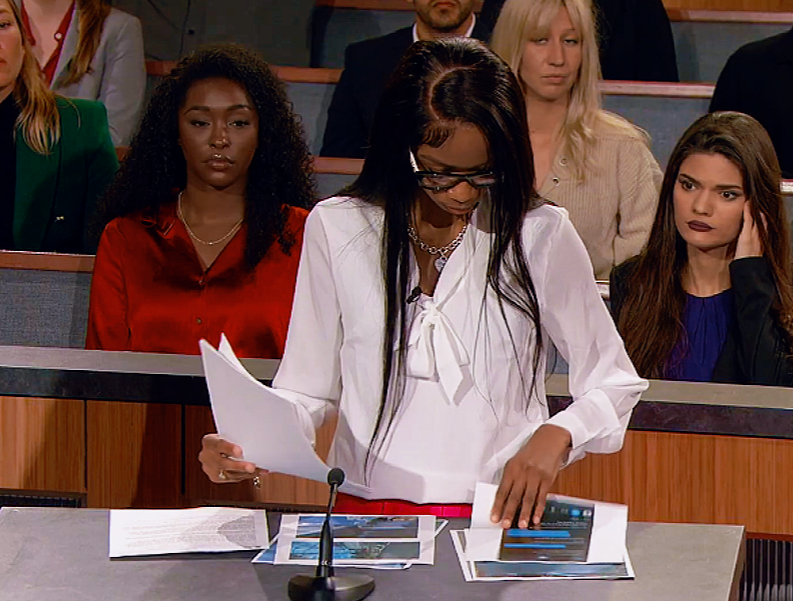
Judge Judy said she was satisfied by the circumstantial evidence, Roberts’s testimony that she saw Scott around the vehicle, the recorded call, and the text messages. The repair cost was stated as $1,400, and judgment was entered for Roberts in that amount.
After the ruling, the parties still disagreed. Scott maintained that anyone could have damaged a vehicle parked on a neighborhood street. Roberts insisted that she had witnessed Scott walking around and keying the car. Marcus said Scott could not have done it and that he did not believe she was responsible. Roberts said Scott needed to leave her alone, while Marcus noted that he and Scott shared a child.
Judge Judy’s final observation was that no man should be treated as a prize worth fighting over, especially when his conduct has placed both women in conflict.
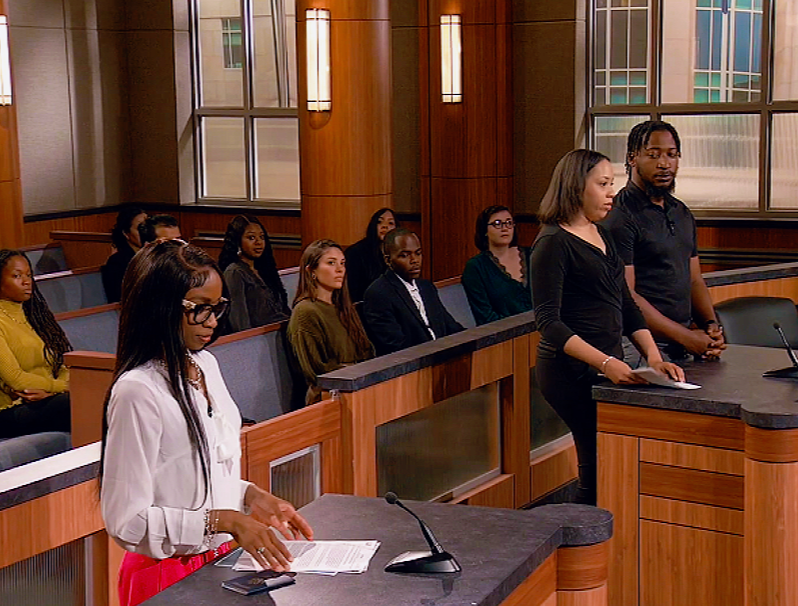
The Second Case : Ladd v. Mendez, Jr. begins with a paternity dispute
The second hearing, Ladd v. Mendez, Jr., involved Jaszmine Ladd and her former boyfriend, Gregorio Mendez, Jr. Ladd sued over personal belongings and a broken phone. She had lived at Mendez’s mother’s house, while Mendez said he was living there with his mother.
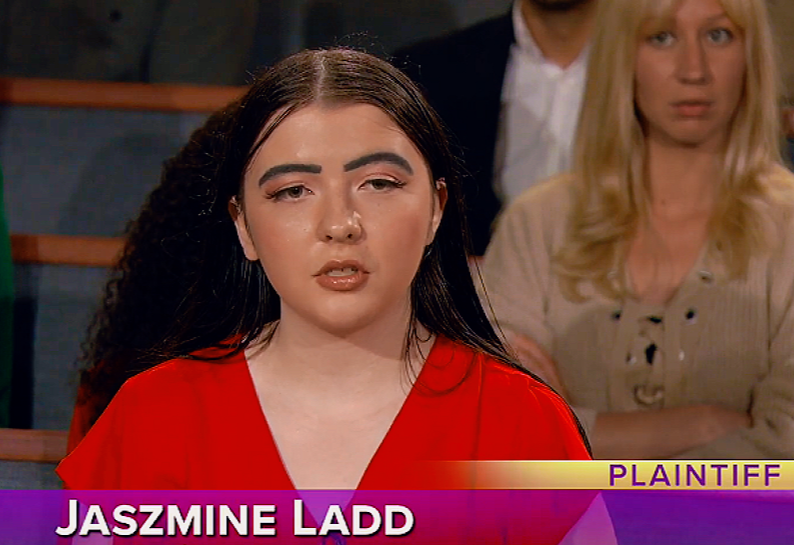
The case quickly became more complicated. Ladd said she had two children, one two years old and one one year old, and testified that Mendez was the father of both. Mendez disputed that he was the father and requested a paternity test, saying the child did not look like him. No paternity matter had yet been taken to court.
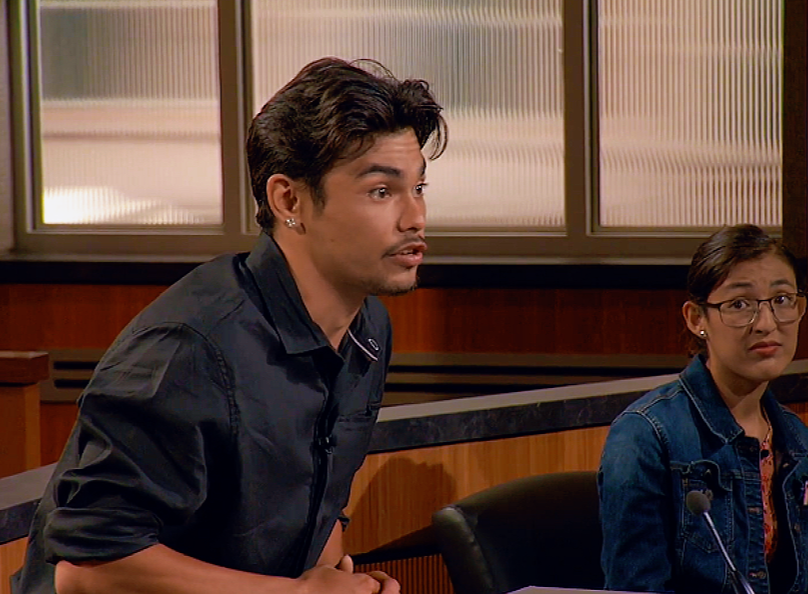
Ladd said she moved into the home on January 20, after living with her grandmother since graduating high school in 2021. She was about 20, was not working or attending school, and stayed home with her children. She said she left the children with her grandparents when she moved because she believed the situation at Mendez’s home was unsafe. She also testified that her grandmother had recently obtained legal custody.
Judge Judy stressed that Ladd had a responsibility to parent her children and urged her to get a job. She told Mendez that if he believed the child might be his, he should go to court, request a paternity test, and seek visitation. A formal test, she explained, would clarify whether he was biologically related to the child and whether support should be paid.
The March 14 confrontation
The relationship dispute came to a head on March 14. Ladd said the argument began after Mendez told her she was too fat and not good enough for him. Mendez acknowledged saying those words.
Ladd said she called a friend to pick her up and that a physical confrontation followed. She denied scratching Mendez. Mendez denied touching her, but Ladd said he pushed her against a wall. She presented photographs and a police report, including one photograph showing a small scratch near Mendez’s wristwatch. Judge Judy said the material did not establish the details she was seeking.
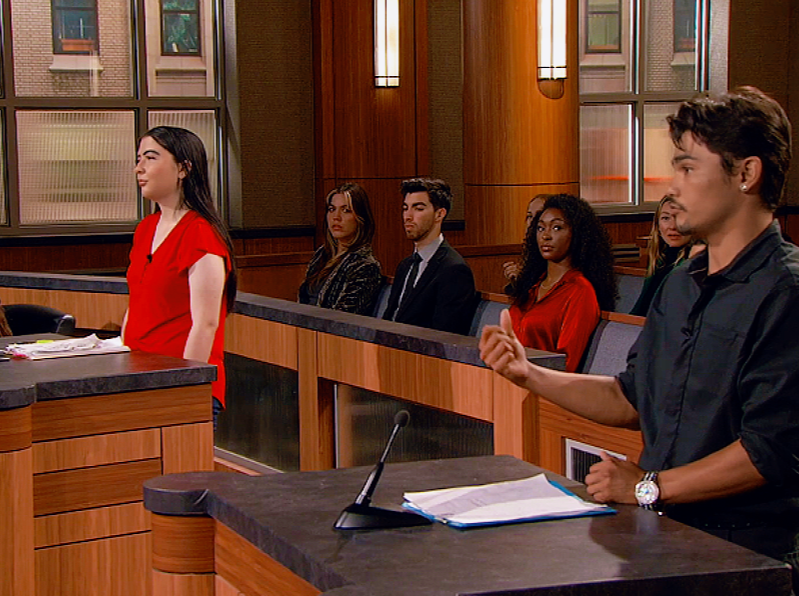
Ladd’s immediate reason for bringing the case was that she wanted her belongings returned. Mendez acknowledged that he still had property belonging to her because she had lived in the house for two months. When asked where it was, he said it was in the courtroom. Ladd also sought compensation for a replacement phone, alleging that Mendez had broken hers. Mendez denied breaking her phone but said Ladd had broken his.
The court established that Ladd’s belongings were present, and the case ended without a finding in the transcript that resolved the disputed paternity or every allegation about the fight.
The larger lesson from both hearings
The two disputes reached different outcomes. Roberts received a $1,400 judgment for the car damage. Ladd recovered access to the belongings that Mendez acknowledged possessing, while the paternity question was directed toward a separate legal process.
Together, the hearings illustrated why testimony must be separated from proof. A threat may explain fear but does not by itself prove who damaged a car. A photograph may show a scratch without establishing how it happened. Paternity cannot be settled by resemblance or denial; it requires the formal process Judge Judy described.
Most importantly, both cases showed the cost of allowing relationship conflict to escalate. The arguments involved phones, vehicles, insults, children, and property, but beneath each dispute was the same issue: responsibility. The courtroom could decide the claim before it, but the people involved still had to address the consequences of the relationships that brought them there.
FAQ
What happened in Roberts v. Scott on Judy Justice?
Trishana Roberts sued Jah’nia Scott for allegedly keying her car on November 11, 2022. Judge Judy found the circumstantial evidence persuasive and awarded Roberts $1,400 for repairs.
Did Jah’nia Scott admit to damaging Trishana Roberts’s car?
The SRT does not contain an admission that Scott keyed the car. Scott denied responsibility, while Roberts said she saw Scott near the vehicle. The court ruled for Roberts based on the circumstantial evidence and related testimony.
How much money was awarded in the car-vandalism case?
Judge Judy awarded Trishana Roberts $1,400.
What was Jaszmine Ladd suing Gregorio Mendez, Jr. for?
Ladd sued over personal items left at Mendez’s home and a phone she said he broke. Mendez acknowledged that her property was at the courthouse and it was returned.
Was paternity established in Ladd v. Mendez, Jr.?
No. Mendez disputed paternity of Ladd’s two-year-old child and requested a DNA test. Judge Judy advised him to pursue paternity and visitation through court, but the hearing did not determine the result.
Did Jaszmine Ladd receive money for the broken phone?
The transcript does not state that Ladd received a monetary award. The case ended after the property issue was addressed and her belongings were returned.