Bonnie Bailey was inside an orthodontist’s office getting her braces tightened when someone asked what kind of car she drove. Minutes later, she walked outside into a scene of damaged vehicles, crying witnesses, and a parked Audi that had been totaled. Bailey had not seen the collision, so the courtroom had to reconstruct it from the available video. Later in the same episode, a grieving family’s attempt to raise money for three children became a separate dispute over who should control the funds. Together, the cases show how evidence, timing, and the stated purpose of money can shape a courtroom decision.
The First Case : The Parked Audi and the First Shock
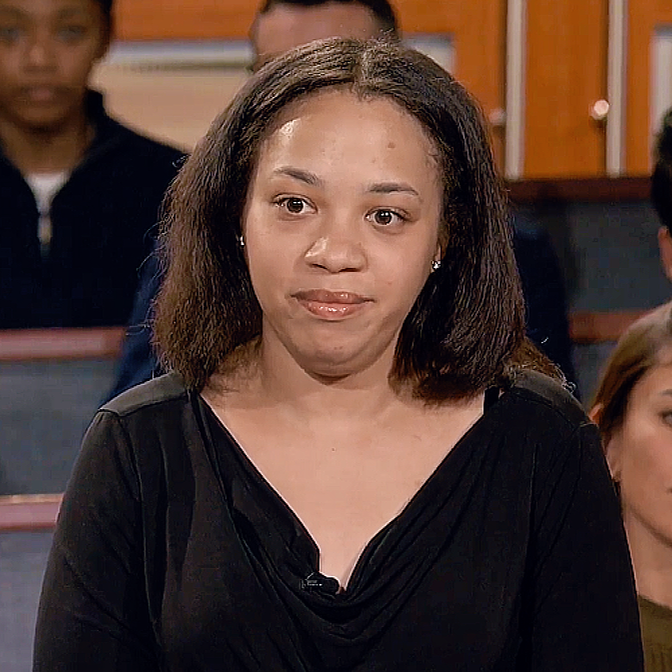
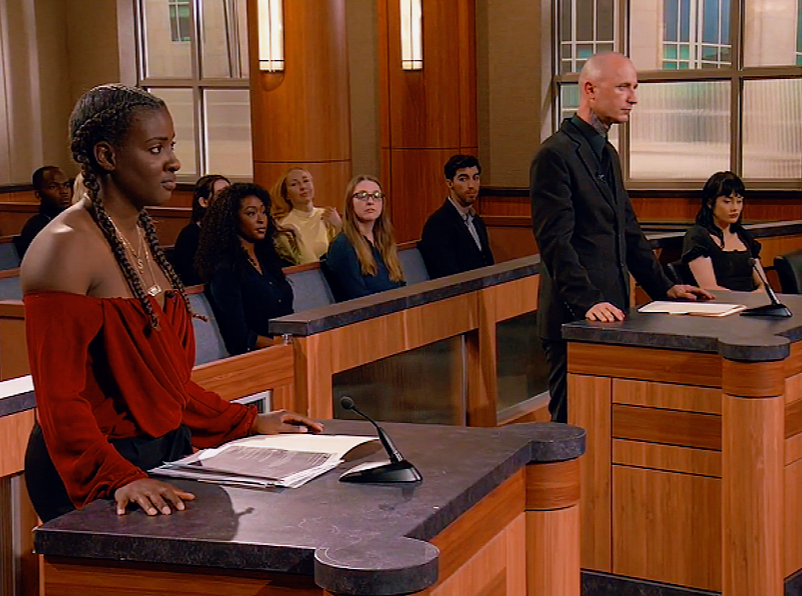
Case 3014 placed Bonnie Bailey against Steven Cikos over damage to her vehicle. The loss occurred on April 4, when Bailey’s Audi was parked outside an orthodontist’s office. She estimated that the incident happened around 9:40 in the morning, while she was inside for a braces-tightening appointment.
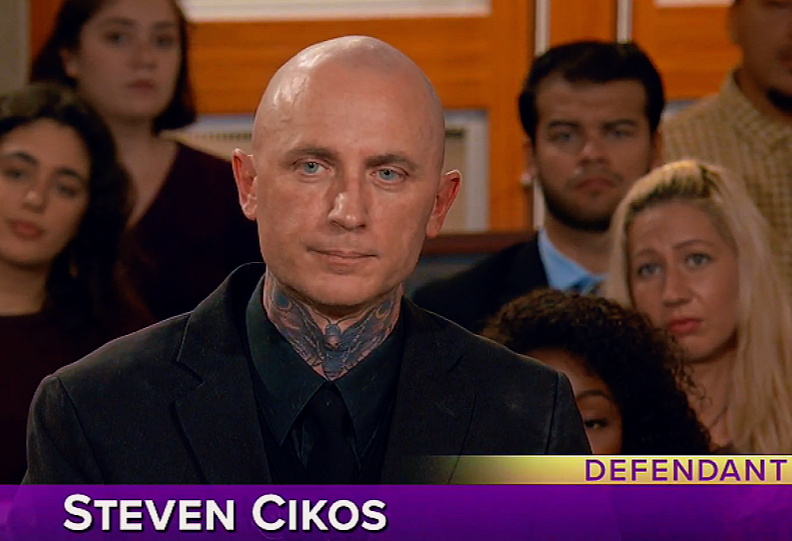
Bailey described the moment she returned to the street as a sudden and confusing disruption. Several cars had been hit. People were in tears. Police were either already at the scene or arriving as she came outside. Bailey’s attention went immediately to her own vehicle, and she said someone had to catch her because she was startled by what she saw.
The shock was intensified by what Bailey did not know: she had no direct view of the crash. She could not explain how the collision had begun, and there was no police report available in the case. Her car had been paid off, and she had chosen not to carry collision coverage, helping keep her insurance costs lower. Now, with the Audi totaled, the financial responsibility was far less clear than the damage itself.
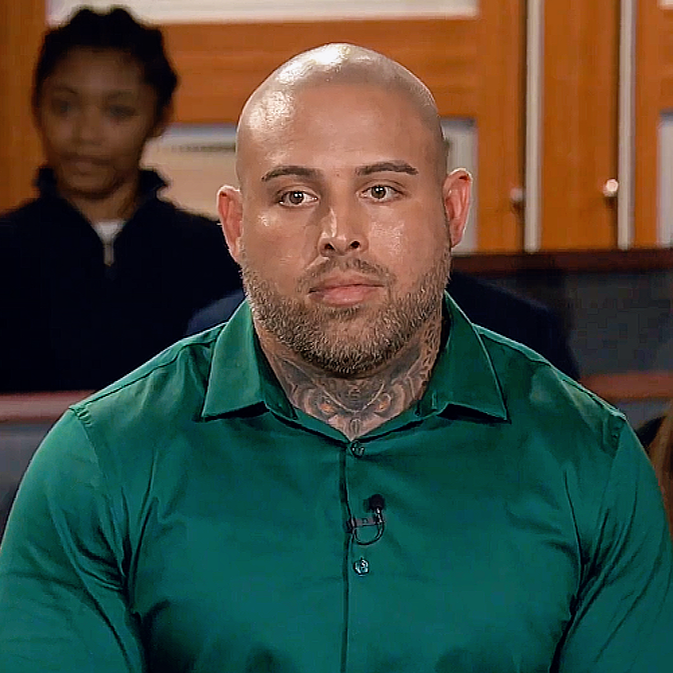
What Steven Cikos Said Happened
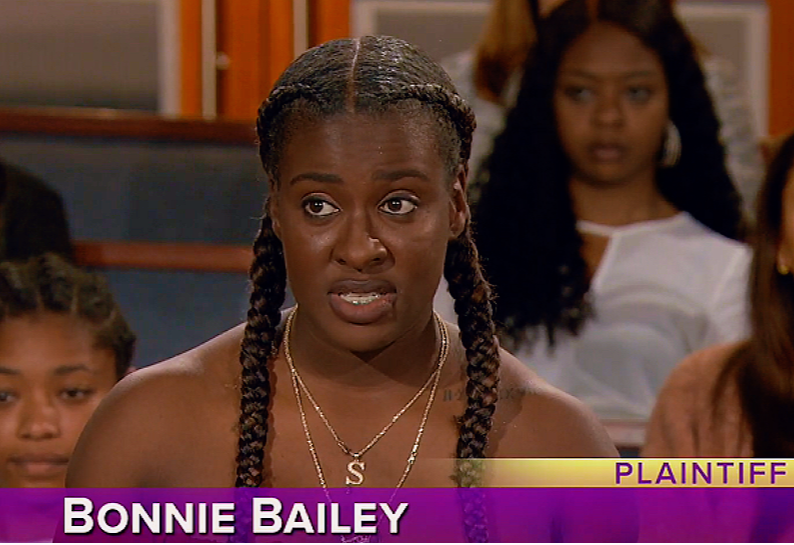
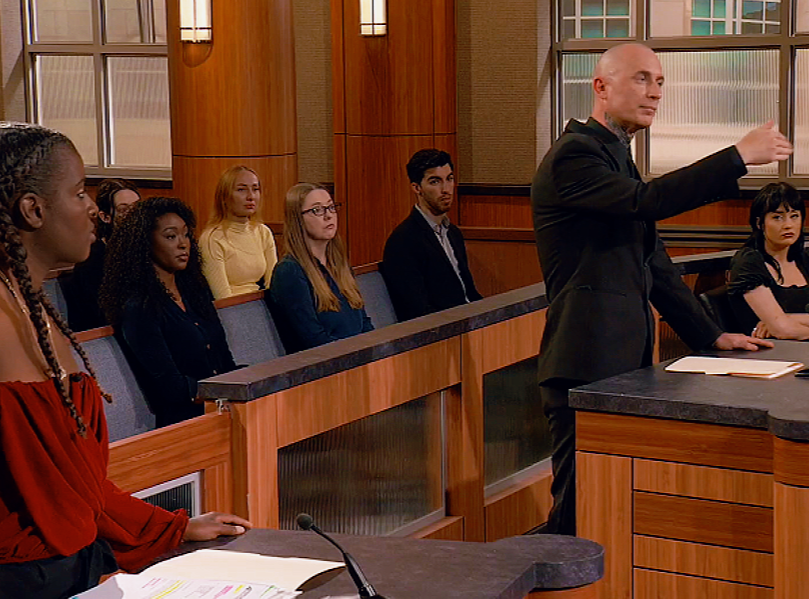
Cikos told the court that he had been driving a 2011 Mazda 3. He was taking his girlfriend home before going to work and was traveling in the left lane of a two-lane roadway. He said he had been in that faster lane for somewhere between a quarter-mile and half a mile.
The road was familiar to him. Near Beverly and Alvarado, he explained, cars often lined up to make a left turn. That backup was approximately a quarter-mile from the location of the accident. Cikos said he moved toward the right lane in preparation for avoiding that future congestion; he was not making a right turn.
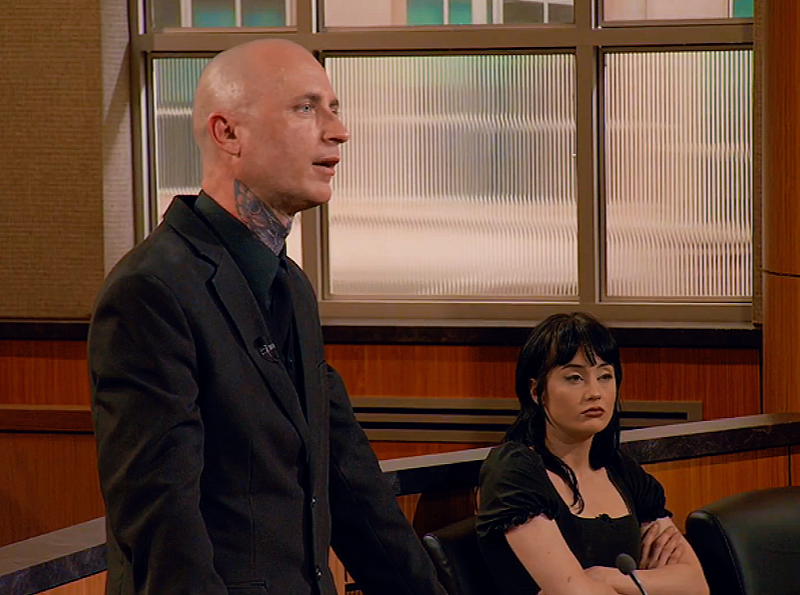
According to his account, he activated his turn signal and checked over his right shoulder. He saw a white car and, farther back, a blue vehicle he believed was a BMW traveling behind him in the faster lane. He began to merge after looking back and seeing no vehicle beside him.
Then, he said, the situation changed almost instantly. The blue BMW cut around the white car and attempted to pass him while he was merging. Cikos maintained that the BMW struck his Mazda and then continued into Bailey’s parked car. His position was simple: his car never made contact with Bailey’s Audi, and the BMW was the vehicle that ultimately hit it.
The Video Changes the Focus
Judge Judy asked to see the video. After reviewing it, she said Cikos was right about the central point: the BMW was at fault. The footage, as described in court, showed Cikos’s vehicle already moving into the right lane and halfway across when the blue car came from behind.
The video also prompted a sharp reaction to the BMW driver’s speed and maneuver. The blue car was described as traveling much too fast and recklessly. During the replay, it appeared to cut off the white car. A van also came close to being destroyed.
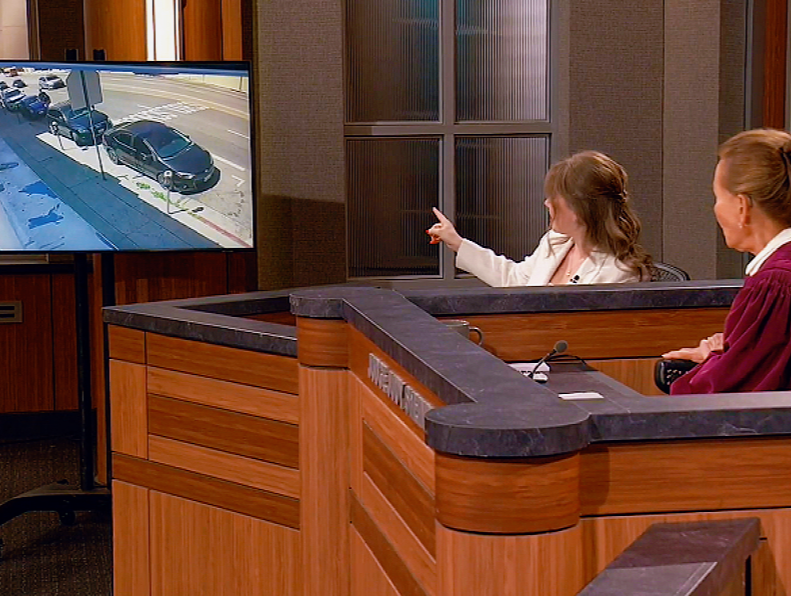
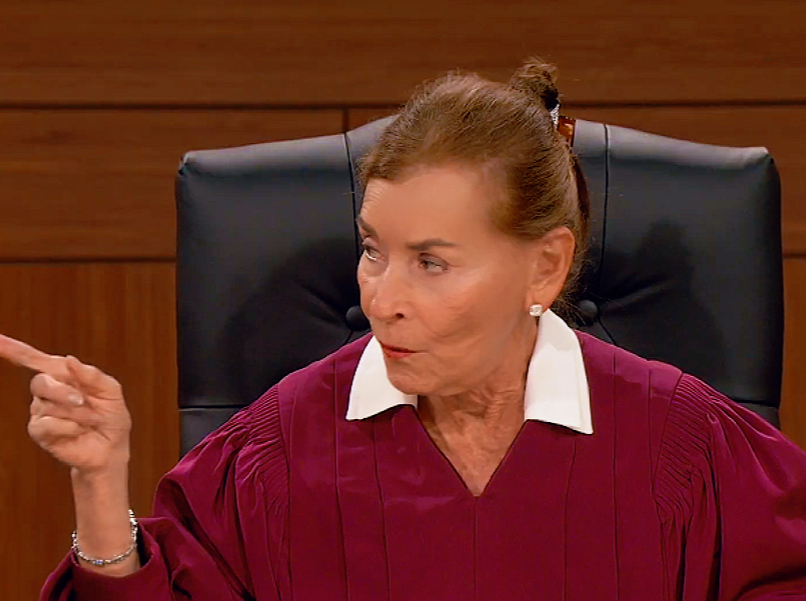
Judge Judy emphasized that the BMW driver was fortunate not to have been killed. She also remarked that the circumstances were serious enough to raise the specter of a vehicular-homicide arrest, although the transcript does not establish that any arrest occurred. The court’s point was about the danger visible in the footage, not a finding that such a charge had been filed.
Why the Insurance Dispute Mattered
Bailey explained that she had contacted the BMW driver’s insurer. The company declined to pay, saying the BMW was not at fault. Bailey also said the insurer cited the driver’s limited coverage, which would not have been enough for the damage to her vehicle.
Bailey then pursued Cikos. She told the court that she had reviewed the video multiple times and believed he appeared more responsible. The insurer, she said, also directed her toward Cikos. That left Bailey in the difficult position of suing the driver who was present in court, even though the video ultimately shifted the focus back to the BMW.
Judge Judy questioned why Bailey had chosen Cikos rather than the BMW driver. Bailey responded that she had gone after both avenues, including contacting the BMW’s insurance carrier, but the coverage dispute and the insurer’s position had complicated the matter. She also said she had another witness, but the insurer’s last communication to her came after acknowledging the existence of the video.
The Dismissal and the Next Legal Step
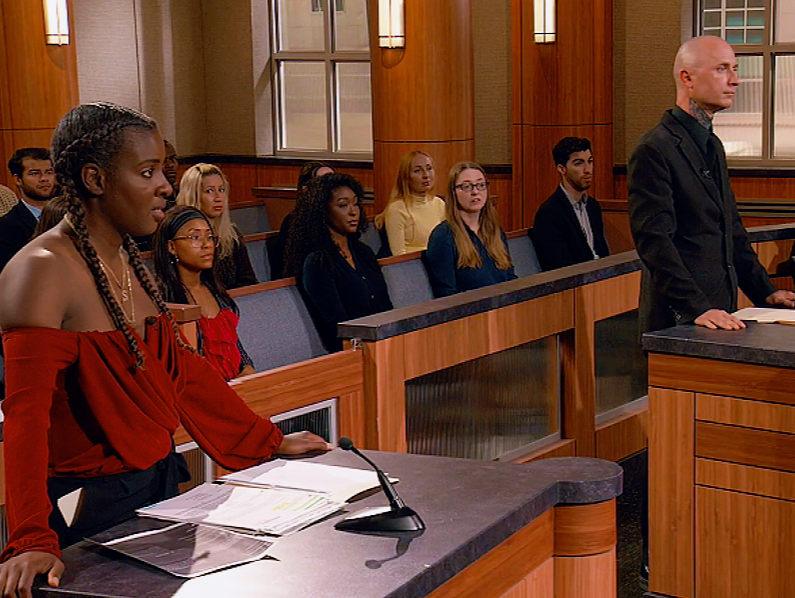
After watching the footage, Judge Judy concluded that Cikos was not the person who should bear responsibility for Bailey’s totaled Audi. She told Bailey that if she brought the right person—the BMW driver—she would be willing to hear the case and issue a decision.
The case against Cikos was dismissed. The ruling did not restore Bailey’s vehicle or resolve every insurance question. It identified the narrower problem: based on the video, the person in court was not the driver who caused the impact with the parked Audi.
Cikos said the crash had seemed to come out of nowhere and that he had not seen the BMW approaching. He acknowledged that he might need to pursue the BMW’s insurance more forcefully or take that driver to court. A later discussion suggested Bailey could have sued both drivers if responsibility was uncertain, but the evidence presented pointed away from Cikos.
The Second Case : Money Raised for Three Children
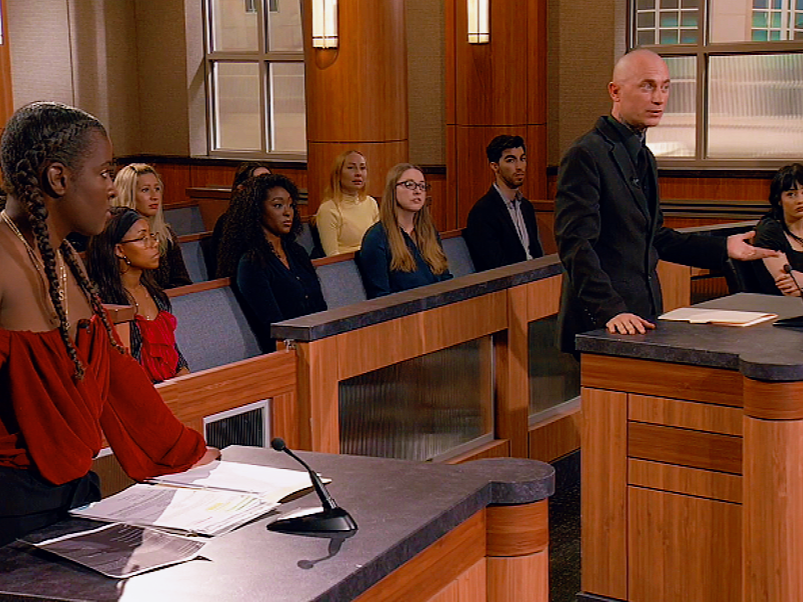
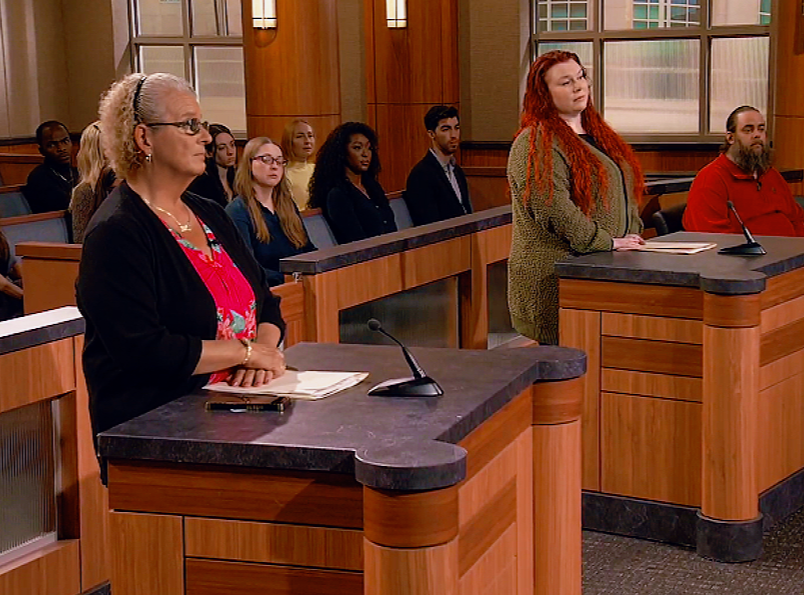
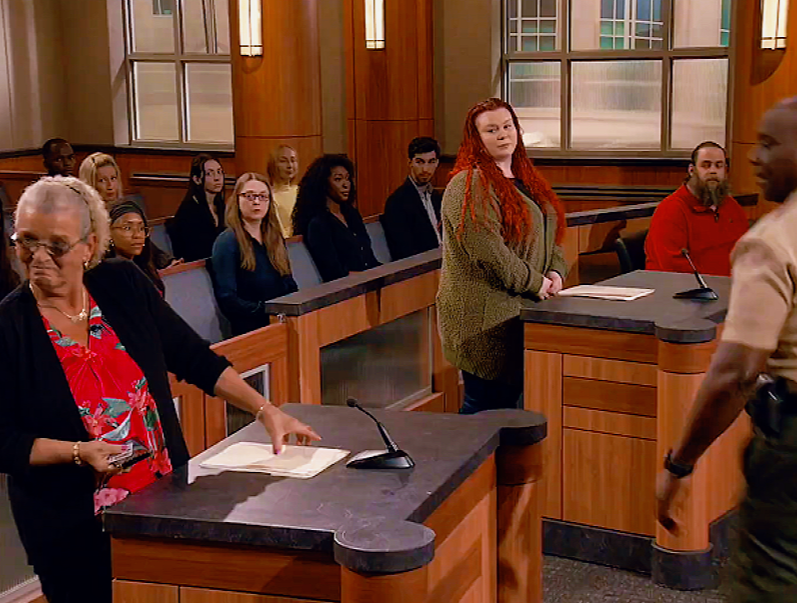
To case number 3013, Tule v. Messenger. Cheryl Tule sued Aerial Messenger, whom the court identified as her former daughter-in-law, over money raised for Tule’s three grandchildren. The court clarified that Tule and Messenger had never been married to Tule’s son, although they had been separated from him for five or six years. The family dispute followed a tragedy: Tule’s daughter was killed in an automobile accident on December 3. The daughter had three children, who came to live with Tule immediately after her death.
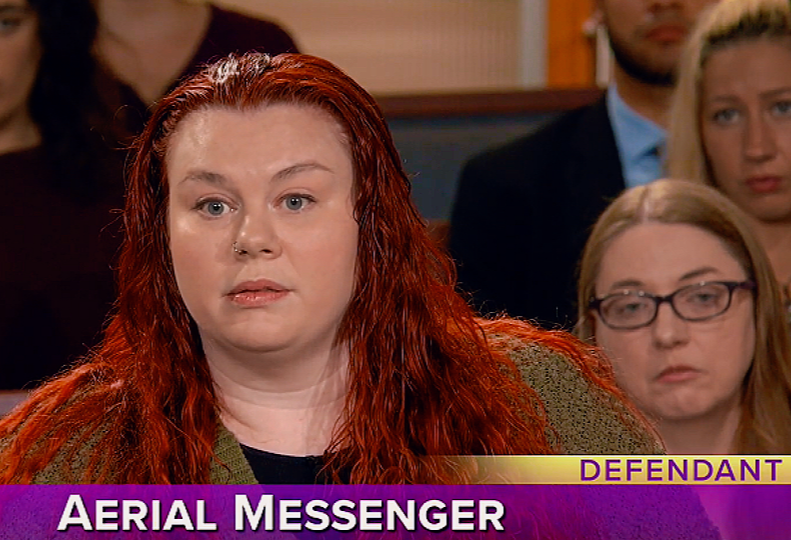
On December 9, only days later, Messenger organized a spaghetti dinner fundraiser at a bar where she worked. The bar donated the space, while others donated food. Guests paid $15 for a meal, and the event also included a bake sale and raffles. Tule said approximately $1,800 was raised for the children.
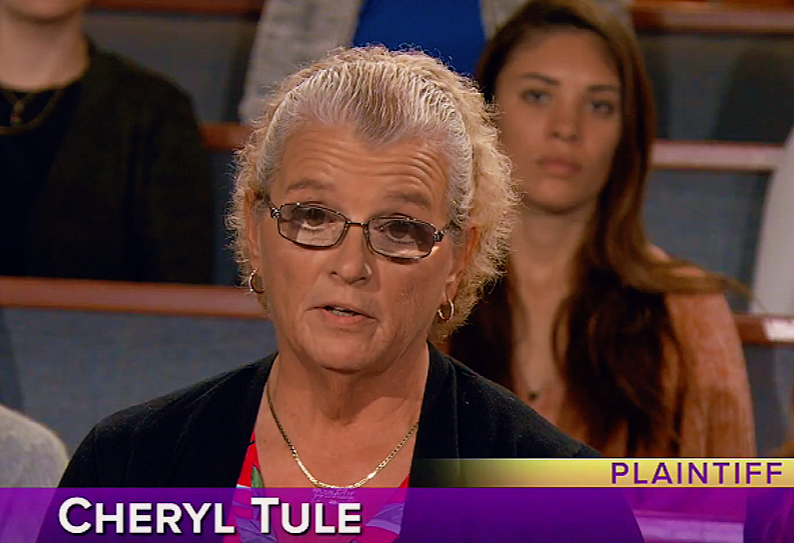
The disagreement was not over whether the fundraiser had taken place or whether money had been collected. It concerned who should control the funds and how they should be protected. Tule had interim custody and described expenses connected to the children, including emptying her daughter’s apartment, placing belongings in storage, and preparing a new home for herself and the three children.
Messenger’s position was that she had not known about the fundraiser until the day before and had not been asked to participate. She said she intended to open accounts for the children once she received their Social Security numbers. Tule objected, saying Messenger was not financially stable and had accumulated bills owed to a family member. Tule preferred that the money be placed in bonds rather than given to Messenger for an account.
The Court’s Solution
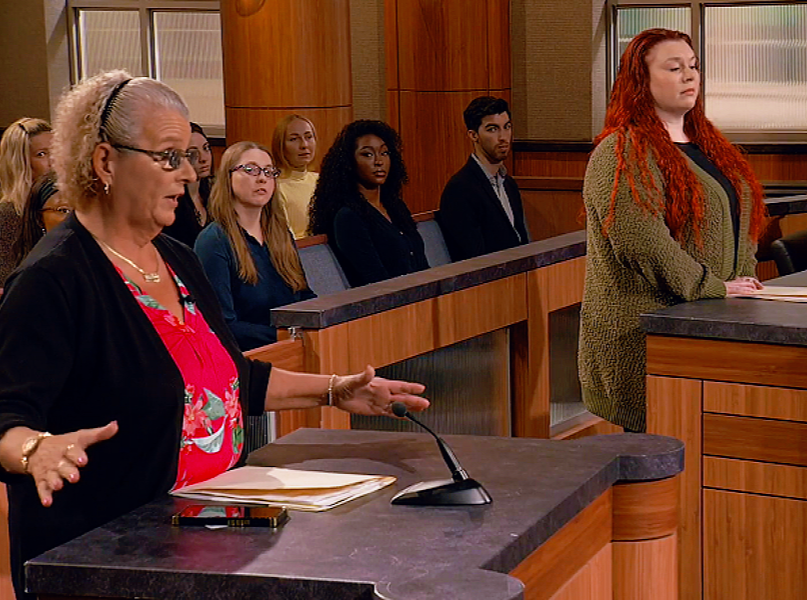
Judge Judy separated the family’s expenses from the purpose announced at the fundraiser. Tule’s costs were real, but the court said they were not a reason to keep money raised specifically for the children. At the same time, the court recognized that Messenger’s proposed plan required a practical way to safeguard the funds.
The judge explained that accounts could be established for the benefit of minors, but Tule did not want to provide the children’s Social Security numbers. The court then offered another route: Messenger could buy U.S. bonds in the children’s names without those numbers. The court clerk would hold the matter until proof showed that the bonds had been purchased for the children.
The bonds were to remain with the children until they were 18, at which point they could be given to them. Judge Judy acknowledged that the investment might not be the best way to maximize the money, but it offered a way to preserve the fundraiser’s stated purpose while reducing the conflict between the adults.
The case ended without a conventional money judgment for Cheryl Tule. Instead, the court imposed a protective solution tied to the children’s benefit. Judge Judy noted that the fundraiser had been assembled within three or four days of the tragedy, likely in an urgent effort to help. She estimated that the $1,800 amounted to roughly $550 or $600 for each child and stressed that such an amount could matter when the children later faced college, work, or housing expenses.
The two cases had different facts, but they shared a theme: when emotions and uncertainty obscure responsibility, evidence and purpose become decisive. In Bailey v. Cikos, video evidence redirected the claim toward the blue BMW. In Tule v. Messenger, the fundraiser’s stated purpose directed the money toward the three children rather than toward the adults’ competing expenses.
FAQ
Who sued Steven Cikos?
Bonnie Bailey sued Steven Cikos for damage to her Audi after the vehicle was totaled while parked outside an orthodontist’s office on April 4.
Did Steven Cikos hit Bonnie Bailey’s car?
Based on the video reviewed in court, Cikos’s Mazda did not make contact with Bailey’s Audi. Judge Judy concluded that the blue BMW was responsible for the impact shown in the footage.
Why was the case against Steven Cikos dismissed?
The case was dismissed because the evidence indicated that Cikos was not the driver who struck Bailey’s parked vehicle. Judge Judy told Bailey she could return with the BMW driver.
How much money was raised in the second case?
Cheryl Tule said approximately $1,800 was raised at a spaghetti dinner, bake sale, and raffle held for the benefit of the three children.
What happened to the fundraiser money?
Judge Judy directed that Aerial Messenger purchase U.S. bonds in the children’s names if their Social Security numbers were not provided. Proof of purchase was to be submitted to the court clerk, and the bonds were to be held until the children turned 18.