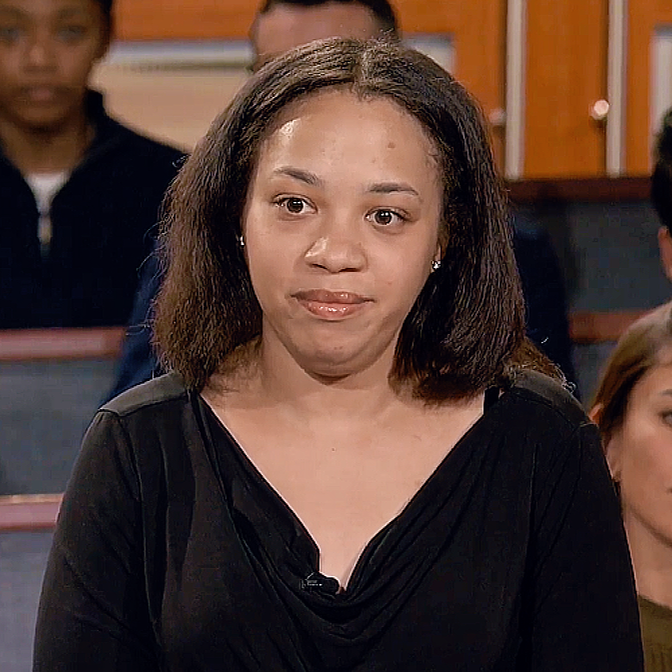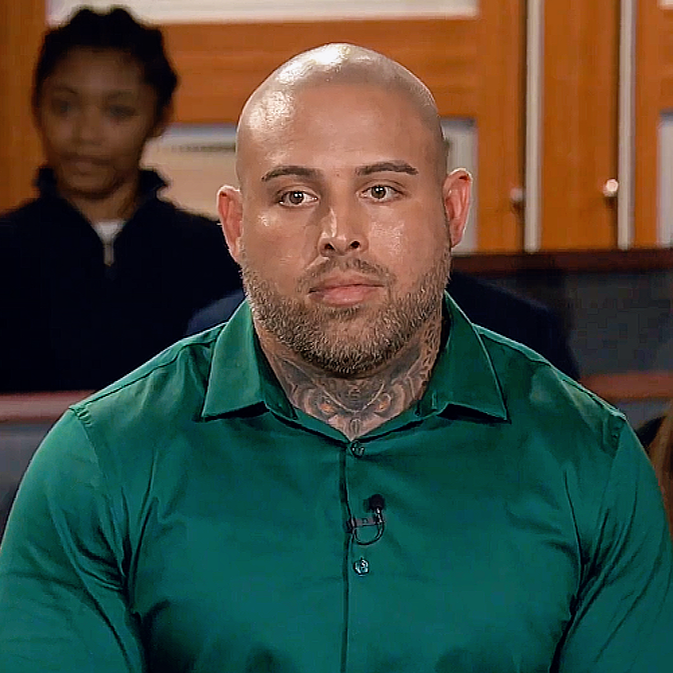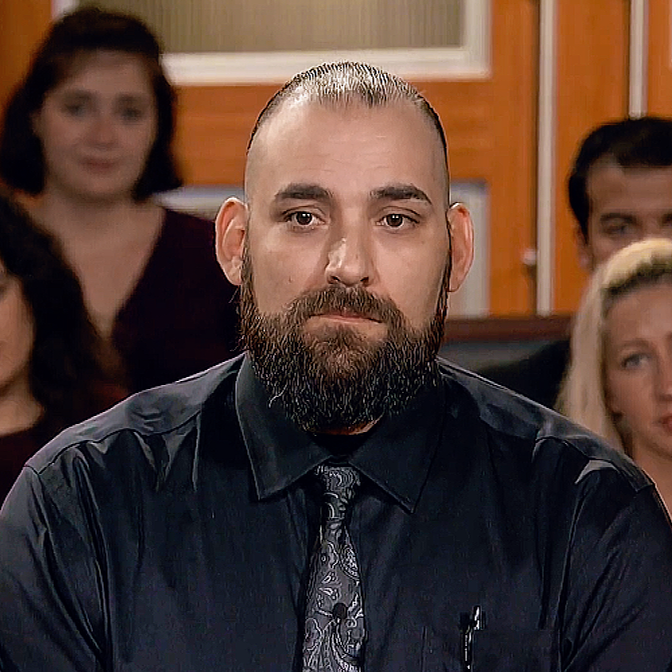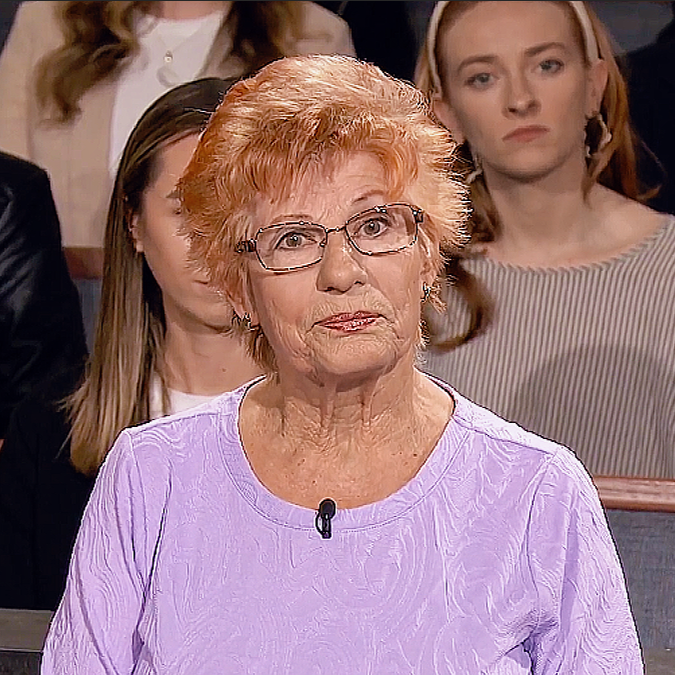
The first sound Ludmela Tsyrlin remembered was the bang. She had been driving home on Bastanchury Road when a bicycle suddenly entered the path of her 2005 Toyota Camry. The rider, Holden Cardenas, later told Judge Judy that a green arrow meant he was “good to go.” An independent witness described something very different: a teenage rider crossing through the middle of a busy road, nowhere near a crosswalk or corner.
By the end of the hearing, the dispute was no longer only about a damaged car. It had become a courtroom examination of traffic rules, repeated crashes, and what happens when a family defends a child without confronting the conduct that brought him there.
A Collision Brings Both Sides to Court
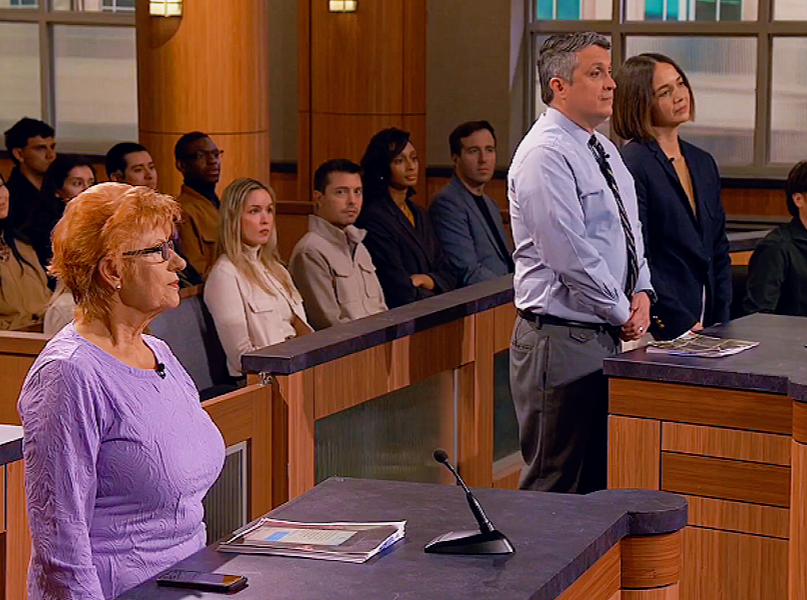
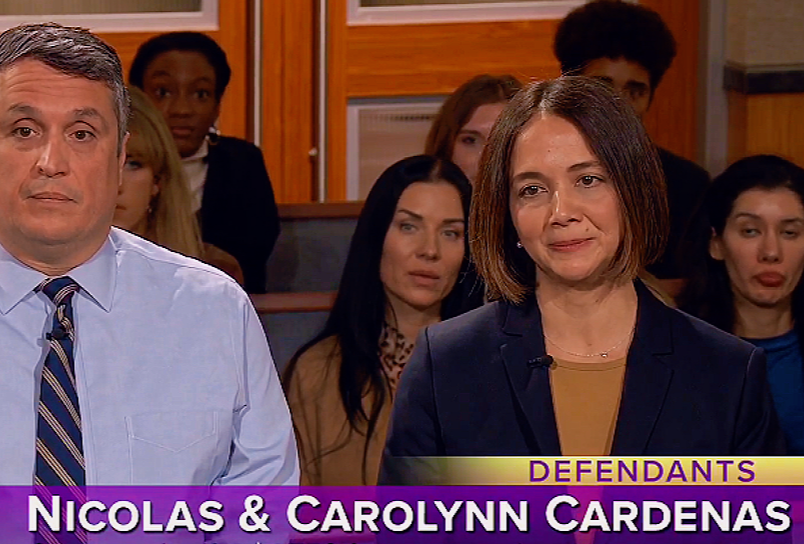
Case 4119, Tsyrlin v. Cardenas, began with a straightforward claim and quickly developed into a much broader dispute. Ludmela Tsyrlin sued Nicolas and Carolynn Cardenas for damage to her car and emotional distress after their son, Holden, struck her vehicle while riding an electric bicycle. The Cardenas family countersued for the cost of the bike and medical bills.
Nicolas told the court that he had not been present at the time of the accident. Judge Judy therefore focused on the people who had actually seen the collision and on Holden’s own description of the route he had taken.
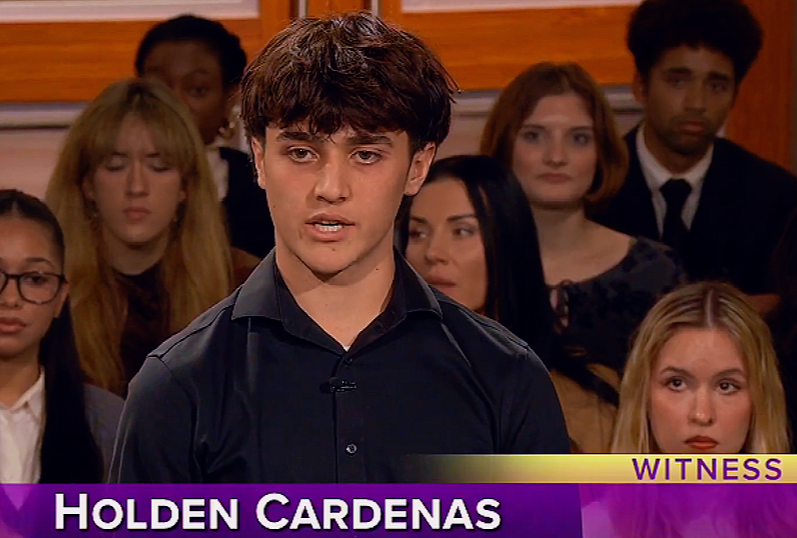
Holden identified the vehicle as a Surron electric bicycle. He explained that it was powered by electricity and operated with a throttle rather than ordinary pedaling. He said it could reach 35 miles per hour. That speed became important because the hearing was not about a slow-moving bicycle on a sidewalk; it concerned a motorized vehicle moving through traffic.
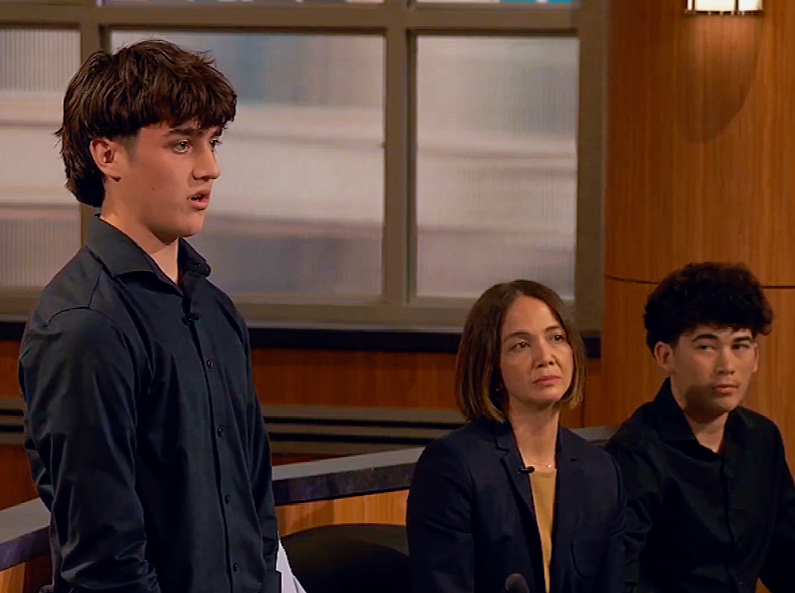
Holden had recently turned 16—six days before the questioning, according to his testimony—and lived in Fullerton, California. When Judge Judy asked about the rules of the road, Holden said riders were expected to follow both pedestrian and car rules. He also said his father had given him a California DMV book to study.
What Holden Cardenas Told Judge Judy
Holden said he received the electric bike on March 29, 2023, when he was 14. He was also studying for his driving permit, which he understood required a person to be at least 15 and a half before taking the test. The exchange suggested that Holden and his parents had considered road rules, even if the court later questioned whether those rules had been followed in practice.
Asked to explain the accident, Holden demonstrated his position on a courtroom diagram. He said he had been traveling in a left-turn lane in the opposite direction from Tsyrlin’s car. He then crossed over through the middle of the street to reach a gas station, where he said he wanted to get a drink.
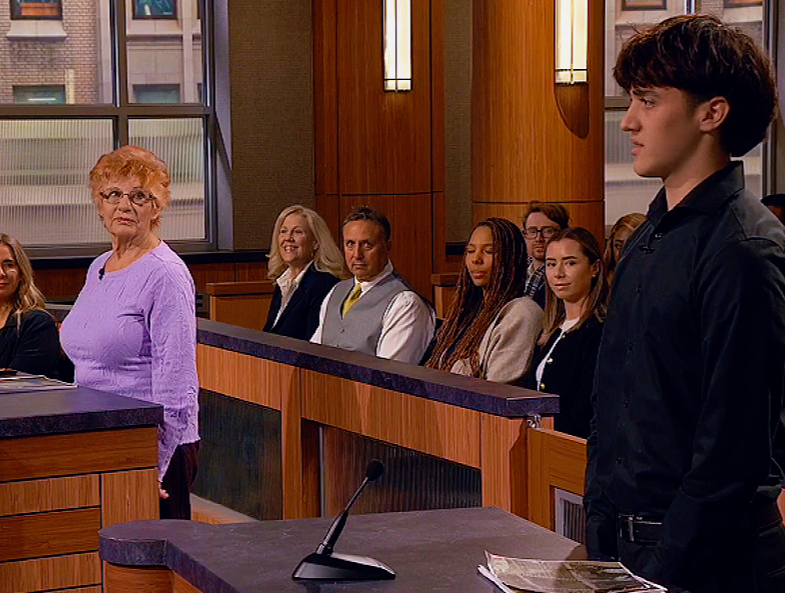
Judge Judy repeatedly asked him to show the movement slowly and precisely. Holden agreed that he had crossed directly in front of Tsyrlin’s vehicle. His explanation was that his arrow had turned green and he was “good to go.” The answer did not resolve the court’s concern about where he crossed. A green arrow, as described in the hearing, did not remove the question of whether he had moved across the road at an appropriate location.
Ludmela Tsyrlin Recounts the Crash
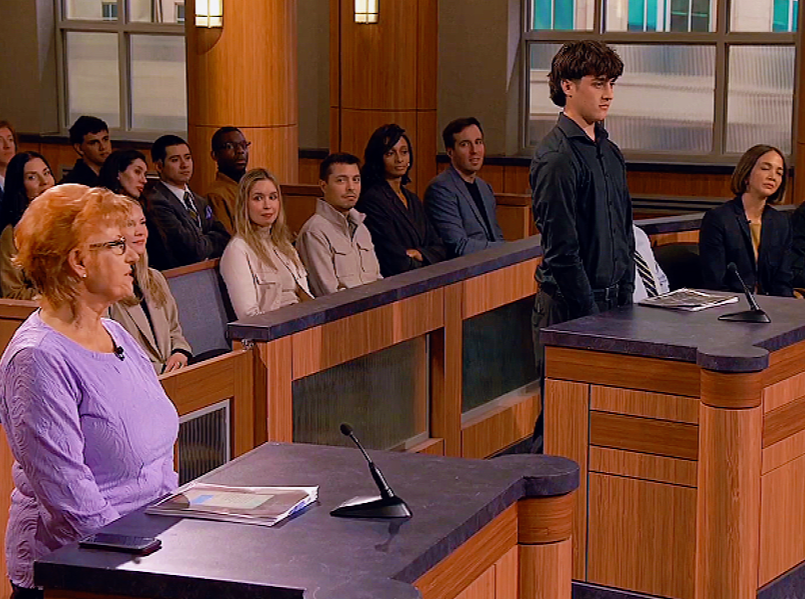
Tsyrlin, whom the court also called Mela, was 76. She said she had been driving since the age of 25. She recalled only one red-light ticket, approximately 25 years earlier. At the beginning of her testimony, she said she had never had an accident; later, under questioning, she acknowledged that she had been involved in another accident six or seven months before the crash with Holden.
Her account of the disputed collision was direct. She said she was traveling westbound on Bastanchury Road after crossing the Brea intersection. She was about one and a half blocks from home when she suddenly saw a bicycle. She braked immediately, called Larry, and then called 911. The operator told her to wait for police to arrive.

Tsyrlin remembered hearing a bang without immediately knowing where her car had been struck. The vehicle was a 2005 Toyota Camry with approximately 200,000 miles. She said it was not impounded; she and the witness were able to drive it home.
The emotional impact was also part of her claim. In the closing comments, Tsyrlin said she had been crying because she believed she could have killed Holden. She described herself as deeply upset by what had happened, even though Holden had been thrown from the bicycle.
Lisa Rients Provides an Independent Account
The court then heard from Lisa Rients, who said she knew neither Tsyrlin nor the Cardenas family. Rients had exited a shopping center and turned right, intending to enter a left-turn lane and continue toward Brea Boulevard. Before turning, she looked left and saw what she described as a completely clear road.
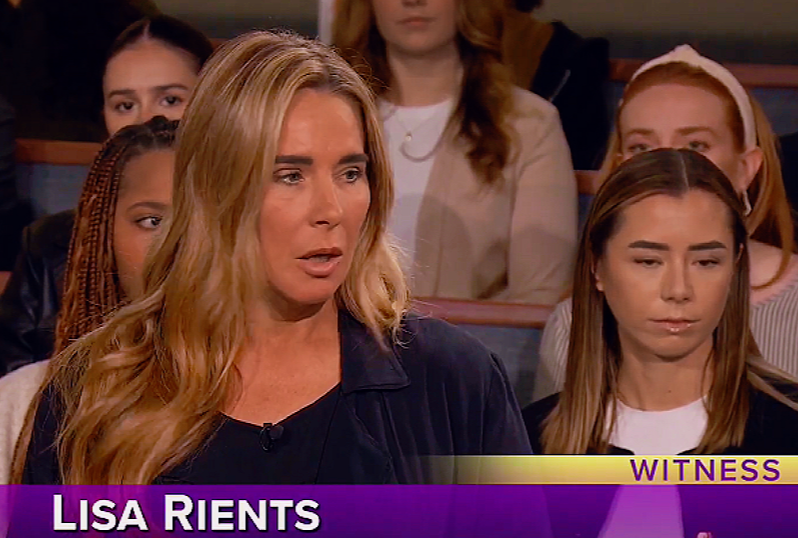
Rients said two e-bikes then appeared in front of her car. She observed what looked like interaction between the riders as they tried to cross toward the other side of the road. Westbound traffic was heavy, but at some point a gap appeared. Holden then crossed quickly.
The witness said the movement looked faster than the stated 35 miles per hour. She placed herself near a red left-turn signal, possibly the second or third car in line. She said Holden crossed between areas of the roadway, nowhere near a crosswalk or corner, while Tsyrlin’s car was in the middle lane.
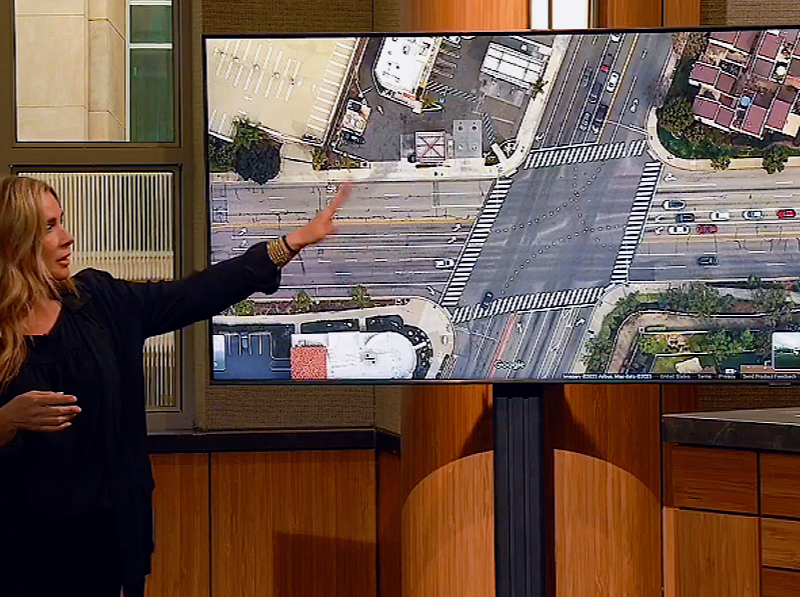
According to Rients, Holden’s bike made contact with the front passenger-side bumper. The force knocked him off the bike, and she saw him fly through the air and land on his back. Rients was a registered nurse, so her first instinct was to assess him. Before she completed the turn, Holden had stood up, removed his helmet, thrown it onto the ground, and taken off his backpack. He appeared visibly angry and paced, but he was walking.
Rients said people insisted on contacting Holden’s parents, although Holden did not want to call them. She had already called 911. After a quick assessment, he did not appear to have an obvious injury and was kept waiting for help.
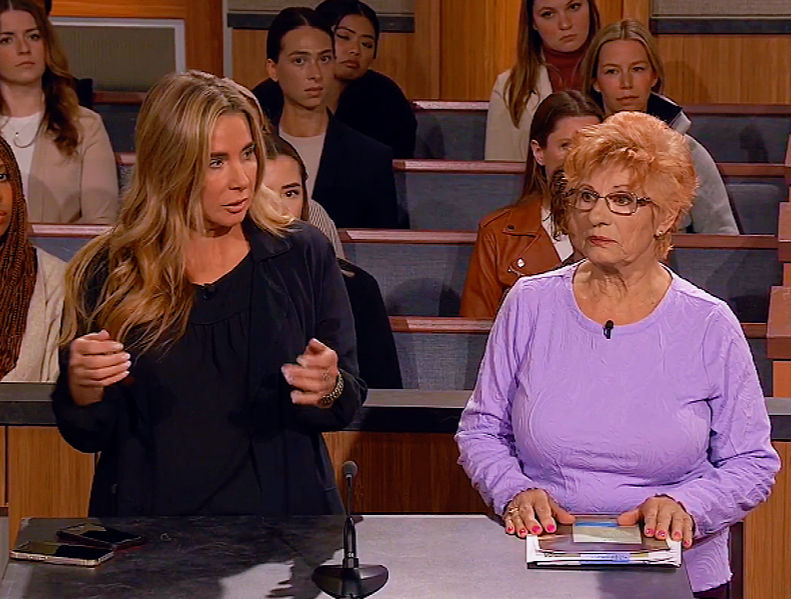
Lisa Rients Provides an Independent Account
The court then heard from Lisa Rients, who said she knew neither Tsyrlin nor the Cardenas family. Rients had exited a shopping center and turned right, intending to enter a left-turn lane and continue toward Brea Boulevard. Before turning, she looked left and saw what she described as a completely clear road.
Rients said two e-bikes then appeared in front of her car. She observed what looked like interaction between the riders as they tried to cross toward the other side of the road. Westbound traffic was heavy, but at some point a gap appeared. Holden then crossed quickly.
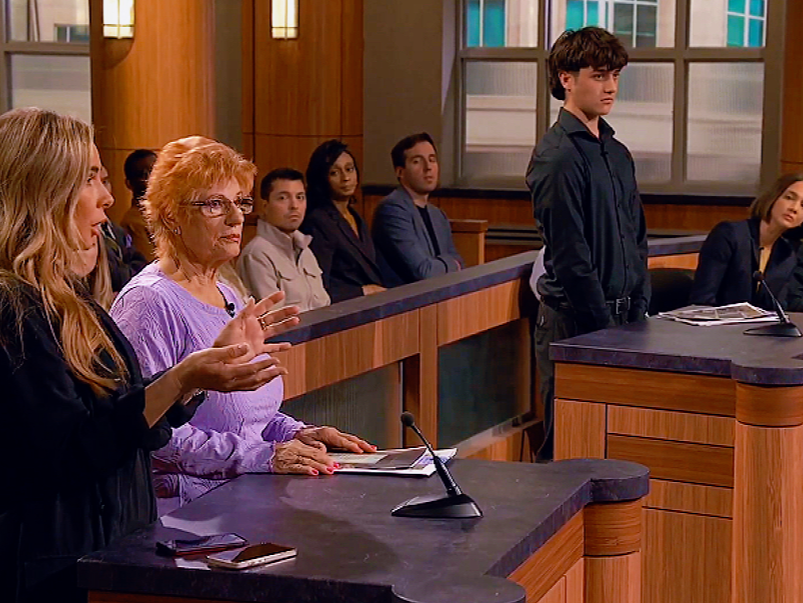
The witness said the movement looked faster than the stated 35 miles per hour. She placed herself near a red left-turn signal, possibly the second or third car in line. She said Holden crossed between areas of the roadway, nowhere near a crosswalk or corner, while Tsyrlin’s car was in the middle lane.
According to Rients, Holden’s bike made contact with the front passenger-side bumper. The force knocked him off the bike, and she saw him fly through the air and land on his back. Rients was a registered nurse, so her first instinct was to assess him. Before she completed the turn, Holden had stood up, removed his helmet, thrown it onto the ground, and taken off his backpack. He appeared visibly angry and paced, but he was walking.
Rients said people insisted on contacting Holden’s parents, although Holden did not want to call them. She had already called 911. After a quick assessment, he did not appear to have an obvious injury and was kept waiting for help.
The Earlier Accident Becomes Central
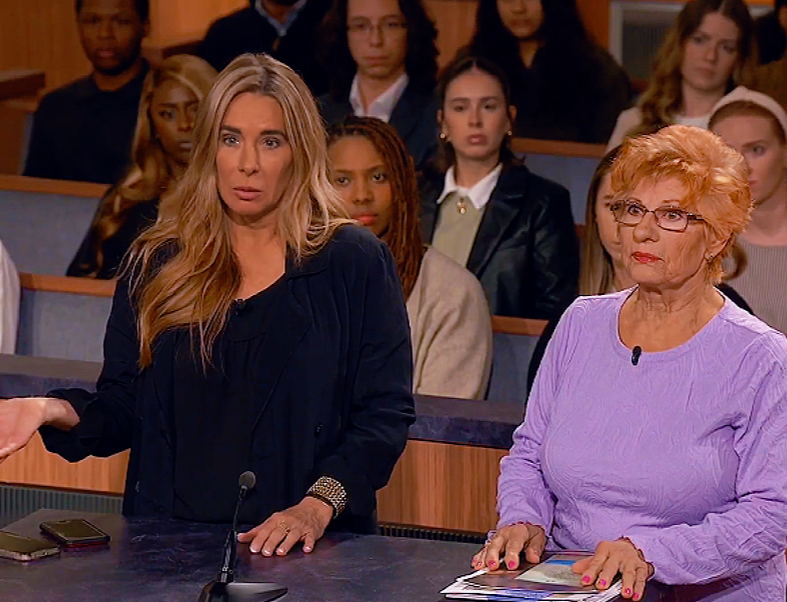
The hearing shifted when Judge Judy asked Holden about the accident that had occurred six or seven months earlier. Holden acknowledged that he had been riding on a sidewalk, which Judge Judy identified as a violation of the rules he was supposed to follow. Holden maintained that a car had hit him as he passed through an intersection and that the other driver was at fault.
Judge Judy challenged that reasoning. Holden’s position was that the other vehicle had struck him; her concern was that he should not have been on the sidewalk in the first place. She then summarized the pattern before the court: Holden was not yet 17 and had already been involved in two accidents with cars while riding a motorized bicycle.
That history gave the second collision a different context. The court was also considering whether the first accident had led to a meaningful change in how Holden was allowed to ride.
The Courtroom Argument Intensifies
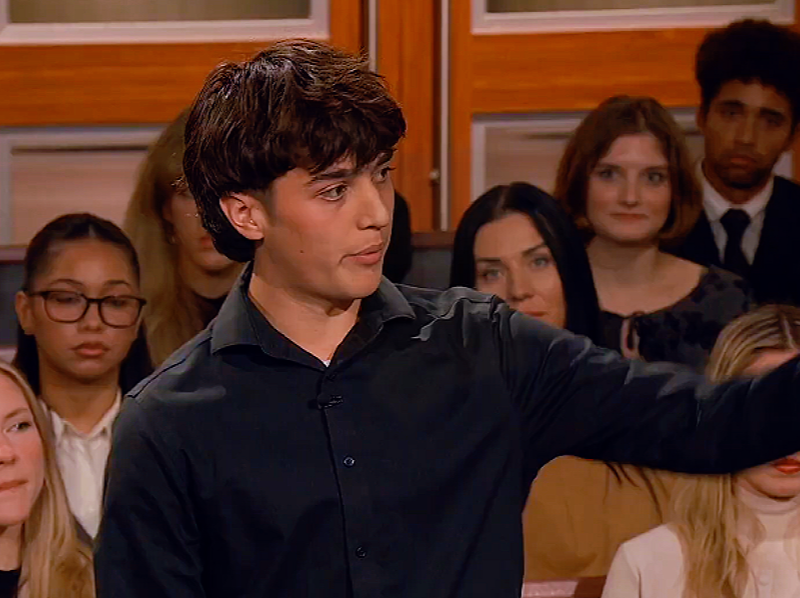
Carolynn emphasized that Holden was a minor and had been in shock. She said the family made sure he received medical attention, although he was not taken to a hospital. Holden mentioned cuts and bruises on his arms and offered to show a photograph, but Judge Judy declined to see it at that moment.
Carolynn also described Holden as an outstanding student with a 4.14 GPA and said he was not a reckless person. Judge Judy responded that, based on the testimony about the two accidents, he had acted recklessly twice. When Carolynn argued that Tsyrlin should not have been driving, the judge sharply rejected the comparison and returned to Holden’s conduct on the road.
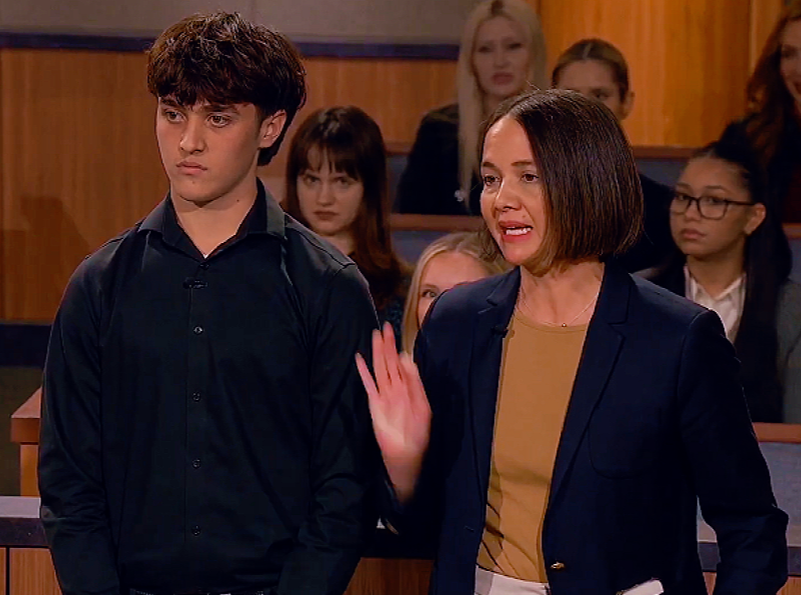
Judge Judy also referred to California DMV material shown in court. She stated that a class-three electric bicycle, given the speed discussed, required the rider to be at least 16. Carolynn replied that the family had not been told that and said the rules had recently changed in July. The exchange added another layer to the dispute: whether the family had misunderstood the applicable rules, or whether the responsibility remained with them to verify them.
Judge Judy’s criticism became especially pointed when she told the parents that they had given their son what she characterized as a potential weapon of death. Her broader message was that protecting a minor could not mean blaming everyone else after he had repeatedly violated road rules.
The Judgment and What Followed
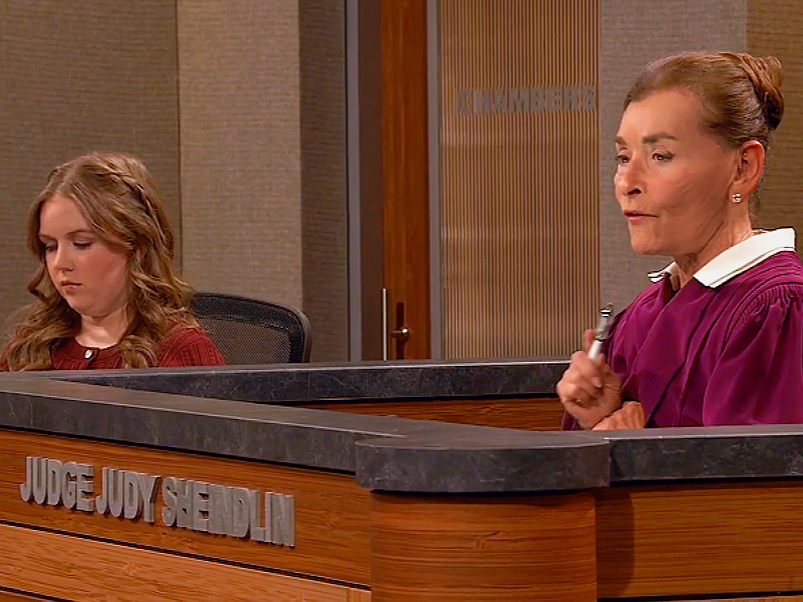
Judge Judy asked to see estimates and photographs of Tsyrlin’s car. The court discussed the approximate value of a 2005 vehicle as between $3,600 and $5,000. She ultimately entered judgment for the plaintiff in the amount of $3,600. The transcript does not state a separate award on the family’s countersuit.
After the judgment, the parties continued describing the accident from sharply different perspectives. Nicolas said he had been notified by Holden’s friend rather than by police or other first responders. He said seeing a child fly from a bicycle was traumatic. Holden said the attention had focused on Tsyrlin crying, even though he was the person who had been struck.
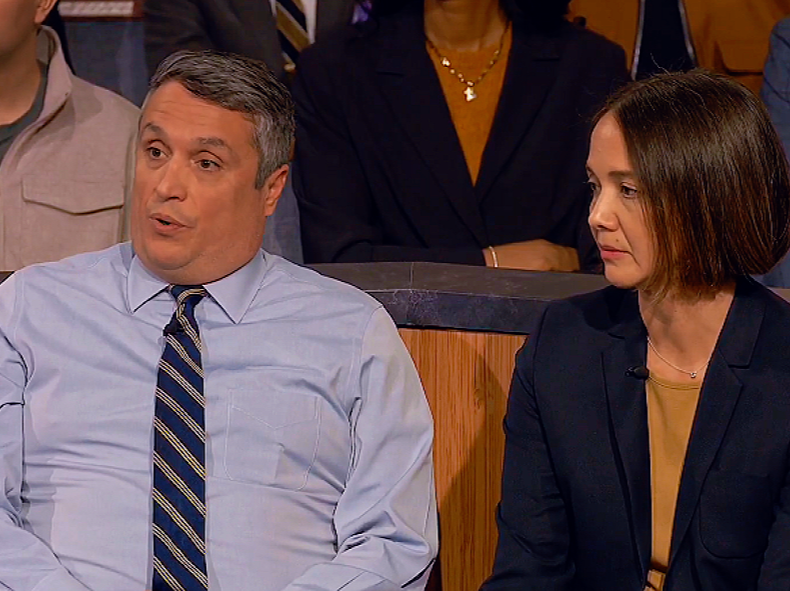
The final commentary returned to parental responsibility. The central lesson presented by the hearing was not that a minor cannot be injured, or that an older driver cannot be frightened. It was that both facts can exist at once—and that acknowledging a child’s injuries does not erase the need to acknowledge his conduct.
FAQ
Who was involved in Tsyrlin v. Cardenas?
Ludmela Tsyrlin sued Nicolas and Carolynn Cardenas after their son Holden struck her Toyota Camry while riding a Surron electric bicycle. The Cardenas family countersued for bike costs and medical bills.
How old was Holden Cardenas?
The transcript contains several age references. Holden said he had recently turned 16 and had received the bike when he was 14. The opening narration referred to him as 15, while later dialogue also used 14. This article preserves the timeline without treating those conflicting references as one definitive age.
What type of electric bike was involved?
Holden described the bike as a Surron electric bicycle with a throttle. He testified that it could reach 35 miles per hour.
Who was Lisa Rients?
Lisa Rients was an independent witness who said she knew neither side. She testified that Holden crossed through the roadway and that his bike struck the front passenger-side bumper of Tsyrlin’s Toyota Camry.
What was the final judgment?
Judge Judy entered judgment for Ludmela Tsyrlin in the amount of $3,600.