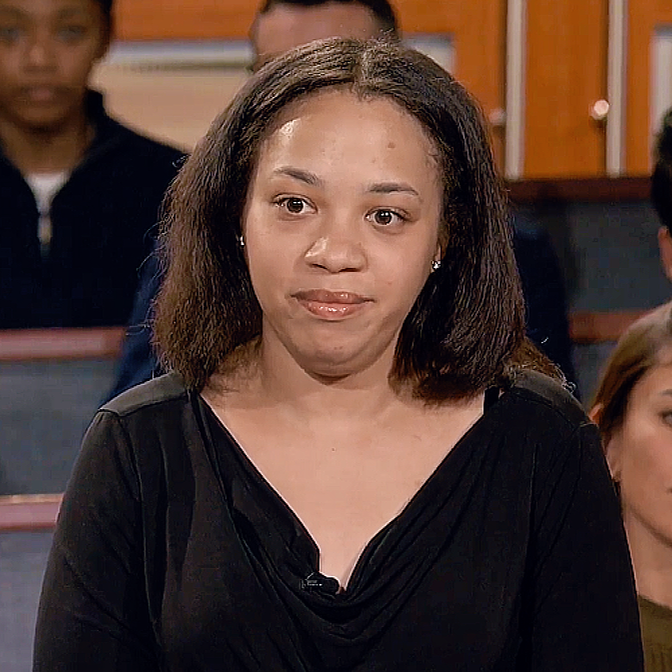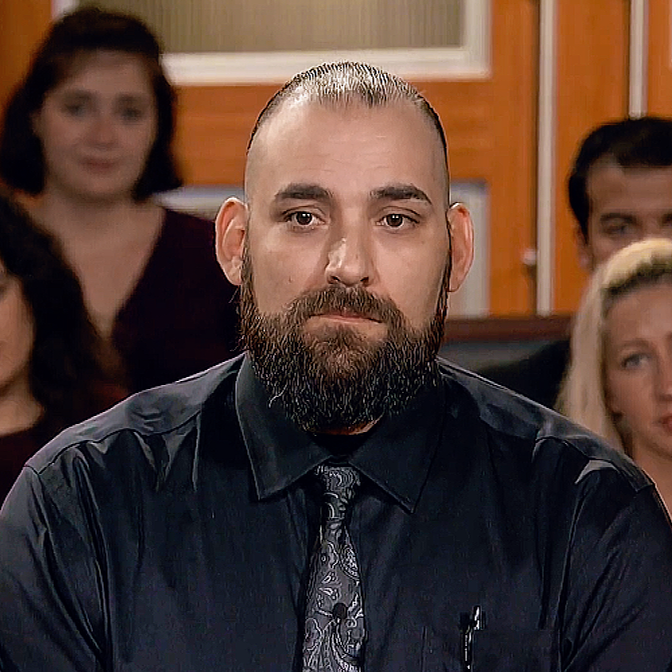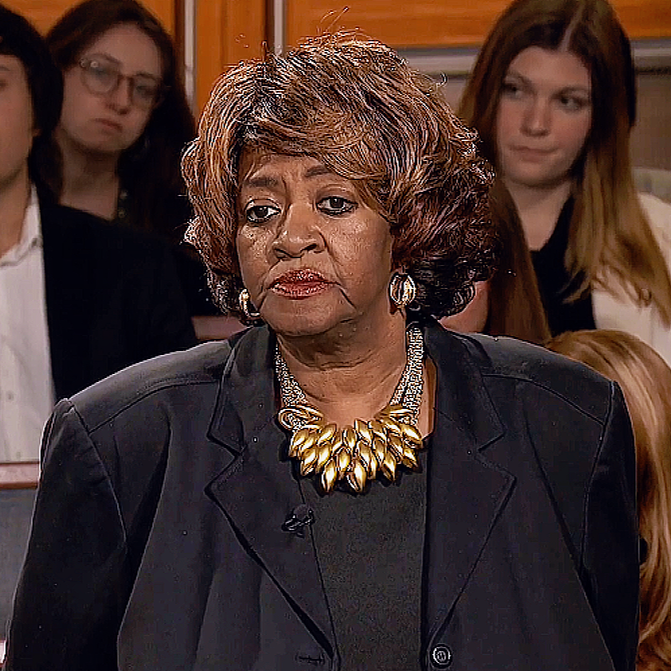
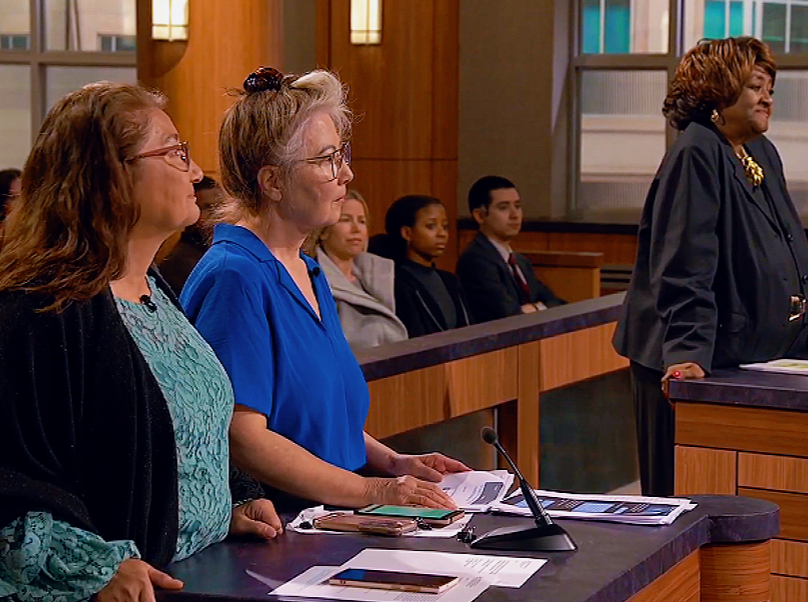
The Dubai trip was supposed to end with a dinner suspended above the city. Instead, it ended with four travelers standing before Judge Judy, arguing over missing excursions, unanswered messages, a disputed refund, and a travel agent who said the promised experience had been canceled because nobody wanted it. By the end of the hearing, the judge awarded Janet Johnson, Natalie Fernkes, Fern Smith, and Linda Morton $1,000—but not the $1,916 they had sought.
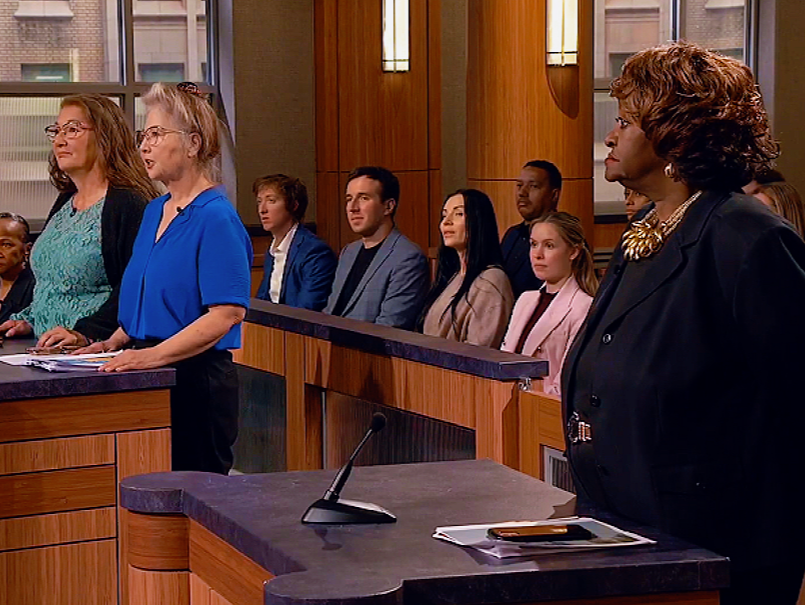
A $1,800 Dubai package
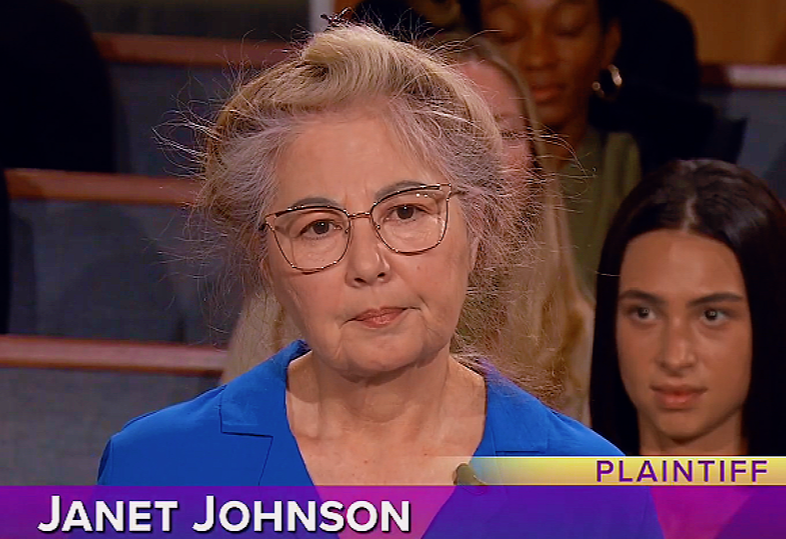
The dispute began with a vacation package purchased by four friends through travel agent Velma Ford. Janet Johnson, who acted as the group’s spokesperson in court, told Judge Judy that the trip was to Dubai and cost $1,800 per person. According to her testimony, the package included round-trip airfare, seven hotel nights, and shared rooms at a Marriott property. It also included transportation between Dubai International Airport and the hotel, along with additional activities advertised in the package materials.
Judge Judy noted that airfare and a week of hotel accommodation were included in the price. During the hearing, the court reviewed airfare examples from Los Angeles International Airport to Dubai on Emirates. One estimate placed a nonstop round trip at $1,053, while another September figure was discussed at approximately $461. The exact price at the time of travel was disputed, but the figures helped assess how much of the $1,800 package had been delivered.
The central question was how much should be returned for the parts the travelers said were promised but never provided.
The promised extras begin to unravel
The most emotionally charged disagreement involved an attraction described in the promotional materials as a “dinner cruise in the air.” Johnson explained that the activity involved being lifted above the ground while dining. Judge Judy corrected the wording, calling it a “dinner in the sky,” but the distinction did not change the travelers’ complaint: the activity had been listed as part of the package, and they did not receive it.

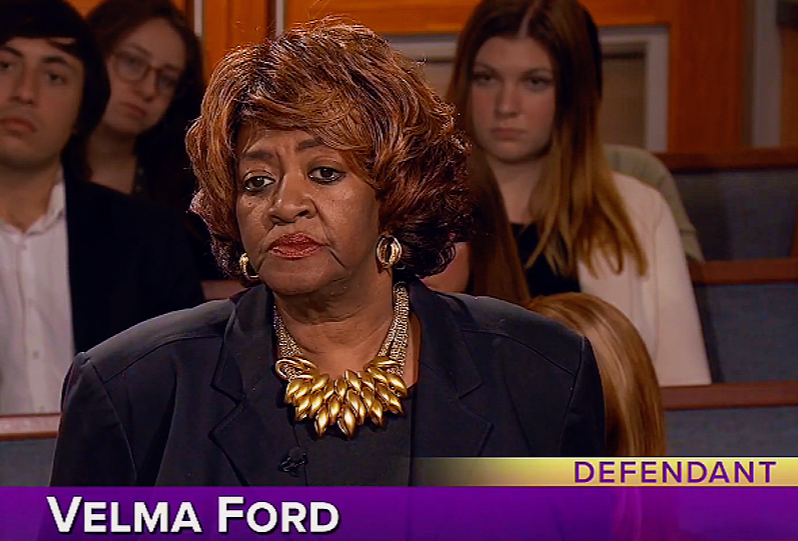
Ford’s position was that the dinner had been canceled because no one in the group wanted to participate. When Judge Judy asked whether Ford had evidence supporting that explanation, Ford produced written communications. Later correspondence stated that the dinner in the air had been canceled because no one wanted to take it, including members of the group. Ford also said she had offered to pay for dinner as an alternative.
That replacement became its own dispute. Ford said she offered to pay for a private dinner at the Riu, an all-inclusive resort. The group said they could not enter because they were not staying at the resort. Ford then tried to obtain day passes, but said the hotel wanted $200 for each traveler—an amount she was unwilling to pay. The travelers ultimately ate at a restaurant with a view of the Burj Khalifa and the water show, but they did not know the restaurant’s name or the exact cost of the meal.
The fight over $250 and $479
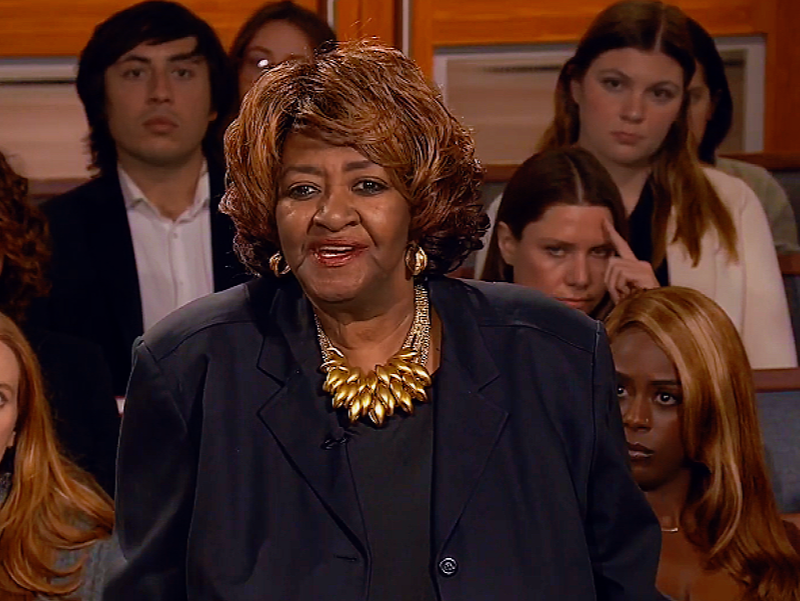
The parties disagreed sharply about what happened after the failed excursion. Ford’s written message said, “The most I can give is $250 each.” Johnson argued that the offer was initially presented as travel credit, which the group did not want because they no longer intended to use Ford’s services. Ford later said that the offer changed and that she agreed to provide $250 per person in cash.
The travelers claimed Ford eventually agreed to pay $479 each if they signed an agreement ending further complaints and legal proceedings. Johnson said the group accepted that offer. Ford disputed the sequence, saying she had agreed to $250 before the claim increased to $479 that same evening.
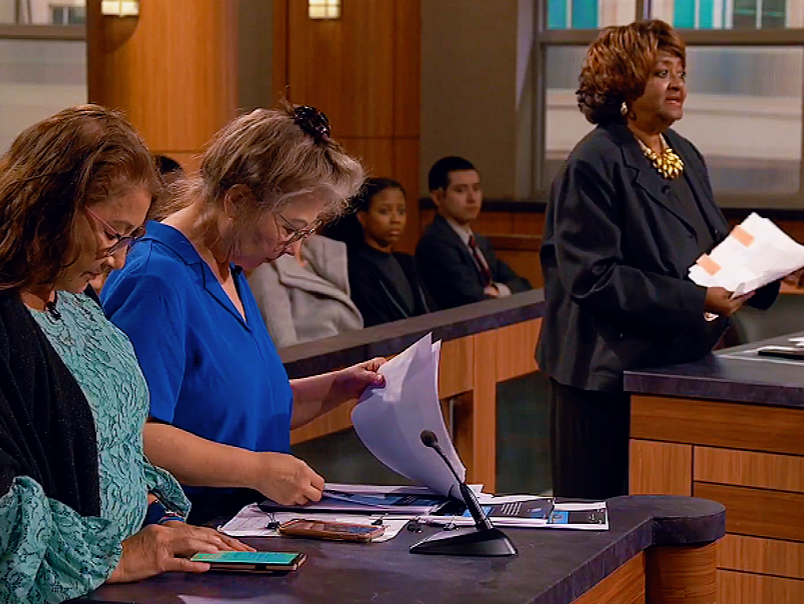
The numbers were significant. Four payments of $250 totaled $1,000, while four payments of $479 totaled $1,916. Judge Judy repeatedly described the larger demand as unreasonable because airfare and hotel had been provided.
Johnson maintained that the missing services were not minor details. The group said it had paid for a complete package and should have received every advertised element, comparing it to paying full price for a combination meal without the fries.
The transportation problems
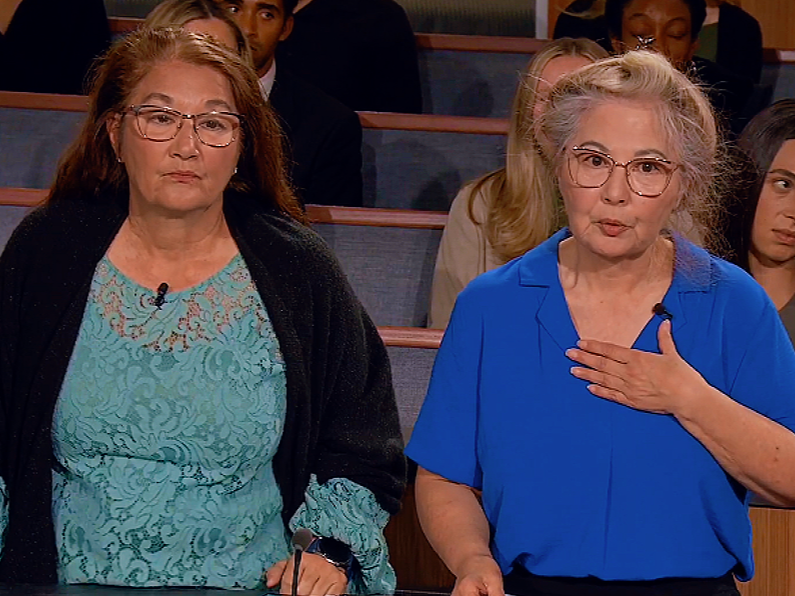
The travelers also described problems when they arrived in Dubai. Although transportation was ultimately provided, Johnson said the pickup contact could not be reached because the phone number was invalid. The group said it found a ride to the hotel only after handling the problem themselves.
Judge Judy acknowledged that the transportation was late but emphasized that it was eventually fulfilled. A delayed service was not treated in the same way as one that never occurred.
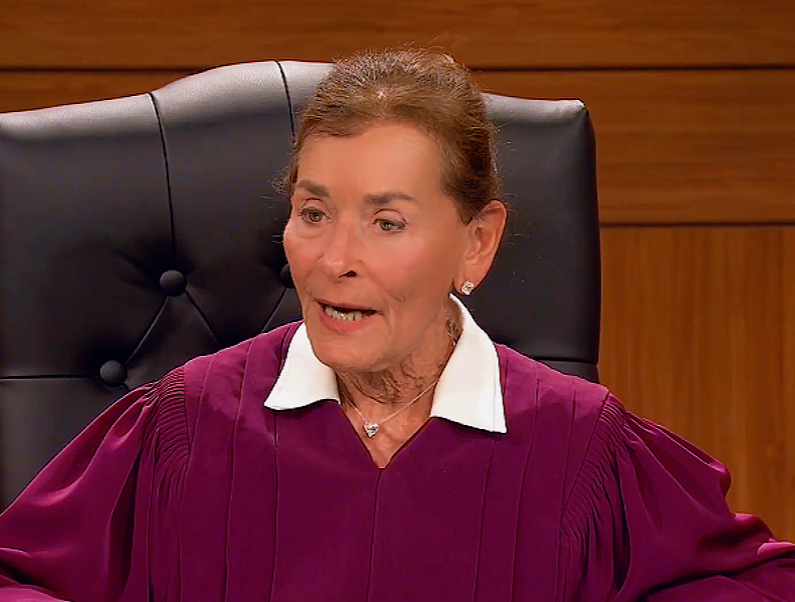
The desert excursion created another disagreement. The group said it did not receive the advertised ATV ride, which Johnson valued at $100. They also said they waited in the desert for approximately thirty minutes for the next part of the excursion. The travelers did go to the desert and participated in what one witness described as a camel-ride photo opportunity. Judge Judy treated that experience as evidence that at least part of the excursion had been delivered, even if it was not the full activity the group expected.
The counterclaim over negative reviews
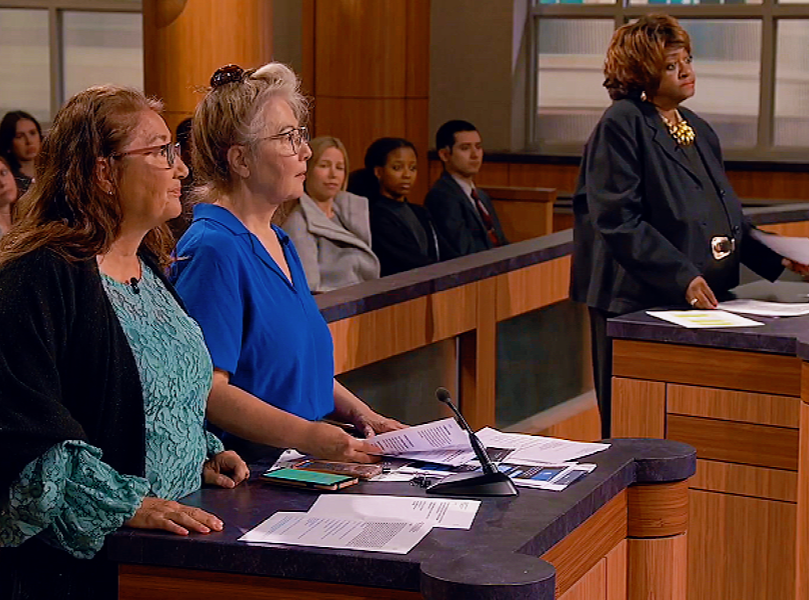
Ford filed a counterclaim based on negative reviews and complaints about her business. She told the court that the travelers had filed approximately ten claims with the Better Business Bureau and four claims with the Attorney General’s Office. She also said they sent certified letters to her home.
The travelers’ review reportedly gave the business a zero rating and stated that they would never use the travel agent again because everything listed on the flyer had not been fulfilled. Ford argued that the statement was not entirely true. Judge Judy agreed with that limited point: airfare, hotel accommodation, transportation, the desert visit, and the camel photo opportunity meant that the entire package had not failed.
But the judge rejected the broader counterclaim. Customers are permitted to describe their experiences, especially when a review reflects what they genuinely believe happened. Judge Judy explained that a negative review is not automatically defamation. A defamation claim requires more than criticism; the statement must be inherently untrue and harmful to the business. In this case, the review was described as an overstatement of a real dispute—not enough to establish the counterclaim Ford was pursuing.
Judge Judy’s ruling
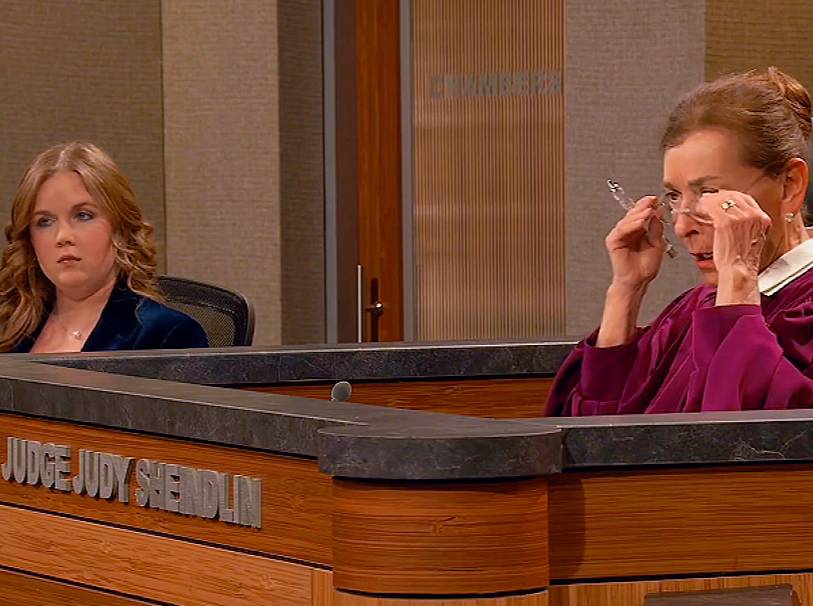
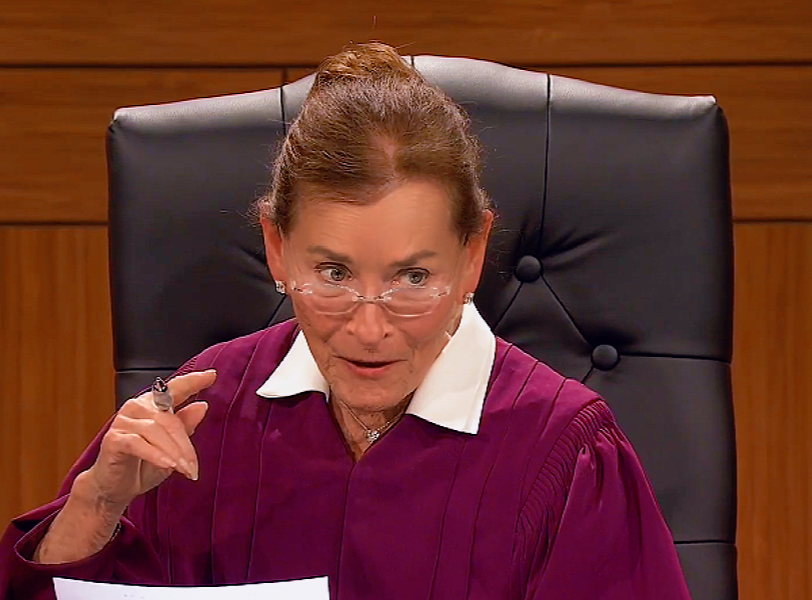
Judge Judy ruled in favor of the plaintiffs and awarded Janet Johnson, Natalie Fernkes, Fern Smith, and Linda Morton a total of $1,000—$250 each. She denied the larger demand for $479 per person and did not award additional compensation for the ATV ride, the transportation difficulties, or the other disputed elements.
The court recognized that not every service was delivered, but also found that the travelers received the airfare, hotel, transportation, desert visit, and camel-related photo opportunity. The $250 award was therefore tied primarily to the canceled dinner rather than the entire trip.
After the judgment, Johnson said she did not believe the result was fair because the group had paid for everything listed in the package. The travelers said they were glad to be home and would never use Ford again. Ford, meanwhile, said she remained in the travel-agency business.
What the hearing revealed
This was not a story about a vacation that completely disappeared. It was a dispute over the value of promises, the difference between delayed and undelivered services, and the difficulty of putting a price on a disappointing experience.
For the travelers, the missing dinner and ATV ride represented more than optional extras: they were part of the package they believed they had purchased. For Ford, the airfare, hotel, transportation, and portions of the excursion showed that the core bargain had been honored. Judge Judy’s decision followed the latter framework while still awarding compensation for the canceled dinner.
The case also showed why written offers and clearly defined package terms matter. The parties’ disagreement over whether the offer was credit or cash, whether $479 required a release, and whether the advertised excursions were included or optional made the dispute harder to resolve. In the end, the court relied on what could be established from the documents and testimony, not simply on how strongly either side felt about the trip.
FAQ
Who sued Velma Ford?
Janet Johnson, Natalie Fernkes, Fern Smith, and Linda Morton sued their former travel agent, Velma Ford, over vacation services they said were included in a Dubai package but not delivered.
How much did the Dubai package cost?
The package cost $1,800 per person and included airfare, seven hotel nights, shared Marriott accommodations, and transportation between the Dubai airport and hotel, according to testimony in the hearing.
What services did the travelers say they did not receive?
They said they did not receive the advertised dinner in the sky and an ATV ride. They also complained that airport transportation was late and difficult to locate, although the court found that transportation was eventually provided.
How much money did Judge Judy award?
Judge Judy awarded the four plaintiffs $1,000 in total, or $250 each.
Did Velma Ford win her counterclaim over negative reviews?
No. The court did not award Ford damages over the reviews and complaints. Judge Judy said customers may post negative reviews about their experiences and that criticism is not automatically defamation.