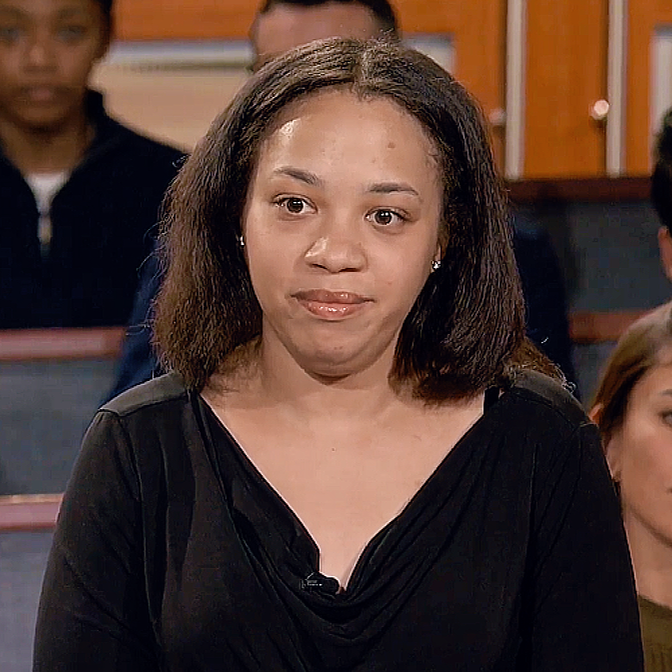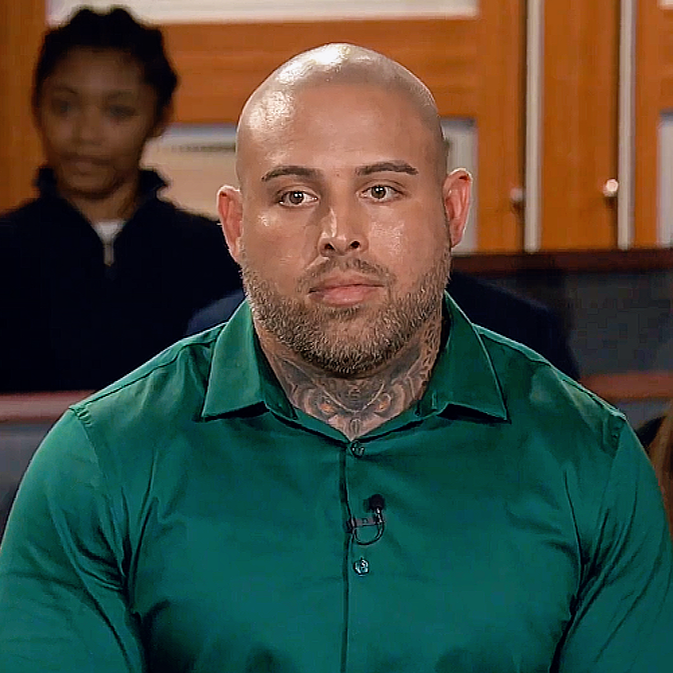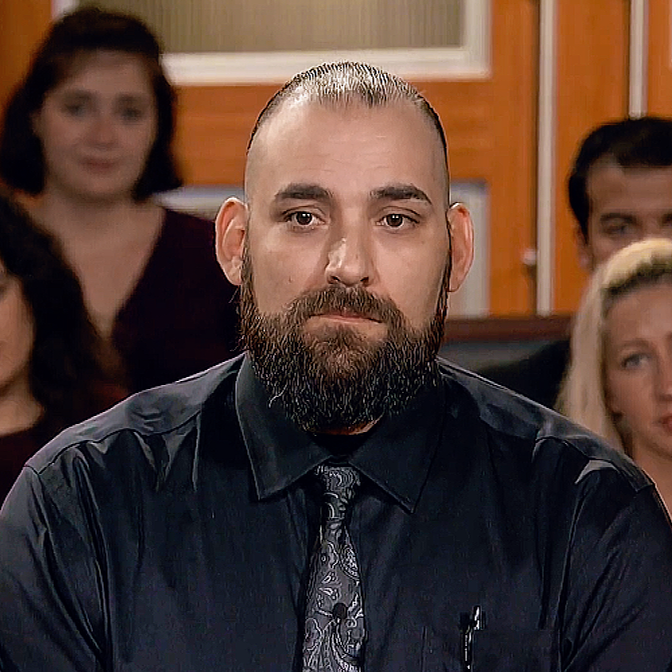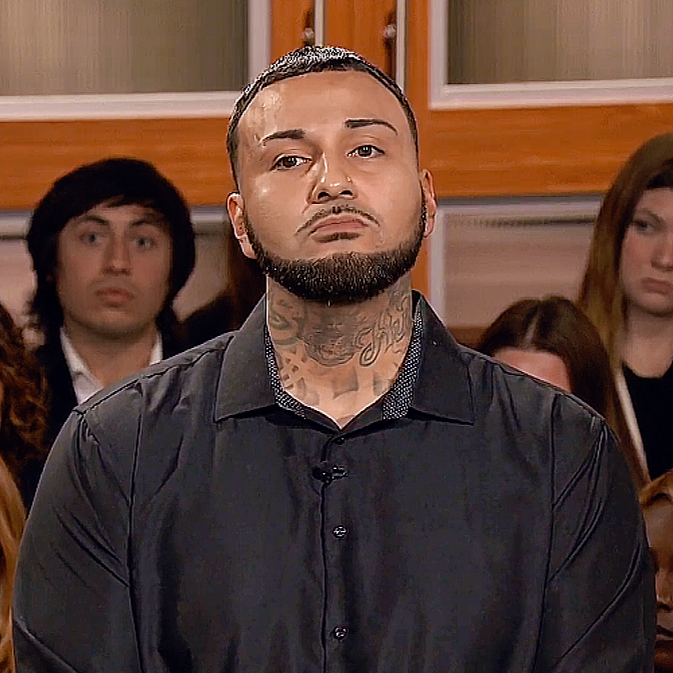
The courtroom dispute began with jewelry, but the testimony quickly opened the door to a much more complicated breakup. Courtney Bliss said Eric Castillo kept jewelry she had paid for. Castillo said the pieces were gifts from a woman who was trying to buy his love. Between those two accounts sat a $10,000 purchase, three rings, a customized watch, a prison sentence and a final day together that both sides remembered very differently.
The case behind the jewelry dispute
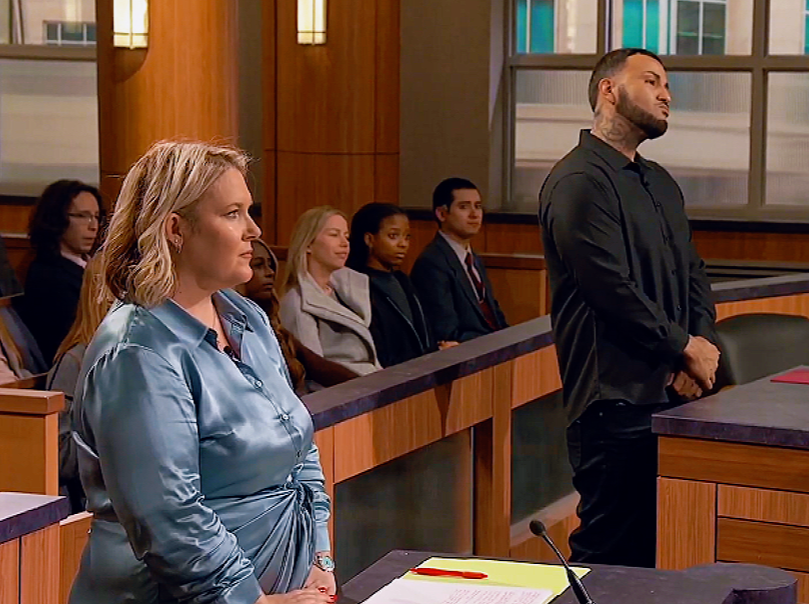
When Bliss v. Castillo, case 4129 was called, Judy reduced the dispute to its simplest outline. Courtney Bliss and Eric Castillo had been in a relationship a couple of years earlier. According to Judy’s summary of Bliss’s position, the pair had gone into the jewelry business together, buying pieces and reselling them. After their relationship deteriorated, an argument turned physical. Bliss called the police, Castillo left, and the jewelry became the subject of the civil claim.
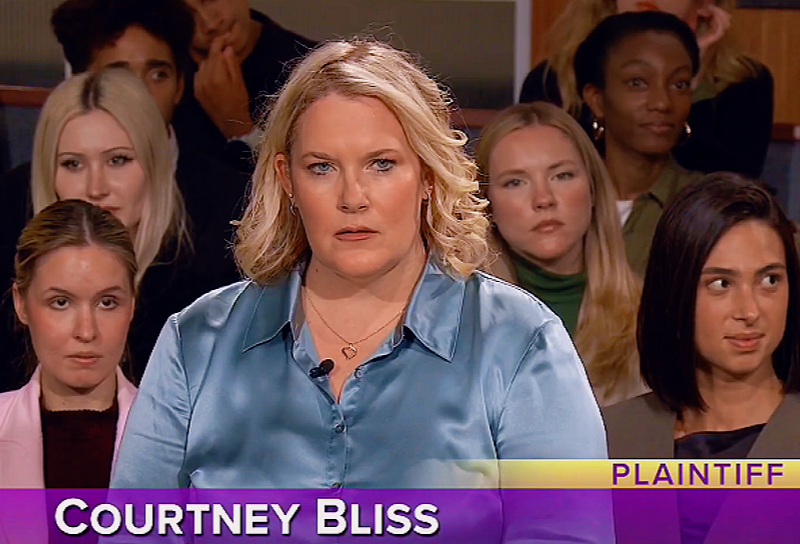
Castillo immediately rejected the idea that they had operated a jewelry business. He said he had never sold jewelry and had never been part of such a business. In his telling, the pieces were personal, customized items—not ordinary stock intended for resale. That disagreement shaped almost every question that followed. If the jewelry was business inventory, the parties’ financial arrangement meant one thing. If it was given during a relationship, ownership became a much more personal question.
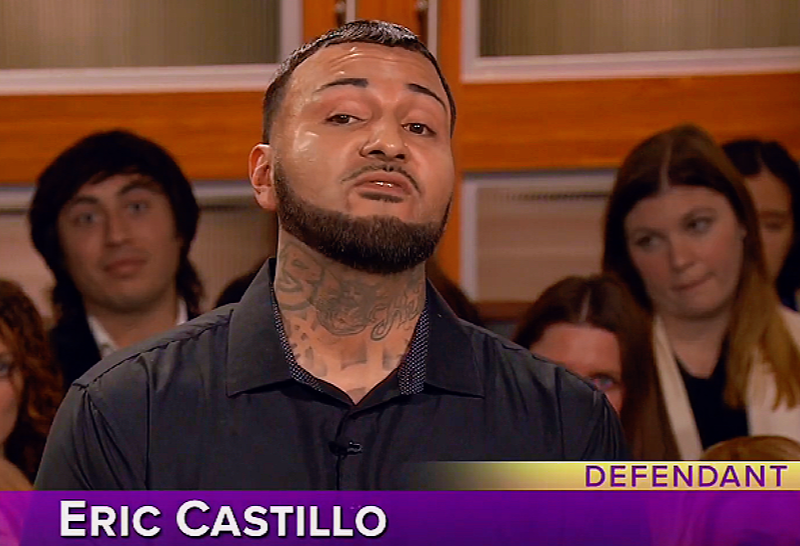
Bliss’s claim concerned jewelry she said she had purchased and Castillo wrongfully kept. Castillo filed a counterclaim, alleging that Bliss had taken property belonging to him after the relationship ended. The transcript therefore presents two competing explanations of the same relationship: one based on money advanced and property retained, the other based on gifts and possessions taken during a breakup.
Why Eric Castillo’s criminal history became important
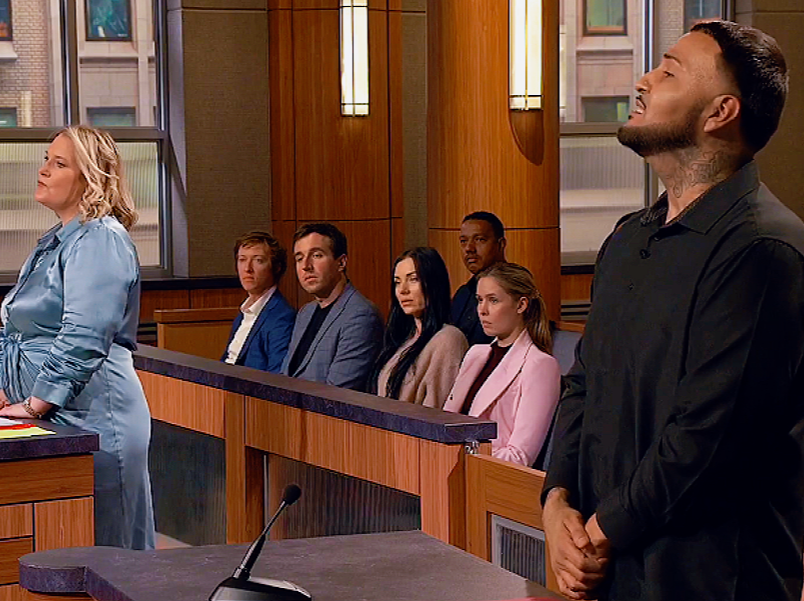
The jewelry issue did not remain isolated. Judy began questioning Castillo about a two-year prison sentence and the events that led to it. At first, he said he had been arrested twice since 2018, then said he had first been arrested at 19. When Judy pointed out that a 2020 arrest would come after 2018, Castillo explained that he had been “on the run” before he met Courtney.
Castillo identified the matters as evading arrest in a motor vehicle and a federal firearm-possession case. He also acknowledged an earlier aggravated-assault arrest involving a deadly weapon when he was 19 and said he served two years for it. As Judy asked about pleas, trials and concurrent sentences, Castillo’s explanation became difficult to follow. He said he had not gone to trial and later described the gun in his vehicle as not belonging to him.
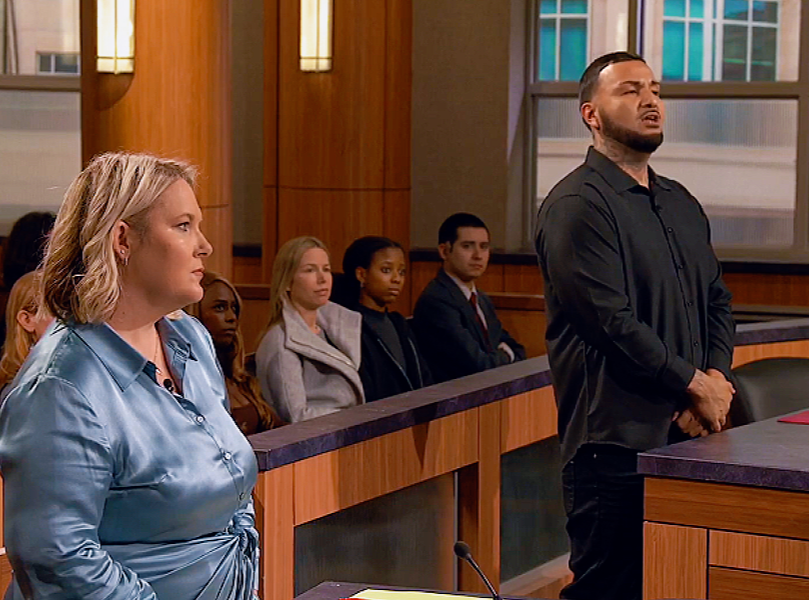
Castillo further stated that he could have served 90 days for evading arrest, but that another allegation led to a sentence of two to ten years. He said he spent a year in county custody and eventually served two years. Those details are presented in the transcript as Castillo’s own account; the SRT does not independently verify the legal history or resolve the inconsistencies in his explanation.
That history mattered because Castillo connected it to his decision to leave Bliss’s home. He said he had been avoiding authorities for 16 months and was exhausted. Judy, however, questioned why someone trying to stay out of custody would go to his mother’s home, which he said was down the street from Bliss’s residence. The answer did not settle the issue. It made his departure another point the court had to weigh against his broader account.
The Rolex, the rings and the MMB charm
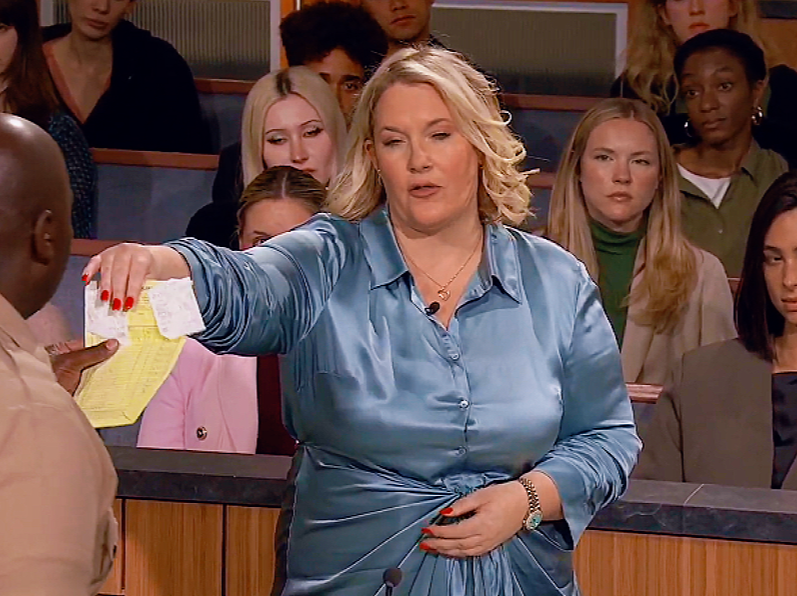
The clearest physical evidence discussed in the hearing was a receipt for three rings purchased in 2022. Bliss said Castillo took three rings, including a square diamond ring. Judy reviewed the receipt and confirmed that all three rings were listed. Bliss clarified that her allegation was not that Castillo was selling the pieces on Facebook; she said he had them on him and was wearing them.
The testimony also focused on a Rolex. Castillo said the watch originally cost $10,000. He explained that it was later replaced with a larger model because he wanted diamonds added. When Judy asked who paid for the original purchase and the upgrade, Castillo acknowledged that Courtney did.
Castillo also acknowledged selling some jewelry. He said the money helped him pay for lawyers and survive during his two years in prison. That admission created a direct problem for his position: he described the jewelry as gifts, but also admitted that at least some of it had been sold after the relationship and criminal proceedings became intertwined.
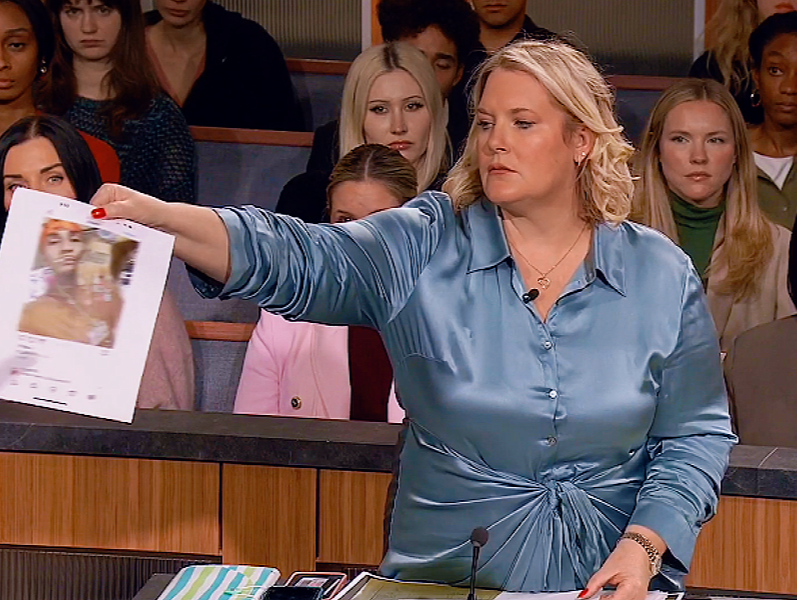
Another disputed item was an MMB custom charm. Castillo described it as a pendant worn on a chain and said the letters stood for Money Making Brothers, which he called his company. He said he took the charm when he left. Bliss said the $10,000 used to purchase it had come from a loan she took out for him, with the expectation that he would repay her with tax money.
The day the relationship broke down
Castillo’s account of the final period at Bliss’s home was detailed but contested. He said Bliss drank and took narcotics and Xanax, a claim the transcript does not independently confirm. He said she had urged him for three weeks to move in, while he had hesitated because he knew he might be arrested. After moving in, he said, he began to see the relationship differently and wanted to withdraw from it.
He described an altercation in which he fell on top of Bliss and restrained her. He said the conflict appeared to end with the couple spending the weekend together. According to Castillo, Bliss kissed him the next morning, he made frappes, and she left for work. Around 2:00 p.m., he said she called and offered to bring him something to smoke. He continued cleaning her garage while waiting for her to return.
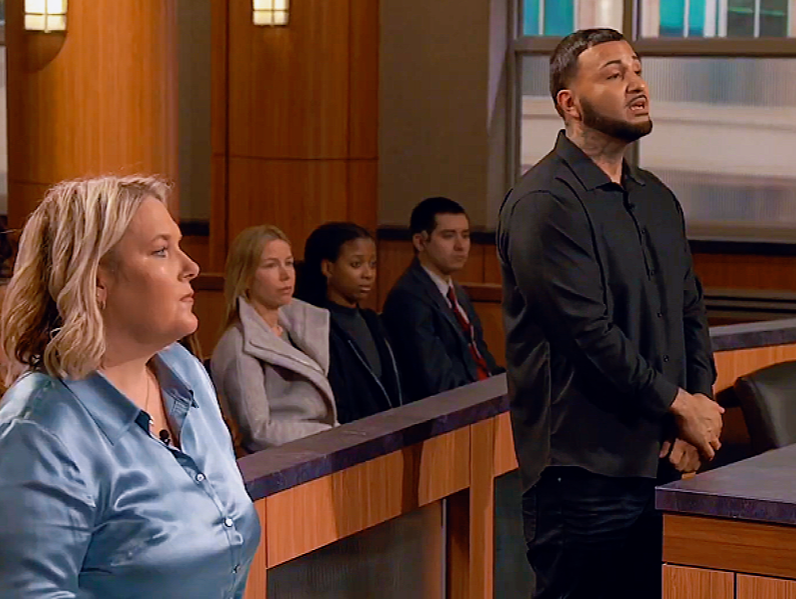
Hours passed. Castillo said he tried calling Bliss, then received a text saying she was in a meeting. By approximately 10:30 that night, she still had not come home. Because it was raining, he said he placed her dog in the garage and left. He went to his mother’s house, explaining that he felt something was wrong and that he was already trying to avoid arrest.
Judy challenged the logic of that decision. If Castillo was truly on the run, she asked, why would he go to a nearby family member’s home? Castillo answered that he had been exhausted after 16 months of hiding. The exchange revealed the larger difficulty in his testimony: every explanation about the relationship was connected to another explanation about his criminal case, his departure and the disputed property.
Two versions of the relationship
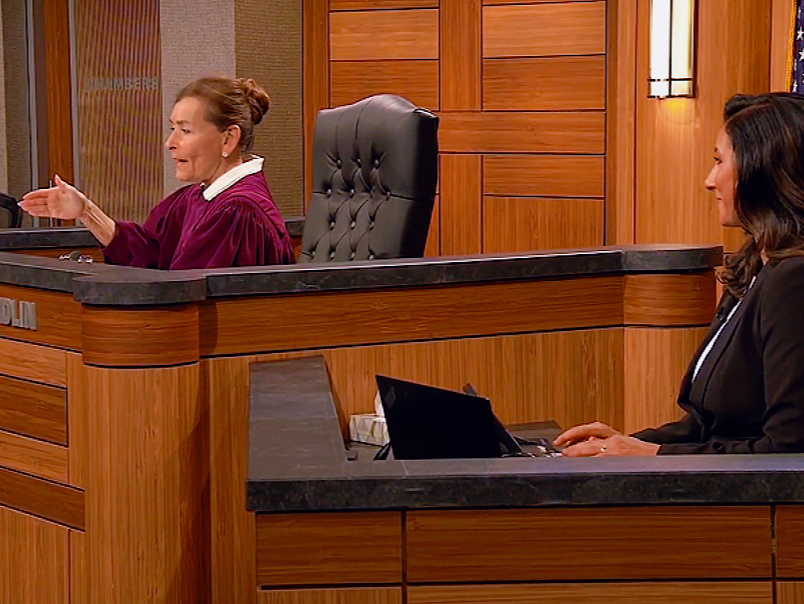
Castillo portrayed Bliss as a woman who bought him clothes and jewelry because she wanted his affection. He said she picked him up each morning, disliked the way he dressed and purchased items for him. He admitted that accepting the gifts may have been wrong, but insisted that he understood them as gifts rather than loans or business investments.
Bliss described the arrangement differently. She said she took out a $10,000 loan so Castillo could buy the custom jewelry and expected repayment from his tax money. When Judy asked what Castillo did for work, Bliss said he worked in a warehouse and drove a forklift, although she was not certain of the details. Judy questioned why Bliss would take out such a loan for him.
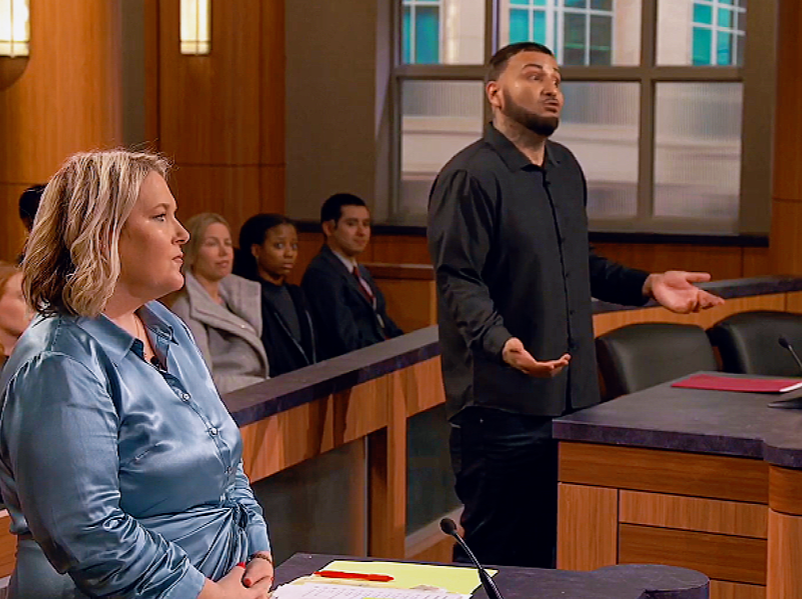
The most serious conflict came when Bliss described what happened before she left. She testified that Castillo had beaten her four days earlier and held her hostage for four days before she could go to work. She said she called her father to pick her up and did not return home. Castillo questioned why she had not called police if he was already wanted. Judy stopped him from interrupting.
What the transcript does and does not establish
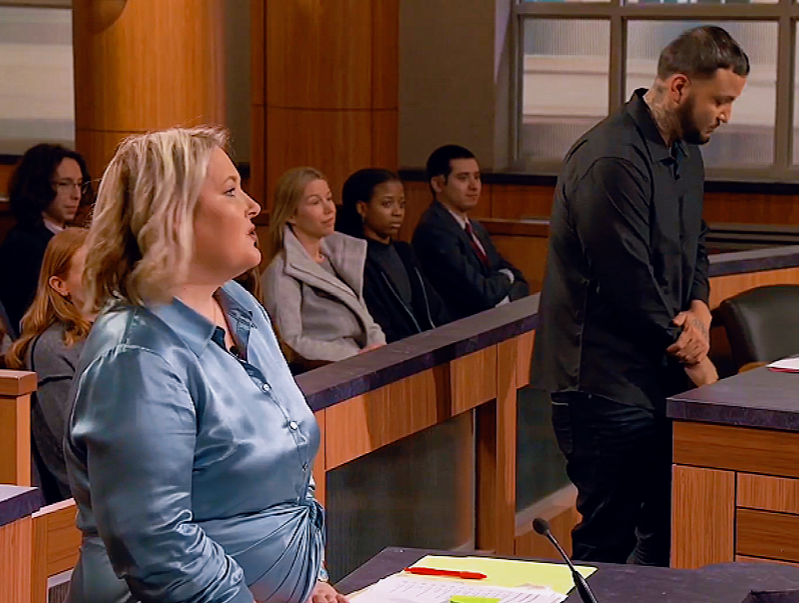
The hearing ended after Judy urged both parties to close the chapter. The transcript shows Castillo acknowledging that he sold some jewelry and Bliss maintaining that she had paid for it. It also shows Castillo pursuing a counterclaim for property he said Bliss took. But the provided SRT does not state a specific monetary award or final ruling on either claim.
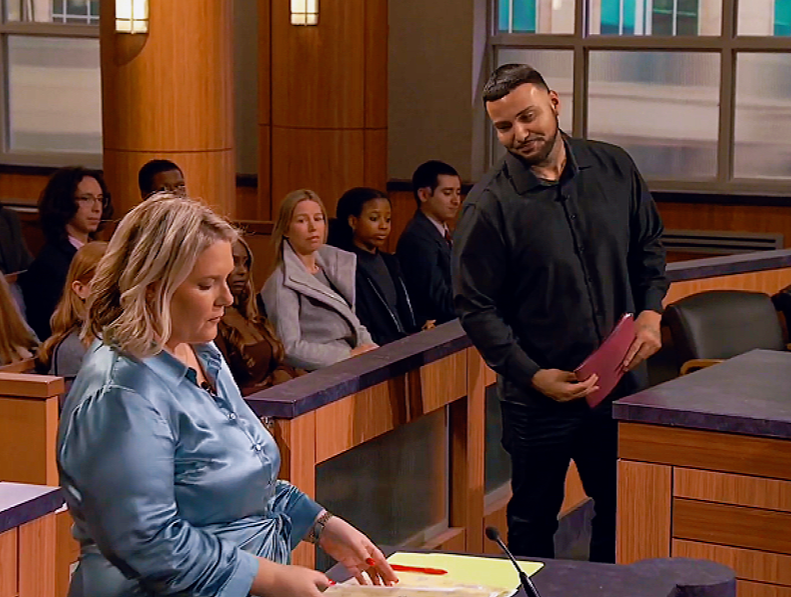
That distinction is important. The transcript records allegations, testimony and confrontational questioning; it does not independently prove every accusation made by either party. What it does show clearly is how the meaning of the jewelry changed depending on who was speaking. To Bliss, the pieces were connected to a loan, purchases and property that remained hers. To Castillo, they were gifts offered during a relationship he said was built around her attempt to buy his love.
By the end, the jewelry had become more than a Rolex, three rings and a custom pendant. It represented the unresolved terms of a relationship in which money, affection and ownership had become impossible to separate. Judy’s final message was simple: love cannot be bought. In this case, the former couple left court with a dispute over property—but also with two incompatible memories of what their relationship had meant.
FAQ
What was Courtney Bliss suing Eric Castillo for?
Courtney Bliss sued Eric Castillo over jewelry she said she purchased and he wrongfully kept or sold, including three rings and other customized pieces discussed during the hearing.
What did Eric Castillo say about the jewelry?
Castillo said the jewelry was given to him as gifts, not obtained through a shared jewelry business. He also acknowledged selling some pieces to pay for lawyers and to support himself during prison.
How much did the Rolex cost?
Castillo testified that the Rolex originally cost $10,000. He said it was later replaced with a larger model and upgraded with diamonds, with Courtney paying for the purchase and upgrade.
What was Eric Castillo’s counterclaim?
Castillo countersued, alleging that Courtney Bliss took property belonging to him after the relationship ended. The disputed MMB custom charm was one of the personal items discussed.
Was there a final judgment in the provided transcript?
No. The SRT ends after the court is adjourned and does not provide a specific ruling, award or denial on either the jewelry claim or the counterclaim.
Does the transcript prove the assault and hostage allegations?
No. Those statements appear as courtroom testimony and competing allegations. The provided SRT does not independently verify them or provide additional evidence resolving the dispute.