The dispute appeared to come down to one disputed cash payment and one question: Had Elisabeth Pompeo paid $800 for a room, or only $200? But as the hearing unfolded, the central issue became less about what each woman remembered and more about what either could prove. A bank withdrawal, a hotel-parking-lot meeting, text messages, and a series of online posts pulled the former roommates into a case where credibility shifted in real time.
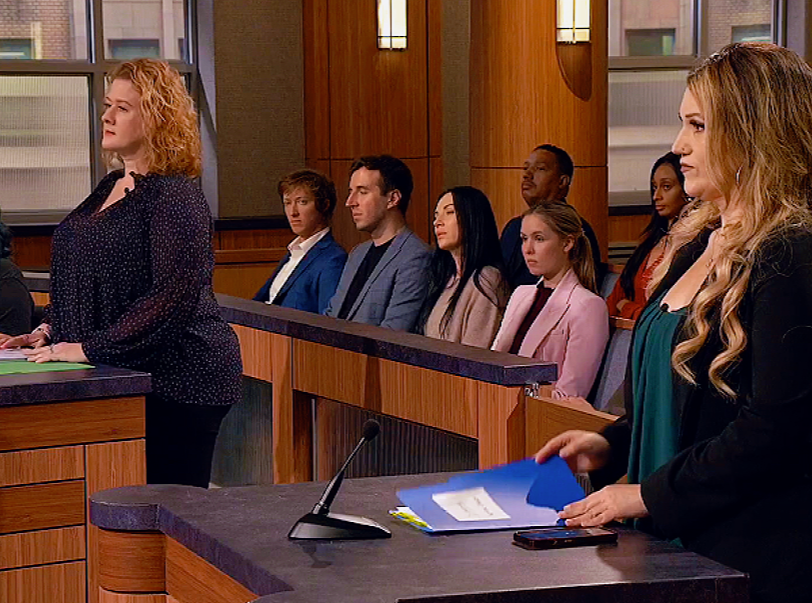
A housing arrangement born from instability
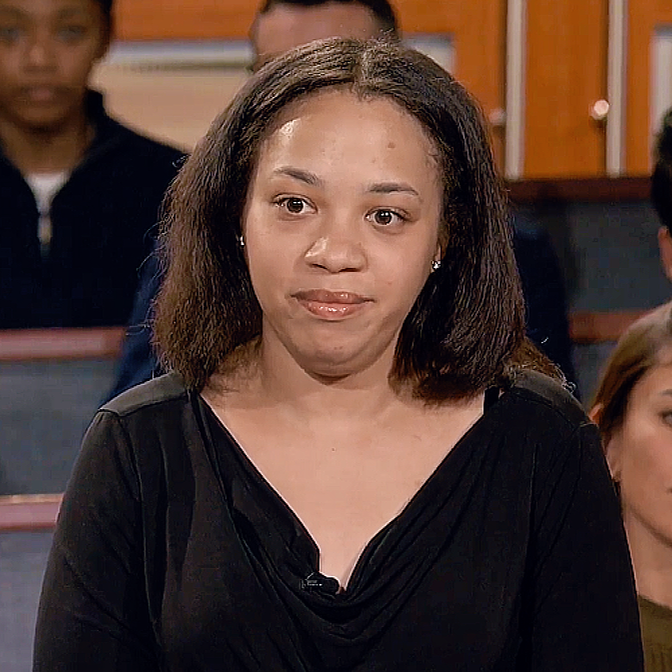
When Elisabeth Pompeo came before the court in case 4120, she described a period of severe housing instability. She said she had been homeless for a little over a year after moving to California for love and finding that the relationship did not work out. At the time she moved in with Adrina Chavez, she had only recently started working.
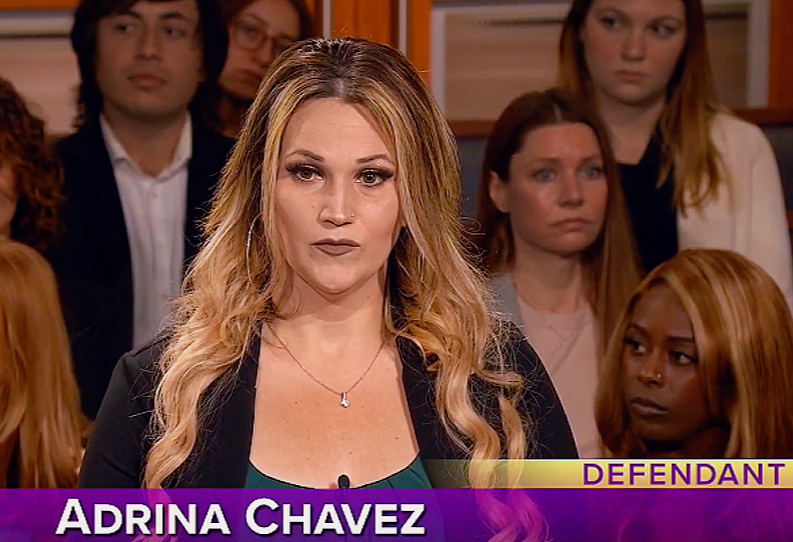
Pompeo said she had been receiving assistance through the Department of Social Services, including EBT, Cash Aid, and reimbursements connected to a hotel room. She testified that her Cash Aid amounted to $930 a month and that she received approximately $345 in food assistance. The two women met through the Central Coast Chisme page, which Pompeo explained was a regional gossip page whose name used slang for gossip.
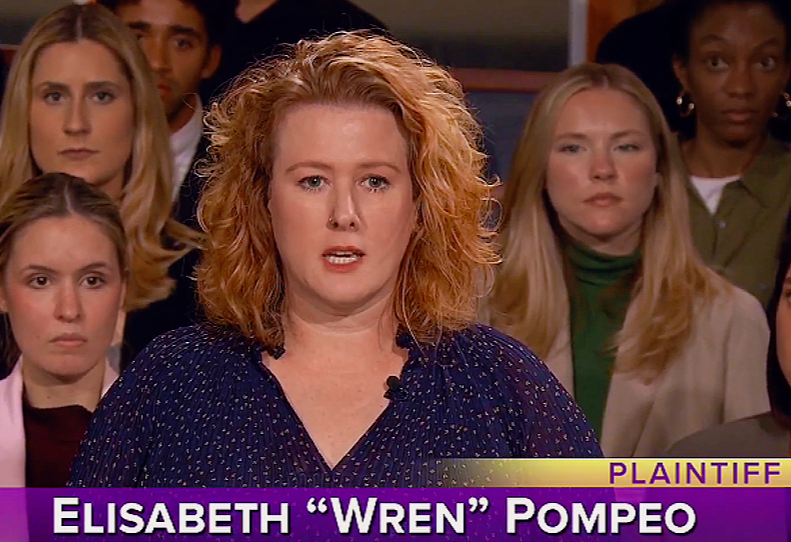
According to Pompeo, the agreement was straightforward: she would pay Chavez $800 a month in rent. Pompeo said she withdrew $930 from her FIS ebtEDGE account on October 1 and handed Chavez $800. She also presented paperwork showing the withdrawal. The withdrawal established that money had been taken from the account; it did not, by itself, establish that $800 had been handed to Chavez.
The arrangement did not last. Pompeo said she remained in the house for about a week before leaving. She characterized the departure as an unlawful eviction. Chavez disputed that account, maintaining that Pompeo had paid only $200 and had left rather than being evicted.
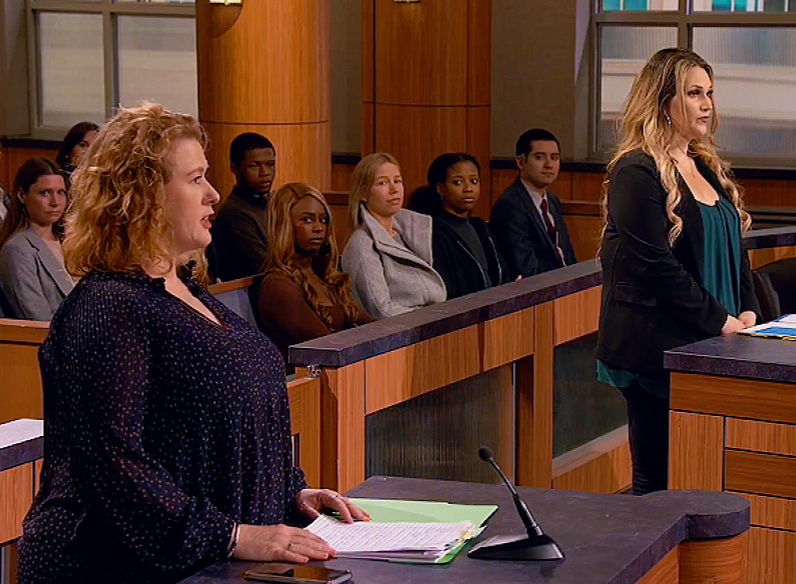
The October payment dispute
The judge immediately separated the claim that Pompeo had been forced out from the question that could decide the money: what amount, if any, had actually changed hands?
Pompeo’s first evidence was the October 1 withdrawal. But the judge examined earlier account statements and found a pattern: Pompeo regularly withdrew either $800 or $1,000 at the beginning of the month, soon after money entered her account. That pattern weakened the argument that the October withdrawal, by itself, proved a payment to Chavez.
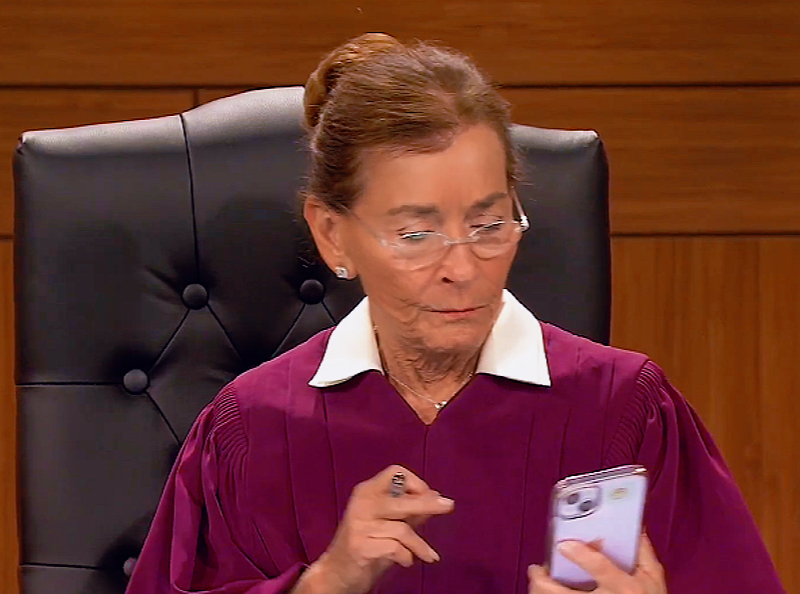
Pompeo also showed a message indicating that the women had met in the parking lot of the hotel where she was staying to exchange money and keys on October 2. The message confirmed a meeting, but it did not state the amount exchanged. When asked whether she had proof that Chavez gave her $200 and that more rent remained due, Chavez acknowledged that she had no cash-related proof of her own.
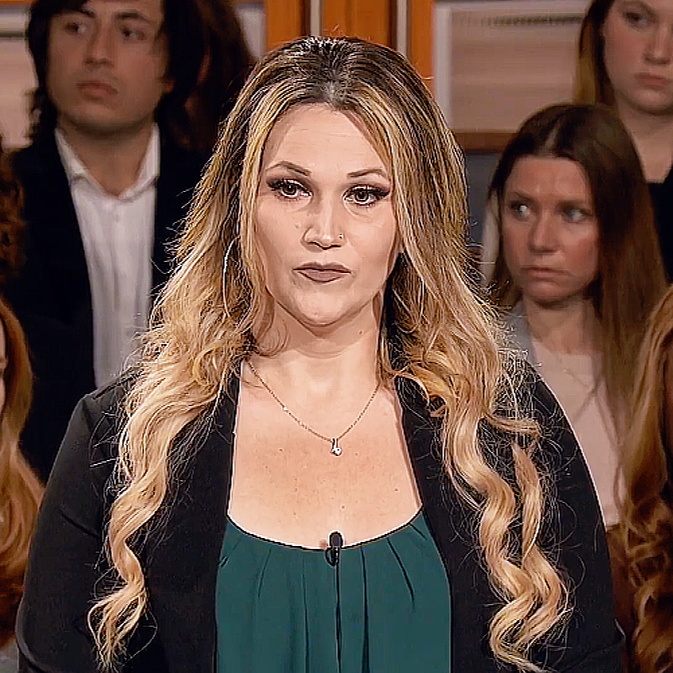
Chavez offered a different account of the meeting. She said October 1 was her birthday, so the women did not meet that day. Instead, she went to Pompeo’s hotel late on October 2. Chavez said Pompeo told her she did not have the full amount, and Chavez agreed to take what was available while giving Pompeo a key so she could move in before Chavez went to work.
Chavez testified that she was facing financial pressure of her own. She was going through a separation, had moved from two incomes to one, worked 45 minutes from home, and was caring for three children. She said her rent was $3,000 and that she needed money quickly to avoid a pay-or-quit notice. In her account, the $200 was an interim payment—not the full monthly rent.

Why the judge questioned the cash evidence
The financial details became important because Chavez had rented a car for $27.99 a day, beginning September 23, and returned it on October 17. She explained that she needed reliable transportation to protect her job and did not want to depend on Lyft. The judge questioned how Chavez could have paid $800 and also covered the later rental-car expense when her monthly assistance totaled about $1,200.
Chavez responded that the rental car was not paid for until it was returned and that she expected another paycheck. She produced pay information showing a first paystub dated September 27 for $490. She also said she had asked Pompeo to lower the rent and that the security deposit had been waived.
At one stage, the judge said the evidence did not support Pompeo’s assertion that she had paid $800 and indicated that $200 appeared more likely. The court also examined the living arrangement involving Allanah, a witness who testified that she lived in Santa Maria with her husband and baby. Allanah said Pompeo and her daughter came to stay with her on October 10 and were not charged rent.

The arrangement, Allanah explained, was based on contributions other than cash. Pompeo helped bring food into the home, cleaned, transported children, and assisted with babysitting. Allanah agreed with the judge’s description of a barter arrangement: housing in exchange for household and childcare help. Allanah worked as a dispatcher for the Santa Maria Regional Transit Center from approximately 2:30 p.m. until closing, while she said Pompeo helped care for her nearly two-year-old child during work hours. Pompeo said she worked as a school bus driver and was generally finished by about 2 p.m.
The testimony created an unusual contrast. The court was not only evaluating the disputed rent payment; it was also hearing about a second informal housing arrangement that appeared to be functioning without a conventional rental payment.

Adrina Chavez’s counterclaims
Chavez filed a counterclaim seeking the remainder of the rent, payment for babysitting, and damages for alleged online defamation. When asked for a babysitting contract, however, she produced a message that mainly asked Pompeo to pay for babysitting. The judge noted that the message did not show Pompeo agreeing to those wages, and Chavez acknowledged that the other page of the text exchange was missing.
The defamation claim centered on posts in the Central Coast Chisme group, which Chavez said had more than 40,000 members and was a place where people found roommates. Chavez read posts in which Pompeo described moving in, giving Chavez her money, and being forced out six days later. Another post said Pompeo had blocked Chavez and alleged that Chavez had done something similar to others.
The judge found that the statements Chavez identified were not defamatory on the evidence presented. Chavez said the posts had made it difficult for her to find another roommate, but the court found she could not prove that consequence or establish that the statements met the legal standard for defamation.
The online posts and a reversal in the courtroom
The turning point came when Chavez read a longer post she had made on October 11. In it, she discussed house rules, alleged that Pompeo had been intoxicated while her child was in the room, demanded the return of a house key, and sought payment for 18 hours of babysitting. The post also referred to Pompeo leaving her child with Chavez’s 13-year-old while going to a bar, and it repeated Chavez’s position that Pompeo had chosen to leave rather than being evicted.
The judge noticed what the post did not say: it did not demand the balance of the alleged unpaid rent. Because the post was made shortly after Pompeo left, that omission changed the court’s view of the payment dispute. The judge said the post suggested that Pompeo may indeed have paid more than $200.
Chavez replied that she intended to return the $200 Pompeo had given her, but wanted payment for babysitting. She also accused Pompeo of threatening to report her to child-welfare authorities if she did not pay those babysitting charges. Those allegations were presented as part of the testimony; the SRT does not establish an independent finding that either woman committed the conduct alleged.
The $600 judgment and what the record shows
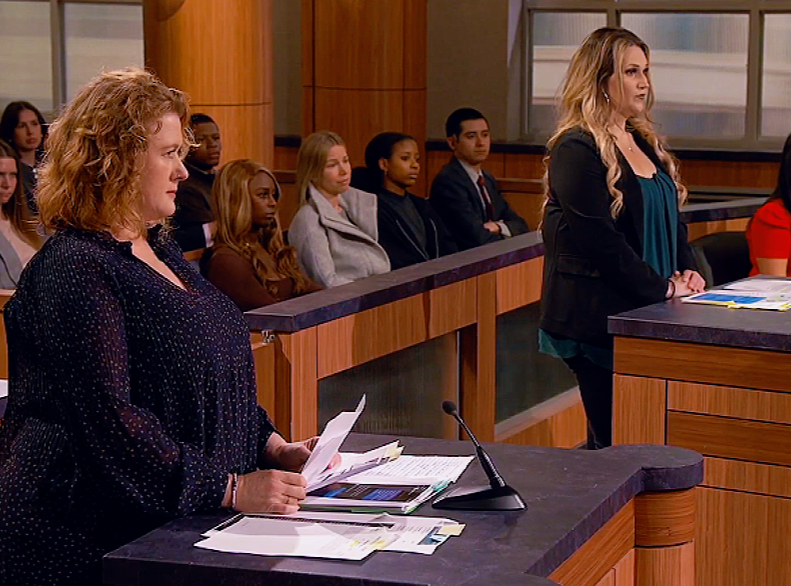
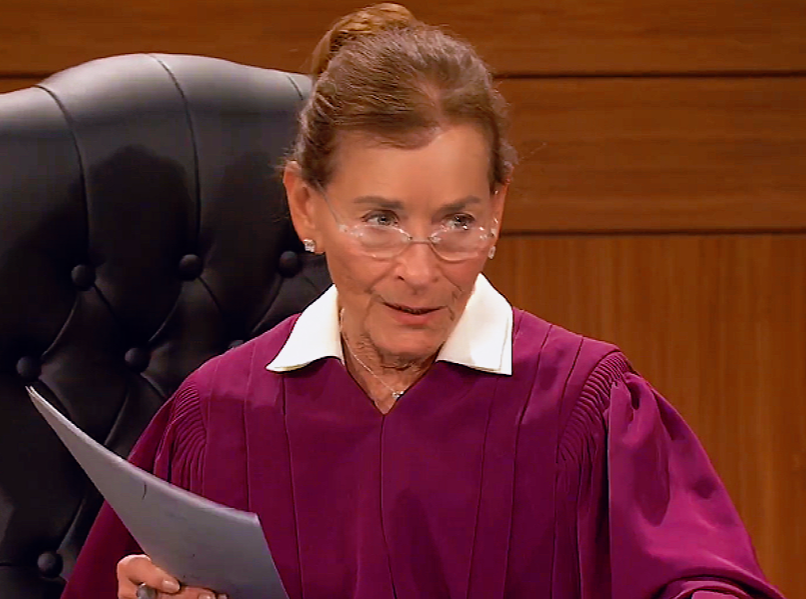
The judge ultimately reversed the earlier tentative assessment. The court did not award babysitting wages and did not find a viable defamation case. But the judge concluded that if Pompeo had paid one-quarter of the rent—$200—and stayed for one week, she was entitled to the remaining $600.
The judgment was entered for Pompeo in the amount of $600. The court then adjourned.
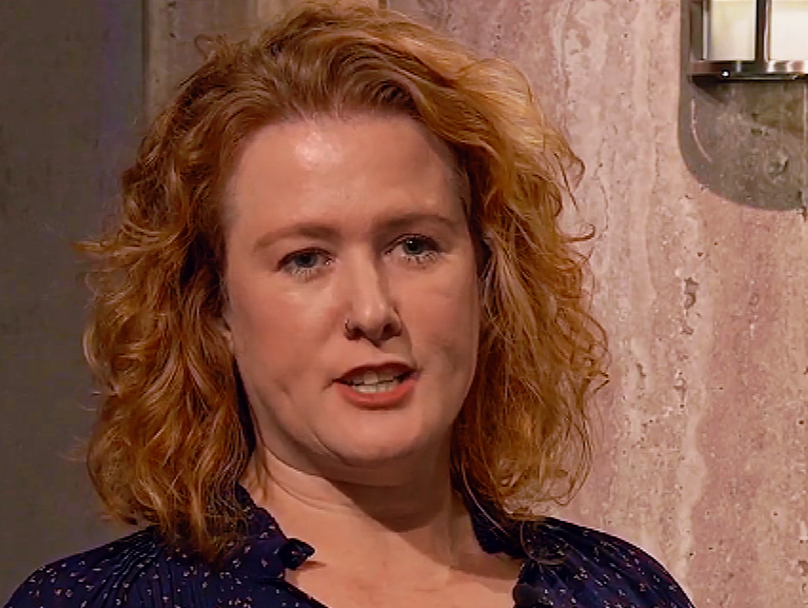
In post-hearing comments, Pompeo said she was disappointed not to receive the full amount she had sought. Chavez characterized Pompeo as an alcoholic and described an incident involving tequila and drinking around children; Pompeo disputed the significance of adults drinking around children. Those post-hearing statements were not the basis of the $600 judgment in the SRT.
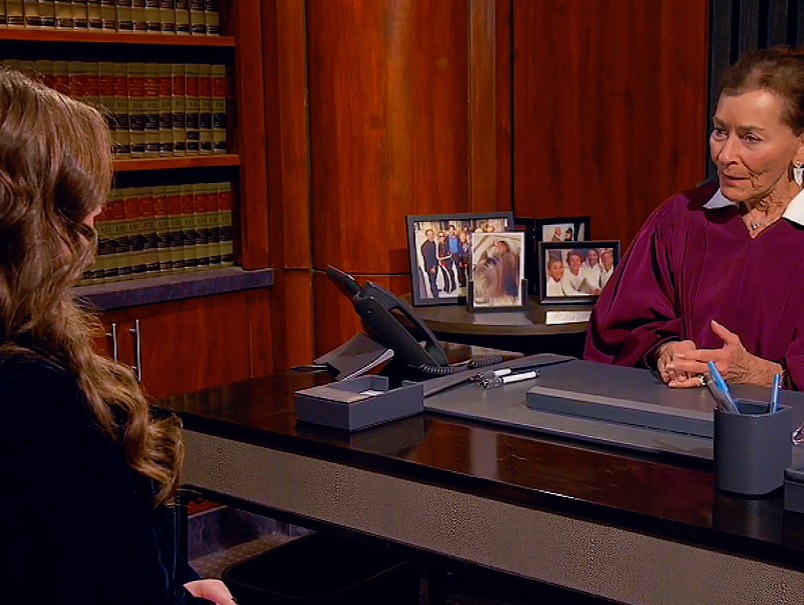
The judge’s own closing reflection returned to the difficulty of deciding whether the payment had been $200 or $800. The court explained that the later text message and the absence of a rent demand in Chavez’s immediate post were important to the final conclusion. The record supports a narrow result: Pompeo recovered $600, while the babysitting and defamation claims did not succeed on the evidence presented in the hearing.
FAQ
What was Elisabeth Pompeo suing Adrina Chavez for?
Pompeo sued Chavez over what she described as an unlawful eviction and a disputed rent payment. The case centered on whether Pompeo had paid $800 or $200.
How much money did Judge Judy award Elisabeth Pompeo?
The court entered judgment for Elisabeth Pompeo in the amount of $600.
Did the court find that Pompeo paid $800 in rent?
No. The judge ultimately treated the evidence as showing that Pompeo paid $200 and was entitled to recover $600 after staying for one week.
What was Adrina Chavez’s counterclaim about?
Chavez sought the remaining rent, payment for 18 hours of babysitting, and damages for alleged online defamation. The judge did not award her those claims on the evidence presented.
What role did the social-media posts play?
The posts became significant because Chavez’s October 11 post requested a house key and babysitting payment but did not mention unpaid rent. The judge viewed that omission as evidence affecting the credibility of the $800-versus-$200 dispute.
Was anyone criminally charged?
The supplied SRT describes a civil courtroom dispute and does not report criminal charges or a criminal conviction.