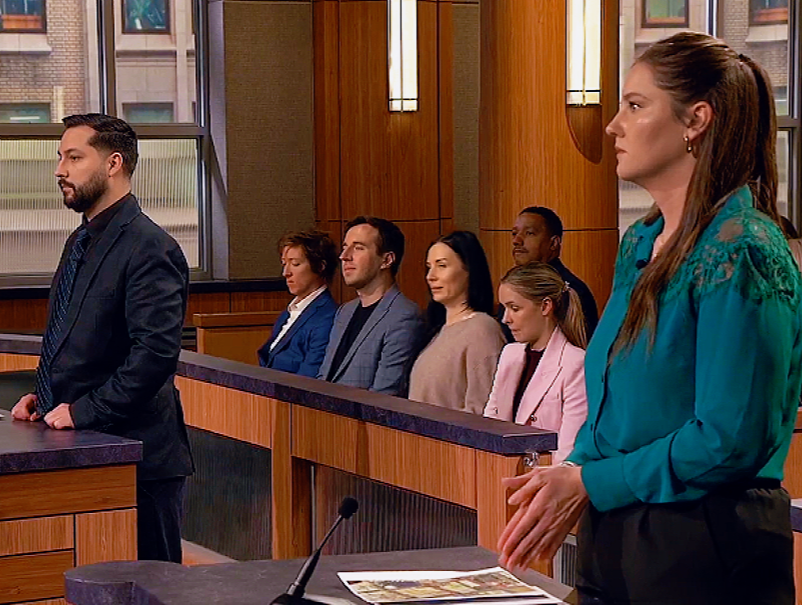
After midnight in downtown Reno, a disagreement between Christopher Potter and Jordyn Ayres moved from a bar to the sidewalk. A phone was thrown. The two ended up on the ground. Potter said the impact dislocated his shoulder; Ayres described a tangled fall rather than an intentional attack. Months later, after the couple had continued to see each other and Potter’s shoulder was injured again during a tubing trip, the dispute reached court.
A Planned Weekend Begins to Unravel
The case was identified in court as Potter v. Ayres, case 4121. Christopher Potter sued his former girlfriend, Jordyn Ayres, seeking reimbursement for medical expenses that insurance did not cover. The claim arose from an incident on March 21, 2023, in downtown Reno, after the couple had been together for approximately a year and a half.
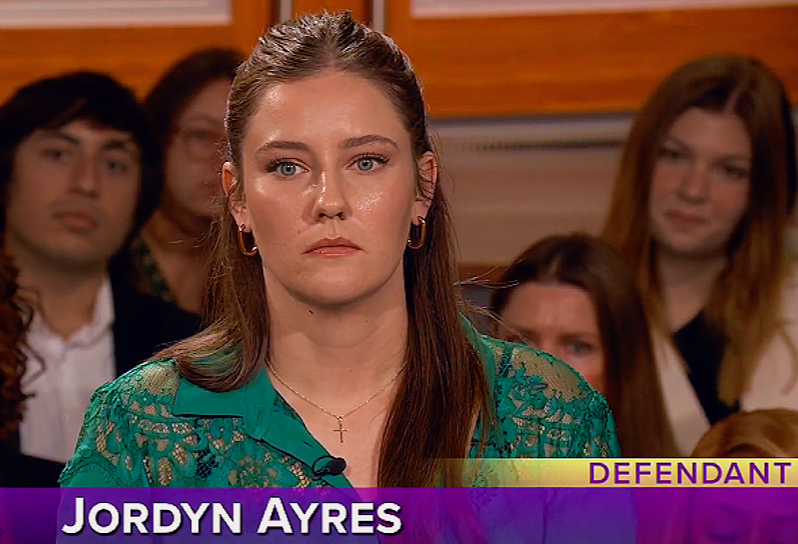
The night had begun as a planned St. Patrick’s Day weekend with friends in Reno. Potter said he joined Ayres and her friends and tried to remain level-headed as the group moved between several bars. By the end of the night, Potter was at a final bar with Ayres, her friends, and one of his own friends.
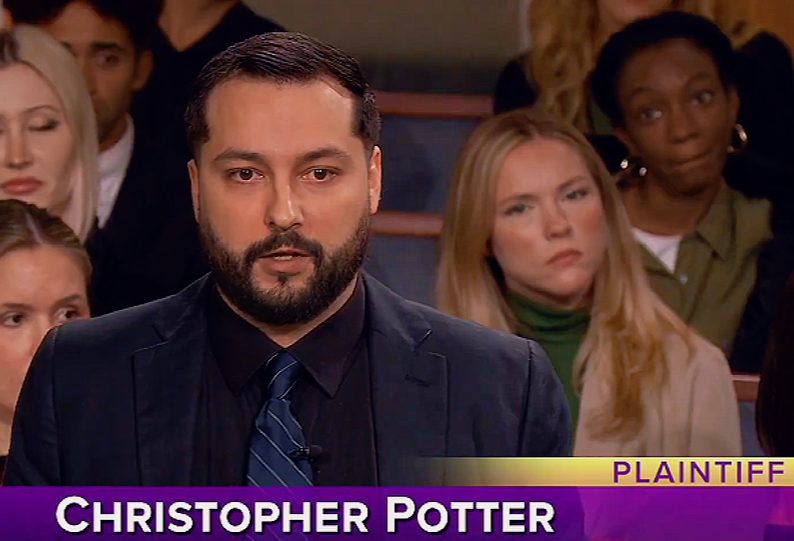
After midnight, Ayres’s friends decided to return to their hotel. Ayres said she needed to leave because she expected to drive her friends back to California the following day. Potter acknowledged that she wanted to go but said she became increasingly aggressive when he asked for time to finish his drink. He described her as repeatedly insisting that it was time to leave and even asking the bar’s owner to remove him.
Ayres agreed that she had become aggressive and impatient, but characterized her conduct differently. She said she was frustrated, raised her voice, used profanity, and wanted to go home and sleep before the next day’s drive. She denied becoming physically aggressive inside the bar.
The Confrontation Outside the Bar
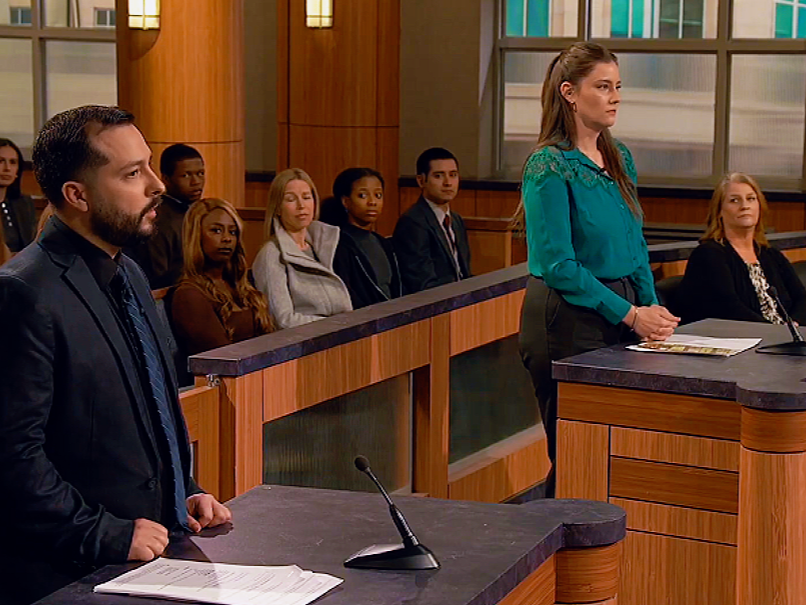
The accounts diverged more sharply after the couple left. Potter testified that Ayres continued yelling and cursing as they walked. He said she began pushing him, first lightly, while also returning to an earlier source of tension: messages she had found on his phone between Potter and another woman.
Potter said the couple had briefly broken up for about a week when the messages were discovered. He maintained that he had not been sexually involved with the other woman, but acknowledged that Ayres believed otherwise. According to his testimony, she had used the phone’s face-recognition feature while he was asleep and found the messages months earlier. As they walked away from the bar, he said, she insisted that they discuss the issue immediately. Potter said he asked her to give him space.
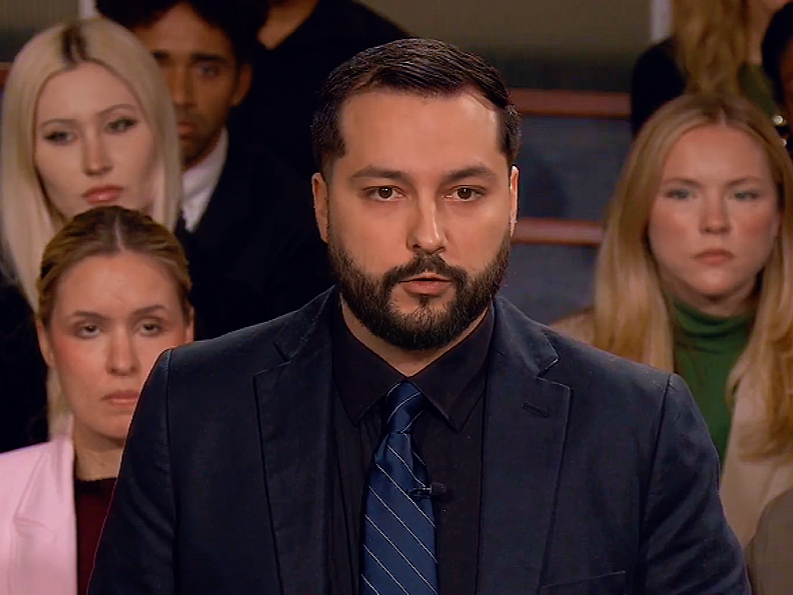
Near a corner lined with bushes, Potter said Ayres shoved him into them. He described being lifted partly into the air and asking her to stop. He testified that he then crossed the street to create distance. According to his account, Ayres followed and threw her phone toward his head. The phone missed, hit the ground, and its screen shattered. Potter said he used the moment to walk faster, hoping to get away. These details were Potter’s account of the encounter, not an independently established reconstruction.
A short distance later, Potter testified, Ayres caught up with him. He said he did not have time to turn around before she pushed him in the back with enough force to send him forward. He fell, and Ayres fell on top of him. Potter said his shoulder took the force of both bodies at an angle. While he was on the ground, he said, she did not immediately get off, and he cried out that he was in severe pain and believed the shoulder was dislocated.
Nearby pedestrians responded when Potter called for help. He said Ayres eventually moved away and left in one direction, while he continued toward a nearby casino. He later contacted Ayres’s mother, Kimberlee, for assistance.
Two Accounts of the Fall
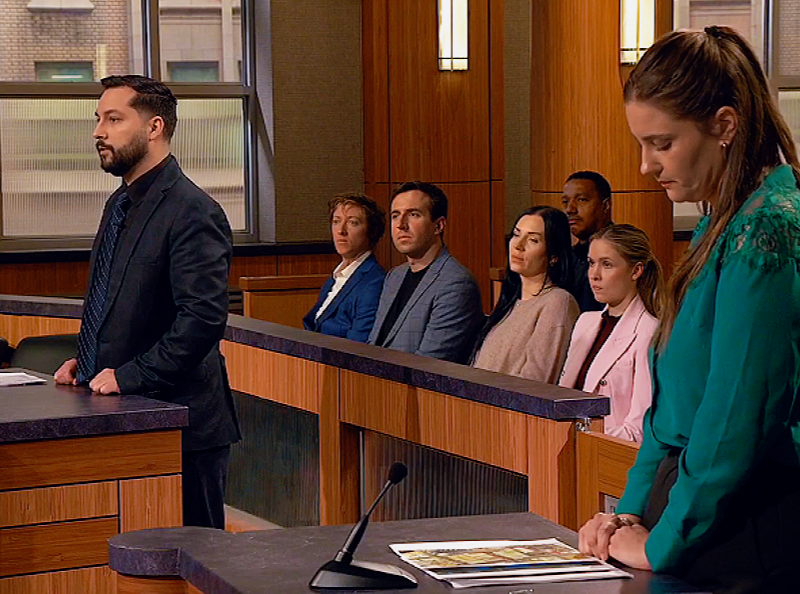
Ayres disputed key parts of Potter’s description. She denied pushing him into the bushes and said she remembered him walking away from her. She did, however, acknowledge throwing her phone at the corner. Her explanation was that she threw it to get his attention, not to strike his head, and that it landed on the ground.
Ayres said that when she picked up the phone, Potter brought up the other woman. She said she became upset and made a gesture toward him—possibly a lunge or movement in his direction. The two became entangled, she testified, and fell. Ayres said her elbow landed first and Potter landed on top of her, preventing her from getting up. Once Potter stood and began walking toward the casino, she said, she went in the opposite direction to look for her friends.
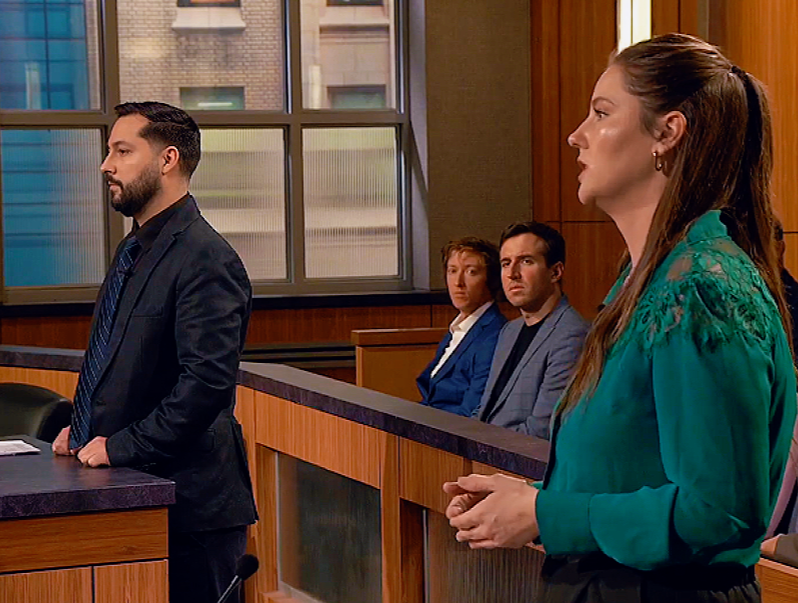
The judge focused on the sequence Ayres herself acknowledged: Potter tried to move away, Ayres followed, she threw the phone, and then she moved toward him before the two fell. In the judge’s reasoning, that sequence made Ayres responsible for the shoulder injury, regardless of whether she intended to cause a serious injury.
The Hospital Visit and the Second Injury
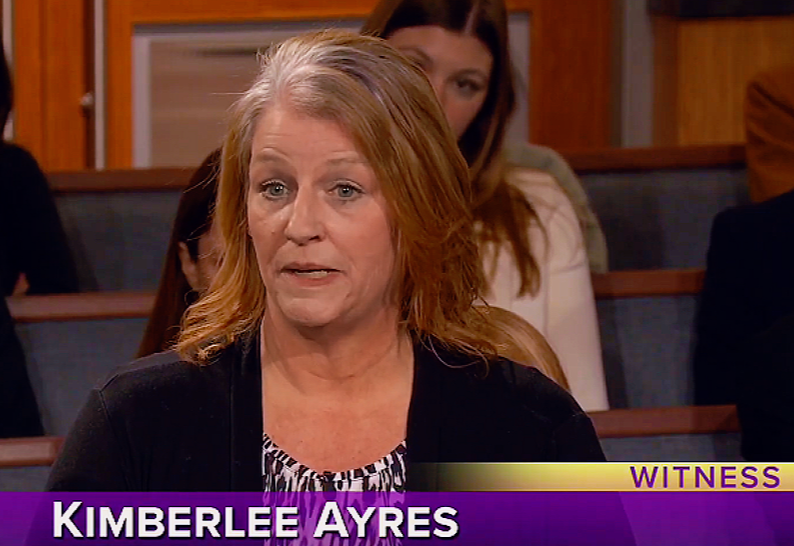
Kimberlee testified that Ayres called her shortly after 1 a.m. and was screaming so intensely that she could not understand what was being said. Ayres was brought home by friends. At the house, Kimberlee said, Ayres described a confrontation with Potter downtown and said they had fallen. Ayres also believed Potter might be hurt.
Kimberlee called Potter, who answered and asked her to come. He had gone into the casino, where he was later seen walking out with a drink. Kimberlee estimated that she reached him roughly 45 minutes after Ayres arrived home and took him to a local hospital. Potter presented hospital records relating to that night.
The medical history became more complicated in August 2023, on Potter’s birthday, August 13. Ayres testified that the two were on a camping trip at a lake where a friend had a boat and a towable tube. Potter was thrown from the tube. When he tried to pull himself back onto it, Ayres said, he dislocated the same shoulder again.
That later injury mattered because Ayres argued that the tubing accident caused more extensive damage. The judge acknowledged the March shoulder injury as legitimate, but ultimately ruled that Potter could not recover the uncovered expenses from Ayres after the couple’s later conduct. The August accident also became important because it occurred after the two had resumed their relationship.
Why the Judge Invoked “Condonation”
The relationship after March became a pivotal issue. Ayres said the couple got back together before the August trip. Potter denied that they resumed dating, describing their relationship instead as cordial and friendly. He said Ayres sometimes stayed at his home but denied any intimate or sexual relationship, including kissing or holding hands.
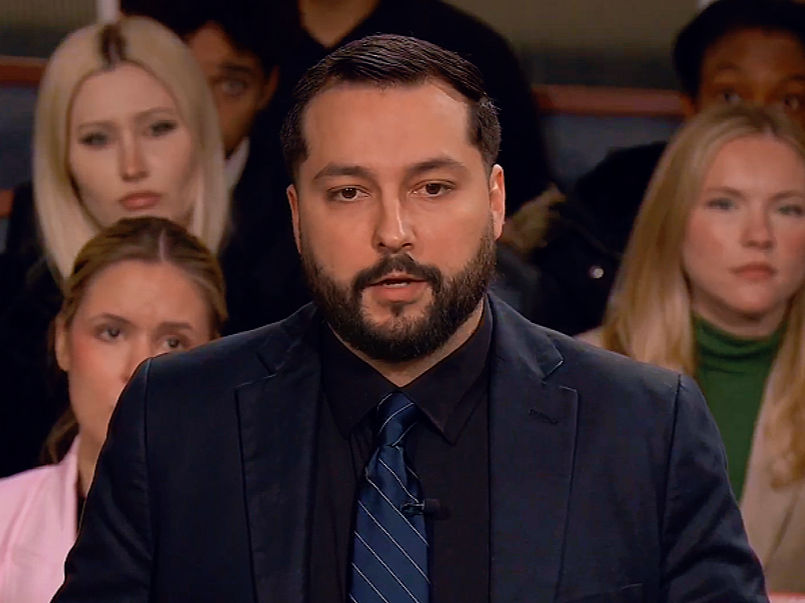
Ayres directly challenged that account, saying she had numerous text messages that contradicted it. When the judge asked Potter whether he wanted to change his testimony before the messages were reviewed, he attempted to clarify that he had not considered them to be dating. The judge told him that was not the question.
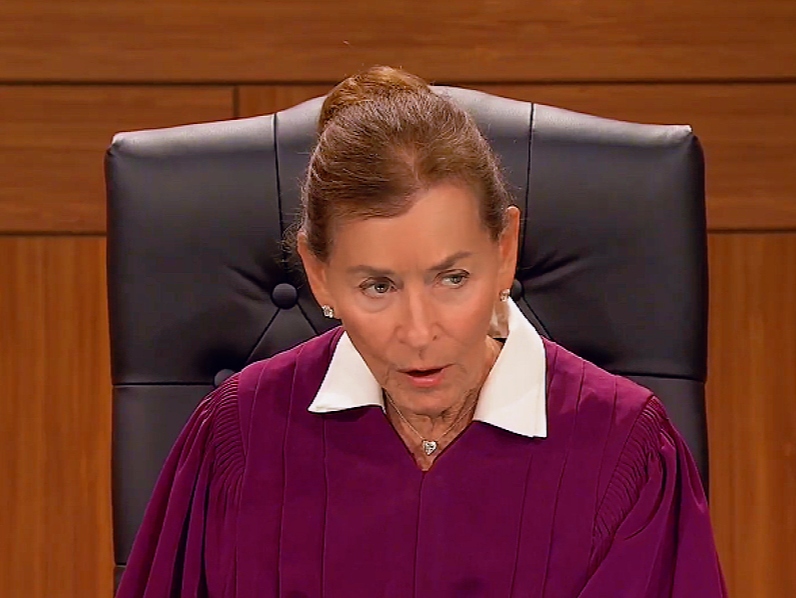
The court then explained the legal concept of condonation: forgiveness, or conduct that leads another person to believe an earlier act has been forgiven. In the judge’s reasoning, Potter’s continued relationship with Ayres after the March incident changed the legal situation. The court concluded that he had forgiven her—or at least led her to believe he had—for his own benefit, even though he later sought monetary damages for the injury.
The SRT does not provide a dollar amount for the medical bills or identify a separate written judgment beyond the judge’s ruling in court. It does show that the judge described Potter’s claim as legitimate and said Ayres dislocated his shoulder, while declining to make her pay the uncovered expenses under the circumstances presented.
The Ruling
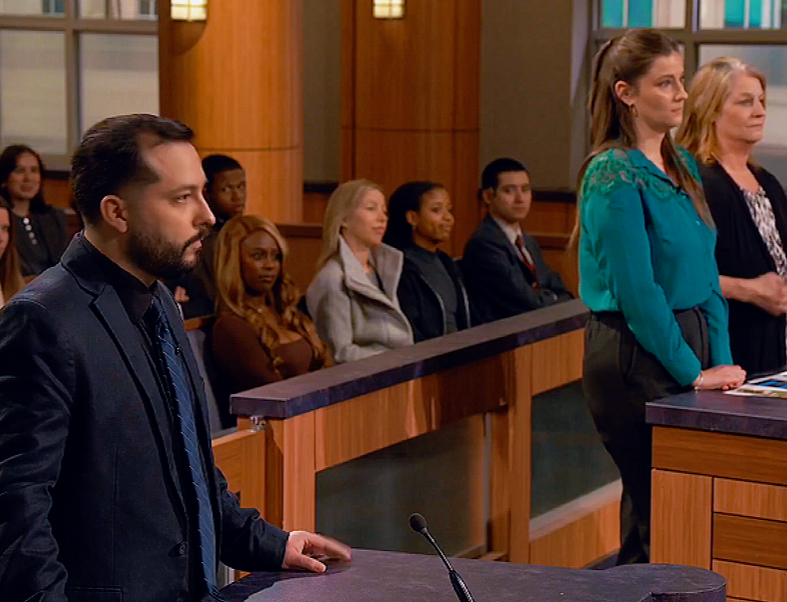
At the close of the hearing, the judge told Potter to take care of his own bill. The case was concluded without an award to him for the medical costs he sought.
In post-hearing remarks, Potter said he still felt like the victim, although he acknowledged that he could see Ayres’s point of view. He said he was happy with the decision and wanted closure. Ayres’s post-hearing response was not included in the provided transcript, but the judge explained that the case illustrated a broader lesson: a person who resumes a relationship after a physical altercation may later face difficulty seeking monetary damages for that same incident.
FAQ
Who sued whom in Potter v. Ayres?
Christopher Potter sued his former girlfriend, Jordyn Ayres, for medical expenses connected to a shoulder injury he said resulted from their March 21, 2023 confrontation in downtown Reno.
What happened to Christopher Potter’s shoulder?
Potter testified that he fell forward after Ayres pushed him from behind and that his shoulder absorbed the force of both bodies. He said he experienced severe pain and believed it was dislocated. The transcript records that he later required surgery, although it does not provide the full medical history or cost.
Did Jordyn Ayres admit throwing her phone?
Yes. Ayres testified that she threw her phone near a corner, but said she threw it to get Potter’s attention and did not aim for his head. The phone hit the ground and its screen shattered.
Did Christopher Potter and Jordyn Ayres get back together?
Ayres said they resumed their relationship after the March incident and before an August camping and tubing trip. Potter denied that they resumed dating, but acknowledged that Ayres remained close in his life and sometimes stayed at his home. The judge treated their continued relationship as legally significant.
What does “condonation” mean in this case?
The judge explained condonation as forgiveness, or conduct that leads the other person to believe an earlier act has been forgiven. The court concluded that Potter’s later relationship with Ayres affected his ability to recover monetary damages for the March incident.
What was the final ruling?
The judge told Christopher Potter to take care of his own bill. The SRT does not state a separate dollar judgment, but it makes clear that he did not recover the uncovered medical expenses he sought from Ayres.