A short-term rental was supposed to bridge the gap between one Arkansas home and the next. Instead, Troy Betsinger and Dalbert Garcia left after only three nights, carrying a dispute over parking, house rules, a large aging dog, and almost $3,000 in booking costs into a courtroom. At the center of the hearing was a deceptively simple question: What did the Airbnb listing promise when the reservation was made?
A temporary home in Arkansas
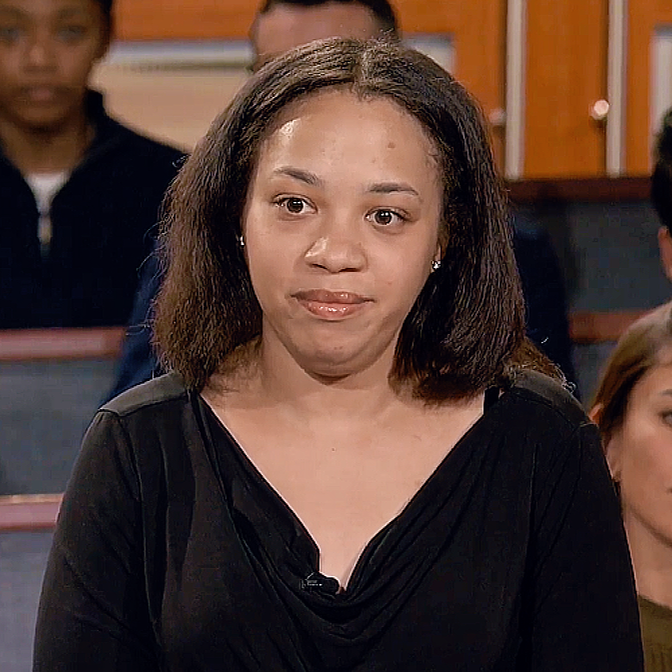
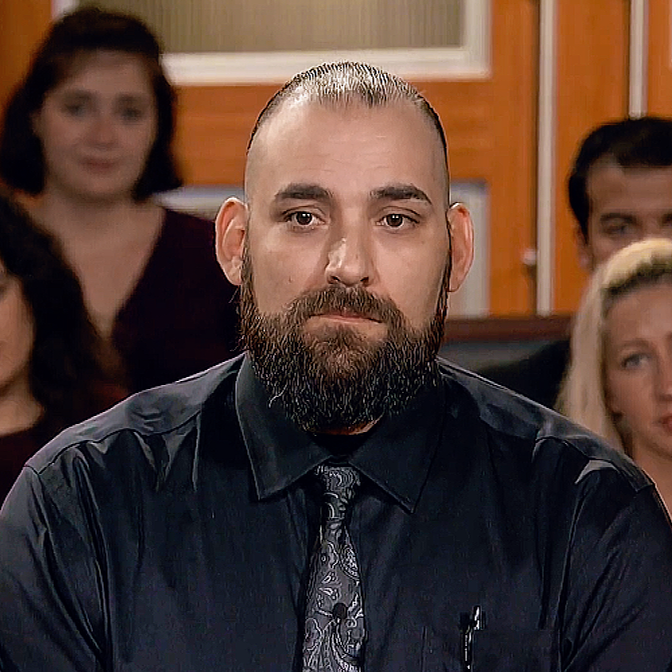
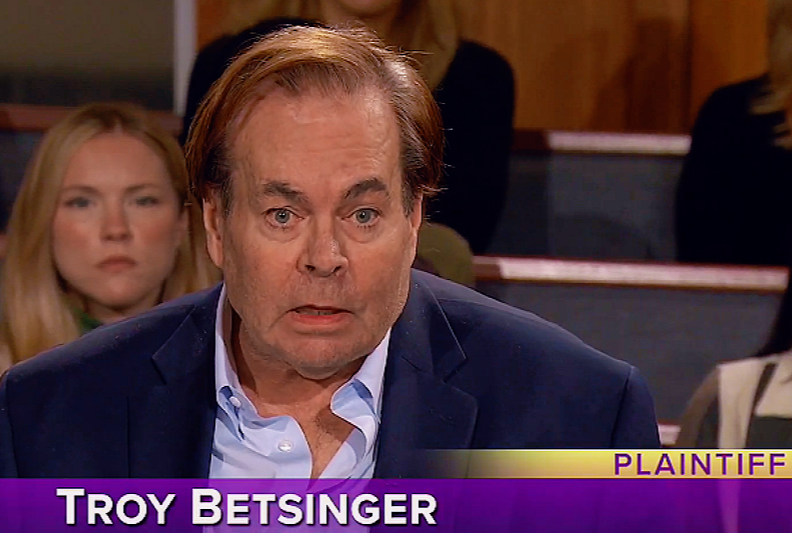
Troy Betsinger told the court that he and his partner were moving from Bentonville, Arkansas, to another town. Their new home was not ready, so they looked for temporary accommodation. They found an Airbnb owned by William and Cindee Grigson and booked a stay listed for June 7 through July 6.
Betsinger said he paid $2,945.71 through Airbnb. The property appeared to offer the practical arrangement they needed while moving: a place to live and parking for two vehicles. The reservation also involved a dog, a Great Pyrenees that Dalbert Garcia said was about 14 years old at the time.
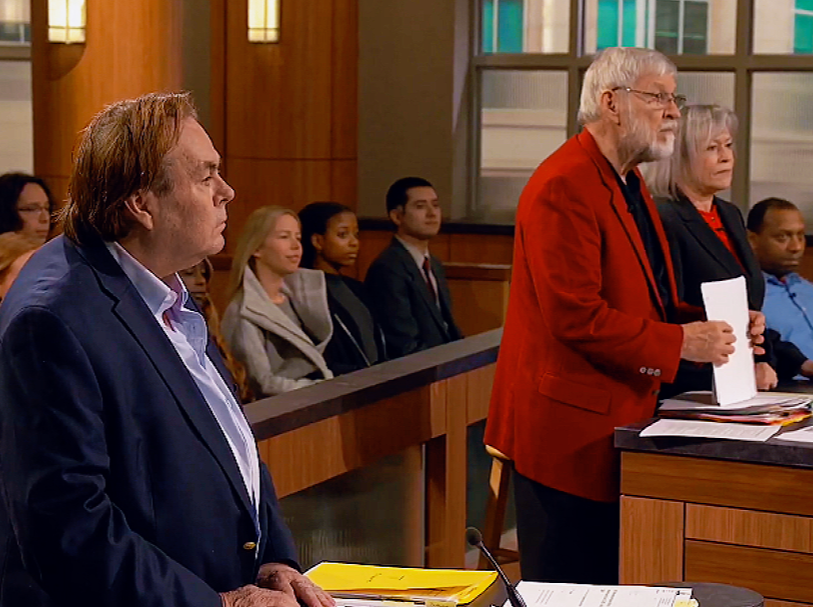
The first problem emerged before the court even reached the question of what happened at the house. Judge Judy Sheindlin asked for the precise advertisement Betsinger had answered. Betsinger said he did not have it. William Grigson produced an advertisement for the unit, and Garcia confirmed that it was the listing he had seen. That exchange immediately exposed the central weakness in the case: the parties were relying on different recollections of a listing that had later been changed.
The booking and the house rules
The hearing then turned to how the reservation was made. Betsinger described a relatively simple process: a guest sees a property, checks the basic details, decides it is in the right location, and books it. The booking information included the names of the occupants and credit-card details.
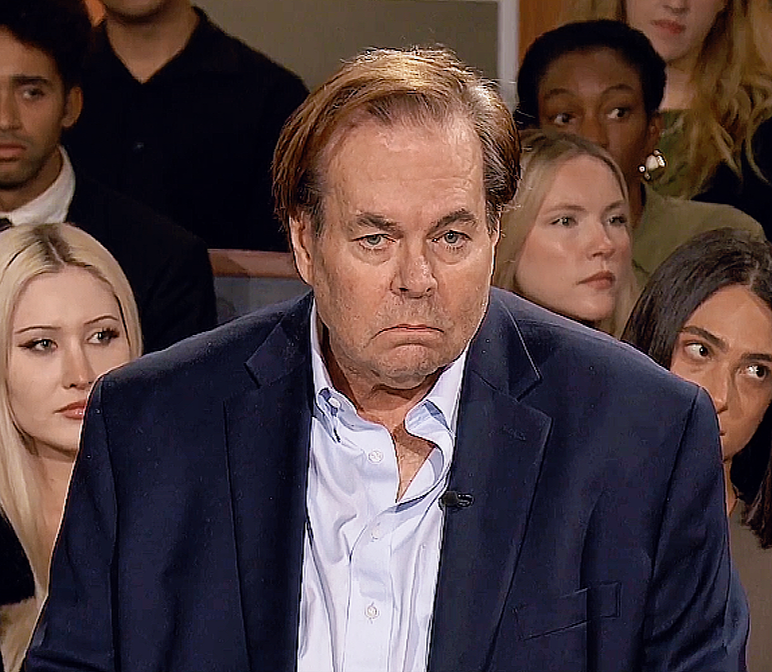
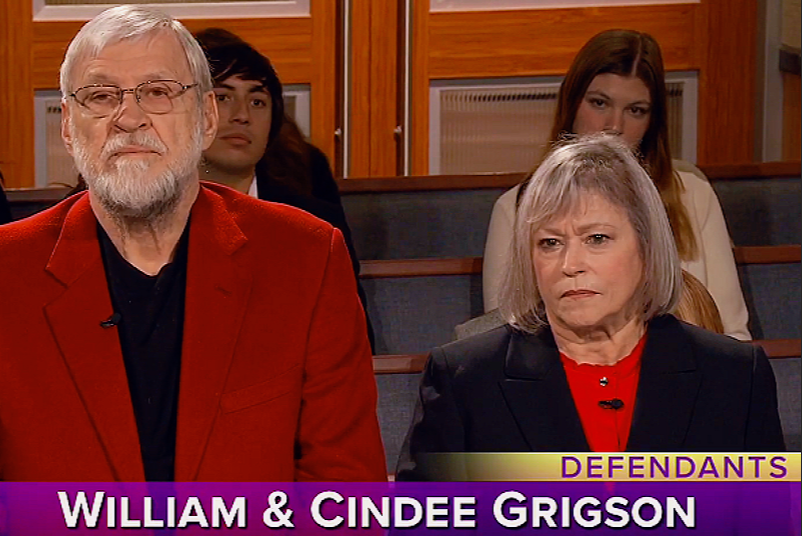
William Grigson described a more detailed process. He said Airbnb asked guests to specify the number of people, children, and pets through a drop-down menu. According to him, the no-pets policy was part of the listing and could be reviewed before a guest confirmed the reservation.
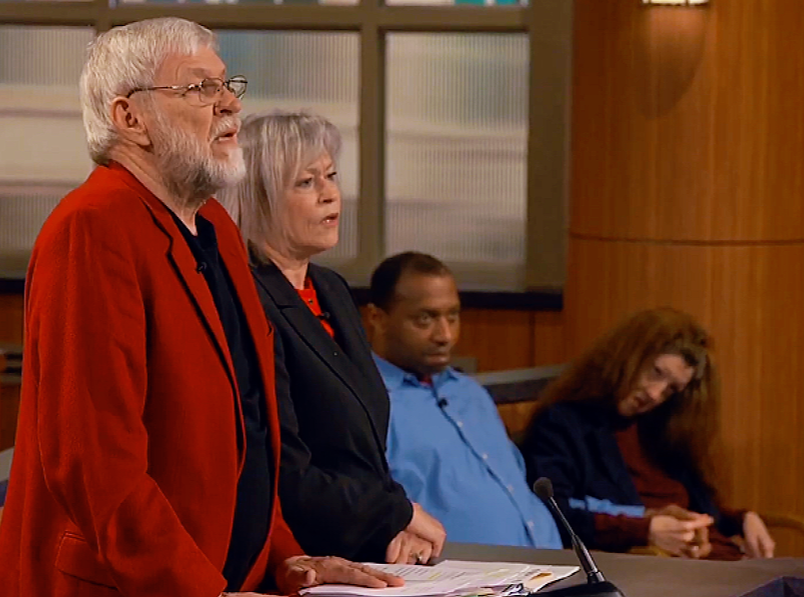
Betsinger said he did not see the pet selection line. He testified that he would not have booked the property if he had known pets were not allowed. Judge Sheindlin focused on the difference between what the defendants said in court and what William Grigson had written in his answer. That written response stated that, after the traveler paid, Airbnb provided the address and contact information, and the hosts then sent the house rules.
The defendants later clarified that guests could also access the rules before confirming. The guests said they did not receive the materials shown in court before arriving. Garcia acknowledged that, after the conflict began, they went back to the website and saw a set of rules, but could not confirm whether those rules were identical line by line to the rules shown at the hearing.
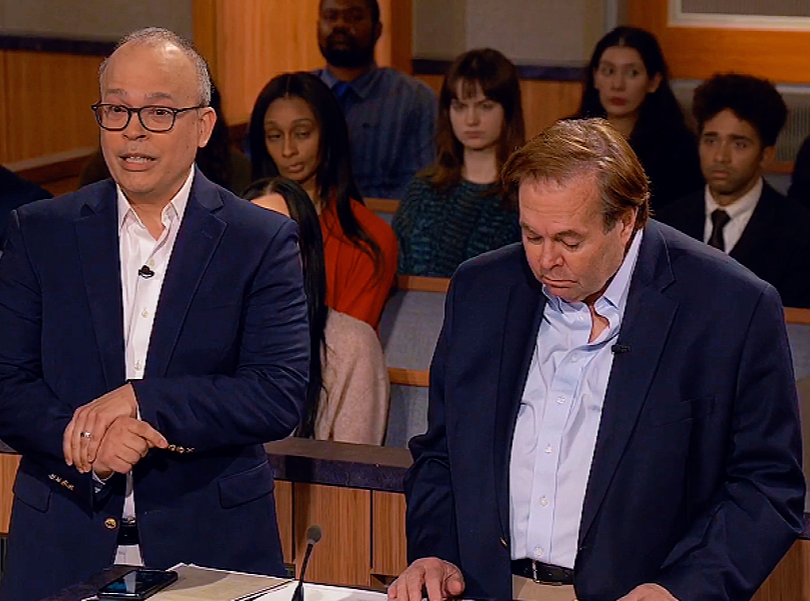
The pet issue was discussed, but it did not become the basis of the final judgment. The parties referred to a $250 amount connected to the pet. The testimony indicated that it was due on June 12, while the guests left on June 11. Judge Sheindlin therefore moved the case back to the larger dispute: the return of money for the unused portion of the stay.
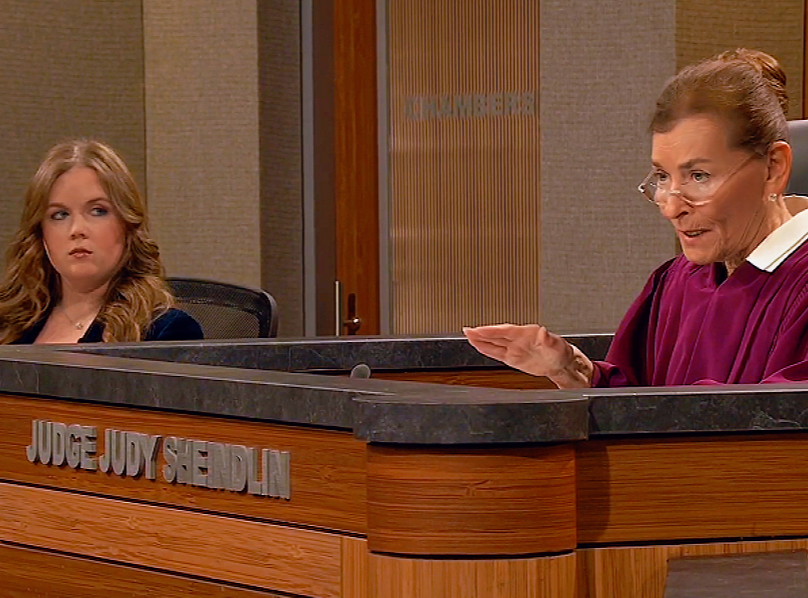
The parking dispute begins
Parking became the decisive issue. Betsinger said the Airbnb advertisement indicated that there were two on-site parking spaces. After the guests arrived, another tenant was using the driveway. The guests were told to use street parking instead.
The street was public. Judge Sheindlin pointed out that a public street could not be assigned as though it were a private parking space. The homeowners maintained that the listing referred to designated street parking and later explained that the property’s parking situation would change after the other tenants left on June 17.
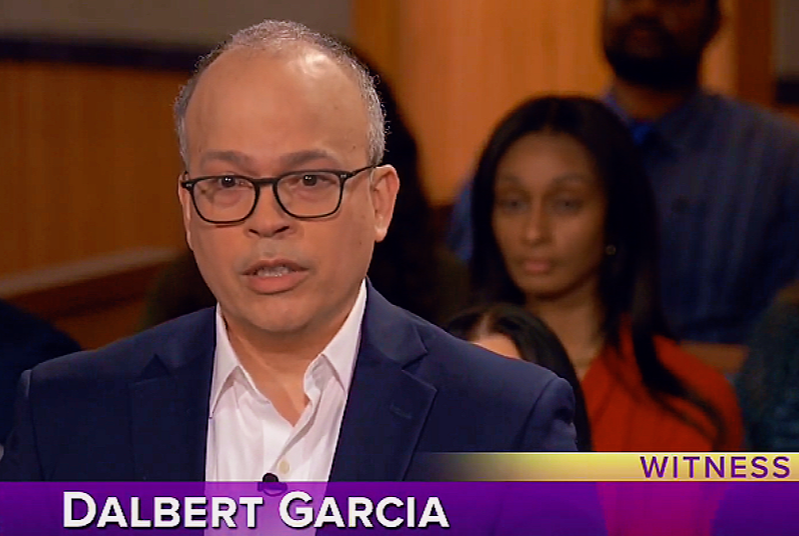
They also offered another solution: the guests could park on the lawn. The suggestion did not resolve the problem. Garcia showed a photograph of the driveway and explained that another vehicle blocked the area the guests were being asked to use. If the guests parked there and the other tenant returned, Garcia said he might have to knock on the tenant’s door and ask for the vehicle to be moved.
The Grigsons explained that the other tenant received priority because the tenant’s wife had physical needs requiring easy access to her car. Judge Sheindlin acknowledged that the hosts had offered alternatives, but those alternatives did not necessarily match the original understanding of two usable on-site spaces.
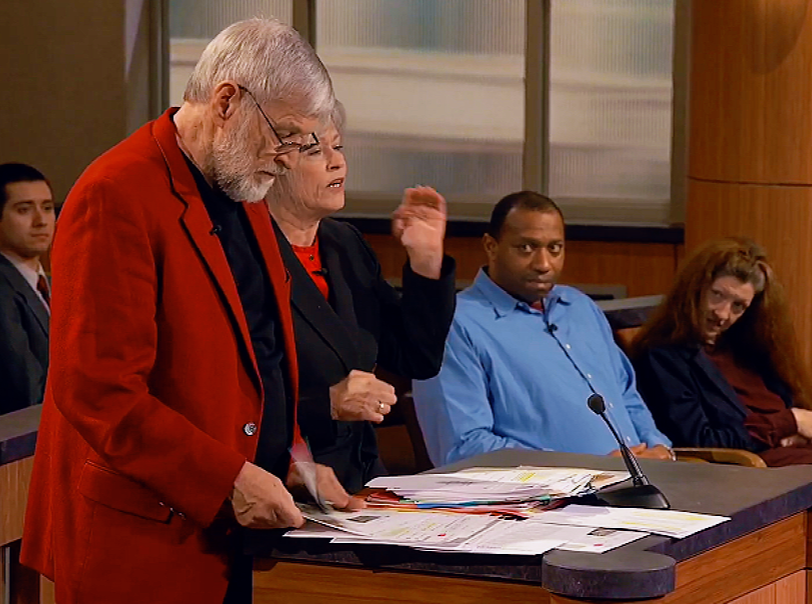
The questioning became especially pointed when Cindee Grigson described the parking as “on site, on street.” Judge Sheindlin called the description contradictory. An email also showed that the listing for Unit B would be changed no later than the following day, with the new arrangement beginning June 17. That meant the parking available during the guests’ early stay was not the same as the arrangement expected after the other tenants left.
Judge Sheindlin stated the practical distinction plainly: on-site parking did not mean parking on a lawn or dealing with access through a neighboring part of the property. In her view, the guests could reasonably regard that difference as significant.
Three nights, then an early departure
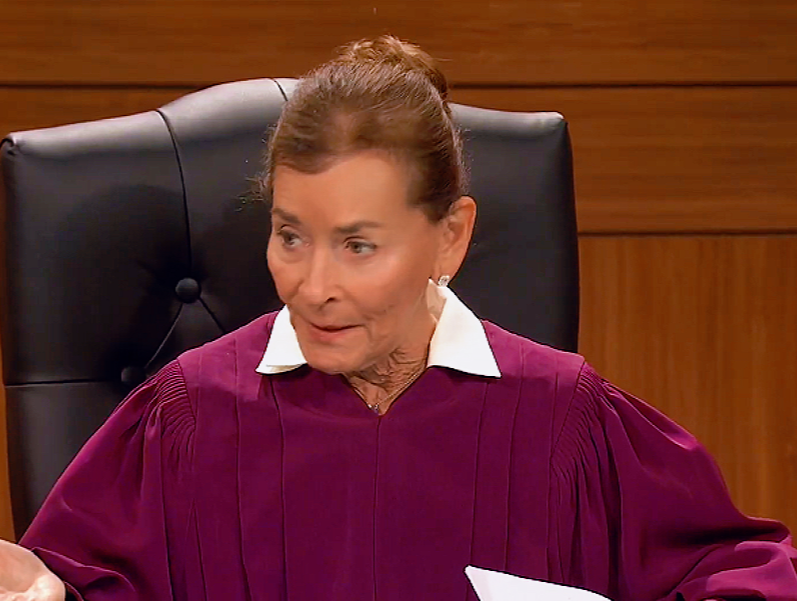
Although the reservation ran into July, Garcia testified that he slept at the property on June 8, June 9, and June 10. The guests left on June 11. He said there was conflict each night and that he could not sleep well.
Judge Sheindlin did not treat the guests as though they had used none of the reservation. They had stayed for three nights, so the value of those nights had to be deducted. At the same time, she said she could understand why they wanted a refund for the unused portion after the parking dispute.
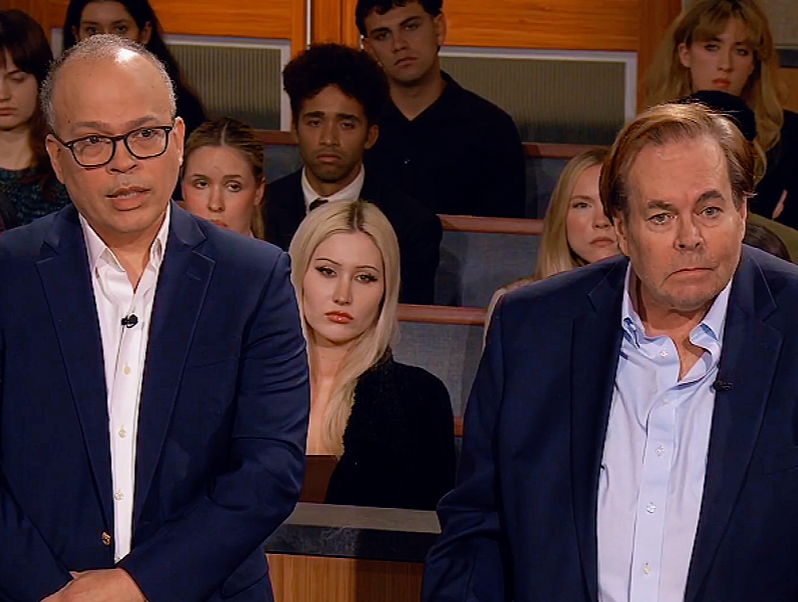
The figures were reviewed in court. William Grigson first described receiving approximately $2,100 from Airbnb, then corrected the figure to $2,281.44. The court calculated the three nights at approximately $228. Subtracting that amount from the money received left $2,053.
The testimony also established that the guests received $916 for emergency housing. The court’s calculation focused on the unused portion associated with the Airbnb stay, rather than awarding the entire original payment after the guests had stayed three nights.
The homeowners’ counterclaim
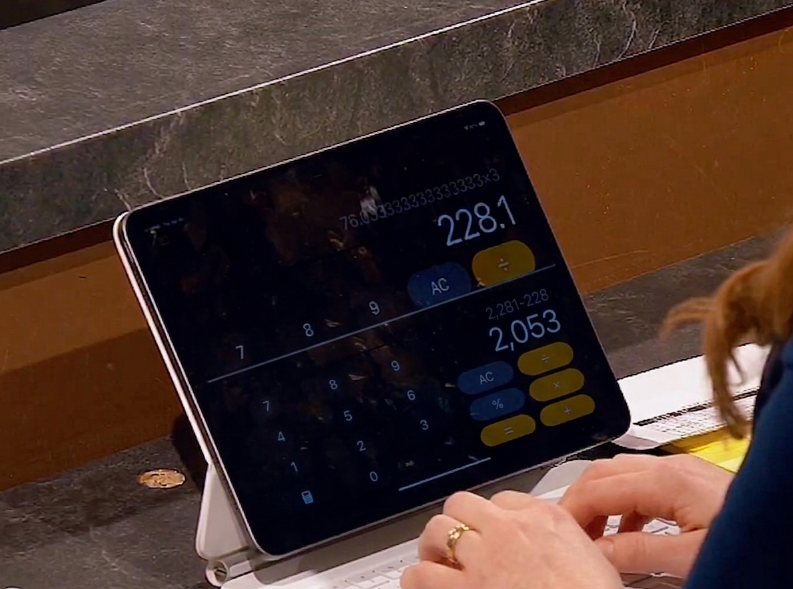
The Grigsons filed a counterclaim that included alleged property damage and losses connected to Airbnb’s response to the guests’ complaint. William Grigson said the complaint caused Airbnb to investigate and temporarily close all of their businesses, not only the room involved in the dispute. He also said Airbnb later found the guests’ claim unjustified.
Judge Sheindlin rejected the idea that the guests were responsible for Airbnb’s policy. The guests had made a complaint; Airbnb had chosen to investigate. Whatever the platform’s procedure, the hosts could not automatically transfer responsibility for that decision to the people who reported the dispute.
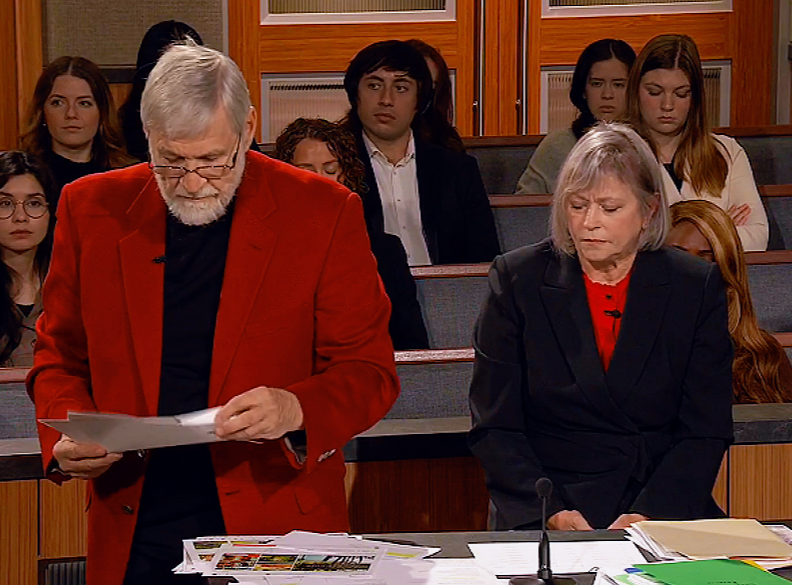
The homeowners also presented a photograph they identified as dog urine on a baseboard. Judge Sheindlin asked for an invoice showing the cost of repairing the damage. William Grigson said he had done the painting himself, while the document offered to the court had been prepared by his wife. The judge described it as a self-serving document and said she wanted an actual invoice.
The evidence did not establish a documented repair expense sufficient to support the counterclaim. The court then returned to the refund calculation.
The judgment
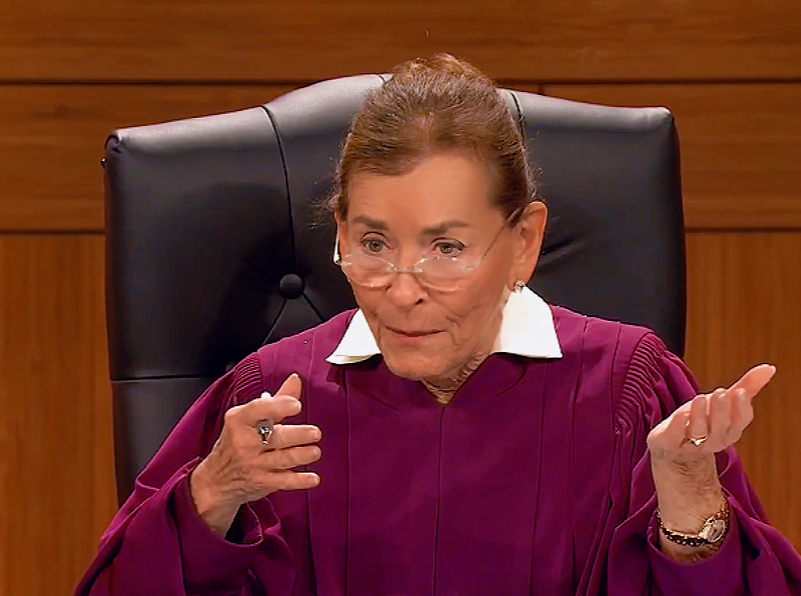
Judge Judy entered judgment for the plaintiff in the amount of $2,053. The Grigsons’ counterclaim was dismissed.
The decision was not a finding that every statement made by either side was false. It was a ruling based on the evidence presented: the guests had paid for a longer stay, used the property for three nights, encountered a parking arrangement they said did not match the advertisement, and the original listing was no longer available in its unchanged form.
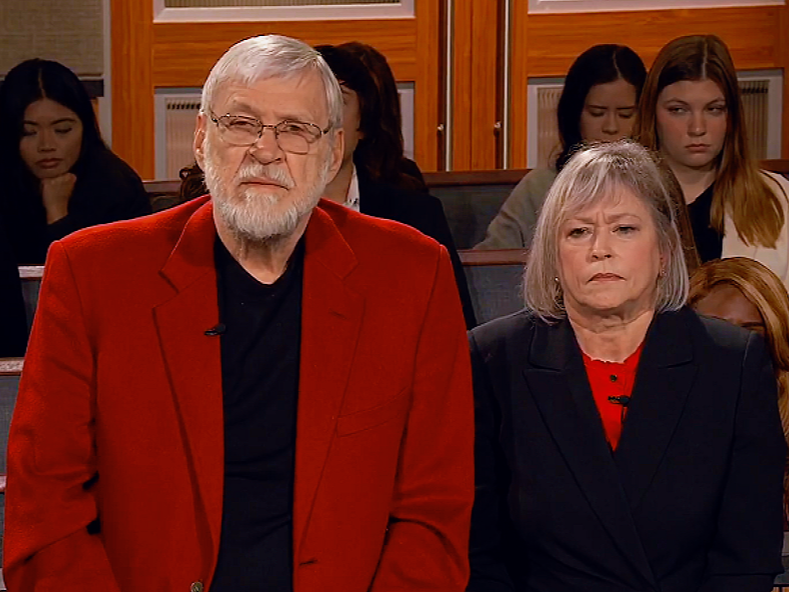
After the hearing, the parties gave sharply different reactions. One post-hearing statement said the decision was unfair. Another described the judge as fair. The homeowners also alleged that Betsinger had claimed to be a high-level executive and threatened to ensure they could never operate an Airbnb again. That allegation was denied. The transcript does not provide an independent finding resolving the exchange, so it remains a disputed post-hearing allegation rather than an established fact.
The evidence lesson
The strongest lesson from this case was about documentation. Judge Sheindlin advised Airbnb guests to photograph the exact advertisement they relied upon, preserve the booking information, and photograph every part of the property before moving in.
That advice went directly to the problem in the hearing. The guests remembered an advertisement referring to on-site parking. The hosts relied on descriptions that referred to street parking and on a revised arrangement that would begin later. Because the original version was not preserved in a form everyone accepted, testimony had to fill the gap.
For guests, the lesson is simple: save the listing, the house rules, the booking confirmation, and photographs of the property at arrival. For hosts, the case demonstrates why parking descriptions must be precise. A platform category or short phrase can be understood very differently from the arrangement a guest finds on the ground.
A reservation may take only moments to complete. Proving what was promised can take an entire court hearing.
FAQ
What was Betsinger v. Grigson about?
The case involved an Airbnb stay booked by Troy Betsinger from William and Cindee Grigson. The dispute concerned the property’s parking description, house rules, the guests’ early departure, and the return of money for the unused portion of the reservation.
How much did Judge Judy award Troy Betsinger?
Judge Judy awarded Troy Betsinger $2,053, after deducting the value of the three nights the guests stayed from the amount the defendants received from Airbnb.
How long did the guests stay at the Airbnb?
Dalbert Garcia testified that he stayed at the property on June 8, 9, and 10. The guests left on June 11.
What was the dispute about the parking spaces?
The guests said the listing promised two on-site parking spaces. After they arrived, another tenant was using the driveway, and they were directed to public street parking or offered the lawn as an alternative.
What happened to the homeowners’ counterclaim?
The Grigsons’ counterclaim, including alleged property damage and losses connected to Airbnb’s investigation, was dismissed.
What evidence did Judge Judy recommend saving?
She recommended photographing the exact advertisement and the property’s condition before moving in, while preserving the booking information and the terms the guest relied upon.