The courtroom was asked to reconstruct two accidents from what remained afterward: a police report, a disputed recording, deployed airbags, photographs, a landlord’s paperwork, and the testimony of people who had been close to the impact—but not always in a position to see it. One case began with a drive to a community pool and ended with a $6,700 judgment. The other began with a phone call and an open garage door, then ended with an $8,145 ruling. In both cases, the decisive question was simple: what did the evidence actually show?
The First Case : A stop sign, a pool trip, and a disputed collision
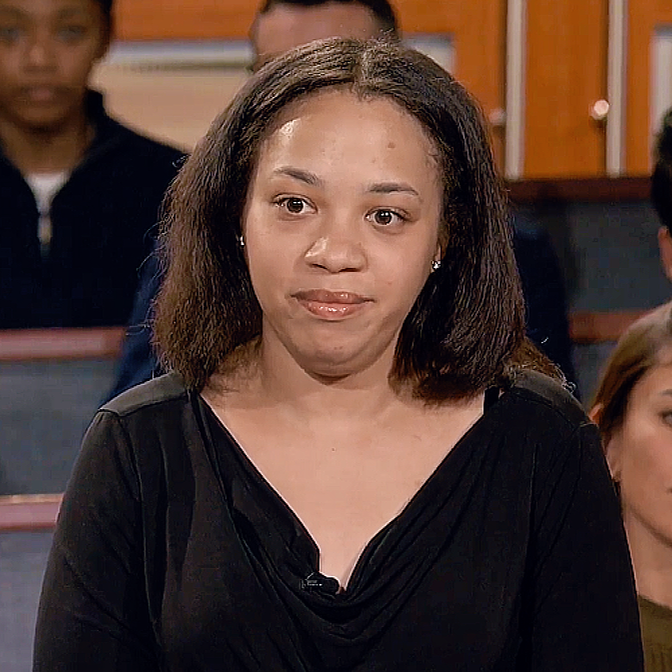
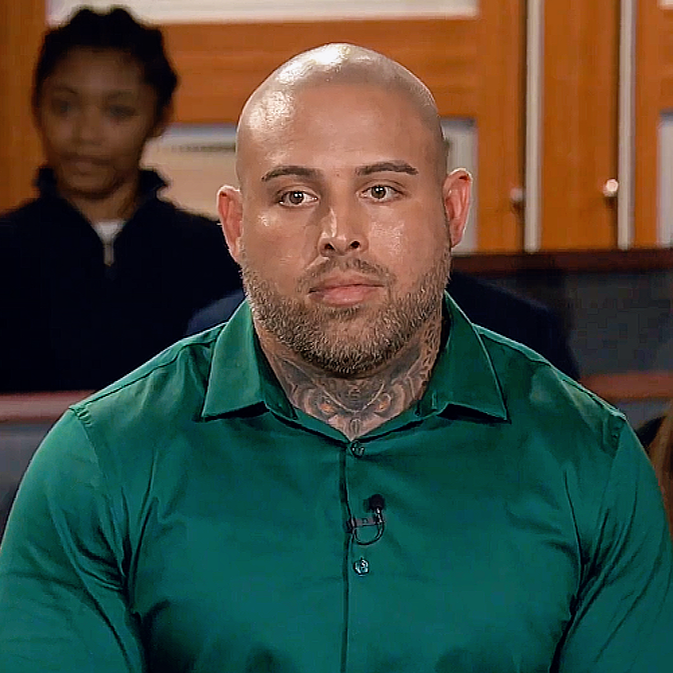
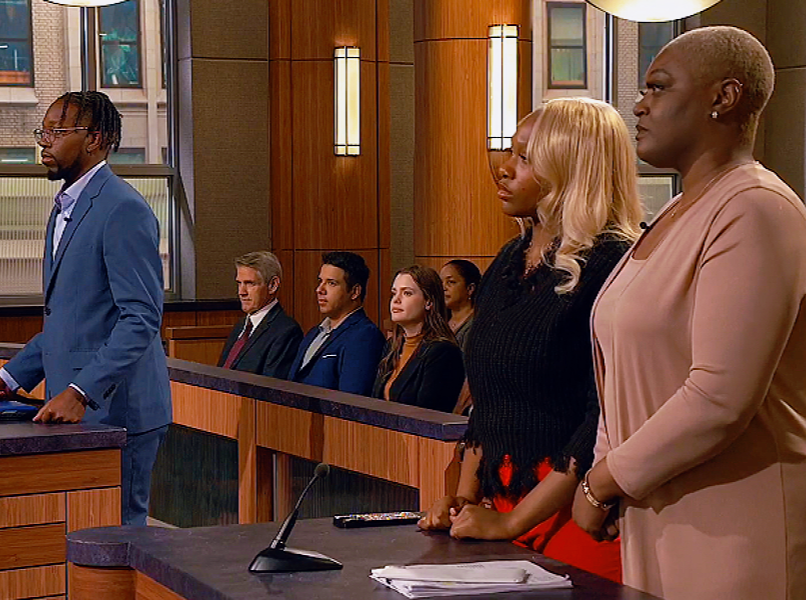
The first proceeding was identified as Case 4093, Gibbs v. Armstrong. Dale Gibbs sued 18-year-old JAMIYAH Armstrong and her mother, JASHELA ARMSTRONG, seeking the cost of his car after an accident that JAMIYAH had been involved in. The Armstrongs filed a counterclaim for the value of their own vehicle, turning the hearing into a dispute over responsibility on both sides.
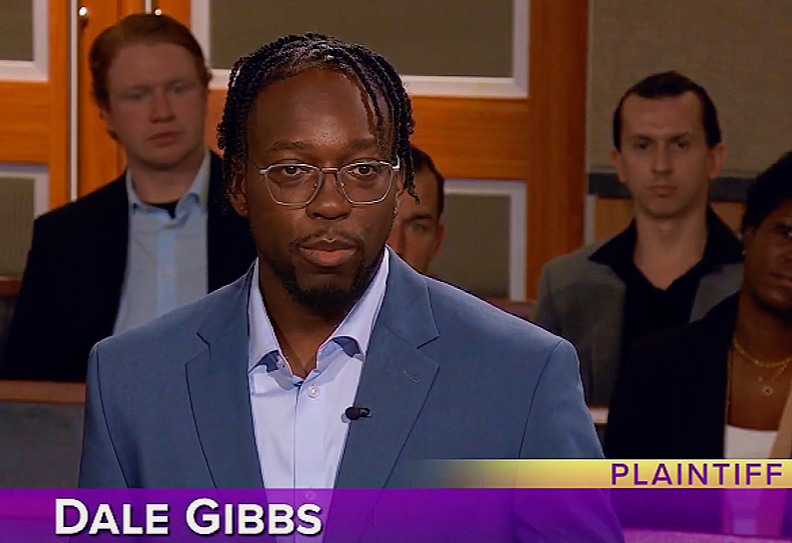
The collision took place on Wednesday, June 26, 2024, in the residential community where the parties lived. Gibbs had been there for about two and a half years, since July 2022. Jay Sheila said she had lived there for about eight years. JAMIYAH told the court that she had been driving with her cousin on the way to the community pool.
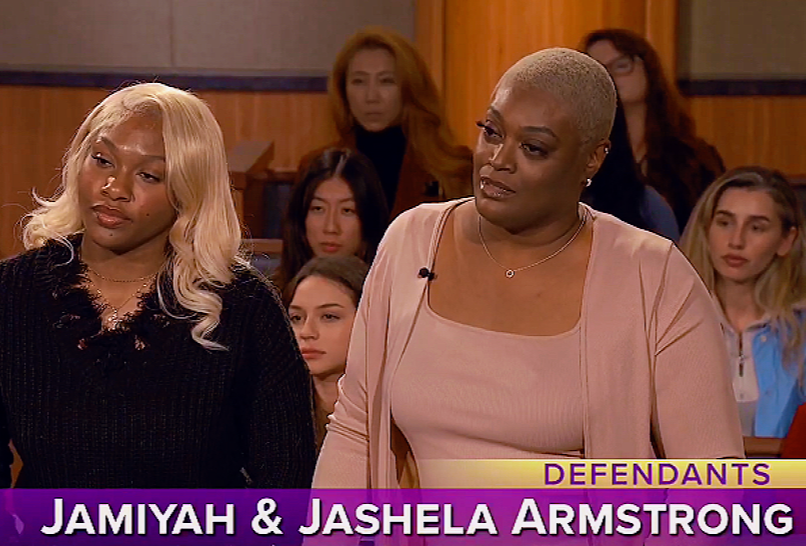
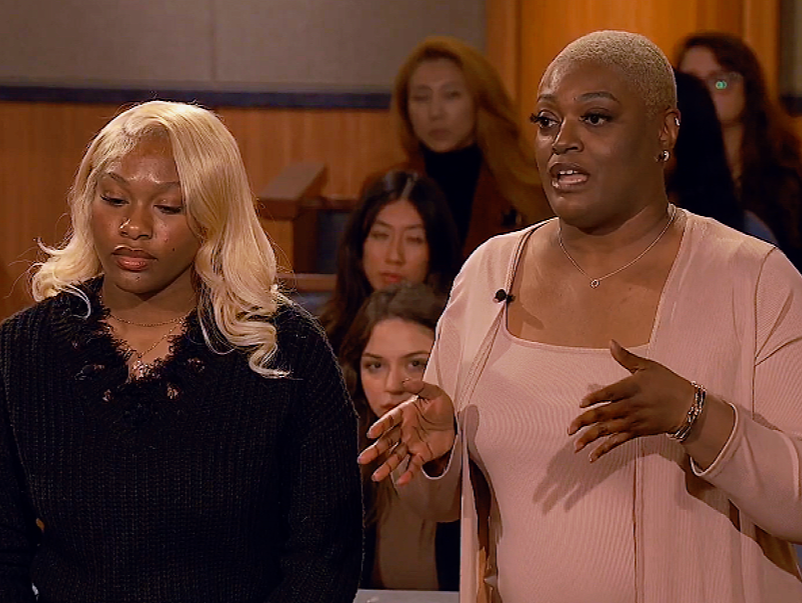
Before the judge examined the collision itself, another issue came into focus: JAMIYAH did not have a driver’s license. She had a permit, and her mother acknowledged that she had allowed Jamaya to drive. JASHELA argued that the community was unincorporated and that residents could drive vehicles such as ATVs or golf carts there without a license. The judge drew a sharp distinction between those vehicles and the car Jamaya had been driving, asking for something in writing that permitted an unlicensed person to drive a car in the neighborhood.
The papers presented did not establish that rule. The judge returned to the point several times, making clear that the question was not whether JAMIYAH had avoided receiving a ticket. It was whether the law or the community’s status made it acceptable for her to operate a car without a license.
Why the recording and police report mattered
Gibbs brought a recording to court. It was not footage of the crash. Instead, it captured a statement in which JAMIYAH appeared to acknowledge that she had not seen Gibbs coming when she pulled out into the intersection. The distinction mattered: the recording could not show the impact, but it was offered as evidence about what JAMIYAH had seen before the collision.
JAMIYAH gave a different account. She said she had made a complete stop and looked both ways. She said no one was coming. When asked where Gibbs had come from, she suggested that he might have been driving too fast. The judge tested that explanation against the intersection as it had been described. If a driver stopped and looked both ways, the judge reasoned, a car approaching along the larger road should have been visible—even if it was moving quickly.
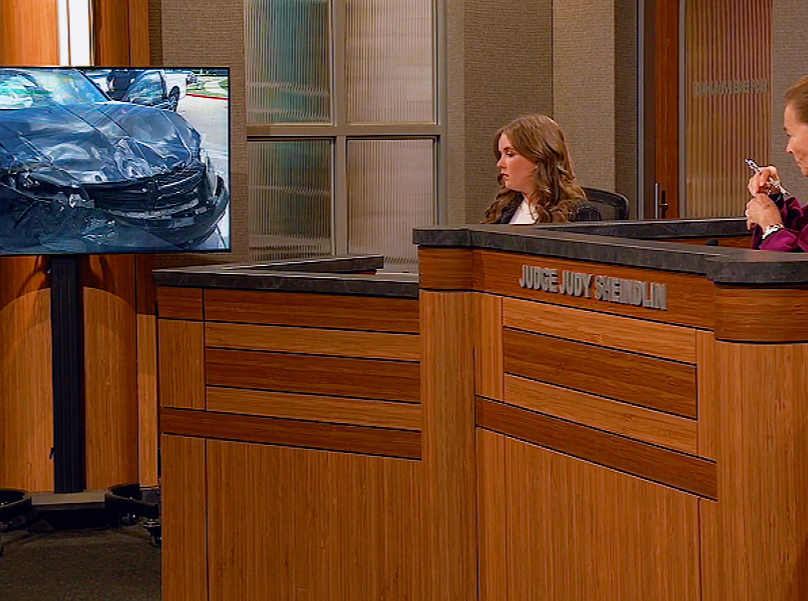
The court also considered the police report, which stated that JAMIYAH had run the stop sign. JAMIYAH maintained that she had stopped, while her mother argued that Gibbs had not witnessed the accident either. The judge noted that the investigating officer had examined what happened and prepared the report, making it relevant to the court’s assessment.
The testimony about the vehicles added to the financial stakes. Gibbs identified his car as a 2014 Dodge Avenger, which he said he had purchased for just under $8,000 in cash in 2018. He testified that it was fully paid off and that he owned another vehicle. The Armstrong vehicle was identified as a 2023 Nissan Rogue with a loan. The court heard that the insurance company had not paid off that loan because JAMIYAH was an excluded driver on the policy.
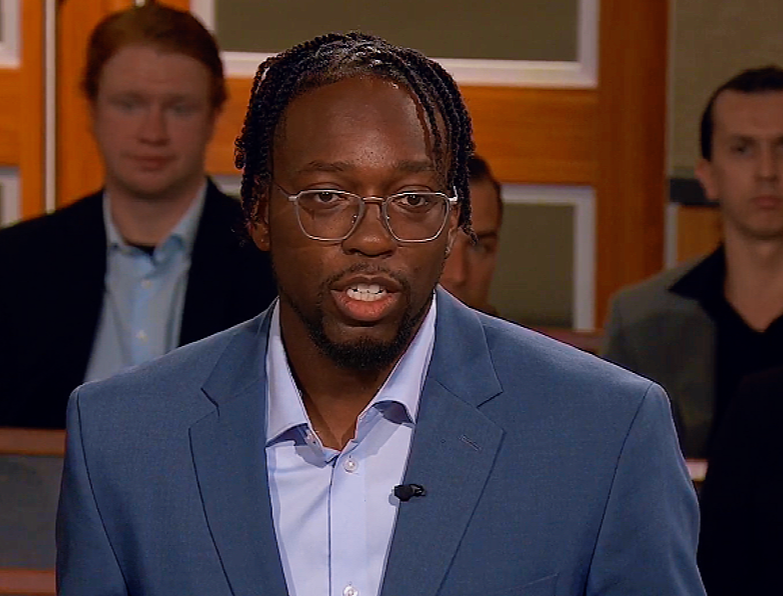
The $6,700 judgment in Gibbs v. Armstrong
The insurance dispute could not be separated from the driving dispute. According to the testimony, the Armstrong policy disclaimed coverage because JAMIYAH was excluded. The judge described the situation plainly: an unlicensed driver had been allowed to drive, the report said she had run a stop sign, and the coverage did not respond as expected.
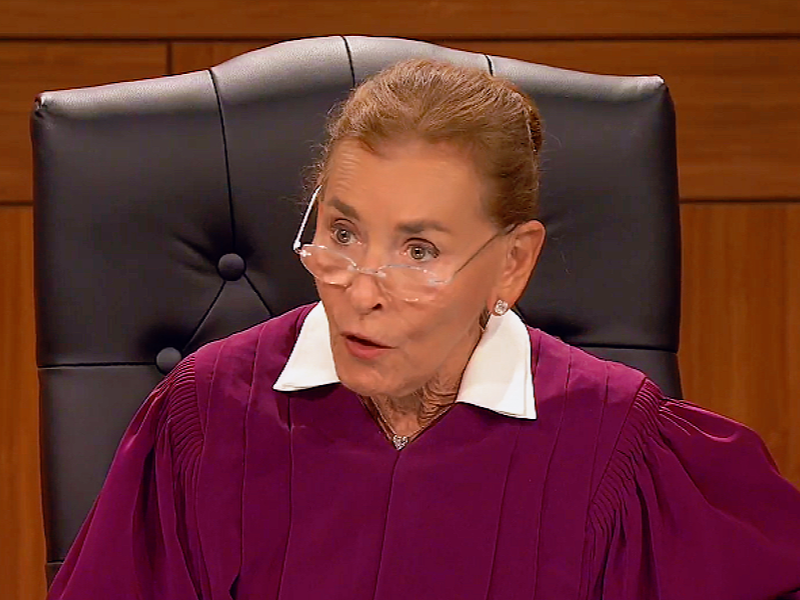
The hearing also established that no one involved went to the hospital or received medical treatment. The airbags deployed in Gibbs’s vehicle, and the judge described the collision as a nasty accident while observing that the people involved were fortunate not to have suffered more serious injuries.
After hearing the evidence, the court ruled for Dale Gibbs in the amount of $6,700. The Armstrongs’ counterclaims were dismissed, and the case was adjourned.
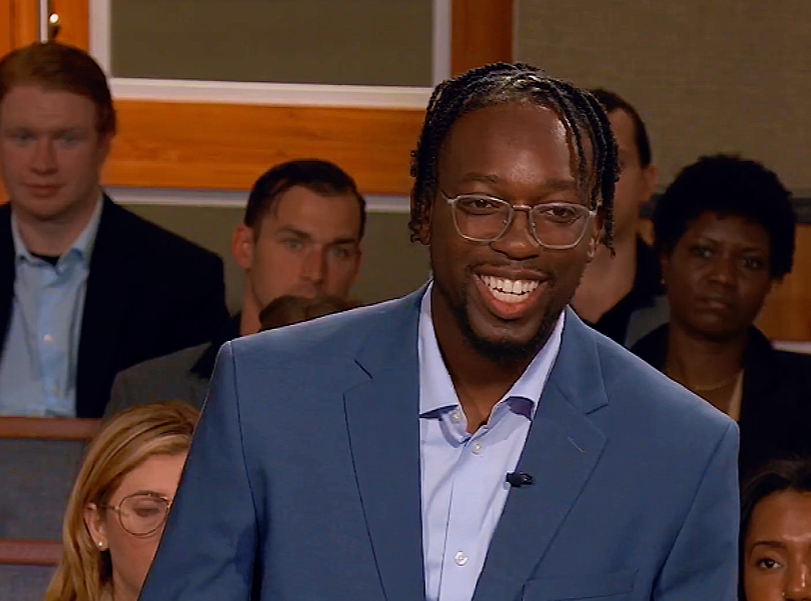
The discussion after the ruling returned to the risks created when ordinary driving rules are treated as optional. The point was not that every accident can be prevented, or that every collision produces the same legal result. It was that driving without the required authorization—and carrying insurance restrictions that leave a driver excluded—can make the consequences of an accident much harder to manage.
The Second Case : A loud bang inside an attached garage
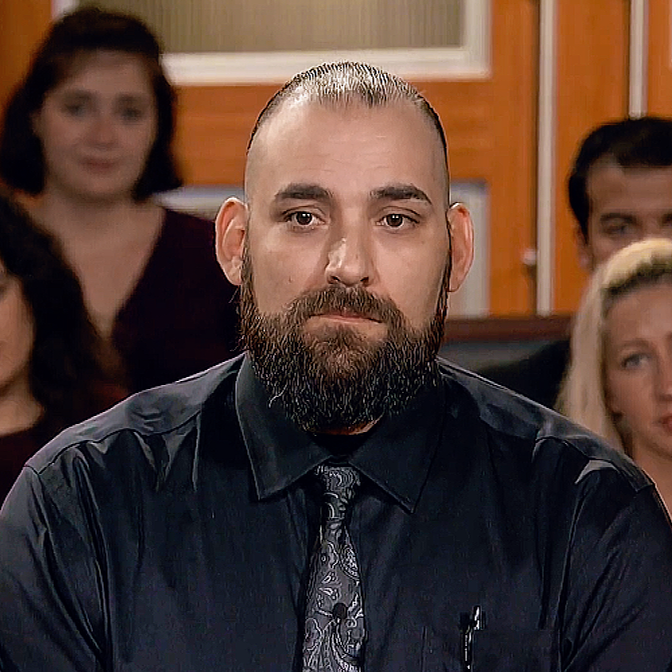
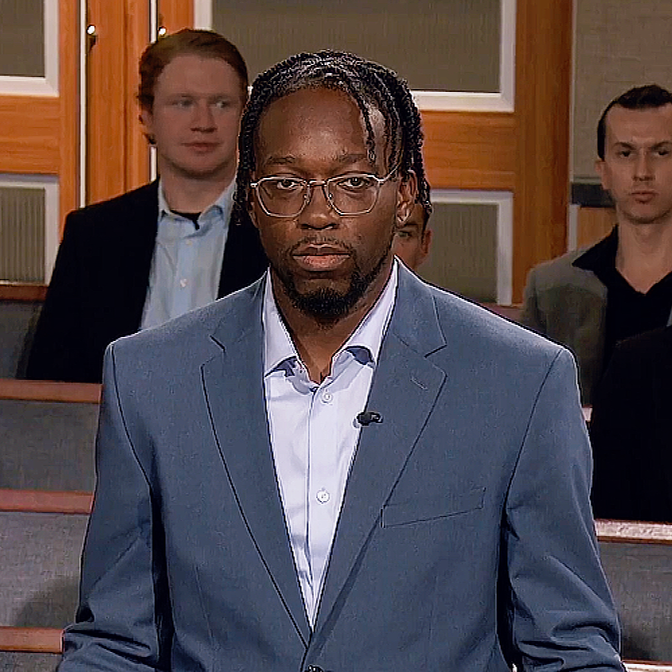
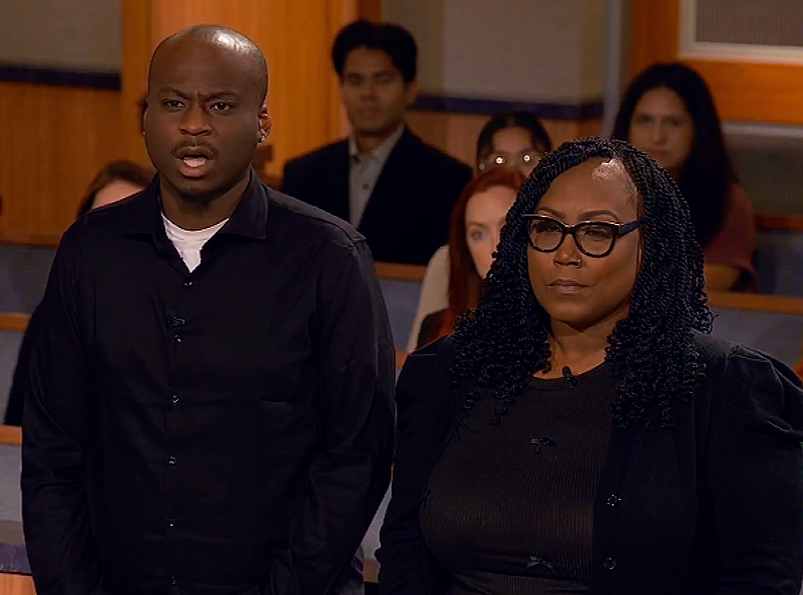
The second proceeding was Case 4102, Atlas v. Gaskins. Natema Atlas sued Amari Gaskins, her son’s former friend, after Gaskins drove into Atlas’s home. Atlas was not at the property when it happened. Her son, Anthony Sharp, was home. The accident occurred on March 5, 2024.
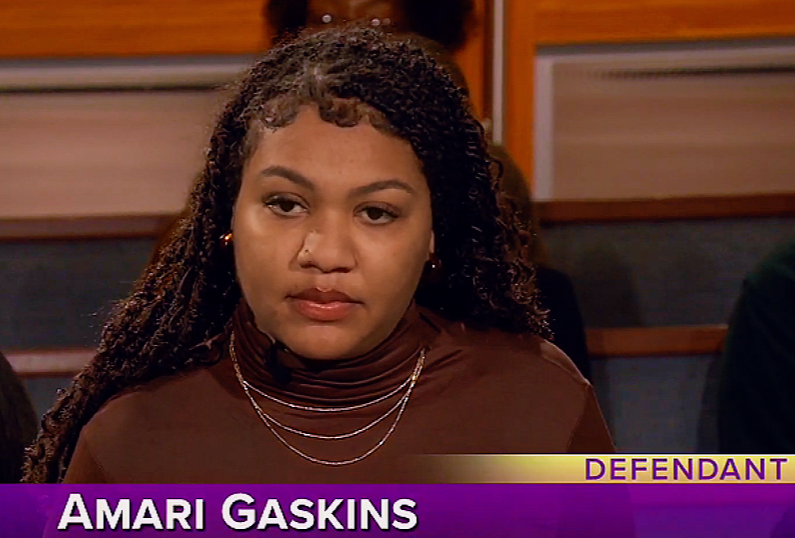
Gaskins had been invited over to spend time with Anthony. When she arrived, she called him. He told her to pull into the garage. Anthony testified that he was inside the house watching his niece. He did not see the car enter. What he heard was a loud bang. When he went outside, he saw that the washer and dryer had been pushed into the wall and that the wall had been damaged, leaving a hole.
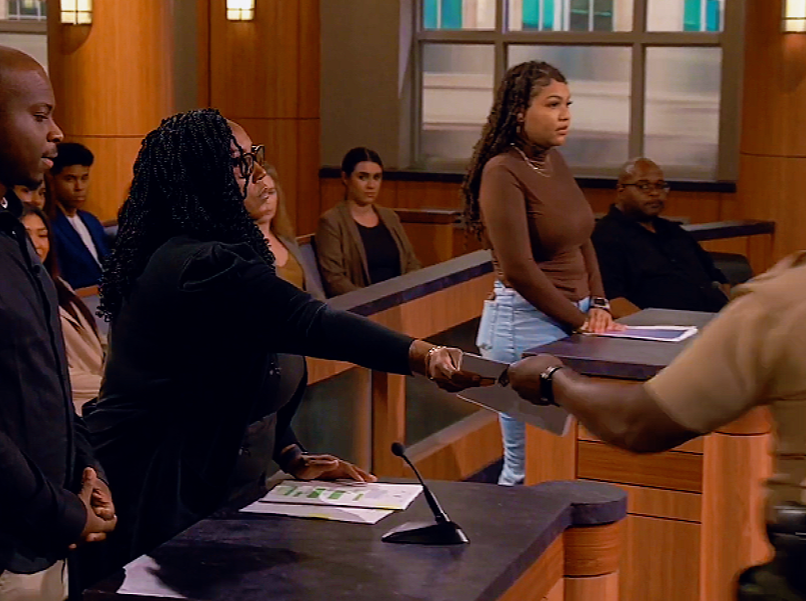
The garage was attached to the house. The impact damaged more than the appliances: the water line to the washer was broken, and the testimony addressed electrical work and concrete removal. Gaskins or her father had purchased a new washer and dryer, and Gaskins accepted responsibility for that part. The remaining dispute concerned the wall and related repairs.
Atlas’s home was a rental property. She presented paperwork from the landlord stating that the wall, pipe, and electrical work had to be repaired or she faced eviction. The documents gave the property damage an immediate consequence beyond the cost of construction: the condition of the garage threatened Atlas’s housing arrangement.
The question of who was guiding the car
Gaskins did not claim that the collision was intentional. Her position was that responsibility should be shared because Anthony had allegedly been guiding her into the garage. The judge focused on whether the testimony supported that version of events.
Anthony said he had been inside the house. Gaskins confirmed that she had called him on his cell phone and knew he was inside. She also confirmed that the garage door was open and that she had been told to park there. Her description of the moment was direct: she pulled forward, braked quickly, became nervous, and then pressed the gas while overcompensating. Because the car was already close to the interior of the garage, that mistake caused the damage.
The testimony did not establish that Anthony had been standing in the garage directing her at the moment of impact. The accounts placed him inside and Gaskins behind the wheel. The judge treated the event as an accident but found that responsibility for the damage rested with the driver.
The $8,145 judgment in Atlas v. Gaskins
The court entered judgment for Natema Atlas in the amount of $8,145. The ruling followed testimony about the damaged wall, the broken water line, the electrical work, the landlord’s demand for repairs, and the washer and dryer that had already been replaced.
Afterward, Gaskins said she was happy with the ruling because she could not afford the full cost of the damage and the dispute had created hostility between her and the landlord. She repeated that she had pulled forward too far, braked, and then overcompensated. Anthony likewise said he had not been directing her from the garage; he had been inside the house and heard the impact.
The closing discussion acknowledged that Gaskins took responsibility for what happened. That acknowledgment did not remove the financial consequence. The final message was concise: fix what you break
The lesson running through both cases
These were two different accidents. One took place at a residential intersection; the other inside a garage. One involved a police report, a disputed stop sign, a permit, and an insurance exclusion. The other involved an open garage, a phone call, landlord paperwork, and a driver’s own account of pressing the gas.
What connected them was the way the court narrowed the story. Arguments about what might have happened mattered less than the evidence that could be tested. In the first case, the judge relied on the police report and the surrounding testimony to reject the claim that the neighborhood changed the rules for operating a car. In the second, the judge compared the accounts of Anthony and Gaskins and found that the description of the accident placed responsibility with Gaskins.
Neither hearing required a sensational explanation. The record showed how quickly ordinary moments could become disputes involving damaged property, insurance problems, landlords, and judgments that the losing parties could not easily afford.
FAQ
What happened in Gibbs v. Armstrong?
Dale Gibbs sued Jamaya Armstrong and Jay Sheila Armstrong after a June 26, 2024 automobile accident in their residential community. The court awarded Gibbs $6,700 and dismissed the Armstrongs’ counterclaims.
Did Jamaya Armstrong have a driver’s license?
The SRT states that Jamaya did not have a driver’s license and had a permit. Her mother said she allowed Jamaya to drive in the community, but the judge was not shown written support for the claim that an unlicensed person could drive a car there.
What evidence was presented in the Gibbs case?
The court considered a recording about Jamaya not seeing Gibbs as she pulled out, a police report stating that she ran a stop sign, and testimony about the intersection, the vehicles, the drivers, and the insurance coverage.
What happened in Atlas v. Gaskins?
Amari Gaskins drove into the garage of Natima Atlas’s home on March 5, 2024. The collision damaged a wall, a water line, and a washer and dryer. The court awarded Atlas $8,145.
Did Amari Gaskins accept responsibility?
Gaskins said the collision was accidental and described pulling forward, braking, becoming nervous, and pressing the gas while overcompensating. She and her father had purchased replacement appliances, and the court still held her responsible for the remaining property damage.