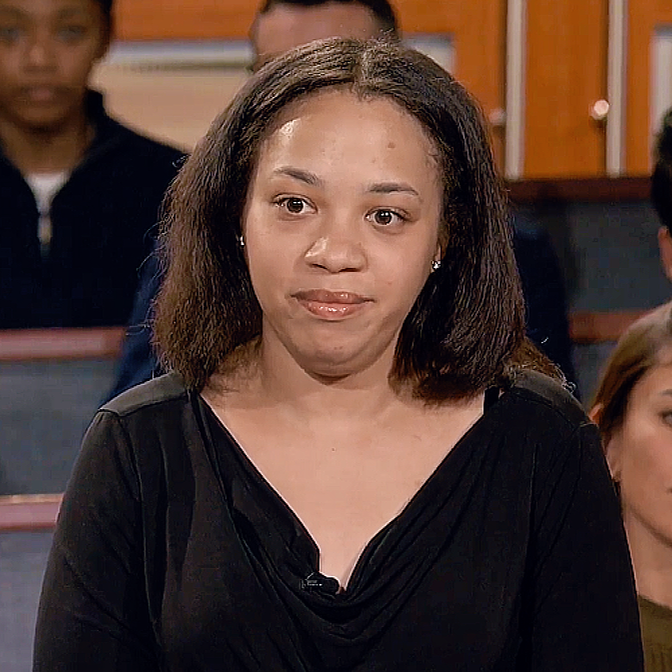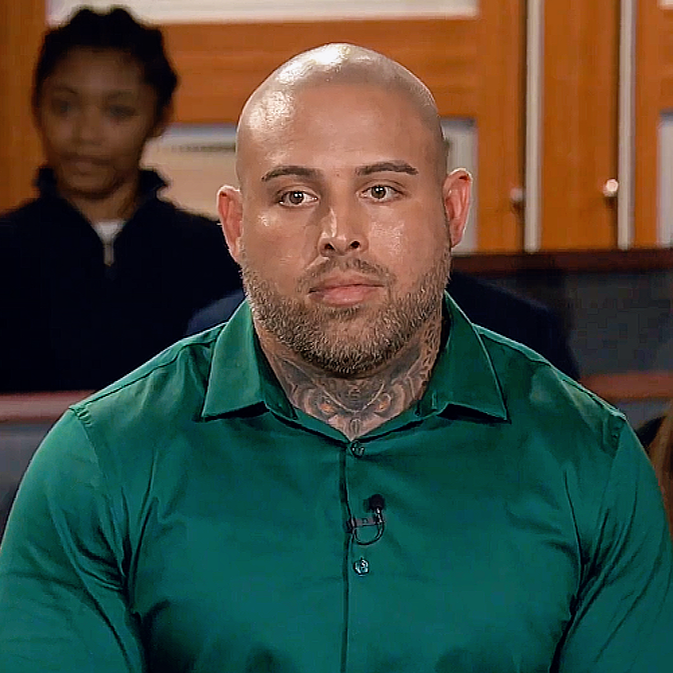
The disagreement began with a family conversation over dinner and a used BMW. It ended with a judge examining contradictory dollar amounts, unpaid tolls, speeding tickets, and the consequences of leaving a vehicle registered in someone else’s name. In Harrell v. Harrell, a deal between siblings became a $3,200 courtroom judgment—and a public test of whether family trust could survive an informal agreement.
The family agreement behind the lawsuit
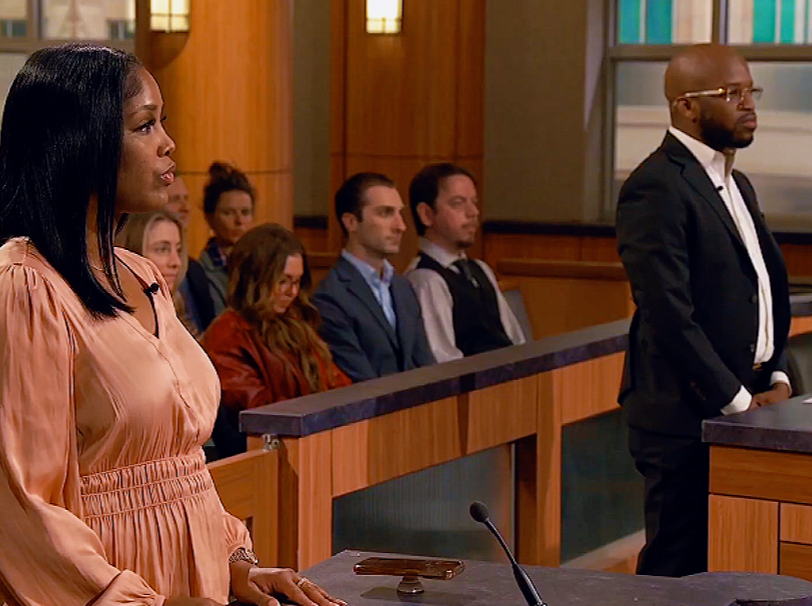
At the opening of the case, the dispute sounded straightforward. Chakeria Harrell, who lives in Michigan, sued her brother, Errick Harrell, who lives in Washington, D.C. The case, identified in the transcript as case 4066, concerned a 2019 BMW 330i that Chakeria had purchased used in 2021.
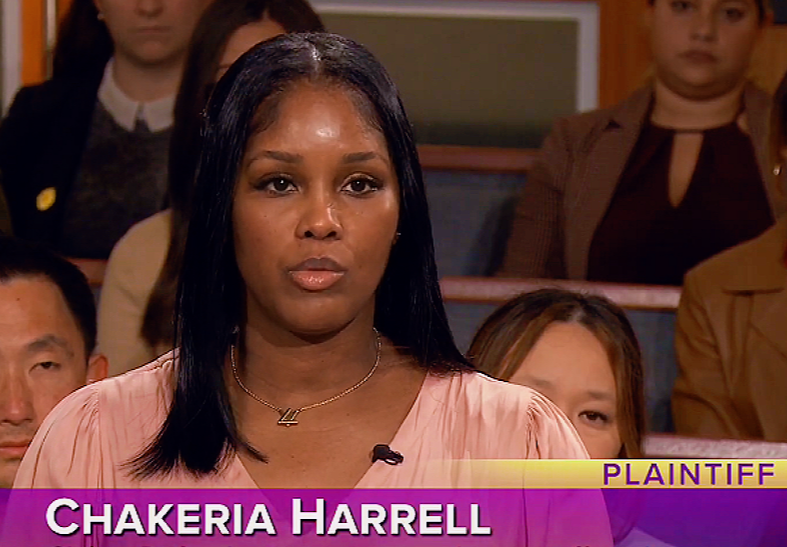
The siblings were not strangers negotiating at arm’s length. They had spent their lives together, and that history shaped the transaction. Errick had previously owned a BMW and, according to the account presented in court, missed driving one. Chakeria was interested in getting a newer vehicle. Their discussion eventually turned into an agreement for Errick to take over the BMW.
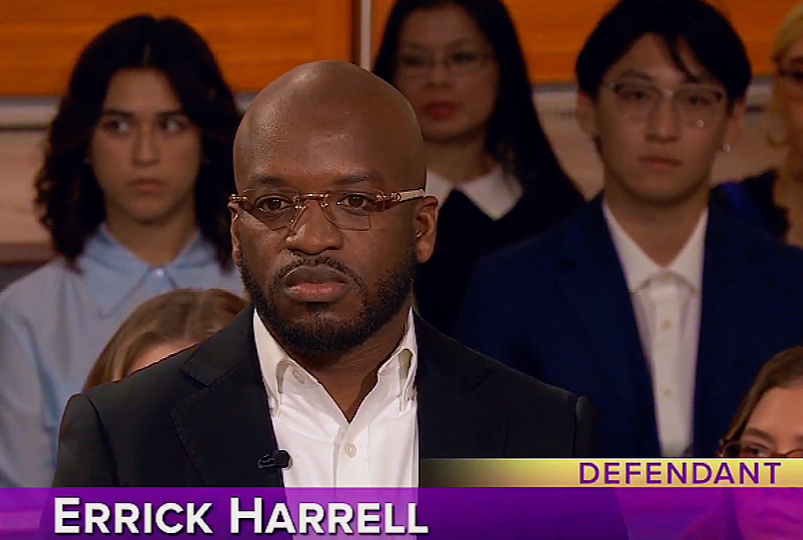
The central question was not whether Errick received the car. He did. The question was what he had agreed to pay, and whether the remaining balance was part of that agreement. Chakeria’s position was that Errick agreed to pay off the car loan, which had a remaining balance of $23,338. In her complaint, however, the amount was described as approximately $23,000.
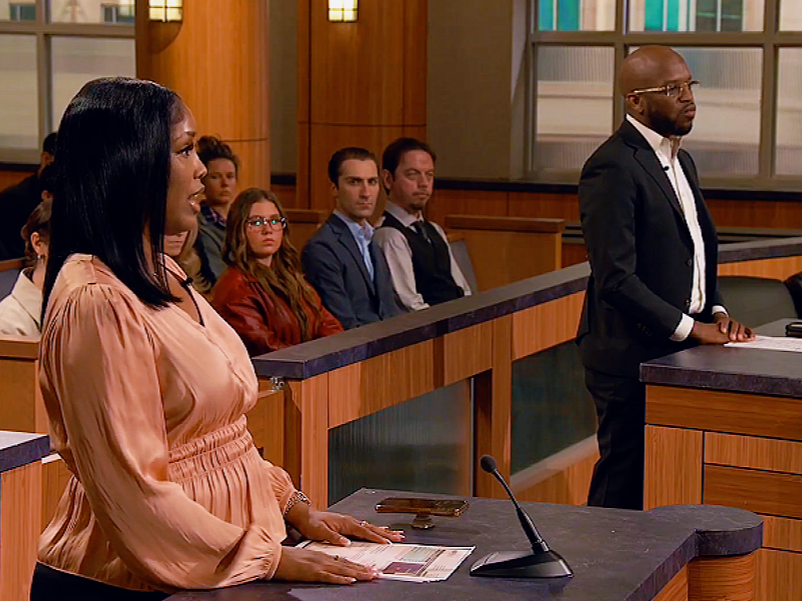
A BMW, a loan, and a disputed balance
Errick could obtain financing for only $20,000, and that amount was used to pay down the loan on the BMW. That left $3,000 unresolved. When Errick traveled to Michigan to collect the vehicle and drive it back to Washington, D.C., Chakeria insisted that he address the shortfall. The transcript records that he paid her $1,000, leaving a claimed balance of $2,000.
The financial dispute was complicated by the circumstances of the sale. Errick said he had been interested in the BMW because it was less expensive than the leased vehicle he had returned. He also testified that he had bought a house during the same year, which affected his finances. Chakeria, meanwhile, said her brother referred to upcoming personal trips—including travel to South Africa and Paris—as a reason he could not give her the money when he picked up the car.
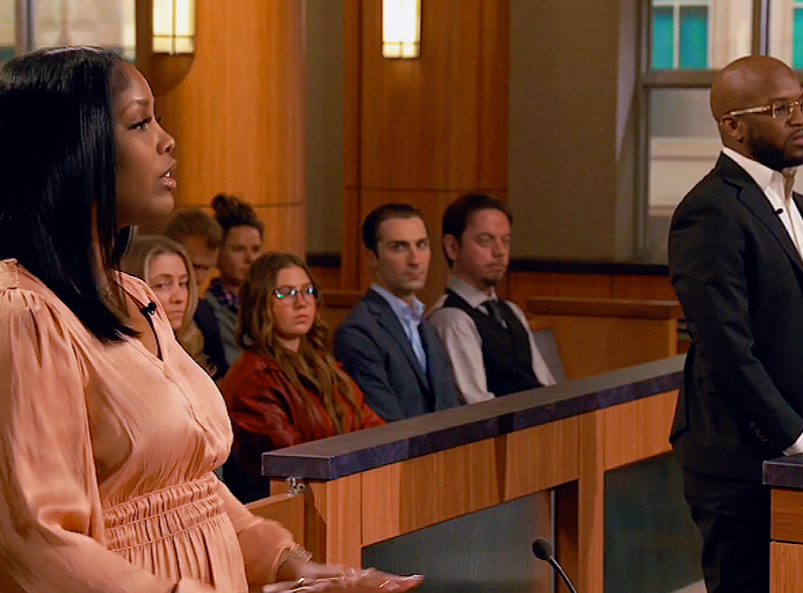
Judge Judy questioned that explanation directly. A medical bill, overdue child support, or a mortgage payment might explain a request for more time, she suggested. Saying that money was unavailable because of a vacation sounded different. Chakeria maintained that Errick had taken advantage of their family relationship, believing he could delay payment without immediate consequences.
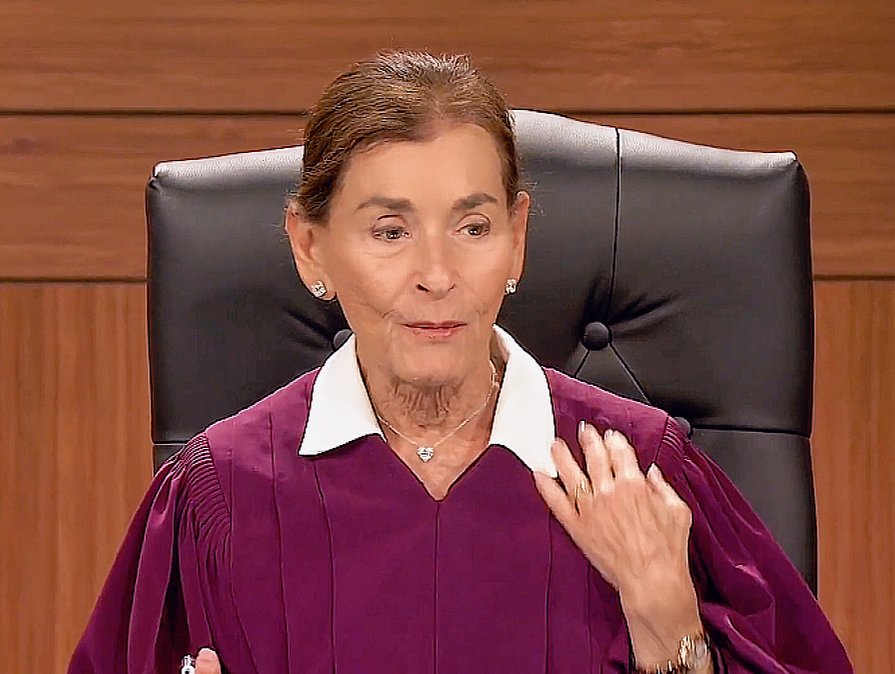
Why the snow-covered car became part of the defense
Errick’s defense moved beyond the loan balance. He said that once he got the BMW home, he noticed dings and other issues he had not seen before. His explanation was that the vehicle had been covered in snow when he picked it up, and that it took him about two hours to defrost it during the winter.
The point raised an immediate question: When did Errick have the opportunity to inspect the car? The exchange established that the siblings had discussed and agreed to the sale while he was at Chakeria’s home, before he traveled back with the vehicle. Judge Judy’s view was that an older used car was being accepted “as is” once the buyer had an opportunity to look at it.
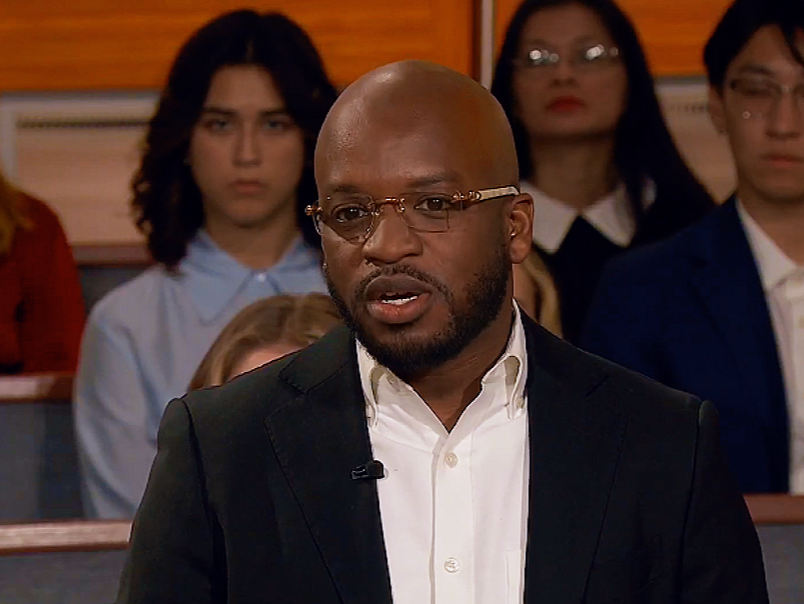
That distinction mattered. The condition of the BMW might have explained Errick’s dissatisfaction, but the court still had to determine whether it changed the payment agreement. The transcript does not establish that Chakeria promised a defect-free vehicle or agreed to reduce the price after the car reached Washington. Instead, the dispute returned repeatedly to the terms the siblings had discussed before the handover.
A valuation discussed in court placed the BMW between $20,700 and $23,500, based on an assumed mileage of about 50,000 miles. That range put the disputed loan amount near the vehicle’s estimated value. It also weakened the suggestion that the agreed price was inherently unreasonable.
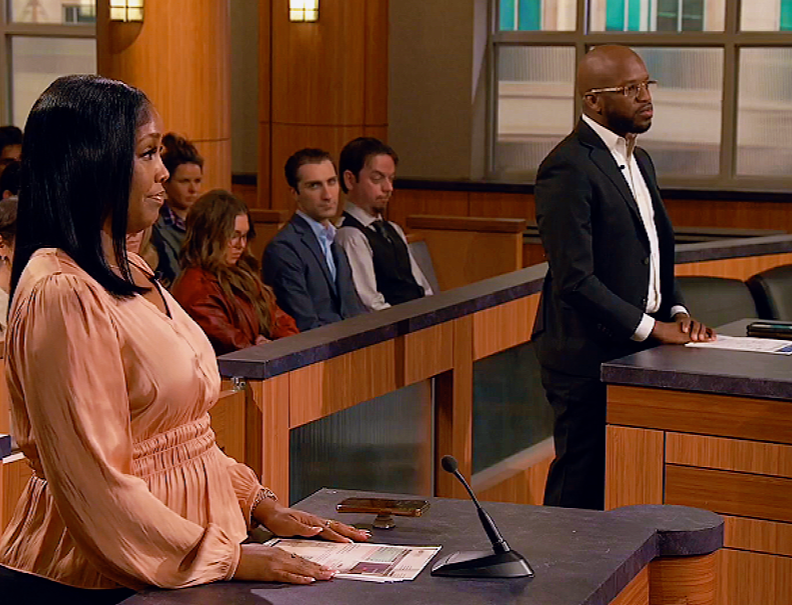
The testimony shifts from $20,000 to $21,000
The most damaging moment for Errick’s account came when Judge Judy asked how much he had agreed to pay. Errick first said the agreement was for $21,000. He described sitting with Chakeria at her dining room table, having dinner and drinks, and remembering the figure being discussed.
Moments later, he said that he had agreed to pay $20,000, then gave Chakeria another $1,000 when he collected the car, bringing the total to $21,000. Judge Judy asked why the additional payment had been made. Errick answered that the siblings had agreed to $21,000, creating a direct tension between his two explanations. When pressed, he characterized the earlier statement as a mistake.
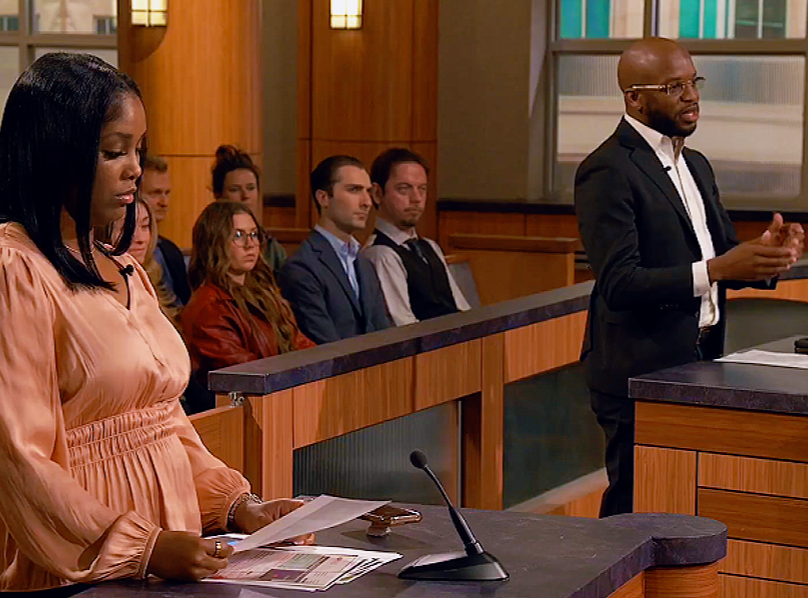
Chakeria presented messages and documents concerning the remaining balance. One exchange referred to paying the balance that day and identified the amount as $3,338. The messages also included a proposal that Errick pay $1,000 while Chakeria covered the rest. Errick offered documents of his own, but when Judge Judy asked for specific proof that the agreement had been limited to $20,000, the material he presented did not establish that point to the court’s satisfaction.
The difference between the figures was not merely technical. The case turned on whether the parties had agreed to cover the full remaining loan, or whether Errick’s obligation was limited to the amount he could borrow. Judge Judy accepted Chakeria’s account of the agreement and treated the unpaid $2,000 as a remaining balance.
Tickets, tolls, and a title problem
The lawsuit also sought money connected to Errick’s drive from Michigan to Washington and his subsequent use of the BMW. Chakeria presented toll records totaling $1,200, along with messages in which she said she sent each bill to Errick and he agreed to pay. The court then examined parking and speeding citations associated with the vehicle.
Errick explained that he lived and worked in downtown Washington, D.C., where parking was difficult. He said he had briefly left the BMW to take groceries into his home and received a ticket before he could return. Judge Judy drew a clear line between the circumstances and responsibility: Chakeria had not parked in the bus lane; Errick had.
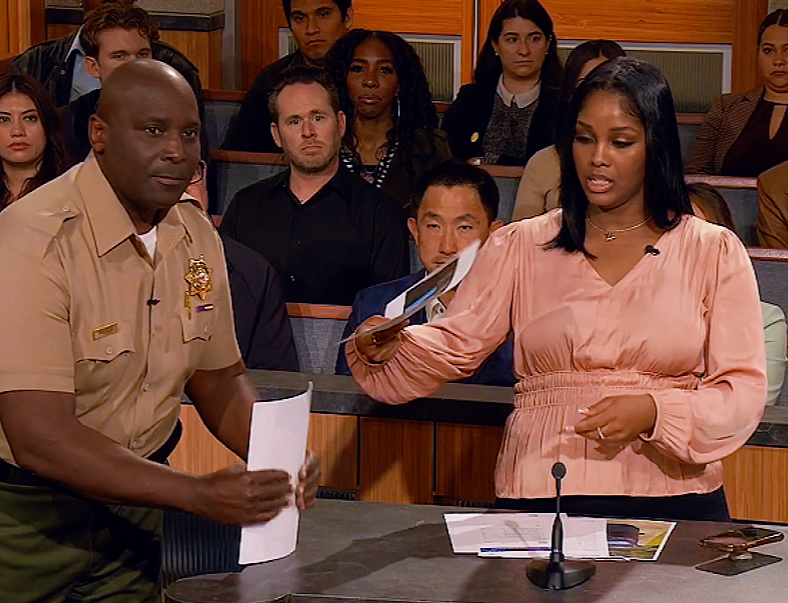
The court also reviewed a speeding ticket dated March 18, 2024, and another incident discussed in connection with March 30. Errick initially suggested he could not take responsibility for anything Chakeria had done before he received the car. But when asked whether Chakeria had ever been in Washington, D.C., with that BMW, he answered no. The implication was direct: if she had never driven the vehicle there, the Washington citations could not reasonably be attributed to her.
A separate administrative problem increased the pressure. Errick said he had not received the title for about a month, which delayed obtaining plates and contributed to his driving the car before it was properly registered in his name. The vehicle remained registered to Chakeria, meaning that authorities could pursue her for certain tickets or toll-related matters. By the end of the hearing, Errick confirmed that he had the title and had registered the BMW in his own name.
The ruling and the family fallout
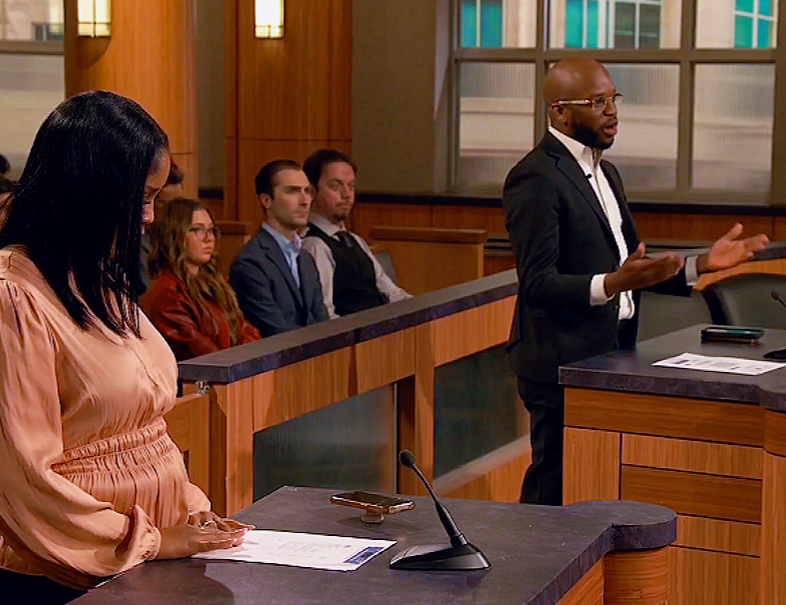
After reviewing the figures, Judge Judy awarded judgment to Chakeria. The ruling covered the $2,000 remaining balance and $1,200 in tolls, for a total of $3,200. The court then adjourned.
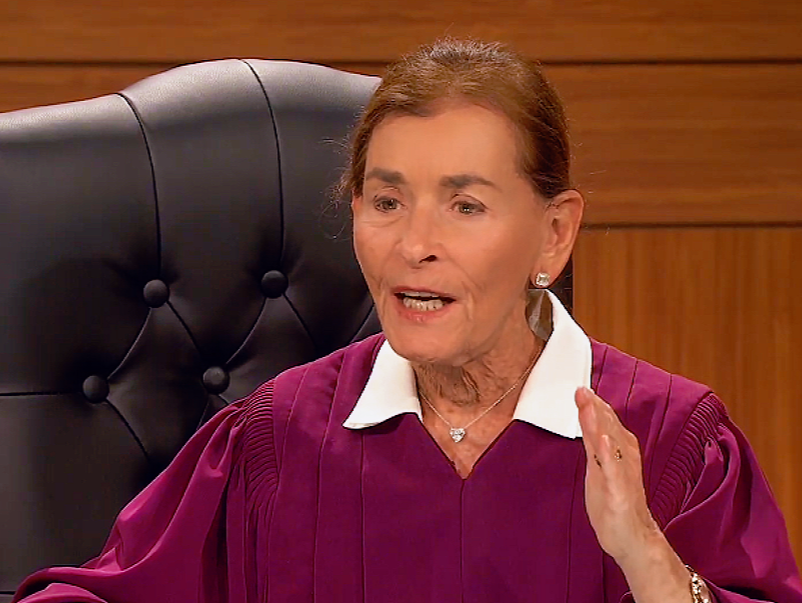
The post-hearing reactions showed that the legal result did not resolve the family conflict. Chakeria said she was extremely happy with the decision and felt reassured that the court had sided with her. Errick called the outcome unfair, described his sister as a liar, and said he had not been given an adequate opportunity to present his case. He also claimed that her evidence had been fabricated, although the transcript does not provide an independent finding supporting that allegation.

Chakeria said she might forgive him. Errick, by contrast, said he was comfortable with the possibility that they might never speak again. The aftermath captured the emotional cost of a business arrangement between relatives: the court could calculate the debt, but it could not restore the trust that had been spent during the dispute.
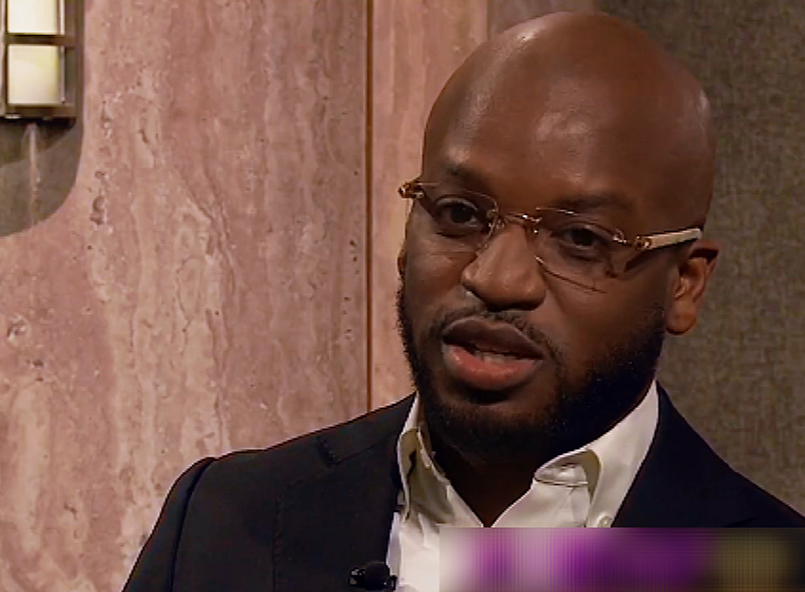
In the closing discussion, the court’s commentators suggested that Errick may have viewed the long trip, the snow, the car’s dings, and the unexpected costs as reasons to call the deal even. But the court’s reasoning was narrower. Errick knew the BMW’s value, had agreed to a payment arrangement, drove the car across the country, and remained responsible for charges connected to his use of it. In the end, the case was not about a mysterious disappearance or an unsolved offense. It was about how quickly a family promise can become a documented obligation when the money—and the paperwork—do not line up.
FAQ
Who sued whom in the Harrell case?
Chakeria Harrell sued her brother, Errick Harrell, over the unpaid balance on a BMW, toll fees, and vehicle-related charges.
What kind of car was involved?
The dispute concerned a used 2019 BMW 330i that Chakeria had purchased in 2021.
How much did Judge Judy award Chakeria Harrell?
The judgment totaled $3,200: $2,000 for the remaining car balance and $1,200 for tolls.
Why did Errick Harrell say he should not owe the full amount?
Errick maintained that his agreement was limited to $20,000, the amount he could finance. He also referred to damage or dings he noticed after taking the car home and to the delayed title. The court did not accept those points as a defense to the payment and toll claims.
Who was responsible for the parking and speeding tickets discussed in court?
The hearing linked the Washington, D.C., tickets to Errick’s possession and use of the BMW. The transcript states that Chakeria had never been in Washington, D.C., with the vehicle.
Is this case a criminal case?
No. Based on the supplied transcript, Harrell v. Harrell was a civil dispute involving a vehicle payment, tolls, parking tickets, and related responsibility. The transcript does not describe criminal charges.