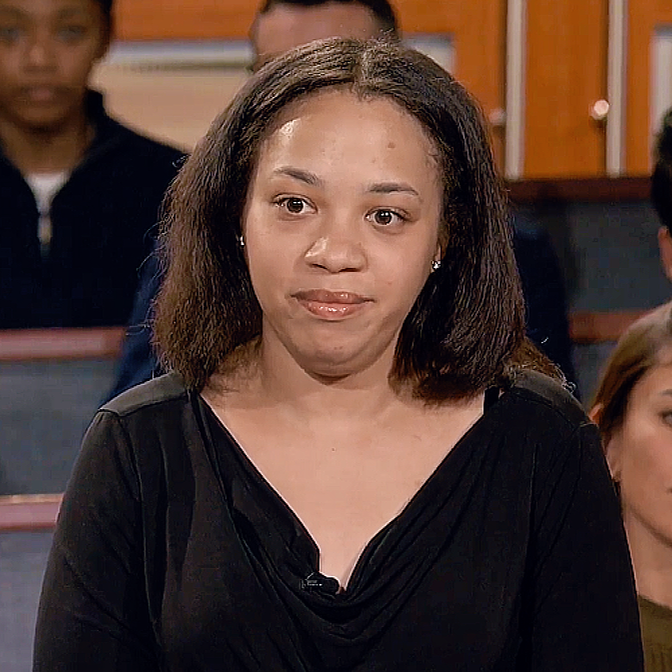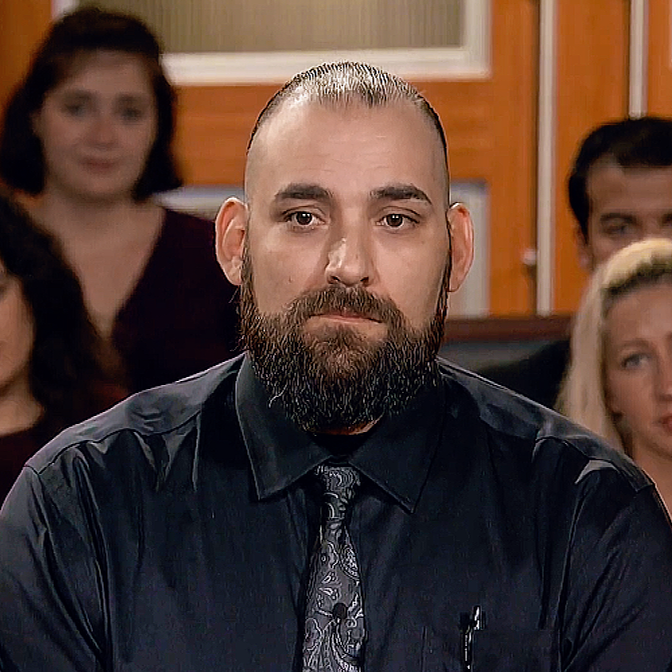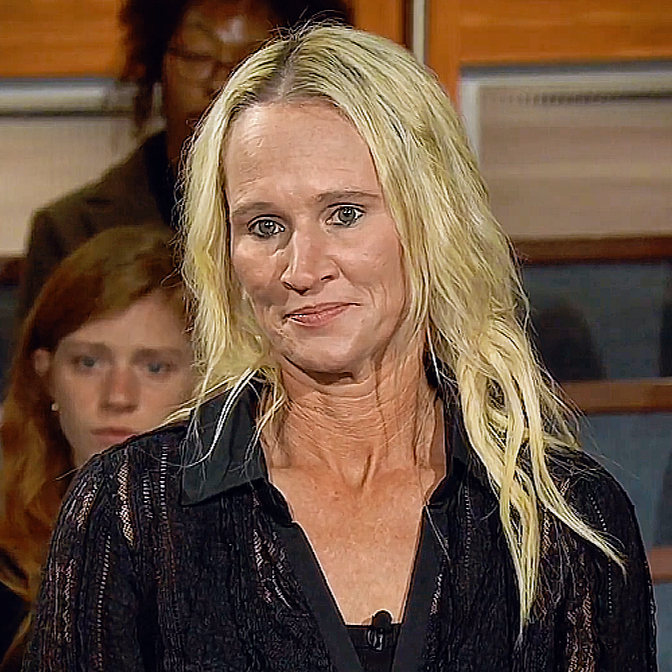
A five-month-old baby was crying. A disassembled drone sat on a kitchen table. One person said she only moved a part to make someone look up; another said the drone was grabbed and tossed across the counter. In court, the dispute appeared to turn on damaged equipment. Instead, it turned on a date in the flight log—and that single entry changed the outcome of the case.
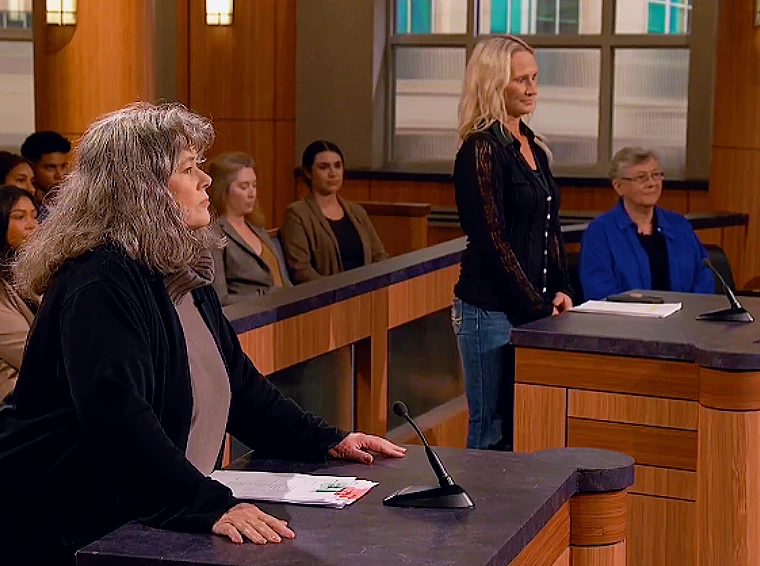
A family dispute reaches court
The case was identified as Geddry v. Zinn, case 4088 . Mary Geddry sued her former daughter-in-law, Sarah Zinn, seeking lost wages and the cost associated with a drone. The amount discussed in court was $3,200, including lost revenue.
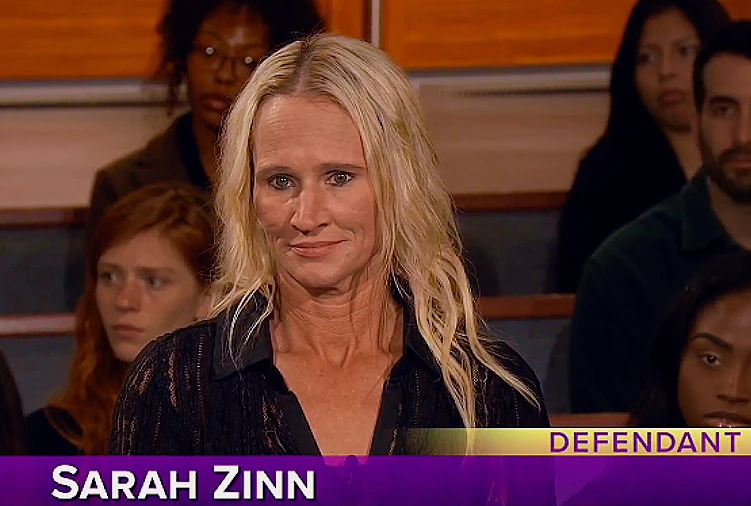
At the center of the dispute was a drone owned by Mary. The equipment had already suffered damage at a family gathering, but the parties disagreed about what happened next—and, more importantly, about when the decisive kitchen incident occurred.
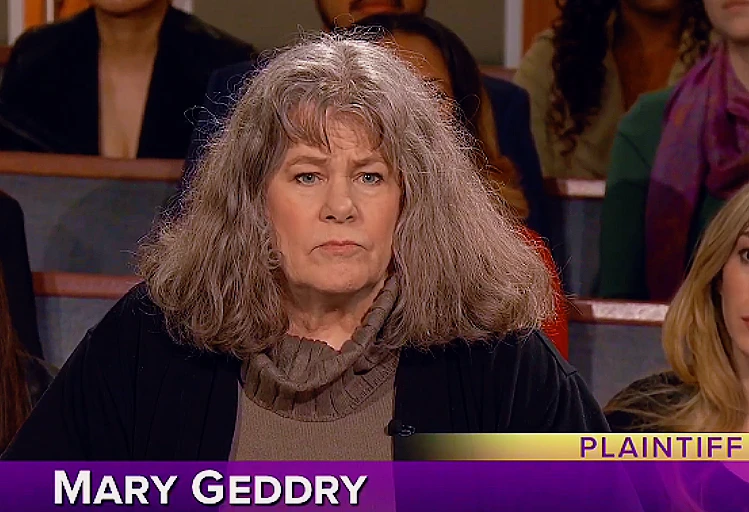
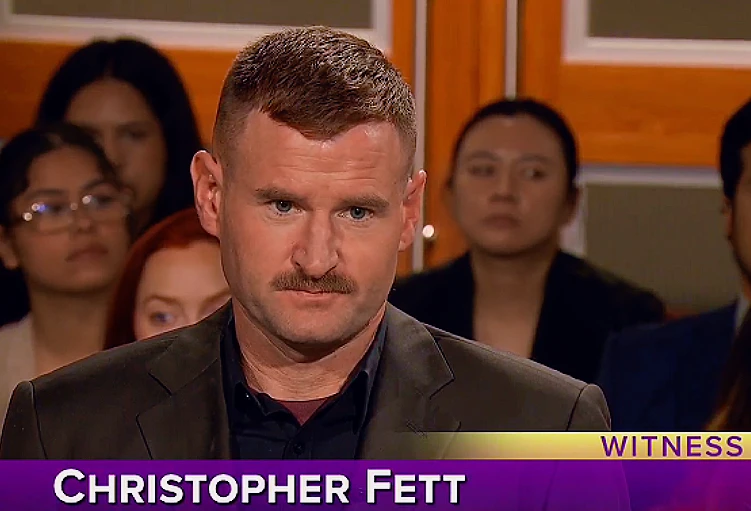
Mary’s son, Christopher Fett, was called as a witness because he had taken the drone home and worked on it. The court’s questioning quickly established that the drone’s condition was not a simple before-and-after story. It had first fallen at a family memorial, then was later taken apart, and eventually became the subject of a confrontation between Christopher and Sarah.
How the drone was damaged the first time
Christopher testified that the first incident occurred at his grandfather’s memorial, described as a celebration of life. He had been flying the drone when it fell approximately five feet. The fall cracked the gimbal cage, the component that holds the camera in place and helps prevent vibration from affecting it.
The drone still operated after the fall, Christopher said, but the camera was hanging out of the damaged cage. He agreed the equipment was not usable in its proper condition. Mary kept the drone for about a month before giving it to Christopher at her house so he could attempt a repair.
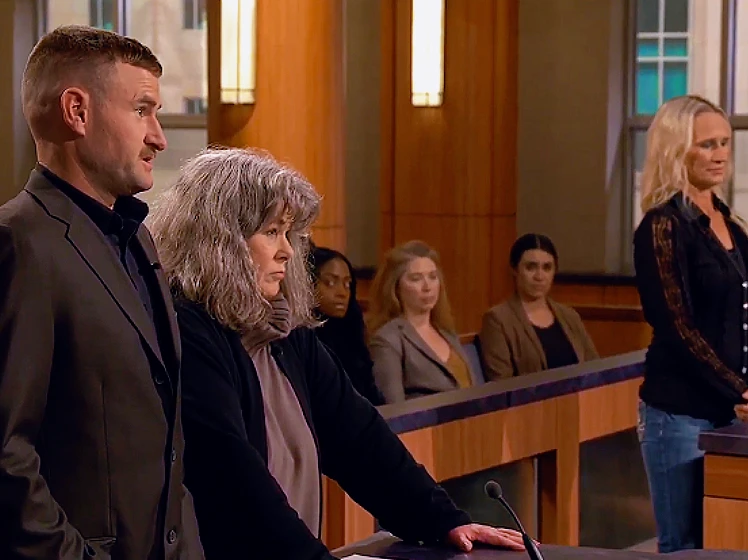
Christopher said he reviewed the machine’s log and understood that the gimbal cage was the problem. He took the drone home and began working on it approximately a day later. Much of the drone was disassembled on the kitchen table, with pieces remaining on the counter while he checked whether the repair would work before fully reassembling it.
Christopher gave May 11, 2024 as the date of the kitchen incident. Sarah later disputed that date and said the confrontation happened in July. That conflict became central to the court’s reasoning.
The kitchen-table confrontation
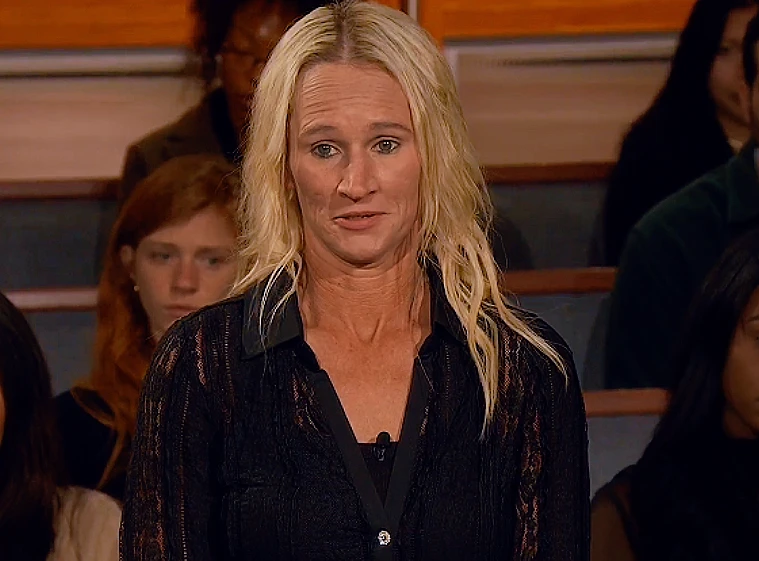
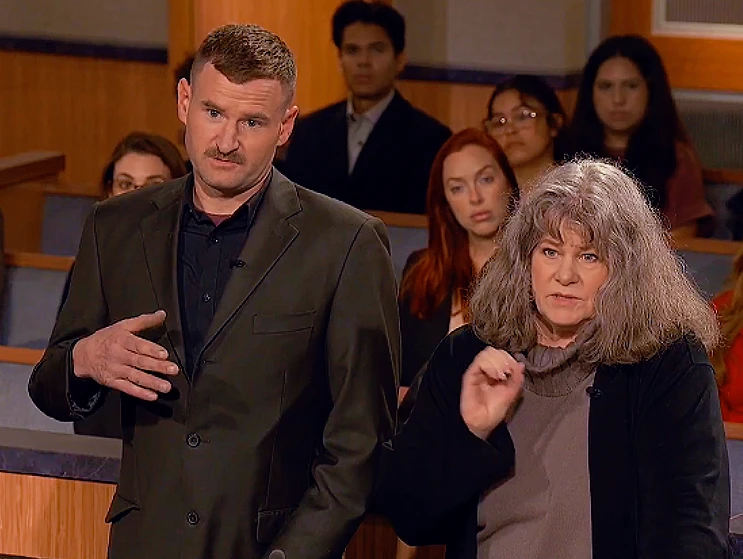
Sarah was questioned about the atmosphere in the house that day. Her baby was five months old and crying, and Sarah said she went into the kitchen to ask Christopher for help. According to the account reconstructed in court, Christopher was occupied with the drone and did not put it down when Sarah asked whether he would help with the baby.
Sarah maintained that she did not throw the drone. She said she took a part from Christopher’s hand and placed it on the counter because she wanted him to look up and acknowledge her. Her explanation was framed as an attempt to get his attention during a stressful moment, not as an effort to destroy the equipment.
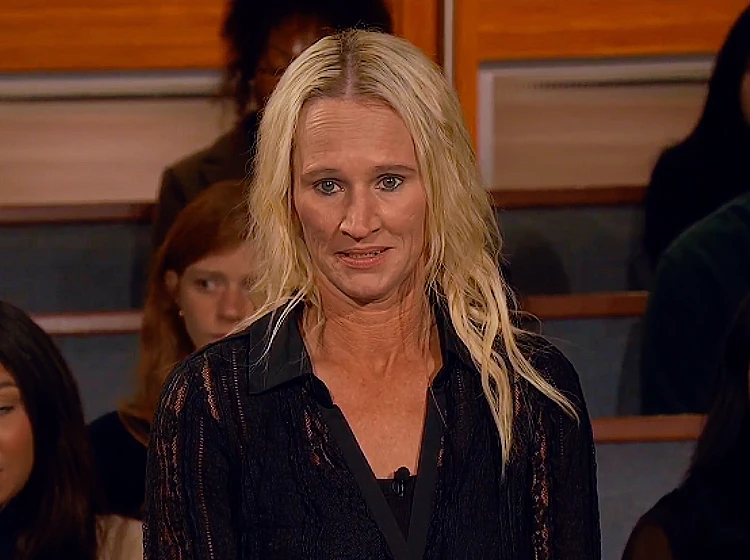
Christopher gave a different account. He said Sarah came into the kitchen with their son on her hip, pushed his hand away from the drone, grabbed the equipment, and tossed it approximately two feet onto the counter. He said it hit a toaster, tumbled off it, and landed on the counter. Afterward, he testified, Sarah continued yelling and told him that their son needed him and that she did not want him in her life.
Christopher said he went outside so she would not continue yelling near the child. When he returned, he told Sarah that she had probably broken the drone. He plugged it in and concluded that he did not have the expertise to repair it.
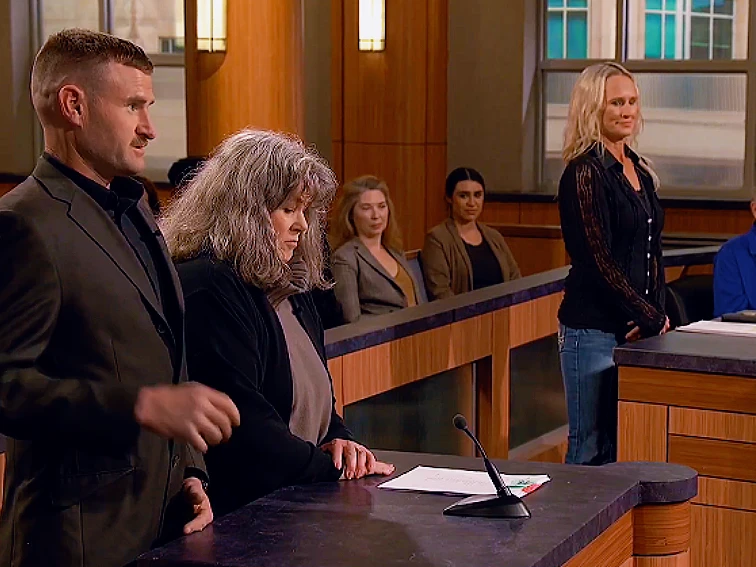
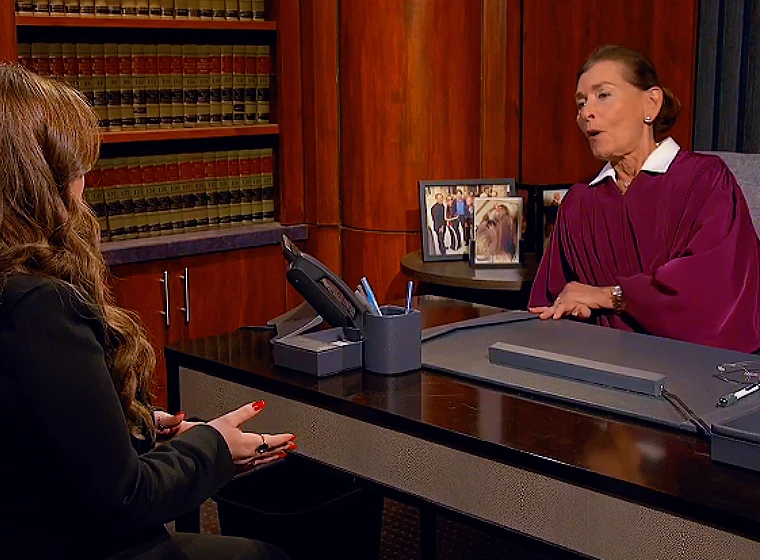
Judge Judy challenged the description that Sarah had simply and carefully removed a part to obtain Christopher’s attention. She also acknowledged the frustration of a new mother who felt that her partner was not participating when help was needed. At the same time, the judge made clear that recognizing the emotional context did not resolve the question of physical damage.
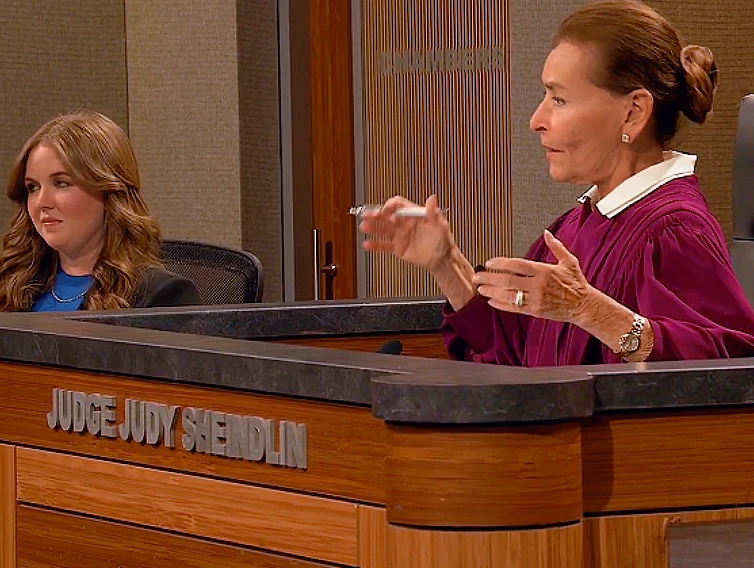
Why the repair evidence became decisive
The claim was not merely about whether the drone had been touched. It was also about proving the monetary value of the damage. Mary’s side argued that the flight logs showed the camera-related system stopped functioning after Sarah handled it.
Christopher said the drone had cost $5,826 when purchased in April 2022. Mary sought $3,200, but that figure included lost revenue. Judge Judy rejected the lost-revenue portion as unsupported and focused instead on what it would cost to repair the damaged component.
Mary referred to information from DJI, including a component list and a $65 service fee, as well as shipping. The argument was that the drone’s own systems analysis could identify which parts needed replacement. Judge Judy, however, pressed for a conventional repair analysis or an estimate from a company that had examined the machine. Without that, the court could not simply accept a claimed repair amount based only on the family’s interpretation of the device’s records.
The technical distinction mattered. The drone could still fly, but testimony said its camera system could no longer pan, tilt, or zoom. The dispute therefore involved impaired camera capabilities rather than an aircraft that could not leave the ground.
The July 6 flight-log discovery
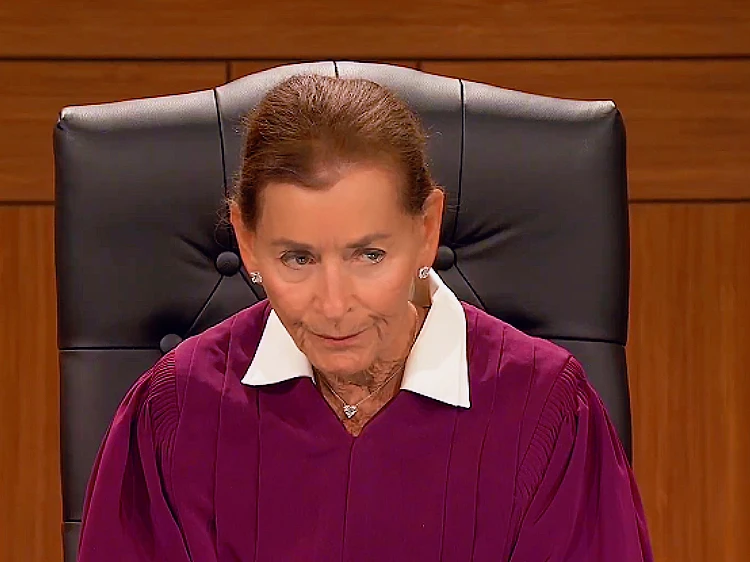
Judge Judy examined the flight history to determine what the records actually showed around the disputed timeline. The log was described as showing “Aircraft is not connected” before May 11. A “Gimbal stuck” message was also discussed in connection with May 11. Christopher, however, said the drone had never been flown after that date.
That testimony created a problem. Sarah objected that the kitchen confrontation had not happened in May, creating a direct conflict over the timeline. She said it occurred in July, possibly early July, and that the first message she received from Mary about the drone came weeks before the court appearance. Christopher did not agree that the July timing refreshed his recollection, but he participated in checking the logs.
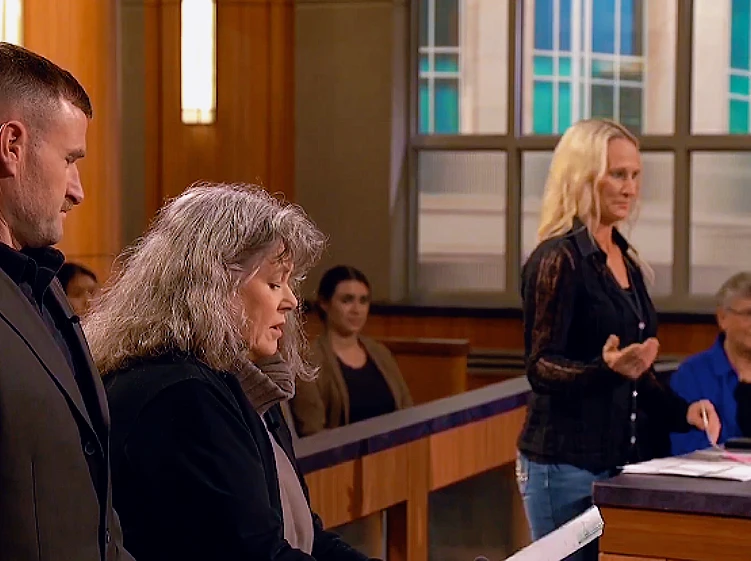
The court then examined the period from July 1 through July 20. The record showed a flight on July 6, lasting approximately five minutes, and no flights after that date in July. When asked whether the drone had flown on July 6, Christopher confirmed that it had.
The discovery directly conflicted with the testimony that the drone had not been used since May 11. Judge Judy’s ruling followed that inconsistency. The court found that something had caused the gimbal component to break and become nonfunctional on May 11, but the later flight-log evidence undermined the witnesses’ account that the drone had not been used after that date.
The ruling and what happened afterward
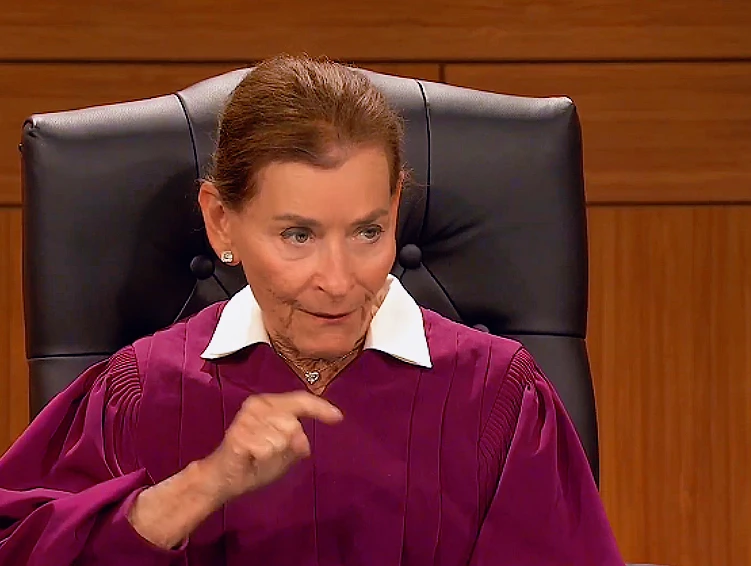
Judge Judy initially stated that Sarah would be responsible for $1,429 to repair the affected part. The amount was narrower than the broader $3,200 request, which included lost revenue.
But Sarah immediately disputed the date, saying the incident occurred in July. The court revisited the testimony and asked the flight-log evidence to clarify whether the drone had been flown on July 6. The answer was yes.
The case was then dismissed. The post-hearing discussion said the issue was damage to the gimbal and camera functions, not whether the drone could fly. Judge Judy also said the parties had not been honest about the machine’s use after May 11, and that this discrepancy contributed to the loss of the case.
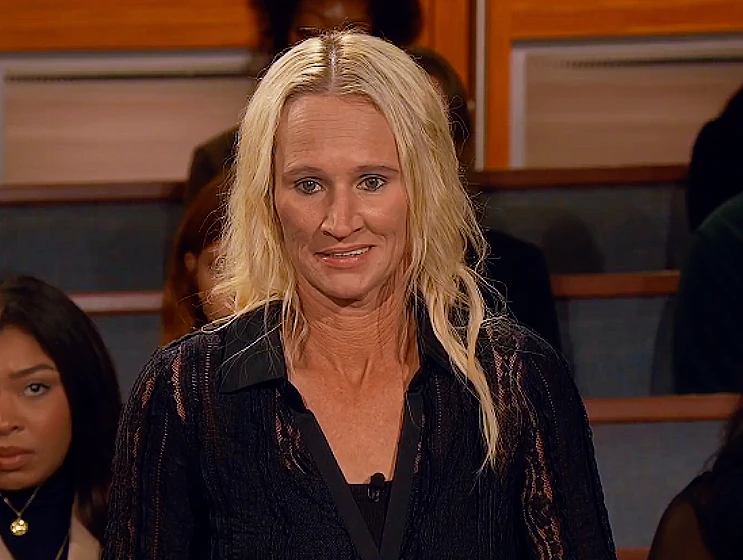
After court, Sarah repeated that she had not thrown anything and only wanted Christopher to acknowledge her. Christopher described the event as Sarah becoming physical, moving his hand, grabbing the drone, and having a tantrum. Sarah said there had been an argument but that her main goal was to make him look up at her.
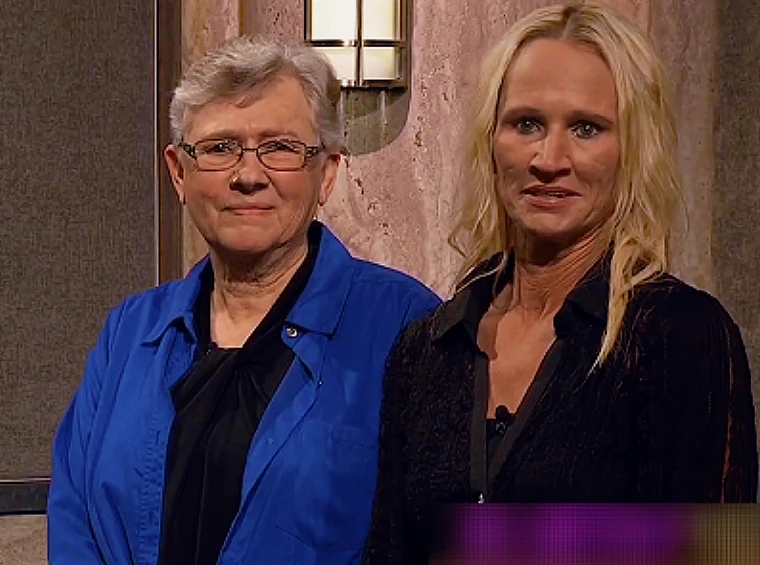
The lesson of Geddry v. Zinn was less about the price of a drone than about the limits of testimony when technical records tell a different story. The July 6 flight entry gave the court a concrete fact the competing accounts could not easily explain.
FAQ
Who sued whom in Geddry v. Zinn?
Mary Geddry sued her former daughter-in-law, Sarah Zinn, over alleged damage to a drone and a claim for lost wages or revenue.
How much did the drone originally cost?
Christopher Fett testified that the drone was purchased in April 2022 for $5,826.
What part of the drone was damaged?
The dispute centered on the gimbal cage or gimbal component, which supports the camera and affects functions such as panning, tilting, and zooming.
What did Sarah Zinn say happened?
Sarah said she took a drone part from Christopher’s hand and put it on the counter because she wanted him to look up and acknowledge her. She denied throwing the drone.
What did Christopher Fett say happened?
Christopher said Sarah grabbed the drone and tossed it about two feet onto the kitchen counter, where it hit a toaster before landing on the counter.
Why were the flight logs important?
The logs were important because the testimony said the drone had not been flown after May 11, while the court found a flight recorded on July 6. That inconsistency affected the court’s assessment of the claim.
What was the final result?
Although Judge Judy initially discussed assigning Sarah responsibility for $1,429 in repair costs, the case was ultimately dismissed after the July 6 flight-log evidence was examined.