The courtroom was quiet when Terrell White’s family dispute came down to a simple question: what happens when the brother who was driving destroys the other brother’s car, then says he was not responsible? Before the hearing ended, the same session would turn to a very different but equally personal conflict—a rescue dog named Grayson, a foster agreement, and a fight over who had the right to decide where he would live.
The First Case : The highway maneuver that destroyed a family car
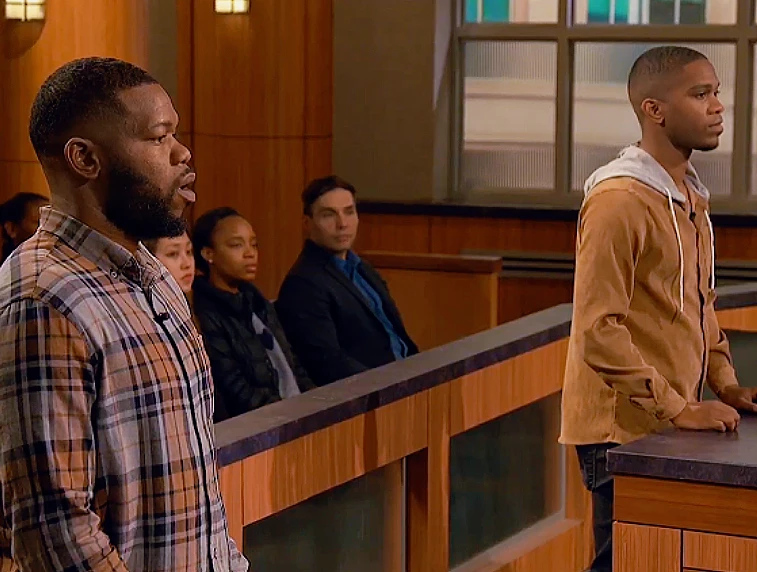
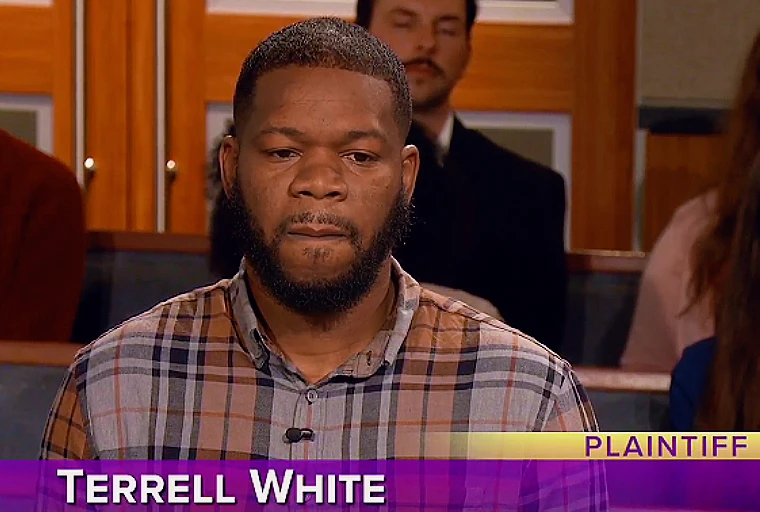
On March 9, 2023, Terrell White’s 2008 Infiniti G35 was involved in a highway accident. Terrell was not driving. His brother, Davyne White, was behind the wheel, with Terrell riding as a passenger. By the time the dispute reached court, the vehicle had been declared totaled and remained with the Rahway Tow Department after police removed it from the scene because of the damage.
The disagreement centered on the lane change. According to the police report discussed in court, Davyne was in the middle lane when he overshot his exit. He moved toward the right lane to see whether he could still leave the highway. A red car with the right of way struck the Infiniti, sending it into a ditch and a signpost.
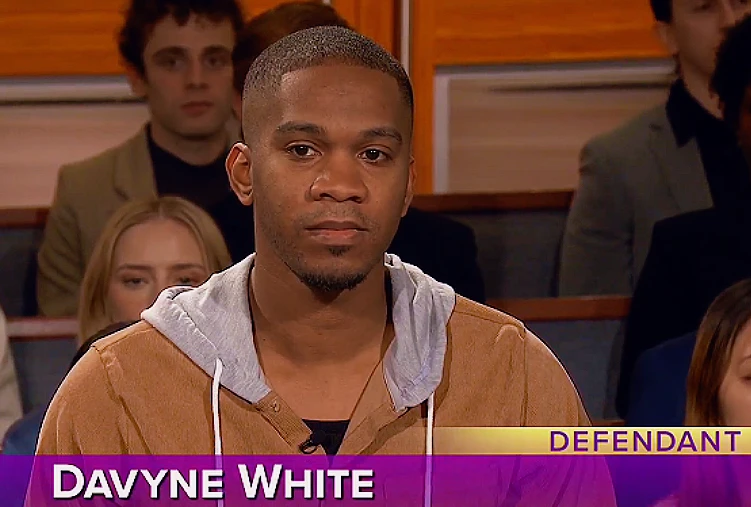
Davyne disputed that account. He said the diagram was inaccurate, that he had used his signal, and that he had been in the lane for several seconds before impact. Because the other driver struck him from behind, he believed the red car’s driver was responsible.
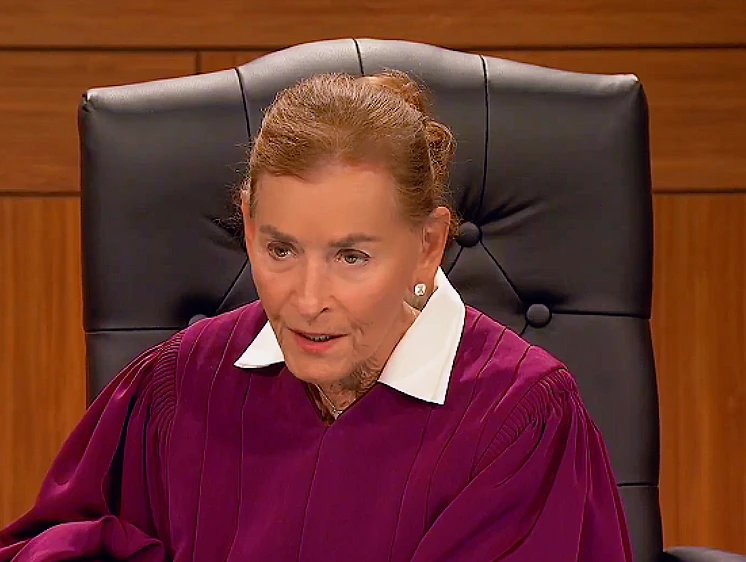
Judge Judy’s response was direct: using a blinker does not give a driver permission to move into an occupied lane without ensuring it is safe. In her view, whether the red car clipped the Infiniti on one side or the other did not change the central issue. Davyne had moved across the highway in a way that left the other driver unable to avoid the collision.
Why the brothers ended up in court
Terrell purchased the Infiniti in 2022 from a dealership near his home. He said he paid $10,000 in cash and had the title, but no bill of sale. The court also discussed its mileage: approximately 124,000 miles when purchased and possibly 150,000 by the accident.
Based on that mileage, Judge Judy placed the vehicle’s likely value at roughly $4,900 to $6,500, rather than the $10,000 Terrell had paid. About $5,000 was also the jurisdiction’s stated court maximum. Terrell carried only liability insurance, which covered the other vehicle but not his own.
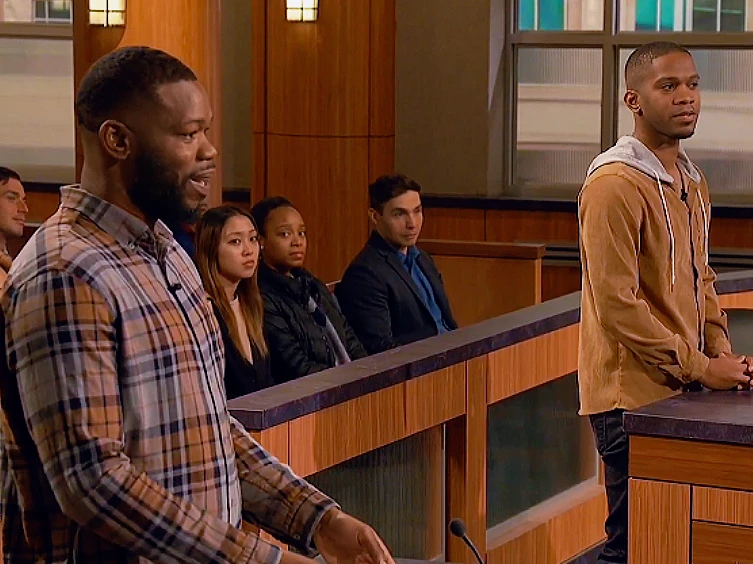
The financial loss was only part of the conflict. Terrell said he had worked hard to pay for the Infiniti and that Davyne had promised to repay him, even mentioning it to their older brother. He waited because Davyne had been unemployed after the accident and Terrell did not want to strain his brother’s finances. For readers interested in how courts evaluate a totaled vehicle, this is the point at which small-claims evidence and car valuation became central to the dispute.
The situation changed after Davyne bought a fully equipped 2023 Honda Accord with a loan. Terrell said he still had no car and relied on rides, public transportation, Uber, and Lyft. The brothers had not spoken since approximately April.
Davyne maintained that he was not at fault and said he offered Terrell use of the Honda because he worked nights. But that did not answer whether he should repay his brother for the destroyed car.
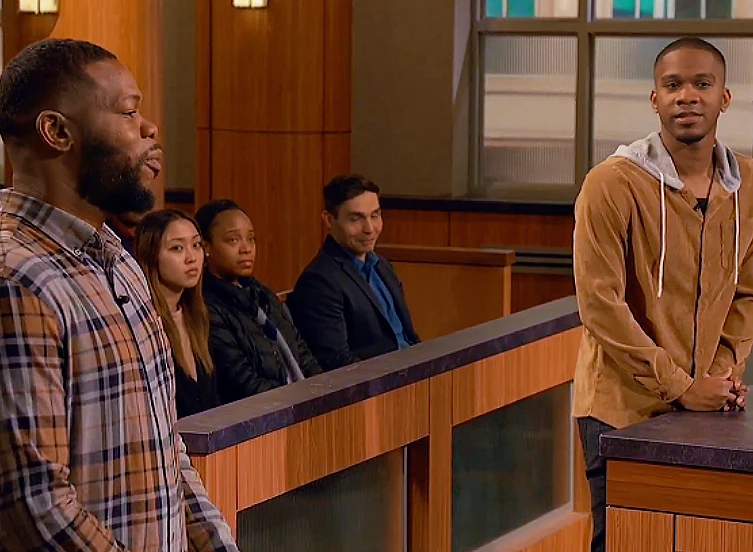
The $5,000 judgment in White v. White
Judge Judy focused on the difference between replacing transportation and compensating someone for a loss. In her view, offering Terrell occasional use of the new vehicle was not the same as repaying him for the Infiniti. She suggested that Davyne could have purchased a less expensive car for himself and used the remaining money to begin reimbursing his brother.
The court relied on the police report, the insurer’s total-loss determination, and Davyne’s description of the maneuver. Judge Judy rejected the idea that a rear impact automatically made the driver behind responsible.
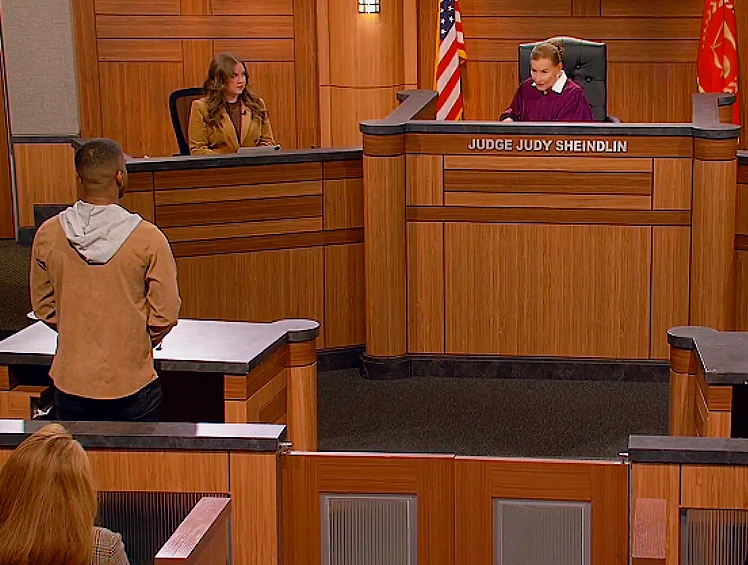
Judgment was entered for Terrell White in the amount of $5,000. The courtroom then adjourned. In the post-hearing comments, Davyne said he believed the judge had made the wrong decision and continued to maintain that the accident was not his fault. At the same time, he expressed hope that he and Terrell could eventually recover the brotherly relationship they had before the collision.
The Second Case : A foster dog at the center of a second dispute
The session then turned from a wrecked car to a senior rescue dog named Grayson. Melita Gvalevich, owner of Melita’s Dream Animal Rescue, sued Shantal Reich, a foster parent, alleging breach of contract and defamation.
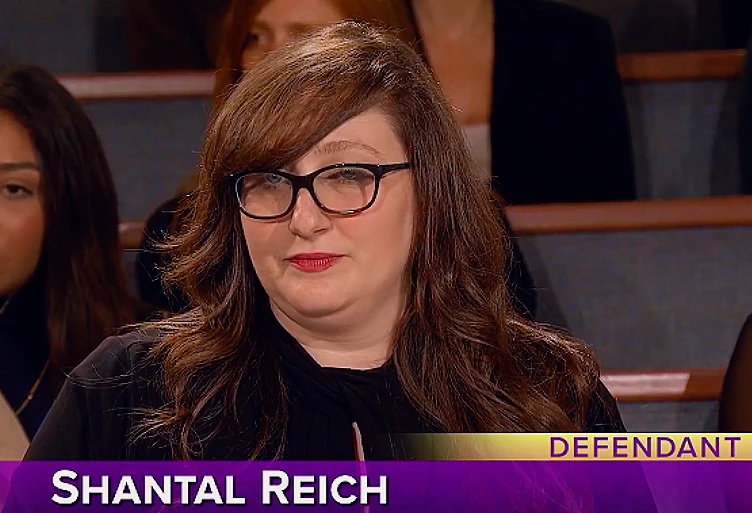
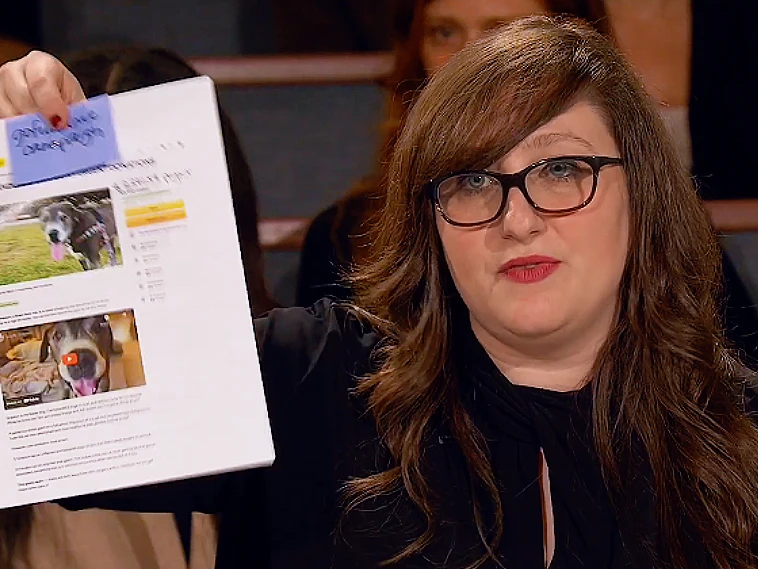
Melita testified that the rescue obtained the mixed-breed dog from Apple Valley Animal Shelter in May 2024. The testimony gave differing age descriptions: the dog was called roughly seven or eight years old in one exchange and approximately nine and a half or ten in another. What remained consistent was the description of a large, older dog whose condition had become part of the dispute. Judge Judy observed that the dog looked miserable when Shantal received him but appeared healthy and well cared for in the photographs shown to the court.
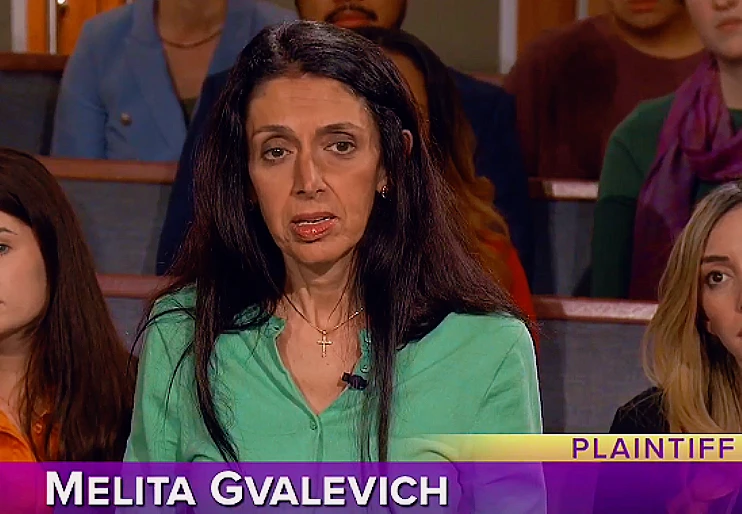
The dispute arose after Shantal took Grayson to her own veterinarian for medical attention. In court, the dog was described as grossly underweight and in need of surgery for growths. Shantal said she was not receiving sufficiently clear answers from the rescue and proceeded with treatment. The surgery cost approximately $1,300 to $1,400 and was paid through a GoFundMe campaign. The conflict therefore raised the practical issue at the heart of many foster arrangements: who is authorized to make urgent medical decisions when an animal appears to need help?
Melita argued that Shantal had violated the foster arrangement by acting without authorization. She also said Shantal changed the dog’s microchip information and obtained a City of Los Angeles license under her own name. Shantal, for her part, claimed that the rescue had abandoned Grayson and sought legal ownership of the dog.
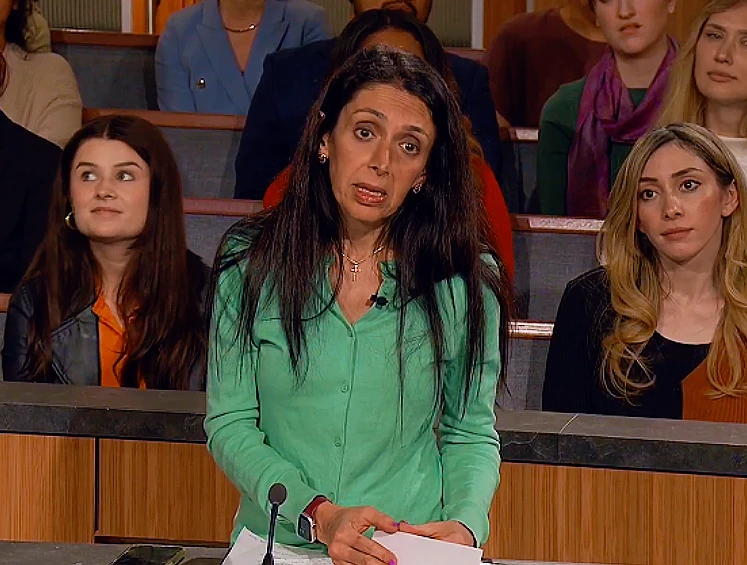
Why the defamation claim failed
Judge Judy separated the two theories of the case. She said the court was not accepting the breach-of-contract claim and would focus only on the alleged defamation. The problem was proof.
When Melita was asked to identify the statements she believed were defamatory, the court reviewed the material she provided. One statement said that Grayson was with the rescue and that the rescue was trying to get him back. Judge Judy found nothing defamatory in that language. The court also reviewed a GoFundMe page and asked whether Shantal had identified Melita’s rescue by name. The answer was no.
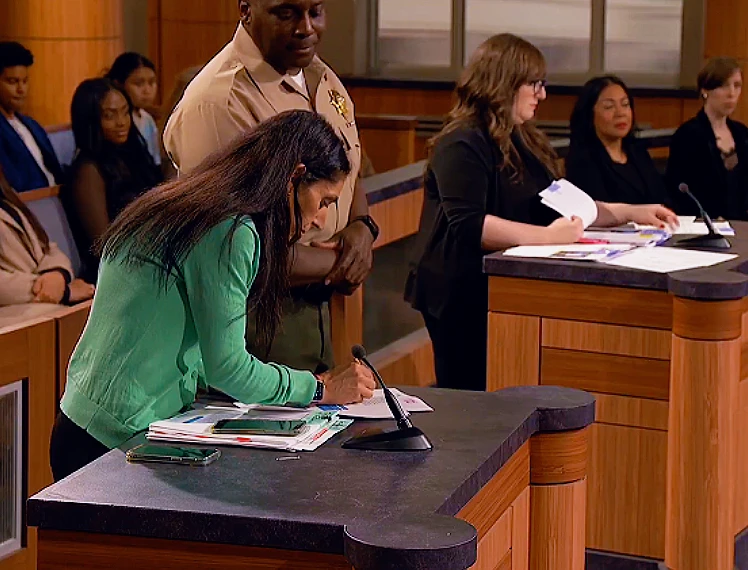
Judge Judy’s explanation was that a person or organization could not establish defamation merely because others might infer who was being discussed; the alleged statement had to identify the person or entity in the relevant context. The judge also declined to treat an insult directed at a member of Melita’s network team as Melita’s own defamation claim, noting that the individual allegedly insulted would be the person positioned to bring such an action.
The court dismissed Melita’s case. It also addressed the practical question that had driven the conflict: Grayson’s ownership. Shantal testified that the dog’s papers had been transferred to her, although the microchip company later required a court order to resolve the conflicting information. Judge Judy stated that Grayson was Shantal’s dog and agreed to issue the order.
Grayson’s ownership is settled
The ruling allowed Grayson to remain with the person who had taken him for treatment and provided a healthy home. Shantal said Melita could no longer transfer him, place him in another shelter, or make changes involving the dog.
Melita said she had not pursued the case for money and acknowledged that she would be more careful with future foster arrangements. Her closing message was broader than the lawsuit: every dog deserves a good home, and rescue organizations should be careful about whom they work with.
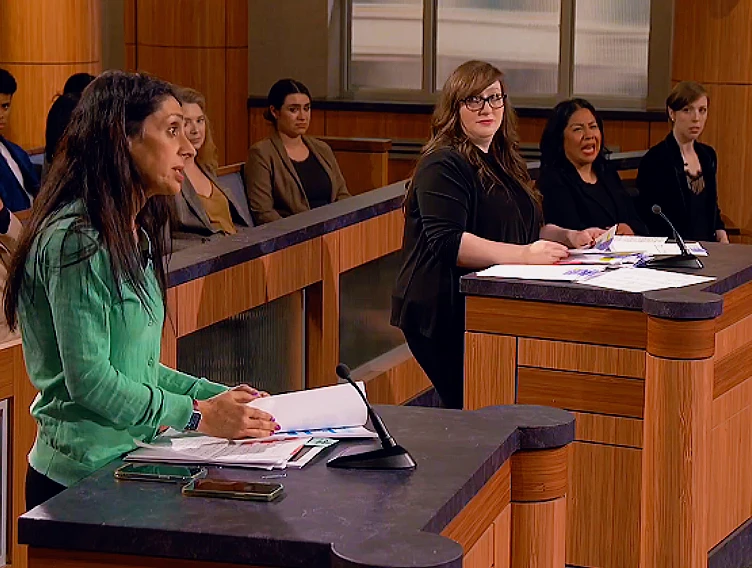
Judge Judy questioned why a rescue would seek the return of an older, large dog who had found someone willing to feed him, pay for surgery, and care for him. The result was clear: the claims were dismissed, and Shantal received the order establishing ownership of Grayson.
What the episode ultimately revealed
The two cases were unrelated, but both turned on the distance between intention and responsibility. Davyne relied on a signal and a rear impact; Judge Judy focused on the maneuver that made the collision unavoidable. Melita relied on a rescue protocol; the court focused on the evidence of defamation and Grayson’s welfare and ownership.
Neither dispute ended with every relationship repaired. Terrell and Davyne left court still divided over the accident, although Davyne hoped they could recover the brotherly love they once had. Melita and Shantal also left with sharply different views of the foster arrangement. Yet the outcomes were clear: Terrell received $5,000 for the totaled Infiniti, while Shantal received the court order establishing ownership of Grayson.
FAQ
Why did Terrell White sue Davyne White?
Terrell sued his brother for the value of his 2008 Infiniti G35 after Davyne was driving when the car was totaled in a March 9, 2023 highway accident.
How much did Terrell White receive?
Judge Judy entered judgment for Terrell White in the amount of $5,000, which the court treated as the relevant value and jurisdictional maximum discussed during the hearing.
Why did the court find Davyne responsible for the crash?
The court found that Davyne overshot an exit and moved diagonally toward the right lane, cutting off a red car that had the right of way. The presence of a turn signal did not eliminate the duty to make a safe lane change.
Who is Grayson’s legal owner after the dog-rescue case?
Judge Judy stated that Grayson belonged to Shantal Reich and agreed to provide a court order so the microchip records could be corrected.
Why was Melita Gvalevich’s defamation claim dismissed?
The court found that the materials shown did not contain a defamatory statement identifying Melita’s rescue by name. The court also said an alleged insult aimed at another team member would be that person’s potential claim, not Melita’s.