
A small piece of asphalt became the most important object in the courtroom. It was visible in a video, had been taken from the back of a truck, and appeared in the middle of a bitter dispute over a tenant’s sudden departure, rent, locked doors, and a Toyota Camry bearing scratches along its passenger side. The people involved were connected through a home and a family relationship, not a chance encounter. By the time Judge Judy examined the footage, the question was no longer simply whether Summer Scales had walked near Wendy Wirtz’s car. It was whether her explanation for that movement could survive the evidence.
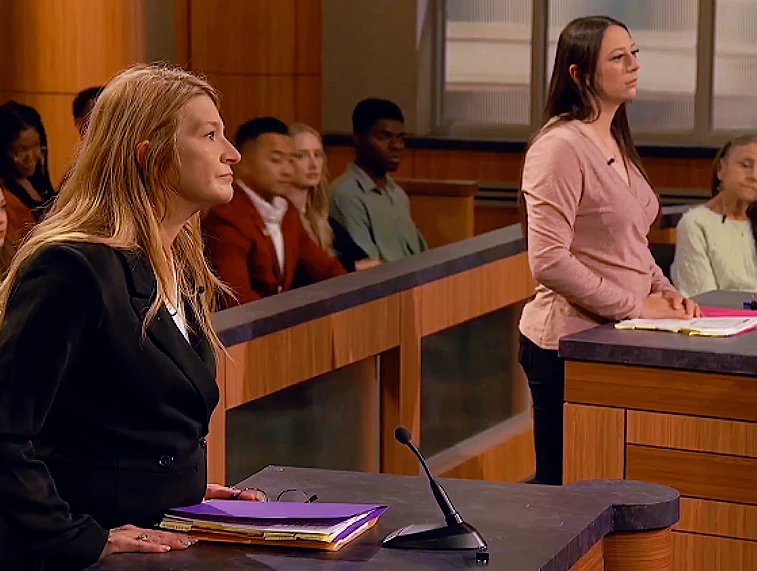
A Housing Arrangement Built on Help
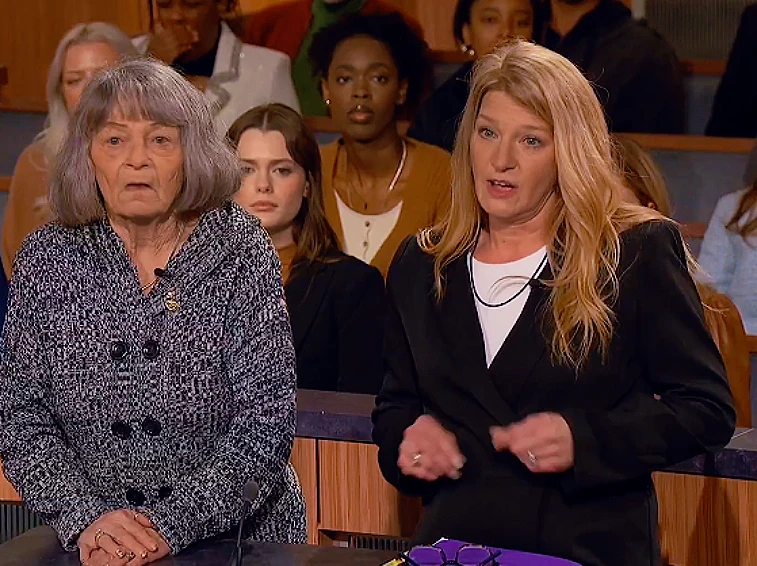
The dispute in Wirtz v. Scales began with a housing arrangement described as an act of compassion. Testimony established that the former tenant, Debbie Fowler—the mother of Summer Scales— had joined a nonprofit organization. Fowler had experienced flat tires and housing insecurity, and the testimony described how members of the group helped her move into the home.
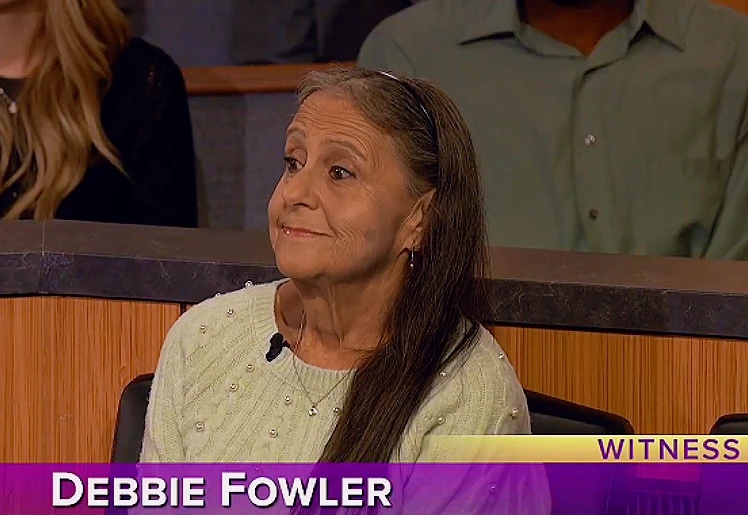
Fowler said she moved in during the summer of 2022. The rent was $550 per month, although she acknowledged being generally a month behind. She remained for approximately a year and a half. The arrangement changed when Wirtz’s younger daughter needed to move in because her previous home was being sold.
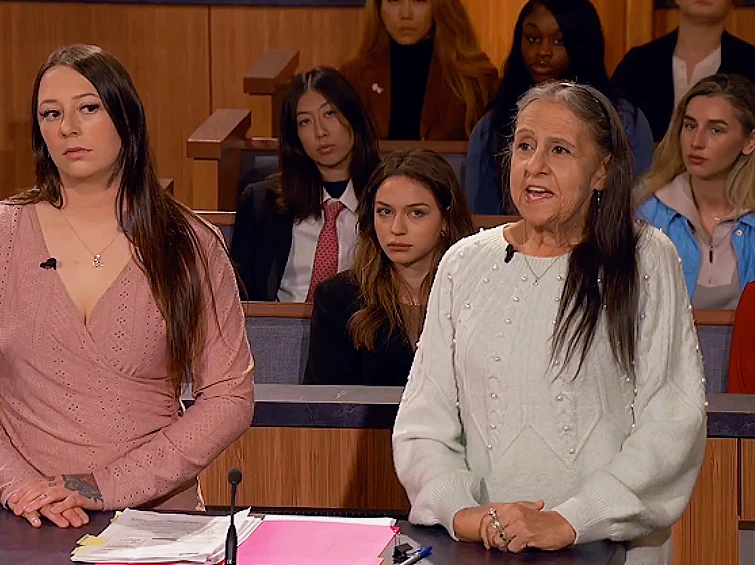
Wirtz presented a written agreement signed by Fowler on June 23. The document gave Fowler 30 days’ notice and required her to vacate by July 30. It also stated that July 1 would be her final rent payment if she moved out as agreed. Fowler confirmed that she understood the reason: Wirtz’s younger daughter was expected to move into the home.
The written agreement established a clear deadline, but the relationship deteriorated before it arrived.
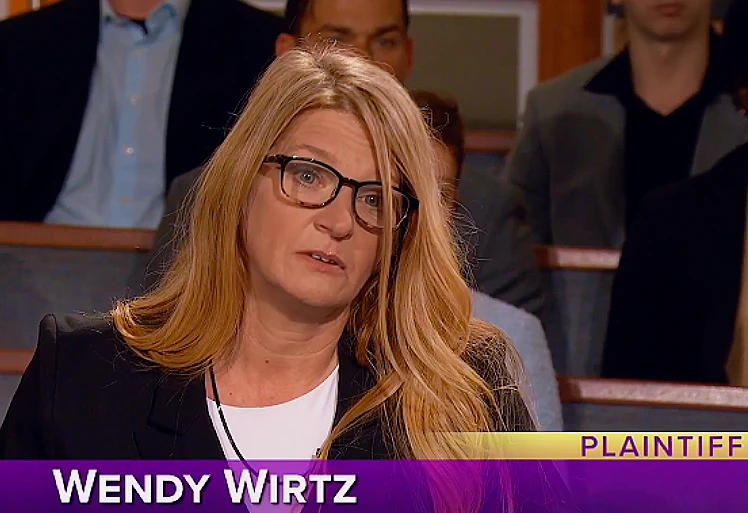
The Notice to Leave and the Sudden Move
Fowler told the court that the family had asked her to leave intermittently, and that she eventually decided she had had enough. She said she found another room in a house on the same day she looked for one. The new arrangement included full privileges, and she moved in on June 30, one month earlier than the deadline in the written notice.
Wirtz said Fowler announced the early departure on June 29; Fowler said she had given notice about a week before moving. Her belongings were removed as the household prepared for the younger daughter’s return.
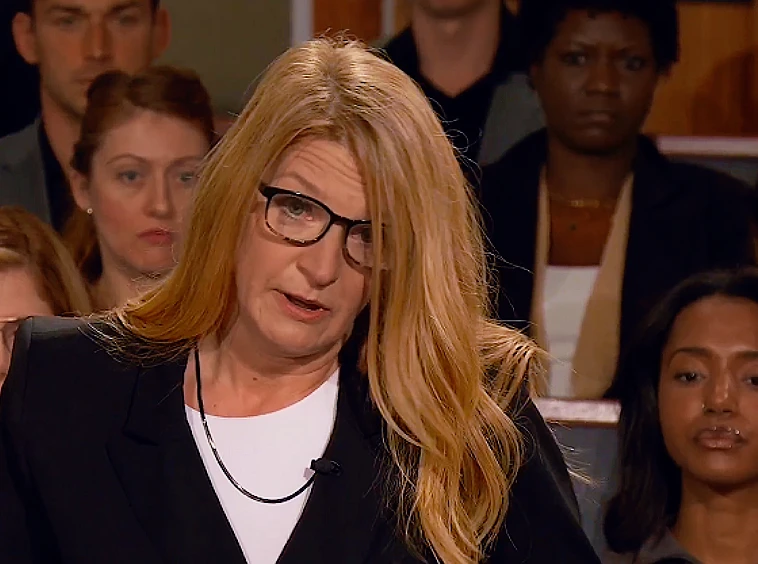
The disagreement deepened when Debbie Fowler was allegedly prevented from entering the house to collect her property. Summer testified that her mother had been locked out and told that none of her belongings would leave unless July’s $550 rent was paid. Judge Judy reviewed text messages that appeared to contain that threat, turning a private housing dispute into a documented conflict before the car damage became the focus.

Wirtz acknowledged that the message was wrong and outside the law. When police arrived, she said she had no objection to Debbie taking her belongings. After the officer left, Debbie drove away, and Wirtz said she was told to pack up the remaining property.
The housing conflict supplied the context for what happened next.
The Car Damage Discovered on June 30
Wirtz claimed that her 2021 Toyota Camry was damaged on June 30, while it was parked in the driveway in front of the garage. She did not see Summer damage it directly. Her case therefore depended on two things: the security-camera footage and the condition of the vehicle afterward.
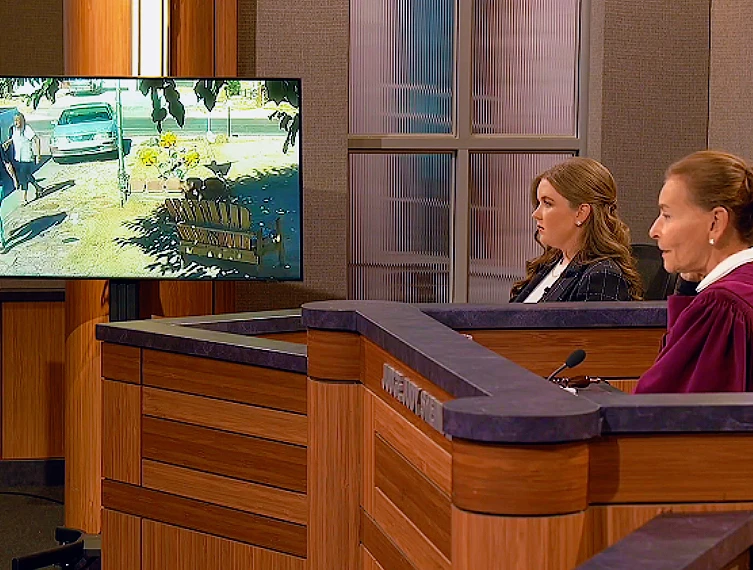
The damage was noticed after the family moved Debbie’s belongings out. Wirtz’s sister saw it as she returned from the driveway, and Wirtz testified that the car had not been damaged when parked.
The claim involved scratches along the passenger side and a slashed rear tire. Wirtz testified that the tire had recently been purchased and was under warranty, leaving her with an out-of-pocket charge of $13.96. The car itself had not yet been repaired, and the parties disagreed over how much of the larger damage claim could be recovered.
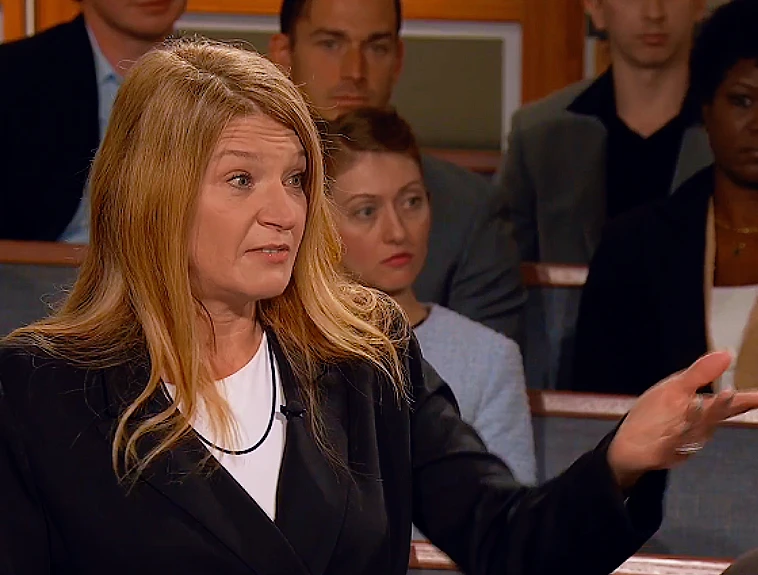
The financed vehicle carried full coverage insurance, but Wirtz had not reported the damage because of her $1,000 deductible. Judge Judy questioned the delay and noted that the photographs suggested repairs would cost at least $1,000.
The central evidence, however, was not the estimate. It was the video.
Video Footage, Text Messages, and the Asphalt Explanation
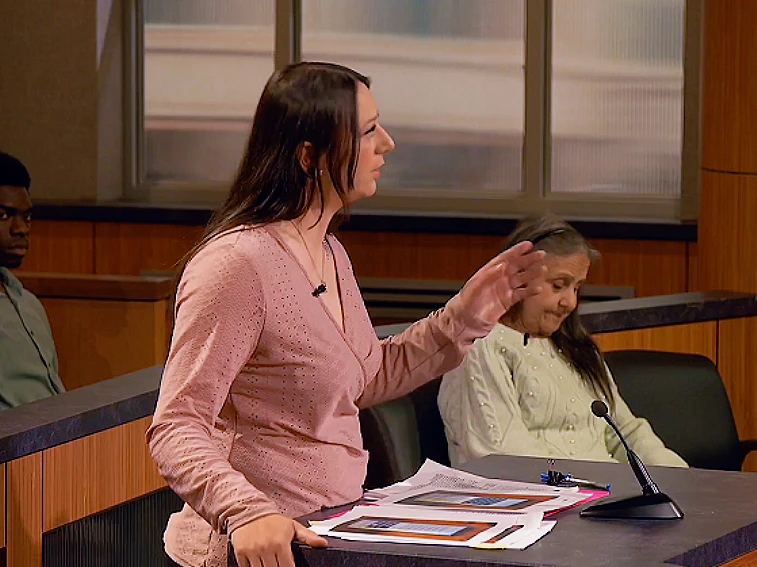
Summer acknowledged being at the home that day. She said she needed to reach a side gate to access her mother’s property. When questioned about bending near the vehicle, she later explained that she had doubled her shoelaces before climbing the gate.
The footage showed Summer in a black shirt moving toward and behind the vehicle. It did not show her bending down or visibly scratching the car, nor did it reveal exactly what happened at the passenger side.

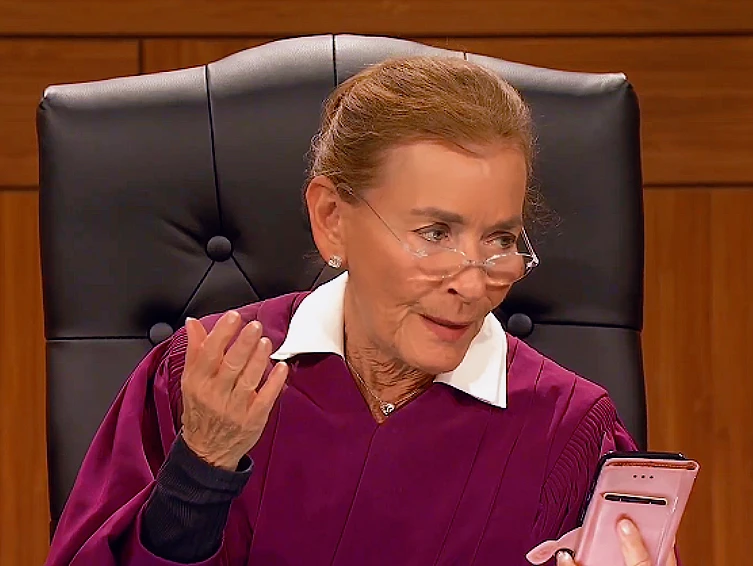
Then the judge noticed Summer reach into the back of her truck and remove an object. Summer identified it as asphalt from her driveway, left there after yard work. She said she put it in the household trash can to make room for her mother’s furniture.
Judge Judy repeatedly asked why Summer had taken the asphalt out then. Summer said it had been left in the truck after yard work, needed to be discarded, and was taken to the trash can near Wirtz’s car. She denied using it to damage the vehicle.

The judge connected the details in sequence: asphalt came from the truck; Summer walked toward the passenger side; and the vehicle showed scratches in that area. None of those facts, viewed alone, showed exactly what happened. Together, however, they formed the pattern Judge Judy found too coincidental to ignore.

Testimony That Widened the Credibility Gap
Debbie Fowler’s testimony became another turning point. She denied receiving tires from Wirtz’s group, although Wirtz had testified that members contributed money and that she could name five donors.
Judge Judy reacted sharply. Concluding that Debbie had lied about the tires, she said Debbie’s remaining statements were worthless and told her to sit down. The exchange damaged the defense witnesses’ credibility.

Summer also said her mother had been locked out and that she went to the home to look at her mother’s flat tires. Judge Judy emphasized that the court was deciding Wirtz’s claim and that Summer had filed no counterclaim.
The conflict explained Summer’s anger and the competing accounts of June 29–30. But it did not overcome the video, the asphalt’s location, and the photographed damage.
The Insurance Question and the $1,000 Judgment
Before ruling, Judge Judy returned to the financial evidence. Wirtz claimed $4,676 in damage, but the judge focused on the $1,000 deductible. With full coverage, the immediate amount relevant to Wirtz’s loss was the deductible rather than the full repair figure.
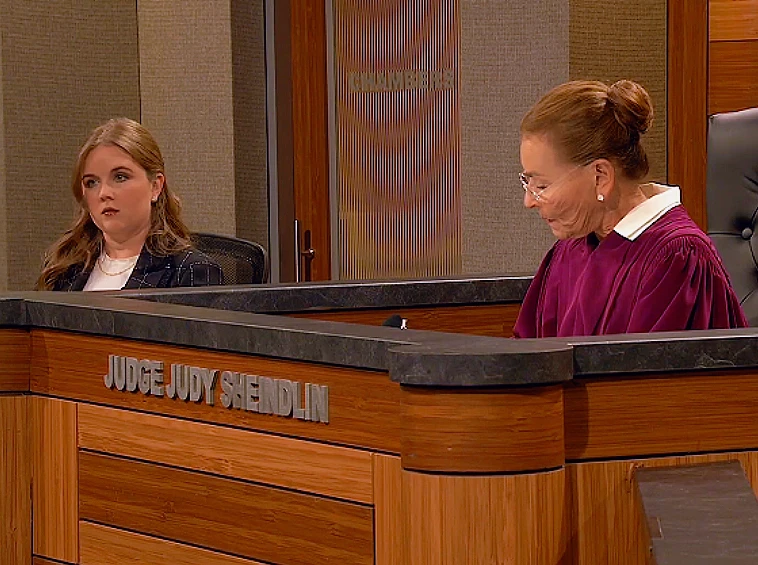
The ruling was entered for plaintiff Wendy Wirtz in the amount of $1,000. The court then adjourned, deciding the specific property-damage claim in Wirtz’s favor.
What the Courtroom Record Establishes
The record does not establish a criminal conviction, an arrest, or a separate criminal prosecution. It records a civil property-damage claim heard on the television courtroom program Judy Justice. The ruling rested on Judge Judy’s assessment of the footage, photographs, financial evidence, and witness credibility.
Summer continued to deny damaging the vehicle and accused Wirtz of damaging her own car after seeing the asphalt video. Wirtz rejected that claim.

Judge Judy’s reasoning was direct: Summer had an explanation for the asphalt and her movement near the car, but the combined circumstances were more persuasive. The judge saw coincidences that could not be rationalized away.
FAQ
Who sued Summer Scales?
Wendy Wirtz sued Summer Scales in a civil claim over damage to Wirtz’s 2021 Toyota Camry. The case was identified as Wirtz v. Scales, case 4089.
What damage did Wendy Wirtz report?
Wirtz reported scratches across the passenger side of the car and a slashed rear tire. The tire repair cost her $13.96 after warranty coverage, while the judge found that the vehicle damage would cost at least $1,000 to repair.
What was the asphalt evidence?
Security footage showed Summer remove a piece of asphalt from the back of her truck. Summer said it came from her driveway and that she intended to throw it away. Judge Judy considered the object’s presence, Summer’s movement near the passenger side, and the scratches on the vehicle together.
Did Summer Scales admit damaging the car?
No. Summer denied damaging the vehicle and said she went near it to reach a side gate and handle property connected to her mother’s move.
How much did Wendy Wirtz receive?
Judge Judy entered judgment for Wendy Wirtz in the amount of $1,000.
Was this a criminal case?
No. The SRT identifies the matter as a civil courtroom claim concerning alleged property damage. It does not report a criminal conviction or separate criminal proceeding.