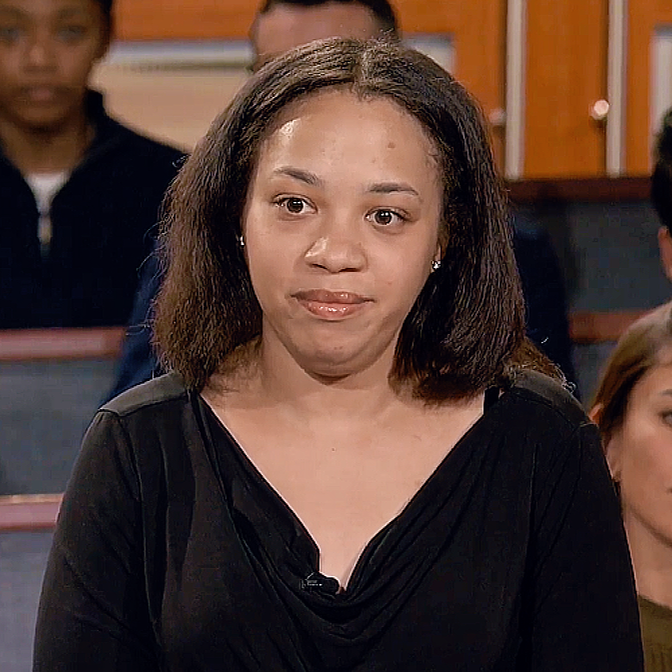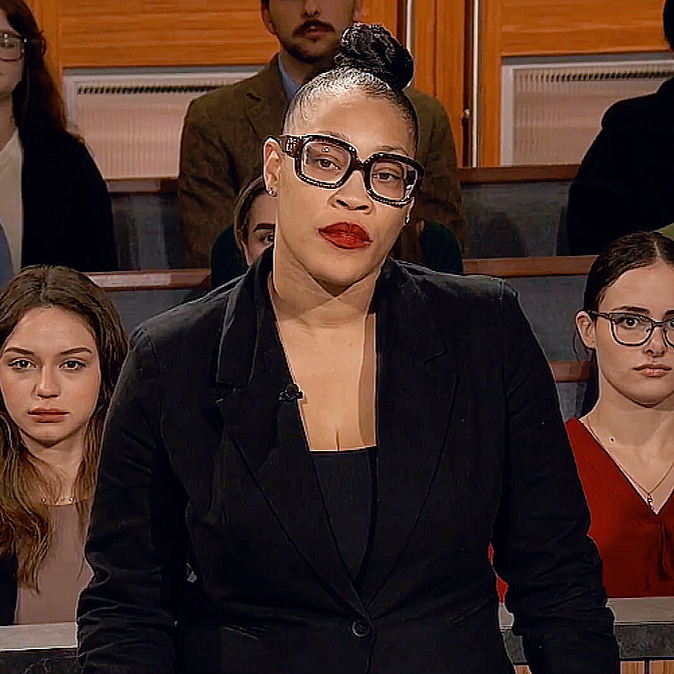
The courtroom had heard competing dates, disputed memories, and questions about who had paid for the dog’s care. Then Judge Judy asked for Nana, a small chihuahua at the center of the dispute, to be brought into the room. The parties were told to stand quietly and let the dog move without being called. In a case where the testimony repeatedly pulled in different directions, Nana’s reaction became the one piece of evidence no one could explain away.
How Nana came to live with Rhonda Jennings
Case 4068, Taylor/Jennings v. Al Asadi, as a civil dispute involving a chihuahua, alleged property damage, and an animal-abuse claim. The plaintiffs were former friends Rhonda Jennings and Margaretta Taylor. The defendant was A’keila Al Asadi.
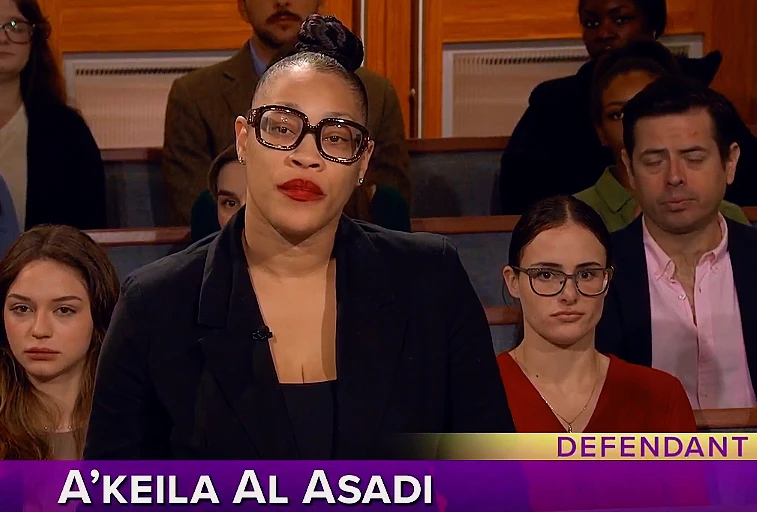
Rhonda and A’keila said they had met online several years earlier. A’keila later came to stay at Rhonda’s home, although the exact start of that arrangement was not immediately clear in court. One answer referred to the summer of 2021, while A’keila said she went to Arizona in September. Under Judge Judy’s questioning, the testimony settled on September 2021 as the beginning of A’keila’s stay, which continued intermittently until February 8, 2022.
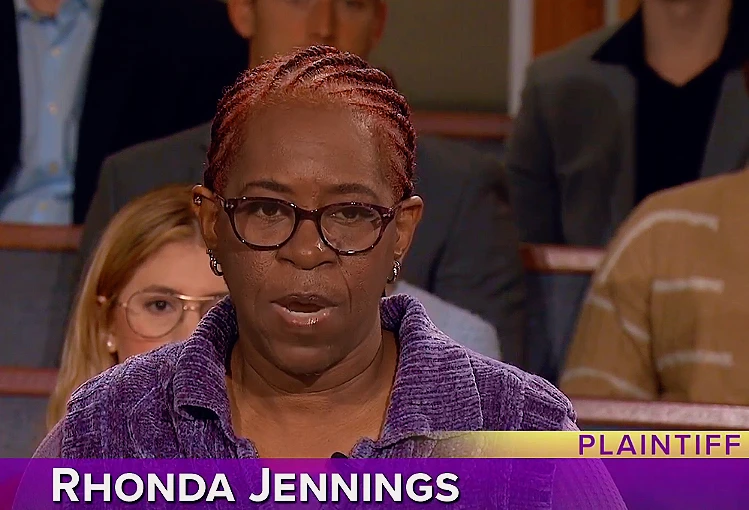
While she was living with Rhonda, A’keila obtained Nana. The transcript places that event in November 2021, when the puppy was approximately six to eight weeks old. When A’keila left Rhonda’s home on February 8, 2022, she left Nana there as well. That decision became the foundation of the case: A’keila maintained that she remained Nana’s owner, while the plaintiffs argued that the dog had effectively become part of their household.
For a time, the arrangement appeared informal. A’keila said she continued to see Nana after leaving, estimating ten or more visits between February 8, 2022, and September 5, 2024. She also said she gave Rhonda money for food and that Nana was taken to a veterinarian. The testimony about the money was not consistent: one answer referred to approximately $500, while another referred to more than $1,000. Neither figure was established as an uncontested amount.

A custody arrangement becomes a legal dispute
The case was about what the parties intended when Nana was left behind, how long that arrangement lasted, and whether financial support preserved A’keila’s claim after Rhonda’s household became the dog’s primary home.
The dispute became more complicated because the witnesses described the same period in very different ways. A’keila said she loved Nana, trained him, and continued to regard him as her dog. She also described having Nana at her apartment for periods of time. The plaintiffs emphasized something different: the daily reality of feeding, housing, and caring for a young dog over an extended period.
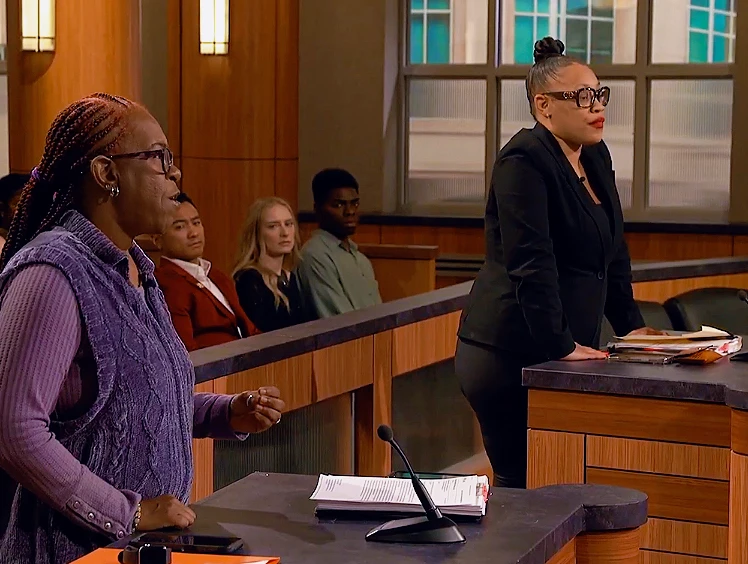
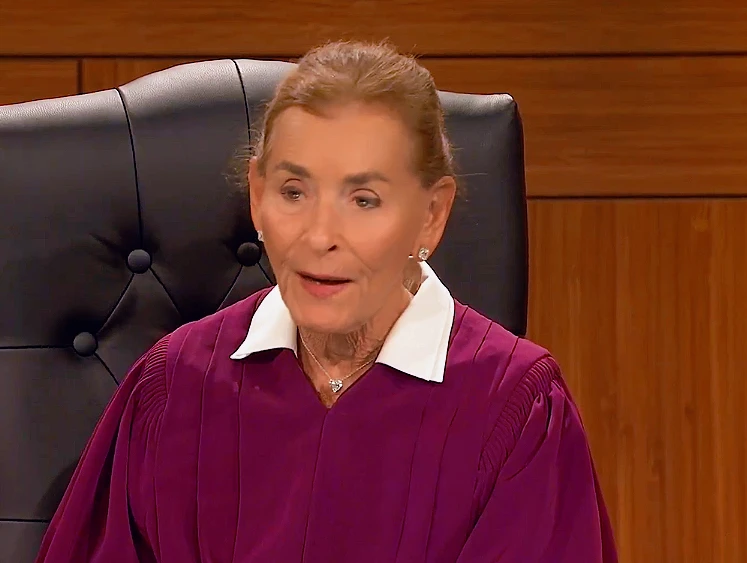
That difference shaped Judge Judy’s questions. A short stay with a friend or sitter might suggest temporary care. Leaving a puppy with someone for months, particularly when another home was available, could suggest something more permanent. The judge did not decide the issue from the original purchase alone. She examined the relationship that developed afterward.
The conflicting timeline
A’keila’s account of when she first asked for Nana back changed during the hearing. At one point, she said the request came in June 2023, when Rhonda went to Florida. Later, she said she asked for Nana in January 2023 and called the police on January 9 to make a report. Judge Judy repeatedly asked her to identify the date because the two versions described different stages of the dispute.
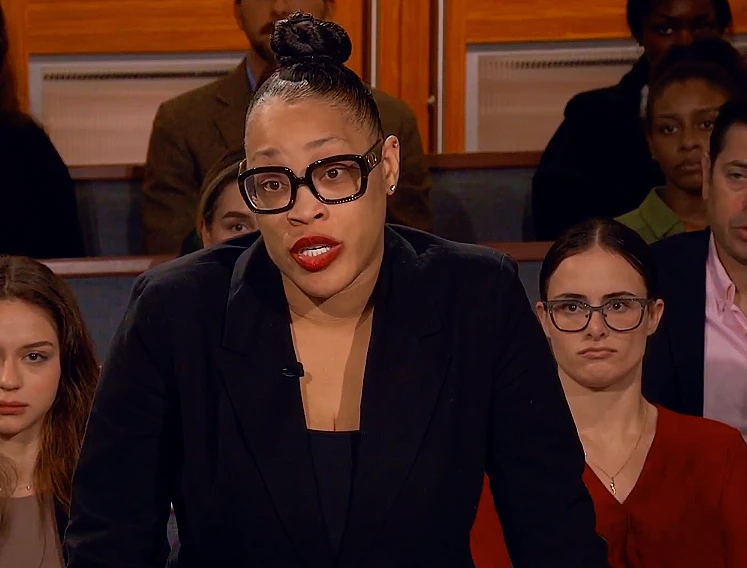
A’keila also said Nana stayed with her from around February 20, 2023, through December 2023, although she described the arrangement as “off and on.” She explained that when she traveled, Nana would sometimes stay at Rhonda’s home because she did not have time to use a kennel.
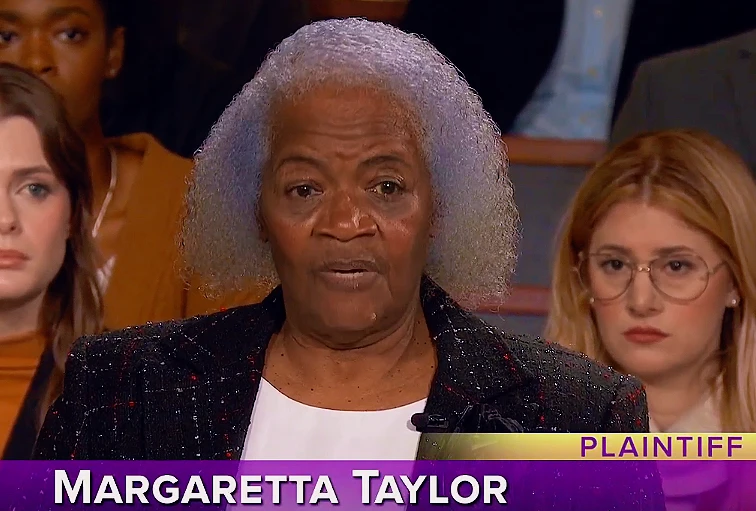
Margaretta Taylor offered a sharply different account. She testified that her daughter came to stay with her in Florida in June 2023 and brought Nana. According to Taylor, Nana remained in her home from June 2023 until September 5, 2024. She said A’keila did not come to the house during that period and did not bring Nana to A’keila’s home.
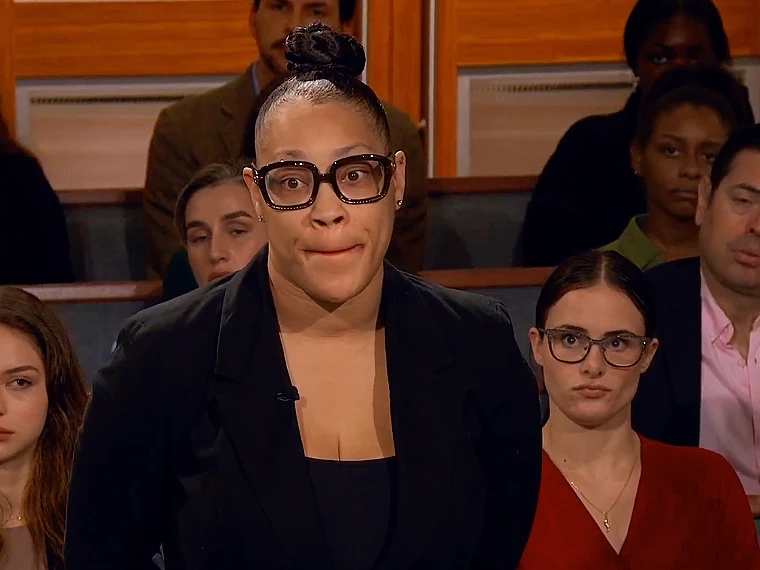
When Judge Judy returned to the issue, A’keila ultimately agreed that she did not have Nana in her custody from June 2023 until September 2024 and that she did not see the dog during that time. She said she had mixed up the years. The transcript therefore contains unresolved contradictions about the period A’keila claimed to have cared for Nana. Rather than presenting one version as proven, the court had to weigh the competing testimony against the documented and observed relationship between Nana and the plaintiffs.
The September 5, 2024 confrontation
The disagreement came to a head on September 5, 2024, when A’keila went to retrieve Nana after a series of text messages. During the hearing, one account described assurances that the dog would be returned, followed by an admission that the person making that assurance did not truly intend to give Nana back. Judge Judy stopped the testimony when it moved ahead of the question being asked.
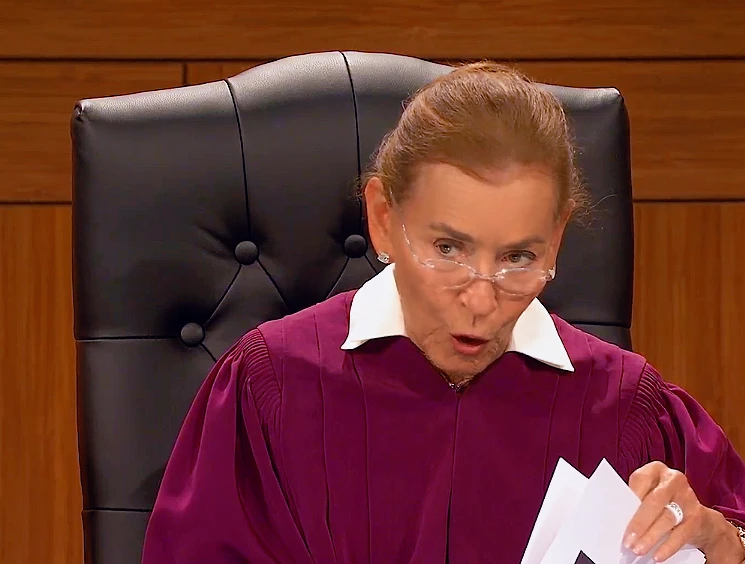
A separate claim concerned damage to a door. Margaretta Taylor said the door had been damaged during the September 5 visit. When Judge Judy asked for the police report from that date, the witness did not have the Florida report in court. She had an Arizona report related to her own report, but not the document the judge requested. Judge Judy noted that neither side had the September 5 report available and said either party could obtain a copy.
The SRT does not provide a specific final ruling on the door-damage allegation. What the hearing clearly shows is that the parties’ descriptions of the confrontation were tested against missing documents and differing recollections.
Why the court focused on attachment
Judge Judy acknowledged that A’keila had originally obtained Nana and that her payments toward food and care suggested an intention to remain involved. At the same time, the judge said she had reservations about the claim that Nana had lived with A’keila for a full year in 2023.
The judge also resisted treating Nana as ordinary property. A dog lives with people, develops attachments, and may be affected by a decision that looks simple on paper. In this case, the question was not merely who could produce an original ownership story. It was also who had become Nana’s consistent caretaker and where the dog appeared to feel at home.
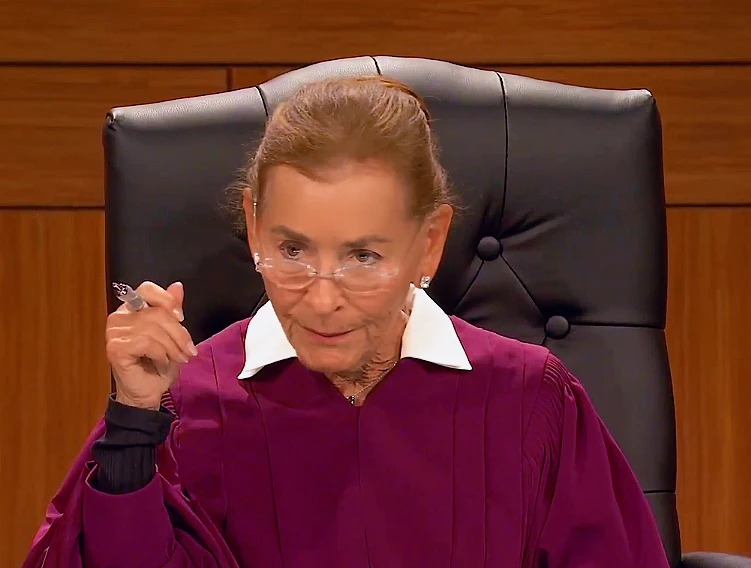
That distinction gave the hearing its emotional weight. The plaintiffs were not arguing only that they had possessed Nana. They were presenting a household in which the dog had lived, been cared for, and formed a relationship. A’keila, meanwhile, insisted that distance and periods of care by another person had not erased her bond with the dog.
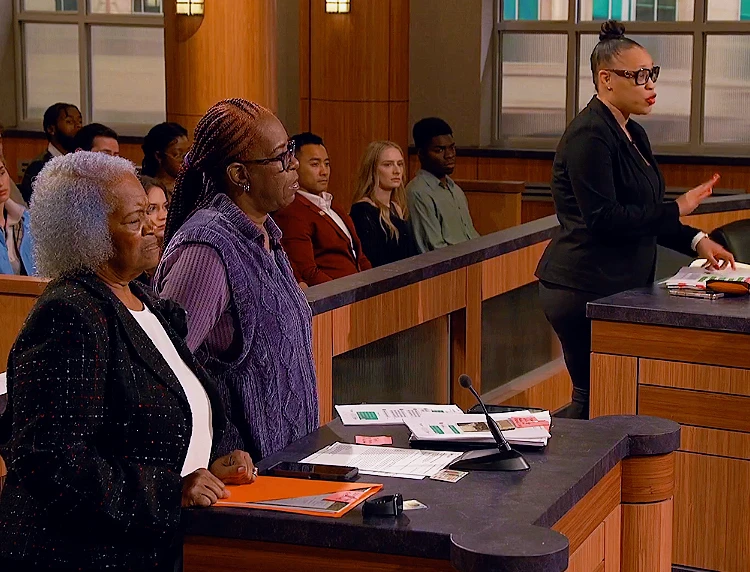
The courtroom test and final judgment
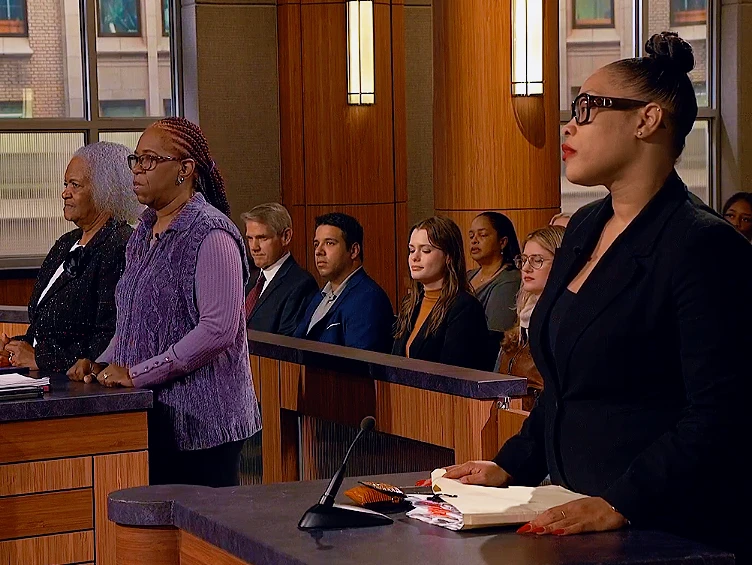
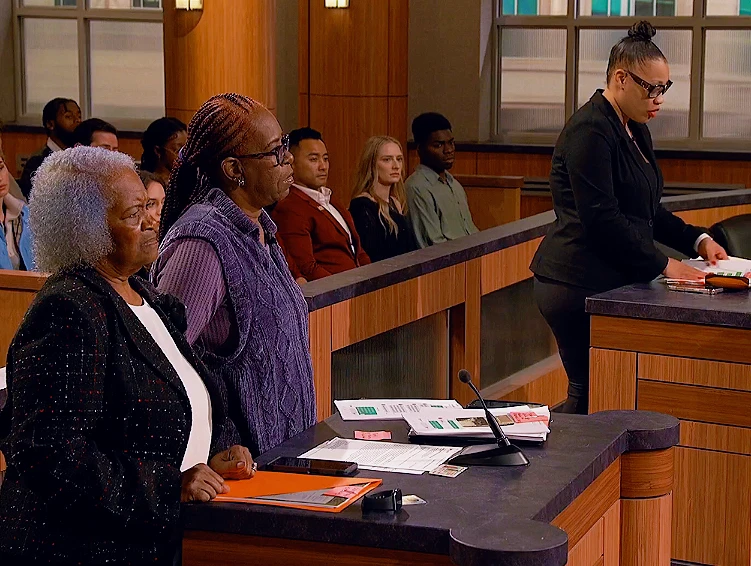
Judge Judy eventually agreed to let Nana’s behavior help inform the decision. Kevin brought the dog into the courtroom, and the parties were instructed to stand in front of their desks without calling to him. Nana was placed on the floor, the carrier was opened, and the dog was allowed to move freely.
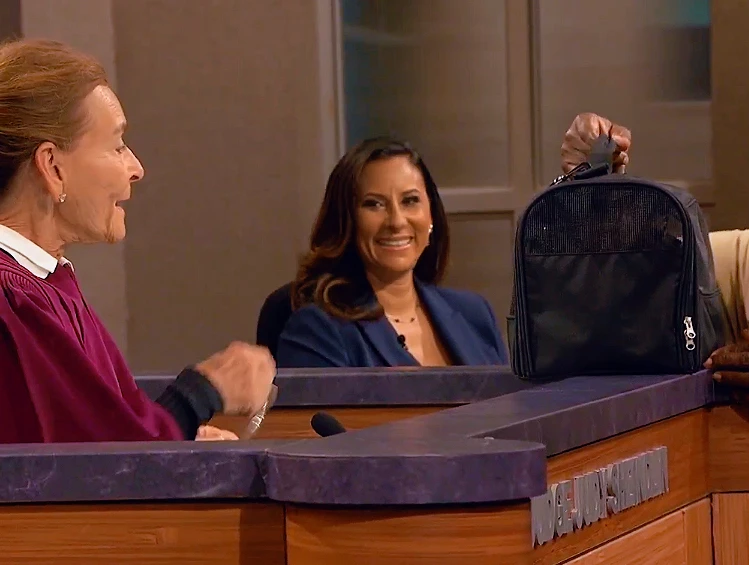
The participants were then told to sit on the floor and remain silent. Margaretta Taylor quietly spoke to Nana: “Hey, booboo, hey. I missed you,” and, “Get mama.” Judge Judy concluded that Nana was most attached to the plaintiff’s mother. She ordered that the dog go home with the plaintiff to Florida.
The moment did not resolve every contradiction in the testimony, but it gave the judge an immediate indication of Nana’s comfort and attachment. In a case built around disputed dates and competing claims, the dog’s own movement became the turning point.
Judge Judy dismissed A’keila’s counterclaim for airline tickets, hotel bills, and Uber expenses connected to retrieving Nana. Judgment was entered for the plaintiff, and the transcript states that Nana was returned to them. The court then adjourned.
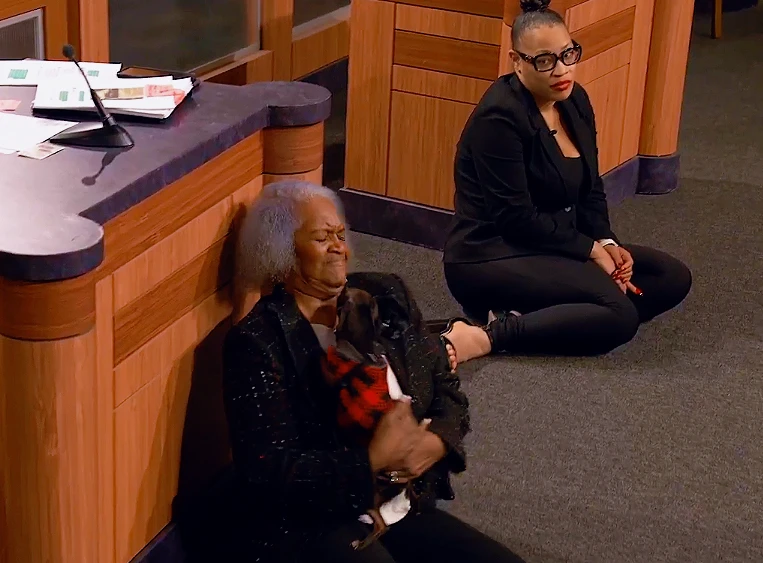
In her closing comments, Judge Judy said dogs have feelings and should not be treated as inanimate property. She observed that Nana was clearly attached to the plaintiff’s mother and showed no interest in A’keila during the courtroom test. The ended with a joke about A’keila’s work as a psychic medium, but the ruling itself rested on a more serious observation: the person who first obtained a pet may not be the only person who has become that animal’s home.
FAQ
Who were the parties in Nana’s chihuahua custody case?
The plaintiffs were Rhonda Jennings and Margaretta Taylor. The defendant was A’keila Al Asadi. The case was identified as case 4068, Taylor/Jennings v. Al Asadi. [1]
Who originally obtained Nana?
A’keila Al Asadi testified that she obtained Nana in November 2021, when the puppy was approximately six to eight weeks old. She left Nana with Rhonda Jennings on February 8, 2022. [1]
Why did A’keila Al Asadi want Nana back?
A’keila said she loved and trained Nana and had continued to contribute money toward the dog’s care. Her testimony about when she first requested Nana’s return was inconsistent, referring at different points to June 2023 and January 9, 2023.
What happened when Nana was released in court?
Judge Judy instructed everyone to remain quiet while Nana was released from a carrier. The transcript records that Nana showed the strongest attachment to Margaretta Taylor, after which the judge ordered that he return with the plaintiff to Florida.
What was the final judgment?
A’keila’s counterclaim for airline tickets, hotel bills, and Uber expenses was dismissed. Judgment was entered for the plaintiff, and Nana was returned to them.