A couch inherited from a deceased aunt. An elliptical machine purchased in 2021. A truck taken on a day that one family remembered very differently. In two sharply contrasting cases on Judy Justice, Judge Judy had to separate emotional claims from provable facts—and determine what the court could actually order.
One dispute ended with a five-day deadline to collect personal belongings. The other stopped before the evidence could be fully tested, after a father struggled to explain how he reached his daughter’s home and why he had taken her truck. The subtitle record does not establish every disputed allegation, but it shows where the testimony began to unravel.
The First Case : A breakup leaves behind more than memories
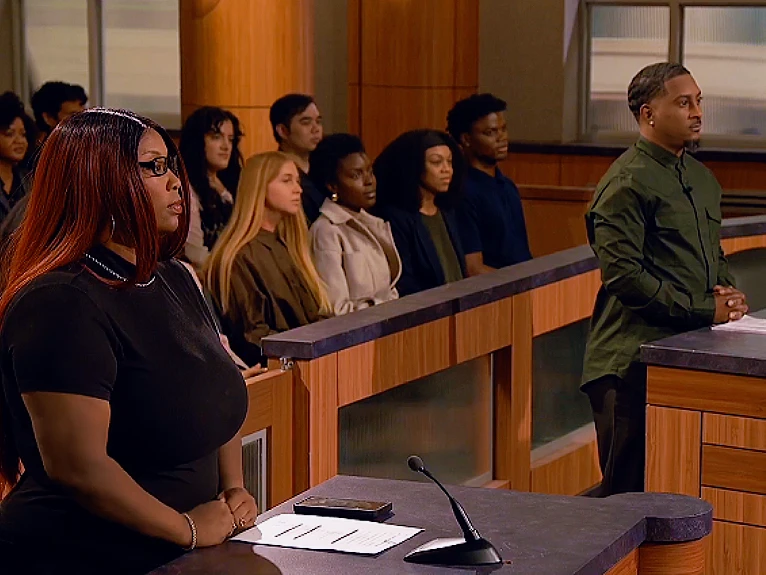
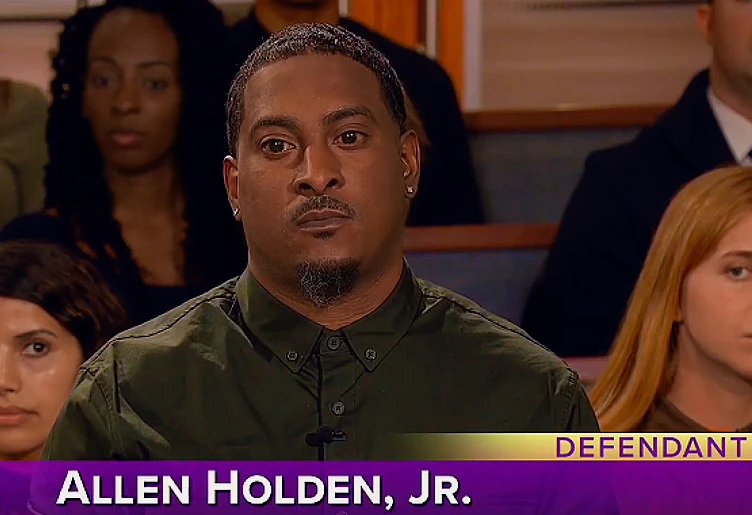
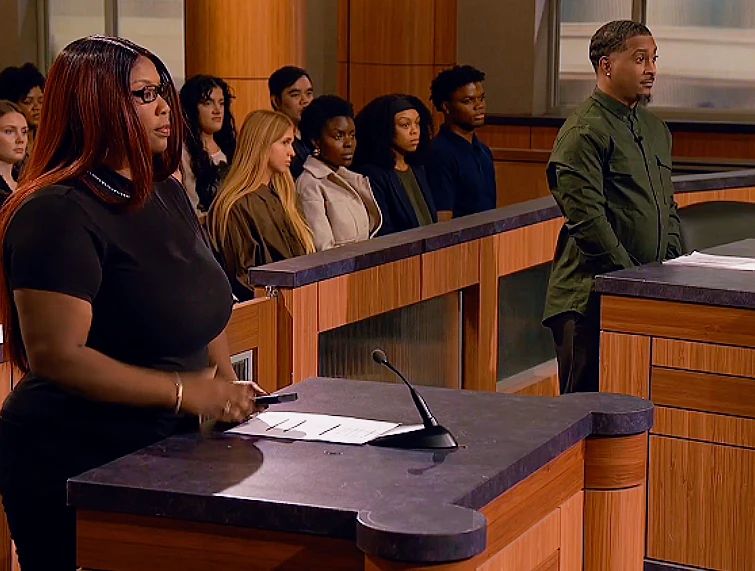
The first matter was case 4063, Slater versus Holden. Shamika Slater sued her former boyfriend, Allen Holden, Jr., over personal property left at the apartment they had shared.
Slater told Judge Judy that the couple had lived together before separating physically in March 2023. Both names had been on the apartment lease. When she moved out, she left with her two children and moved into another two-bedroom apartment. She said she worked at a halfway house, where she supervised and guided inmates transitioning back into society.
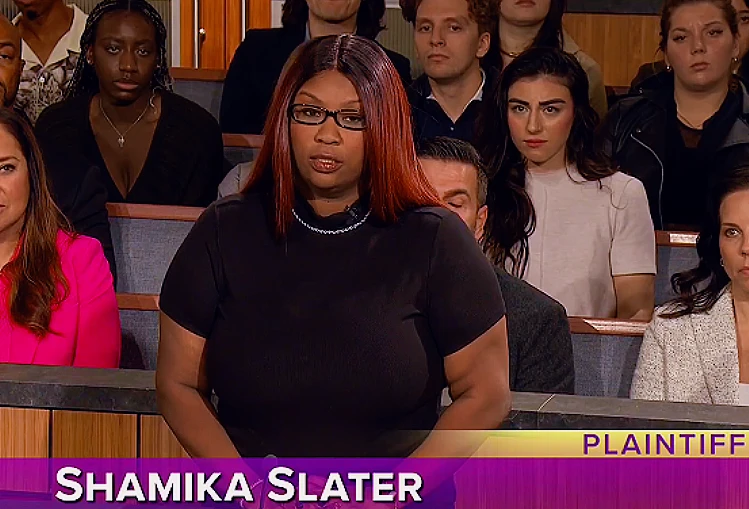
The new apartment already had new furniture, a fact Judge Judy returned to several times. The issue was whether Holden still possessed specific items that belonged to Slater—and whether she wanted them returned or wanted their value instead.
Judge Judy moved through the claim item by item, repeatedly bringing the discussion back to ownership, possession, and proof.
The property Shamika Slater wanted returned
The first disputed items included a bed frame, an elliptical machine, and a portable air conditioner. Slater produced proof that she had purchased the elliptical machine in 2021. Holden acknowledged that she had paid for it and confirmed that the machine was still in the apartment. On that narrow point, the evidence and the testimony aligned. Judge Judy ruled that Slater could retrieve it.
The portable air conditioner followed a similar path. The hearing stated that it had been purchased approximately four and a half years earlier. Holden again acknowledged that Slater had purchased the item and said it remained at the house. It was included among the belongings she could collect.
The bed frame was different. Slater said she had paid $700 for it, but Judge Judy did not order Holden to return it. The exchange illustrated the limits of the claim: an item’s original price did not automatically determine whether it should be recovered under the circumstances presented in court.
Slater also identified two TV stands and a kitchen table. Holden said he had the TV stands and was using the kitchen table. The ownership dispute was no longer only about receipts. It had become a disagreement over what Slater had left behind, what Holden was still using, and which objects she continued to regard as hers.

Why the couch became the emotional center of the case
The most personal item was a couch. Slater said it had come from her deceased aunt and was meaningful to her. Judge Judy, however, focused on a practical question: Slater already had a couch in her current home, so why would she pay movers to transport an old one?
Slater tried to explain that the couch had sentimental value, but Judge Judy was not persuaded that sentiment justified a monetary award. The judge made clear that Slater would not receive money from Holden for the listed belongings. If Slater wanted the couch and Holden still had it, the possible remedy was to take it back—not to convert the dispute into a claim for its financial value.
Holden suggested that Slater’s request might have been motivated by spite. He also said she had previously talked about getting rid of the couch. Those were Holden’s characterizations, not findings independently established by the transcript. Slater’s stated reason was that the couch had belonged to her aunt. Both positions remained part of the courtroom exchange.
Slater further asked about pots, pans, and clothing. Judge Judy rejected those additions, telling her that such items should have been taken when she moved. The court’s reasoning was tied to the length of time that had passed—approximately a year and a half—and to the fact that Slater had already established a new, furnished home.
The order and the five-day deadline
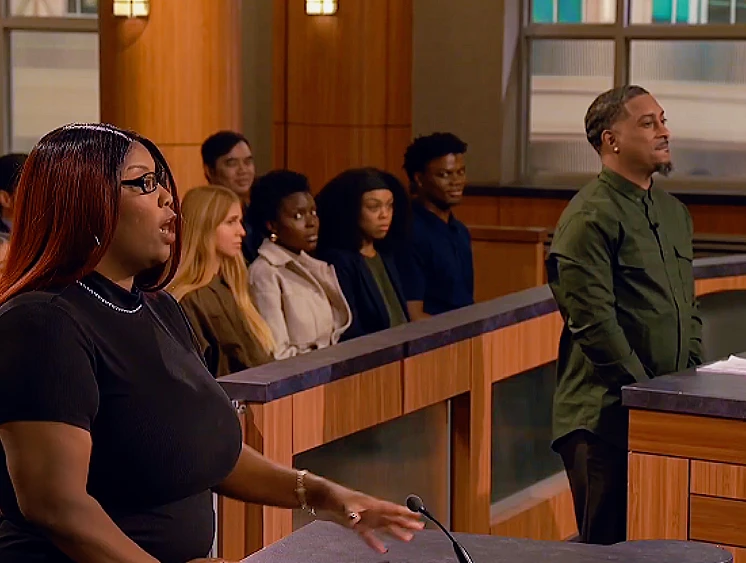
By the end of the hearing, Judge Judy gave the dispute a concrete resolution. Slater was told to arrange for a mover to collect the property. The items specifically named in the final order were the elliptical machine, portable air conditioner, sofa, and kitchen table. The TV stands had also been discussed and acknowledged earlier in the hearing.
The deadline was exact: five days from the hearing at 12:00 noon. Judge Judy said Slater needed to be prepared to pick up the items at that time and indicated that she should have an escort present. She also warned that if the property was not collected by the deadline, it would belong to Holden.
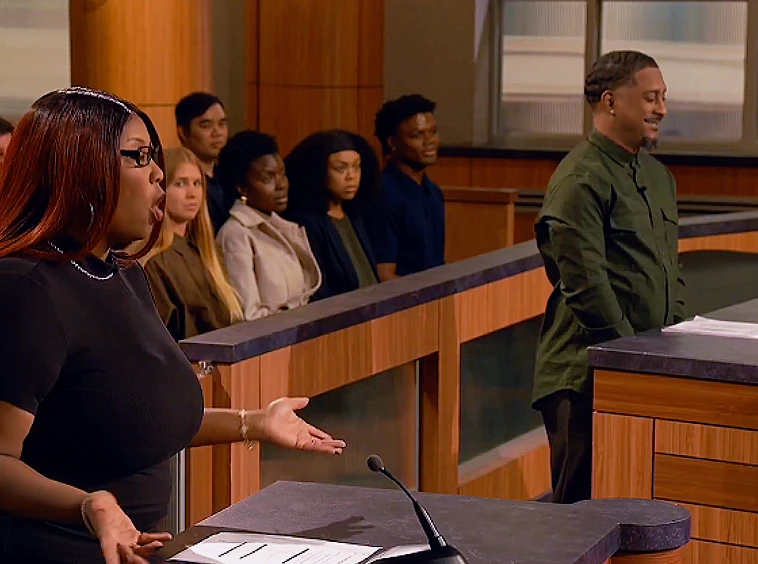
There was no money award. After the court adjourned, Slater said the result felt fair even though the belongings were old. Holden questioned why she had gone through the trouble when she already had a fully furnished apartment and said the couch request could have been spiteful. The legal question was settled, but the furniture’s personal meaning was not.

The Second Case : A father’s account of October 10 and 11
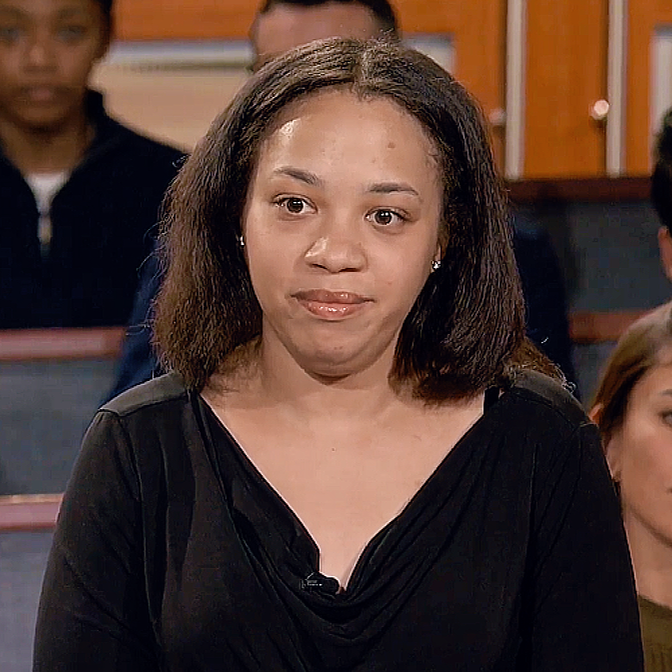
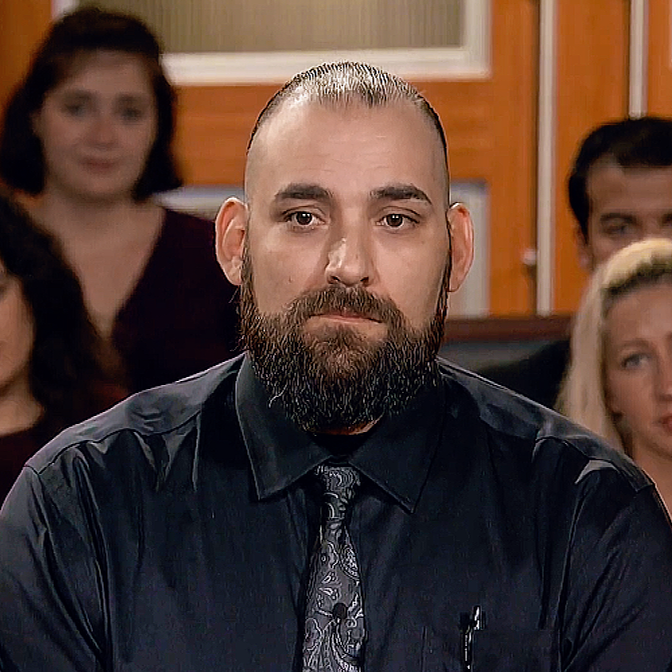
The second matter was case 4077, Smith versus Smith. Jhon’nae Smith sued her father, Johnny Smith, seeking damages connected to medical bills, vehicle repairs, emotional distress, and an alleged assault.
The underlying incident was placed on October 10 or October 11, 2024. Jhon’nae claimed that Johnny took her truck without permission, was involved in an accident, and caused damage. Her eight-year-old son had been with him. Johnny did not accept the description that he had simply caused the crash; he said another person had run into him.
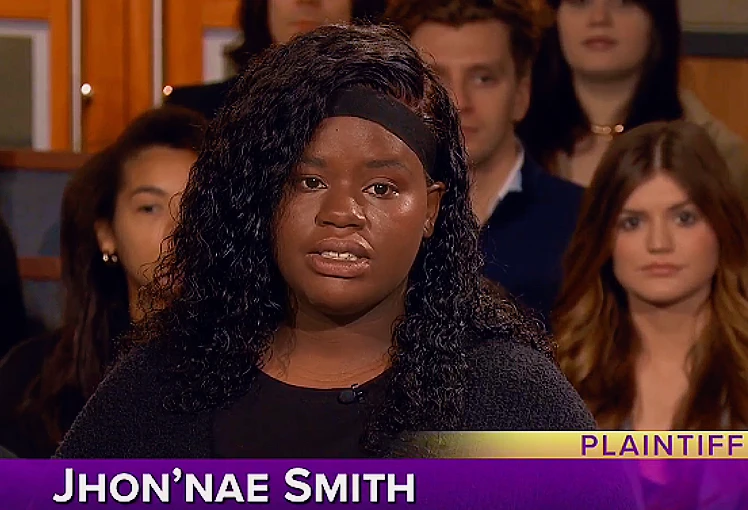
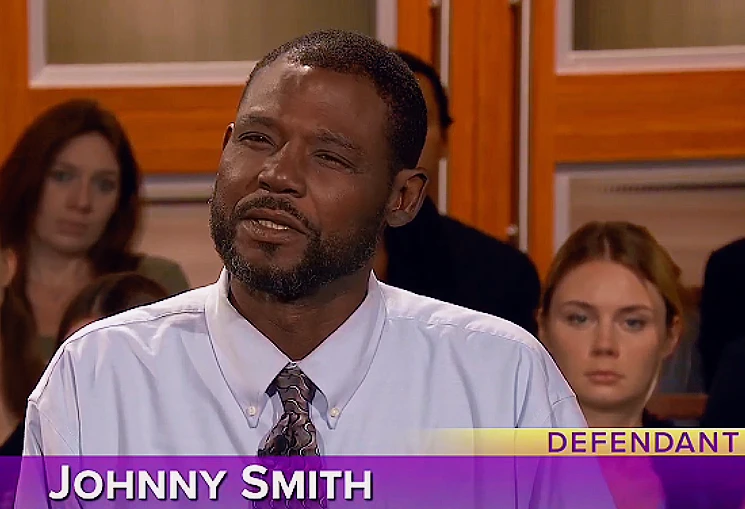
The difficulty began with the timeline. Johnny said he lived in Montgomery County, Ohio, only a few miles from his daughter. He worked as a cook. He also explained that he was staying part-time with his mother and often at a hotel because his own house had caught fire.
Johnny said he had not seen Jhon’nae for approximately six or seven months before the encounter. He remembered meeting her, going with her to a liquor store, and later ending up at her home. He said he drank only a couple of shots and that the small bottle he bought remained unopened in the back seat. But he could not remember where Jhon’nae had picked him up, saying only that it may have been near a bus route or downtown.
Judge Judy pressed him because the event had happened less than a month earlier. His uncertainty became important when compared with Jhon’nae’s account.
The porch messages and the missing police report
Jhon’nae said her father had called her on October 10 and told her he was sitting on the steps outside her home. She said she had phone messages supporting that account. Johnny denied knowing where she lived and said he could not have been sitting on her porch.
Judge Judy then read a message from Jhon’nae’s phone. In it, Johnny appeared to write that if she did not want him to come over, she should not have given him her address. He said he had first planned to take the bus, obtained a ride from a friend, and was sitting on the porch for more than 30 minutes because he could not get inside.
Johnny insisted that the message referred to his son’s porch, not Jhon’nae’s. He also said his phone had broken, leaving him unable to produce his own messages. The transcript records the conflicting explanations but does not independently determine which account was true.
The hearing also included an allegation that Jhon’nae had grabbed Johnny’s shirt and held his throat for approximately ten minutes. Jhon’nae denied assaulting him. Judge Judy repeatedly returned to the need for a police report because the report could have addressed the crash, the vehicle damage, and the alleged physical confrontation.
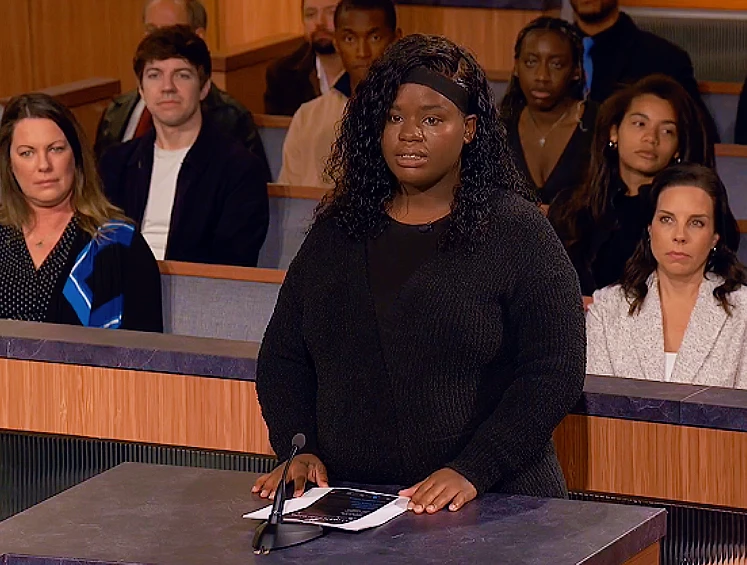
Jhon’nae said she had brought phone records, her vehicle information, a repair estimate, and medical bills. She was still trying to obtain the actual police report from the prosecutor’s office in her town. Johnny said he had a report but did not have it with him. When asked to produce it, he could not do so in court.
Why the second case was dismissed without prejudice
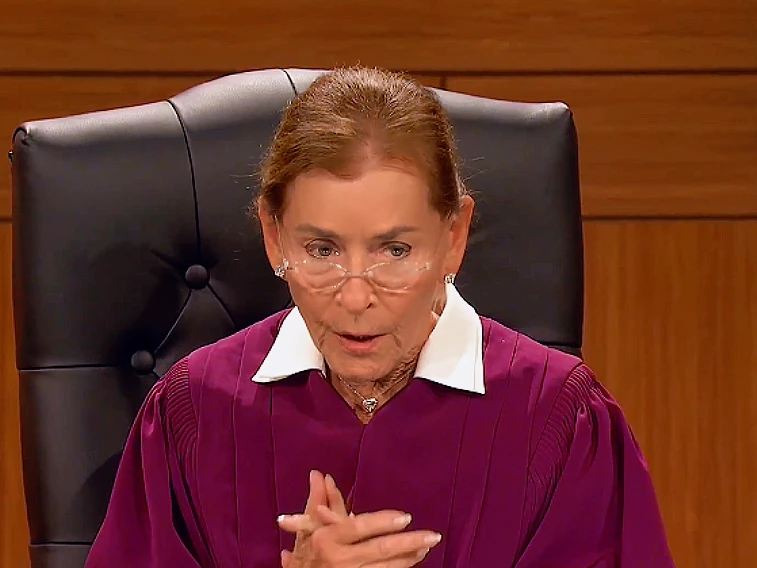
Judge Judy did not issue a final ruling deciding who was responsible for the accident or whether the assault allegation was proven. Instead, she concluded that Jhon’nae was not ready to try the case with the evidence available that day.
The case was dismissed without prejudice. In practical terms, that meant the dismissal was not a permanent decision on the merits and did not prevent Jhon’nae from returning. Judge Judy told her to obtain the necessary evidence and come back to court. The hearing then ended.
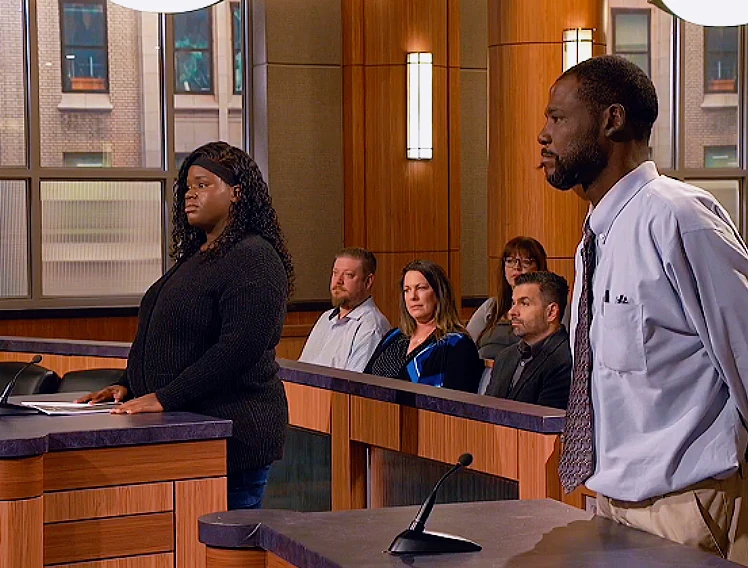
The two cases reached different stopping points for the same fundamental reason: the court needed a clear connection between a claim, the evidence supporting it, and the remedy requested. In the property dispute, Holden’s admissions and Slater’s purchase documentation supported the return of several items. In the second case, conflicting memories and the absence of the police report meant the court could not responsibly move forward on the record presented.
FAQ
What did Shamika Slater sue Allen Holden, Jr. over?
Shamika Slater sued Allen Holden, Jr. over personal property that she said remained at the apartment they had shared. The hearing discussed both the return of the property and the possibility of seeking its value.
Which belongings was Shamika Slater told she could collect?
The final discussion identified the elliptical machine, portable air conditioner, sofa, and kitchen table. Two TV stands were also discussed earlier in the hearing.
When did Shamika Slater say she moved out?
She said the physical separation occurred in March 2023 and described the move as approximately a year and a half before the hearing.
What was Jhon’nae Smith’s claim against Johnny Smith?
Jhon’nae Smith claimed that Johnny Smith took her truck without permission, was involved in an accident, and became responsible for vehicle repairs, medical bills, emotional distress, and an alleged assault.
Why was Jhon’nae Smith’s case dismissed?
Judge Judy dismissed the case without prejudice because the evidence was incomplete, particularly the police report connected to the truck accident and alleged assault.
Was Smith versus Smith permanently dismissed?
No. The dismissal was without prejudice. Jhon’nae was told to gather the evidence and return to court.