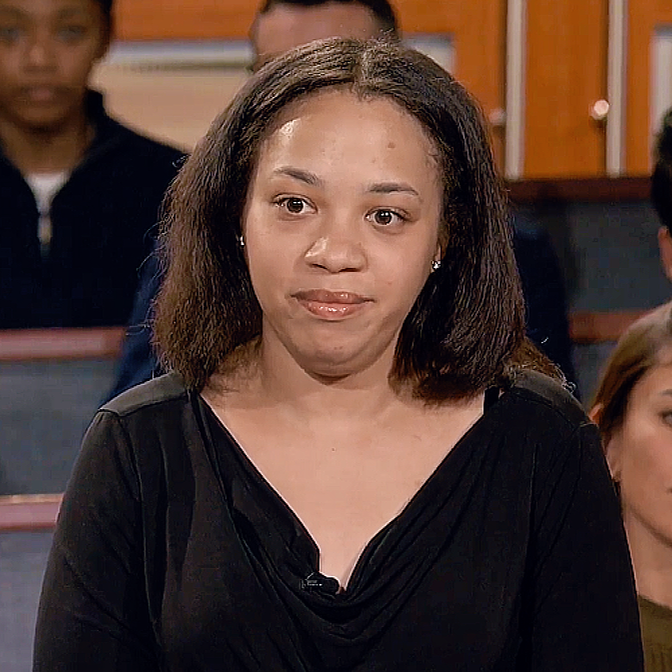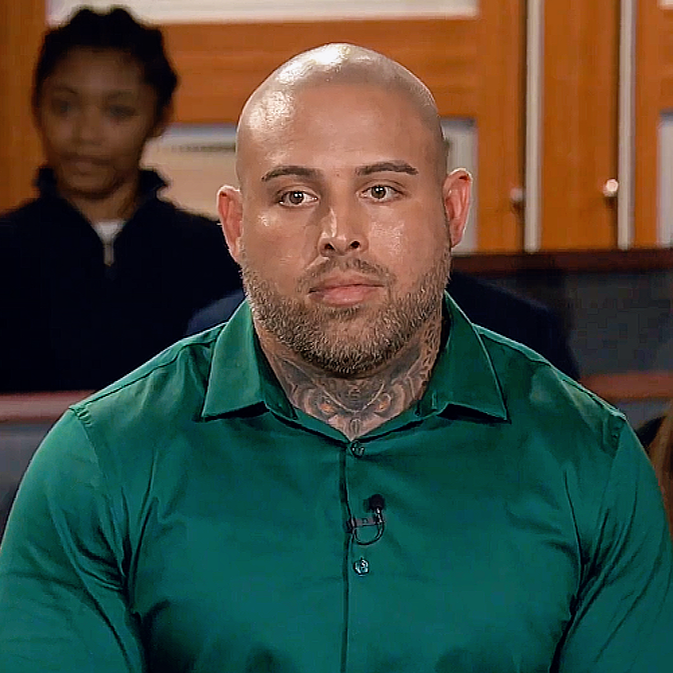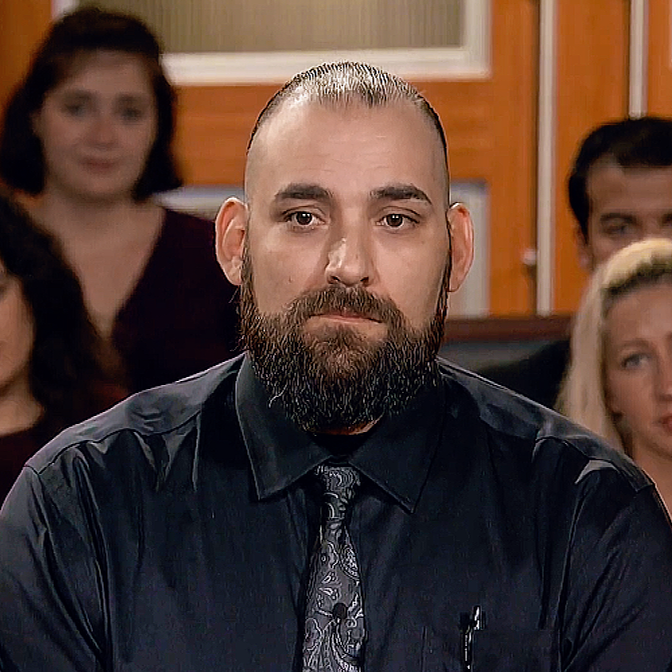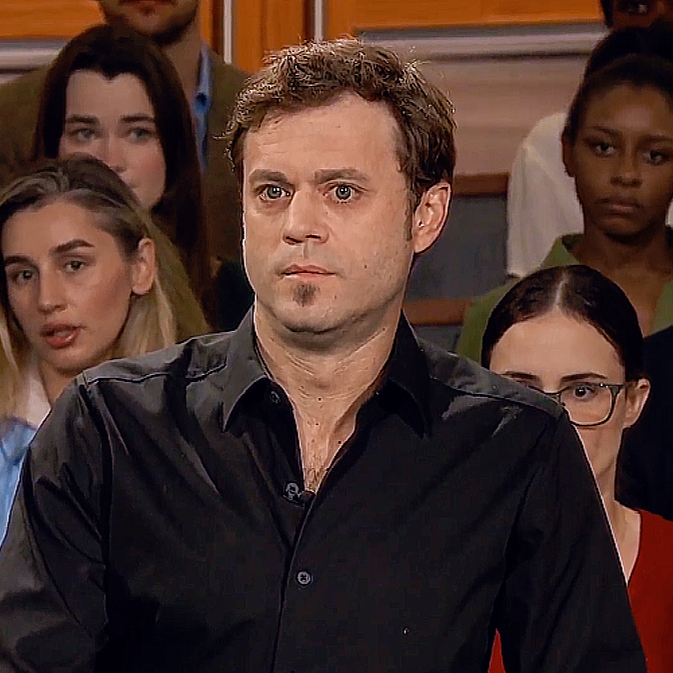
For more than a year, Bryan Kovarick and Jeremy Delbianco did not speak. Then, on August 7, 2024, Jeremy appeared unannounced at Bryan’s home. By the time the former friends faced Judge Judy, the dispute had moved from a failed friendship to a question of what a short surveillance video could actually prove.
A friendship built around dirt bikes
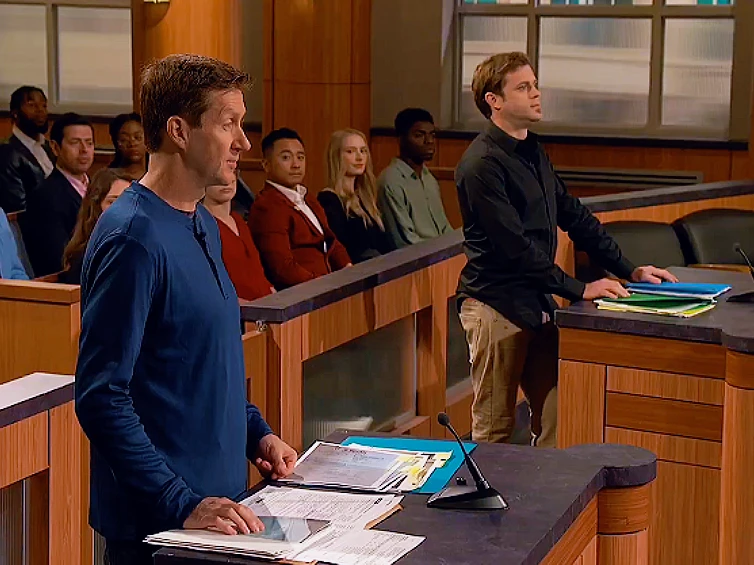
The case of Kovarick v. Delbianco began with a shared interest. Bryan Kovarick and Jeremy Delbianco met through a friend of a friend who belonged to a group of dirt-bike riders. Their connection was built around riding, equipment, and the culture surrounding the sport. In court, however, the same subject that had brought them together became part of a dispute over damaged property.

Bryan sued Jeremy for property damage and lost wages. The central allegations involved two motorcycles, the tires of a truck, and an unannounced visit to Bryan’s home. Jeremy did not deny going to the property. He denied Bryan’s account of what happened there.
The Hawaii trip that ended the friendship
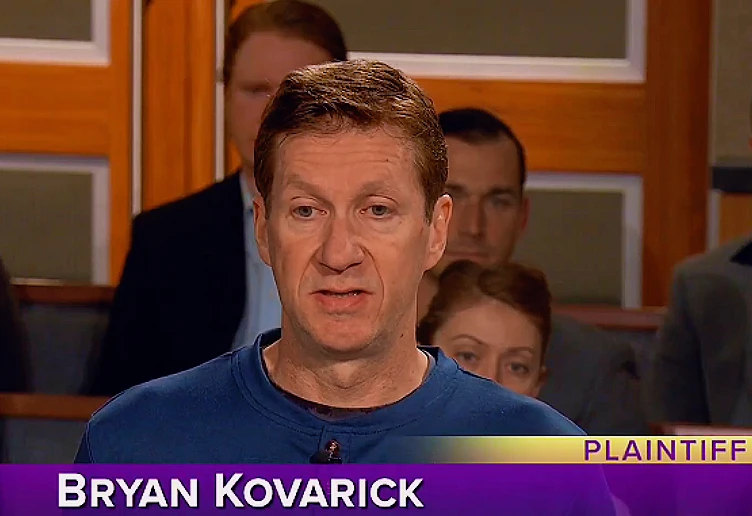
The breakdown began during a trip to Hawaii in September 2023. Bryan and Jeremy traveled together and rented an Airbnb with one bedroom. Bryan took the bedroom, while Jeremy used the sofa in the living room.
According to the testimony, Jeremy eventually objected to that arrangement. The two men had paid roughly the same amount for the trip, he said, and he believed he should have the bedroom for at least part of their stay. What began as an argument over sleeping arrangements became a falling-out. Bryan left the Airbnb, leaving Jeremy there.
Afterward, the former friends had no contact for more than a year. Their next encounter was on August 7, 2024, when Jeremy went to Bryan’s home without announcing his arrival. That visit became the event at the center of the lawsuit.
Bryan’s account of the August 7 visit
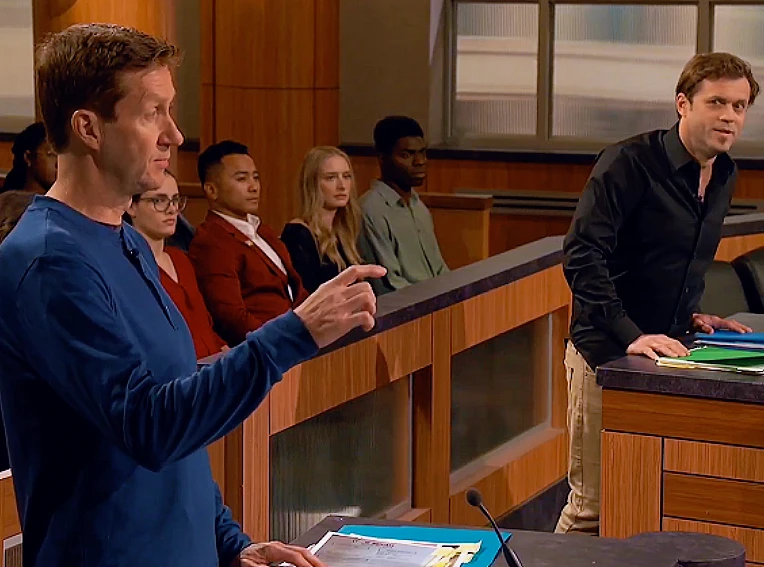
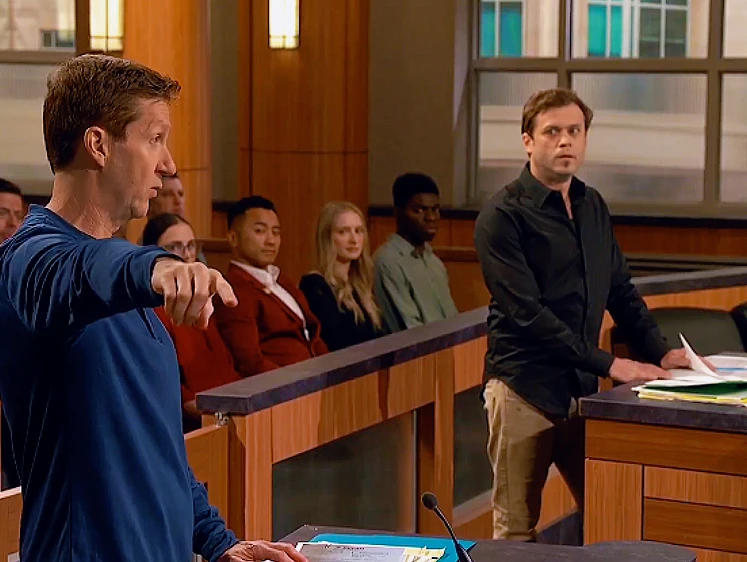
Bryan told the court that he saw Jeremy outside carrying a spray-paint can and a folding knife. He described the blade as approximately six inches long. Bryan said he had installed surveillance cameras and had captured Jeremy knocking over his motorcycles.
Bryan also explained where he had been when he observed the visitor. He lived on the second story at the back of the house and said he could see the street clearly. From the side, he said, he saw the same person later shown in the footage, wearing the same clothes and carrying spray paint and a blade. Bryan testified that the person then ran downhill away from the house.
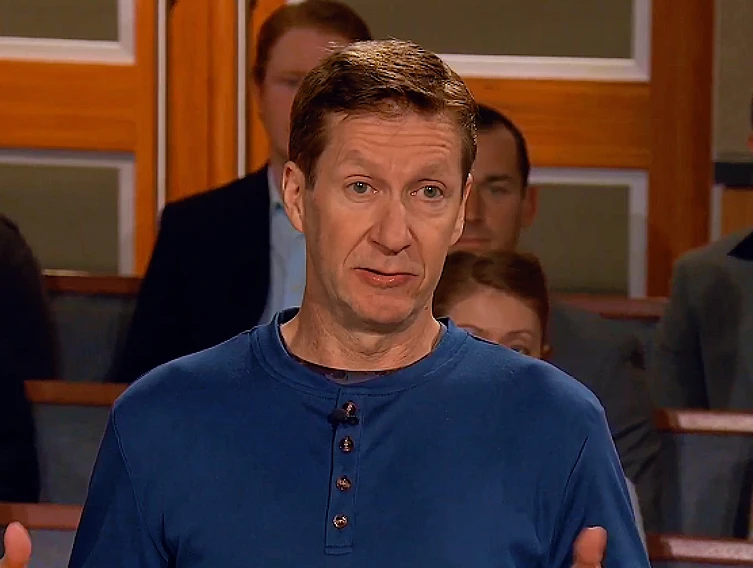
The allegations extended to Bryan’s truck. He said the two right-side tires had been slashed. In Bryan’s view, the truck damage occurred during the same episode as the motorcycles being tipped over. But that point required a distinction: the courtroom video showed one act directly, while the tire allegation was not captured with the same clarity.
Judge Judy repeatedly asked Bryan to separate what he had seen in real time from what he knew after watching the recording. That difference—between direct observation, video evidence, and later conclusion—became one of the defining issues in the hearing.
Jeremy’s explanation and the surveillance footage
Jeremy’s stated reason for visiting the property was equipment. He said he went to look for dirt-bike tie-down straps that he believed were at Bryan’s home. He explained that the straps secure a dirt bike to a vehicle or truck during transport.
His explanation became difficult to follow when the judge examined the timeline of his own motorcycle. Jeremy first said the bike had been out of commission since a serious accident in May 2024. Before that, he said, he had repaired it himself in March after breaking its levers in January. He also said the motorcycle remained unusable through December 2024.

At the same time, Jeremy explained that he had been invited to go dirt-bike riding with a friend on August 7. He said he intended to prepare for the ride and needed the straps. Judge Judy asked how that plan made sense if the motorcycle had not worked since May. Jeremy answered that the bike needed a clutch and that he planned to have it repaired.
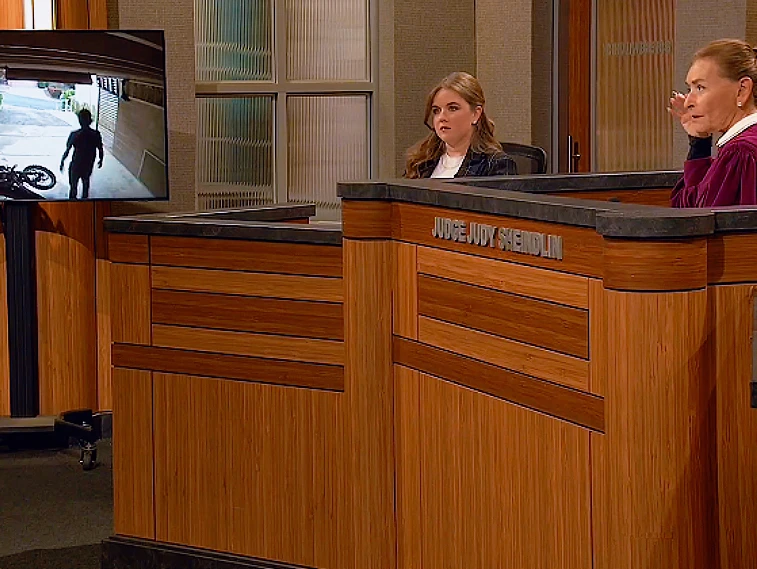
The surveillance footage then became the courtroom’s clearest point of reference. It showed Jeremy in the carport area and showed a motorcycle being knocked over. Jeremy said he had leaned the bike over to see whether the strap was underneath it. Judge Judy watched the footage again and rejected that description, saying the motorcycle had been thrown over rather than gently leaned.
The video did not establish every allegation in the same way. Judge Judy noted that she did not see Jeremy slashing the truck tires. What the recording did show was the act involving the motorcycle. That visible evidence stood apart from the parts of Bryan’s account that depended on identification, timing, or inference.
The police report question and the $900 demand
The hearing next turned to documentation. Bryan did not initially have a police report. He said he had not filed one because his insurance company told him it was unnecessary, explaining that he carried basic liability coverage.
Judge Judy questioned why Bryan had not created a formal record of the alleged vandalism. Bryan later said he had filed an online police incident report and had correspondence with a detective. He searched for the material in court and found communication that appeared to begin on August 20.
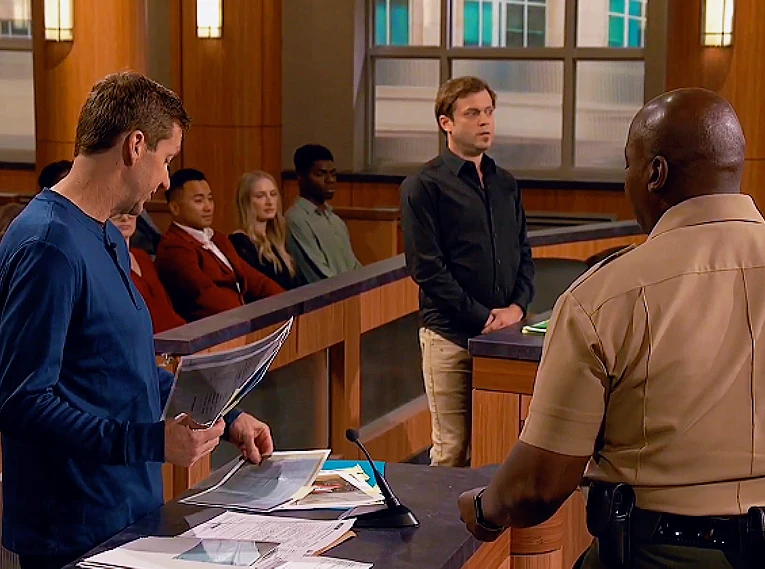
The financial evidence raised another issue. Bryan referred to an alleged repair bill or estimate of $2,685 dated August 10. Yet on August 15, he sent Jeremy a message demanding $900. The message said that Jeremy should pay $900 for the damage or Bryan would show the video to police and Jeremy would go to jail. Bryan confirmed that wording.
Jeremy called the message a bribe, but Judge Judy focused on the changing figures. Why demand $900 only five days after receiving an alleged $2,685 estimate? Bryan answered that he did not yet know the full extent of the motorcycle damage when he sent the message.
Judge Judy then posed a hypothetical. If Jeremy had admitted responsibility, said he had been drunk or high, and offered Bryan $900, would Bryan have accepted the money? Bryan said he would have. Judge Judy’s response was direct: that was the amount Bryan would take now.
The judgment
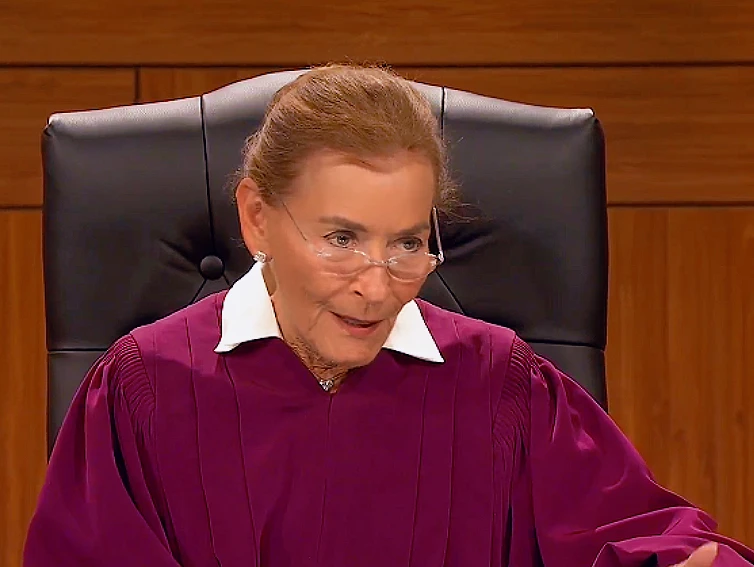
Judge Judy entered judgment for the plaintiff in the amount of $900. The transcript does not state that the court awarded the entire amount Bryan claimed for every item, nor does it assign a separate figure to lost wages. It records a total judgment of $900, followed by the adjournment of the case.
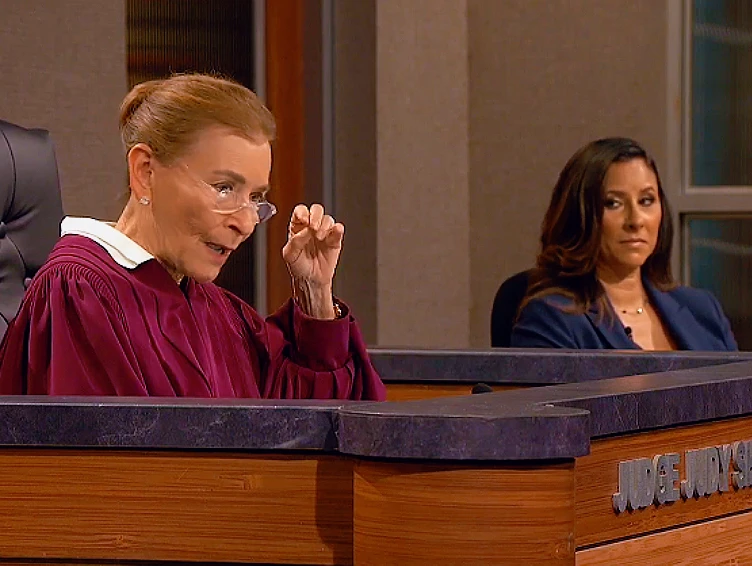
Afterward, Bryan said he did not believe the result was just, although he accepted Judge Judy’s decision. He said the property damage totaled about $6,000, meaning the award represented roughly one-sixth of that amount. Jeremy also said he felt justice had not been done and warned viewers against becoming involved with people they could not trust.

The closing discussion returned to surveillance cameras. The point was not that cameras answer every question, but that they can provide tangible evidence where accounts conflict. In this case, the footage clearly documented a motorcycle being knocked over. It did not show the truck tires being slashed with the same certainty. That boundary mattered.
The case therefore ended with a limited but definite result. A disagreement over a bedroom in a Hawaii Airbnb led to a year of silence. An unexpected visit brought the former friends back into conflict. A disputed explanation, a surveillance video, a missing initial police report, and a $900 message followed them into court. Judge Judy ultimately awarded $900—not because every allegation was shown on camera, but because the evidence before her supported a judgment at that amount.
FAQ
Who sued whom in Kovarick v. Delbianco?
Bryan Kovarick sued his former friend, Jeremy Delbianco, for property damage and lost wages in a case presented on Judy Justice.
What happened on August 7, 2024?
Bryan said Jeremy came unannounced to his home, knocked over motorcycles, and slashed two right-side tires on a truck. Jeremy acknowledged visiting the property but denied damaging Bryan’s belongings. The footage shown in court visibly depicted a motorcycle being knocked over; the tire slashing was not shown with the same clarity.
Why did Jeremy say he went to Bryan’s home?
Jeremy said he went to look for dirt-bike tie-down straps. He described them as straps used to secure a motorcycle to a truck or vehicle during transport.
How much did Judge Judy award Bryan Kovarick?
Judge Judy entered judgment for Bryan in the amount of $900.
Why did the August 15 message matter?
Bryan’s message demanded $900 and threatened to show the video to police if Jeremy did not pay. The demand was questioned because Bryan had also referred to an alleged $2,685 estimate dated August 10.
Did Bryan receive the full amount he said the damage was worth?
No. After the ruling, Bryan said he believed the total property damage was approximately $6,000. The judgment recorded in the transcript was $900.