At 8:05 a.m. on September 5, a yellow traffic light became the dividing line between two versions of a Tulsa crash. Kaleigh Voss said she had begun a lawful left turn and was struck so hard that her car spun 180 degrees. Jordin Gladden acknowledged that she was rushing to get her daughter to school. In court, a dashcam recording became the central evidence in their competing claims. Later, a separate family dispute over a Caribbean cruise came down to a single refund: $801.96.
The First Case : The Tulsa Collision Begins With Two Conflicting Accounts
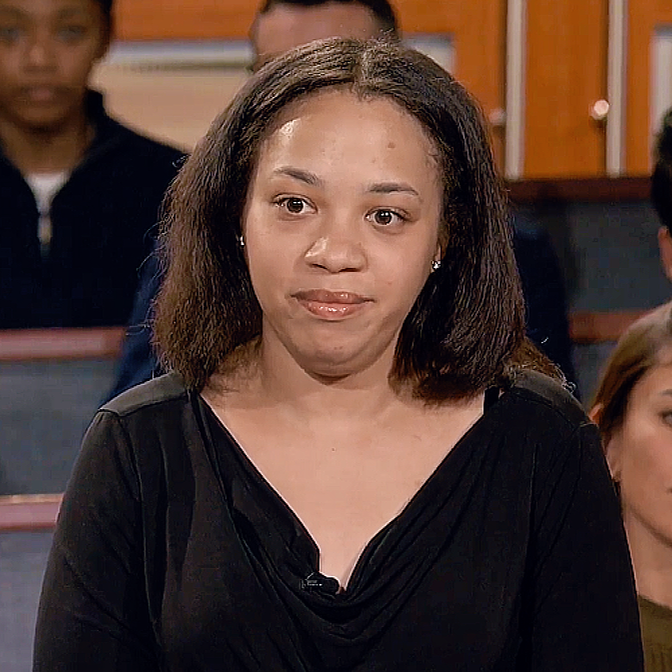
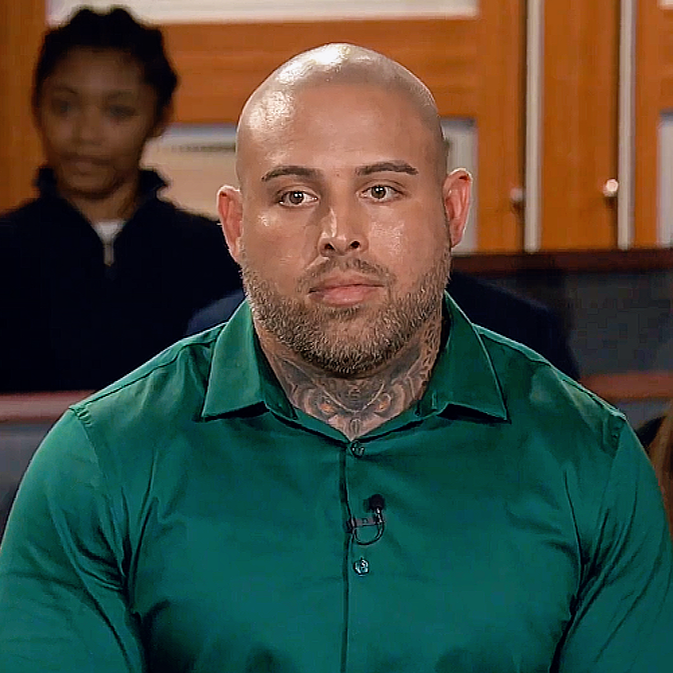
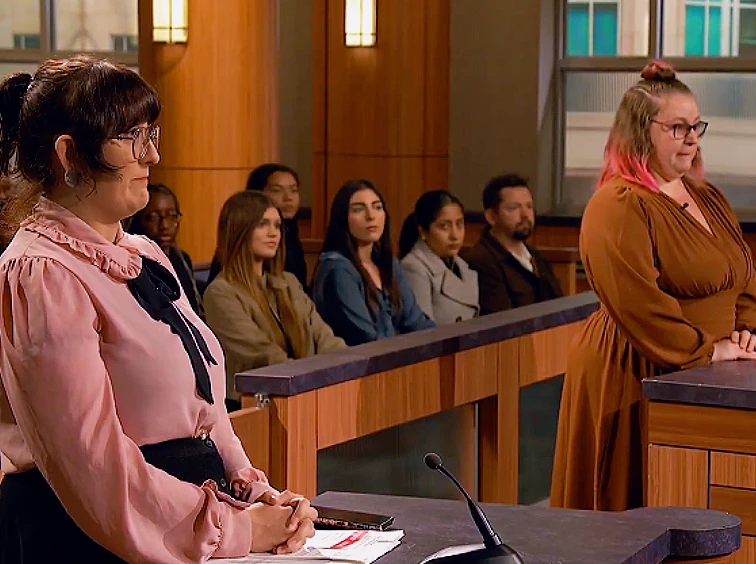
The first case was Voss v. Gladden, identified in court as Case 4082. Kaleigh Voss sued fellow motorist Jordin Gladden over a collision at the intersection of 31st Street and Yale Avenue. Gladden also countersued for the damage to her own vehicle, turning a traffic accident into a dispute over fault, insurance, medical complaints, and who should absorb the financial consequences. Voss said the crash happened on September 5 at approximately 8:05 a.m., while she was driving to work.
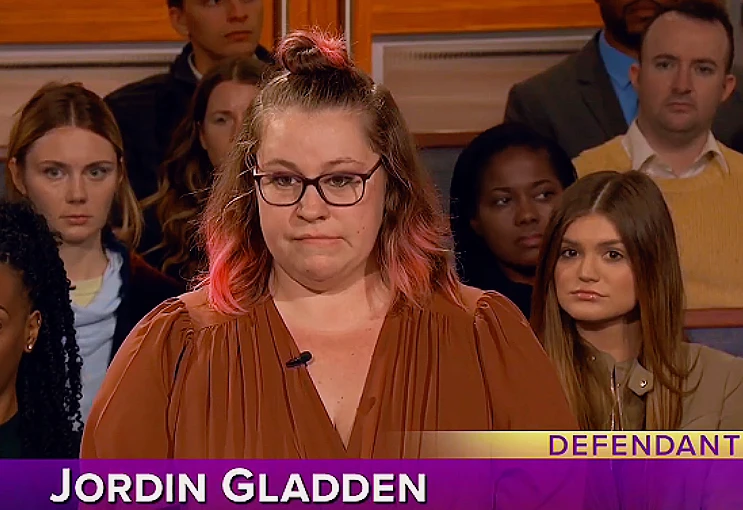
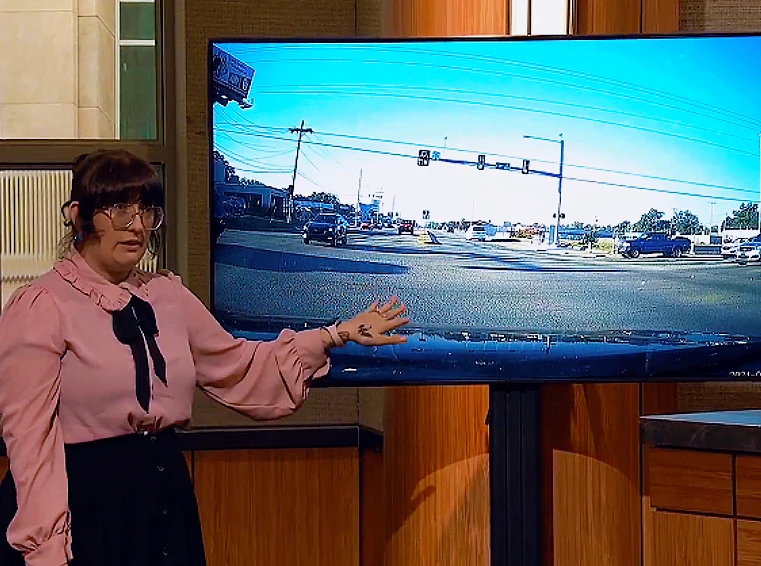
Voss brought more than a memory of the incident. She had dashcam footage from her vehicle and used it to show the court how the cars approached the intersection. According to her account, she was in a left-turn lane and had moved slightly beyond the line while the traffic signal was green. When the light turned yellow, she waited briefly because traffic was not moving. She then began her left turn.
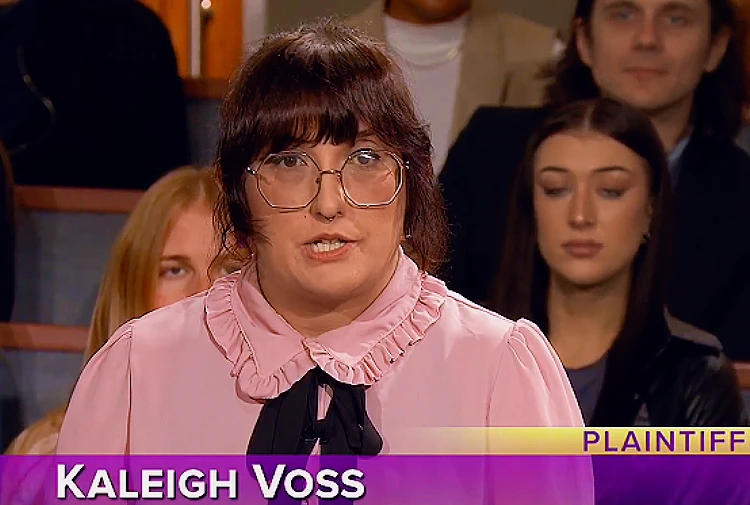
The collision happened in the middle of the intersection. Voss described the impact as forceful enough to turn her vehicle 180 degrees. She said Gladden had been traveling in the far lane, behind a silver car that was slowing as the signal changed. Voss’s position was that Gladden moved around that vehicle and continued through the changing light before striking her.
Gladden did not dispute every part of the sequence. She disputed what the dashcam could prove. Her point was that Voss’s camera did not show Gladden’s traffic signal, meaning the recording could not independently display the light from Gladden’s perspective.
The Dashcam Changes the Direction of the Case
The key question was not simply whether Gladden had entered the intersection while the light was yellow. It was whether she had accelerated around a vehicle that was already slowing to stop.
Gladden told the court that she had sped up to catch the yellow light because she was hurrying her daughter to school. When asked directly whether she had gone around a car that was slowing down, she initially argued that the other vehicle had not stopped yet. The exchange became more precise as Judge Judy returned to the video.
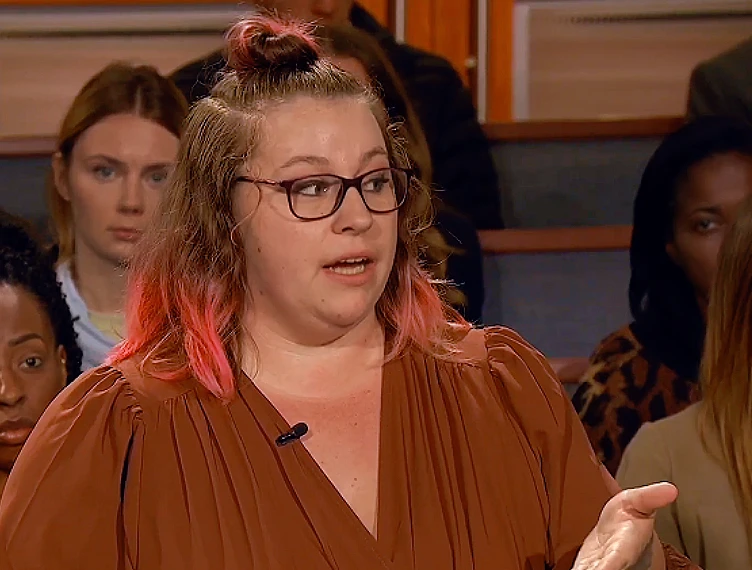
On the replay, the car ahead was slowing while the light was yellow. Gladden acknowledged that she had moved around it. Judge Judy treated that sequence as decisive: Gladden had accelerated instead of stopping, and the responsibility for the collision rested with her. The ruling did not depend on the camera showing Gladden’s own signal; it depended on what the footage showed her doing as the light changed.
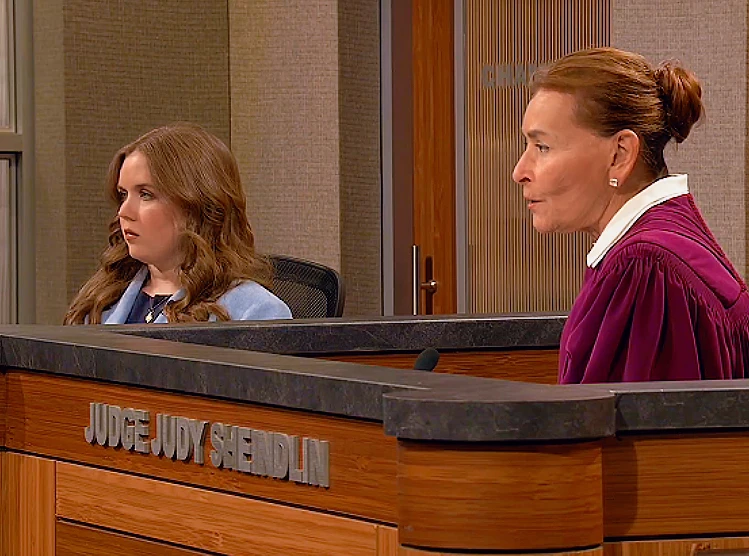
Gladden referred to an insurance determination saying the accident was not her fault and to a police report that assigned fault to Voss. But the court distinguished between paperwork created by others and the evidence directly shown in the recording. The insurance company had not witnessed the crash. The police had attended the scene, but Voss had not yet submitted the dashcam video when the report was written. She later uploaded the recording through a link sent by the police to her husband’s email address.
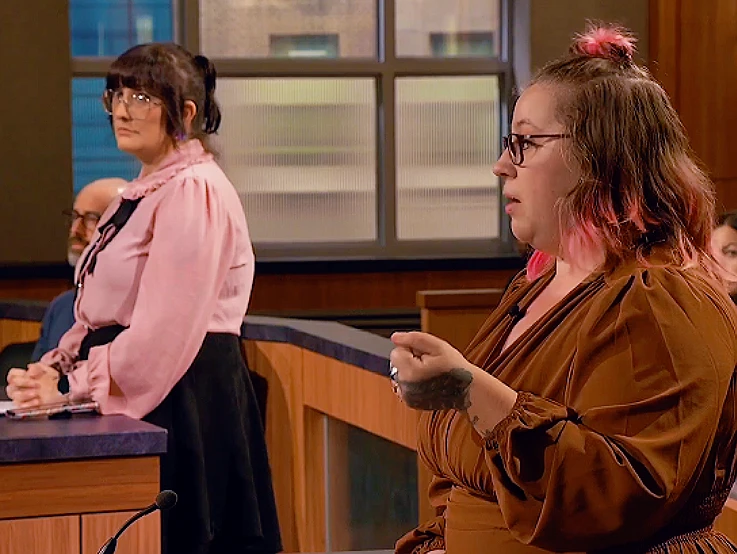
The Insurance Lapse Becomes Impossible to Ignore
The case took a sharper turn when Voss said she had tried to make a claim against Gladden’s insurance, only to learn that the policy had lapsed. Gladden confirmed that the insurance had ended two days earlier and said it was reinstated on the day of the accident. She also said she had been driving without insurance for three days.
That admission became significant because it placed the crash in a wider context. Gladden had been rushing to get her daughter to school, but the court treated the decision to accelerate toward a yellow light—and to drive without active insurance—as choices with foreseeable consequences. Judge Judy warned that an uninsured driver could expose other people to serious financial danger if a major accident caused severe injury or death.
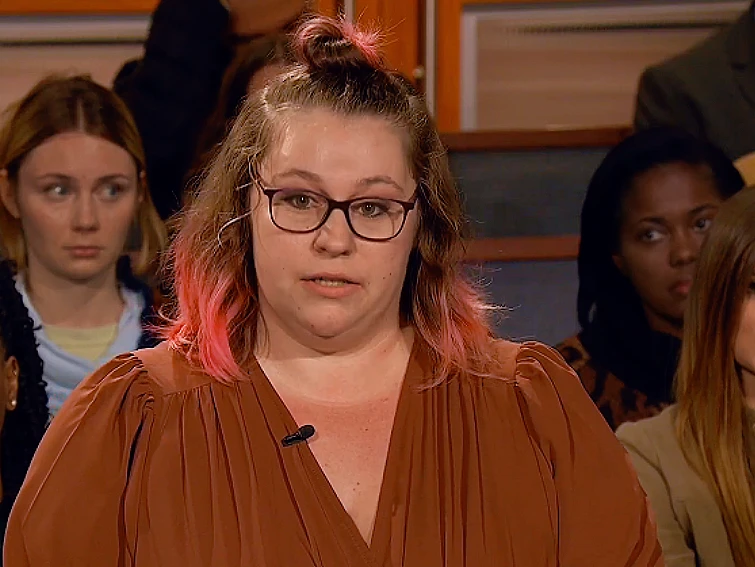
The transcript does not establish that anyone was killed or that either driver suffered a permanent injury. It does record Voss’s account that she went to the Tulsa Accident Center, received medication for muscle relaxation and inflammation, and was told that an MRI showed inflammation but nothing else abnormal. Voss said she missed two full days of work and four half days, and explained that she was an hourly employee who was not paid for the missed time.
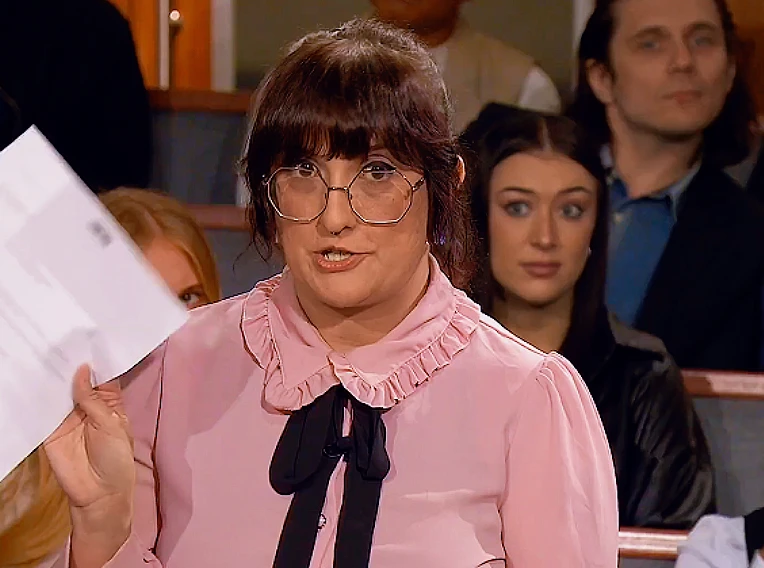
Kaleigh Voss Receives a Limited Award
Although Voss described damage to a 2023 Hyundai Kona that was eventually totaled, the court examined what losses remained unpaid. She said the vehicle represented approximately $23,000 in damage, but her insurance company had compensated her for the vehicle itself. Gap insurance also paid off the remaining loan balance, which she estimated at about $2,000.
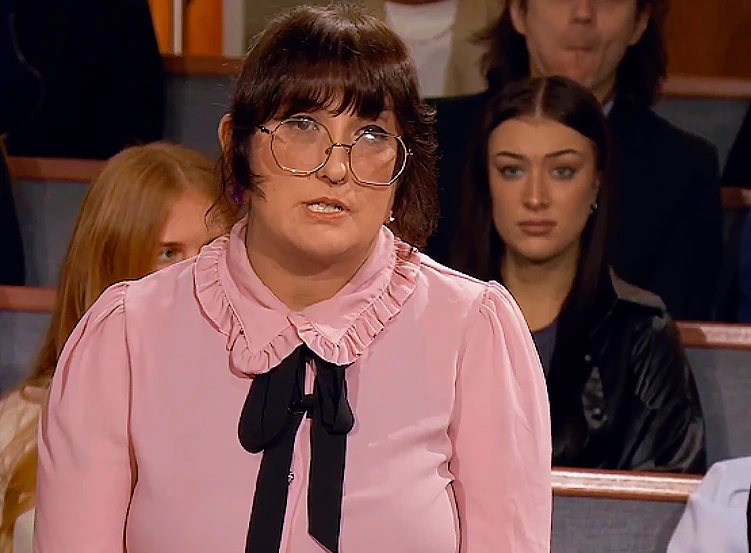
Her remaining claim focused on the $500 deductible, along with tag, title, and tax costs connected to replacing the vehicle, as well as lost wages. The court did not award the full $5,000 requested. Instead, Judge Judy entered judgment for Voss in the amount of her deductible: $500. The transcript does not record an award to Gladden on her countersuit. After the ruling, Voss remained visibly upset, saying her family had been affected while Gladden did not appear injured.
Voss later said she still felt anxiety while driving and believed Gladden had effectively run the red light. Her advice was direct: drivers should use a dashcam and should not drive without car insurance.
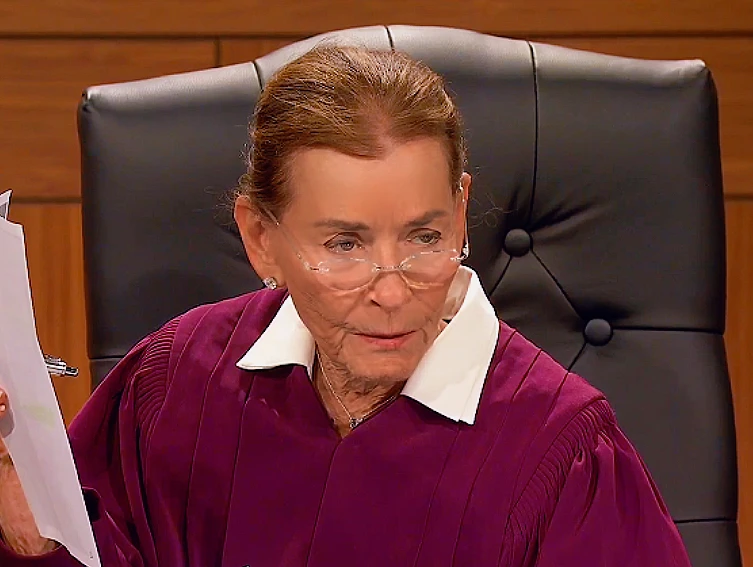
The second Case : A Cruise Invitation Turns Into a Family Lawsuit
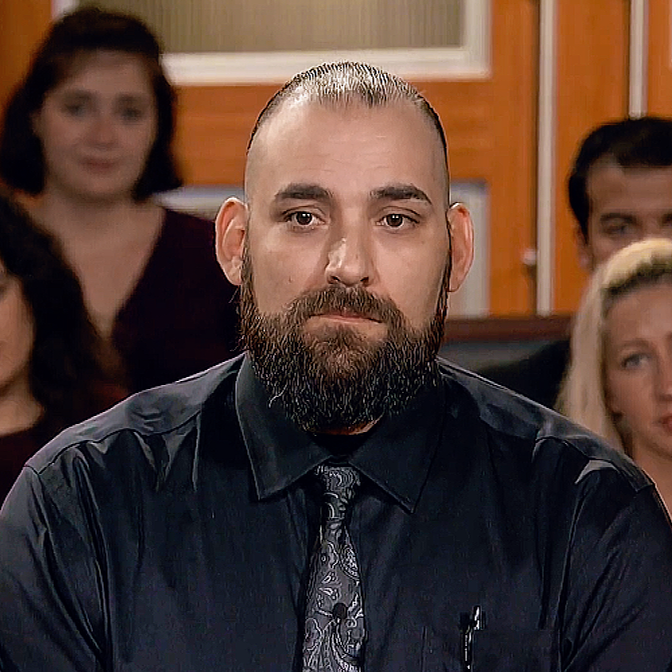
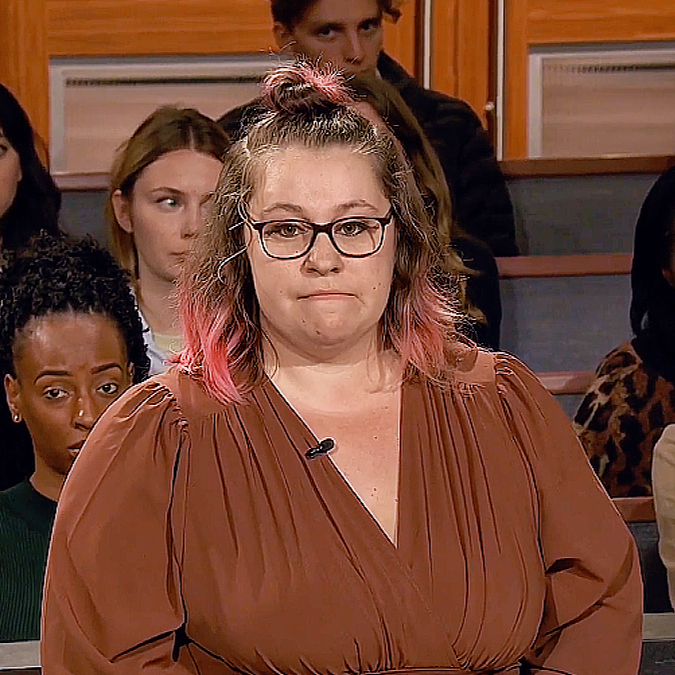
The second dispute, McCoy v. McCaslen, involved Chera McCoy and her sister-in-law, Tonya McCaslen. Unlike the first case, the conflict did not begin on a roadway. It began with a cruise prize and an agreement between relatives.
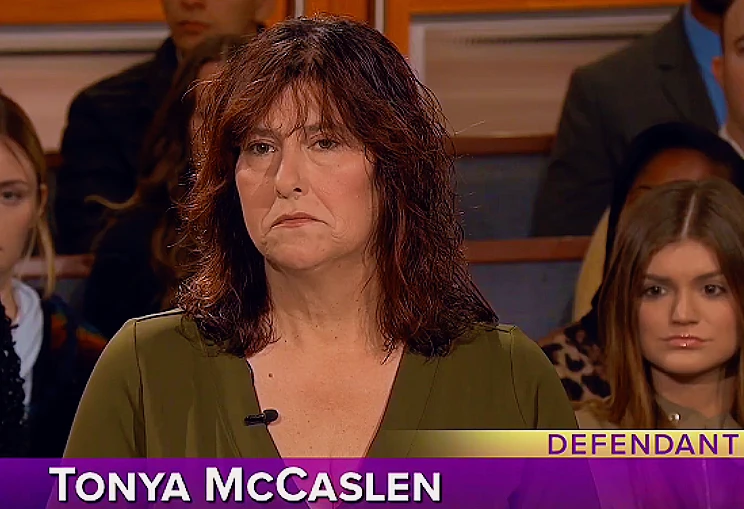
Tonya had won a Caribbean cruise while in Missouri and invited Chera to join her. The two agreed that some expenses were included in the winnings, while each person would pay her own share of costs that were not covered. Chera said she paid a total of $1,392 toward the trip. The cruise was scheduled for August 11 through August 18.
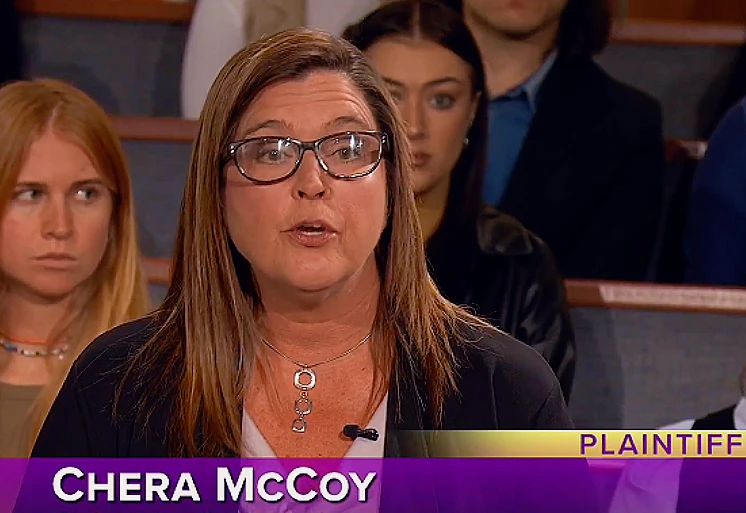
Chera later decided not to go and claimed Tonya had received a refund connected to her share of the expenses. She sought the money back. Tonya denied receiving Chera’s portion and said she had instead gone on the cruise with her boyfriend at the time.
The dispute became a question of documentation. Chera said she had two emails from the cruise line. Those records stated that the cruise company had refunded taxes and gratuities in the amount of $801.96, credited to a MasterCard ending in 0207. The court treated the correspondence as evidence that the refund was associated with Chera’s share, even though Tonya’s account was the one credited.
The $801.96 Refund and the Dismissed Counterclaim
Tonya attempted to explain the payment as a refund for airfare that had allegedly been charged twice. Judge Judy repeatedly separated that issue from the refund described in the cruise-line correspondence. The documents presented in court referred to taxes and gratuities; they did not, as shown in the transcript, establish that the $801.96 payment was for double-billed airfare.
Tonya also cited a cancellation policy that she said required a traveler who canceled within 60 days to lose the money. The court rejected that explanation as a reason to keep funds identified as belonging to Chera. Judge Judy directed Tonya to address the airline separately if she believed she had been overcharged, but held that the cruise-line refund was Chera’s money.
Tonya countersued for harassment and what she described as a medically induced seizure. She said Chera had approached her at a bar on July 24, yelled at her, threatened to beat her, and that she went to the hospital two days later. However, Tonya did not have a hospital report to support the counterclaim. The court dismissed it and entered judgment for Chera in the amount of $801.96.
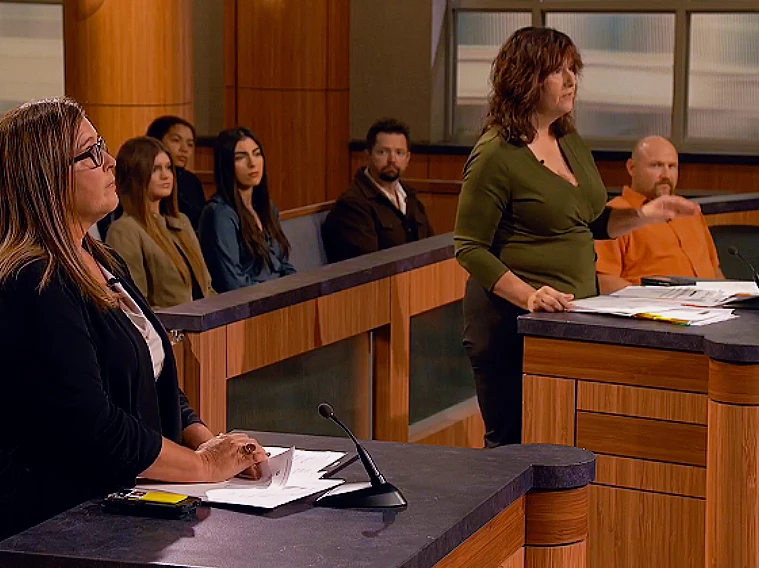
Afterward, Tonya said she had PTSD, had lost her husband, and experienced severe seizures. Chera said she believed the family relationship had ended, possibly in connection with Tonya’s former boyfriend. The transcript records these statements as the parties’ post-ruling accounts, not as findings independently established by the court.
What the Episode Ultimately Shows
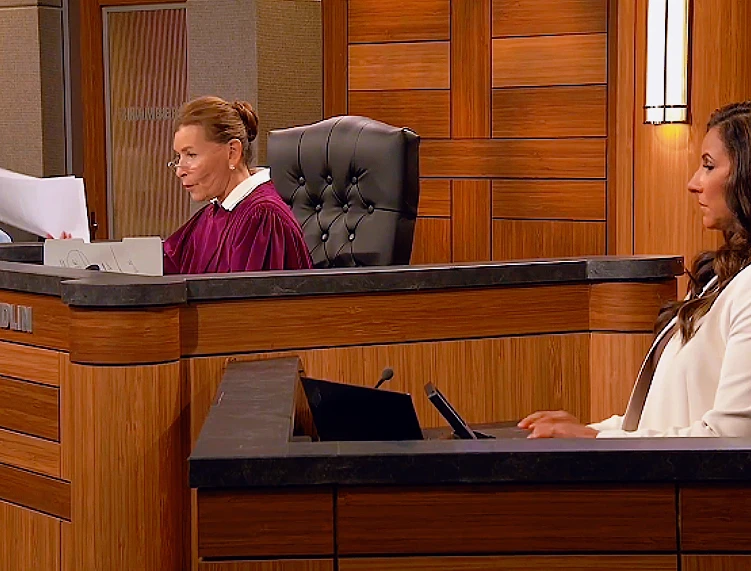
The two cases are different, but they turn on the same courtroom principle: specific evidence matters more than a persuasive explanation. In the Tulsa crash, the dashcam narrowed the dispute to what happened when the light turned yellow, even though it did not show every driver’s signal. In the cruise case, written correspondence narrowed the dispute to what the $801.96 refund was actually for.
Neither case was presented as a criminal prosecution. They were civil disputes involving property, reimbursement, injury-related losses, and a family counterclaim. The emotional aftermath was real, but the rulings rested on the evidence available in court. In both matters, the judge awarded less than the broader stories initially demanded: $500 in the traffic case and $801.96 in the cruise dispute.
FAQ
What happened in Kaleigh Voss v. Jordin Gladden?
Kaleigh Voss sued Jordin Gladden after a September 5 collision at 31st Street and Yale Avenue in Tulsa, Oklahoma. A dashcam recording showed Gladden accelerating around a slowing vehicle while the traffic light was yellow. The court found Gladden responsible and awarded Voss $500 for her deductible.
Why was the dashcam important?
The dashcam did not show Gladden’s own signal, but it showed the traffic pattern, the slowing vehicle, the yellow light, and Gladden moving around the vehicle before the collision. The recording helped the court evaluate the sequence of events directly.
Was Jordin Gladden insured at the time of the crash?
According to the transcript, Gladden said her insurance had lapsed two days before the accident and that she had driven without insurance for three days. She said the policy was reinstated on the day of the collision.
How much did Chera McCoy win in the cruise dispute?
Chera McCoy received a judgment of $801.96, the amount the court identified as a cruise-line refund for her taxes and gratuities that had been credited to Tonya McCaslen’s MasterCard.
Why was Tonya McCaslen’s counterclaim dismissed?
Tonya alleged harassment and a medically induced seizure after a July 24 confrontation, but she did not present a hospital report. The court dismissed the counterclaim and ruled for Chera on the refund claim.