
As Mary Smith was leaving for work one morning, she said she saw Rose Delarosa cutting the cord of a lamp. Rose insisted the lamp was hers. Sarah Lesoine said it belonged to her. That single disputed object became the clearest piece of testimony in a case that also involved unpaid rent, a contested eviction, a damaged vacuum, a 25-year cow collection, car tires, a motorcycle and plants allegedly torn apart.
The deeper story was not simply what happened inside one Myrtle Beach house. It was how a deteriorating roommate relationship reached court with two people carrying serious accusations—and too little proof to support most of them.
The Roommate Arrangement in Myrtle Beach
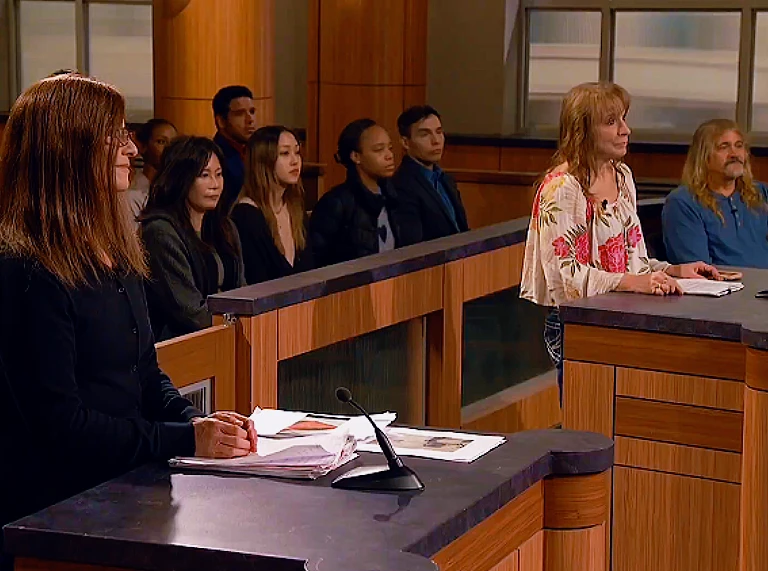
Sarah Lesoine appeared before Judge Judy as the primary lease-holder of a three-bedroom house in Myrtle Beach, South Carolina. She said she had held the lease for almost two years and had permission from the property owner to rent rooms. Sarah occupied one room and rented another to Rose Delarosa.
The testimony placed Rose’s move-in around July 2023, with the room rental beginning on August 1. The monthly rent was $525. The parties also discussed a $750 security deposit, but Sarah said that money was held by the homeowner rather than by her.
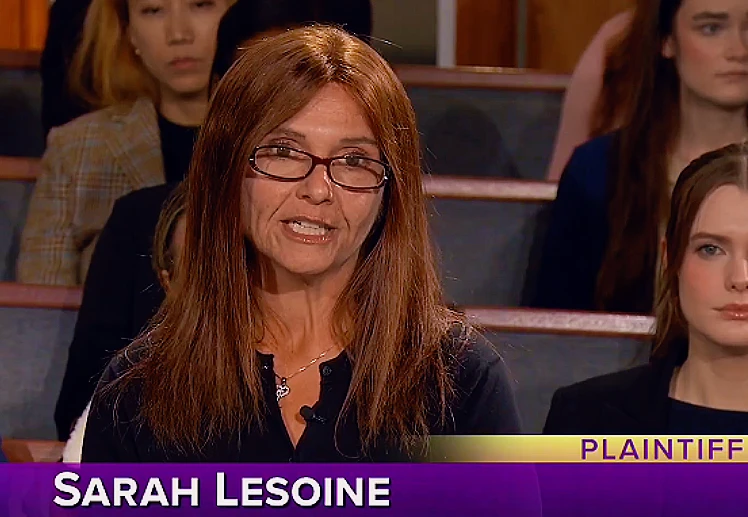
Their arrangement was largely informal. Rose usually paid in cash. Sarah said she would then write a check to the landlord, but she did not give Rose receipts. That system worked until the two women began disagreeing about whether rent had been paid and whether the deposit could be used in place of the final month.
At first, the arrangement was workable. Sarah described the months from August through the following spring as generally acceptable, though not free of tension. Rose testified that she worked at a T-shirt business and received SSI and SSDI totaling $974. In April, she lost her job.

When the Household Began to Break Down
Sarah said the months from April through July changed the atmosphere in the house. She described increasing disorder, fighting and discomfort. Rose’s job loss meant that, according to Sarah, money stopped coming in. Sarah claimed Rose failed to pay rent for June and July.
Rose disputed that version. Later in the hearing, she said she had not paid the last month’s rent because she allowed the security deposit to remain in place instead. The transcript does not establish a documented agreement resolving that dispute, and no receipts were produced.
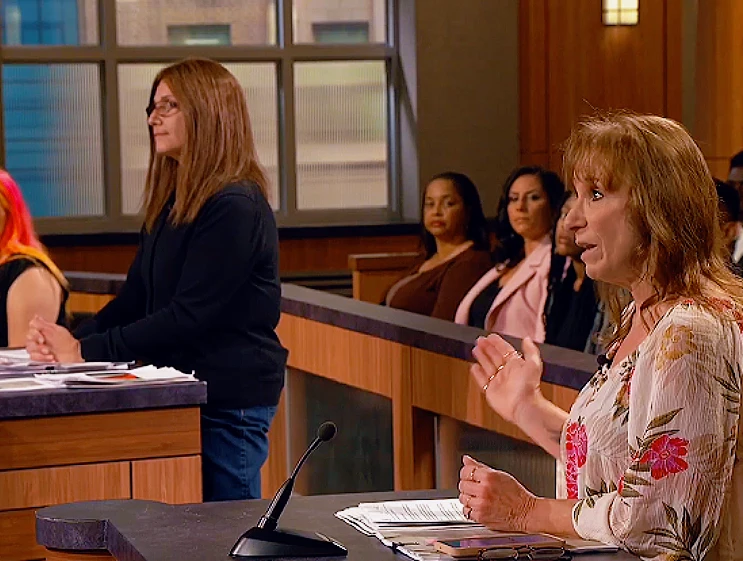
In May, Sarah told Rose that the situation had become too difficult and that she wanted her to leave. Rose’s account of the timing was different. She said she understood that she was told to leave in August, while Sarah said she began trying to remove her earlier. The disagreement over dates became important because the hearing involved several references to April, May, June 30, July 23 and August 4.
The emotional pressure was matched by practical obstacles. Rose said she searched for another home but could not find a landlord willing to accept her Section 8 voucher. She also had a dog. After leaving Sarah’s house, she said she was sleeping on a couch at her grandchildren’s home.
The Notice, the Move-Out and the Rent Dispute
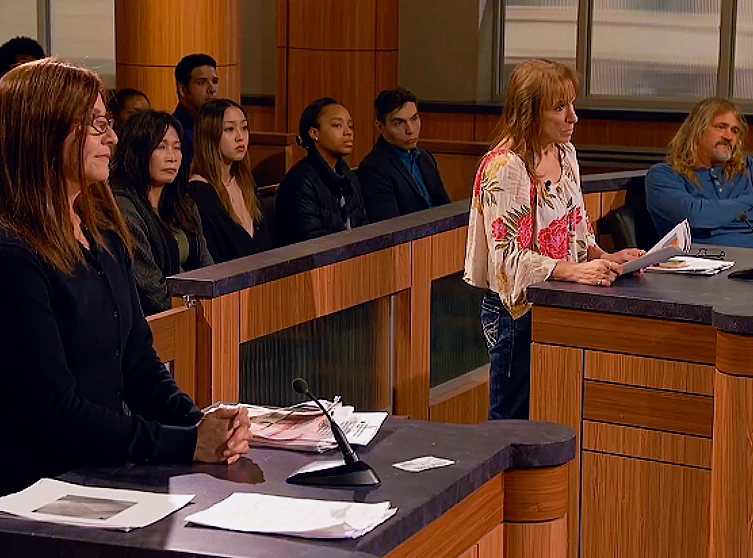
The lease issue was complicated from the beginning. Rose was listed as someone permitted to live in the house, but she had not signed the lease between Sarah and the property owner. Sarah acknowledged that no separate written lease existed between her and Rose. Judge Judy characterized their arrangement as a verbal agreement and questioned whether Sarah, who was not the owner, had the authority to evict Rose directly.
Sarah said she served Rose with court papers on June 30, with a witness present. During the hearing, one document appeared to show July 23 as the only visible date, but the Notice of Tenancy that Judge Judy examined was dated June 30. The judge confirmed that Rose received that notice on June 30.
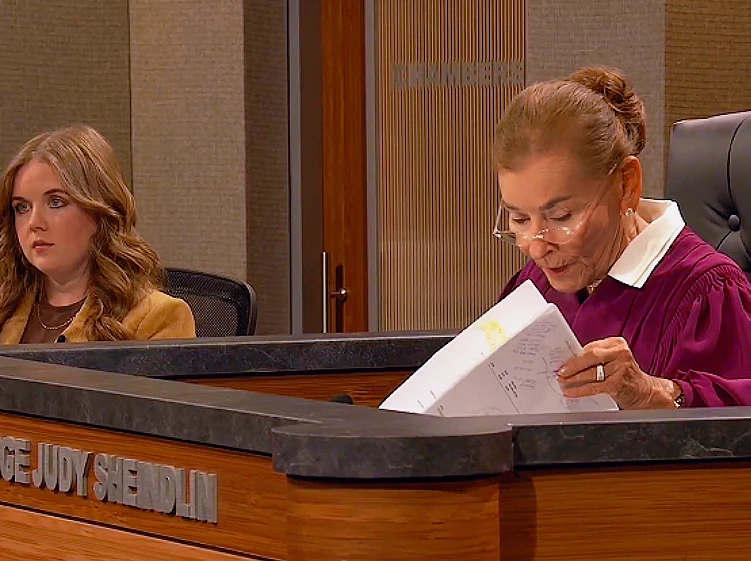
Rose ultimately left at approximately 1:00 a.m. on August 4. Sarah said she had not expected Rose to remain until then. She also said that another tenant, Jason, moved into the room around the end of August or the beginning of September.
Sarah’s main financial claim concerned two months of rent and utilities. Rose maintained that the security deposit addressed at least part of the final rent issue. Because the SRT does not provide a clear final monetary ruling on the rent claim, the outcome should not be overstated. The clearest ruling in the transcript concerned property damage.
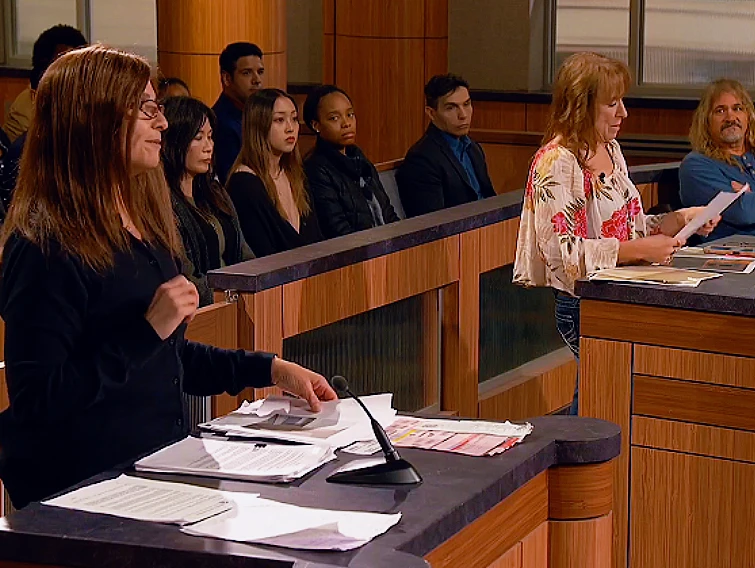
The Evidence Behind Sarah’s Property Claims
After Rose moved out, Sarah said she discovered damage in the bedroom and elsewhere. She alleged that Rose had cut cords to a lamp, an elliptical machine and a bathroom power-brush charger. Sarah also said Rose poured water and soap into a vacuum cleaner, causing it to shock her and fail. Rose denied that allegation.
Photographs showed cut cords, but Judge Judy pressed Sarah to identify precisely what had been damaged and how the photographs connected Rose to each item. The hearing established an important distinction: a damaged object may be visible, but that does not by itself prove who caused the damage.
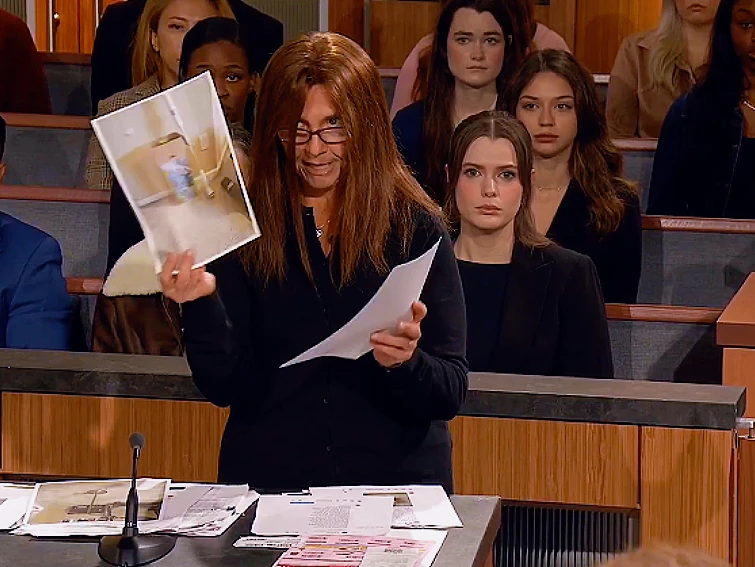
Mary Smith supplied the strongest eyewitness account. A tenant in the house for nearly a year, Mary said she saw Rose cutting the cord of a lamp while Mary was leaving for work. Mary initially assumed Rose was damaging her own property. Both Rose and Sarah claimed ownership of the lamp, and Rose said she had bought two lamps at a yard sale while also saying a friend had given them to her.

Mary testified that she saw only one cord being cut. She did not say that she witnessed Rose damage the elliptical-machine cord, the power-brush charger, the vacuum or Sarah’s cow collection. Sarah said Rose left the lamp behind, but that fact did not resolve the ownership dispute or prove the other allegations.
Sarah also presented cleaning-related receipts. One showed a carpet machine rented in March 2024, while Rose moved out in August. Sarah said she rented another machine after Rose left, but the paperwork shown did not clearly connect the expense to damage caused by Rose.
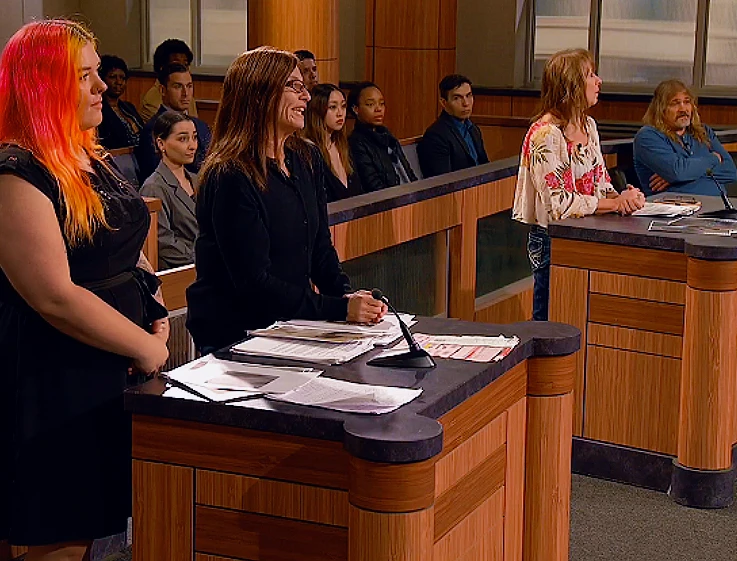
Rose’s Counterclaims and the Missing Witnesses
Rose countersued for wrongful eviction, harassment and property damage. She said the valve stems had been pulled from her car tires on July 4 and that she saw Sarah’s friend near the vehicle. She also alleged that sugar was placed in the gas tank of her motorcycle. When Judge Judy asked for the date, Rose gave conflicting answers, referring first to approximately August 10 and then to July 10.
Rose said neighbors had seen Sarah connected to the motorcycle incident, but the neighbor was not in court and had not provided a statement. The same evidentiary problem appeared in Rose’s claim about her plants. She said she had left several hundred dollars’ worth of plants at a neighbor’s house because she could not fit them into her car. She alleged that the neighbor saw Sarah come outside and tear the plants apart. That neighbor was also absent.
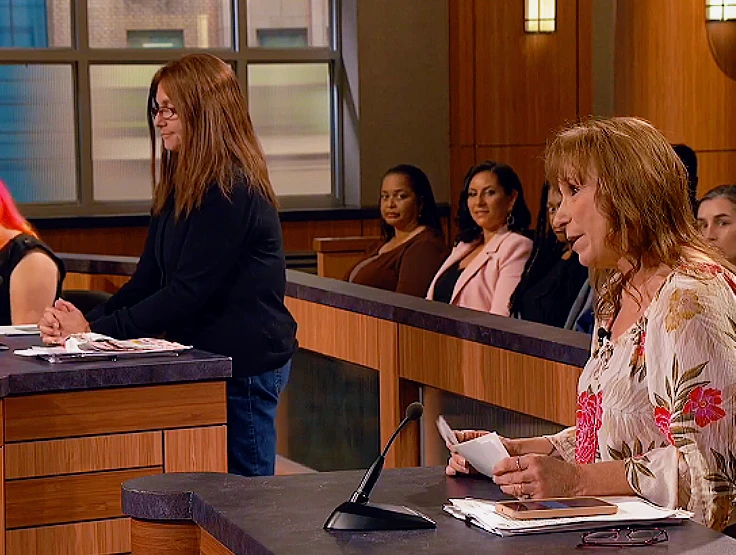
Rose further alleged that Sarah had wet her toilet paper as an act of harassment. The claim was not supported by testimony or documentation that the court relied upon. As the exchange continued, Judge Judy criticized both women for interrupting and for treating the courtroom like an informal conversation.

Why the Court Rejected the Property-Damage Claims
The hearing ended where it had been heading: with a sharp separation between accusation and proof. Sarah had an eyewitness for one lamp-cord incident, but not for the wider list of alleged damage. Rose described several acts involving her car, motorcycle, plants and household items, but the witnesses she referred to were not present.
Judge Judy repeatedly emphasized that the person making a claim carries the burden of proving it. At the conclusion, she stated that neither woman had a case against the other for destruction of property. Kevin then announced that the court was adjourned.
The SRT does not clearly state a separate final judgment awarding or denying the unpaid-rent claim. What it does show is that the property-damage allegations failed as presented because the evidence did not establish responsibility or documented loss with sufficient clarity.
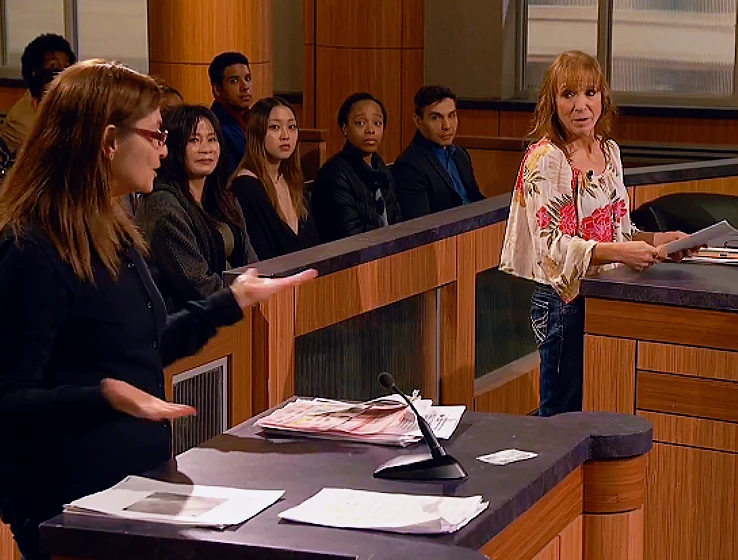
In the post-hearing discussion, Sarah said she originally wanted to sue over unpaid rent and only discovered the alleged destruction after Rose moved out. Rose said she was relieved to be out of the house. Judge Judy later reflected that rising housing costs can force people to live with strangers, even when moving is not realistically easy. The dispute illustrated the consequences: six months of misery, a difficult move and a courtroom filled with claims that neither side could fully prove.

FAQ
What was Sarah Lesoine suing Rose Delarosa for?
Sarah Lesoine sued Rose Delarosa over alleged unpaid rent and utilities, along with property damage Sarah said she discovered after Rose moved out.
How much was Rose Delarosa’s rent?
Rose’s rent was identified as $525 per month. Sarah alleged that June and July were unpaid. Rose disputed the account and said the security deposit was left in place instead of the final month’s rent.
When did Rose Delarosa leave the house?
Rose testified that she left at approximately 1:00 a.m. on August 4. The hearing also established that she received a Notice of Tenancy dated June 30.
What damage did Sarah allege?
Sarah alleged that Rose cut electrical cords, damaged a vacuum, and smashed a 25-year cow collection. Mary Smith testified that she saw Rose cut one lamp cord, but she did not witness the other alleged acts.
What did Rose claim in her counterclaim?
Rose claimed wrongful eviction, harassment and damage involving her car tires, motorcycle, plants and toilet paper. Several allegations relied on neighbors who did not appear in court.
What was the outcome of the property-damage claims?
Judge Judy stated that neither side had a case against the other for destruction of property. The SRT does not clearly state a separate final monetary ruling on Sarah’s unpaid-rent claim.