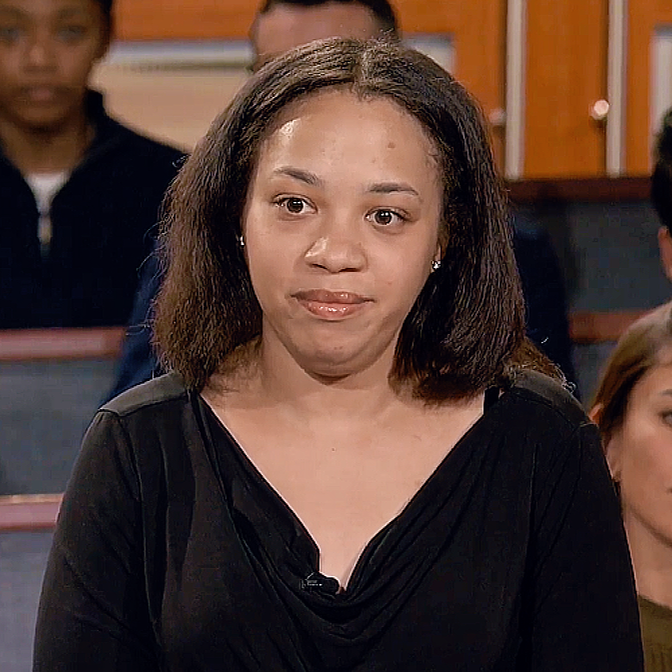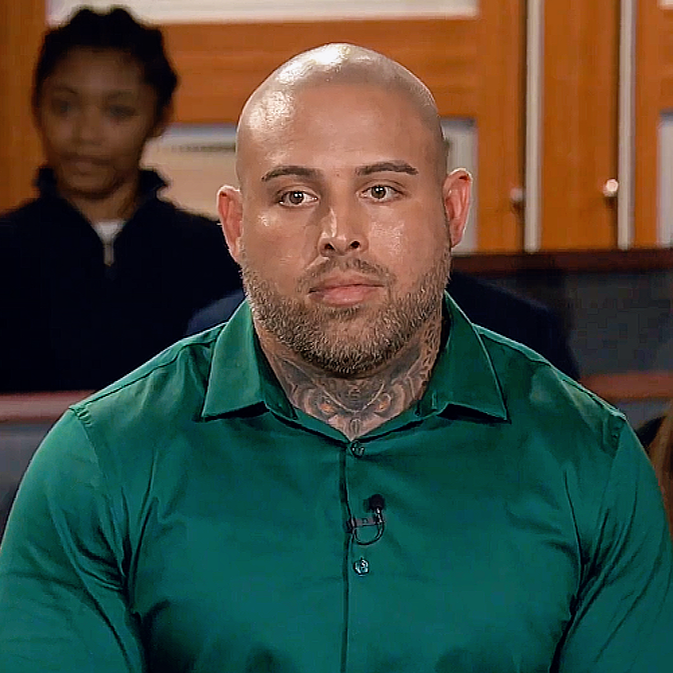
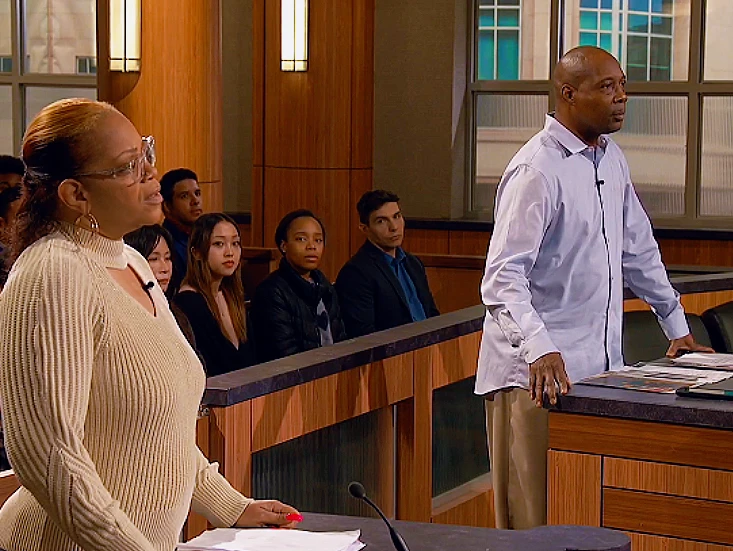
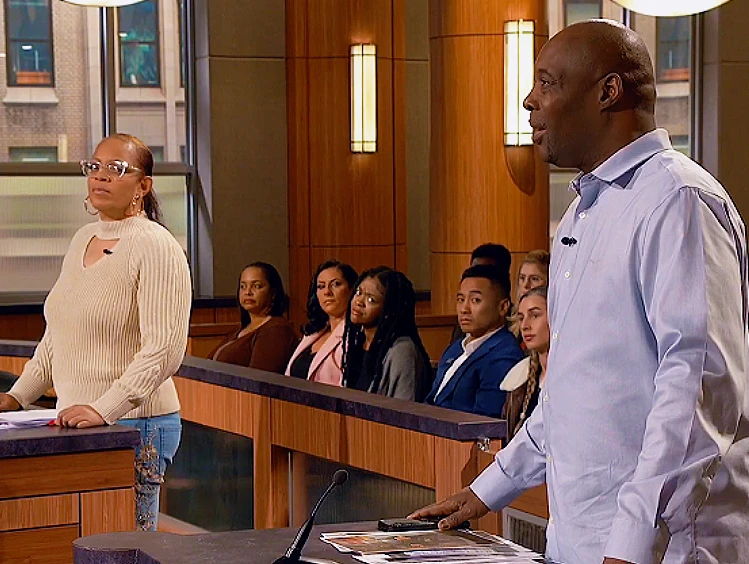
The case began with a car and ended with a judgment—but the most difficult evidence in the room was the history between the two people sitting across from each other. Pandora Anderson said she had taken out a $4,500 loan to help her boyfriend repair his vehicle. Damon Billingsley said he stopped repaying it after the relationship ended and Anderson allegedly came to his home, displayed a knife, and damaged his car. By the time Judge Judy reviewed photographs of the vehicle, a private breakup had become a public dispute involving money, police reports, a protective order, and two sharply different versions of the same night.
A New Relationship and a $5,300 Jeep
Pandora Anderson and Damon Billingsley had been together for only about three months when Damon needed a car. Anderson told the court that she had a brother who worked in the car business. Through that connection, Damon went to her brother’s lot and bought a 2009 Jeep Liberty for $5,300, paying cash.
The purchase created an unusual overlap between the couple’s personal and financial lives. Damon was not simply buying a vehicle from an unrelated dealer; he was buying through the family connection of the woman he was dating. That detail later shaped Judge Judy’s questions about responsibility, repairs, and whether the two sides had treated each other fairly.
The Jeep did not remain trouble-free for long. Damon said the vehicle developed a serious problem approximately a month after the purchase. The testimony used different terms for the mechanical issue: the main dispute referred to a transmission, while another part of the hearing referred to a clutch and to two separate repair shops. The terminology was contested, but the practical consequence was clear—the vehicle needed expensive work soon after Damon bought it.
Damon also described an earlier dispute with Anderson’s brother. He said he had paid extra for a warranty that was not honored and had sued over that issue in another court. He testified that he was awarded $250, although he had not received the money at the time of the Judy Justice hearing.
The Repair Problem That Created the Debt
When the larger repair became necessary, Damon said he could qualify for only a $500 loan. He asked Anderson to see whether she could qualify for more. Anderson testified that she did not want to place another loan in her name unless Damon agreed to pay it back. She applied and qualified for $4,500. When the repair business said it needed an additional $300, she said she offered Damon another $250 from her bank account.
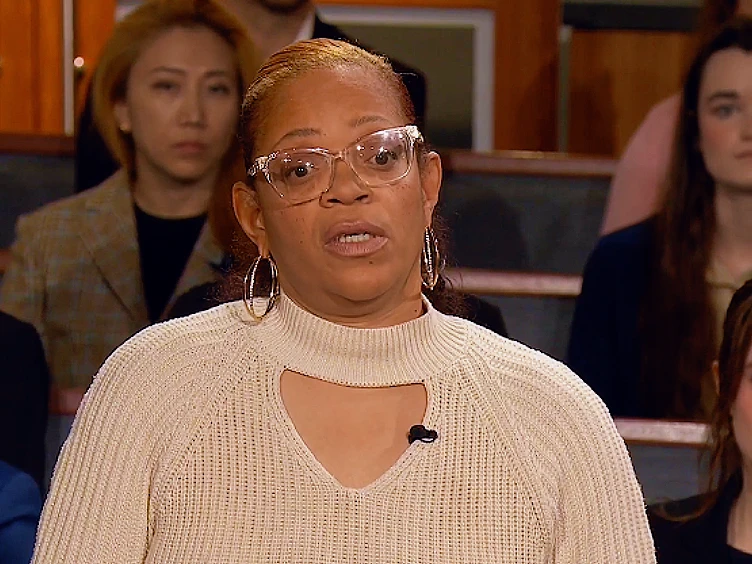
The timing of the repair was debated. Anderson said the loan was taken out on the same day Damon brought the car in for the transmission work. The testimony also mentioned the beginning of July and July 31, and Judge Judy repeatedly separated the transmission loan from the earlier clutch-related discussion. The hearing did not present one completely uncontested mechanical timeline; the repair history remained disputed.
What became important was not only who arranged the financing, but what happened afterward. Anderson said Damon made a payment of $110 on August 2, another $110 on August 9, and a third payment on August 18. Damon acknowledged making three payments. He explained that, while they were still together, he and Anderson had agreed they would pay the loan off together. The stated repayment amount was approximately $210 per month.
Those payments gave the court a concrete record in a case that otherwise contained very little written agreement. They also became central to the judge’s conclusion that the money had been a loan—not a gift.
Payments, a Breakup, and August 22
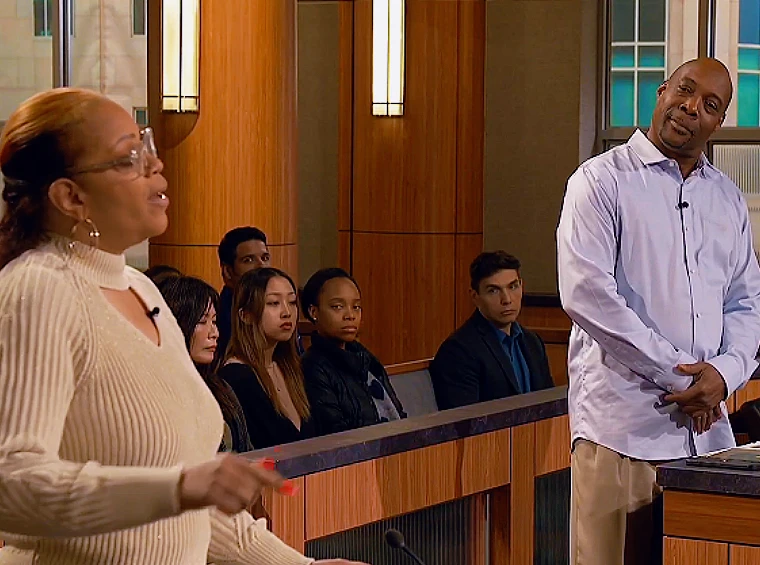
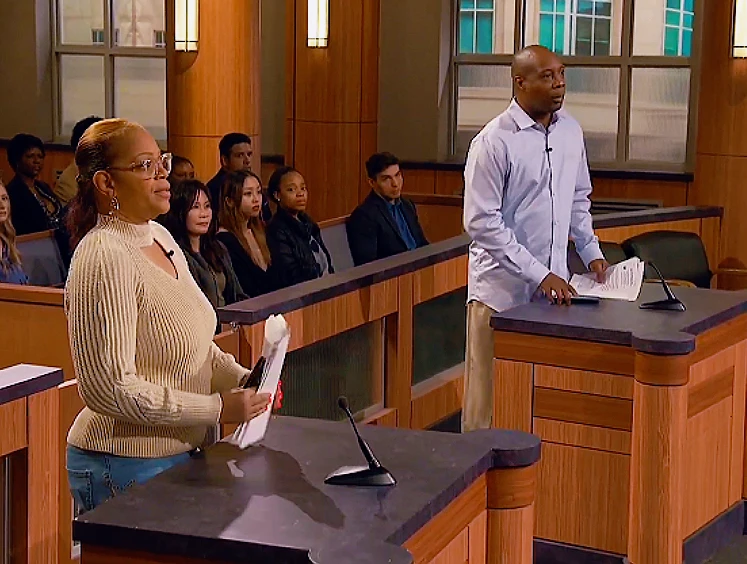
The relationship ended on August 22, according to the timeline discussed in court. Damon said he broke up with Anderson over the phone because he was afraid of her. Anderson acknowledged going to his home because he wanted to speak with him. Damon placed her arrival at approximately 5 or 6 p.m.
That visit became the turning point in the case. The unpaid balance was one dispute. The events at Damon’s home created another, involving alleged property damage, alleged harassment, and a protection-order proceeding that was still pending.
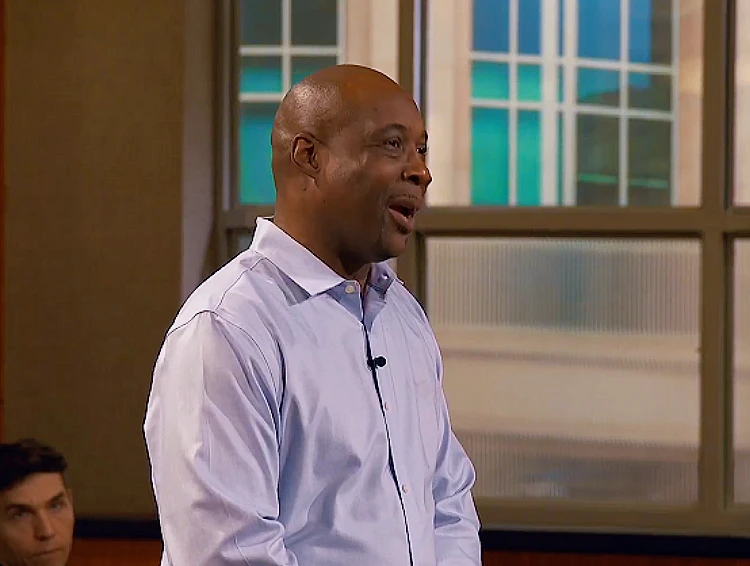
Damon said Anderson wanted to talk, but he told her he needed space. He testified that he did not go outside and that Anderson was standing at his door with a small knife. According to his account, he called the police. The police report discussed during the hearing described a report of criminal mischief, an ex-girlfriend displaying a knife in a threatening manner, spray paint on the car, tire damage, threatening calls and texts, domestic paperwork, and a warrant card. Anderson disputed the description of the warrant card and said it was a court date.
Anderson also testified that a temporary order of protection extended until February and that the protection-order matter had not yet concluded. Judge Judy warned her that anything she said in the hearing was recorded and could be played for the judge considering an application for a final order of protection.
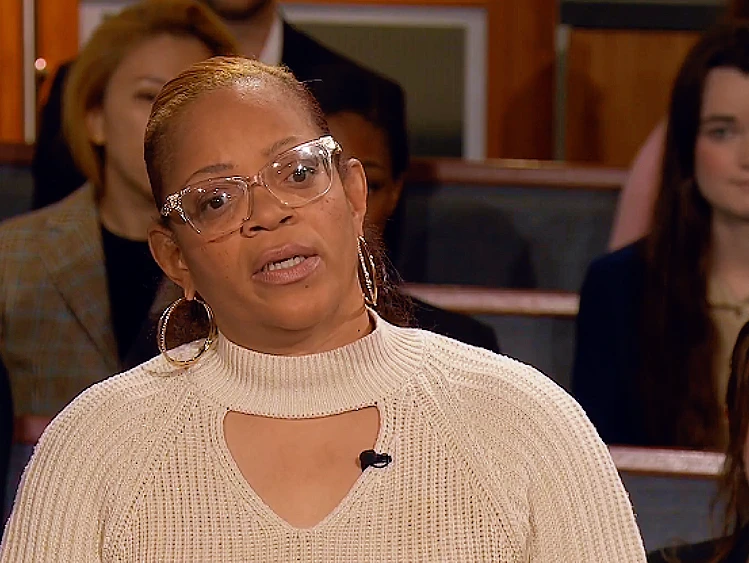
What Damon Said Happened at His Home
When Damon later described the night in detail, he said he was watching from a window. He saw Anderson pull a red truck beside his black truck. He did not claim to have watched every act of damage take place. Instead, he said he heard a loud hissing sound and believed that she had punctured a tire. He called the police again, but said she drove away before officers arrived.
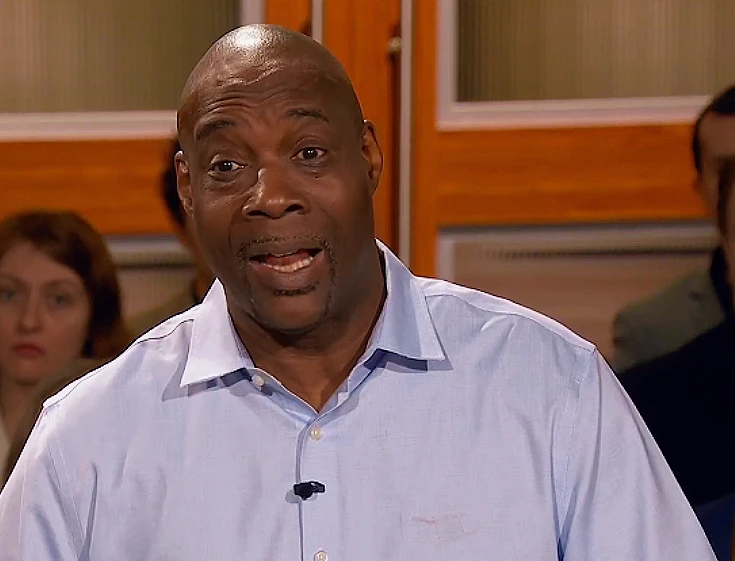
After she left, Damon said he went outside and noticed that the vehicle had also been marked with writing or spray paint. Judge Judy reviewed photographs showing paint on the vehicle and flat tires. Damon said the person responsible had been angry with him and connected the incident to the breakup.
He further testified that Anderson continued calling him, sometimes from different phone numbers or through contacts he did not recognize. He said he eventually changed his number. Damon did not claim that Anderson directly admitted vandalizing the car. Rather, he said she repeatedly left messages saying she was sorry. The distinction mattered: an apology was presented as suspicious by Damon, but it was not an explicit confession in the testimony.
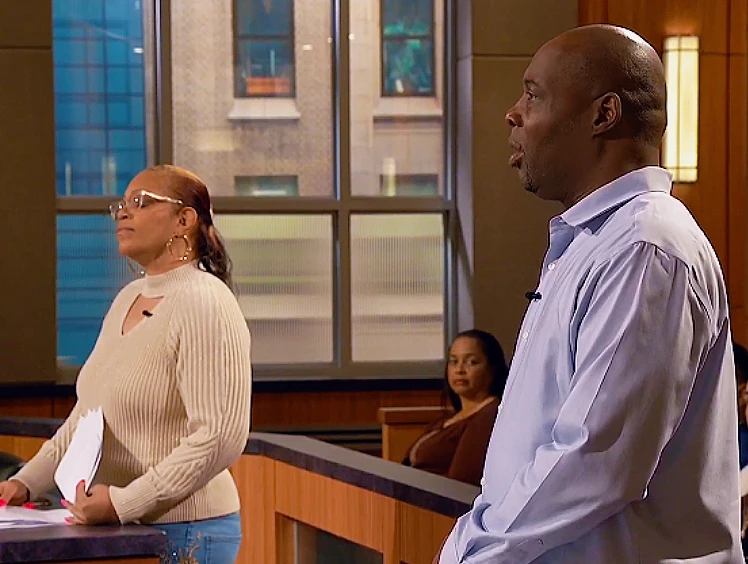
What Pandora Denied
Anderson denied puncturing the tires or damaging the vehicle. She said she did not know what had happened to the car and suggested that Damon had experienced problems with a neighbor. She also said she would never have written the word “cheater” on the vehicle because she did not believe Damon had cheated on her.
She challenged the timing of Damon’s police report, pointing out that he had placed her visit between 5 and 6 p.m. while the report was recorded later that night. Damon responded that he had already gone home to prepare for work by then. He also said Anderson’s account contradicted itself.
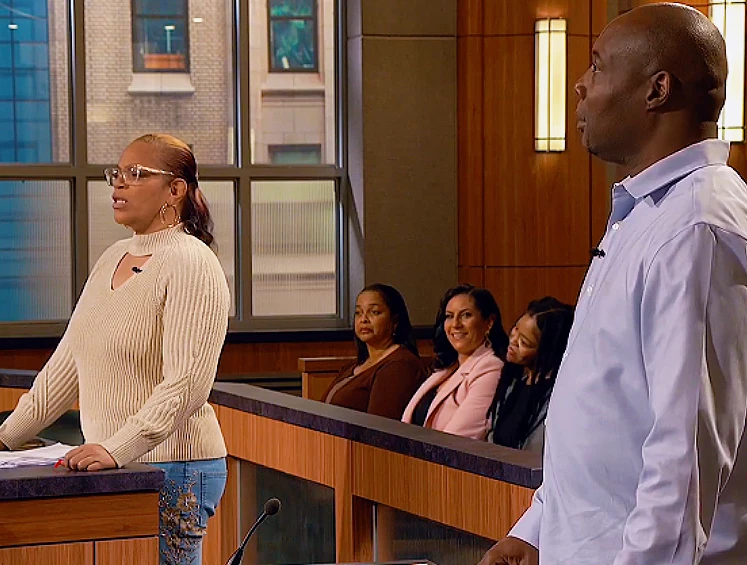
Anderson offered another piece of relationship evidence: she said Damon had sent her a Thanksgiving text from a new phone saying that he loved her. Damon denied sending it. Judge Judy asked to see the message, but the SRT does not record a separate finding that conclusively resolves who sent it. The same caution applies to the neighbor theory and to the allegations about the damage: the transcript preserves competing accounts, not an independent reconstruction of the incident.
The car’s insurance history narrowed the financial issue. Damon testified that the vehicle was declared a total loss and that his insurer paid $5,100. He had a $500 deductible and also referred to an additional $2,000 he believed would be needed to restore the vehicle. Judge Judy made clear that the counterclaim could not be used to create a profit after the insurance company had already compensated him for the loss.
Why the Loan Survived the Counterclaim
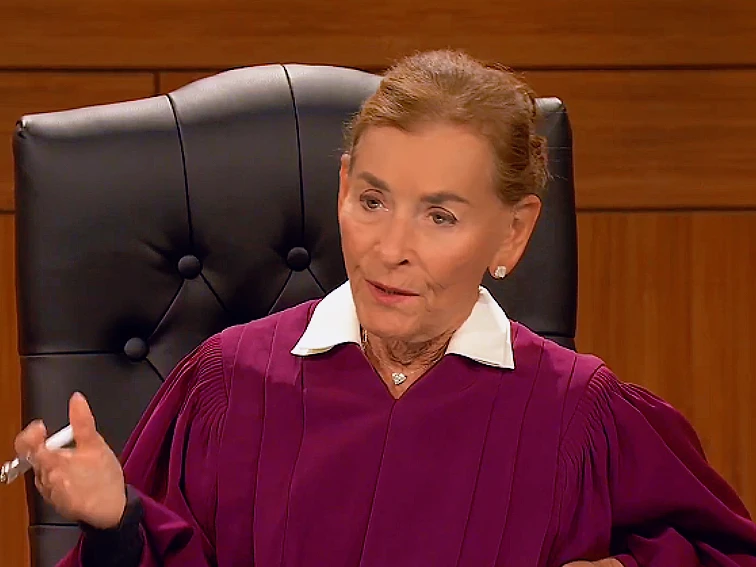
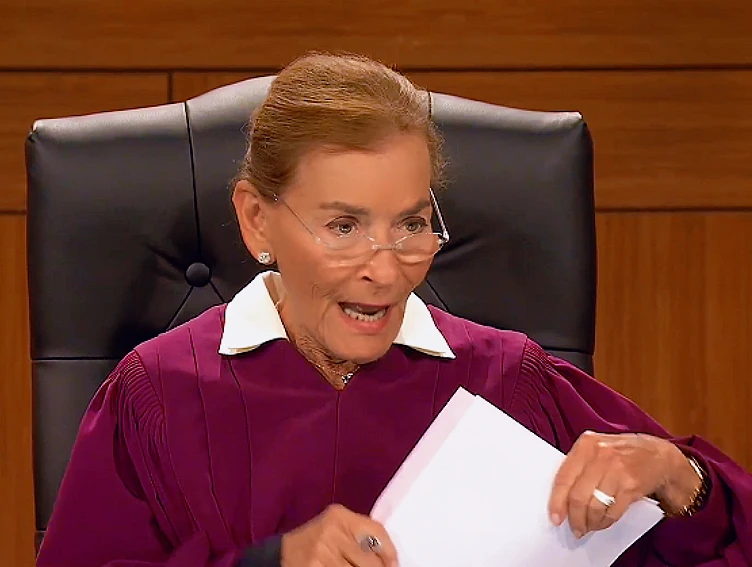
Before ruling on the alleged vandalism, Judge Judy told Anderson that she had found in her favor on the existence of a $4,500 loan. Damon’s three payments were significant because they showed that he had treated the money as an obligation to repay. His defense was that he stopped paying because Anderson had damaged his property.
The judge did not treat every accusation as established merely because it had been spoken in court. The loan question and the vandalism counterclaim required separate conclusions. In the closing commentary, the program explained that payments can serve as evidence that a loan existed even when the parties never signed a written agreement. The lesson was straightforward: written terms and repayment records can prevent a personal loan from becoming a credibility contest.
The Judgment
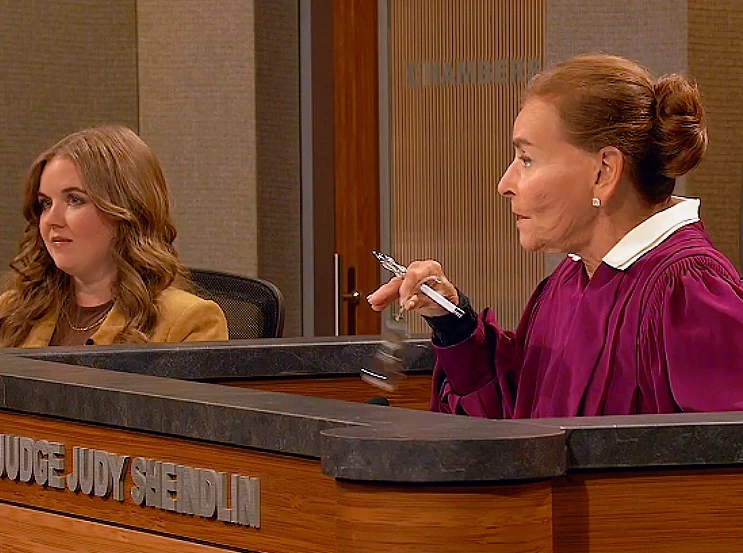
The court began with the $4,500 loan. Damon had made three payments of $110, totaling $330, leaving $4,170. Judge Judy then deducted $500, arriving at a final judgment of $3,670.
Judge Judy entered judgment for Pandora Anderson in the amount of $3,670. Damon Billingsley’s counterclaim was dismissed. The ruling resolved the civil money dispute presented in the courtroom; it did not independently prove every allegation about the August 22 incident or determine the separate protection-order matter.
That distinction gives the case its shape. The relationship ended amid accusations neither side accepted, but the court’s clearest finding concerned the debt. Three payments helped establish the loan, while insurance limited the vehicle claim.
A three-month relationship had produced a car purchase, a family business connection, a major repair loan, a breakup, police involvement, and a courtroom battle. In the end, the judgment was financial: Pandora Anderson was awarded $3,670, and Damon Billingsley’s counterclaim did not succeed.
FAQ
Who were the parties in Anderson v. Billingsley?
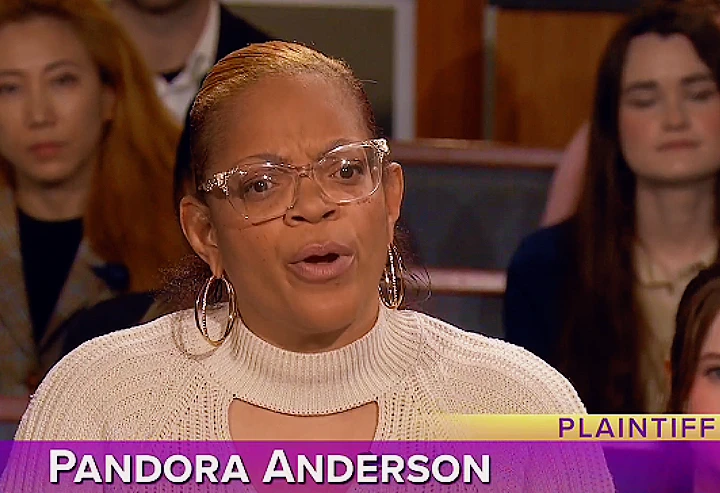
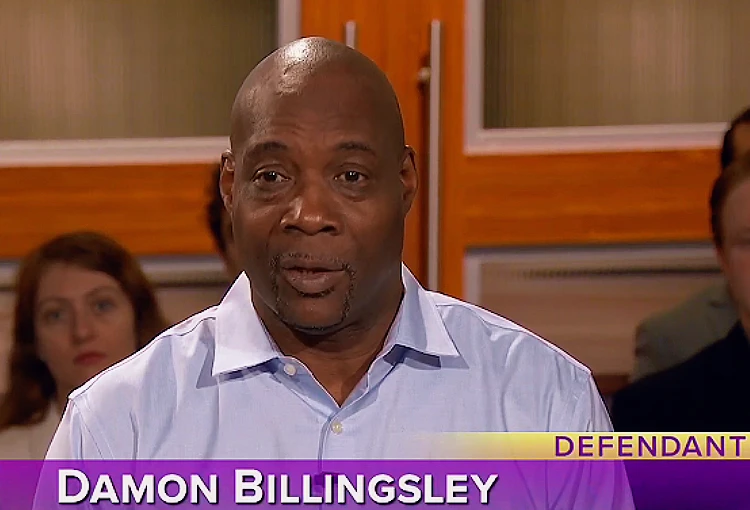
Pandora Anderson sued her former boyfriend, Damon Billingsley, over an unpaid car-repair loan and a disputed protection-order-related filing. Billingsley filed a counterclaim alleging property damage and harassment.
How much money did Pandora Anderson lend Damon Billingsley?
The central loan was $4,500. Anderson also testified that she offered Damon $250 from her bank account when the repair business needed additional money.
What vehicle did Damon buy?
Damon bought a 2009 Jeep Liberty for $5,300 in cash through Pandora’s brother’s car business. The testimony later used both transmission and clutch terminology when discussing the repair history.
What happened on August 22?
Anderson acknowledged going to Damon’s home on August 22 because she wanted to speak with him. Damon alleged that she displayed a small knife and vandalized his vehicle. Anderson denied damaging the car and suggested that a neighbor could have been responsible.
What was Judge Judy’s final decision?
Judge Judy awarded Pandora Anderson $3,670 and dismissed Damon Billingsley’s counterclaim. The calculation credited Damon’s three $110 payments and deducted $500 from the remaining balance.