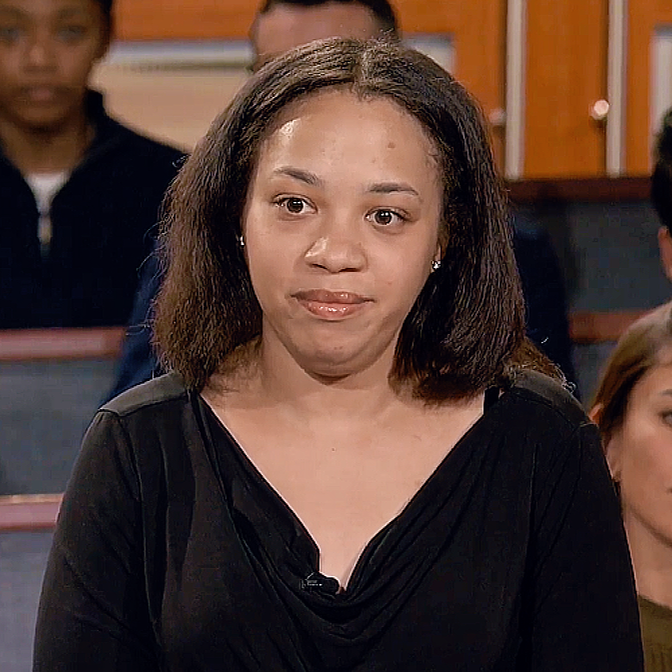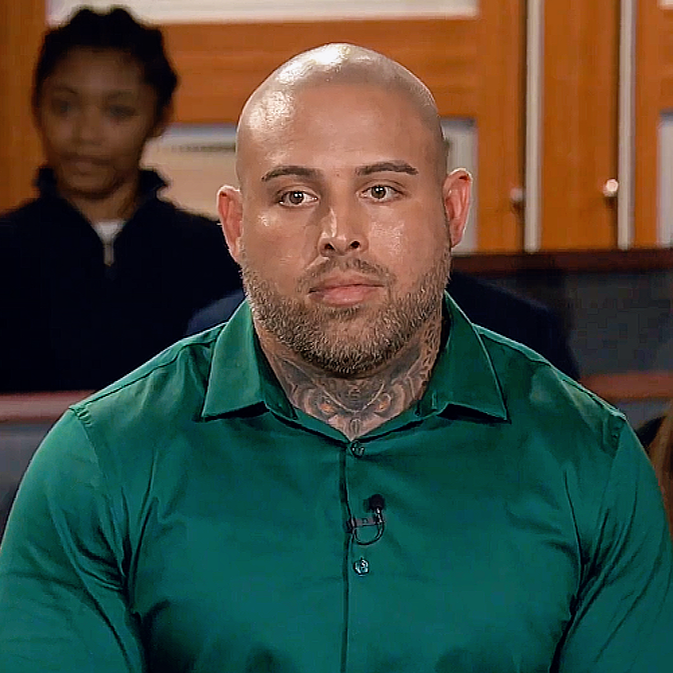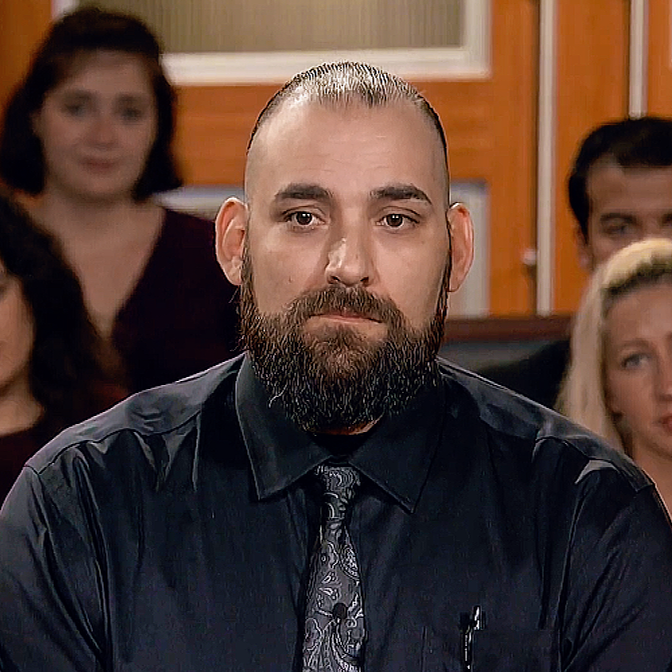
A television lay broken in a quiet house after three boys were left alone. In another neighborhood dispute, a promised puppy became entangled with a damaged tail light, a CPS report, and repeated police visits. Neither case was a criminal prosecution; both were civil disputes in which familiar relationships had turned into claims for money and accountability. Across the two hearings, Judge Judy Sheindlin kept returning to the same question: what happened before the property was damaged, and who made the decisions that allowed the conflict to escalate?
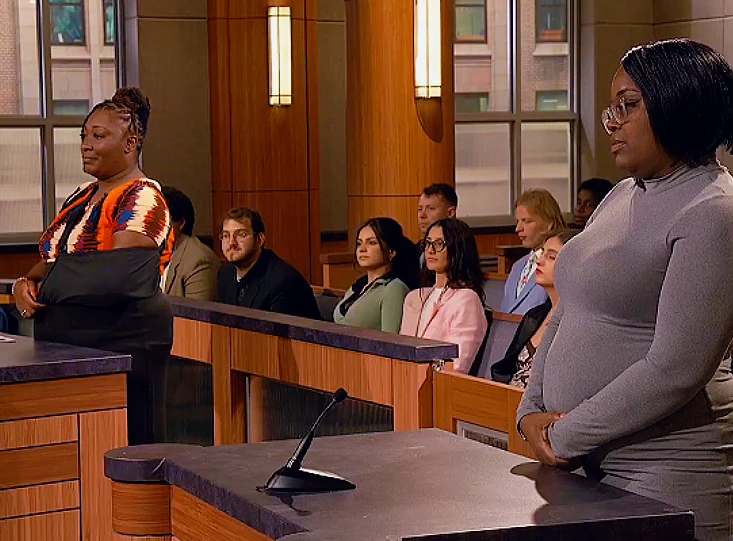
The First Case : The Broken Television Dispute Began With a Play Date
The opening case was presented as a straightforward claim for the cost of a damaged television. It became more complicated when the court examined not only the children’s actions, but also the adults’ decision to leave them alone.
The dispute traced back to May 2. Earlier that day, the families had gathered at Bennett’s brother’s birthday barbecue. The children wanted to continue playing, so the adults decided to take the gathering to Bennett’s house. Bennett said the families went to get additional supplies, leaving three boys in the house: her nine-year-old son and Gates’s two sons, ages eleven and eight.
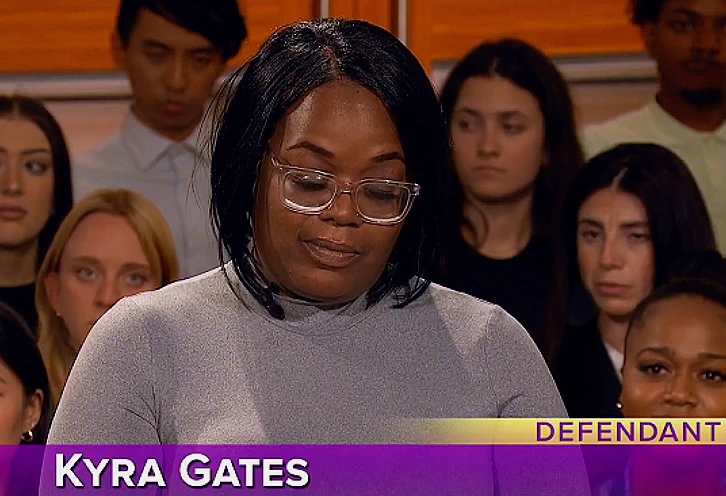
No adult remained inside. Bennett explained that they had only gone up the street to the store. According to the account presented in court, the eleven-year-old was left in charge of the two younger boys.
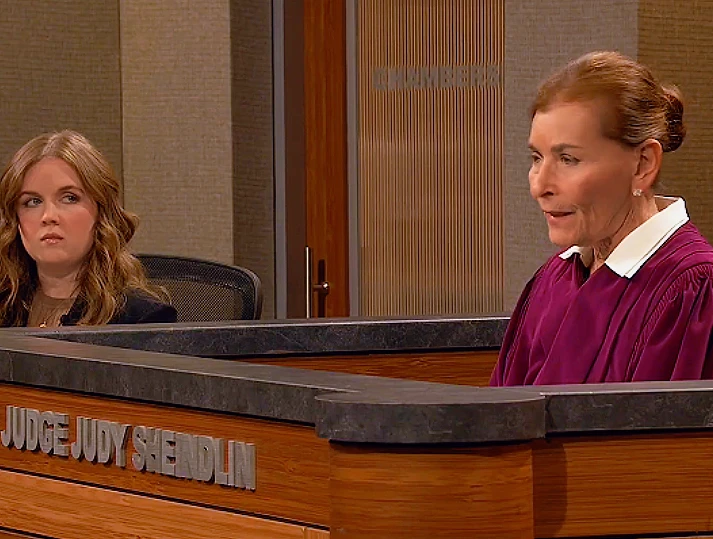
That arrangement became central to the hearing. Judge Judy Sheindlin repeatedly questioned how three young children could be left without adult supervision and then be expected to bear responsibility for damage that occurred during the absence.
The Video Game Accident
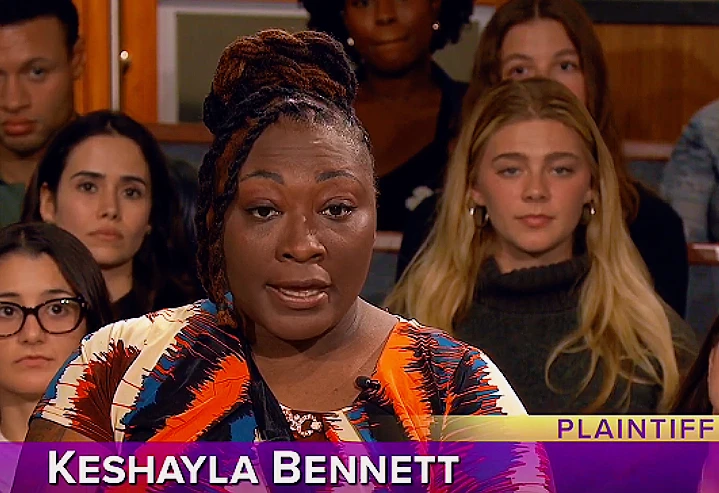
The children were playing a new game involving goggles. Bennett maintained that the boys knew how to use the equipment and had played the game several times, reportedly since Christmas. She alleged, however, that one of Gates’s sons did not know what he was doing. The goggles or another part of the equipment came off, and the television was broken.
Gates disputed the implication that her son was responsible. She also said she had believed Bennett’s home contained indoor cameras, which shaped her view of what could be proven about the incident. But Judge Sheindlin made clear that the identity of the child who caused the damage was not the decisive issue.
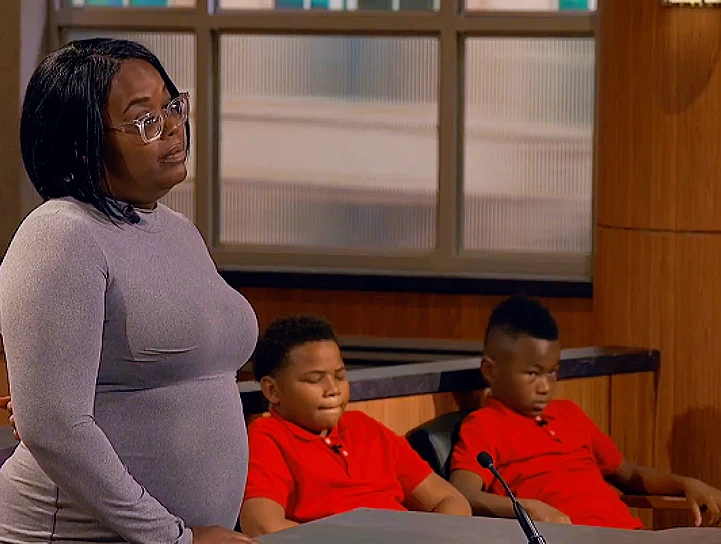
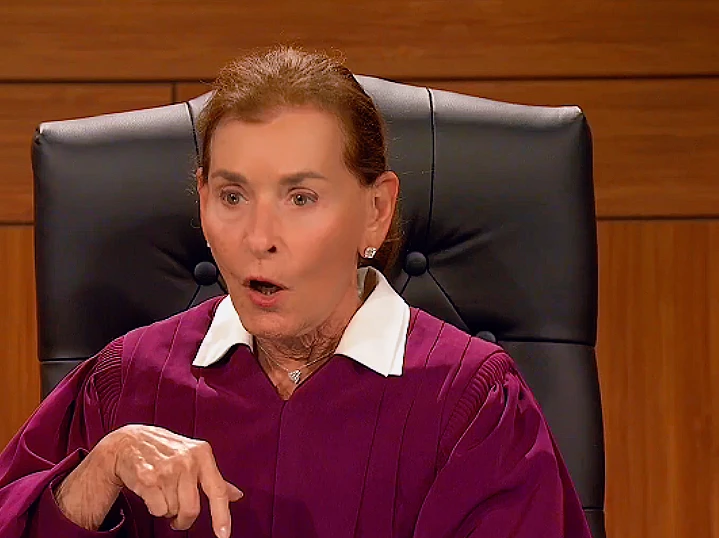
The judge’s focus was supervision. She emphasized that an eight-year-old could not safely be left in a house with another eight-year-old merely because an eleven-year-old was present. She also noted that a private home contained potential hazards, including a stove and other electrical items. A fire, choking incident, or another emergency could develop in the same short period required to visit a nearby store.
Earlier Damage Complicated the Claim
As the questioning continued, Bennett acknowledged that Gates’s children had allegedly damaged other property in the past. One child had broken a chair during Bennett’s wedding, although a babysitter had been present at that event. Bennett also described a seven-year-old pulling part of the back seat of a car while the adults were present. Judge Sheindlin treated those details as evidence that Bennett knew there had been prior problems, yet still left the boys alone on May 2.

The hearing also exposed a disagreement about whether the children had damaged a tablet. Bennett appeared to say that Gates’s children had broken her son’s tablet, while Gates said she did not know about that claim until after the television was damaged. Judge Sheindlin stopped the interruptions and returned the conversation to the central issue.
Ultimately, the court declined to award Bennett money for the television. Judge Sheindlin said she would not reward conduct in which both adults left three young boys unsupervised. The case was dismissed.
The Second Case : A Puppy Promise Became a Neighborhood Lawsuit
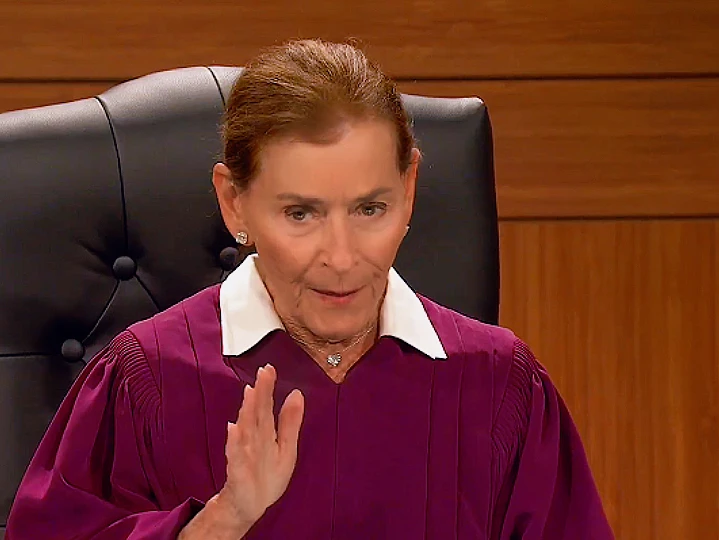
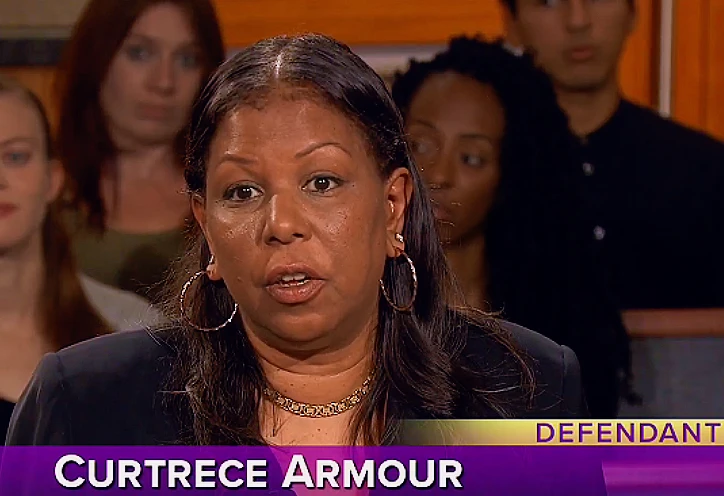
The episode then moved to Privott versus Armour/Hines, a dispute between neighbors Latreisha Privott, Curtrece Armour, and Tyron Hines. Privott said the neighbors failed to honor an agreement that she would receive a puppy after their dogs were bred. The defendants countersued over property damage, a CPS report they described as false, and harassment.

The dogs were both pit bulls: Privott had a red-nose pit bull, while the defendants had a blue-nose pit bull. The parties agreed that the dogs had mated and that the female dog later gave birth to four puppies. The exact nature of the original agreement was contested. Armour initially denied that there had been a formal arrangement, saying the dogs had simply mated. Judge Sheindlin, however, relied on the parties’ prior statements and treated the promised puppy as the basic point of the dispute.
The puppies were born on July 7. By the time of the hearing, one had been sold for $400, two had been given away, and one remained with Armour. Privott wanted the puppy or its monetary value.
The Tail Light Became the Counterclaim
The reason given for withholding the puppy was damage to a vehicle. During an altercation on July 6—one day before the puppies were born—Privott’s son Ezra became involved in a fight with another male. Ezra said the confrontation began after an exchange of words and that the other person backed into Armour’s car, breaking its tail light.
The dispute over who caused the damage remained contested. Ezra said he knew who the other person was, but the person’s name was not given in the testimony. Judge Sheindlin nevertheless concluded that the tail light had to be addressed. The amount was first stated as $500 and later shown in court as $465.

The judge treated the puppy’s $400 value and the $465 tail-light claim as separate amounts that could be offset against one another. She awarded Privott $400 for the puppy. On the counterclaim, the $465 tail-light amount left a difference of $65 in the defendants’ favor.
The CPS Report and Eviction Claims Were Dismissed
The defendants also claimed that Privott filed a false Child Protective Services (CPS) report after the disagreement over the puppy and tail light. Armour could not provide a precise date, but said the report came after the puppy was born and after the vehicle damage. She described escalating sounds from Privott’s apartment, including what she believed sounded like wrestling and someone being hurt. She also referred to a November 2 incident in which police allegedly went to Privott’s home while she was trying to put her child out without clothes.
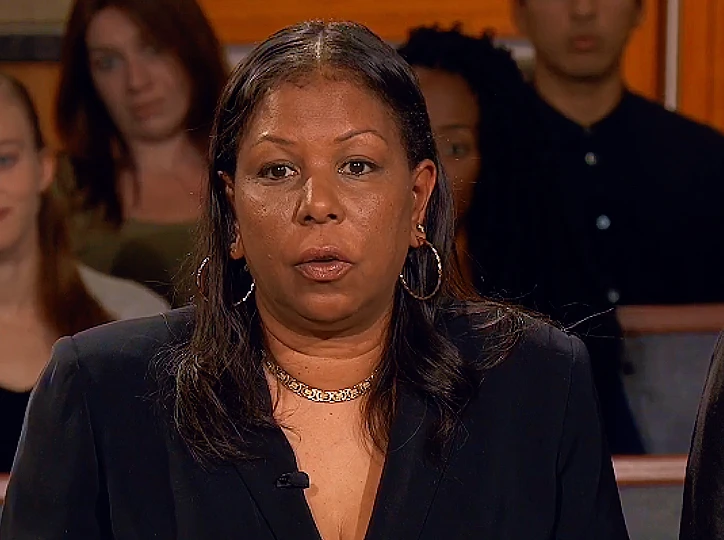
Judge Sheindlin questioned the timing. The neighbors had reportedly lived beside one another for four years, and the CPS call followed a dispute over money and the puppy. The timing, the judge said, did not look favorable to Armour’s explanation. Even so, the court concluded that Armour had a basis to make the report because police had previously come to Privott’s home multiple times. The claim concerning a false CPS report was dismissed.
A separate counterclaim alleged that Privott caused the defendants to receive an eviction letter by reporting that they sometimes walked their dogs without leashes. Armour admitted that she had done so. That part of the counterclaim was also dismissed, with the judge stating that the dogs had to be leashed at all times.
What the Two Cases Had in Common
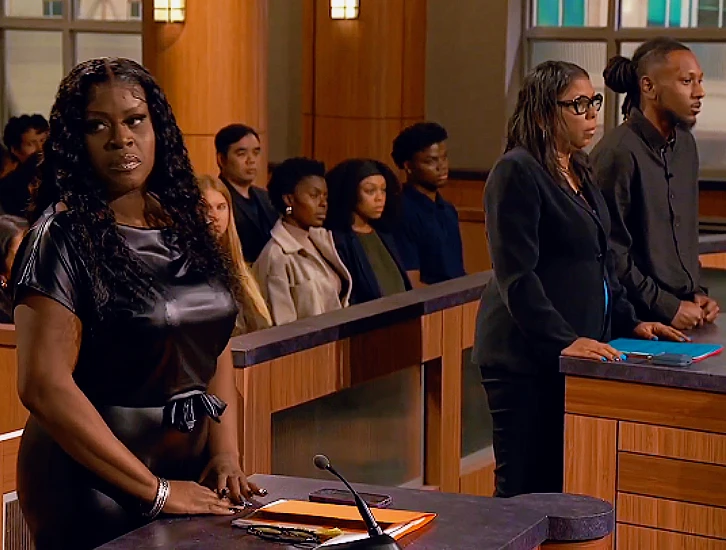
The disputes involved very different property: a television in one case and a puppy in the other. Yet both hearings turned on conduct surrounding the property rather than the property alone.
In Bennett versus Gates, the judge refused to isolate the broken television from the decision to leave three boys without adult supervision. In Privott versus Armour/Hines, she separated the value of the puppy and the tail light from broader allegations about harassment, eviction, and CPS involvement.
The result was a reminder that a small-claims courtroom may reduce a complicated personal conflict to evidence, timing, and measurable loss. Friendship, neighborhood history, and anger may explain how a dispute escalated, but they do not automatically establish liability. In the first case, the claim failed because the court rejected the underlying decision to leave the children unsupervised. In the second, the court awarded the puppy’s value while rejecting the wider allegations that could not be established as compensable claims.
FAQ
Why was Keyshayla Bennett’s television claim dismissed?
The claim was dismissed because both adults left three young boys unsupervised in the house. Judge Judy Sheindlin said she would not award money for damage arising from that decision, regardless of which child broke the television.
How old were the children in the television case?
The children described in the hearing were nine, eight, and eleven years old. The eleven-year-old was reportedly left in charge of the two younger boys.
How much was the puppy worth in Privott versus Armour/Hines?
The puppy had been sold for $400, and the court awarded Latreisha Privott $400 for the puppy she said she had been promised.
How much was the damaged tail light?
The tail light was documented in court as costing $465. After the $400 puppy judgment, the defendants received a $65 judgment on the counterclaim.
Did the court award damages for the CPS report?
No. The false-CPS-report portion of the counterclaim was dismissed. The court found that, despite questions about motivation and timing, there was a stated basis for contacting CPS.