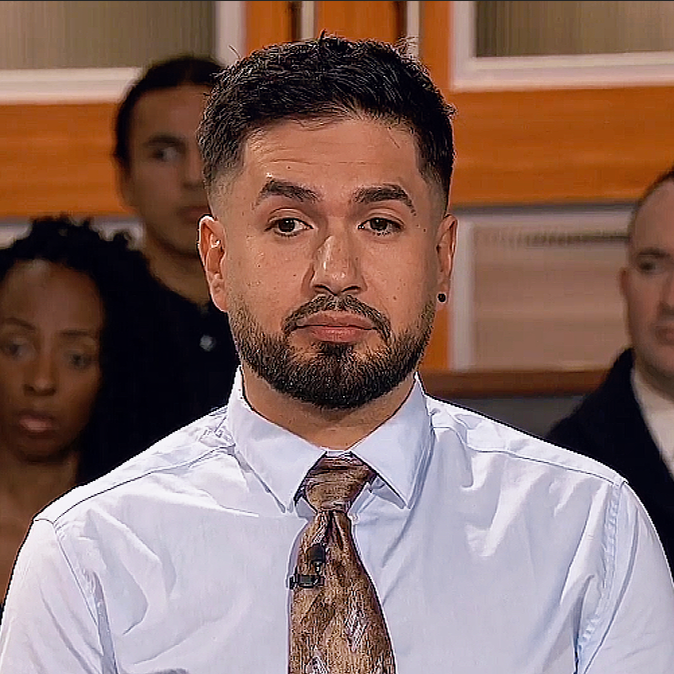
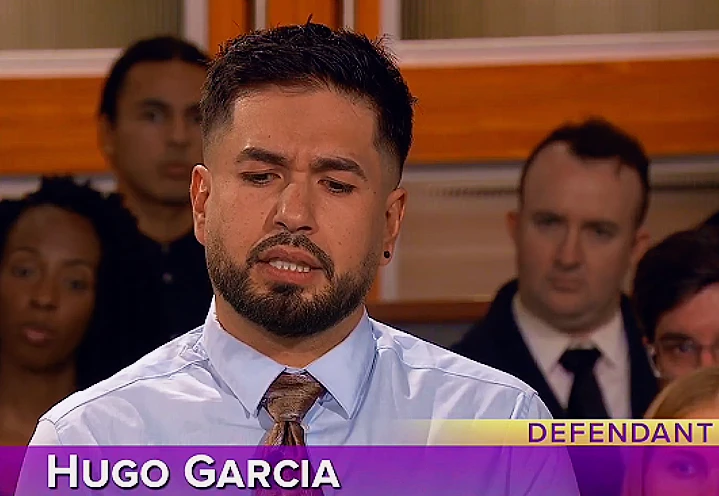
A porch, a pile of personal belongings, and a cellphone video became the center of a bitter courtroom dispute. Osvaldo Diaz said his former landlord, Hugo Garcia, had tried to force him out, attacked him, and helped bring about a false arrest. Garcia said Diaz had refused to leave, damaged the property, and was the person who became physical. When the two men faced Judge Judy, the case came down to a difficult question: what did the evidence actually show?
The Seven-Year Tenancy
The case began with a living arrangement that had lasted seven years. Osvaldo Diaz told the court that he and his wife had answered a Craigslist advertisement and rented one room from Hugo Garcia. Their room was the back master bedroom of a mobile home. It had its own bathroom and shower, and the couple used a back patio as a separate entrance.
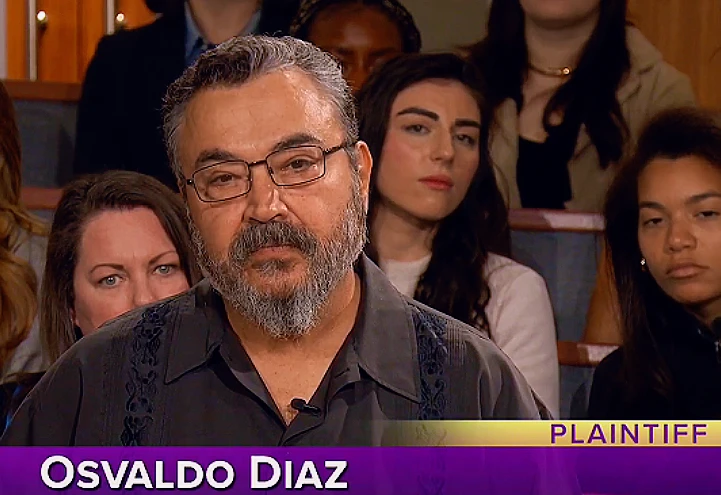
The rent was $700 a month. Diaz acknowledged that he and his wife had paid their rent, and Garcia was not suing for unpaid rent. That point mattered because the conflict was not presented as a simple failure-to-pay case. The disagreement was about the end of the tenancy, the condition of the property, and what happened while the couple was trying to leave.
Diaz said he and his wife had purchased an RV and were preparing to move. He also said he owned a home in Rancho and wanted to return there. According to Diaz, the couple needed more time and outside assistance before they could make the move. He described contacting the Board of Supervisors, city councils, and a radio program. He said they were not seeking money; they were seeking help with the process of getting help.
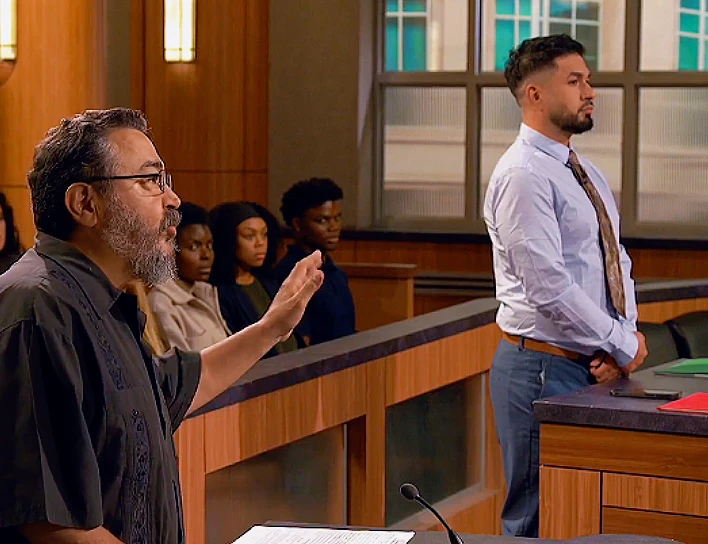
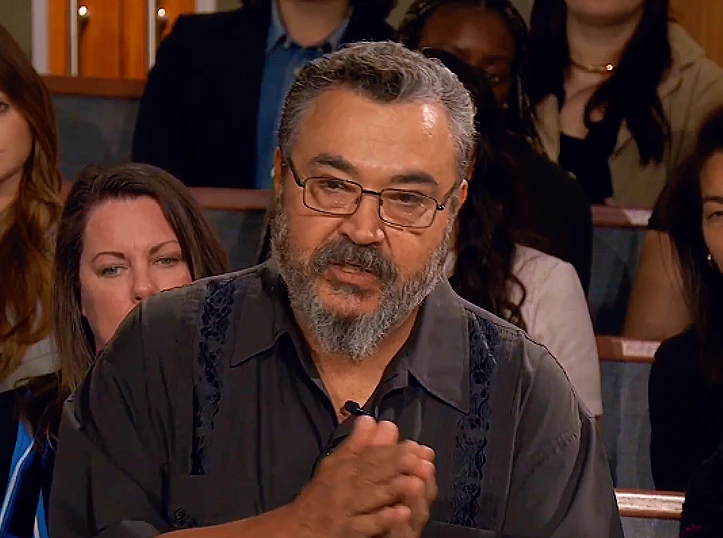
Garcia gave the court a less sympathetic account. He said Diaz had agreed to leave years earlier but had remained. Garcia said Diaz paid rent when he wanted and in the amount he wanted, and described him as a nuisance. Garcia said he was finally able to evict Diaz in September.
Judge Judy focused on the absence of a lease. Her explanation was direct: if a landlord tells a tenant to move out and there is no lease protecting the tenancy, the tenant cannot remain indefinitely simply because moving is difficult. The court’s focus on that issue framed everything that followed.
Why the Move Became a Conflict
The dispute became more intense as Diaz and his wife prepared to leave. Diaz said the situation turned combative and made it harder to move according to their own schedule. He also said his wife was high-functioning autistic and that he had issues of his own, while claiming the county had not provided the assistance they needed.
Garcia, meanwhile, wanted the tenancy ended. Diaz told the court that Garcia had asked them to leave several times, but Diaz could not identify a clear month and year when the request was first made. He said he did not have that kind of memory and that his wife would know. He also said that, before the confrontation, he had told Garcia he was preparing to leave after purchasing the RV.
That uncertainty over timing became significant. Diaz’s account suggested that both sides understood the arrangement was ending, but disagreed over who controlled the timetable. Garcia believed the tenants had delayed too long. Diaz believed the couple needed a reasonable amount of time to complete the move.
What Happened on August 8
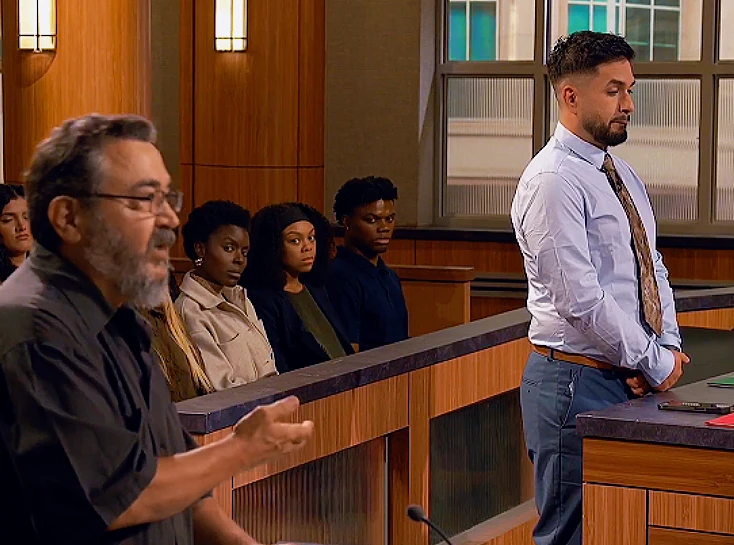
The first major incident occurred on August 8. Diaz alleged that Garcia was turning the power on and off to drive the couple out. He described the shutoffs as retaliatory. Garcia disputed that characterization, but the power disagreement was identified in court as the event that preceded the physical confrontation.
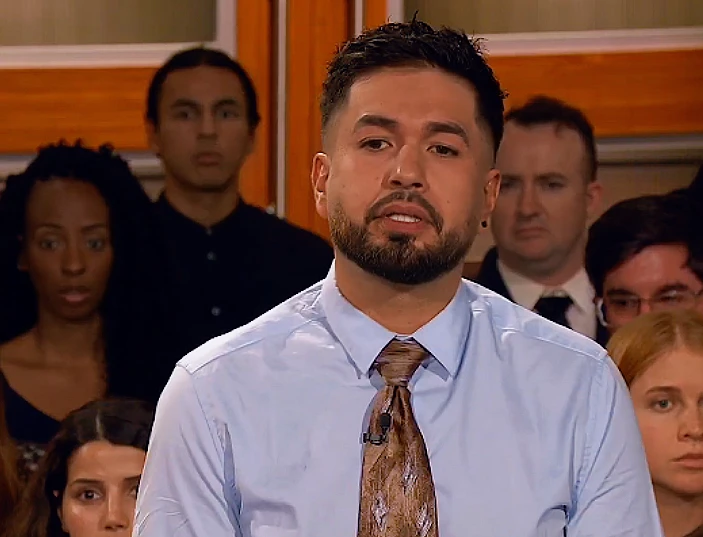
Diaz said he tried to record the circuit breaker because he believed Garcia was switching the power off. He claimed Garcia attacked him and that the encounter became a pushing-and-shoving match. Diaz sought $10,000 for claims that included assault, property damage, false arrest, and wrongful eviction.
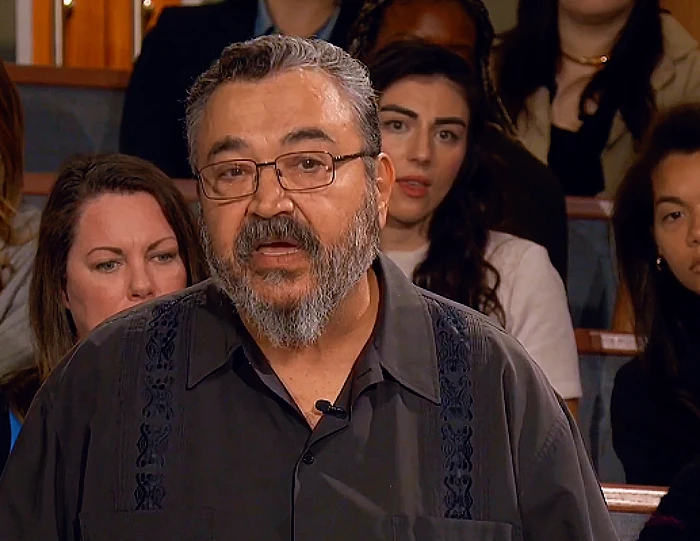
When Judge Judy asked for evidence of injury, Diaz referred to photographs. He showed an image on his phone that he identified as his stomach or belly. The judge asked for the date stamp. The image appeared to be dated August 16, and Diaz also referred to a folder from August 17. He suggested the photograph might have been taken earlier, but he could not establish that during the hearing.
Diaz also said Garcia broke his glasses and that the glasses caused a scar near his nose. The discussion became confused when the court questioned whether Diaz was claiming a broken nose or an injury caused by the broken glasses. Diaz did not have medical bills or medical records with him. He said he had gone for medical attention the next day and that photographs had been taken, but he could not produce that documentation in court.
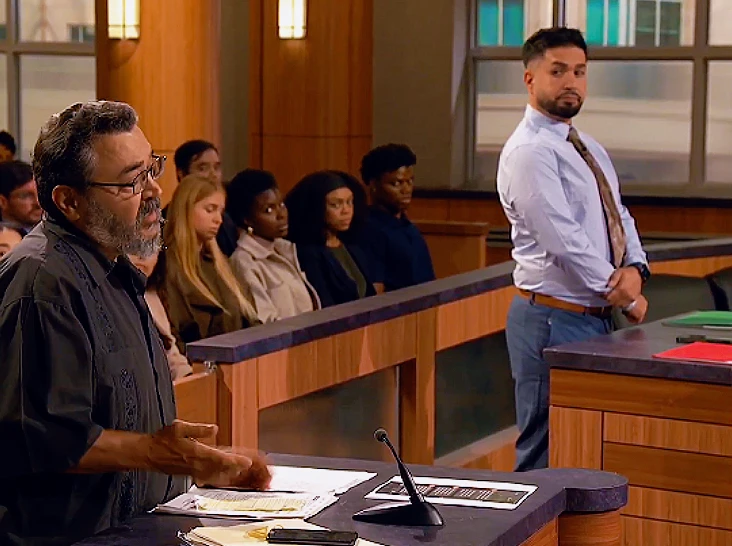
For Judge Judy, the problem was not merely that Diaz made an allegation. It was that the evidence did not clearly connect the claimed injury to August 8. The photograph’s date and the absence of medical records weakened the assault claim before the court reached the later arrest dispute.
The August 9 Arrest
The timeline became a central issue. On August 8, police came to the home after both men alleged that the other had committed an assault. According to the account discussed in court, officers told them they could drop the matter or both be arrested. Both men chose to drop it, and neither man was taken into custody that day.
Diaz said the arrest happened the next day, August 9. He said he was released the following morning, returned home, and found Garcia moving his belongings from the porch connected to the rented room. Diaz confronted Garcia and asked why he was handling his property. Garcia said he needed to fix the area.
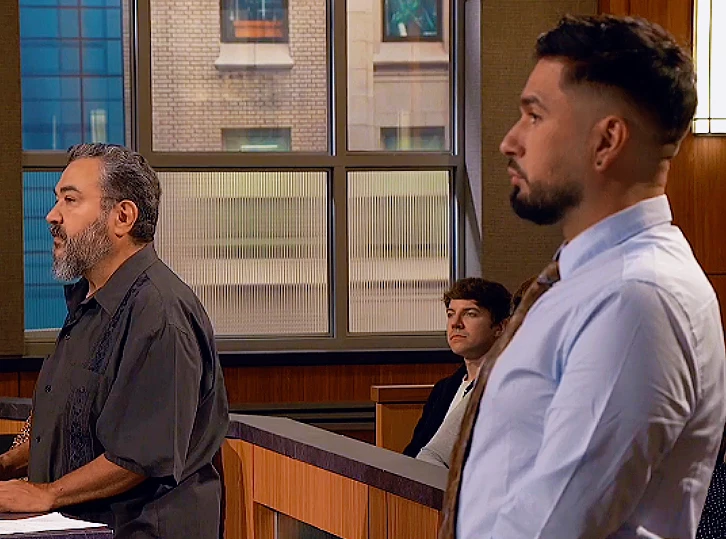
Diaz said he moved his belongings back onto the porch and asked Garcia to stop. He said Garcia had a friend recording the encounter. Diaz described raising his hands in a defensive position. According to Diaz, Garcia moved into his chest and began pushing. Diaz said Garcia then fell backward, causing Diaz to lunge forward. Diaz believed that movement made it look as though he had pushed Garcia, even though he said that was not what happened.
Diaz’s position was that Garcia had created the appearance of an assault and then used it to have him arrested for battery. Garcia’s account was supported by the existence of a recording made by his friend.
The Video in Court
The video became the turning point. Judge Judy asked to see the recording and watched the confrontation in court. The footage included the physical encounter on the porch.
After viewing it, the judge asked Garcia whether he had been arrested. Garcia said yes and pointed to Diaz’s attempt to return to the property after the initial contact. Garcia maintained that the video supported his decision to involve police.
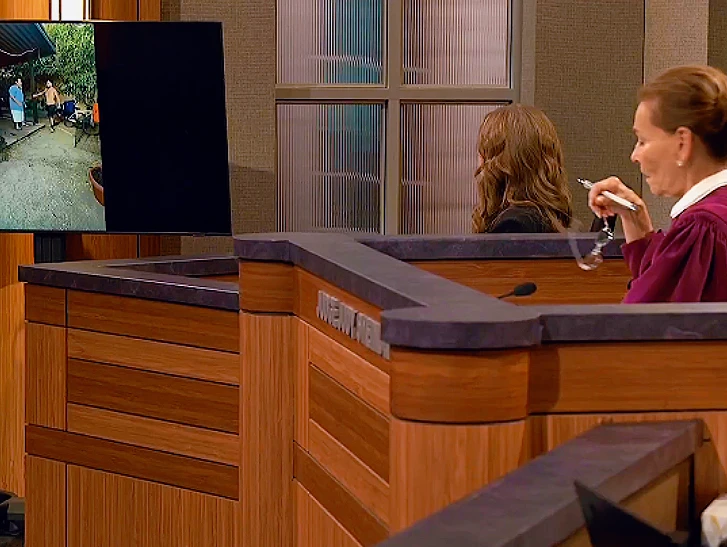
Judge Judy then told Diaz that Garcia had a right to have him arrested. The court did not accept Diaz’s explanation that the video merely created a misleading impression. Instead, the recording gave the court a basis to reject the false-arrest claim.
The video did not erase the long-running conflict over the tenancy, the power, or the belongings. It did, however, provide the court with direct evidence of the incident most closely tied to the arrest. That distinction was crucial. The case was no longer based only on two competing descriptions of what happened.
The Ruling and the Aftermath
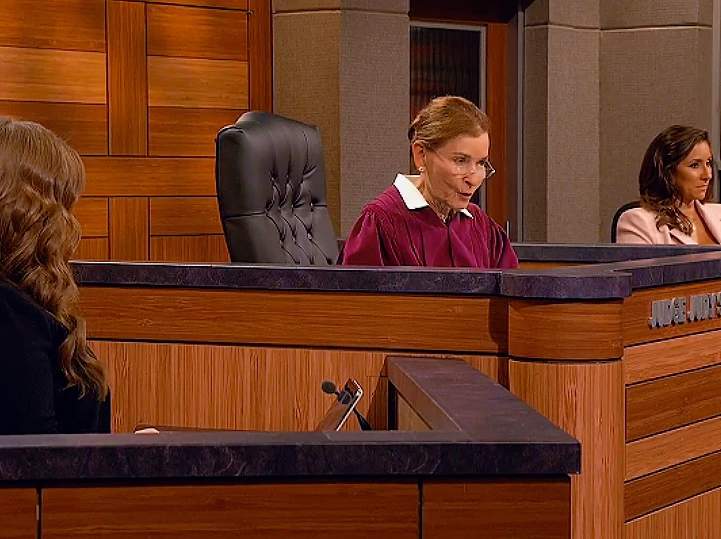
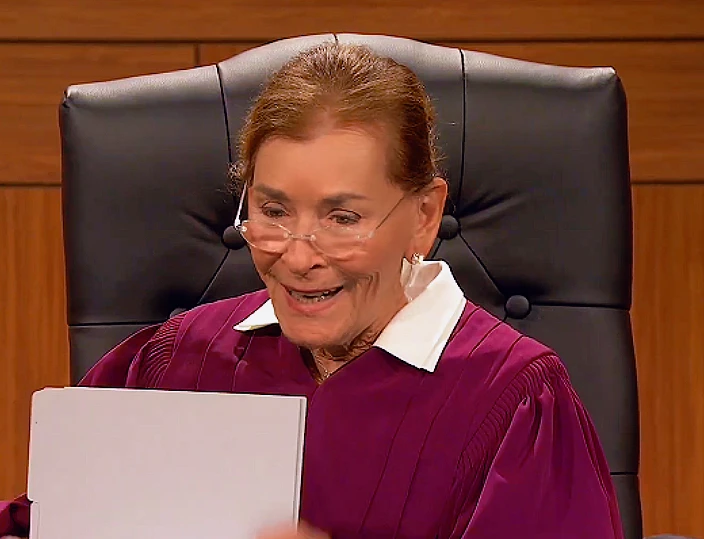
Judge Judy dismissed Diaz’s case. She rejected his request for $10,000 and criticized the lack of preparation and supporting evidence. The court then heard Garcia’s counterclaim, which concerned alleged property damage and eviction-related costs.
Garcia said Diaz left the room in poor condition. He described it as dirty and generally damaged, but the court also dismissed his counterclaim. Neither side received money from the judgment.
After the hearing, Diaz said he disagreed with the decision and wished he had been better prepared. He said he wanted to move back home with his wife and cats and believed they had simply lacked the time and resources to leave sooner. He accused Garcia of manufacturing a reason to push them out.

Garcia spoke about other sources of tension, including his desire to repair a deck and Diaz’s objections. Diaz also claimed that Garcia’s loud techno music, played near the door, had caused permanent hearing damage. Garcia said he liked loud music while working out. The televised record did not establish those claims independently.

The episode ended with both men expressing relief that the dispute was over. Garcia said he was happier living alone and described his work as pet boarding and pet sitting at his home. The broader conflict had begun with a seven-year room rental and ended with both legal claims dismissed.
The court’s decision ultimately turned on evidence, chronology, and credibility. Diaz described a vulnerable couple struggling to leave. Garcia described a tenant who had stayed beyond the time he was wanted. The August 8 confrontation and August 9 arrest brought those competing narratives into court, but the porch video gave the judge the clearest view of the event that mattered most.
FAQ
Who sued whom in the Diaz v. Garcia case?
Osvaldo Diaz sued his former landlord, Hugo Garcia. Diaz alleged false arrest, wrongful eviction, property damage, and assault. Garcia filed a counterclaim alleging property damage and claiming that Diaz had assaulted him.
How long had Osvaldo Diaz rented from Hugo Garcia?
Diaz said he and his wife had rented a room from Garcia for seven years. The room was in the back master bedroom of a mobile home and had a private bathroom and separate patio entrance.
What happened on August 8?
Diaz said Garcia was turning the power on and off in retaliation for the couple’s refusal to leave. The disagreement preceded a physical confrontation involving pushing and shoving. Police came after both men alleged an assault, but both chose to drop the matter rather than be arrested that day.
When was Osvaldo Diaz arrested?
The court distinguished the initial police response on August 8 from the later arrest on August 9. Diaz said he spent the night in jail after the August 9 incident.
Why was Diaz’s case dismissed?
Judge Judy found that Diaz had not adequately supported his claims with clear, reliable evidence. The court also watched a video of the porch confrontation and concluded that Garcia had a basis to have Diaz arrested.
Did Hugo Garcia win his counterclaim?
No. Garcia’s counterclaim concerning alleged property damage and eviction-related costs was dismissed along with Diaz’s case.