The hearing opened with a question that sounded simple: had Tonya Graziano given Benny Shakta money as a gift, or had she loaned it to him with the expectation of repayment? By the time the question reached Judge Judy Sheindlin, the answer was tangled in an on-and-off relationship, a shared home, two canceled checks, and promises about a future together.
The dispute was not only about $11,000. It was about what the money meant when it changed hands—and whether the testimony and documents could prove that meaning after the relationship began to fall apart.
The Case Begins With Two Checks
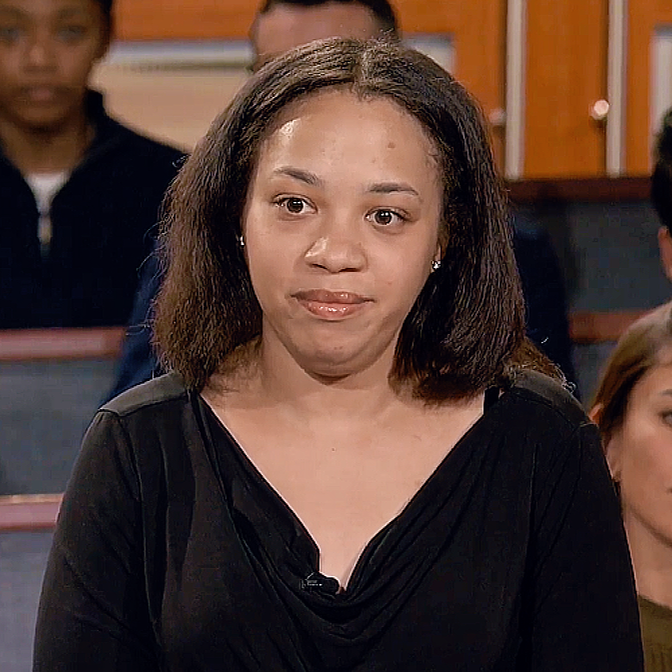
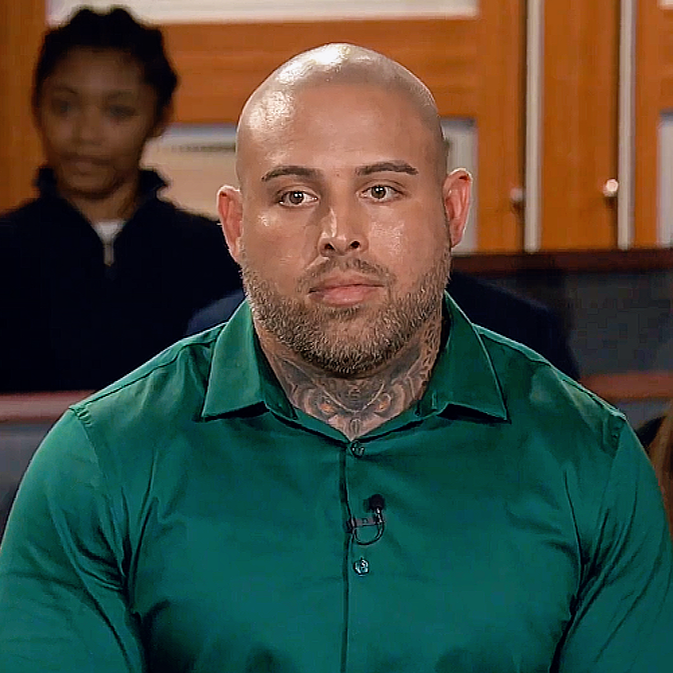
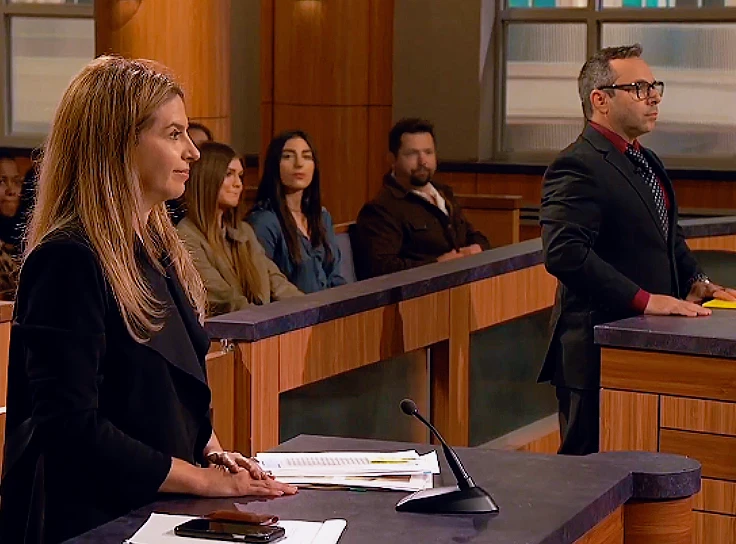
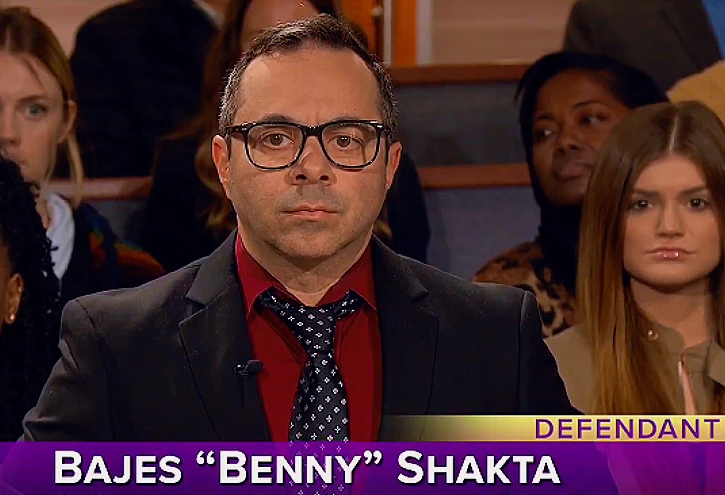
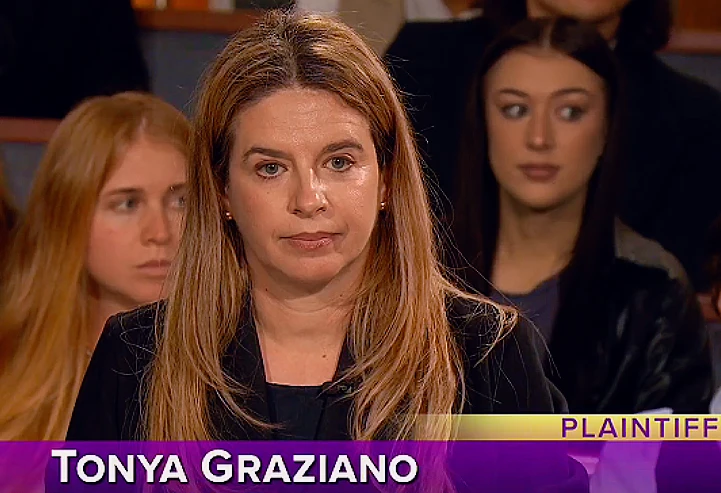
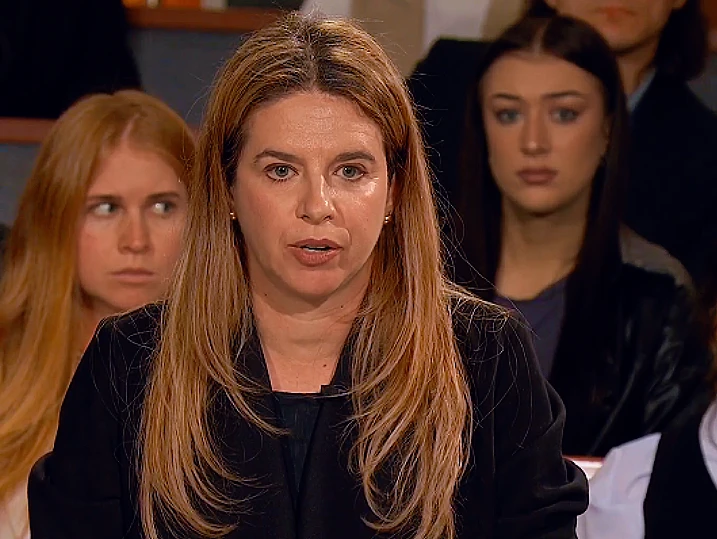
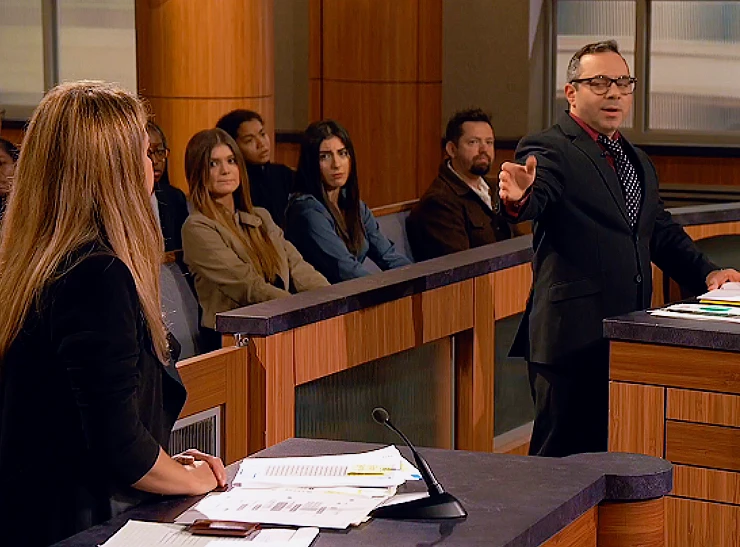
The proceeding identified as case 4080, Graziano versus Shakta, opened as a claim over unpaid personal loans. Tonya Graziano, a registered nurse who said nursing was, for the most part, her only source of income, told the court that she had loaned her former boyfriend, Benny Shakta, $6,000 and then another $5,000. Benny disputed that characterization, saying the payments were gifts. He also filed a counterclaim alleging that Tonya had wrongfully kept his personal property.
The first check was dated July 19, 2023. At that time, Tonya said Benny was living with her, although the arrangement was “off and on.” She explained that she had known him for more than 30 years and that they also shared a friendship. Her account was that Benny was facing financial hardship, trying to obtain an insurance license, and attempting to get back on his feet.
Tonya presented proof that the check had been cashed and said she also had bank statements for both payments. The second check, for $5,000, was dated December 19, 2023.
A Relationship, a Home, and Competing Explanations
When Judge Judy Sheindlin asked how Benny was supposed to repay the first $6,000, Tonya said the arrangement had been verbal. There was no specific repayment date. She confirmed that Benny made no payment between July and December, yet she gave him another $5,000 during the holiday season.
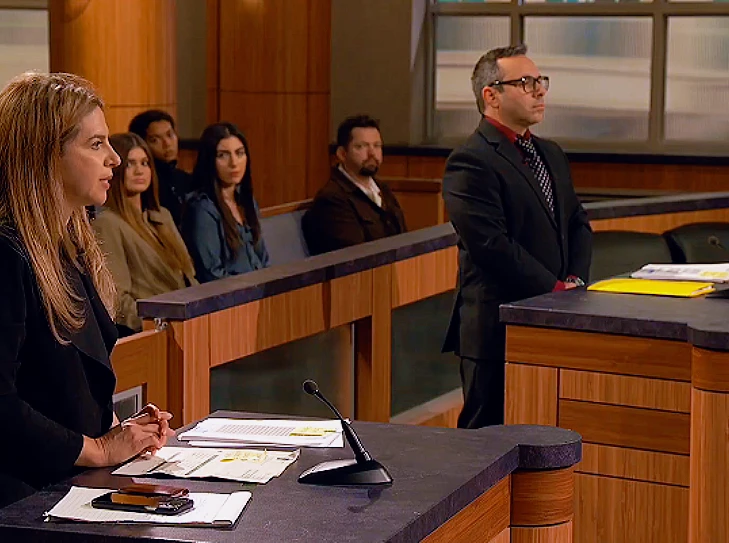
Tonya said Benny had obtained his insurance license, had an employer, and was also working for Uber. She believed he was making an effort to establish himself. Judge Sheindlin pressed the point that, despite those efforts, no money had been paid toward the first check. Tonya also acknowledged that Benny was living with her during this period and that she was paying the rent, mortgage, and household bills.
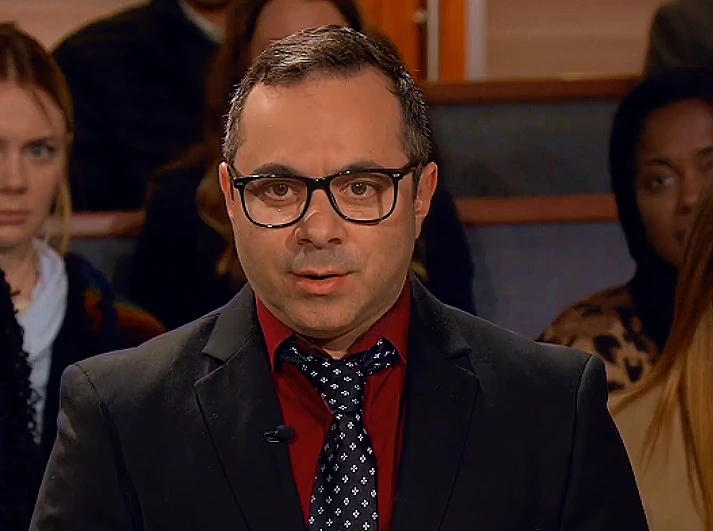
Benny offered a different explanation for the first payment. He said Tonya had given him the $6,000 after he decided he was going to leave the relationship. According to his account, Tonya had cheated on him with a former boyfriend, begged him to stay, and offered the money to help with his credit-card bills. He said his business had shut down during COVID, leaving him at home for two years while he tried to determine what to do next. He later obtained an insurance license and began building a client base, but said that process took time.
The Documents Become the Focus
The hearing moved from testimony to written evidence. Benny presented an email that he said Tonya sent after their breakup. He claimed they reunited the following day after Tonya asked him to come back. Tonya’s message, as read in court, stated: “I lent you money in the amount of $6,000 on July 19, 2023, and I am requesting the money back.” It also said she had tried to contact him, wanted to resolve the matter amicably, and requested payment through Zelle by November 14, 2023.
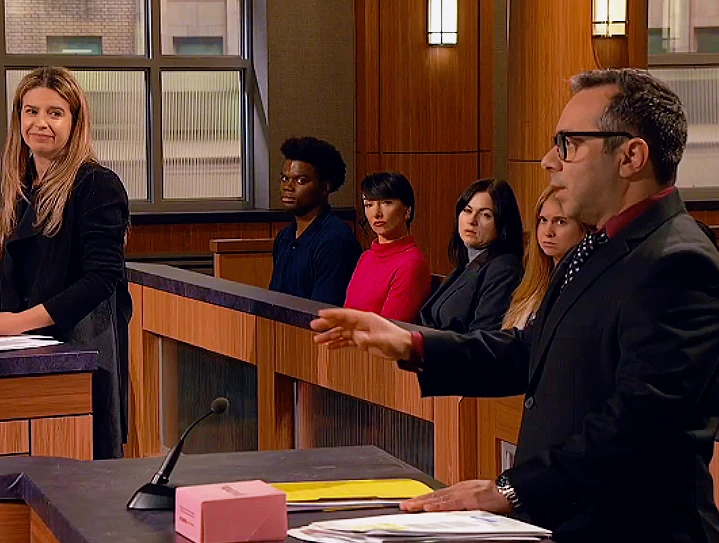
That October message supported Tonya’s description of the July payment as a loan, at least as a later written demand. The hearing also examined a text received on March 8, 2024. Benny attempted to use other messages to show that the money had been treated as a gift. One message referred to Tonya’s mother being angry because Tonya had given him money; another expressed a desire for the money to be returned after the relationship deteriorated. The documents did not erase the conflicting testimony, but they gave the judge a way to test each side’s account against the timeline.
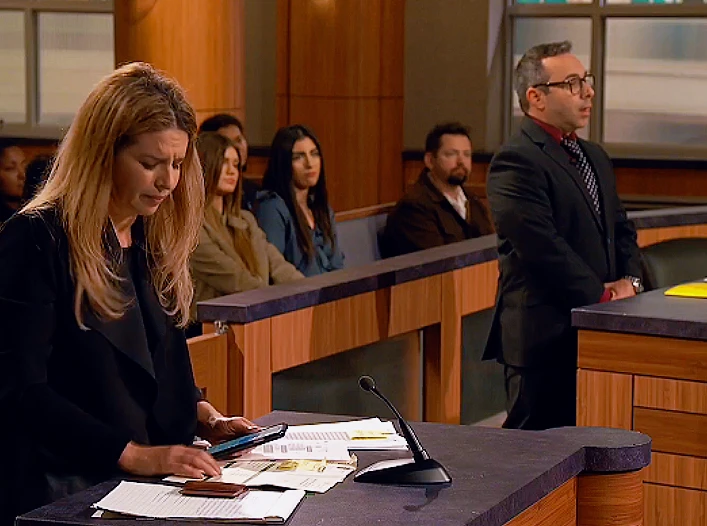
The documents did not settle the dispute by themselves. Judge Sheindlin also challenged Tonya’s position. Tonya said she cared deeply about Benny and believed they would have a long-term relationship. The judge pointed out that if the checks were given because Tonya expected the couple to remain together, marry, and live as a family, that expectation could make the payments look less like conventional loans.
Tonya responded that Benny had said he would repay her. She said her mother had heard him promise to repay all $11,000 at the beginning of March 2024, at her Los Angeles home. Benny had reportedly been there after an interview for another job in Los Angeles, where he hoped to remain close to Tonya. The relationship, she explained, had continued on and off.
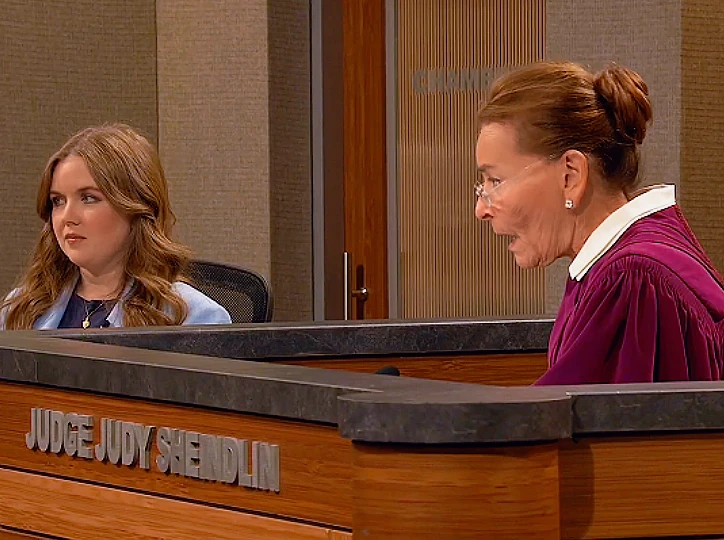
Why the Second Payment Troubled the Judge
The court treated the two payments differently. Judge Sheindlin said she understood the first $6,000 more readily because the evidence indicated that Tonya gave it with the idea that Benny would pay her back. The second $5,000 was more difficult to reconcile with the facts presented. By then, the first check had produced no repayment, yet Tonya issued another check while Benny was still living with her and she was paying the household bills.
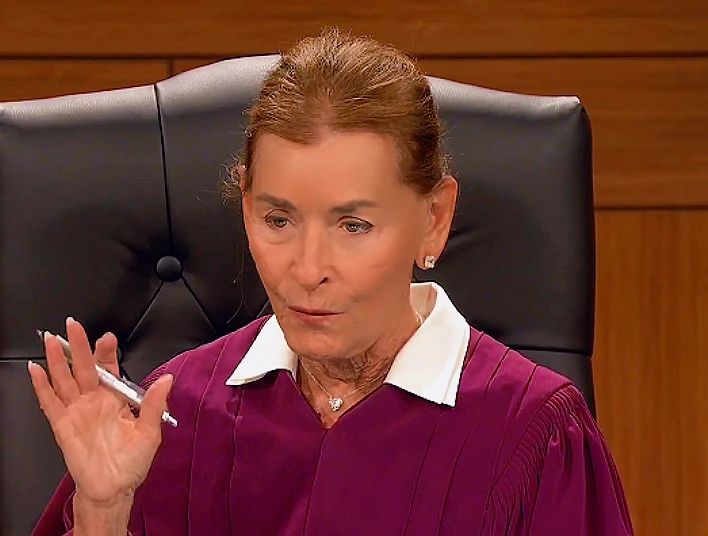
By December, Tonya knew Benny had not paid anything toward the July check. They were still living together, and she was covering the household expenses. Yet she issued another check after Benny said he needed help with debt, explaining that they had gotten back together and that she believed he was trying to work. The judge repeatedly focused on the gap: no payment had been made, no specific repayment date had been set, and the second check arrived roughly six months after the first.
Tonya later acknowledged that she probably should not have given Benny the second check, but said she genuinely cared about him and believed they were building a lasting relationship. That admission became important because the courtroom was no longer examining only a financial transaction. It was examining the expectations surrounding the relationship.
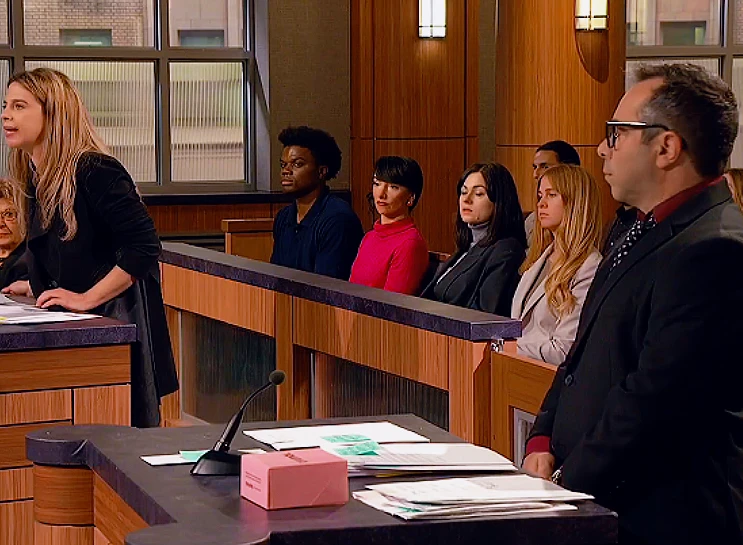
The $325,000 Business Loan
The hearing also referenced a separate and much larger transaction. Tonya had loaned Benny $325,000 for a commercial-property business venture. She said that loan was separate from the two personal checks. The parties disagreed over the interest rate, with Benny referring to seven percent and Tonya correcting him to six percent.
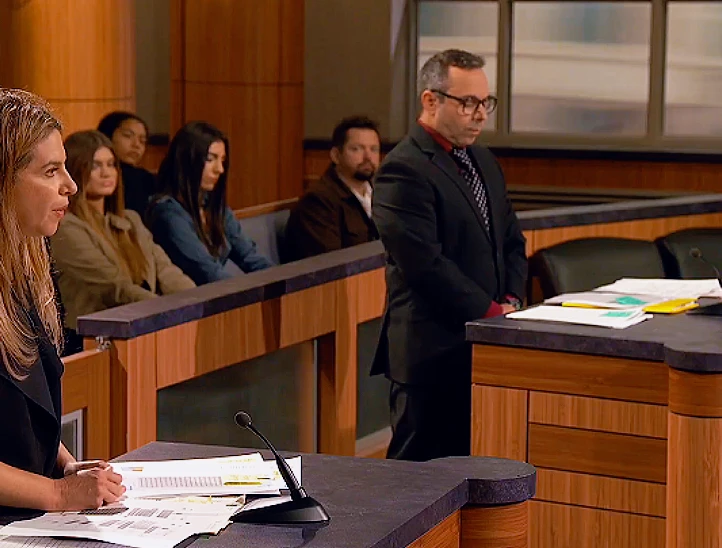
The $325,000 loan mattered because Benny used it to argue that Tonya knew how to structure a formal business loan. He described her as a capable and shrewd businesswoman who knew how to write loan documents. Tonya did not deny the larger transaction; she maintained that it was separate and carried a six-percent interest rate. The existence of that formal business loan did not automatically establish that the two personal checks had been documented or intended in the same way.
The transcript places the $325,000 transaction in August 2023, between the July and December personal checks. That timeline reinforced the judge’s concern about Tonya’s decision to provide another $5,000 after no payment had been made on the first check.
The Case Is Dismissed
Near the end of the hearing, Judge Sheindlin returned to the written terms described in Tonya’s complaint. Tonya had alleged a verbal agreement under which Benny would repay the $6,000 once he became financially stable and obtained full-time employment.
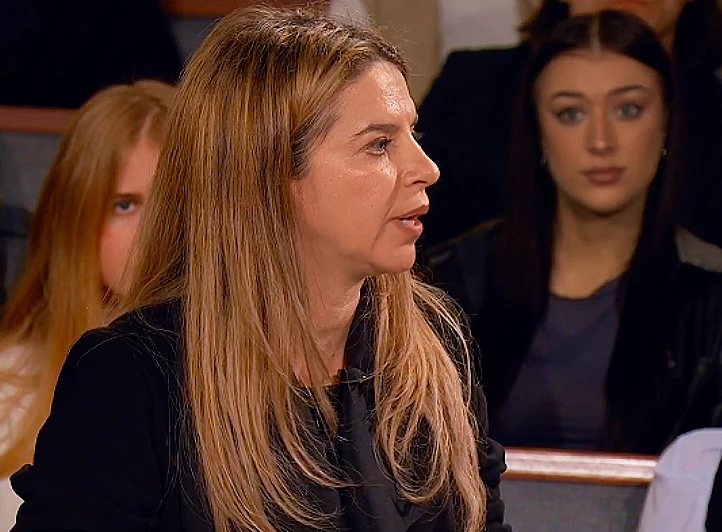
Benny testified that he was not financially stable and did not have a full-time job. Tonya insisted that he was working, but the judge focused on the condition as it had been presented in the complaint. The court told Tonya that she needed to prove the agreement she had alleged. When she said the parties had lost track of each other and she did not know what proof remained, Judge Sheindlin concluded that without proof, she did not have a case.
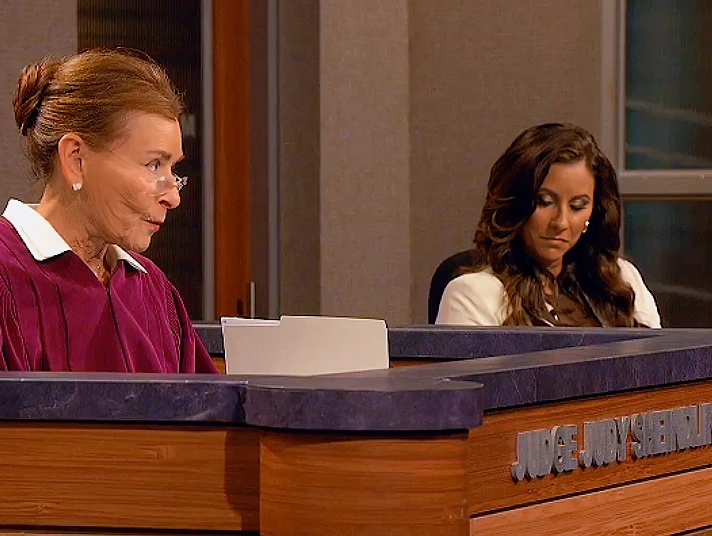
The case was dismissed. As the proceeding ended, Judge Sheindlin also described Benny’s counterclaim as “ridiculous.” The SRT does not provide a separate, detailed ruling on the personal-property allegation, so the outcome should be stated narrowly: Tonya’s case over the alleged loans was dismissed during the hearing, while the judge characterized the counterclaim in sharply dismissive terms.
What the Hearing Ultimately Showed
The courtroom dispute between Tonya Graziano and Benny Shakta was built around a familiar but difficult question: when money changes hands between romantic partners, what separates a loan from a gift?
The evidence included canceled checks, bank statements, an email, text messages, and testimony about promises to repay. Tonya’s clearest documentary support was the written request identifying the July payment as a $6,000 loan. Her greatest difficulty was explaining why she issued a second check after receiving no repayment on the first. Benny’s explanation placed the money inside the emotional pressure of a relationship, while his claim that the payments were gifts had to be weighed against the written demand and the other messages presented in court.
The post-hearing reflections in the transcript point to the lesson Judge Sheindlin emphasized: if money is intended as a loan, the agreement should be written down, regardless of whether the recipient is a stranger, friend, or romantic partner. The case ended not with a criminal finding, but with a civil claim dismissed after the plaintiff could not prove the repayment condition she had described.
FAQ
How much money did Tonya Graziano claim Benny Shakta owed?
Tonya claimed Benny owed her $11,000 from two alleged personal loans: a $6,000 check dated July 19, 2023, and a $5,000 check dated December 19, 2023.
Why did Benny Shakta say the payments were gifts?
Benny said the money was given in the context of their romantic relationship. He testified that Tonya offered the first $6,000 after he planned to leave and that she wanted to help him with his financial situation.
Was there a separate $325,000 loan?
Yes. The hearing referenced a separate $325,000 loan connected to a commercial-property business venture. Tonya said it was distinct from the two personal checks.
Why was Tonya Graziano’s case dismissed?
The judge focused on the repayment condition stated in Tonya’s complaint: Benny would repay the $6,000 once he became financially stable and had a full-time job. Because Tonya could not prove the agreement as alleged, the case was dismissed.
Did the hearing involve a criminal charge?
No criminal charge is identified in the SRT. The transcript presents a civil courtroom dispute involving alleged loans and a counterclaim concerning personal property.