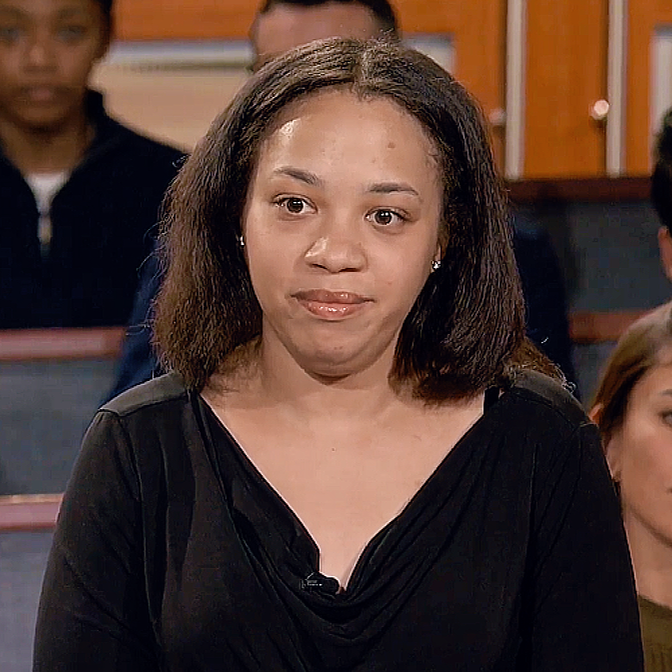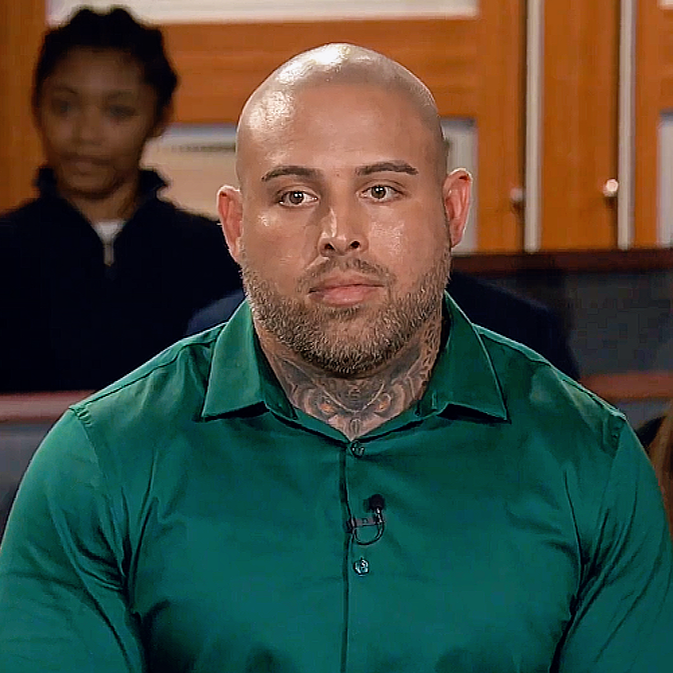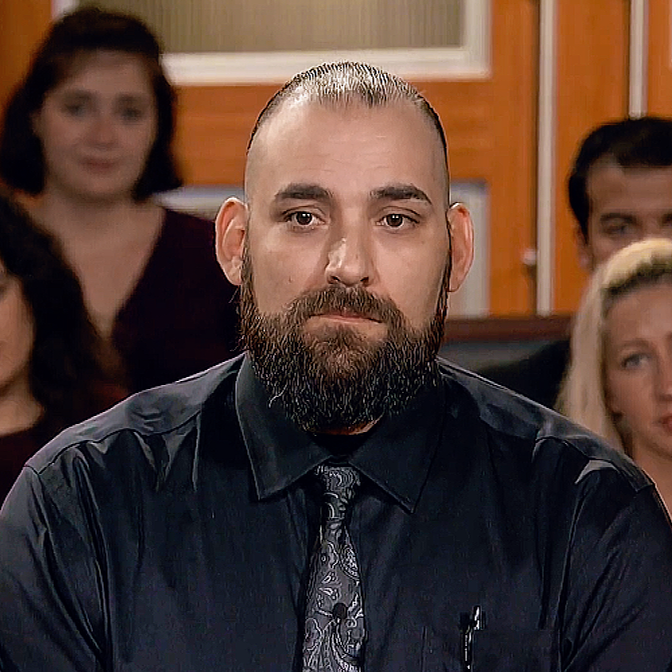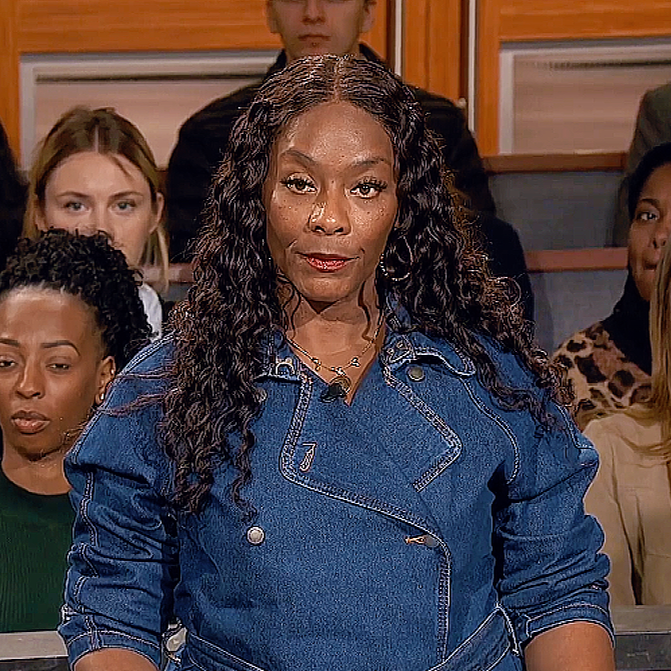
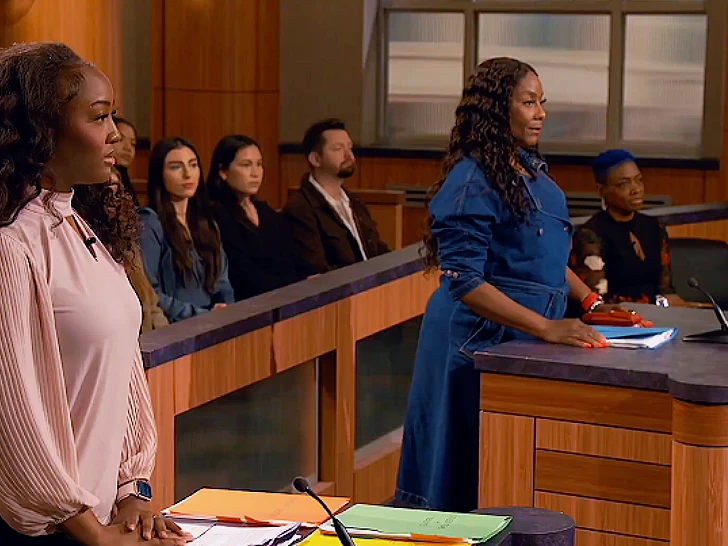
Two suitcases sat beneath a crawl space, a house was being prepared for sale, and a family relationship had already broken down. When Kya Robinson faced her aunt, Michelle Thomas, in court, the central question was not simply where the belongings were. It was whether Robinson could prove that Thomas was responsible for property Robinson said was missing. The dispute involved a $400 payment, a phone bill, Facebook photographs, and clothing Robinson believed was hers.
A Niece and Aunt Once Described as Family
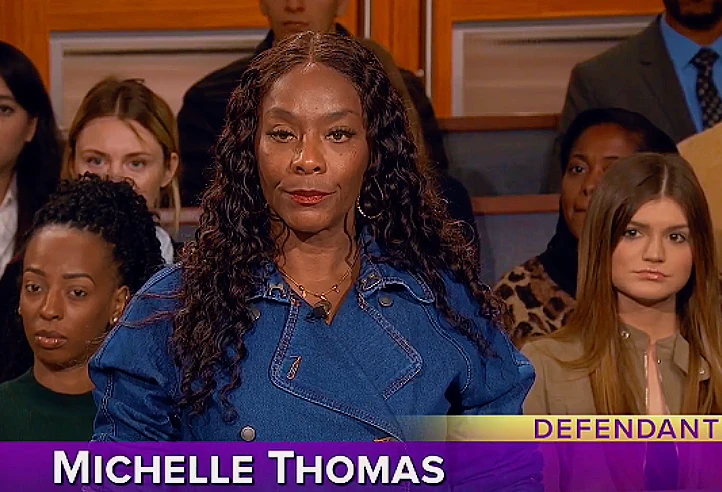
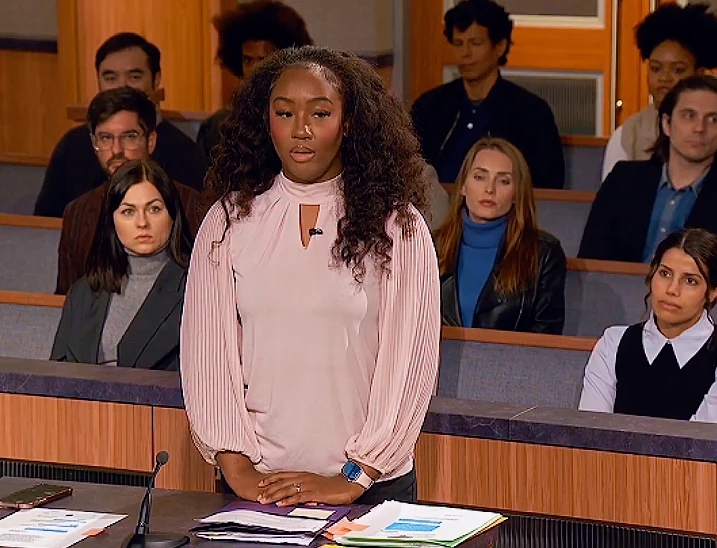
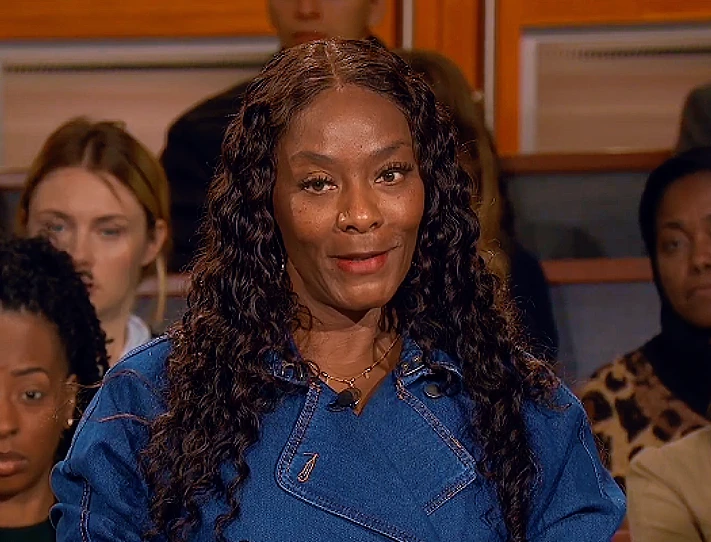
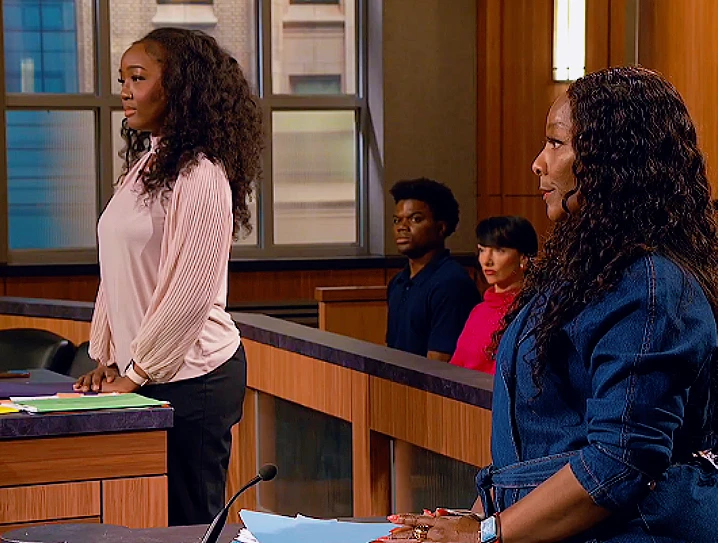
Kya Robinson was 22 when she brought case 4078, Robinson v. Thomas, before Judge Judy Sheindlin. The defendant was Robinson’s maternal aunt, Michelle Thomas—the relative Robinson described as being like a second mother to her. The complaint, as summarized in the courtroom, included allegations involving stolen property, lost wages, and emotional distress.
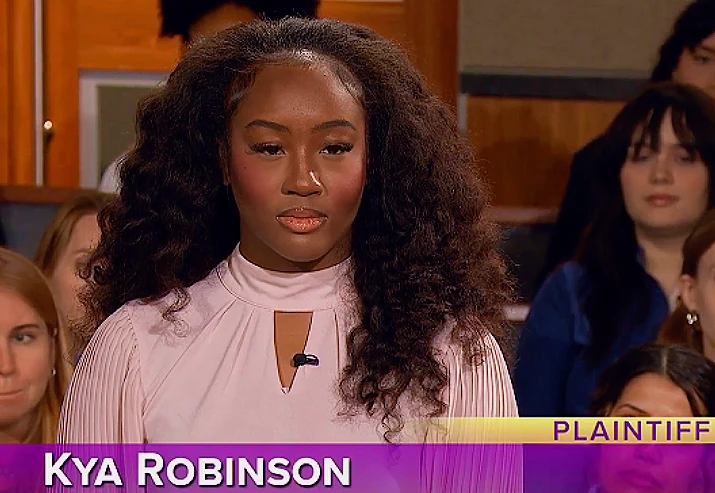
The case was not a dispute between strangers. Robinson said Thomas had supported her after college. Thomas said she had bought Robinson clothing and paid her phone bill for two years without asking for repayment. Both accounts pointed to a relationship that had once included practical support.
The courtroom question was not simply whether belongings had been left behind. It was whether Robinson could prove that Thomas was wrongfully keeping property that belonged to her.
The Timeline From College to Military Training
Robinson testified that she attended Georgia Gwinnett College for two years before leaving in December 2022. She said she left school to join the military and obtain funding through military service. Instead of going directly from the dormitory into service, she moved into Thomas’s house.
Robinson stayed there for approximately four months, from December 2022 until April 2023. She was working, but she did not pay rent; in court, she agreed that she had been living there as a guest. In April 2023, she left for military service and training. Because she was not permitted to bring all of her belongings, she said, some property remained at the family home.
The house later became part of the conflict. Thomas and her husband divorced, and the house was sold in August 2024. Robinson said she was notified in June that the property was being sold. She then sought to retrieve what she believed was still hers.
The timing became central. Judge Sheindlin focused on the period between the June notification and the August sale: what had Robinson told Thomas to preserve, what arrangements had been made for collection, and which items could be identified?
The Money Dispute That Changed the Relationship
Robinson testified that she received a $10,000 bonus after entering boot camp, placing the payment around June 2023, after she had already left Thomas’s home. She said she spent approximately $4,000 on personal items and sent Thomas $400 after Thomas asked for help with bills and discussed difficulties in her marriage.
According to Robinson, the relationship deteriorated when Thomas continued asking for money and Robinson stopped sending it. One exchange discussed in court concerned a July 8 phone bill. Robinson said her portion was $70. Thomas acknowledged that the total bill was $429 but argued that the bill was due and that Robinson had not paid the previous month. Thomas denied asking Robinson to cover everyone else’s share, while also acknowledging that she had been under financial pressure.
The disagreement suggested one possible explanation for the breakdown, but it did not establish that Thomas had taken Robinson’s property. The court needed evidence connecting specific belongings to Thomas’s possession or conduct.
Photographs, Perfumes, and Two Suitcases
Robinson said she and Thomas were no longer speaking during part of this period and that Thomas had blocked her on Facebook. She testified that she saw photographs of Thomas wearing clothing she believed was hers. She also said her uncle sent photographs showing her perfumes on Thomas’s dresser. None of those photographs, however, independently established when the items arrived at the house or who owned every disputed item.
The most prominent clothing image shown in court involved what Robinson identified as a Lululemon outfit or sweatsuit. Robinson said she had purchased it and had a matching jacket. Thomas disputed that account, saying she had purchased clothing for Robinson in the past. When Judge Sheindlin observed that the two women did not appear to be the same size, Robinson responded that the leggings could stretch.
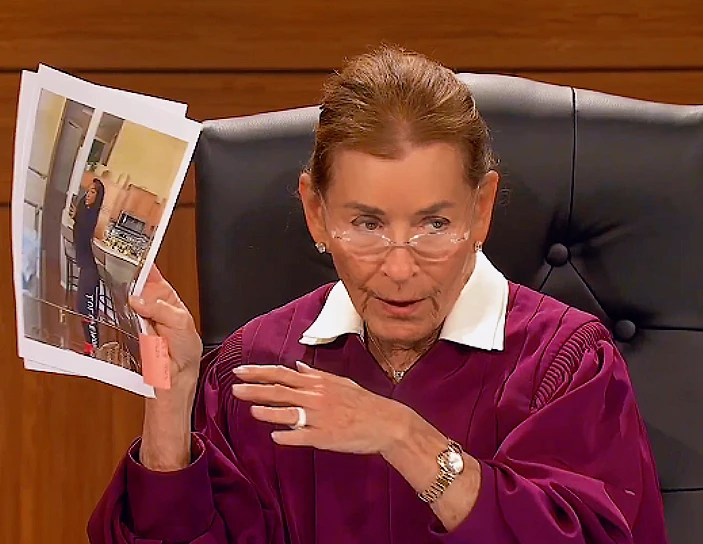
Robinson presented a Facebook post from Thomas offering household goods, clothing, and shoes free of charge to people or organizations in need after a move and downsizing. The post said some items were unused or still had tags. Robinson interpreted the reference to clothing as evidence that her belongings might have been given away. Judge Sheindlin read the post more narrowly: it did not identify Robinson or refer specifically to her property.
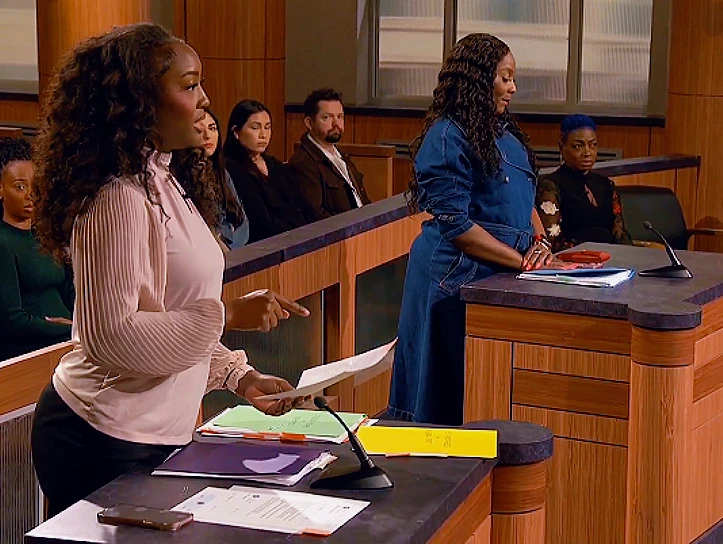
A separate line of evidence concerned two suitcases. In a message presented to the court, Robinson’s uncle said the luggage and bags were still under the crawl space and that he would look through them and FaceTime her later. Robinson argued that the message supported her claim that her belongings remained at the house. Judge Sheindlin, however, emphasized that the communication was with the uncle, not with Thomas.
Why the Evidence Did Not Satisfy the Court
The court repeatedly asked Robinson to identify particular items. When Robinson initially described the property as “everything” she had ever owned, Judge Sheindlin narrowed the issue to the suitcases, the perfumes, and specific clothing. Robinson could point to the Lululemon clothing image, but the court noted that the image showed Thomas wearing an outfit; it did not, by itself, establish ownership or prove that the clothing had been wrongfully taken.
The same problem affected the perfume claim. Robinson said the collection was worth thousands of dollars over time and referred to bank statements, but acknowledged that she did not have every receipt. The records shown in court included purchases made after she had left Thomas’s house, including an Apple-related purchase and an item from Marc Jacobs in July 2023. Those records did not prove that thousands of dollars’ worth of perfume had been stored at Thomas’s home or later taken by Thomas.
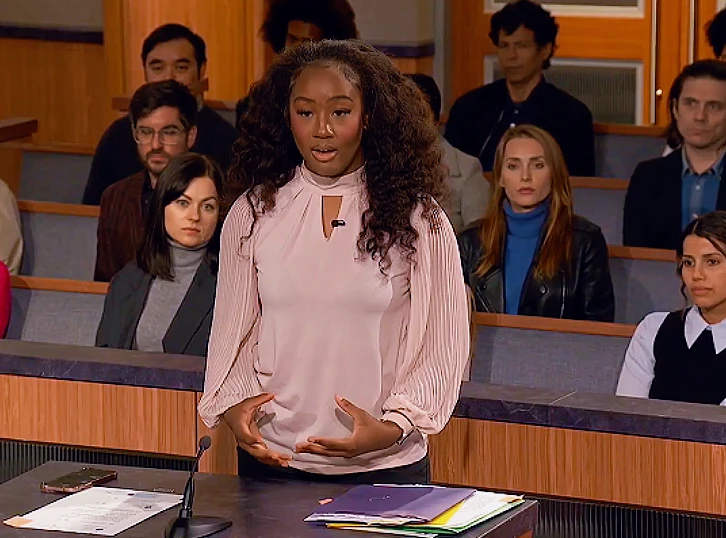
Judge Sheindlin also questioned why Robinson had not arranged with the uncle to retrieve the two suitcases after he acknowledged knowing where they were. Robinson did not produce a message asking him to remove the bags so she could collect them. The judge stated that even such evidence would have raised a separate problem: Robinson appeared to have sued the wrong defendant because her documented communication about the luggage was with her uncle, not her aunt.
The ruling turned on proof, not on a finding that every part of Robinson’s account was impossible. The SRT records Judge Sheindlin saying that an allegation that another person has your property requires evidence. In the judge’s assessment, the case contained no sufficient proof that Michelle Thomas was responsible for the property claimed.
The Dismissal and the Family Aftermath
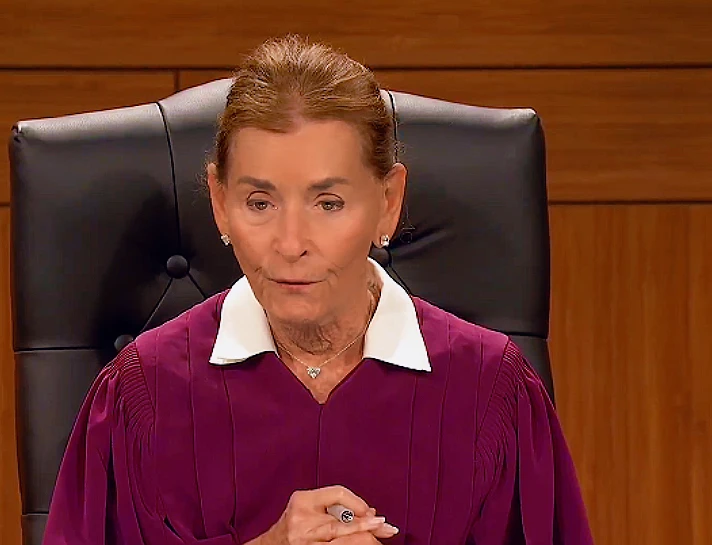
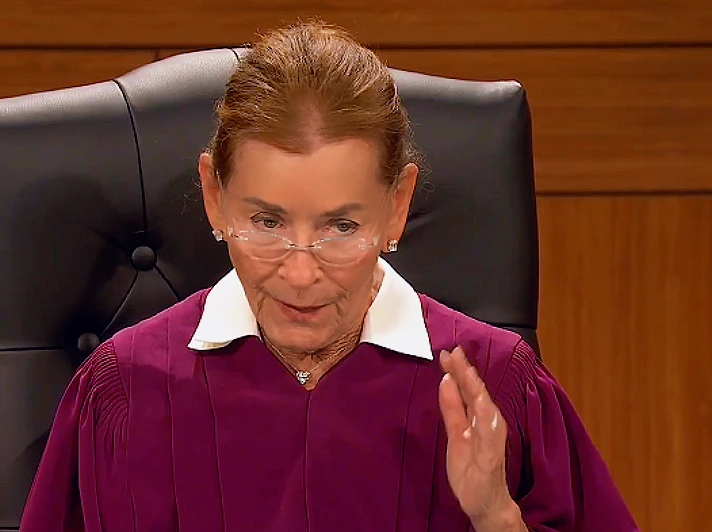
The case was dismissed. Judge Sheindlin thanked Robinson for her military service and told her to grow up before the court adjourned.
In the post-hearing comments, Robinson said she was happy with the decision but still sad because the defendant was her aunt. She maintained that Thomas knew she had her belongings and believed the conduct was retaliation for refusing to send more money. Thomas, speaking separately, said Robinson had been like her child and that she had done everything for her.

At the same time, Thomas said she hoped never to hear from Robinson again because of the judgment. The post-hearing discussion returned to earlier support: a phone, a shared phone plan, housing, clothing, and years of care. It also acknowledged that something had gone wrong between Thomas and her former husband, though the transcript did not establish the exact cause.
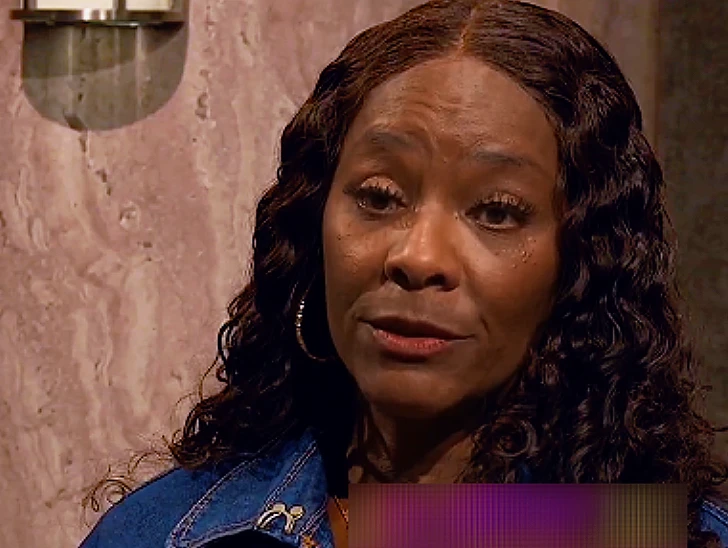
The result was not a finding that every disputed item had never belonged to Robinson. It was a finding that the evidence presented did not support holding Michelle Thomas responsible in this lawsuit. What remained after the dismissal was a family relationship narrowed by competing memories and incomplete documentation. The legal question had been decided, but the emotional dispute was clearly larger than any single pair of leggings or bottle of perfume.
FAQ
Who sued Michelle Thomas on Judy Justice?
Kya Robinson sued her aunt, Michelle Thomas, in case 4078, Robinson v. Thomas. Robinson alleged that Thomas was wrongfully keeping belongings left at the family home and also referenced lost wages and emotional distress.
What property did Kya Robinson say was missing?
The courtroom discussion focused on two suitcases, clothing including a Lululemon outfit, purses, and perfume bottles. Robinson said the broader collection was worth approximately $10,000, but the court required more specific proof of ownership and possession.
Why did Kya Robinson and Michelle Thomas stop communicating?
Robinson said the relationship deteriorated after she stopped sending Thomas money. A July 8 phone-bill dispute was discussed. The transcript also refers to marital problems involving Thomas and her former husband, but it does not establish a complete explanation for the family conflict.
What happened to the lawsuit?
Judge Judy Sheindlin dismissed the case. The judge said Robinson had not provided sufficient proof tying Michelle Thomas to the alleged property loss and indicated that the available communication about the suitcases was with Robinson’s uncle, not Thomas.
Is the case an example of proven theft?
No. The supplied SRT records allegations and courtroom testimony, not a criminal conviction or an independent finding that Michelle Thomas stole Robinson’s belongings. The civil claim was dismissed because the evidence presented was insufficient against the named defendant.