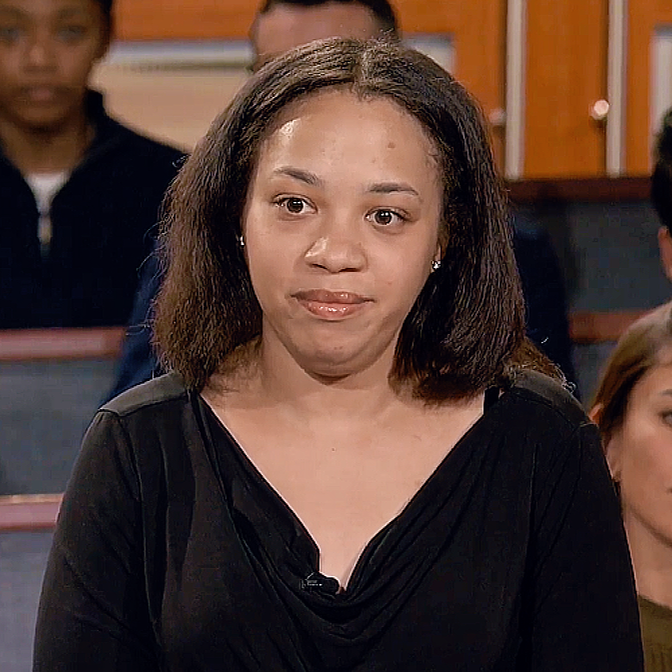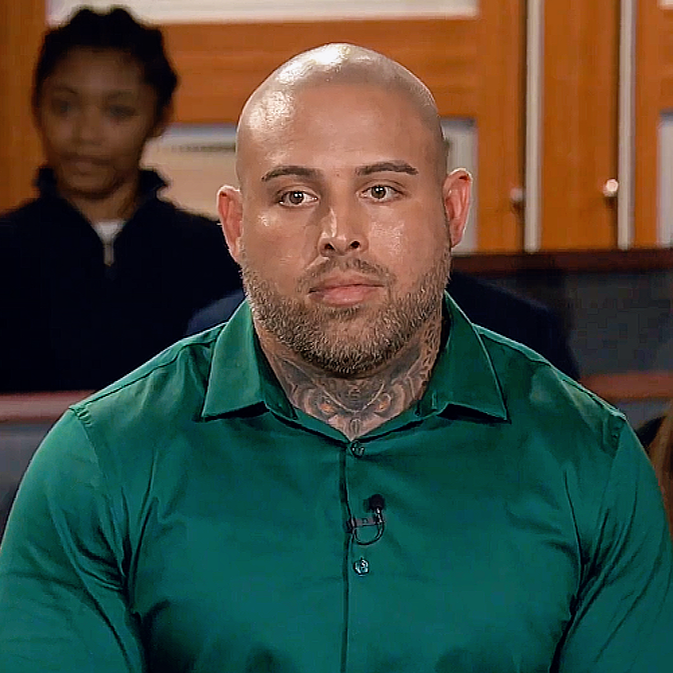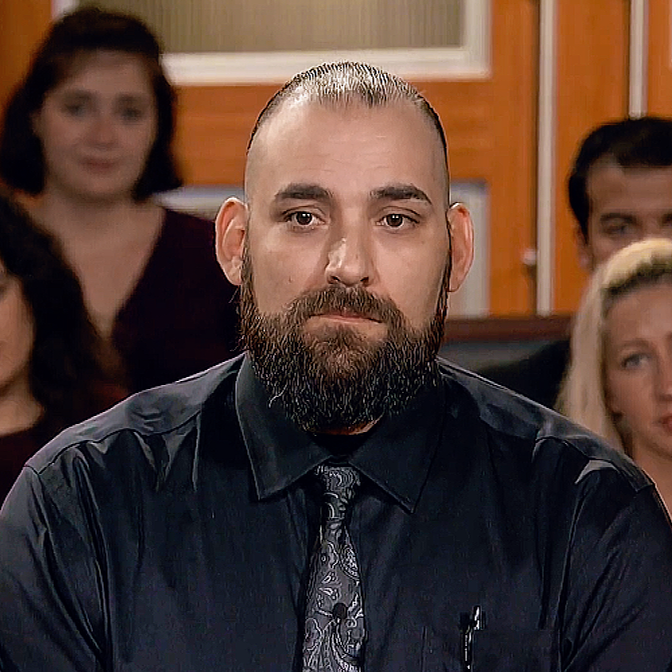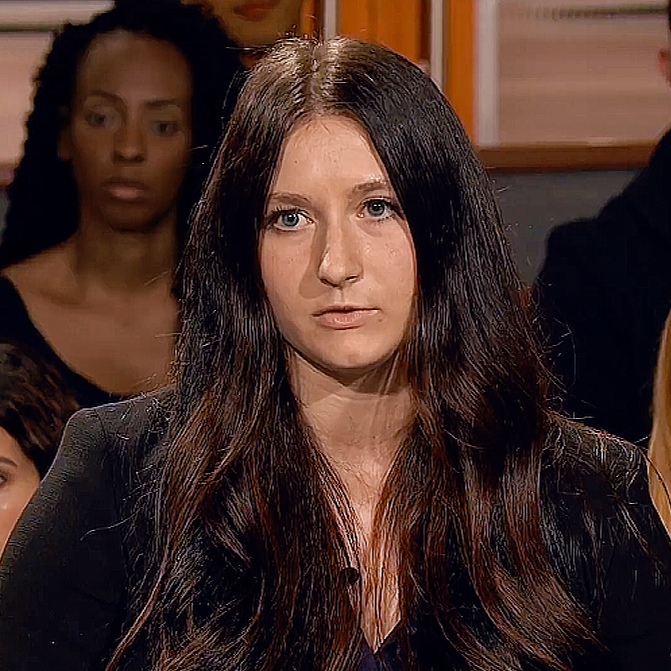
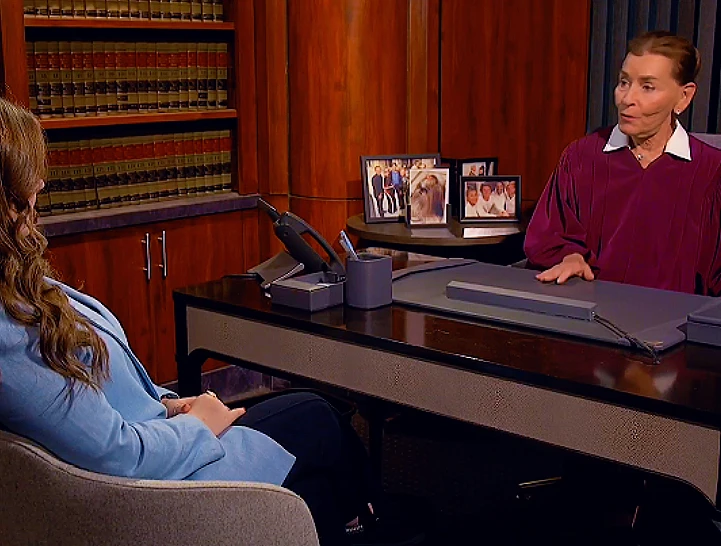
A young nanny faced Judge Judy Sheindlin, visibly struggling to explain why she had left a job—and why payments had stopped on a car purchased in her name. In the case that followed, a grieving mother brought a small number of returned belongings into court, searching for something tangible after a loss that could not be undone. These were separate civil disputes, but both hearings asked the court to distinguish emotional pain from legal responsibility.
Case One : The Car Bought for a Nanny’s Work
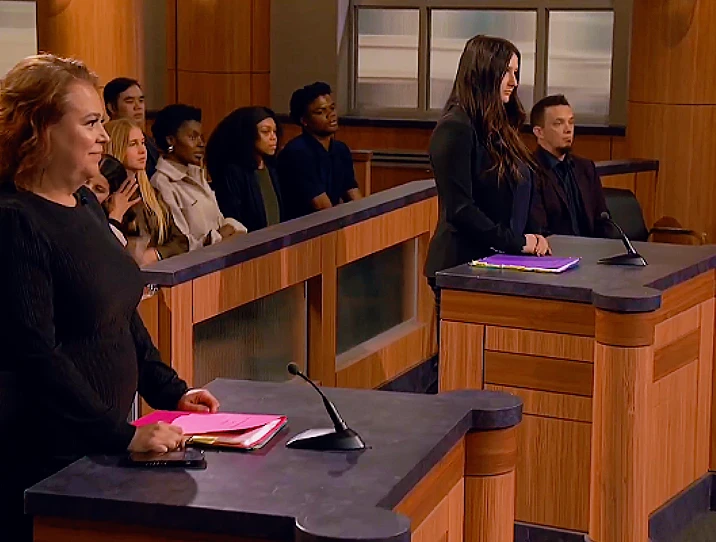
The first case, Johnson v. Hemingway, was identified as case 4076. April Johnson sued her former nanny, Katelyn Hemingway, for breach of contract and emotional distress. The dispute began with an arrangement that appeared practical: Johnson had six young children, and Hemingway needed dependable transportation to take them back and forth.
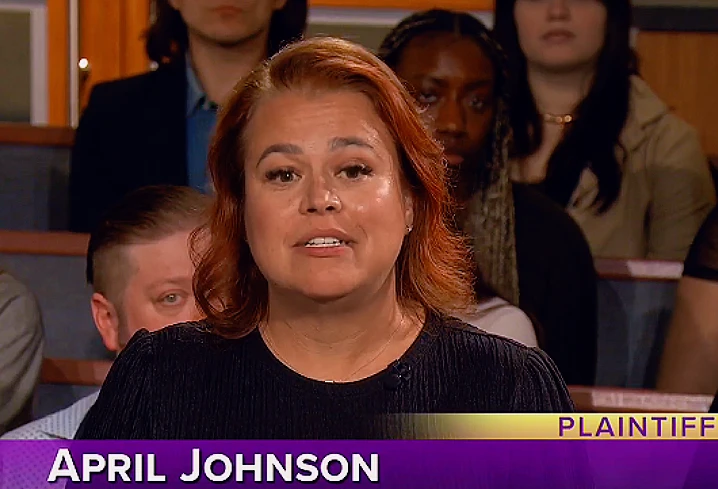
Hemingway testified that Johnson purchased a car in Hemingway’s name. The price was $9,157. During questioning, Hemingway acknowledged that the money was a loan—not a gift—and said payments were deducted from her paychecks rather than handed over in cash.
The employment timeline was disputed: Hemingway first said April 2024, while Johnson said she interviewed her in December 2023 and hired her in January 2024. Hemingway accepted the correction.
Why Katelyn Hemingway Said She Quit
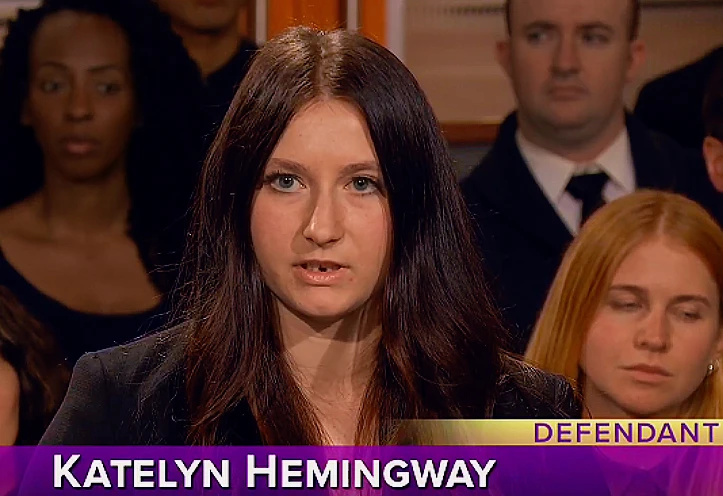
The loan dispute became more complicated when the court examined why Hemingway had left the job. Her decision was not presented as a simple employment disagreement; she said she had no reliable schedule and quit because of concerns about her safety inside the home.
One concern involved a man who was expected to move into a basement room near the space where Hemingway lived. She said she did not know him and felt uncomfortable sharing that area with a man she understood to have a troubled history. During the hearing, she also said that Johnson’s dogs had attacked her and left marks—an allegation Judge Sheindlin noted was not included in the written answer she had submitted.
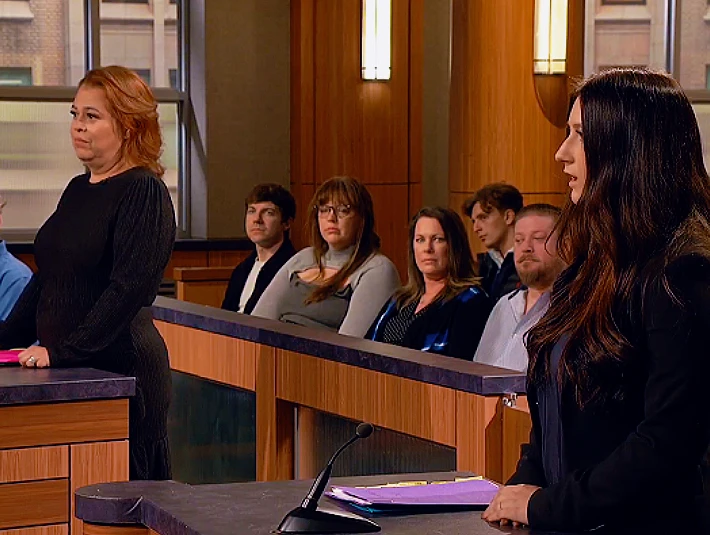
Hemingway later disclosed that she had been raped by a man about a year and a half earlier. She said the prospect of another unknown man in the home was emotionally difficult, especially because she had expected private space. Judge Sheindlin acknowledged that leaving could have been in Hemingway’s emotional interest, but drew a firm line between leaving the job and repaying the loan.
“You can quit your job, Miss Hemingway, but that doesn’t vacate the loan.”
That distinction shaped the rest of the case. Hemingway acknowledged that the car was a loan and that she still owed money. The remaining dispute was the amount.
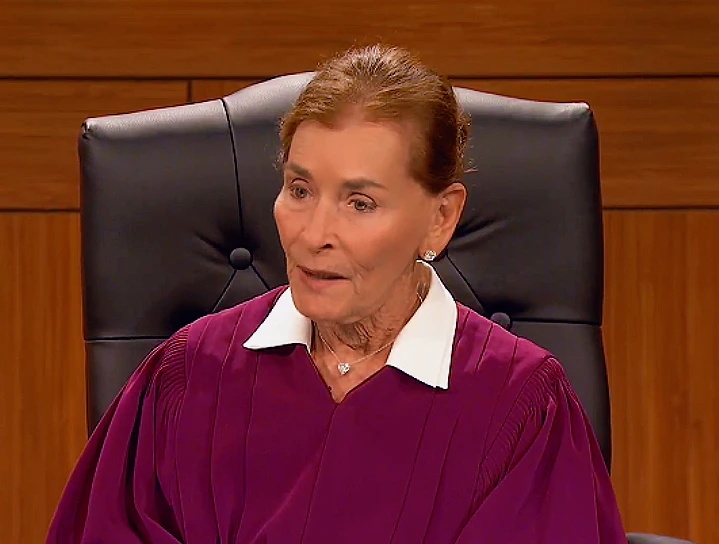
The Loan Balance and the Judgment
The figures did not match. Hemingway said she had paid approximately $3,767, later describing the amount as about $3,761. Johnson first cited $2,524.35 and later stated that the amount paid was $2,635.
Hemingway said the difference was connected to ten consecutive days when she worked while Johnson’s family was away in Hawaii. The dates discussed were July 27–August 6. Hemingway said she worked 130 hours during that period and earned $2,275, but that the money was applied toward the vehicle rather than paid to her as wages.
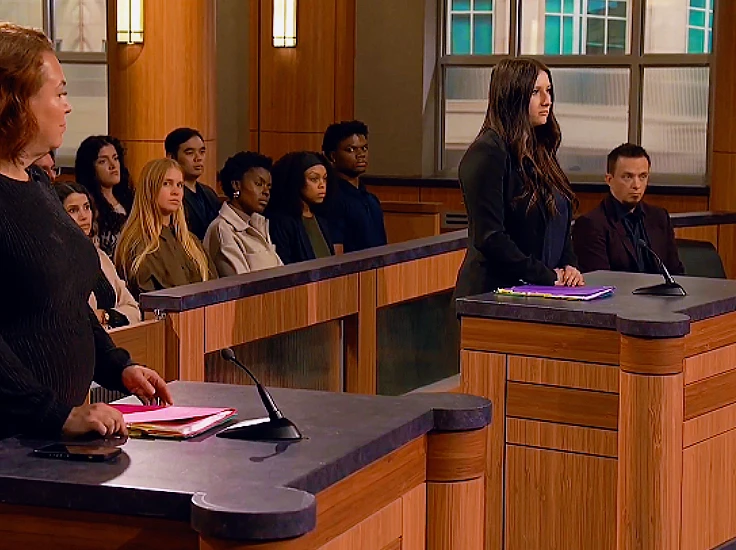
Judge Sheindlin directed both parties to compare their spreadsheets outside the courtroom. When the case resumed, the remaining balance was placed at approximately $7,041. The transcript records slightly different figures—$7,041.25, Johnson’s $7,040.21 figure, and a final judgment announced as $7,041—so the safest account is that judgment was entered for the plaintiff in the amount of $7,041.
Afterward, Hemingway said she was relieved to be out, while Johnson expected a new nanny the following Monday. Judge Sheindlin said understandable reasons for quitting did not cancel the acknowledged loan.
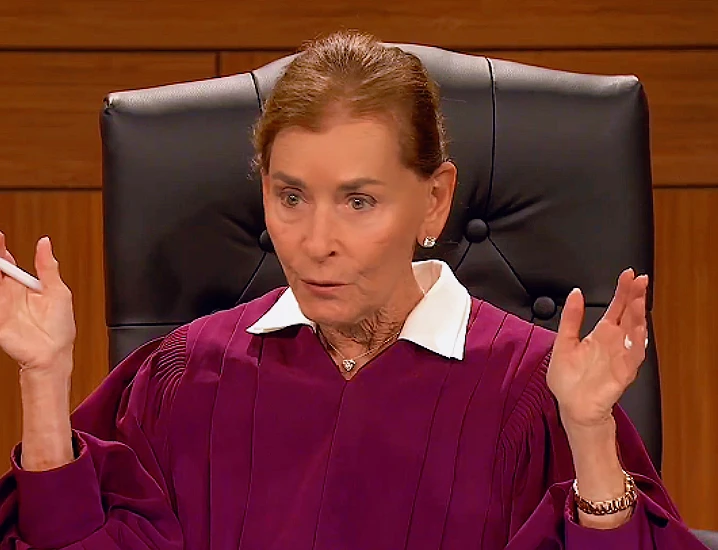
Case Two : Andrea Bennahmias and the Belongings of Rachel
After the first case ended with a monetary judgment, the courtroom turned to a dispute shaped by bereavement rather than employment. The second case, Bennahmias v. Morales, was case 4074. Andrea Bennahmias sued Matthew Morales, her daughter’s former boyfriend, seeking attorney fees and the return or value of property. The emotional center of the case was not a contract but the death of Andrea’s daughter, Rachel.
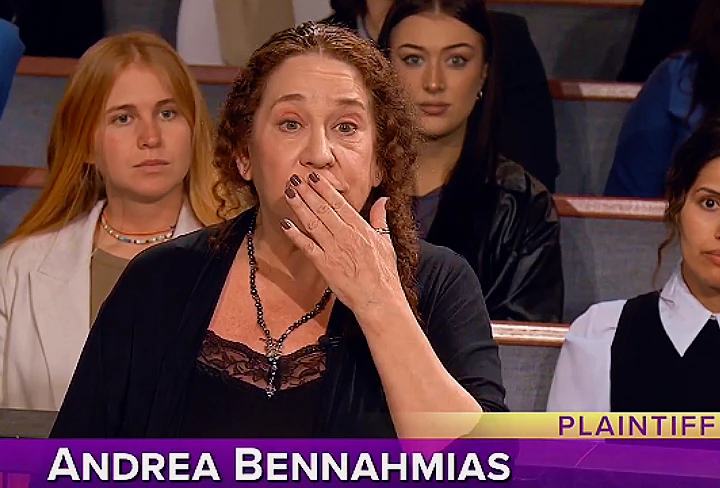
Andrea testified that Rachel and Morales had dated for roughly two and a half to three years and lived together for about six or seven months. They moved to Reno in July 2023. On August 13, 2023, Rachel was killed in an automobile accident. The transcript later identifies the accident as having been caused by a drunk driver. Morales was not in the car and was not involved in causing the crash.
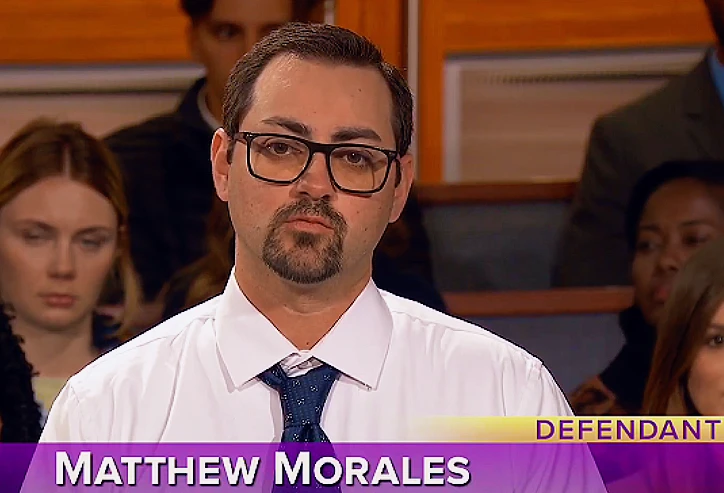
Rachel died without a will. Andrea had moved across the country about two years earlier, and she said she designated someone named Bethany to collect belongings she wanted. Andrea testified that Bethany retrieved some items, but Andrea believed Morales still had property that belonged to Rachel. She sought $10,000 for the value of property, attorney fees, and damages for pain and suffering.
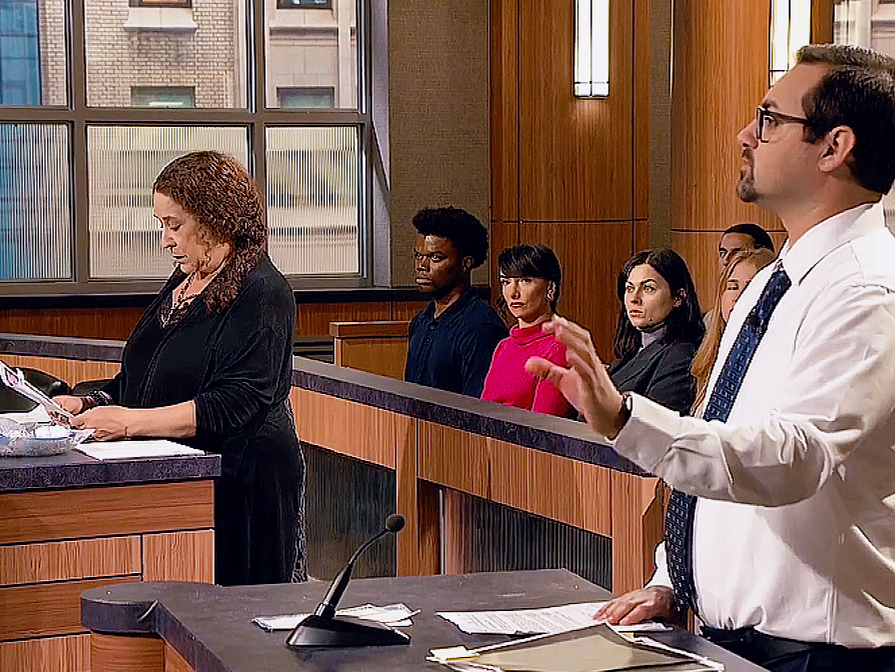
The courtroom discussion focused on a rose-gold Apple Watch, Rachel’s birth certificate, and a desk Morales said he discarded because it was damaged. He said he had purchased the watch but did not have it and was unsure whether it had been confiscated after the crash because Rachel wore it. He returned a bag containing items, including the birth certificate.
When Grief Became a Property Dispute
Andrea said she had received only a few bags and believed more remained in a storage unit she could not access. She also referred to cash allegedly kept in a vault, but the hearing did not establish a finding on that allegation.
Judge Sheindlin repeatedly asked Andrea to identify valuable, specific property rather than clothing, shoes, handbags, kitchen utensils, or other ordinary household items. The judge also questioned the relevance of a damaged desk and noted that a birth certificate could be replaced through the county clerk’s office.
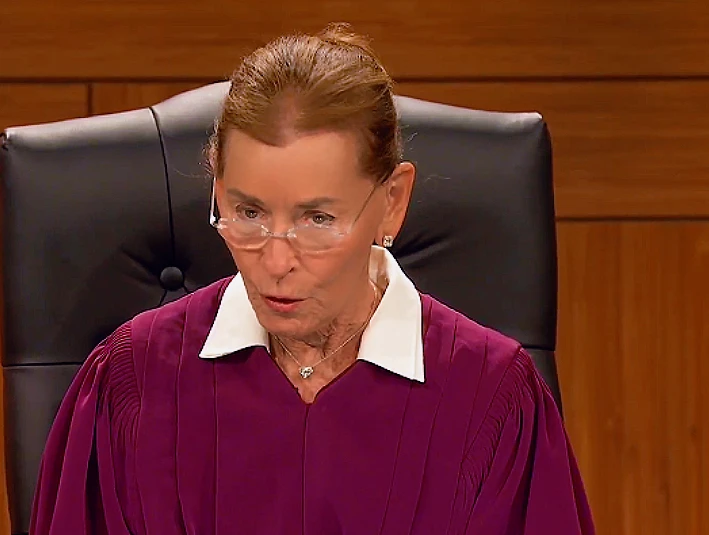
For Andrea, the objects were tangible connections to a daughter who had lived nearly 29 years. Judge Sheindlin recognized that grief but suggested that a crystal Rachel had personally selected and collected could carry more meaning than an Apple Watch or damaged desk.
The judge emphasized that Morales had not caused Rachel’s death. Rachel had moved with him, and the testimony indicated that she had been happy. The court’s message was that grief had directed Andrea’s anger toward someone who was not responsible for the accident.
The hearing ended with Rachel’s birth certificate and other belongings being returned. The transcript records no conventional monetary judgment against Morales. In the closing commentary, the court suggested that Andrea’s grief had been directed at the wrong person, while Morales said he had returned everything he possibly had and hoped she could move forward.
What the Two Cases Revealed
The two cases ended differently, but the underlying lesson was consistent. In the first, the court acknowledged why a young nanny might feel unable to remain in a home, yet treated the admitted car loan as a separate financial obligation. In the second, the court recognized a mother’s devastating grief, yet refused to turn that grief into responsibility for a fatal crash or a judgment based on possessions that had not been clearly established as recoverable.
Neither hearing reduced the people involved to a simple hero or villain. The court’s task was narrower and more difficult: What happened, what can be proved, and what obligation remains?
FAQ
Was Katelyn Hemingway found responsible for a car loan?
Yes. Hemingway acknowledged in court that the vehicle was purchased as a loan and that she still owed money. Judge Sheindlin entered judgment for April Johnson for $7,041, according to the final announcement in the transcript.
Why did Katelyn Hemingway say she left the nanny job?
She cited an unreliable schedule, concerns about a man moving into a nearby basement room, and alleged dog attacks. She also described the emotional impact of a prior rape.
Who was Rachel in the second case?
Rachel was Andrea Bennahmias’s daughter and Matthew Morales’s former girlfriend. The transcript states that Rachel was killed by a drunk driver on August 13, 2023, at nearly 29 years old.
Was Matthew Morales involved in Rachel’s fatal accident?
No. Morales was not in the vehicle and did not cause the accident.
What property did Andrea Bennahmias seek?
The hearing discussed Rachel’s Apple Watch, birth certificate, damaged desk, and stored belongings. Morales returned items including the birth certificate, but the transcript does not establish that he possessed everything Andrea described.
Is this a criminal case?
No. Both were civil disputes presented on Judy Justice.