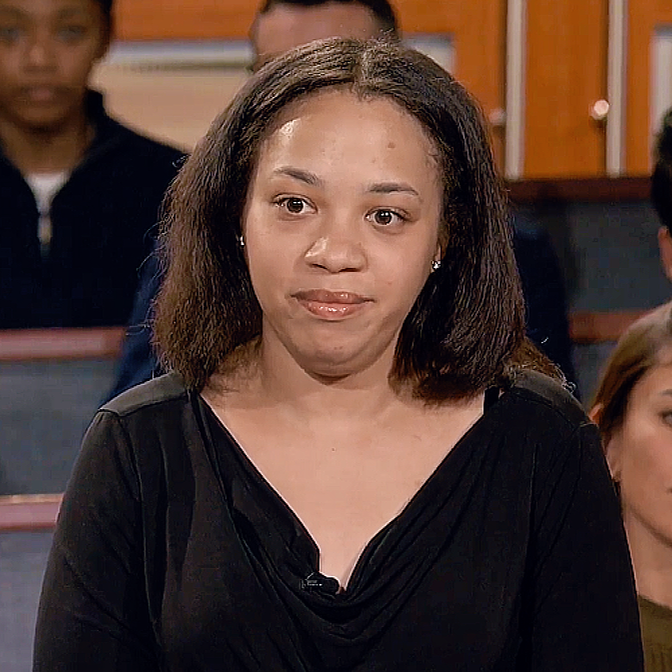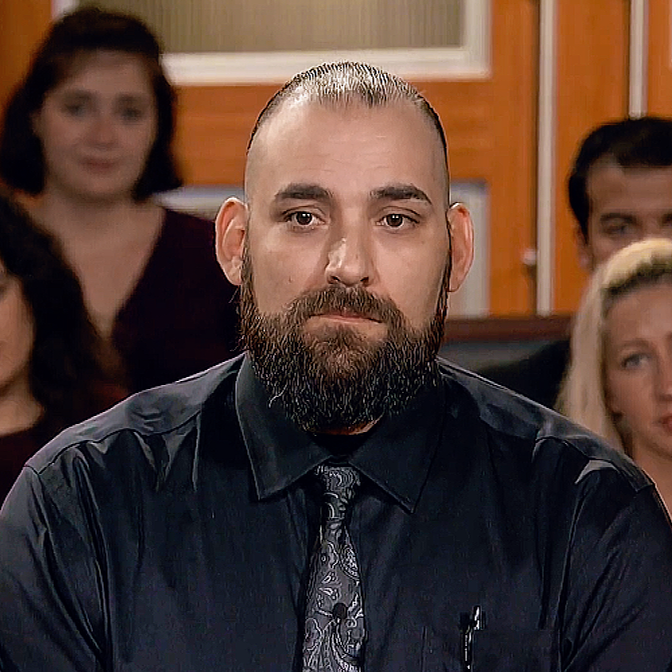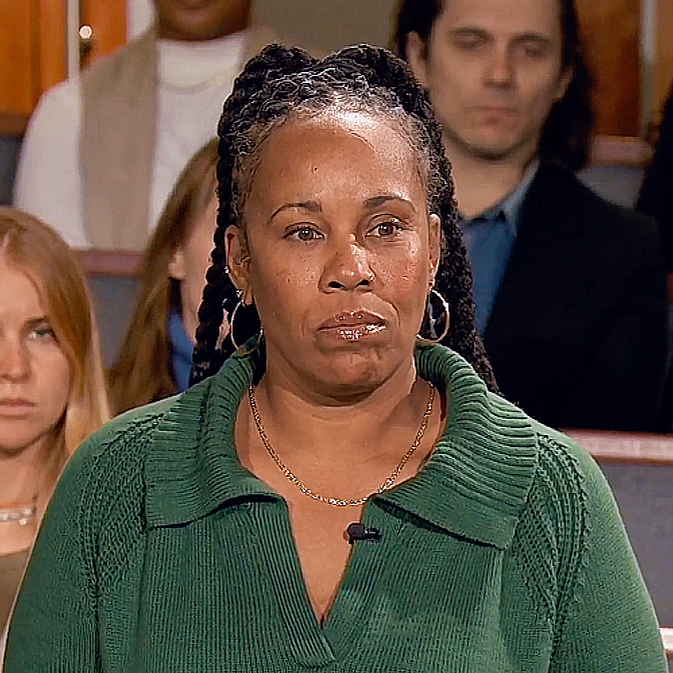
A sign intended to organize a parking lot became the beginning of a bitter neighbor conflict. By the time Nakia Benton and Richard Stone faced Judge Judy, the dispute involved accusations of threats, repeated contact with a vehicle, alleged spitting, disputed evidence, and a final judgment of $1,000.
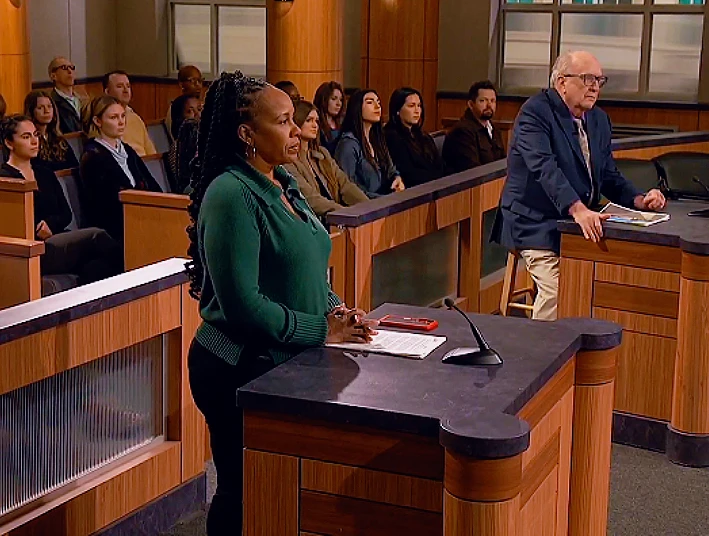
The Sign That Started the Conflict
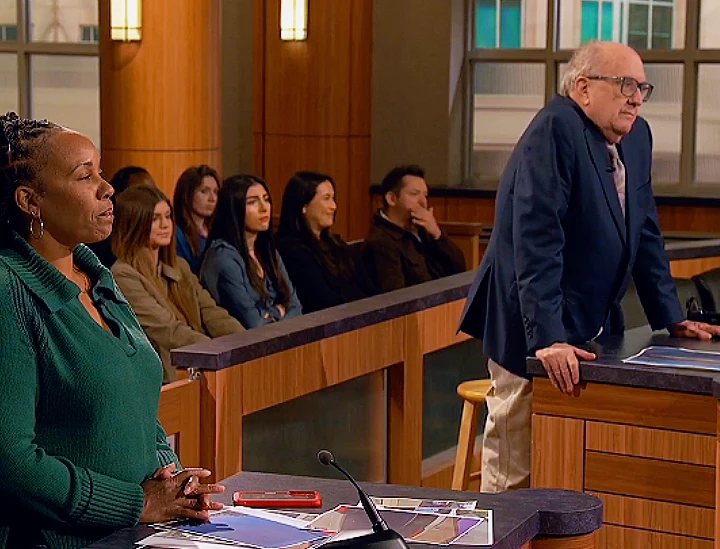
The case was presented as Benton v. Stone, case 4059. Nakia Benton, who rented her apartment beginning November 15, 2023, sued her neighbor Richard Stone over alleged harassment, personal threats, and vandalism involving her vehicle. Stone told the court that he had owned his apartment for ten years.
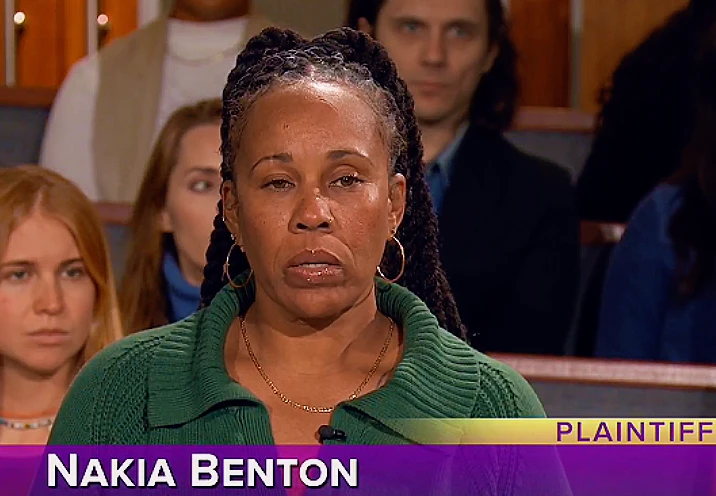
The disagreement began with parking. Benton had an assigned space in the complex, as did Stone. The property also contained spaces for guests and other visitors, including one marked “For compact cars.” Benton acknowledged that she sometimes parked her 2019 GMC Terrain in that space. During the hearing, the vehicle was described as a small SUV rather than a compact car.
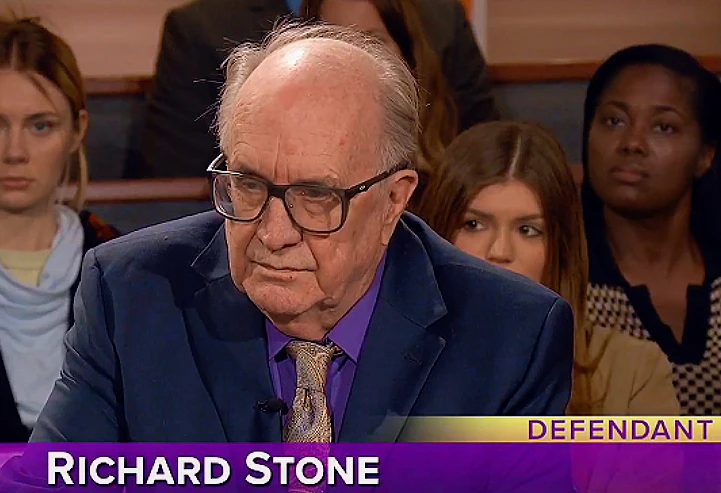
Benton explained that the compact-car restriction did not appear to be enforced. She said she had seen other residents park there and believed that anyone living in the complex with a permit could use the space. Judge Judy pressed her on that explanation. The judge pointed out that the sign itself identified the space as one for compact cars and that Benton’s SUV did not fit that description.
That did not settle the case. It did, however, establish the background to what followed: Benton’s parking did not comply with the apparent purpose of the sign, but Stone chose to confront her personally rather than use the community’s formal complaint process.
What Happened on May 26
On May 26, Benton said she was on her patio, smoking and speaking with her sister on the telephone. She testified that she suddenly heard a belligerent man calling her names and heard something being struck. Because she was behind a gate, she could not immediately see what was happening.
She walked around the gate and said she saw Stone hitting her vehicle. According to Benton, he struck the sides and the back of the car as he moved around it. She asked him why he was hitting her vehicle. She said Stone replied that she was not supposed to be parked there, called her several names, and told her, “Every time I see this car, I’m going to hit it.”
For a moment, Benton thought the confrontation was ending. Stone began walking toward his own car, and she started moving back toward her home. She then said he moved toward her aggressively. She stopped, and Stone returned to the vehicle and began hitting it again.
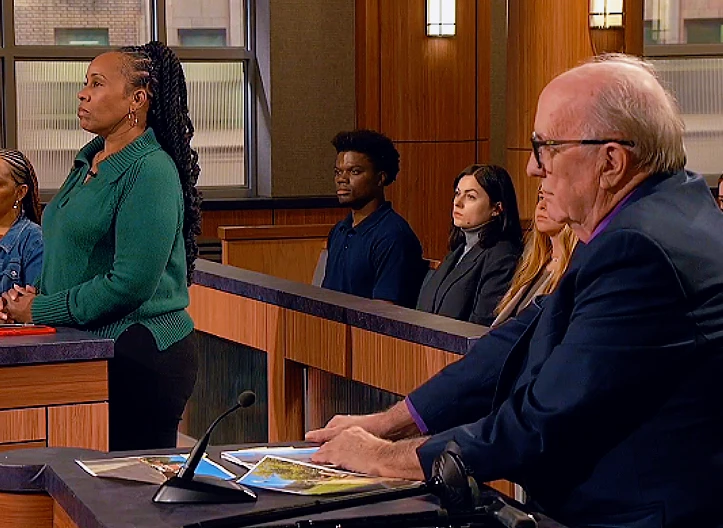
Benton testified that she kept her distance and watched him. She began taking photographs of Stone and his car because she had never seen him before that day. Her account described a confrontation that was not only about a parking space but also about how quickly a property dispute had become personal and intimidating.
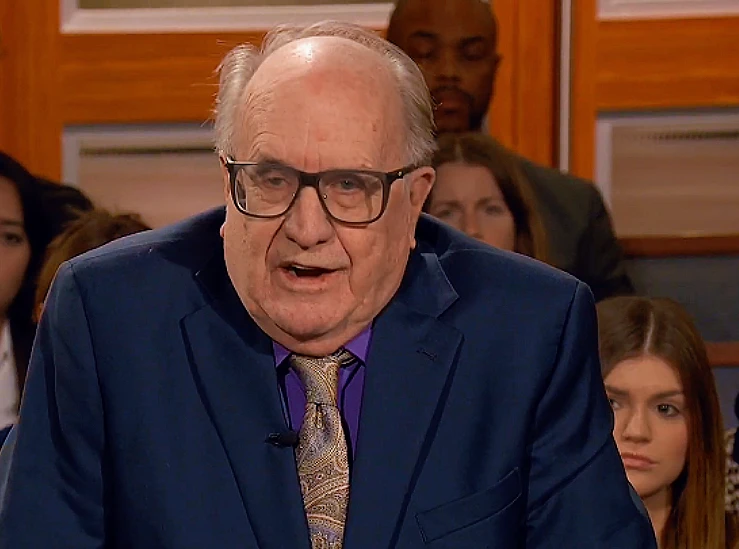
Stone acknowledged that he had behaved badly. When Judge Judy asked whether he had been drinking, he answered yes. He said he had been angry about Benton’s parking and later apologized for his conduct. The apology, however, did not end the tension between the neighbors.
The Apology—and the August Incident
Benton said Stone apologized approximately a week after the May confrontation. She clarified that he did not come to her door. Instead, he heard her outside on the patio, stopped outside her fence, and spoke toward her. According to Benton, Stone said he had been “kind of drunk,” had not been himself, and should not have acted that way. She did not respond, making the exchange essentially one-way.
The next incident discussed in court occurred near the end of August, approximately three months after May 26. Benton said she came out to her vehicle and noticed what looked like someone having cracked an egg on the back of it. She washed the car. A couple of days later, she saw what appeared to be the same substance in the same area and washed it again.
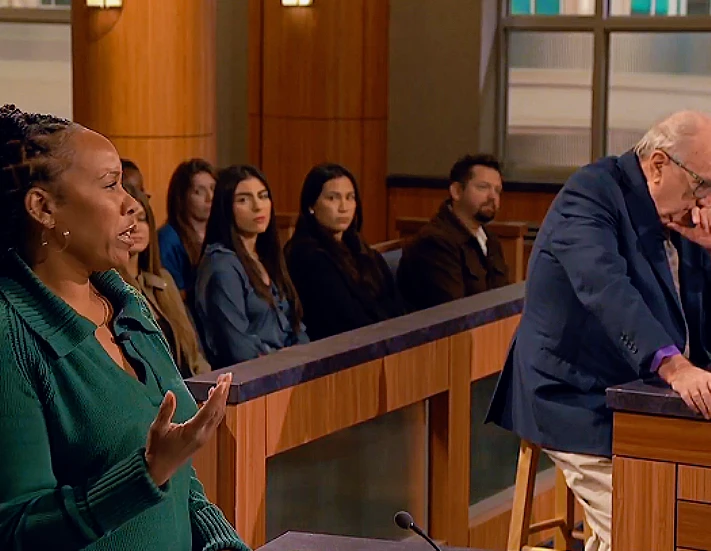
The third time, Benton said she examined the residue more closely and concluded that someone had been spitting on the vehicle. She did not claim that she personally watched Stone spit during those earlier incidents. Instead, she acknowledged that she initially saw evidence of spitting but could not identify who was responsible.
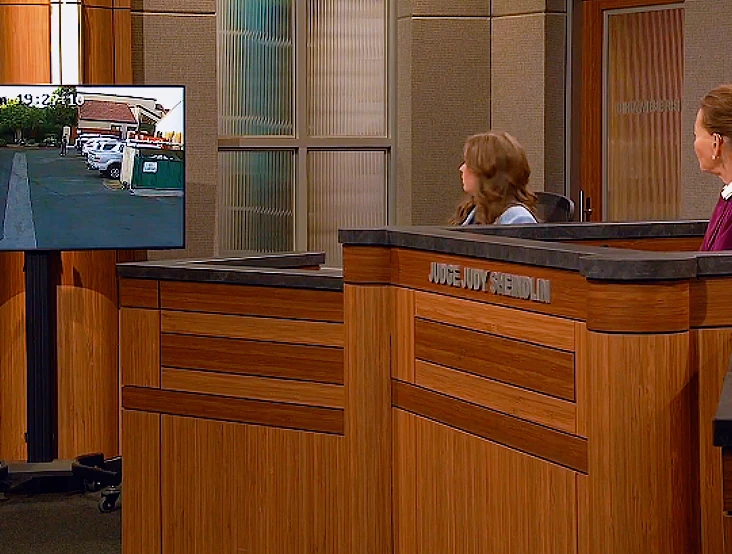
Benton then contacted her landlord about installing a camera. During the hearing, she showed footage that she said captured Stone leaving, returning, walking up to the car, and spitting on it. The video also included footage from the May confrontation.
Stone disputed Benton’s interpretation of the August footage. He said he knew a camera was watching him and admitted that he had gone past the car and made a hawking gesture. He denied actually spitting on it, but accepted responsibility for the gesture and apologized. Judge Judy described the behavior as juvenile.
What the Court Could and Could Not Prove
A central issue in the hearing was the difference between offensive conduct and provable physical damage. Benton produced a police report, but Judge Judy noted that the report—made the day after the relevant incident—did not state that her car had been vandalized.
The timing of the repair evidence also drew close attention. Benton said she had taken the vehicle to a body shop for an estimate. The document shown in court indicated that she took the car in on August 23, rather than shortly after the May confrontation. Judge Judy repeatedly asked whether the car had been inspected or taken for an estimate between May 26 and the end of August. The answer established that the body-shop visit occurred later.
The May video created another limitation. Benton maintained that she physically saw Stone hit the vehicle. But when the footage was reviewed, the camera did not show him striking the car. Benton explained that the relevant action took place outside the view of the parking-lot camera. The judge recognized the difference between Benton’s firsthand account and what the recording itself established.
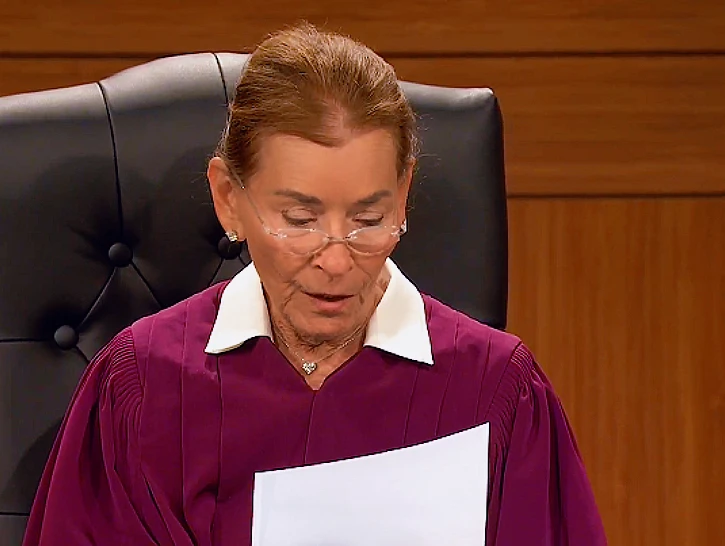
Ultimately, Judge Judy said she did not believe Stone had caused the permanent damage Benton alleged. The judge reasoned that if the damage claim had been as clear as Benton presented it, she would have expected earlier documentation, an earlier repair estimate, or a lawsuit filed in June, July, or August. The court therefore rejected the claim that Stone was responsible for the vehicle damage.
That finding did not mean the judge approved of Stone’s conduct. The court treated the aggressive contact with the car, the threat to hit it, and the spitting or hawking gesture as conduct that caused Benton aggravation and distress.
Why the Judge Awarded $1,000
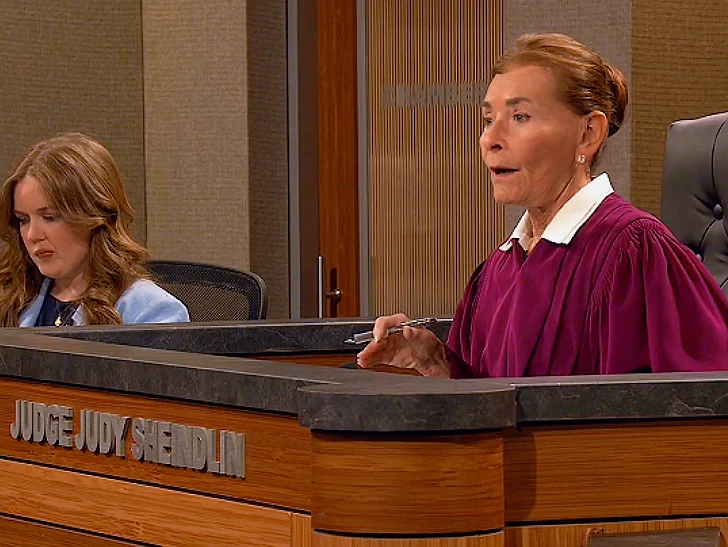
Judge Judy gave both neighbors a clear warning. Benton should not have parked a non-compact SUV in a space marked for compact cars when she had an assigned space. Stone, however, did not have the right to enforce that rule by touching Benton’s vehicle or confronting her aggressively.
The judge said Stone had proper alternatives. The complex had a homeowners’ association, and complaints about parking could have been directed through that system. A resident who believes another neighbor is breaking a rule can report the problem, ask management to intervene, or use the established complaint procedure. Personal retaliation is not an acceptable substitute.
Judge Judy also rejected Benton’s request for a much larger amount. She said the alleged vehicle damage and harassment were not worth $10,000 on the evidence presented. Still, she concluded that Stone’s behavior required a consequence because it interfered with Benton’s quality of life and caused distress.
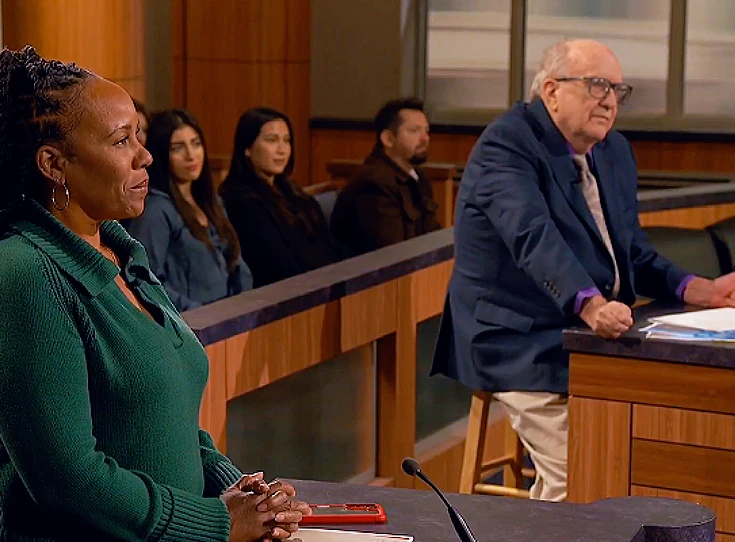
The final judgment was for Nakia Benton in the amount of $1,000. The court then adjourned. Afterward, Stone continued to say that he had not damaged Benton’s car and insisted that she had been parked in the wrong place. Benton responded that Stone was lying and said she hoped he would leave her alone.
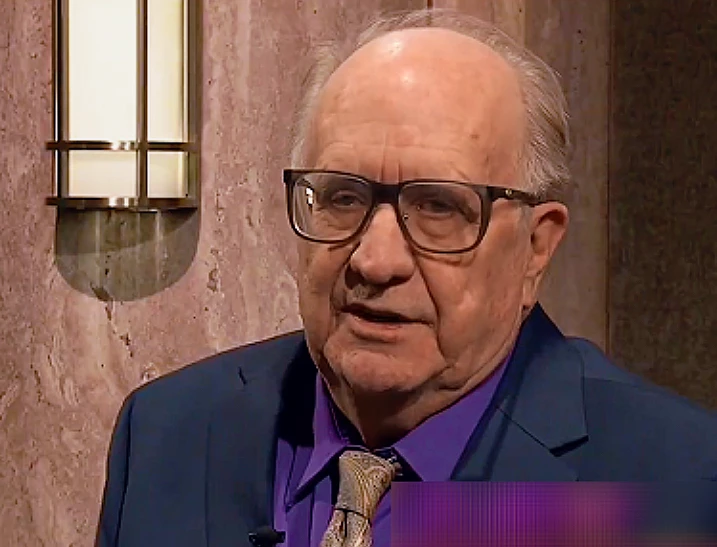
The case ended without a finding that the car had suffered permanent damage. It also ended without excusing the conduct that brought the neighbors into court. The judge’s message was precise: Benton needed to follow the parking rules, but Stone needed to stop treating a parking violation as permission to retaliate.
FAQ
What started the dispute between Nakia Benton and Richard Stone?
The conflict began when Benton parked her 2019 GMC Terrain SUV in a space marked “For compact cars,” even though she had an assigned parking space. Stone objected to her use of the space.
What did Nakia Benton allege happened on May 26?
Benton testified that Stone called her names, hit the sides and back of her vehicle, returned to the car after briefly walking away, and threatened to hit it whenever he saw it there.
Did Richard Stone admit to hitting the vehicle?
Stone admitted that he had been drinking, was angry, and had behaved badly. The SRT does not show him expressly admitting that he hit the vehicle. Benton said she saw it, but the available May camera footage did not capture the alleged hitting.
What happened during the August incidents?
Benton said she repeatedly found what appeared to be spit on the back of her vehicle. After installing a camera, she presented footage that she said showed Stone spitting on the car. Stone denied spitting but admitted making a hawking gesture near it.
Did the judge find that Stone caused permanent damage?
No. Judge Judy said she did not believe Stone caused the alleged permanent damage. The court focused on the delayed body-shop visit, the police report’s contents, and the absence of video showing Stone damaging the car.
Why did Benton receive $1,000?
The award was based on the aggravation and distress caused by Stone’s conduct, not on a finding that he owed $10,000 for permanent vehicle damage.
What did the judge tell each neighbor to do?
Judge Judy told Benton to follow the parking rules and told Stone to use the homeowners’ association or management process instead of touching or retaliating against her vehicle.