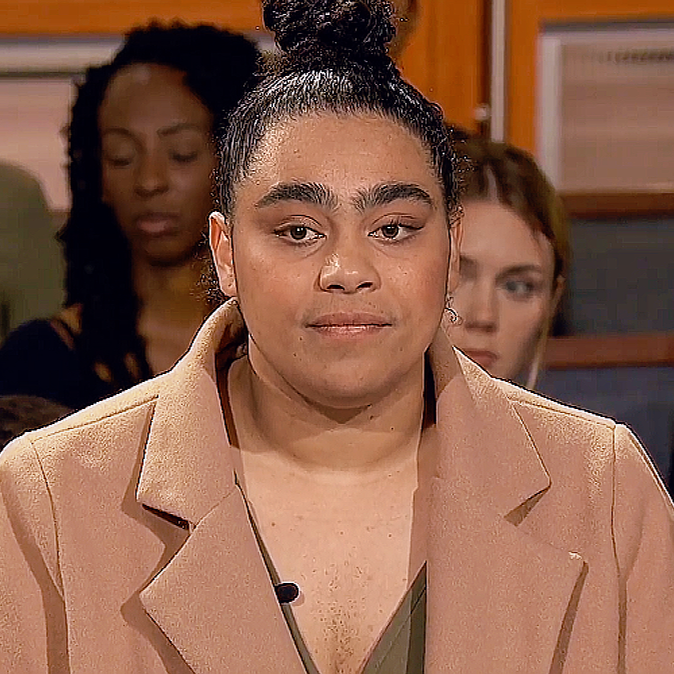
The courtroom was quiet until a question reduced an intimate family dispute to a single word: “No.” Danielle Dunn had not repaid the $2,142 she acknowledged receiving from her former partner, Prakopiy Cam. But the unpaid money was only the visible edge of the case. Beneath it were an unfinished painting job, a move from Oregon to New York City, a disputed custody order, and a three-year-old daughter named Ameena who was living with her father. By the time the former couple faced Judge Judy, the central tension was no longer simply whether a loan had been repaid. It was whether a parent could build a new life across the country while the child remained in the home state—and what the court would do when the parents disagreed about who had the right to decide.
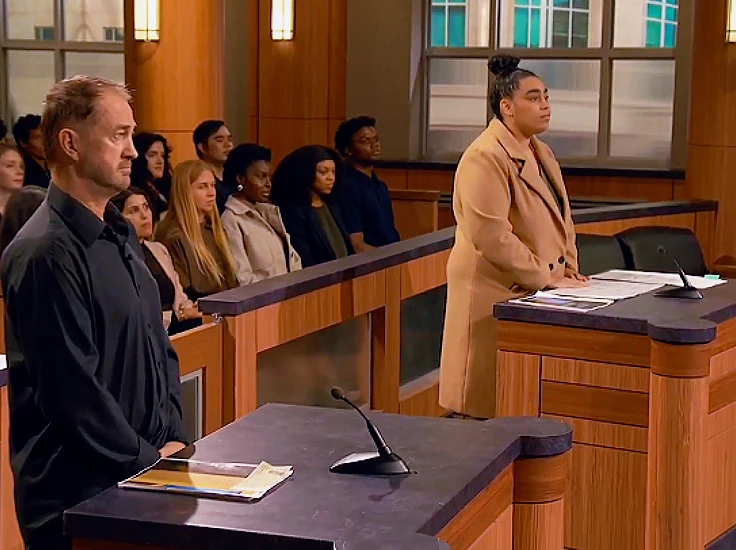
A Former Couple Returns to Court
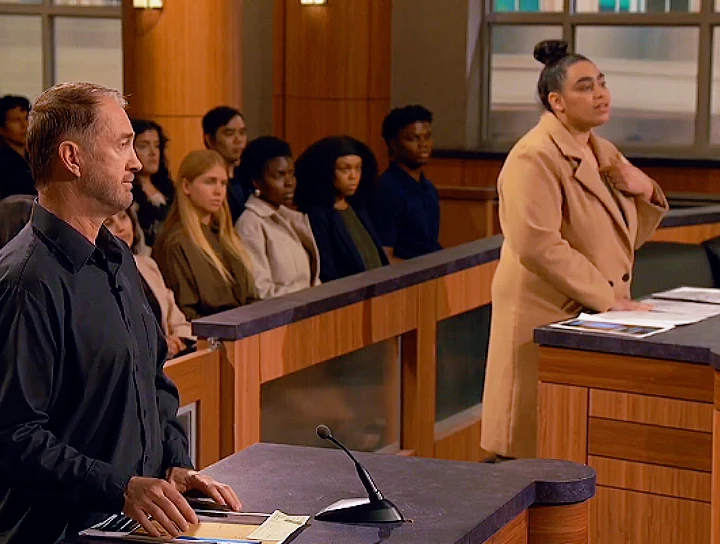
The courtroom opened with a narrow civil complaint. Prakopiy Cam was suing his former girlfriend, Danielle Dunn, over an unpaid loan and the cost of painting services. But the first questions quickly established that the case was tied to a much larger family dispute. Cam and Dunn share a daughter, Ameena, who was three years old at the time of the hearing.

Cam lived in Oregon. Dunn had moved to Upper Manhattan in June 2024, where she lived with three roommates. She told Judge Judy that she had moved from Oregon to pursue a career with the New York Police Department. She had taken the police test in March 2024 and passed it, but she said her plans to enter the academy were on hold because of the active lawsuit.
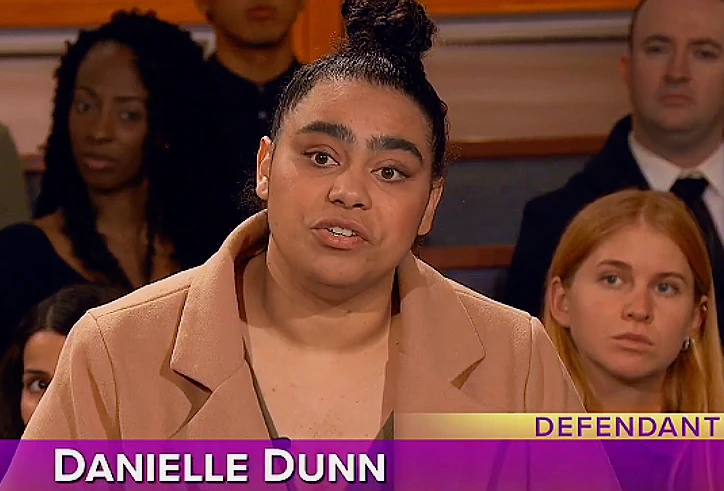
The move changed the parents’ daily arrangement. Dunn said Ameena had been with Cam since June, while Cam initially referred to physical custody beginning in May. The disagreement was narrowed in court: after counting from June through November, Judge Judy described the arrangement as lasting nearly six months. That distinction became important because the case was no longer about an abstract custody plan. Ameena was physically in Oregon with Cam while Dunn was living in New York.
Dunn said she was supporting herself through two jobs: one at Starbucks and another with a television production company. Cam, meanwhile, had physical custody of Ameena in Oregon. The financial claim and the custody issue were now unfolding in the same conversation.
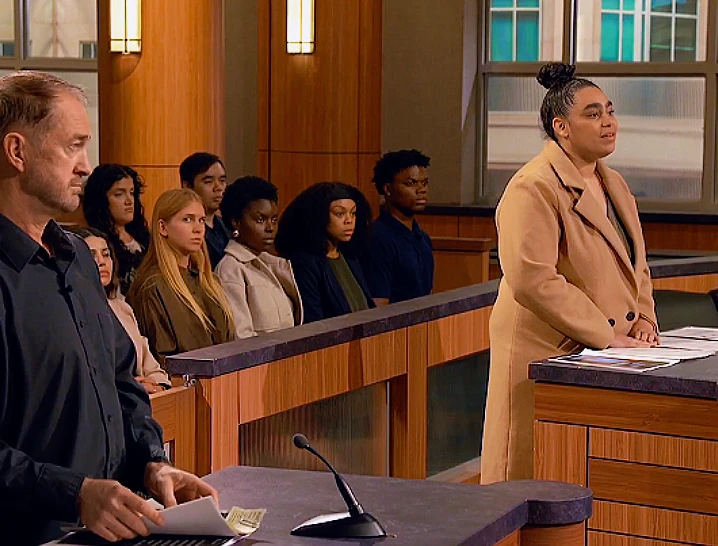
The Custody Arrangement Before New York
For the first year of Ameena’s life, Cam and Dunn lived together. Dunn said she moved out in June 2022, when their daughter was one. After the separation, Ameena primarily lived with Dunn during the week and visited Cam on weekends. Dunn explained that the arrangement came through mediation connected to the court.
The financial obligations between the parents were also discussed. Dunn said they had agreed that Cam would pay a certain amount up front and then $100 per month. She said he did not continue with the monthly payments, but she did not raise the issue at the time because she was still living with him. In her account, only one month of the planned payments would have come due before her move to New York. The testimony revealed why the loan could not be separated cleanly from the family dispute: the parents had previously used money, custody, and day-to-day care as parts of the same arrangement.
Judge Judy then asked whether Dunn had sent Cam money for Ameena’s support during the six months she had been in New York. Dunn answered no. When she attempted to explain that Cam earned significantly more than she did, Judge Judy rejected the comparison as irrelevant to the immediate question of parental support.
The hearing also examined public assistance. Dunn said Ameena had Medicaid but no financial assistance from the state. She said that, while Ameena had been living with her, she had received food stamps and government assistance for childcare. Dunn denied having a housing subsidy. Cam said he and his immediate family were supporting Ameena while she was living with him.
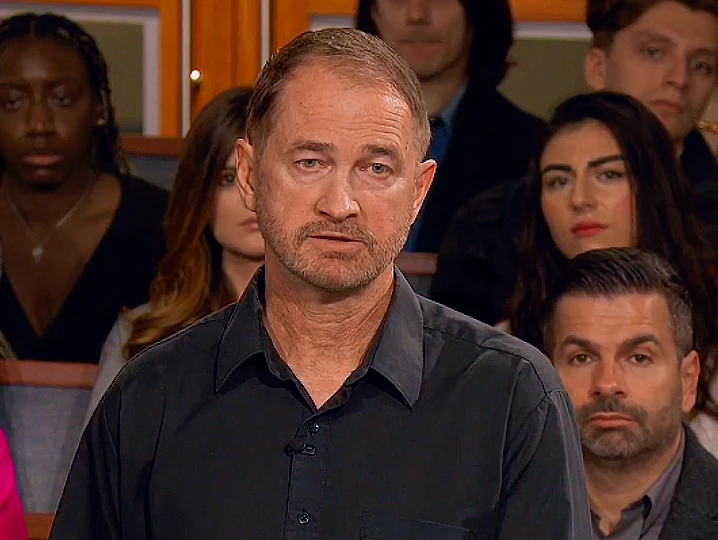
Those details mattered because Judge Judy connected the earlier child-support order to the public assistance Dunn had received while she was the primary caregiver. The discussion was not simply about who earned more; it concerned who had been providing care, where the child was physically living, and how the existing support arrangement had been created.
The Loan, the Messages, and the Unfinished Work
When the court turned to the loan, Cam produced text messages. Dunn had asked whether he could advance money to her one more time, referring to an earlier arrangement involving child support. In the message, she offered to sign a document again and said she needed help to get ahead so she could stop asking for assistance.
The amount she requested was $2,142. Dunn wrote that she might be able to repay some of it during tax season, provide at least $500 by December 8, and pay the remaining balance through a tax return or by adding it to child support. The messages also referred to reduced work hours and difficulty paying bills.
Dunn additionally offered to paint Cam’s house on her days off. When asked whether she had repaid the loan, she answered that she had not. When asked whether she had painted the house, she said she had painted part of the bathroom. She also said she had returned several times but had been asked to mow Cam’s lawn and farm instead, leaving her without enough time to finish the painting.
Cam maintained that the painting had not been completed. He also said the painting issue was part of the broader arrangement under which he had helped her avoid eviction. Judge Judy, however, made the distinction clear: the central claim before her was the money advanced, not the cost of repainting the house.
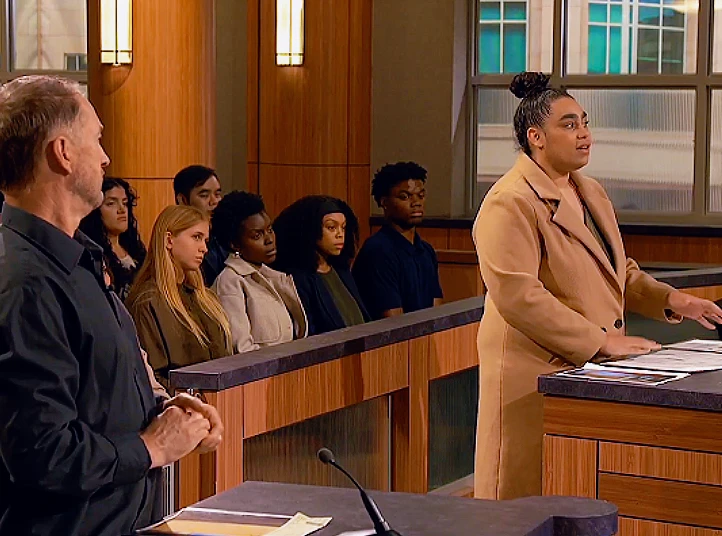
The messages gave the court a contemporaneous record of the request and the proposed repayment. They also showed how financial assistance, parenting responsibilities, and the former couple’s continuing relationship had become intertwined. Dunn was asking for help with rent while also offering labor and discussing whether the balance could be connected to child support. What looked like a straightforward loan had been negotiated inside an already complicated co-parenting relationship.
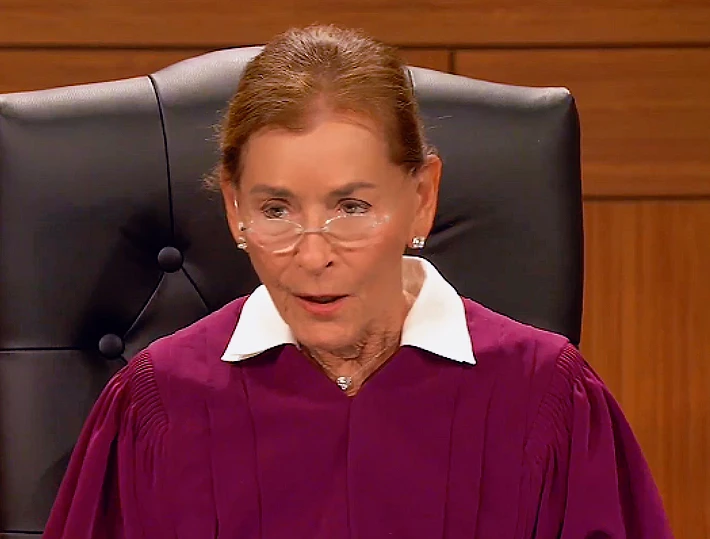
Why the Move Changed the Case
The most intense portion of the hearing concerned a custody order issued in July. Dunn said she had paperwork showing that she had full custody and planned to move Ameena to New York. She claimed Cam had not appeared at the last hearing and that the court had allowed the move. She further said that Cam had not received notice because an email went to spam, and that a new hearing was pending.
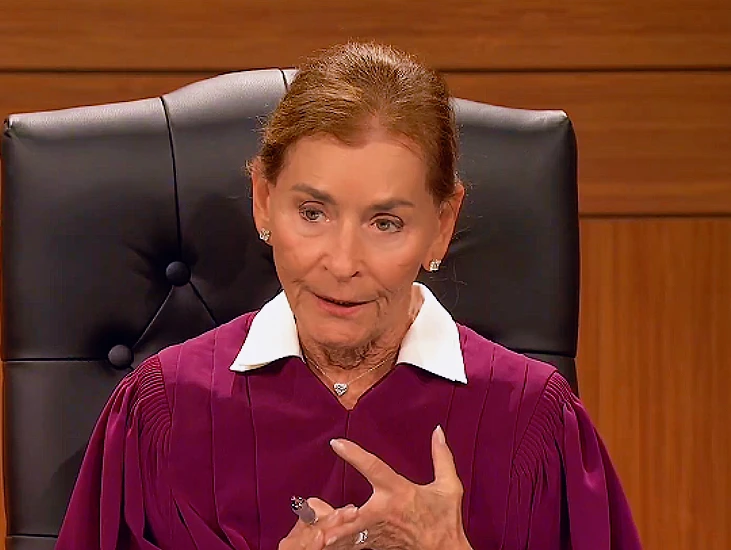
Judge Judy examined the order. The document indicated that Dunn, identified as the petitioner, already had custody of the child. But the judge emphasized that the order had been entered by default, with Cam absent, while Ameena was physically in Oregon with him. Judge Judy repeatedly distinguished sole custody from physical custody and parenting time, explaining that the language on the order did not resolve the practical reality of where the child was living.
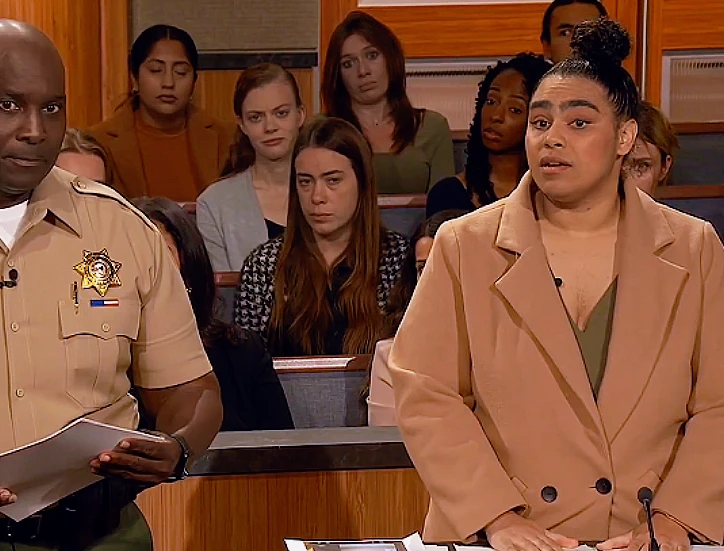
Dunn argued that the Oregon court knew she was already in New York and knew that Ameena was physically with Cam. Judge Judy insisted that the claim had to be supported by the document itself rather than by an explanation of what court officials supposedly knew.
Dunn also said Cam had threatened her and had changed an earlier parenting plan on the day she moved. Cam denied agreeing to the plan. The timeline became another point of conflict: Cam said Dunn had told the court she was moving in August but actually moved in June.
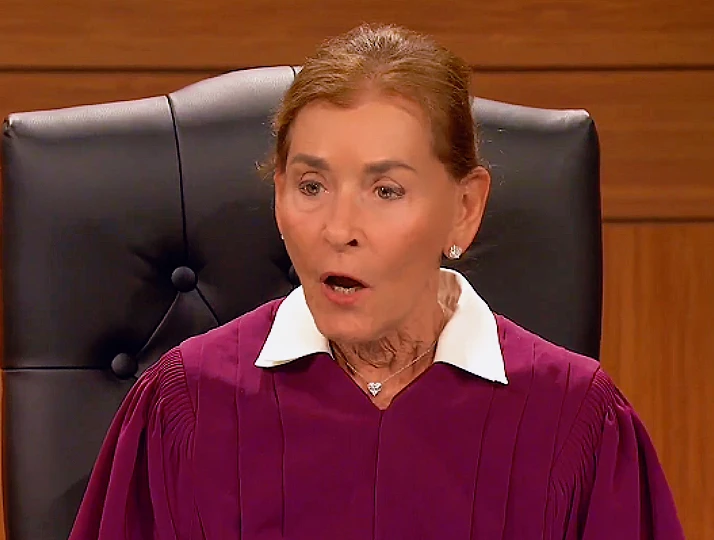
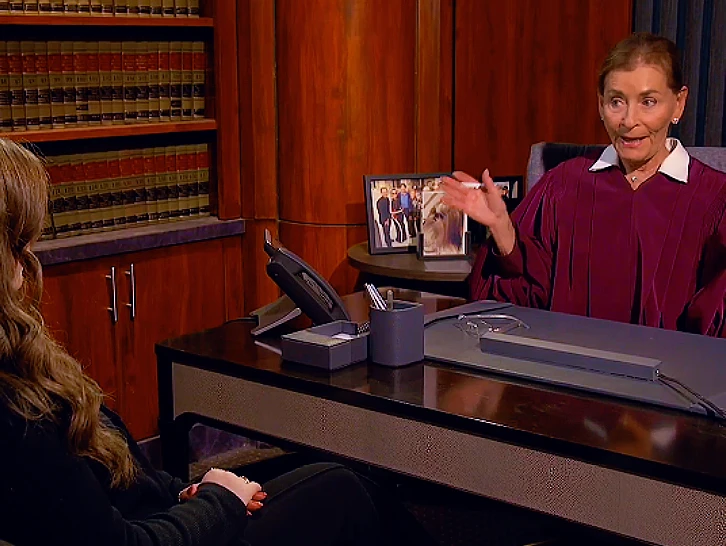
Judge Judy told Dunn that a parent generally could not take a child from the child’s home state to another state without the other parent’s consent or an overriding condition. She acknowledged Dunn’s ambition and praised her for working toward a career, but warned that leaving the jurisdiction could mean leaving Ameena with her father. She also said the default judgment could be opened if the court learned that Cam had not received notice and had physical custody when the order was made.
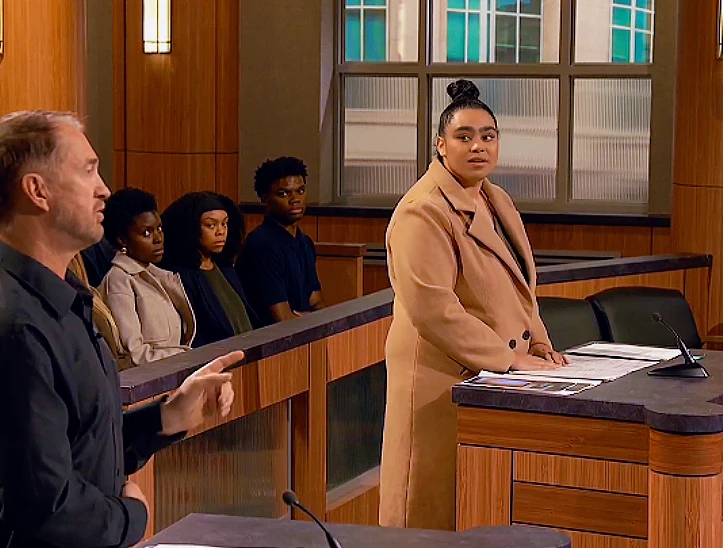
Judge Judy’s Ruling
Judge Judy ruled for Cam in the amount requested for the loan. The judgment was limited to $2,142. She did not award the cost of painting the house.
Cam questioned why the painting claim was excluded, saying that painting had been a condition of helping Dunn with the eviction. Judge Judy repeated that the award covered exactly what he had given her: the loan amount, not the cost of repainting the house.
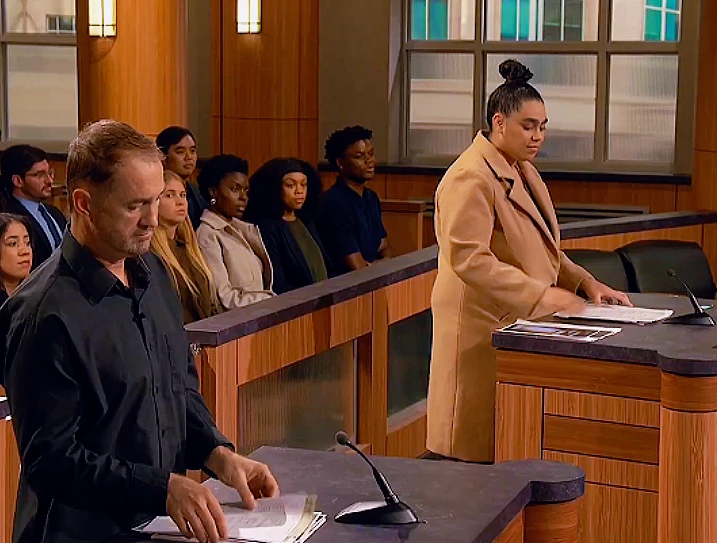
What Happened After the Judgment
The court then adjourned. In a post-hearing statement, Cam called the result fair, even though he found it disappointing. He said the larger issue for him was Ameena and that their daughter would remain with him.

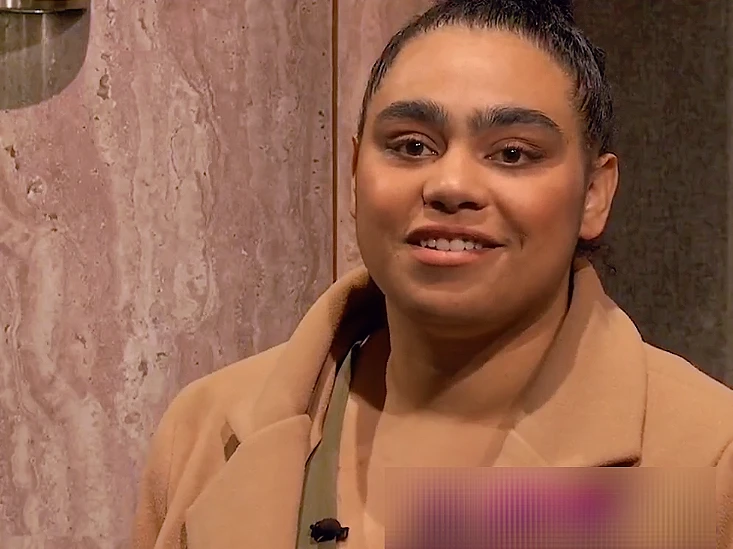
Dunn said it was difficult to work with Cam and that she wanted to move forward toward co-parenting. The program’s commentators later described the case as a conflict between Dunn’s effort to build a new life and the responsibilities created by having a child whose home state remained Oregon. They also noted the importance of keeping records in family and financial disputes.
This was not a criminal prosecution; it was a civil loan case that exposed unresolved questions about parenting, relocation, notice, and the difference between a parent’s plans and a court’s authority. That distinction matters. The court answered the financial question by awarding Cam the loan amount, but it did not resolve every issue between the parents. The hearing ended with a judgment—and with the larger family conflict still unsettled.
FAQ
How much money did Prakopiy Cam claim Danielle Dunn owed?
The court awarded Prakopiy Cam $2,142, the amount of the loan he said he gave Danielle Dunn for rent-related financial difficulty.
Did Danielle Dunn repay the loan?
No. Dunn acknowledged during the hearing that she had not repaid the $2,142.
Did Danielle Dunn paint Prakopiy Cam’s house?
Dunn said she partially painted the bathroom and returned several times, but she did not complete the painting. Judge Judy did not award Cam the cost of repainting the house.
Where was Ameena living during the hearing?
According to the hearing, Ameena had been living physically with Prakopiy Cam in Oregon since June, for nearly six months.
Why did Danielle Dunn move to New York City?
Dunn said she moved to New York City in June 2024 to pursue a career with the NYPD. She said she had taken and passed the police test in March 2024.
What did Judge Judy say about the custody order?
Judge Judy said the July custody order appeared to have been entered by default while Cam was absent, and she said the order could potentially be opened if he had not received notice and had physical custody of Ameena at the time.
What was the final judgment?
The judgment was for Cam in the amount of $2,142, covering the loan only and excluding the claimed painting costs.