A routine neighborhood walk ended with blood on a pair of underwear and a week of antibiotics. Later, in the same courtroom, an unpaid school loan became a test of whether two former partners had told the whole story about their shared home, child, and finances.
This episode brings together two separate small-claims disputes. The first asks who should bear responsibility after a neighbor’s Dalmatian allegedly bit a passerby. The second follows a former couple whose financial agreement became entangled with questions about custody, housing, and the accuracy of their court filings. In both hearings, Judge Judy returned to the same principle: when testimony conflicts, the details matter.
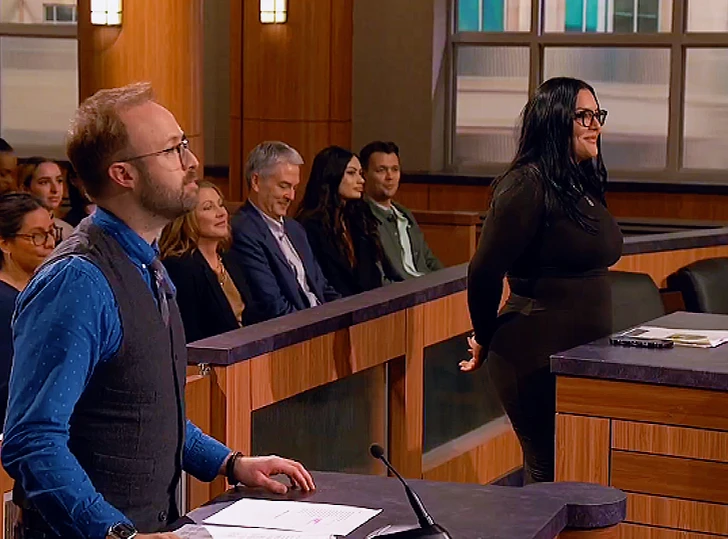
Case First Case: The dog bite on the sidewalk
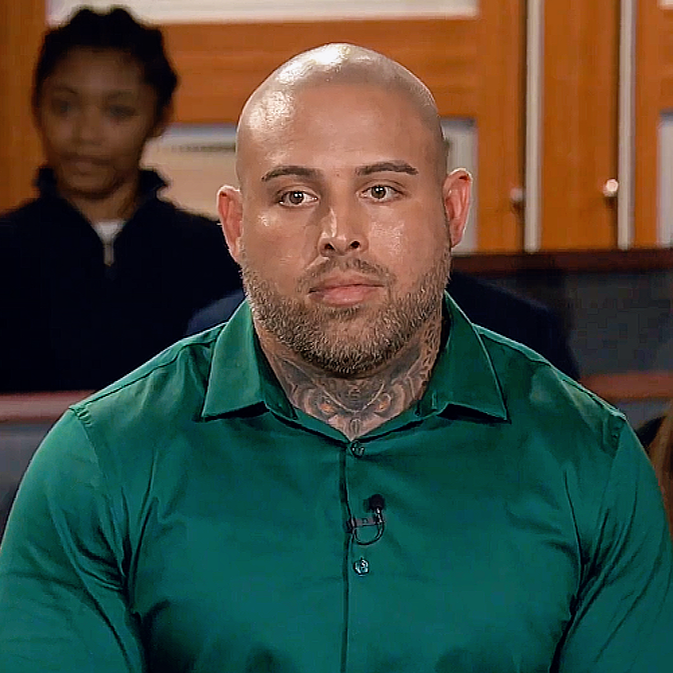
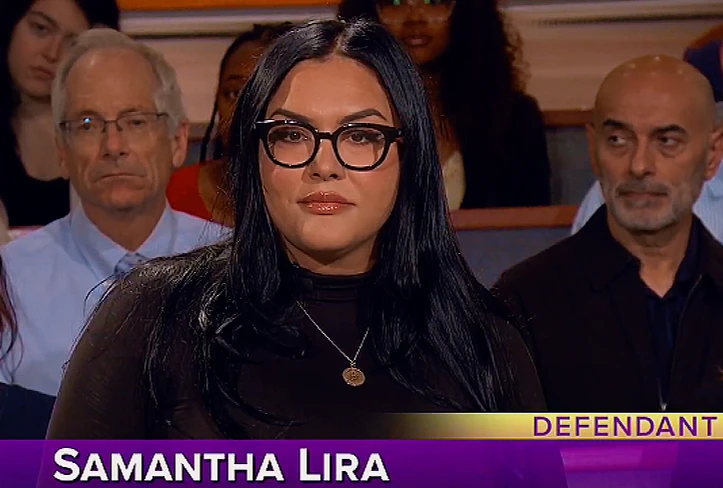
Joseph Otanez told the court that the incident happened on March 21 at approximately 4:30 p.m. He said he was taking his daily walk through a neighborhood where he had lived for 32 years. According to his testimony, he passed the home of his neighbor, Samantha Lira, as her five-year-old Dalmatian, Dexter, began barking and lunging.
Otanez said he initially kept walking because he saw the dog was on a leash. Then, he testified, Dexter reached the sidewalk behind him. When the dog lunged again, Otanez tried to move out of the way. He said the dog clamped down on his left buttock before releasing him.
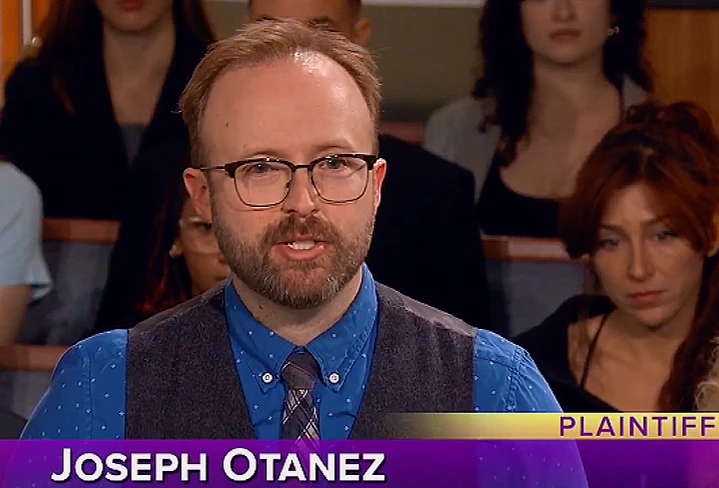
He moved beyond the driveway, where he believed the dog could no longer reach him, while Dexter continued pulling at the leash. Otanez took out his phone, intending to document the location and what had happened. At that point, Lira came out of the house.
Otanez said he told her, “Your dog just bit me.” His account was that Lira replied that her dog did not bite. He then reached behind himself, felt a hole in his pants, and showed it to her. He asked for her name and address but acknowledged that, because he was shaken, he failed to get her phone number.
Once he had walked far enough away, Otanez said he reached into his clothing and found blood on his hand. He went directly home and showed the wound to his wife, Sarah, who photographed it. The photographs, he explained, showed damage to his clothing and a scar he still had from the injury.
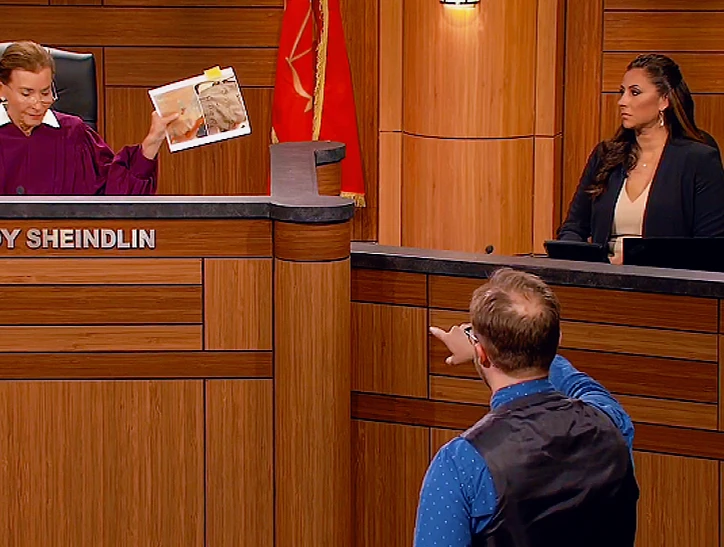
The medical consequences
The court also reviewed medical records identifying the reason for the visit as a dog bite. Otanez said he received antibiotics. He later explained that an urgent-care facility turned him away because it did not handle rabies-related concerns, forcing him to go to an emergency room.
The bills presented in court included a total of $1,418 that Otanez said he had paid, along with receipts. The evidence presented in court showed that the incident involved more than a torn pair of pants: Otanez sought medical attention, received antibiotics, and said he was concerned about the risk associated with an unvaccinated dog.
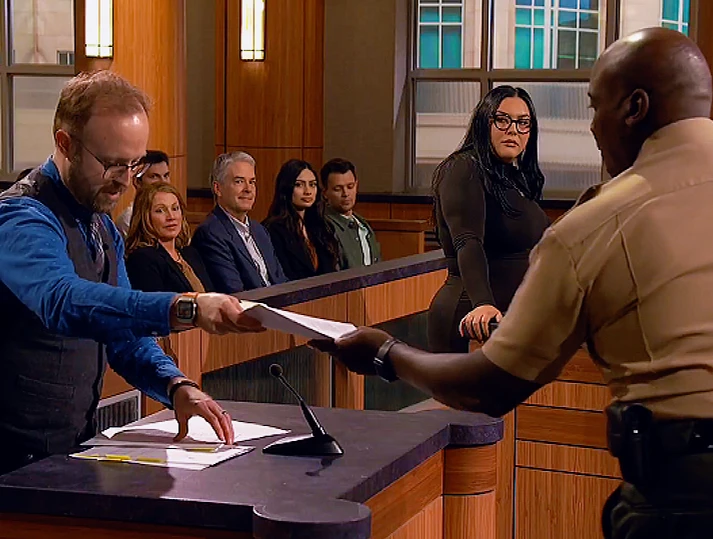
The evidence behind Joseph Otanez’s claim
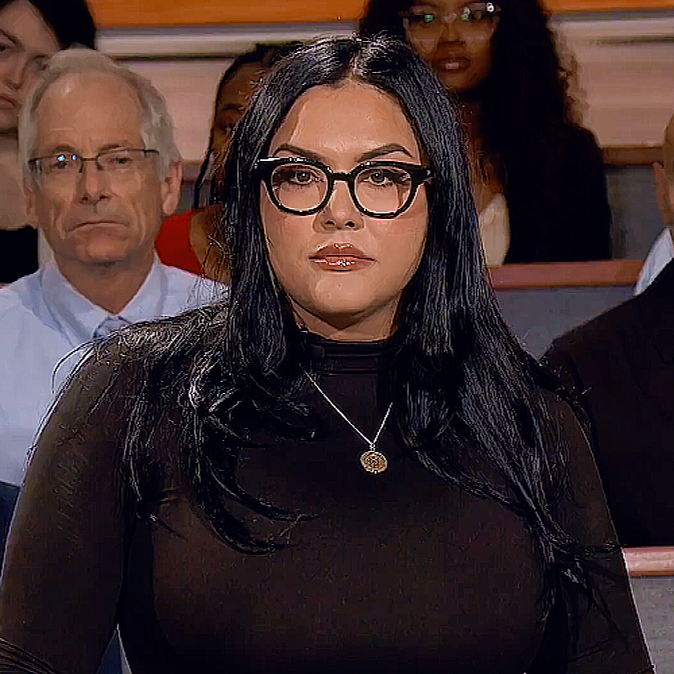
Lira disputed the account. She said Otanez was drunk, stumbled onto her property, and that the incident was his fault. She also argued that nothing significant had happened. Otanez denied drinking and said he had never consumed alcohol.
A central issue became Dexter’s vaccination status. Lira acknowledged that the dog was not current on every vaccination at the time of the incident. She explained that she had been laid off in June and had been out of work for eight or nine months. She said Dexter’s rabies vaccination had been due in November or December, leaving a gap of roughly two or three months before she took him to the veterinarian after returning to work in March.
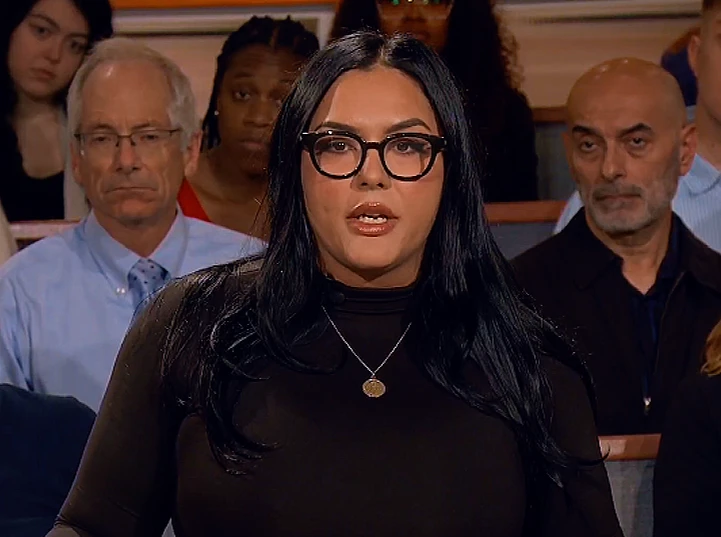
The judge challenged the explanation directly. Lira said she lived with her father and did not pay rent. The judge questioned why money could not have been found to bring the dog’s vaccinations up to date. Lira responded that she did so as soon as she began working again.
The judge characterized that response as a “shoulda, woulda, coulda” explanation. Her point was that the explanation did not resolve the risk faced by another person who was walking past the home. The court’s concern was not only whether Dexter had bitten before, but whether a neighbor walking along a public sidewalk should have to take that risk.
Why the judge awarded $5,000
Lira maintained that Dexter had never bitten anyone before and that the dog was tethered in the front yard. She showed a video of Dexter at home and explained that she had used the tether for five years. She also said she had seen Otanez stumbling and falling in the yard, while insisting that the dog could not reach the sidewalk.
Her testimony became less certain when the judge asked whether she had personally seen the interaction between Otanez and Dexter. Lira first said that she had observed it, then clarified that she had been present but not necessarily standing on the lawn. The judge pointed out the difference between that answer and her earlier response.
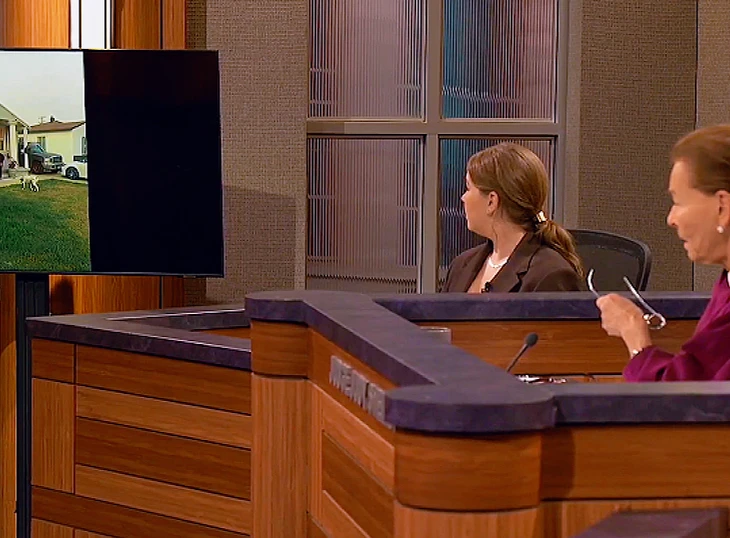
The parties also disagreed about the attempts to resolve the matter outside court. Otanez said he repeatedly sought reimbursement and eventually offered records of their text messages. Lira said she asked for an itemized bill before sending money. In the messages reviewed by the judge, Otanez requested the defendant’s insurance information and later proposed a $2,000 payment to settle the medical bills, damaged clothing, and stress caused by the incident.
The judge found that Lira had ignored him for approximately three months—from April through June—despite having received information about the claim. The court stated that Otanez was entitled to something for being bitten by her dog and entered judgment for the plaintiff in the amount of $5,000.
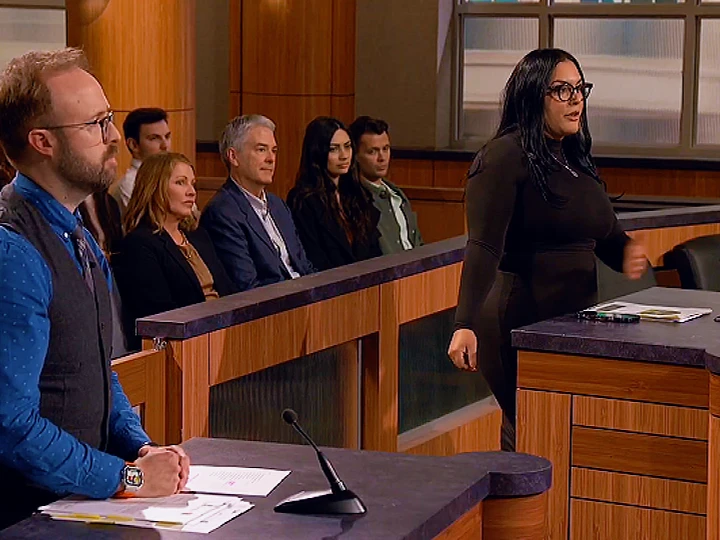
Afterward, Lira said she was relieved the dispute was over after stressing her for months. Otanez said he was especially surprised by the accusation that he had been drunk, repeating that he did not drink.
The judge then addressed the broader safety issue. A dog tethered in a front yard beside a sidewalk can still frighten people who cannot tell, in a split second, whether the restraint will hold. The point, she said, was consideration for neighbors and the responsibility of being a good citizen.
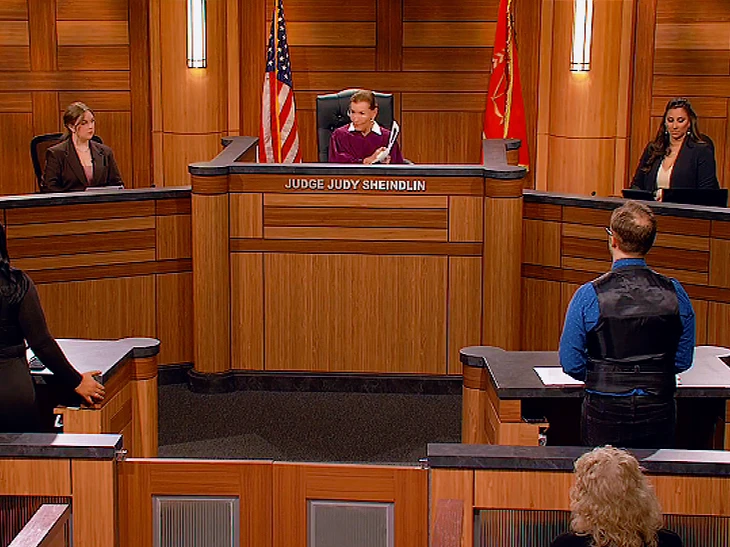
The Second Case : A school loan between former partners
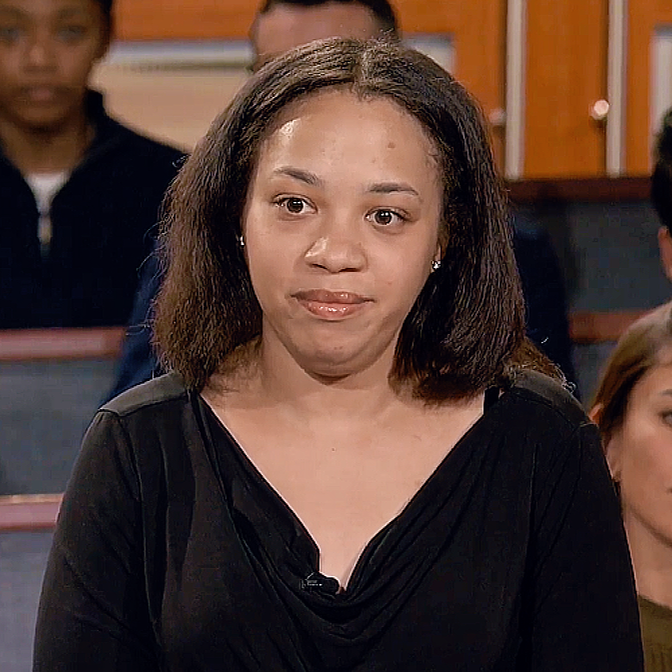
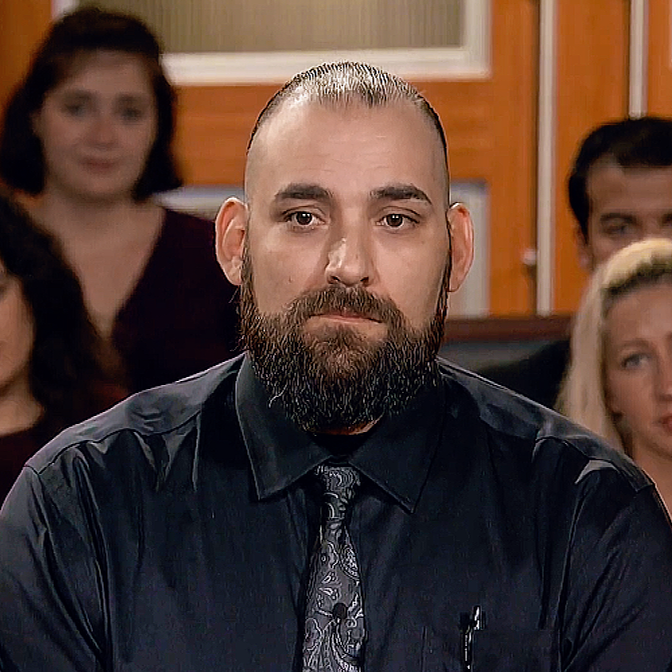
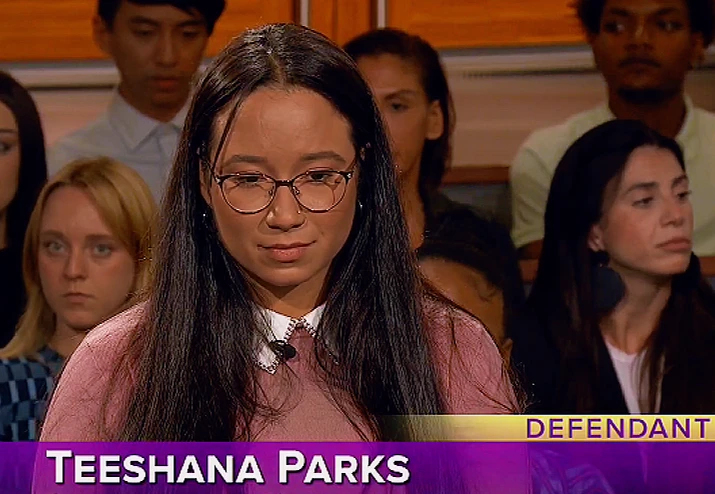
The second case involved John Coleman and his former girlfriend, Teeshana Parks. Coleman said Parks wanted to attend an eight-month dental-assistant program costing $7,500. Because Parks could not obtain the loan on her own, Coleman co-signed it while they were living together.
The couple had been together since approximately December 2017 and had a child. The loan was taken out online at the end of January 2023, around the time Parks began school. After the relationship ended, Coleman said Parks stopped paying. He testified that he had begun making payments of approximately $90 to $122 and wanted the loan paid off to protect his credit. He said he began payments in December 2023.
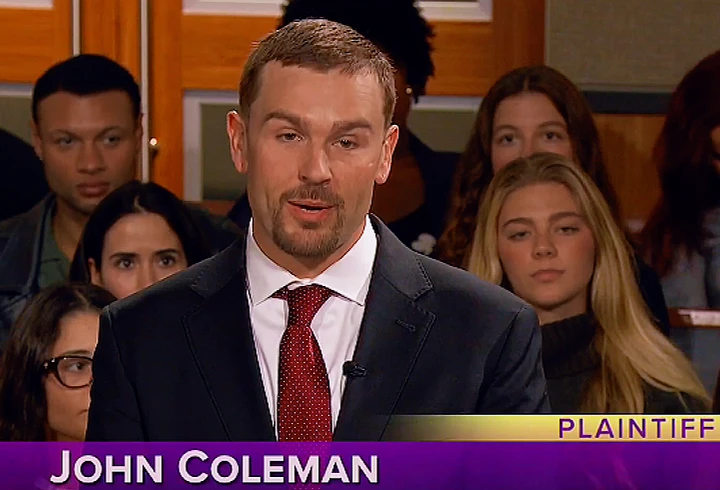
Parks explained that she had been doing well in the program until Coleman was arrested in May 2023 and spent several months in jail, until July. Her course ran Monday through Friday from 9 a.m. to 5 p.m. and was an hour away. She had relied on Coleman to take their daughter to daycare and pick her up. Without that support, she said she could not finish school.
The testimony showed that Parks was working part-time and caring for their daughter, while Coleman worked full-time. Parks also had a car, purchased around November 2019, for which she continued making payments.
The filing that undermined the second case
The turning point was not simply the unpaid loan. It was the question of where the parties actually lived and whether their court papers accurately described their relationship.
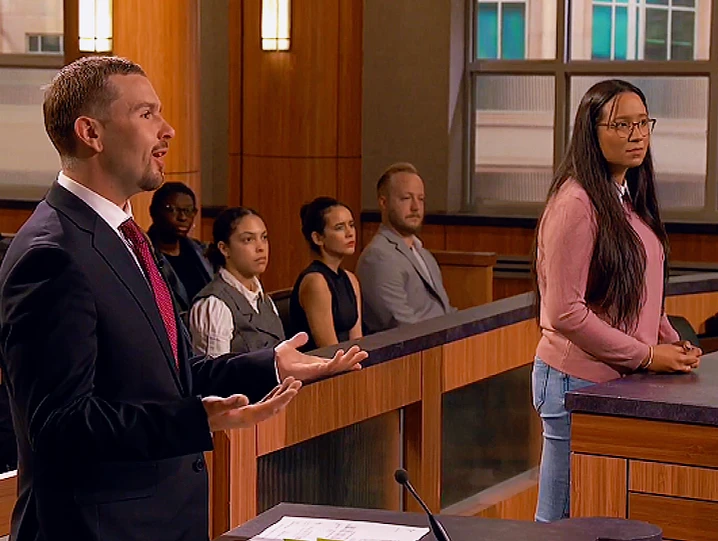
Parks’s driver’s license carried Coleman’s address, and she received mail there. Coleman acknowledged that she had remained in the house after he returned from jail in July 2023 and that she did not move out until September. Yet the filings presented a different account, describing Parks as having gone to Hawaii and later returned so Coleman could remain involved in the child’s life in Colorado.
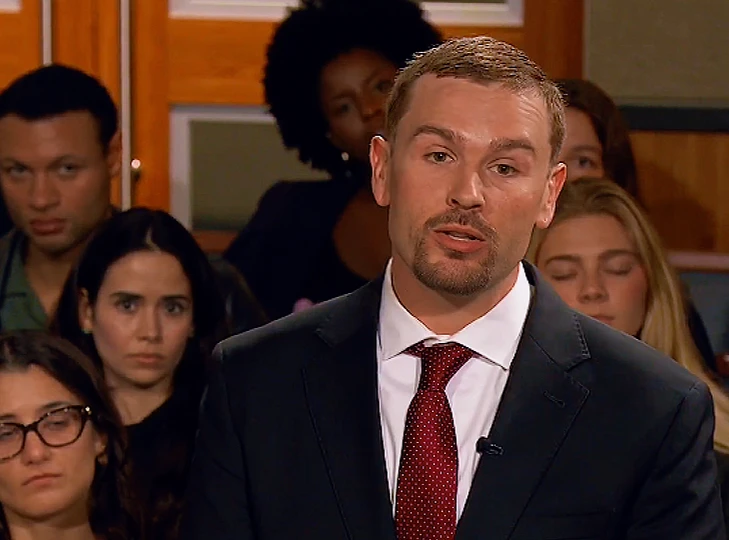
The judge was not persuaded that the pair had truly stopped living as a family. She pointed to the shared home, the continuing financial connections, Coleman’s payments on Parks’s car, and his description of Parks as an exceptional mother. When Coleman insisted that the relationship status had nothing to do with the loan, the judge disagreed.
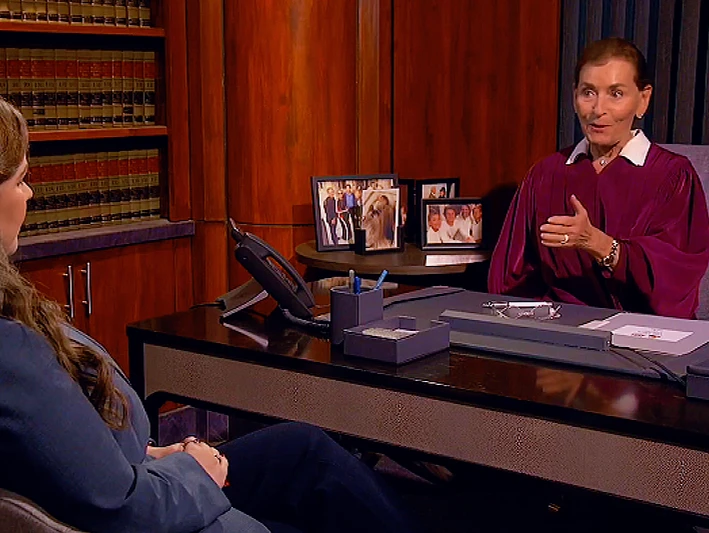
The case was dismissed without prejudice, meaning the dismissal did not permanently bar a future filing. The judge directed Coleman to return to the appropriate local small-claims court, but said she was dismissing the case because she believed the papers had not told the full truth about the parties’ living arrangement.
What the two hearings revealed
The hearings involved different disputes, but both turned on ordinary facts that became difficult to reconcile: a leash and a sidewalk, a vaccination gap, medical bills, a shared address, a car payment, and the wording of legal papers.
The dog-bite case ended with a $5,000 judgment after the court credited the injury, medical treatment, and unanswered efforts to resolve the claim. The school-loan case ended without a judgment because the judge found the underlying presentation of the relationship unconvincing.
Neither hearing was decided by the most dramatic allegation alone. The outcomes followed the paper trail and the testimony’s internal consistency. In court, the details that seem small outside the courtroom can determine whether a claim survives scrutiny.
FAQ
How much did Joseph Otanez receive in the dog-bite case?
Judge Judy awarded Joseph Otanez $5,000 after finding that he was entitled to compensation for being bitten by Samantha Lira’s dog, Dexter.
What happened during the dog-bite incident?
Otanez testified that Dexter, a Dalmatian, lunged at him while he was walking past Lira’s home on March 21 at about 4:30 p.m. He said the dog bit his left buttock, tore his clothing, caused bleeding, and led to medical treatment and antibiotics.
What was Samantha Lira’s defense?
Lira argued that Otanez was drunk and had stumbled onto her property. She also said Dexter was tethered and could not reach the sidewalk. Otanez denied drinking.
Why was the school-loan case dismissed?
The judge said she was not convinced by the parties’ account of their living arrangement and concluded that the court papers did not accurately reflect their ongoing family and financial connections. The case was dismissed without prejudice.
Who were the parties in the school-loan dispute?
John Coleman sued Teeshana Parks over a $7,500 school loan for an eight-month dental-assistant program that Coleman had co-signed while they were living together.