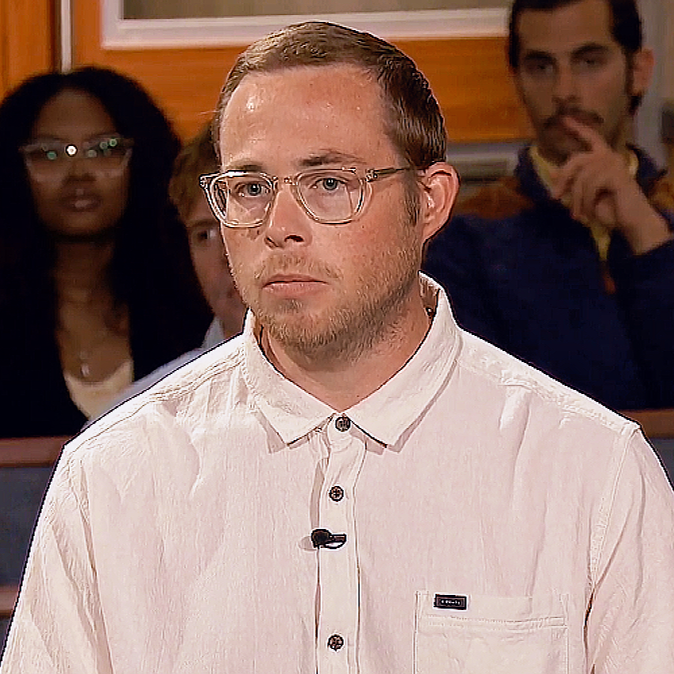
The plants were gone by the time Nicholas Peelman opened the room inside his former tenants’ garage. The smell, he testified, was not. Six cannabis plants, a disputed water line, a damaged wall, and a $3,000 security deposit soon became the focus of a civil courtroom fight. By the end of the hearing, the judge had ordered the landlord to keep the deposit and awarded him another $2,000.
How a Rent Increase Led to a Move-Out
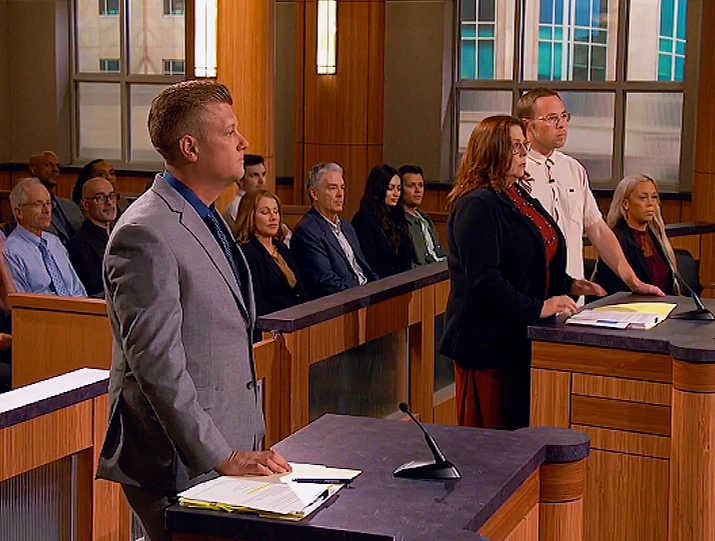
The dispute came before the court as Peelman v. Miller/Chandler, Case 4040 on Judy Justice. Nicholas Peelman sued his former tenants, Mary Miller and her son, Kenneth Chandler, alleging a lease breach and damage to the property. Mary and Kenneth sought the return of their security deposit and also raised claims involving harassment and constructive eviction. The judge noted that they had left voluntarily.
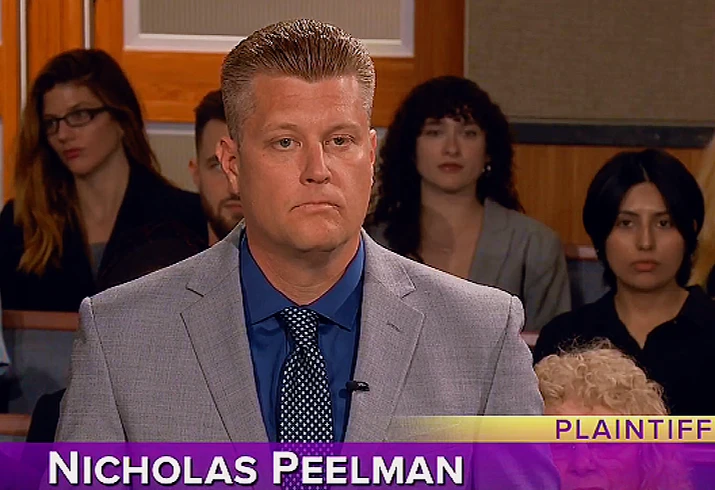
Their tenancy began in May 2021. The home was described as a 3,100-square-foot, five-bedroom property, with Mary and Kenneth named on the lease. The rent started at $2,850 a month. It increased to $3,000 for the second year, and the tenancy later continued month to month at that amount.
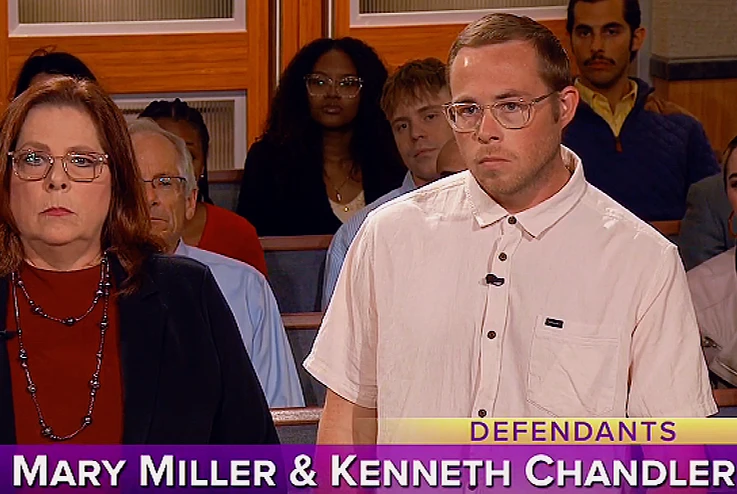
The arrangement began to unravel around March, when Peelman told Mary that he planned to raise the rent by 10 percent, to $3,300. The defendants did not want to pay the increase. After taking several weeks to respond, Mary told Peelman they would leave and selected April 14 as their move-out date.
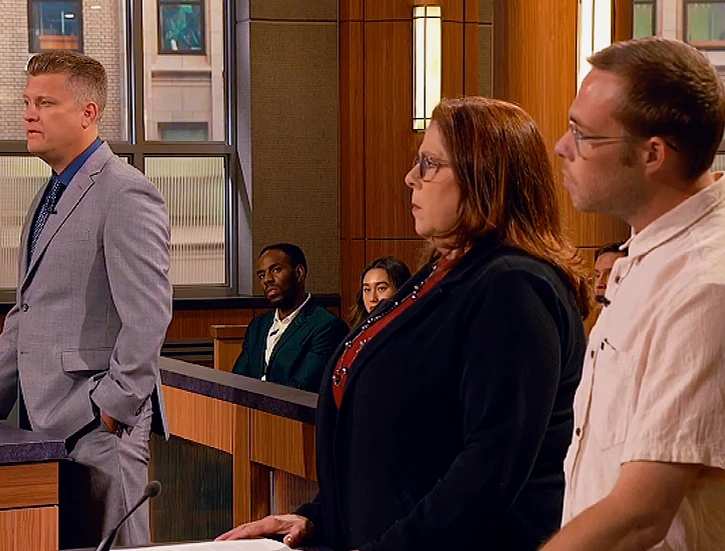
On April 14, the tenants removed their belongings and met Peelman for a walk-through. What appeared to be a routine inspection became the central dispute in court.
What Peelman Said He Found on April 14
Peelman testified that some of the conditions he saw were not especially concerning at first. Then he entered the garage and the downstairs area beside it. There, he said, he encountered an “overwhelming smell of marijuana.”
Mary was present. According to Peelman’s account, she said that Kenneth smoked weed but denied that there had been a marijuana grow. Peelman said his 17 years in law enforcement made the situation immediately recognizable to him as cannabis cultivation. That was his interpretation of what he saw and smelled, not a criminal finding by the court.
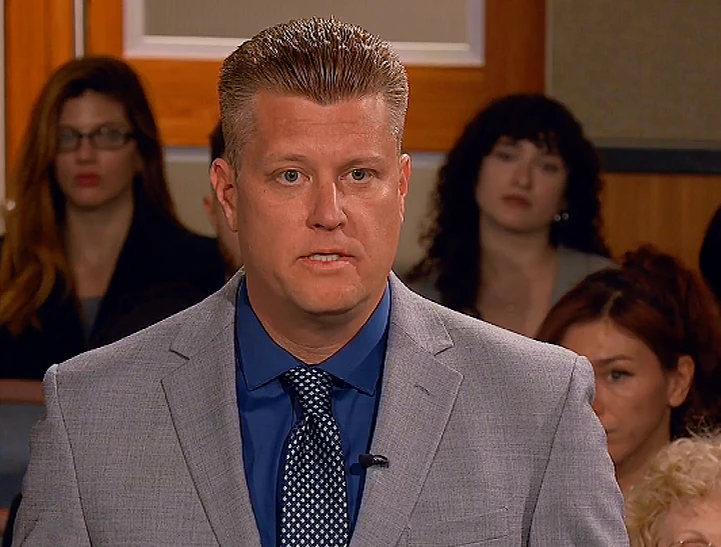
Kenneth’s testimony supplied the physical details. He acknowledged cultivating cannabis in the garage, but described the setup as a small personal grow: six plants inside a four-by-four tent, located within a roughly ten-by-eight room framed inside a three-car garage. He said the plants were legal and intended for his own use. He also explained that he preferred growing the cannabis himself because he wanted to know that it was grown organically, without pesticides or poison.
That distinction shaped the hearing. Nothing in the transcript describes a commercial operation or criminal prosecution. The question was whether an activity that Kenneth described as lawful could still violate the private lease, and whether the activity caused damage or an odor problem for which the tenants could be charged.

The Grow Room, Water Line, and Carbon Filter
The room raised more than an odor question. Peelman and the defendants also gave conflicting accounts of the water connection and repairs inside the garage.
Kenneth first referred to a hose and said he had not installed the relevant setup. Under questioning, he acknowledged that he had cut into water pipes during the tenancy and made repairs. He also admitted making a hole in the drywall to vent a carbon filter and exhaust air from the room.
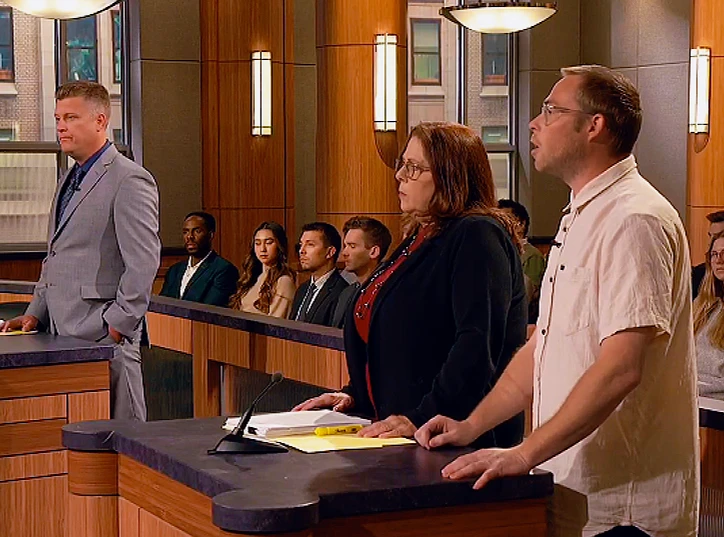
Peelman presented photographs and text messages. He said the defendants had offered to repair piping that Kenneth had apparently altered. Kenneth maintained that a water filter installed by a previous tenant had begun leaking, and that he had cut it out and repaired the problem. The questioning nevertheless established that he had cut into water pipes.
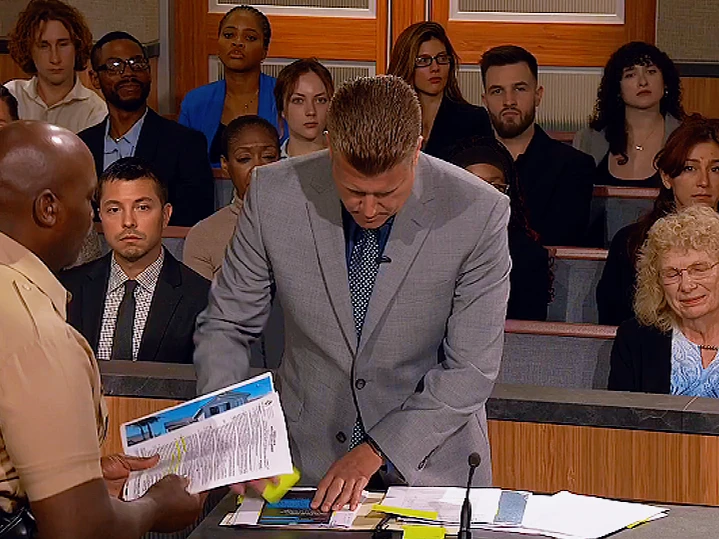
The lease then became the document against which those actions were measured. The provision shown in court stated that tenants could not use the property to plant, grow, cultivate, or sell marijuana. It also stated that smoking any substance was prohibited on the premises and in common areas. Kenneth said he smoked in the backyard rather than inside the room. The judge pointed out that the lease language prohibited that as well.
The issue, therefore, was not simply whether California permitted six plants. The issue was whether Mary and Kenneth had agreed not to grow or smoke marijuana at that particular property—and whether the lease also placed responsibility on them for the resulting condition of the home.
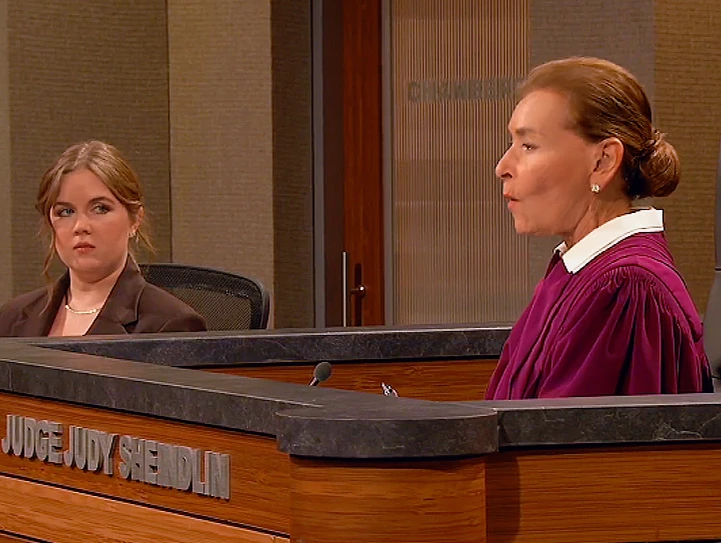
The Text Messages and the Smell That Would Not Go Away
A text message dated April 21, after the move-out, became one of the hearing’s most closely examined pieces of evidence. It included the message: “Hey, Nick, Mary was saying the room in the garage smelled.” The message also offered to come over, clean the room, and paint it.
Kenneth explained that he meant Peelman believed the room smelled. The judge read the wording more directly. In her view, the offer to clean and paint suggested that Kenneth understood there was a smell that needed to be addressed.
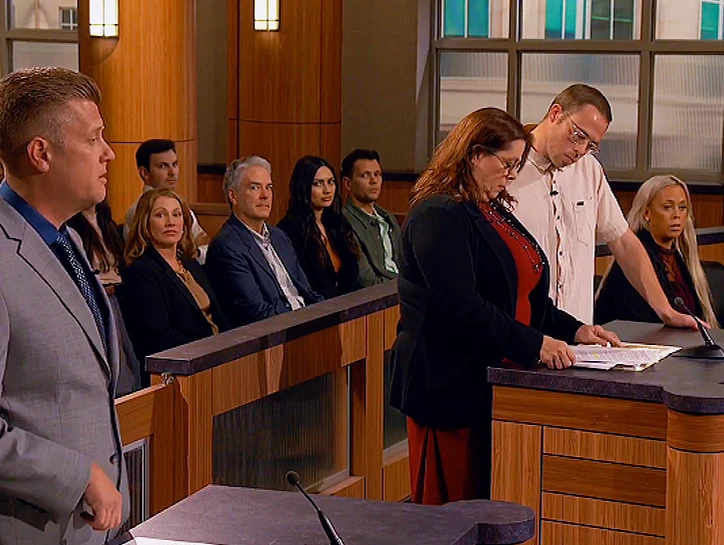
Mary’s own testimony became more difficult as the judge returned to the April 14 walk-through. Mary initially said she had not smelled anything. She then acknowledged that Peelman opened the room and said, “It smells like weed.” Mary said she responded that she knew her son kept his weed there.
Peelman testified that the odor had spread through much of the downstairs and that it was still present six months later. He said new tenants moved in the day after Mary and Kenneth left, but he gave those tenants half a month free because of the smell.
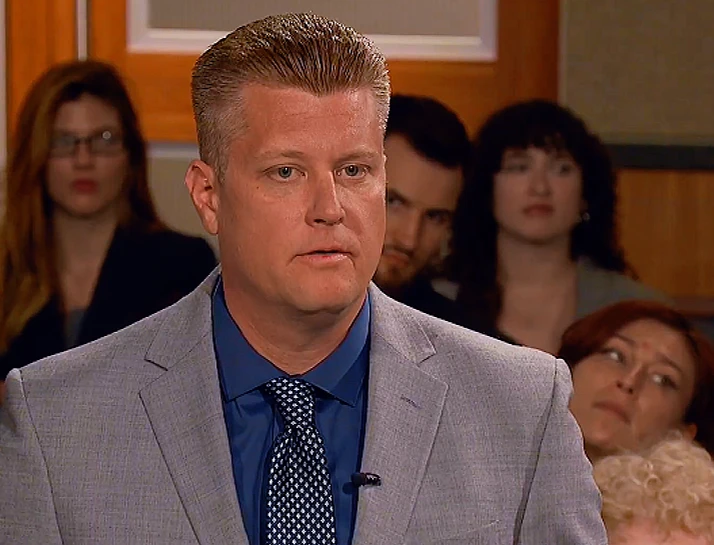
The proposed remedy was expensive. Peelman referred first to a $5,400 heat-treatment cost, then described a three-part estimate totaling $7,800. He said the treatment required the fire sprinklers and ductwork to be shut off and the house to be heated to 150 degrees. He also said he had already tried chemicals and an ozone generator.
Mary challenged the urgency of that claim. She pointed out that someone had lived in the property for six months and argued that Peelman had not performed the treatment. The transcript thus presents two competing accounts: Peelman described a lingering condition that required specialized work, while the defendants argued that the alleged damage and expense were being overstated.
Kelly Chandler’s Testimony
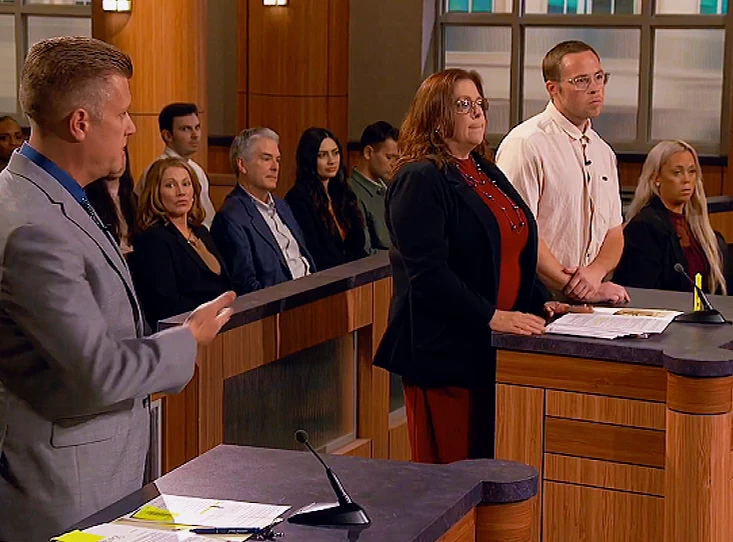
Mary called Kelly Chandler, her daughter and Kenneth’s sister, as a witness. Kelly said she had previously worked as a property manager and had joined her mother for the April 14 walk-through with Peelman.
At first, Kelly emphasized that Peelman had not mentioned the smell while they were walking through the house and garage. Her account suggested that the odor had not been raised during the initial inspection. But when the judge narrowed the question to what Kelly herself smelled in the garage, Kelly answered: marijuana.

Kelly also said the whole house smelled, but the judge insisted on a direct answer about the garage. That answer became significant because the plants had already been removed. Even without the plants physically present, Kelly acknowledged smelling marijuana in the room.
Mary continued to argue that Peelman had visited the property several times during the tenancy without warning them that they were violating the lease. She said she understood that they should have been given an opportunity to fix the issue or move out. The SRT records that argument, but it does not establish a separate legal ruling on the precise notice requirement. What the hearing does show is that the judge accepted the lease-breach argument strongly enough to deny the request for the deposit’s return and award Peelman additional money.
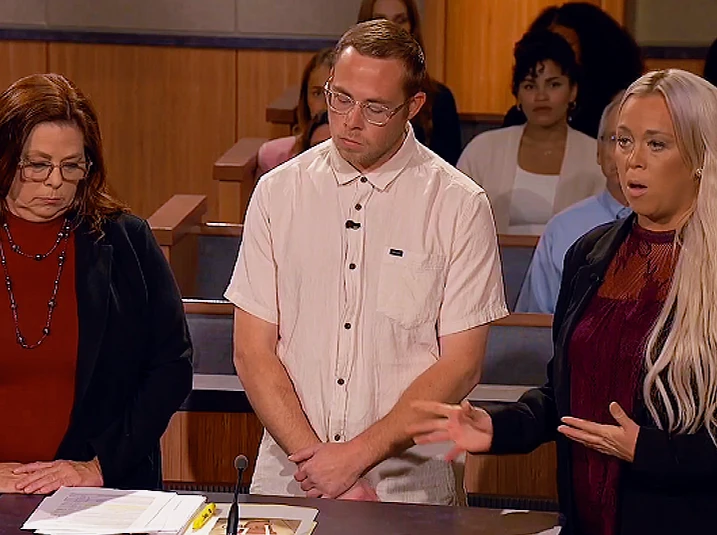
The Ruling: $5,000 to Peelman
Mary and Kenneth asked for the return of their $3,000 security deposit. The judge denied that counterclaim. She then awarded Peelman an additional $2,000, giving him $5,000 in total to finish the work. The court adjourned immediately afterward.
In the post-hearing discussion, Peelman said he was disappointed but believed the decision was fair. He stressed that the grow involved only six plants in a four-by-four tent and was not a commercial operation. He also said he was glad the matter was over.
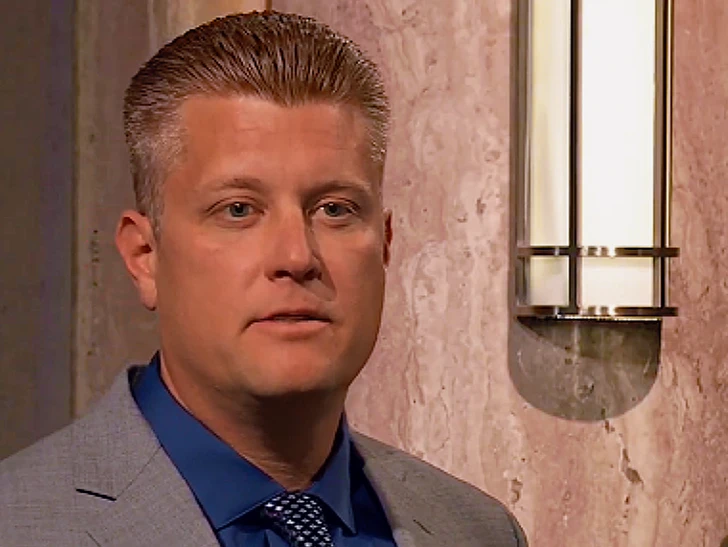
The conversation that followed framed the case’s broader lesson. Growing six plants may be permitted in California, but that does not necessarily give a tenant permission to do so in a rented home. A private owner may place specific restrictions in a lease, and the tenants remain responsible for understanding the contract they sign.
The judge’s closing position was equally direct: legality in the abstract does not erase the fine print of a private agreement. In this case, the dispute was ultimately decided through the lease, the testimony about the garage, the admitted grow room, the reported odor, and the costs Peelman said were necessary to restore the property.
FAQ
Was this a criminal marijuana case?
No. The SRT presents it as a civil landlord-tenant dispute involving an alleged lease breach, property damage, and a security deposit. It does not report criminal charges against Mary Miller or Kenneth Chandler.
How many plants did Kenneth Chandler grow?
Kenneth testified that he cultivated six plants in a four-by-four tent inside a framed room in the garage. He described them as legal plants intended for personal use.
Why did Nicholas Peelman keep the deposit?
Peelman alleged that the marijuana odor, alterations, and remediation costs exceeded the deposit. The judge denied the defendants’ request for its return and awarded Peelman another $2,000, for a total of $5,000.
Did the lease prohibit marijuana cultivation?
Yes. The lease language presented in court prohibited planting, growing, cultivating, or selling marijuana. It also prohibited smoking any substance on the premises or in common areas.
Did the court find that the grow was commercial?
No. The testimony described six plants for personal use, and Peelman later said it was not a commercial operation. The ruling concerned the lease and the alleged property damage, not a finding that the grow was commercial.