A mother sat in court trying to separate grief from a disputed $19,000 insurance payment. In the next case, a landlord brought video of a flooded basement—but not the witness who had information about what happened there. Although the disputes involved different families and different losses, both hearings turned on the same difficult question: what can be proven when emotion is strong, but the evidence is incomplete?
Case One : When grief became a financial dispute
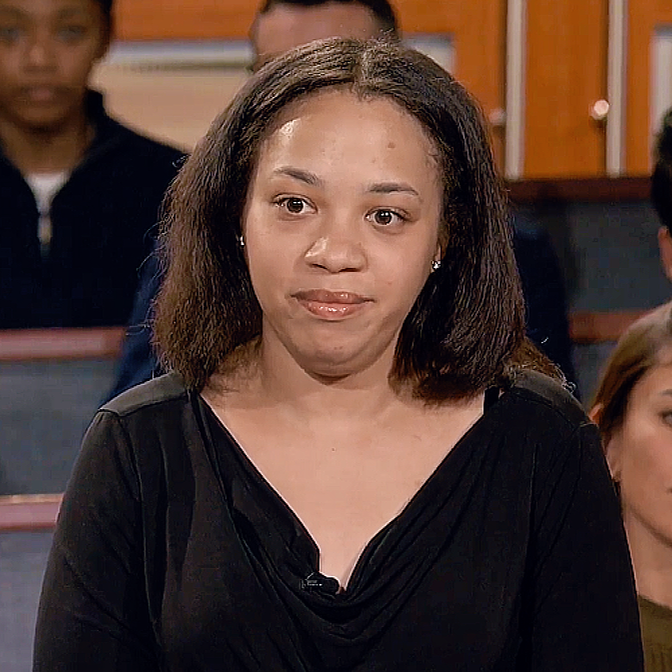
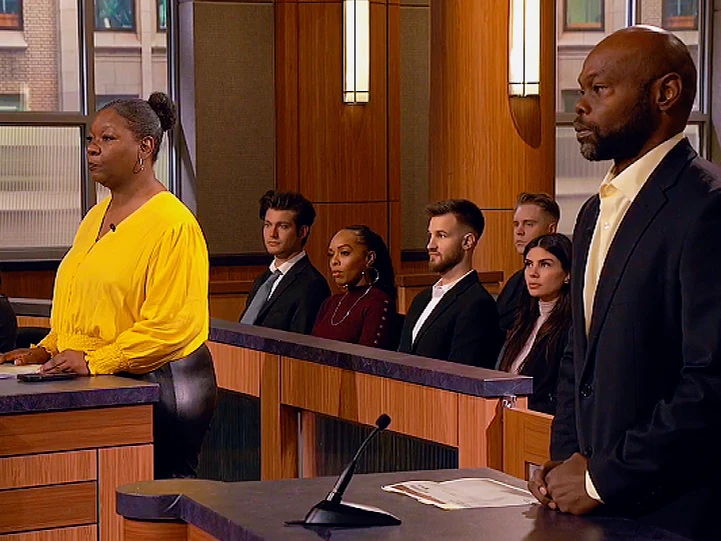
The episode’s first case began with a loss no family should have to endure. Latosha Burnley’s 23-year-old son was killed in an automobile accident on June 21 of the year referenced in the hearing. The transcript does not identify the calendar year. His death left behind a family, funeral expenses, and an insurance policy that neither parent appeared to know about before the tragedy.
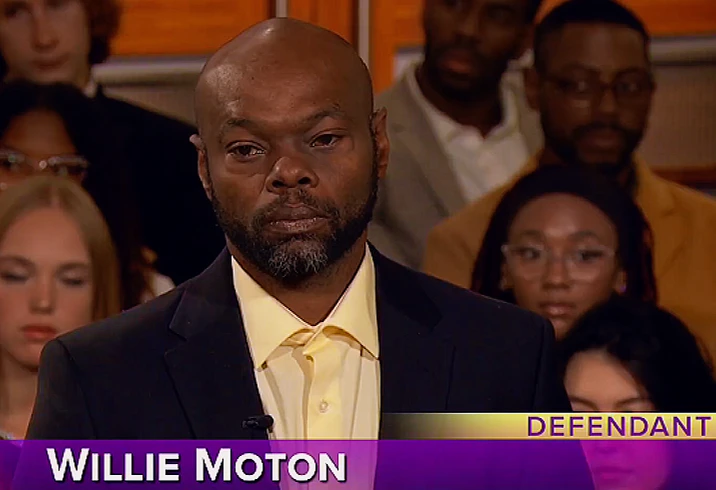
By the time Burnley and her former husband, Willie Moton, appeared in court, the disagreement was no longer only about money. It was about what Moton had allegedly promised, what Burnley believed their son would have wanted, and whether a grieving family conversation could become an enforceable obligation.
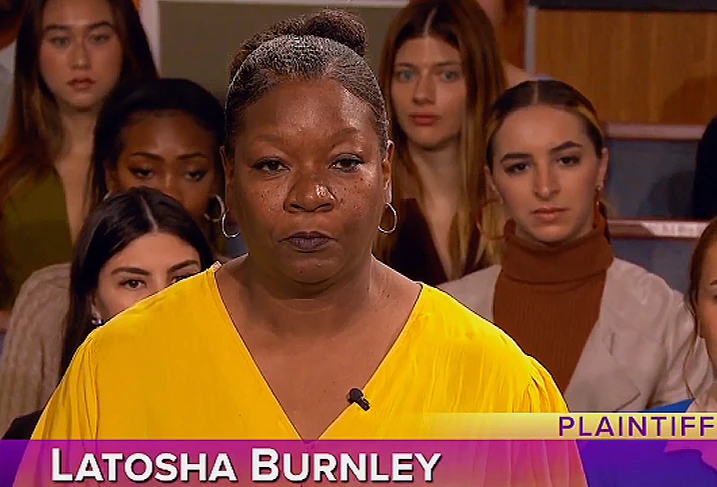
Burnley and Moton had divorced in 2007. They had two children together, a son and a daughter. According to Judge Judy’s summary, the son’s employer-sponsored life-insurance policy named no beneficiary. The court explained that, under the circumstances described in the hearing, the $38,000 proceeds were divided between his two parents, with each receiving $19,000.
The $19,000 insurance payment
Burnley told the court that, about a week after her son’s death, she went to Moton’s workplace, a bar she frequented. She had already received a letter from the insurance company indicating that Moton would receive $19,000. Her account was that she asked him to split expenses connected with the accident and funeral, and that he agreed to pay half.
She also said the money was meant to help the surviving sibling. Burnley described an arrangement under which she and Moton would each distribute part of the insurance proceeds to their child’s sibling because, in her view, that was what her son would have wanted. The amount she sought in court was $10,000.
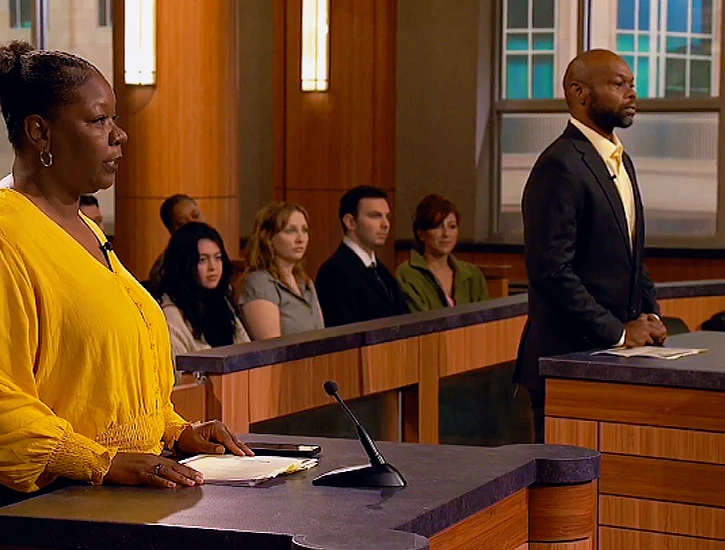
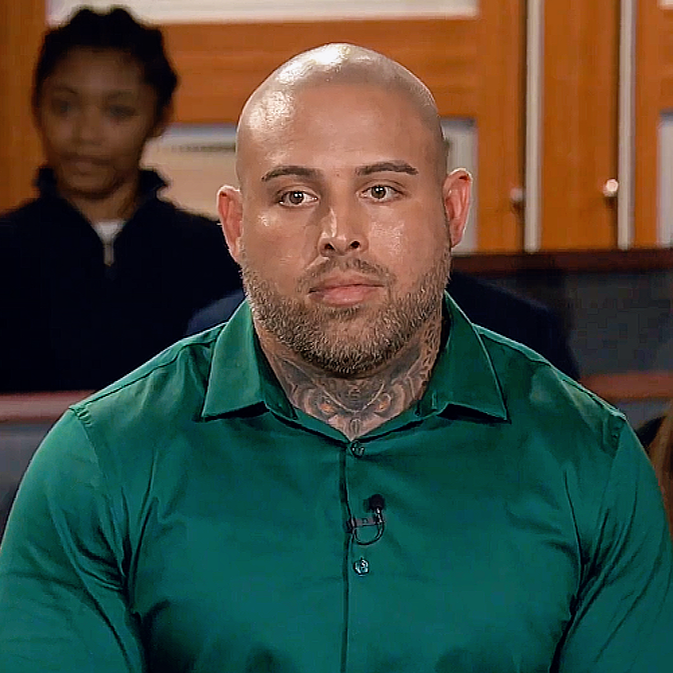
Moton remembered the conversation differently. He said he did not initially agree to the arrangement. When the judge pressed him about whether he intended to help his daughter, he clarified that he wanted to give her money from his own pocket if she needed it. That distinction became central: a voluntary gift to a daughter was not automatically the same as a promise to repay Burnley or share funeral costs.
The hearing also clarified that the accident-related expenses were not as extensive as Burnley first suggested. She had worried that the city might charge for a pole her son hit, but no such bill was issued. Judge Judy noted that the vehicle’s insurance would ordinarily address damage to public or private property, and that this issue was therefore not part of the remaining dispute.
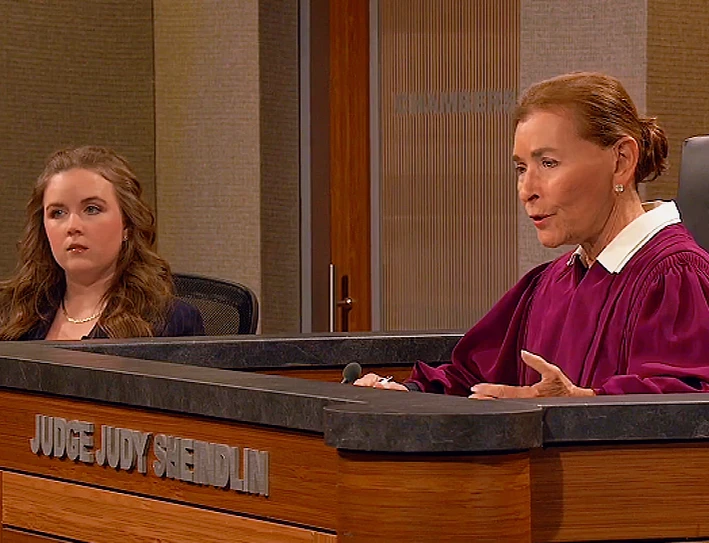
Why the funeral-expense claim failed
The funeral expenses were a separate matter. Burnley testified that the funeral cost $5,000. She also revealed that she had a separate $10,000 life-insurance policy on her son through her work, a policy she held on all three of her children. The funeral home deducted the funeral cost from that policy, leaving her with $5,000.
Burnley said she had not known, at the time of her conversation with Moton, that the funeral was covered by that separate policy. Judge Judy returned repeatedly to that point. If the funeral had not been covered, the judge said, sharing the expense would have been a different question. But on the facts presented, the funeral had been paid through insurance.
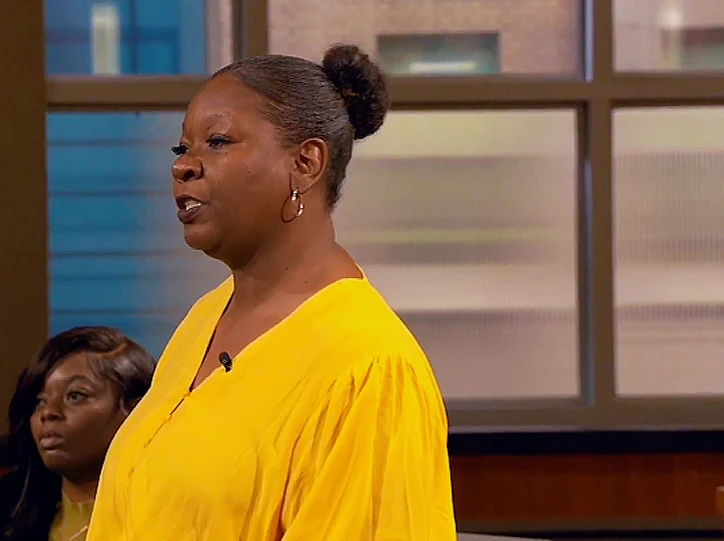
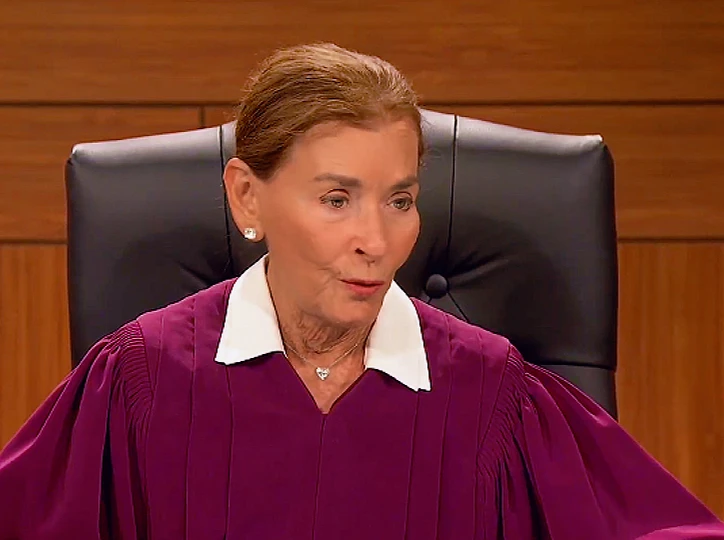
The court treated the proposed money for the daughter as a private matter between father and daughter. Judge Judy told Burnley that if Moton wanted to help his daughter, that was his choice; it was not a lawsuit Burnley could enforce. The judge also rejected the request for half of the other claimed expenses, explaining that the request was unreasonable given the insurance coverage and the evidence before the court.
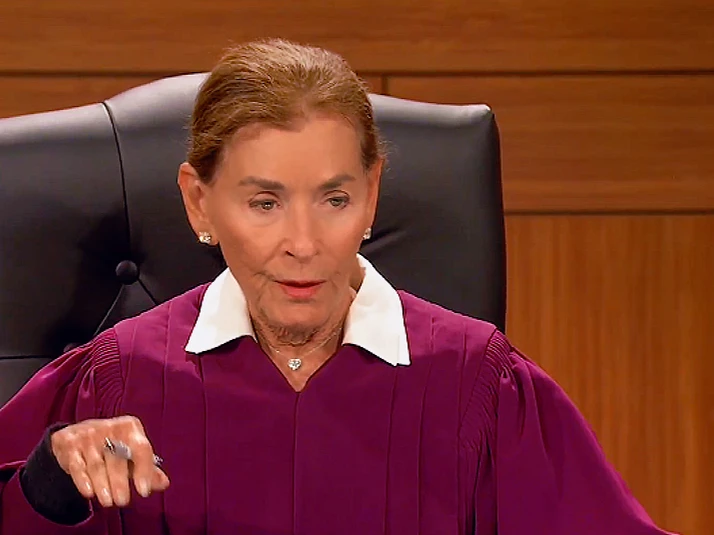
The case was dismissed. Judge Judy expressed sympathy to both parents and cautioned them not to make the loss of a child more difficult. Afterward, Burnley said she believed Moton had agreed to pay half of the expenses regardless of the policy. Moton said he felt justice had been served.
The case was dismissed. Judge Judy expressed sympathy to both parents and cautioned them not to make the loss of a child more difficult. Afterward, Burnley said she believed Moton had agreed to pay half of the expenses regardless of the policy. Moton said he felt justice had been served.
The post-hearing discussion added another layer. The court noted that Moton had not been an involved parent for many years, although he had said he was renewing his relationship with his son. The discussion also emphasized the importance of naming a beneficiary on a life-insurance policy and recording personal wishes in a short document. Those observations were presented as general lessons from the case, not as findings about the son’s intentions.
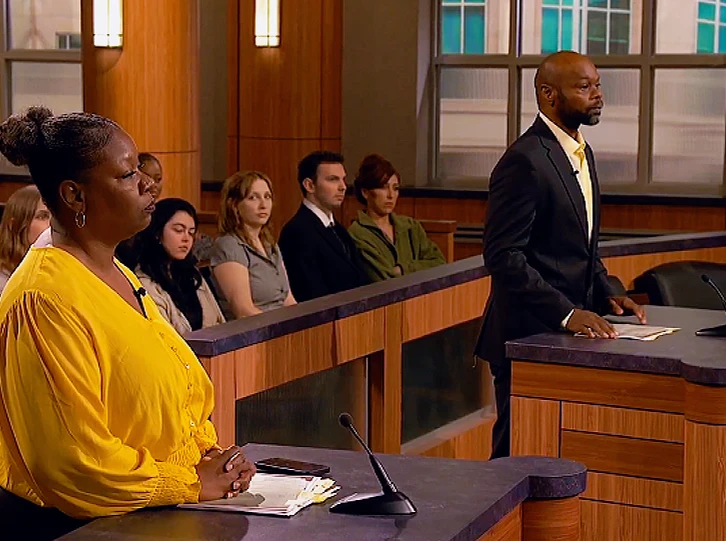
Case Two : A basement, a flood, and an absent witness
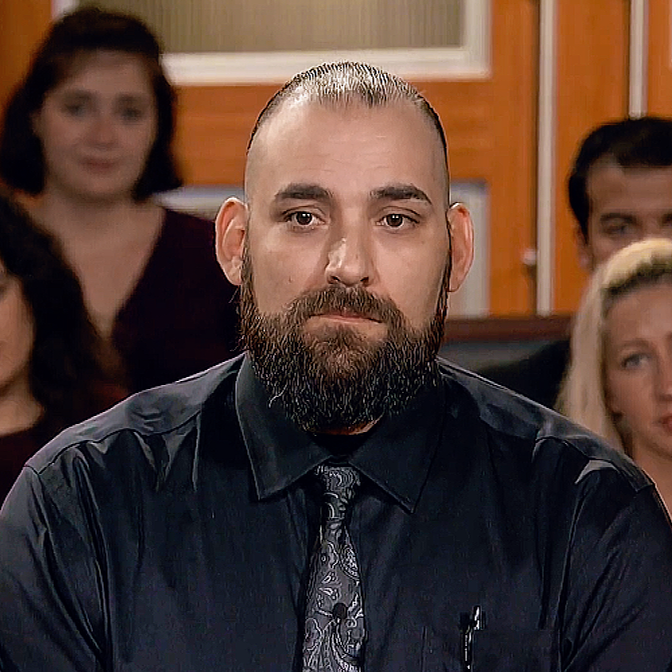
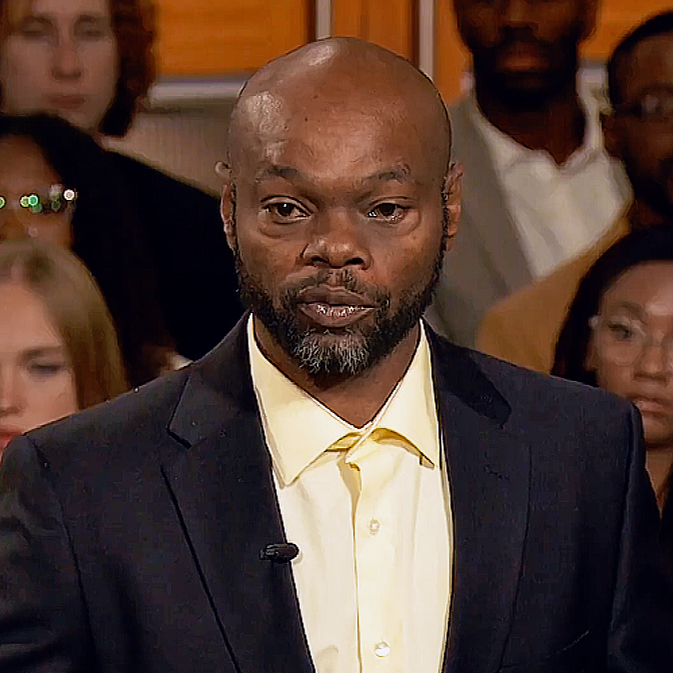
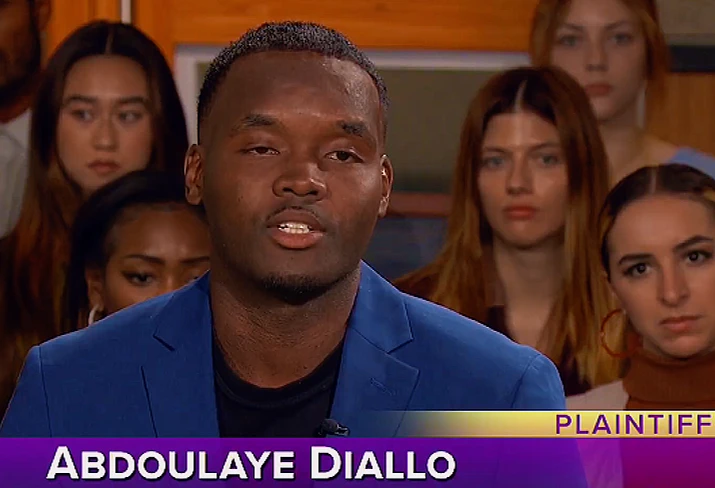
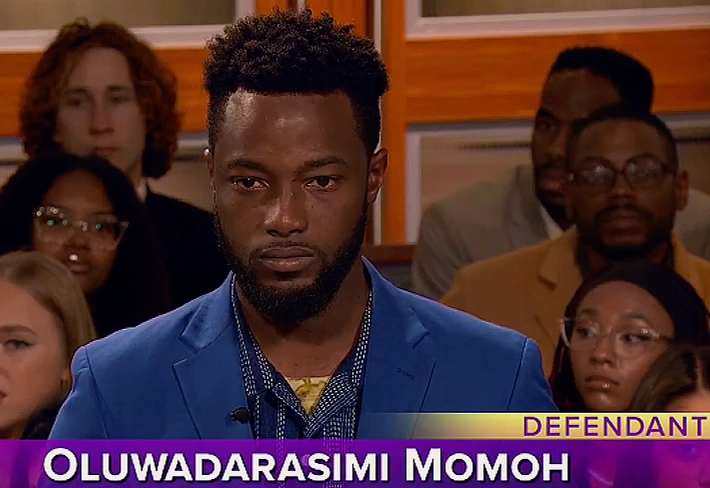
The episode then moved from a family’s grief to a dispute over property damage. Abdoulaye Diallo sued his former tenant, Oluwadarasimi Momoh, over alleged damage to a basement in a two-family home in East Orange, New Jersey.
Diallo said he bought the property for business and rented rooms or spaces to tenants. The house had an attic and a small basement, and he said at least nine people generally lived there. Momoh rented a corner of the basement, initially paying $100 a week, and shared the space with the superintendent.
Even the basement’s facilities became a point of tension. The parties agreed there was a toilet, but disagreed about a fixture that one side called a sink and the other described as something more like a tub. That exchange reflected the cramped and disputed conditions at the center of the case.
Diallo said the damage occurred on August 1, 2024. He was traveling toward his family home in New York when he received a call and turned around. When he returned, police were at the property completing a report. Momoh was gone. Diallo said he saw water splashing throughout the basement and presented a video recorded by the superintendent.
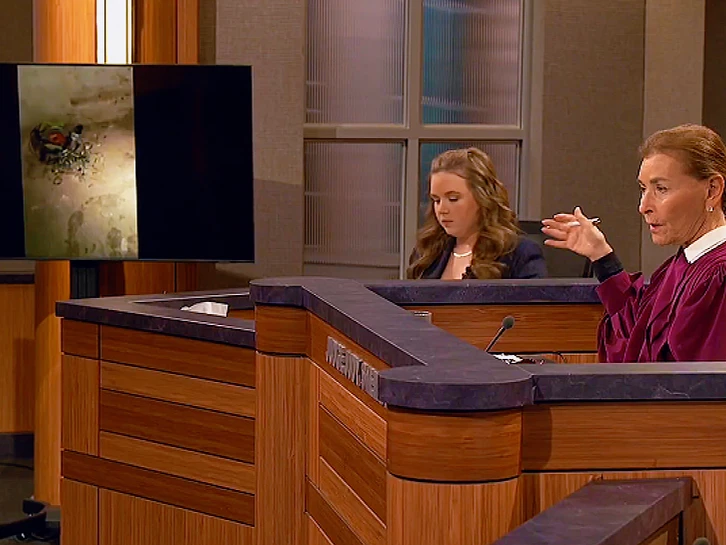
But the video created a problem as much as it supplied evidence. Judge Judy said it showed water and damage, yet did not show what caused the damage or connect Momoh to it. The plaintiff needed more than proof that the basement had been damaged; he needed proof identifying the person responsible.
The messages that did not prove responsibility
Diallo also relied on text messages. After accusing Momoh of destroying his property and threatening to take him to court, Diallo received the reply, “Go ahead.” He pointed to other messages, including a statement about waiting until he was not present and the response, “Never touch my stuff, bitch.”
Judge Judy examined the exchange closely. “Go ahead,” she said, was not a confession. The messages might have reflected an argument, but they did not establish that Momoh caused the flooding or any physical damage in the basement.
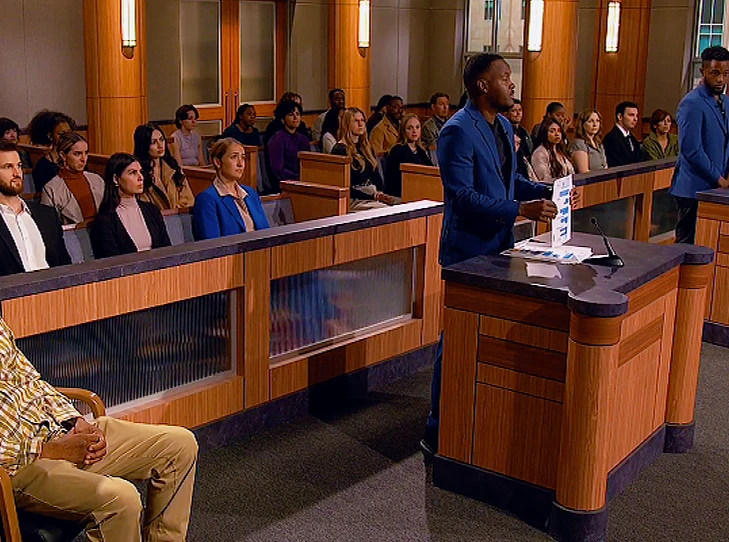
Momoh testified that he had gone to work on August 1 and later returned to find his luggage, bags, and belongings in the living room. He said he collected his things and left. When asked directly, he denied damaging the basement.
The most consequential missing piece was the superintendent—the employee who had been in the house and recorded the video, and who Diallo said had information about the incident. Diallo said he tried to bring him to court, but the witness could not attend. Judge Judy explained that when a party controls or can produce evidence and chooses not to present it, the fact-finder may presume that the missing evidence would not have helped that party. More importantly, she said, the plaintiff still had the burden of proving who caused the damage.

What the two dismissals revealed
The two cases were unrelated, but their outcomes shared a common thread. In Burnley v. Moton, the emotional weight of a child’s death could not transform a disputed family promise into a recoverable claim when the funeral had already been covered by separate insurance. In Diallo v. Momoh, a damaged basement and angry messages could not substitute for evidence connecting the defendant to the damage.
Neither dismissal erased the pain or frustration expressed by the people in court. Burnley was mourning her son and trying to protect what she believed he would have wanted for his family. Diallo believed the circumstances pointed to Momoh. Yet a civil courtroom requires more than a compelling narrative. It requires a claim supported by evidence that addresses the precise question before the judge.
The episode’s final lesson was therefore not about spectacle. It was about documentation, clarity, and responsibility: name beneficiaries, record important wishes, preserve direct evidence, and bring the witness who can explain what happened. When those pieces are missing, even a deeply emotional account may not be enough to prevail.
FAQ
Who sued Willie Moton?
Latosha Burnley sued her former husband, Willie Moton, over an alleged agreement involving their son’s life-insurance proceeds, funeral expenses, and money intended for their daughter.
How much did each parent receive from the son’s insurance policy?
The transcript states that Latosha Burnley and Willie Moton each received $19,000 from the son’s life-insurance policy after no beneficiary was named.
How much did the funeral cost?
Burnley testified that the funeral expenses were $5,000. She also testified that a separate $10,000 policy through her work covered the funeral, with the expense deducted by the funeral home.
What happened to Burnley’s lawsuit?
Judge Judy dismissed the case, finding that the funeral was covered by insurance and that any gift Moton wished to make to his daughter was a private matter between them.
Who was sued in the basement-damage case?
Abdoulaye Diallo sued his former tenant, Oluwadarasimi Momoh, alleging that Momoh caused damage in the basement of Diallo’s rental property in East Orange, New Jersey.
Why was Diallo’s case dismissed?
The case was dismissed because the evidence showed damage but did not prove that Momoh caused it. The witness who had information and recorded the video was not present to testify.