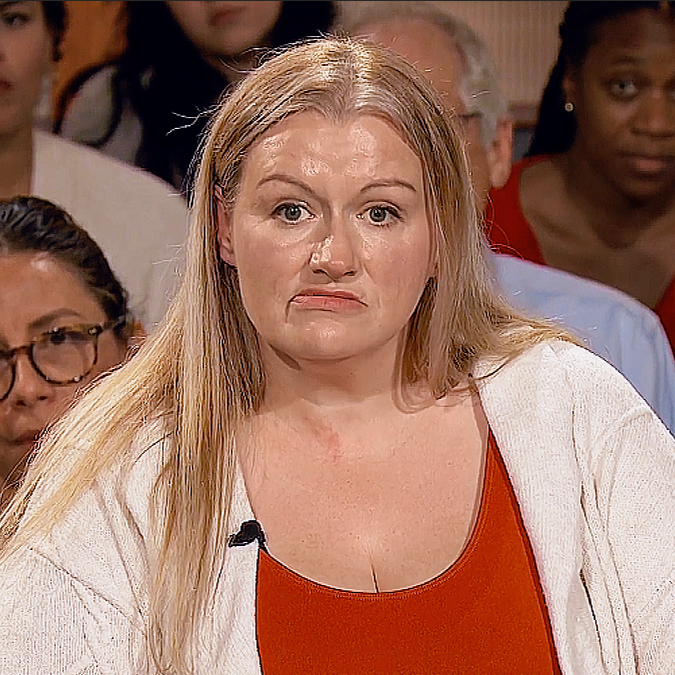
The dispute began with two competing versions of when a rental home was truly abandoned. One side said the tenants had moved out by October 4 and left no belongings behind. The other presented a video recorded on October 27, showing a locked property with damage and items still inside. By the time the courtroom exchange ended, Judge Judy had reduced the case to one question: who could be held responsible for what was found behind that door?
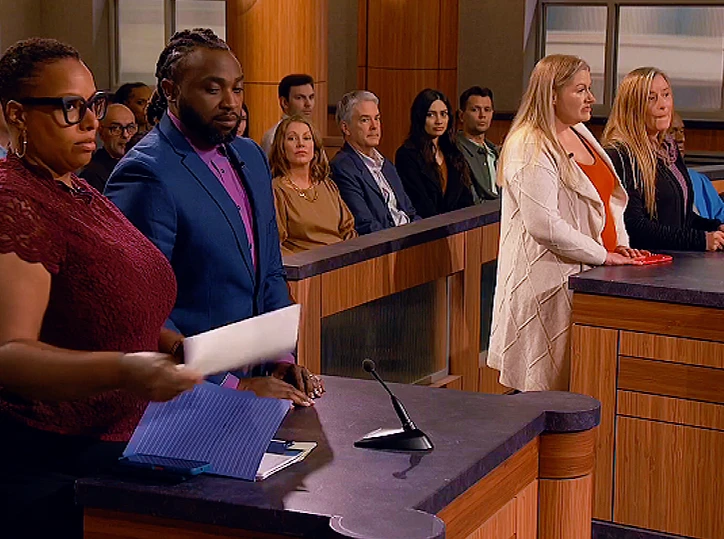
A lease, unpaid rent, and a dangerous neighborhood
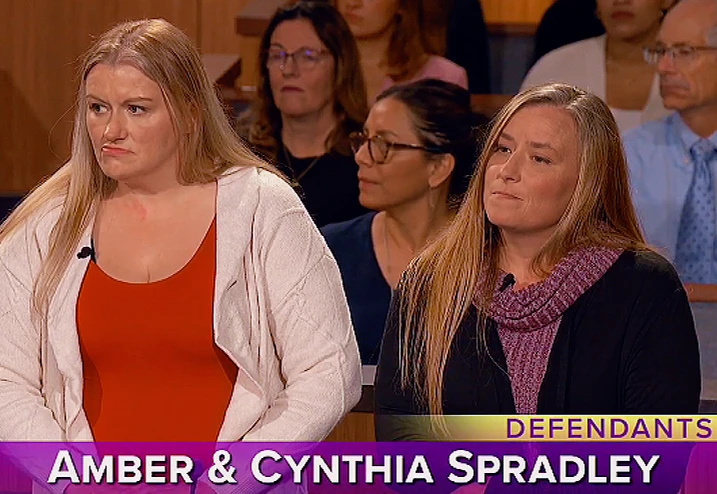
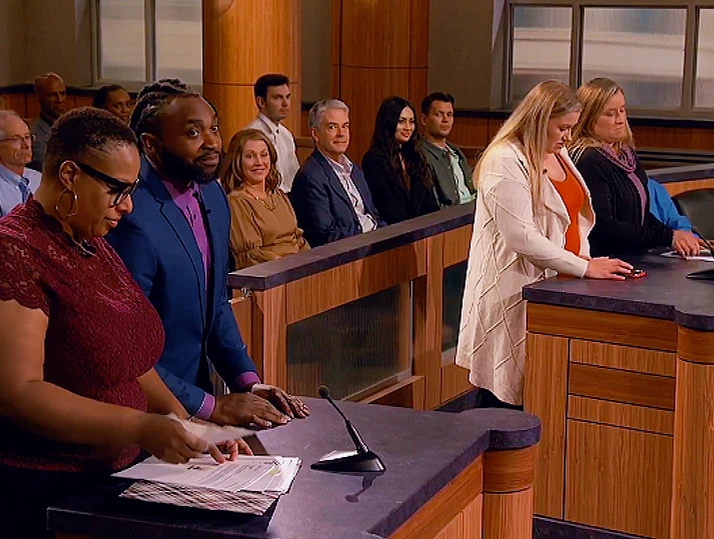
Gilbert Kiel, Jr. sued his former tenants, Amber and Cynthia Spradley, in case 4067. The complaint concerned vandalism, damage to a rental property, and lost revenue. The women had signed a lease running from February 2023 through February 2024, according to the courtroom testimony. The monthly rent was $1,500.

The first clear financial dispute concerned September and October. Gilbert testified that the tenants paid nothing for either month. When Judge Judy asked why, the defense answered that Amber and Cynthia had notified the landlord they were moving out. Their explanation was also tied to the neighborhood: they said the area had become unsafe for their children and referred to repeated break-ins, shootings, and people being killed near their yard
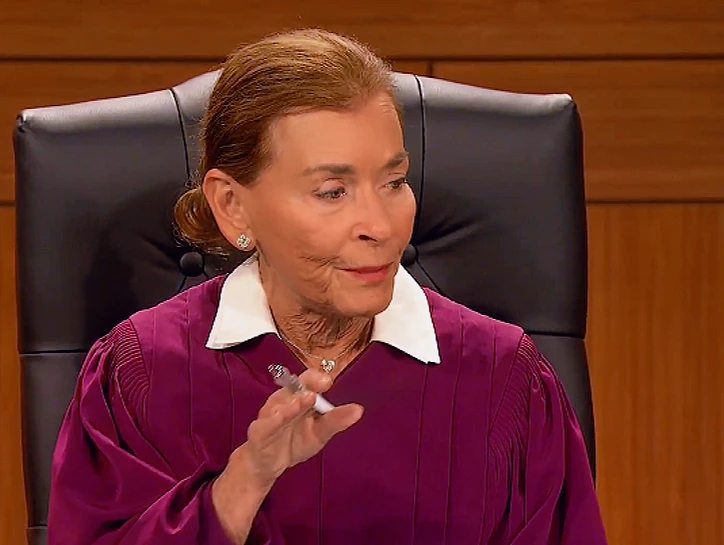
Judge Judy did not treat that explanation as a substitute for rent under an active lease. Her position was direct: if the tenants believed the property or neighborhood was unsafe, they could move, but while they remained responsible under the lease, they could not simply stop paying rent. The court’s focus then shifted from the unpaid rent to the more difficult question of the property’s condition after the tenants’ departure.
The notice to vacate and the disputed move-out date
Gilbert said he ultimately evicted the tenants. His property manager, Riquisha Betts, appeared as a witness and produced a Notice to Vacate. The notice required the tenants to be out on or before November 4. That date became central because the parties described their departure in sharply different ways.
Amber and Cynthia maintained that they were out by October 4. One of them said they had signed a lease at another location and had already moved. They insisted that none of their belongings remained at the rental home and that they did not return after leaving.
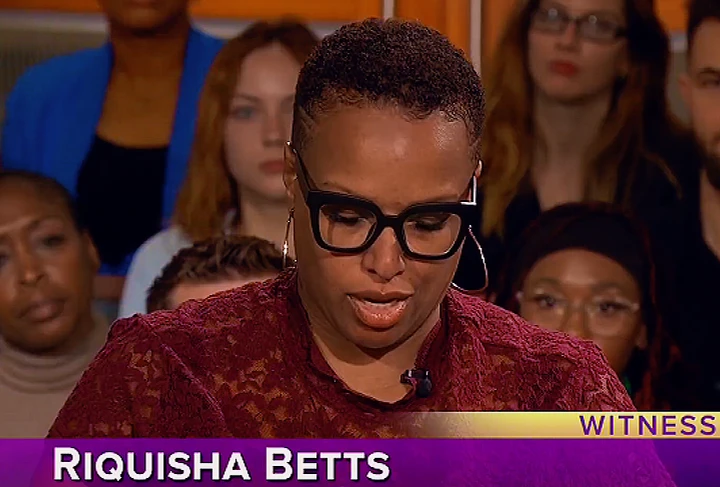
The plaintiff’s account was different. Betts testified that Amber told her by phone on October 26 that the tenants had moved out. Betts then went to the property on October 27 to inspect it and recorded what she found. The call itself was not recorded, but Betts said it was the reason she went to the house the next day.
That created an immediate evidentiary problem. If the tenants had actually left on October 4, the condition documented on October 27 would require another explanation. If, however, they still had belongings at the property or retained access after that date, the timeline could point in another direction.

What the October 27 inspection revealed
The photographs and video shown in court depicted a broken door, trash, and a generally damaged interior. Gilbert argued that the condition prevented him from re-renting the home and claimed $3,300 for cleaning and removing the mess. Betts said the property was secure when she arrived on October 27, and that she had to use a key to enter after the locks were changed.
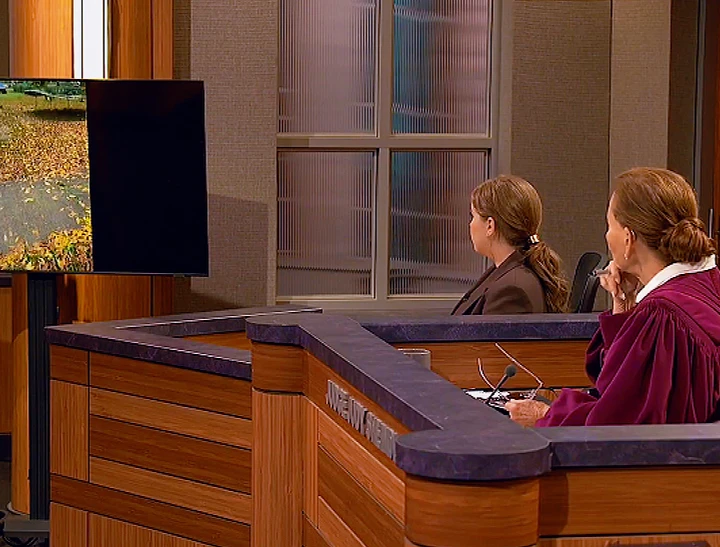
The defense challenged the conclusion that Amber and Cynthia caused the damage. They argued that the neighborhood was dangerous and suggested that someone else could have entered or damaged the property. They also said the items seen inside were not theirs.
Judge Judy repeatedly returned to the burden of proof. The landlord and his representatives had to show that the tenants left the property in that condition. General statements about the neighborhood, the children, or what the house might have looked like earlier could not, by themselves, establish who caused the damage.
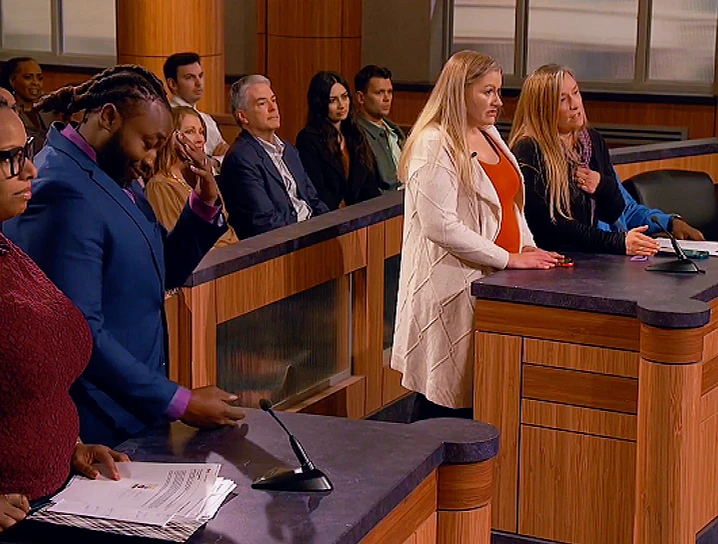
The testimony became especially tense when the defense maintained that the house had not looked that way when they left. The plaintiff’s side answered that the upstairs appeared clean compared with the lower level. Neither account, standing alone, resolved every factual dispute, but the locked-door testimony became important to the court’s reasoning.
The November messages involving Crystal Dodson
The timeline became more complicated after the October inspection. Betts testified that Amber contacted her on November 2 and said she needed to retrieve important documents. Betts agreed to make an exception and arranged access for November 6. Amber later said she could not attend and would send her cousin, Crystal Dodson, instead. Betts testified that Crystal came to the property and that Betts let her in.

Judge Judy examined text messages from the first week of November. One exchange referred to plans to come to the property, a meeting time of 3:00 p.m., and Crystal being the person who would attend. Another message stated that November 6 was the only day available to enter the house and that there would be nothing more the property manager could do if Crystal did not arrive.
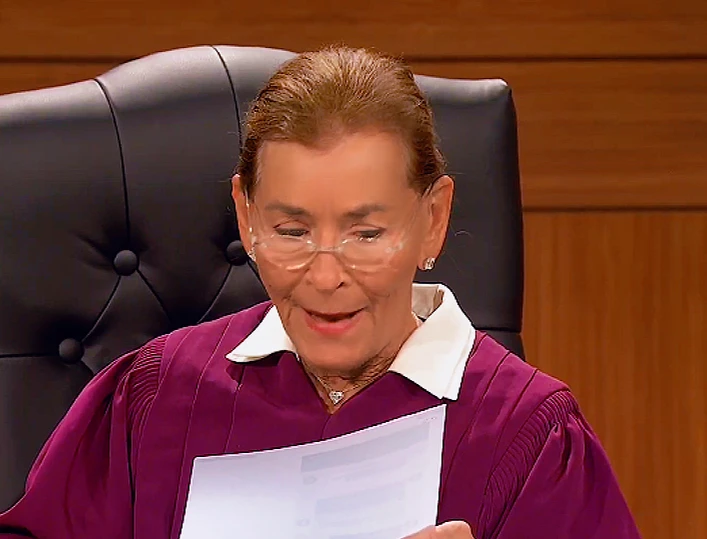
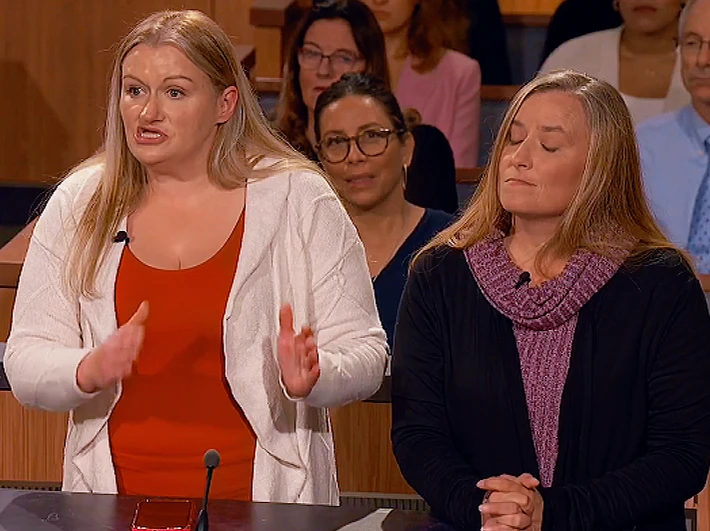
Amber acknowledged the substance of the exchange but insisted that she had been texting on behalf of her cousin. She argued that the belongings in the house belonged to Crystal, not to Amber and Cynthia. The defense also claimed that Betts had attempted to arrange a new rental or sublease involving the cousin for $1,300, although Betts denied knowing what the defendants were talking about and the court did not treat that issue as decisive.
The messages did not prove every allegation in the dispute. They did, however, establish that Amber was communicating with Betts about retrieving something from the property in early November—after both defendants had said they were already gone in October. Judge Judy used that admission to test the consistency of the defense timeline.

Judge Judy’s ruling
After reviewing the testimony and evidence, Judge Judy entered judgment for Gilbert Kiel, Jr. in the amount of $5,800. The transcript identifies the award as connected to the damage to the home and the resulting claim against the former tenants.
The ruling did not erase the tenants’ account of why they wanted to leave. Their concerns about the children and the neighborhood were part of the testimony, and they continued to say that moving was the responsible choice. But the case before the court was not a general determination of whether the neighborhood felt safe. It centered on unpaid rent, the condition of the property, the timing of access, and responsibility for the damage documented after the move-out dispute.
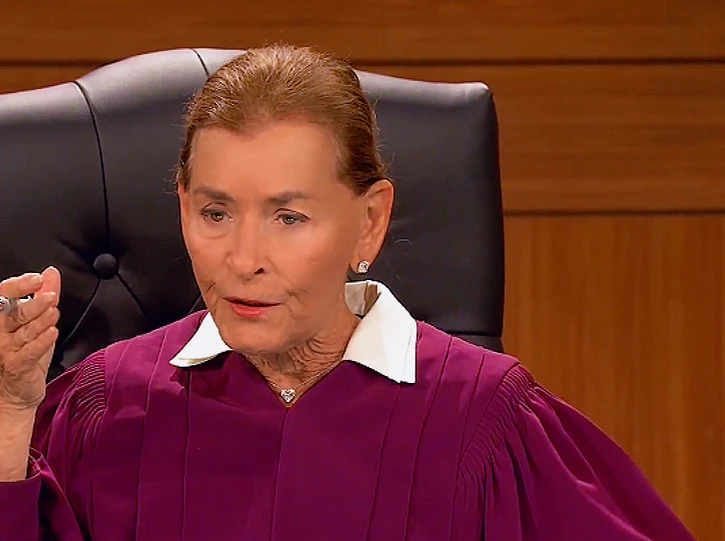
In post-ruling comments, Gilbert said the home had not been left in that condition and described the tenants as having failed to maintain it. The defendants maintained that the house was unsafe for their children and that they had done what they believed was right for their family. Those statements reflect the parties’ positions, not independent findings beyond the judgment announced in court.

Why the foster-care discussion mattered
The hearing also briefly turned to the children. Cynthia initially referred to them as foster children, then clarified that they had been adopted through foster care. She said they had come into her custody when they were approximately two years and one month old. The discussion was emotionally significant, but Judge Judy separated it from the legal issues before her.
In the program’s closing discussion, Judge Judy connected the case to her family-court experience and spoke generally about foster-care permanency, adoption assistance, and the reduced oversight that can follow adoption. Those broader remarks were commentary rather than findings about Amber, Cynthia, or the children in this particular case. The transcript does not establish any allegation of abuse or neglect, and none should be inferred from the exchange.

What the case ultimately shows is how quickly a landlord-tenant dispute can become a contest over chronology. September and October rent, an October 4 move-out claim, an October 26 phone call, an October 27 inspection, a November 2 request, and November 6 access all became pieces of the court’s decision. The judgment turned on the evidence presented, not on the most dramatic description of the neighborhood or the parties’ personal explanations.
FAQ
Who sued Amber and Cynthia Spradley?
Gilbert Kiel, Jr. sued Amber and Cynthia Spradley over alleged vandalism, property damage, lost revenue, and unpaid rent connected to a rental home. [1]
How much rent was disputed?
The monthly rent was $1,500. Gilbert testified that the tenants paid nothing in September or October.
When did Amber and Cynthia say they moved out?
They said they were out by October 4 and that their belongings were no longer in the home. The property manager testified that Amber said they had moved out on October 26, and that an inspection occurred on October 27.
Who was Crystal Dodson?
Crystal Dodson was identified as Amber’s cousin. According to the property manager’s testimony, Crystal came to the rental home on November 6 to retrieve items after Amber said she could not attend.
What did Judge Judy award Gilbert Kiel, Jr.?
Judge Judy entered a $5,800 judgment for the plaintiff.
Did the transcript prove who caused every item of damage?
The parties disputed responsibility. The court accepted the plaintiff’s claim and entered judgment, but the transcript itself does not provide a separate item-by-item finding for every piece of damage shown.