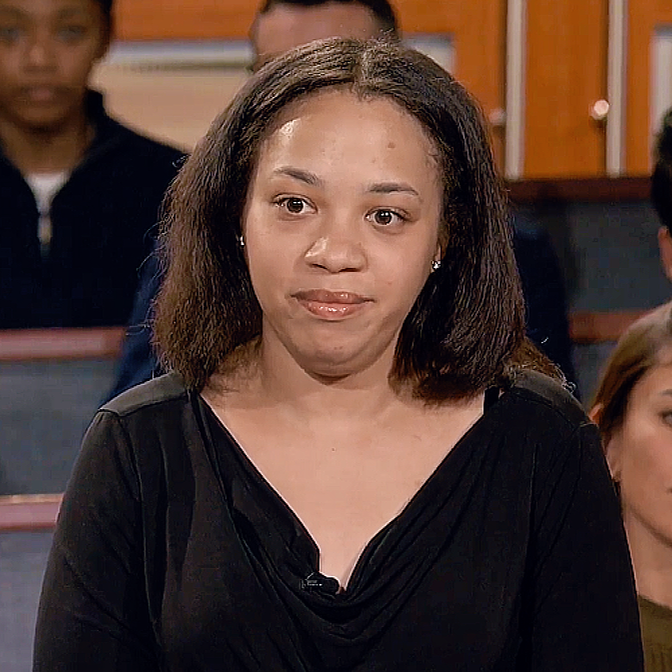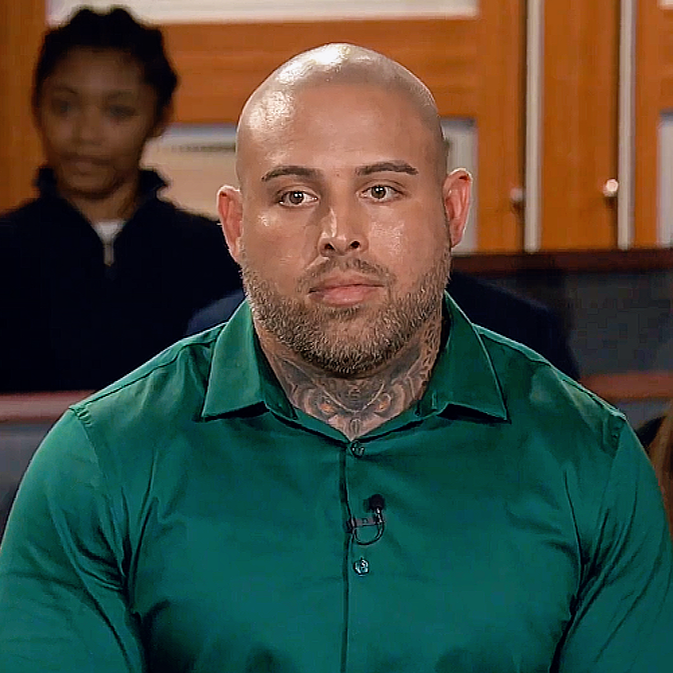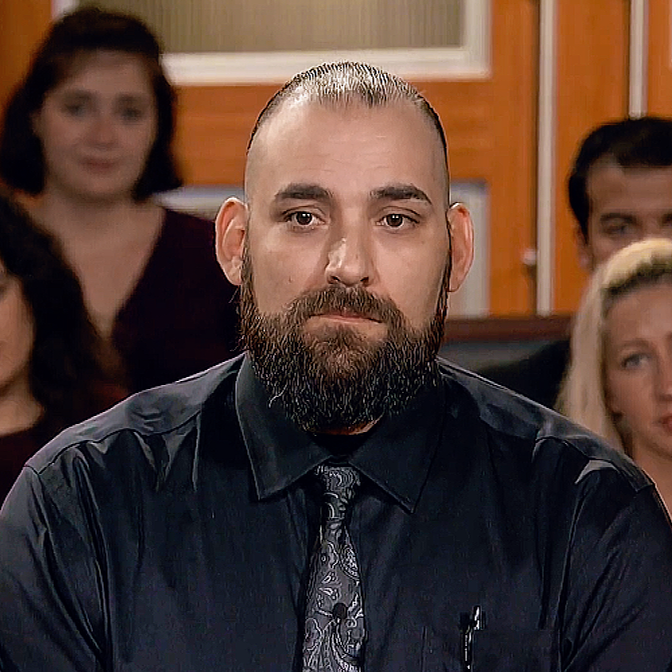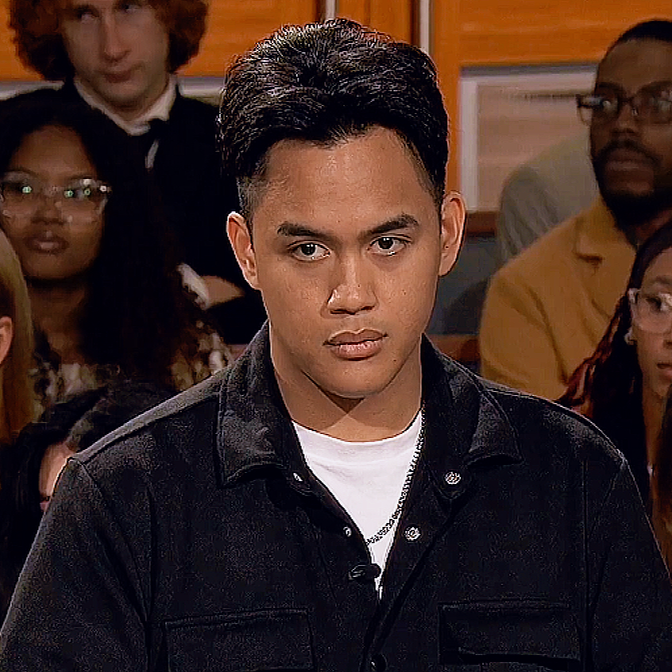
At the center of the first hearing was a question that became impossible to avoid: where, exactly, did the responsibility for a car end? In the first hearing, a borrowed Honda Civic ended in a ditch and against a pole, leaving former friends divided over whether the vehicle had ever been a gift. In the next case, a former couple faced a different collision—a shared loan, missed payments, a repossession, and paperwork that still tied them together. Across both hearings, the dispute was not simply about who possessed a vehicle. It was about what promises survived after trust broke down.
They are presented here as two connected stories about cars, evidence, and financial responsibility—not as one continuous dispute.
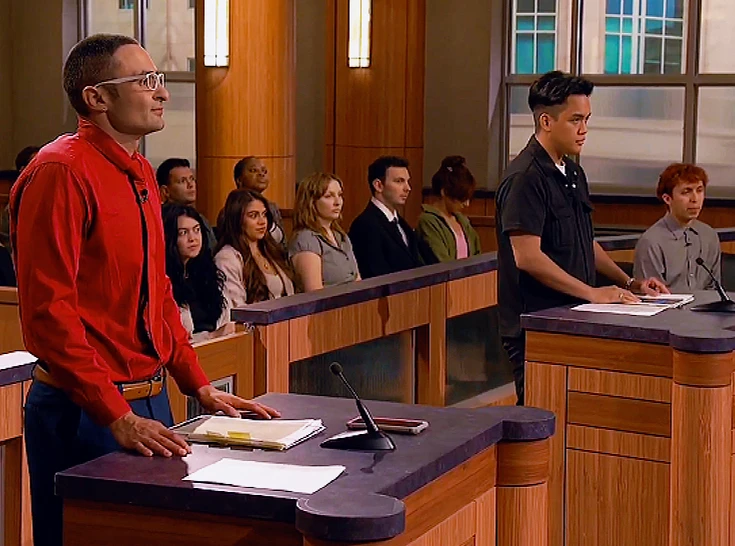
Case One : A borrowed Honda Civic becomes a $3,600 claim
The first hearing, case 4053, was Drust versus Dejoras. Daniel Drust sued his former friend, Timothy Dejoras, seeking the value of a car and towing fees after Timothy crashed it. Daniel told the judge that he met Timothy on a dating site around November 2023. The two remained friends, and that friendship led to the car arrangement at the center of the case.
By March 2024, Daniel had an unused 2007 Honda Civic, given to him by his mother in May 2022. He kept it as a backup for his delivery business, and it carried liability-only insurance.
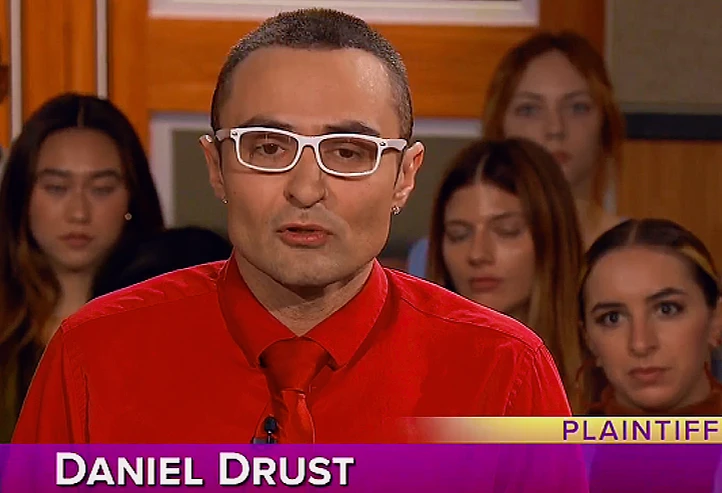
Timothy wanted to borrow the car to get to and from work. Daniel said he agreed. That placed the Honda in Timothy’s possession, but it did not settle the question that would later reach court: was Timothy borrowing the car, or had Daniel transferred it to him as a gift?
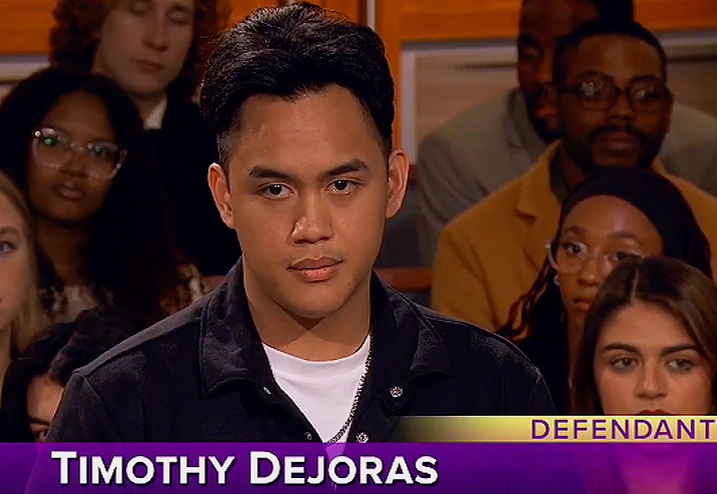
The March 2024 crash
Timothy described March 2024 as a period when he had just started a second job. On the night of the accident, he was completing onboarding and training videos. Afterward, he said, he ran errands before heading home at approximately 10:00 p.m.
Around midnight, Timothy fell asleep behind the wheel at a stop sign. He woke to find the vehicle moving into a ditch beside the road. The car then struck a pole and was totaled. When the judge asked whose fault it was that he had fallen asleep while driving, Timothy answered that it was his. Daniel’s claim was therefore based on the value of the destroyed vehicle, along with towing-related costs.
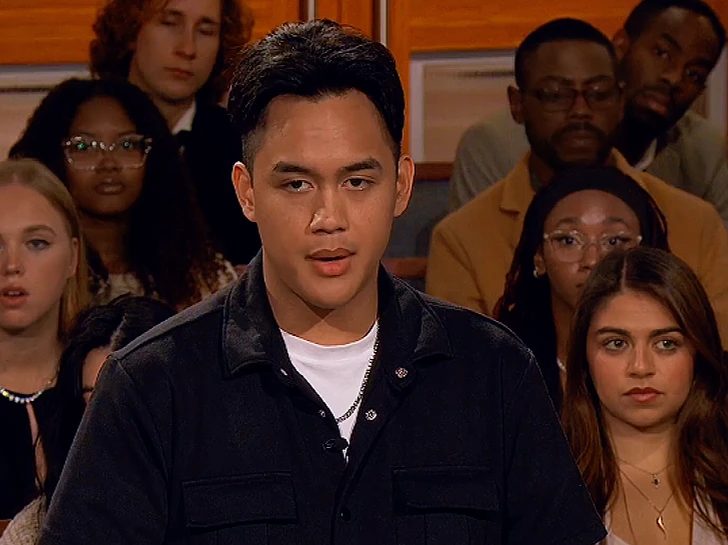
The police report added another layer to the hearing. Timothy had received a summons, although he initially described it as a ticket for crashing the car. The judge made clear that an accident itself was not the offense. Timothy then said he believed the ticket concerned failure to maintain a single lane. The report showed no evidence of intoxication and noted that the homeowner believed the damaged gate was worth $5,000.
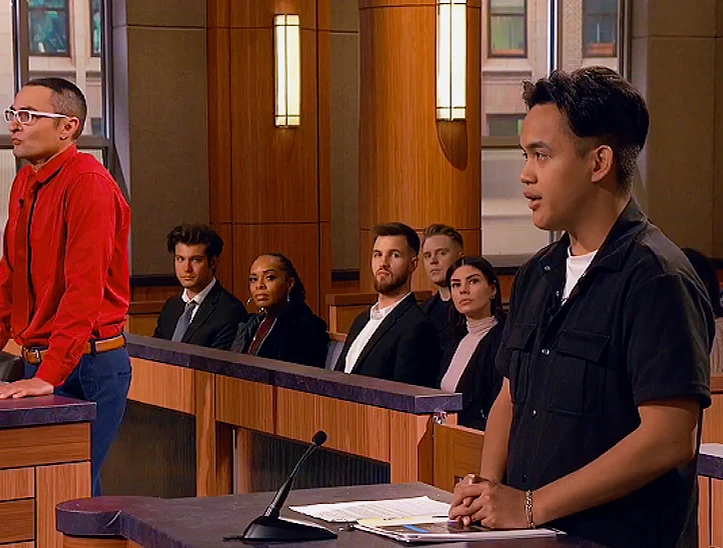
The alleged gift and the written evidence
Timothy’s defense was that Daniel had given him the Honda rather than merely allowing him to borrow it. The judge explained that if a gift had been made, the car would belong to Timothy whether or not the formal transfer had been completed. That made the documentary evidence central to the case.
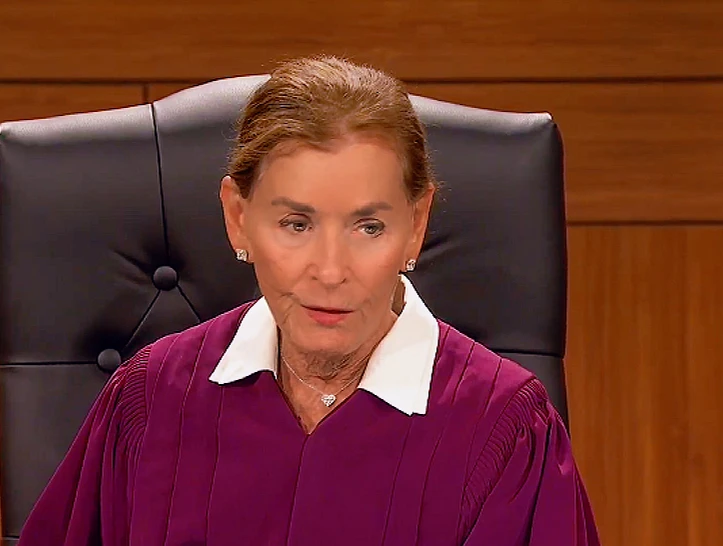
The judge asked Timothy to identify the words showing that Daniel had made a gift of the car. Timothy pointed to a written exchange and read the relevant passage aloud. Daniel had said he could see Timothy was in a difficult situation, but he also proposed a limit: the arrangement would last for a week, after which they would either work out a different financial agreement or Daniel would take the car back.
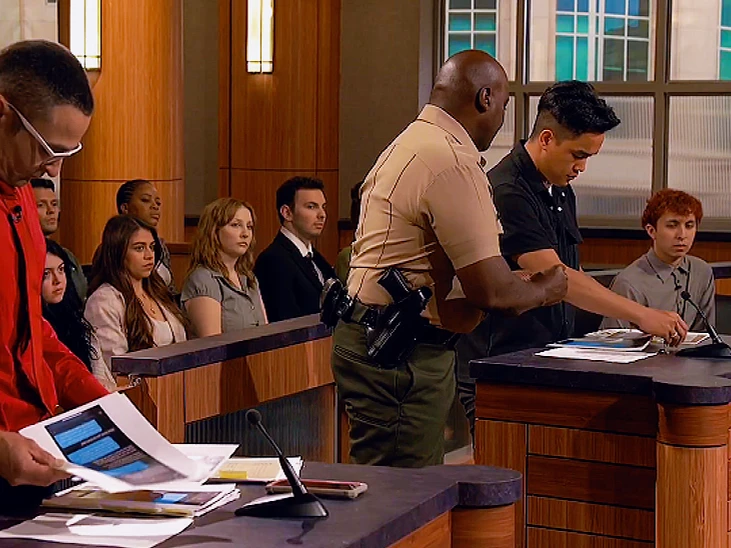
The wording did not describe an unconditional transfer. When the judge asked Timothy what word suggested that Daniel had given him the vehicle, Timothy ultimately admitted that the document did not say that. The exchange was the turning point because the claimed gift was not supported by the evidence presented. Daniel valued the Honda between $3,600 and $5,000. Timothy cited battery problems, but the judge awarded Daniel $3,600, the low end of the stated range. Afterward, Daniel said the judge had rejected the gift claim. Timothy said he felt the outcome placed more responsibility on Daniel and acknowledged that they would probably not be close again.
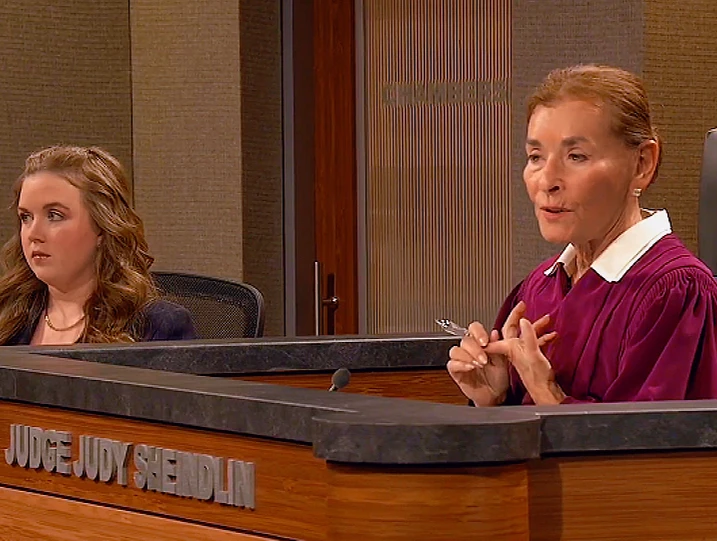
Case Two : A second dispute over a shared auto loan
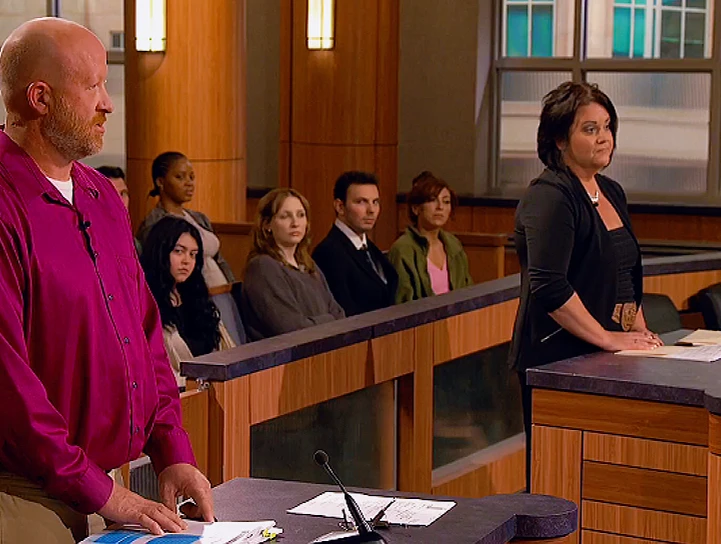
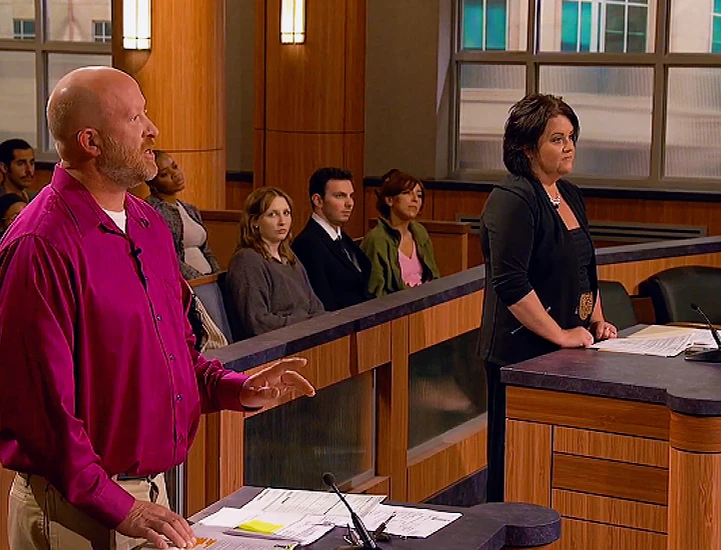
The second hearing, case 4062, was Dinehart versus Goebel. Kyle Dinehart sued his ex-girlfriend, Tammy Goebel, over an unpaid car loan and towing fees. The complaint, as summarized in court, said Kyle loaned Tammy $10,000 for the down payment on a used car. Both names appeared on the loan and the title, creating a financial connection that continued after the relationship ended.
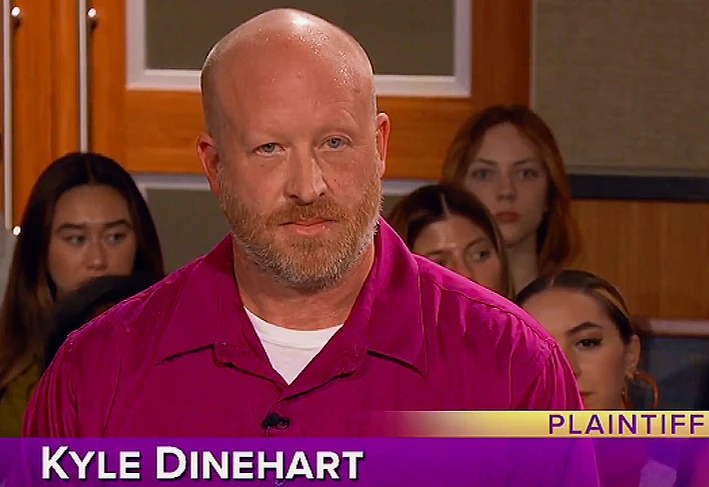
The relationship ended, apparently in 2021, but Tammy continued using the car and making the payments. The loan payment was $216 per month. The arrangement continued for about three years until the payment history became the issue that brought the vehicle back into Kyle’s control.
The missed payments and February repossession
The court focused on two months of arrears. There was an initial disagreement about which months had gone unpaid. Tammy said she had made the December payment and missed January; the testimony then settled on January and February as the two months in arrears when Kyle repossessed the vehicle in February 2024.
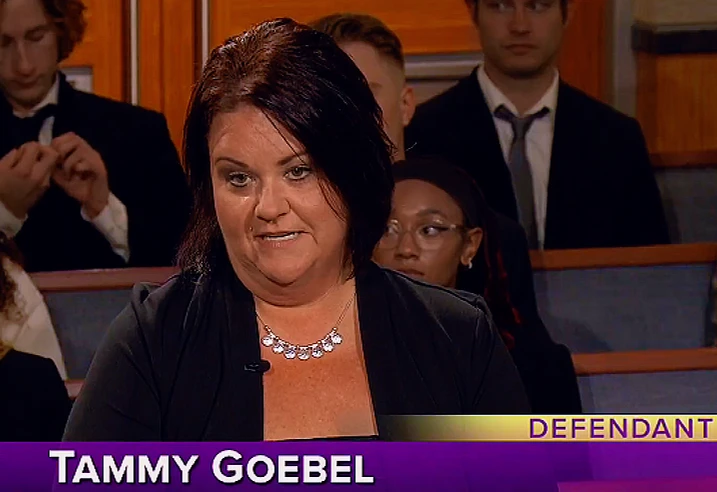
The judge told Tammy that, once two payments had been missed, Kyle had the right to repossess the car to limit his losses. The judge also suggested that Tammy could have refinanced the vehicle and removed Kyle from the obligation after the relationship ended.
By October 2024, Kyle said he had paid off the car, including a final payment of $2,247.30. He needed Tammy’s cooperation with the title and lien release so he could sell the vehicle and end his responsibility for it.
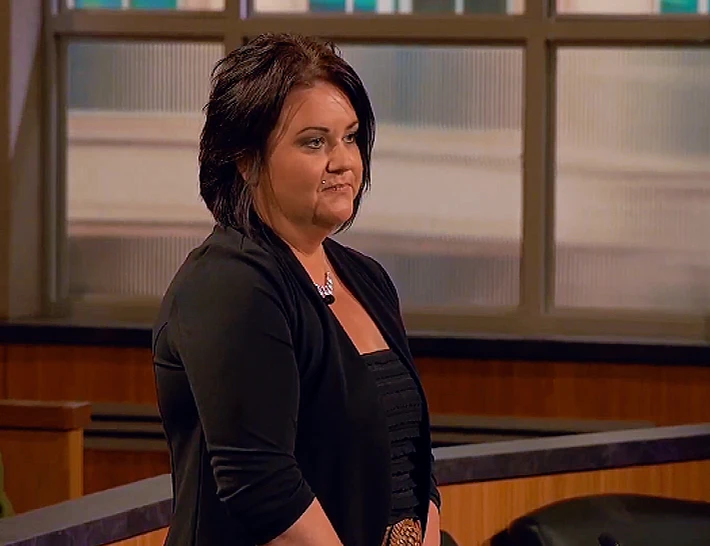
Tammy countersued, claiming Kyle was wrongfully keeping her vehicle. She said she had been on medical leave and had tried to contact him by text and email about the situation. She also said Kyle had sold her late father’s minivan and other belongings and kept the proceeds toward the $10,000 she allegedly owed him. Those allegations were raised in the hearing, but the transcript does not record a monetary award on them.
The title, the lien release, and the ruling
The judge focused on the practical value Tammy had received: a car for $216 per month over roughly three years. Tammy said she had invested in repairs, but the judge treated the monthly payment as the relevant figure for the dispute. In the judge’s reasoning, Tammy had use of a vehicle at a cost that was not unreasonable, while Kyle remained exposed to the loan, the title, insurance-related risks, and the difficulty of selling the car.
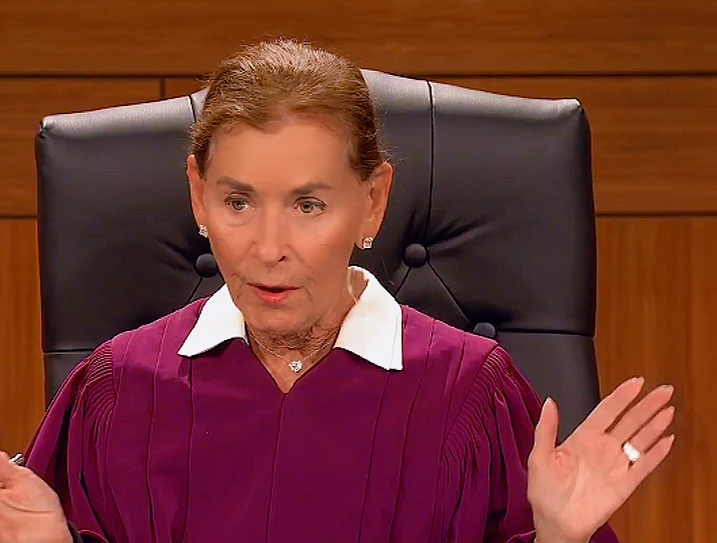
Tammy had inherited a 2004 Chrysler convertible from her late father after Kyle took back the financed vehicle. The court directed her to sign the title over to Kyle and surrender the bank’s lien release when received so he could sell the car.
Unlike the first case, the hearing ended without a recorded monetary award. Its practical result was to close the shared obligation: Kyle could sell the car and move away from the loan, while Tammy would surrender the title and lien-related paperwork. Afterward, Tammy called the result a lesson in whom to trust with money. Kyle offered the broader warning that viewers should not cosign a loan for anyone.
What these two cases reveal
The two hearings involved different kinds of loss, but the same lesson: informal understandings become fragile when money, possession, and responsibility are not documented clearly. In the first case, a written message described a temporary arrangement rather than a gift. In the second, a shared loan and title kept former partners financially connected long after the relationship ended. Both rulings turned on evidence and the obligations that remained after trust broke down.
FAQ
What happened between Daniel Drust and Timothy Dejoras?
Daniel Drust sued Timothy Dejoras after Timothy crashed and totaled Daniel’s 2007 Honda Civic in March 2024. Timothy argued that Daniel had given him the car, but the written exchange read in court described a one-week arrangement or a future financial agreement. The court awarded Daniel $3,600.
How did Timothy Dejoras crash the Honda Civic?
Timothy testified that he fell asleep behind the wheel at a stop sign around midnight, drove into a roadside ditch, and then struck a pole. He accepted responsibility for falling asleep and confirmed that the car was totaled.
Did the transcript say Timothy Dejoras was intoxicated?
No. The court discussed the police report and stated that officers found no evidence of intoxication. Timothy said he believed his ticket was for failure to maintain a single lane.
Why did Kyle Dinehart repossess Tammy Goebel’s car?
The hearing established that two payments were in arrears when Kyle repossessed the car in February 2024. The judge said he had the right to repossess it to cut his losses because his name remained tied to the loan and title.
What was the outcome of Dinehart versus Goebel?
Tammy Goebel was directed to sign the title over to Kyle Dinehart and surrender the lien release when received so Kyle could sell the car. The transcript does not record a separate monetary award on Tammy’s broader allegations about property and payments.