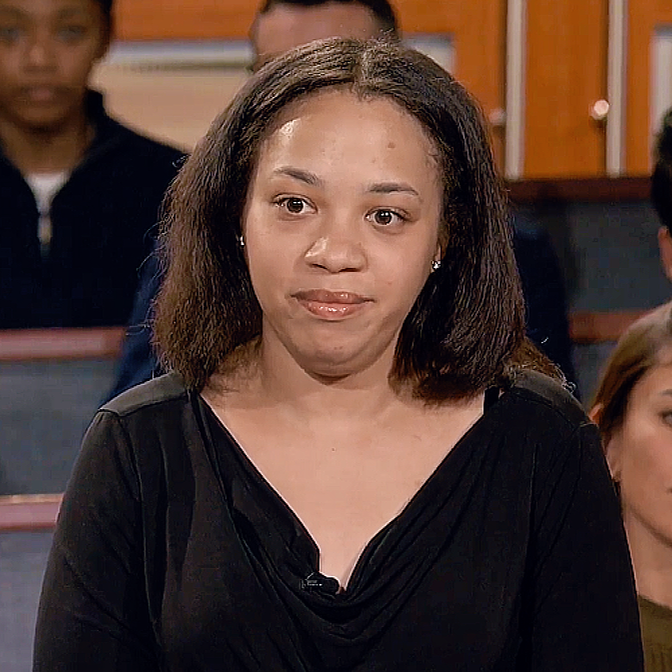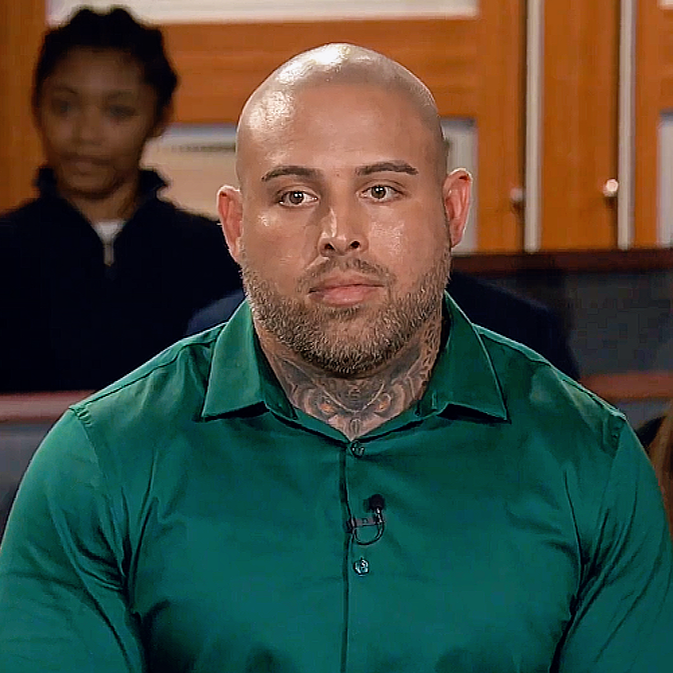
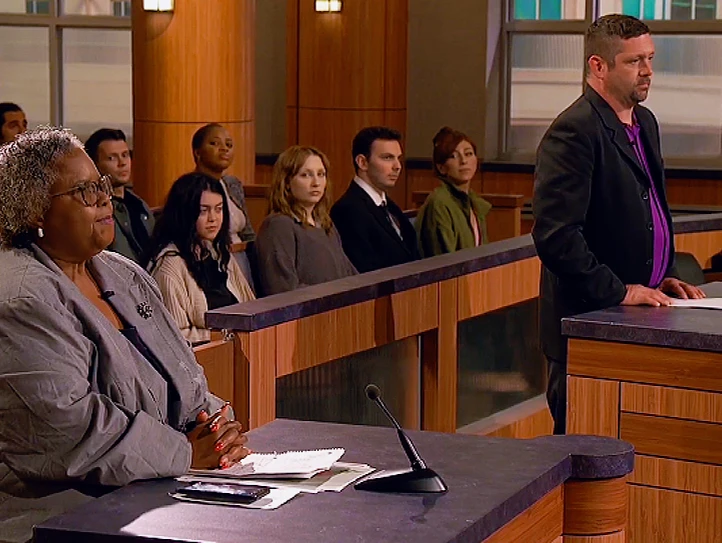
When Ice died, April Johnson did not see the end of an ordinary pet’s life. She saw the loss of a companion who had been with her for 17 years—a dog she called her child. She believed a plan was in place: her neighbor, Joel Klocke, would take Ice to a veterinary center, and Faithful Friends Cremation Service would collect him on Monday. Instead, Ice was buried in a wooded area near a local park. The disagreement that followed carried grief, anger, and a $10,000 claim into Judge Judy’s courtroom.
The Loss of a 17-Year Companion
The dispute began after Ice died on Friday, April 19. Johnson told the court that she had cared for him for 17 years and regarded him as family. The courtroom account described Ice as a roughly 40-pound Jack Russell terrier and schnauzer mix. His age was central to Johnson’s account: this was the death of a companion who had shared most of her adult life.
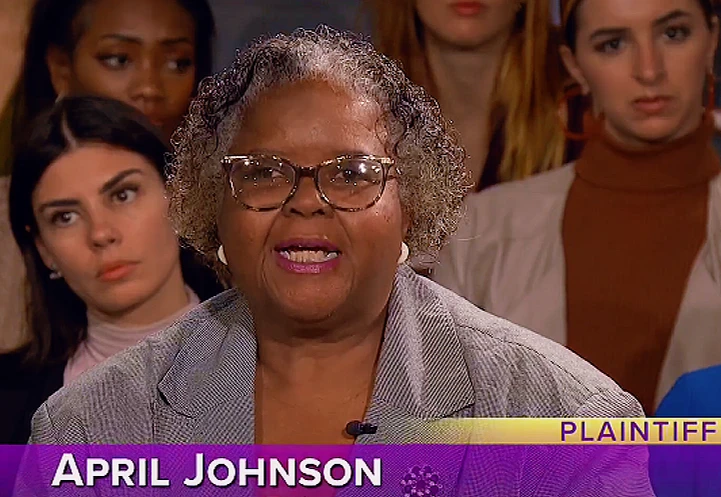
Johnson wanted Ice cremated and hoped to receive his ashes. She had contacted Faithful Friends Cremation Service, but the company was not available to collect him until Monday. She said she was told that Ice needed to be taken to a veterinary facility for the weekend because keeping him at home was not practical.
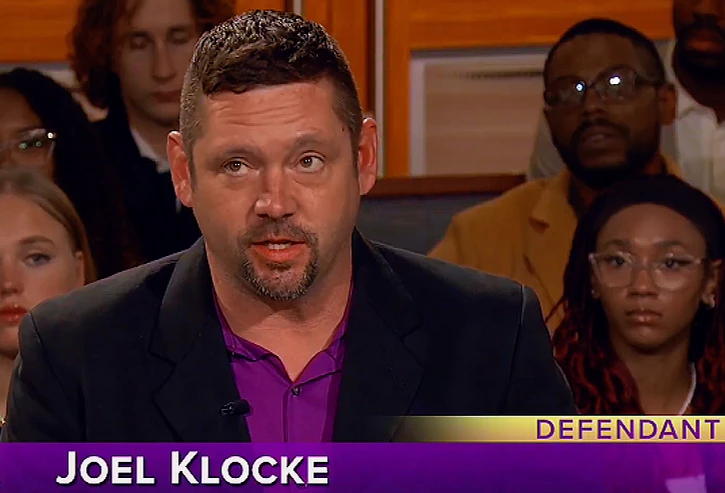
Johnson asked her neighbor, Joel Klocke, to transport Ice. Klocke said he had previously given her rides and performed other favors, although they were not close friends.
The Weekend Arrangement
Klocke agreed. He said he came to Johnson’s home, lifted Ice, placed him in his vehicle, and drove him to Blue Pearl, an emergency veterinary hospital. According to the courtroom testimony, however, Blue Pearl would not keep a deceased animal through the weekend without payment.
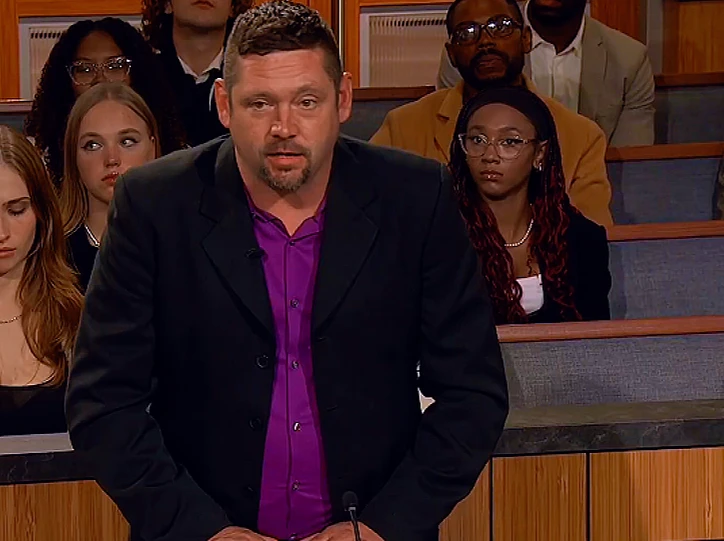
The cost became one of the first points of confusion. Johnson referred to a $175 holding charge. Klocke discussed a $200 option and a total of $532.25 for a private cremation arrangement in which the ashes would be returned and a burial service could be held. The figures related to different services, but both accounts made clear that leaving Ice at the facility required payment.
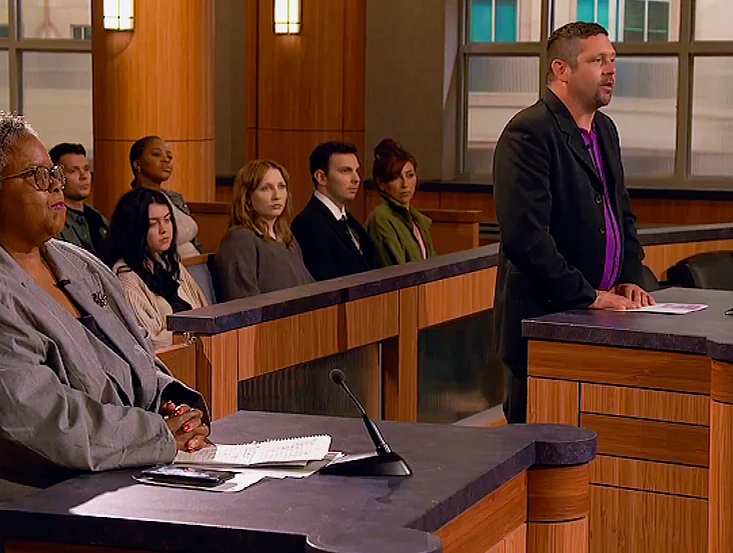
Klocke said he did not have the funds. He also testified that he tried to contact Johnson throughout the day and into the following morning. He said he eventually reached her two days later, while she was grieving. Johnson’s position was that she had already given Klocke the address and telephone number and expected the cremation company to handle the next step on Monday.
Johnson believed Klocke had been asked to follow a specific plan. Klocke believed he had been asked to solve an urgent problem without money for storage.
How the Plan Failed
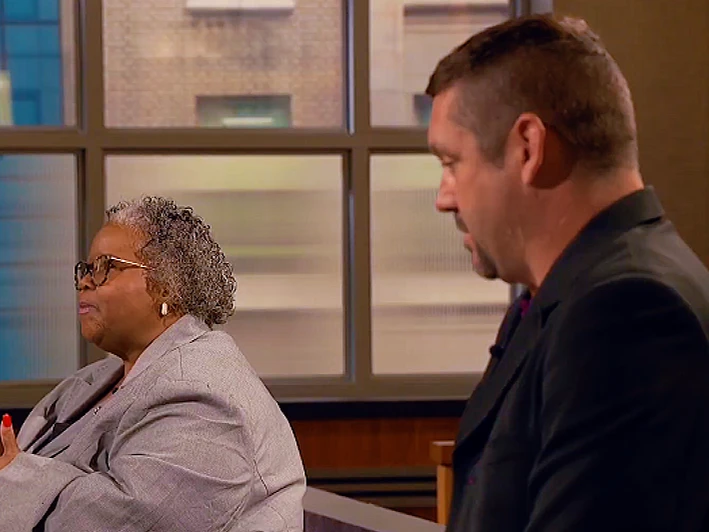
When Klocke could not leave Ice at Blue Pearl, he said he found a place in a local park about three miles from their homes. He buried the dog in a wooded area. From his perspective, he had tried to help when the original arrangement became impossible. From Johnson’s perspective, he had ignored the most important part of her instructions: Ice was supposed to be cremated, not buried.
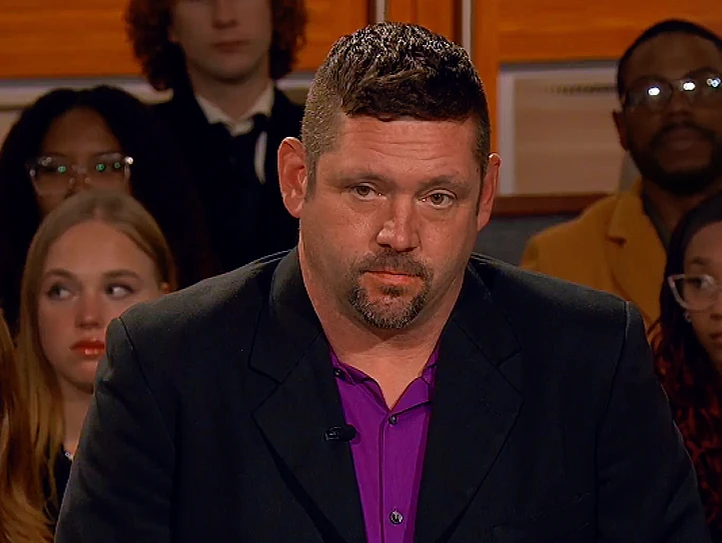
Johnson wanted Ice’s ashes and later asked Klocke to take her to the grave, get a shovel, and help exhume him for cremation.
Klocke said that request came approximately two weeks after the burial. He maintained that he had work and other obligations and that, by the time he was able to help again, Johnson wanted him to dig up the remains. Johnson said she had tried to arrange a visit to the burial site but never made it there. She described waiting on the porch before being told that problems involving Klocke’s roommate and a broken-down truck had intervened.
There was also a smaller act of remembrance. Johnson asked for Ice’s collar and a tuft of fur. Klocke said he brought both back, placing the fur in a Ziploc bag. The judge later noted that he had provided the items Johnson requested.
The Burial and the Broken Relationship
The failed arrangement soon damaged the relationship between the neighbors. Johnson said Klocke responded harshly when she asked him to help recover Ice and ended the telephone call. Klocke denied using the exact words she described but acknowledged calling her “crazy” because of the request.
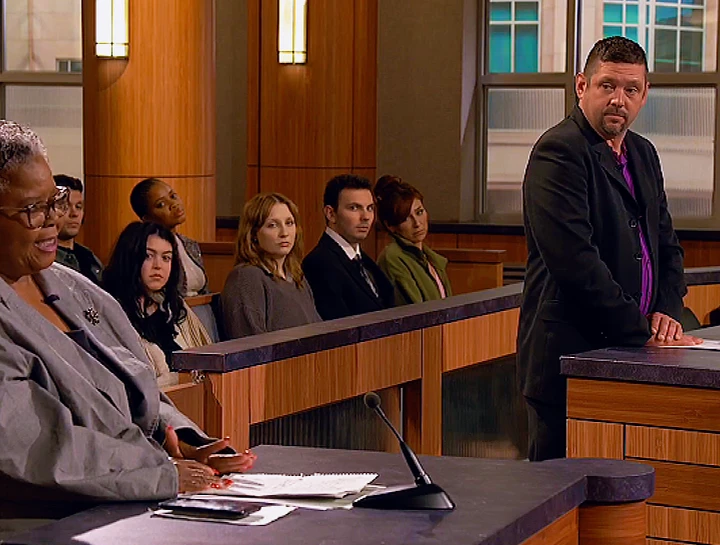
By the time the case reached court, the practical dispute had become a deeply personal one. Johnson believed Klocke had taken away her ability to choose Ice’s final arrangements. Klocke believed he had carried out a difficult favor, then been blamed when the plan failed because the veterinary facility required payment and he could not reach her.
The testimony also established that the two were no longer neighbors. Johnson said Klocke had moved away. Their disagreement over Ice had outlasted the original weekend problem and had become the reason they were facing each other in court.
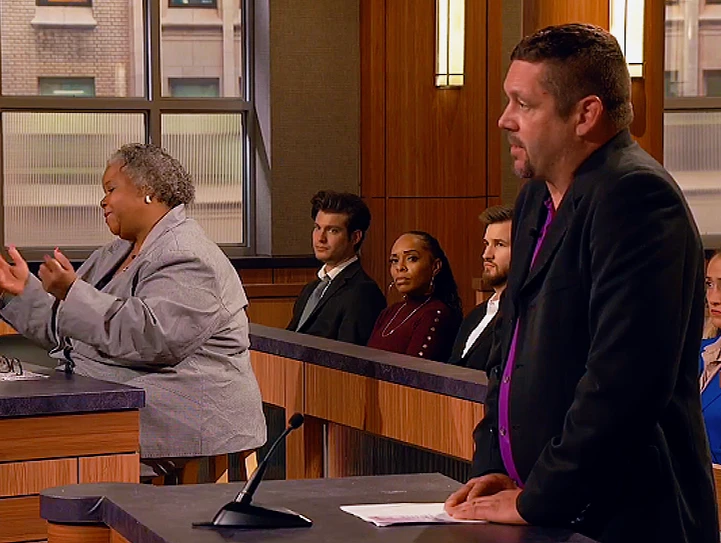
Why April Johnson Sought $10,000
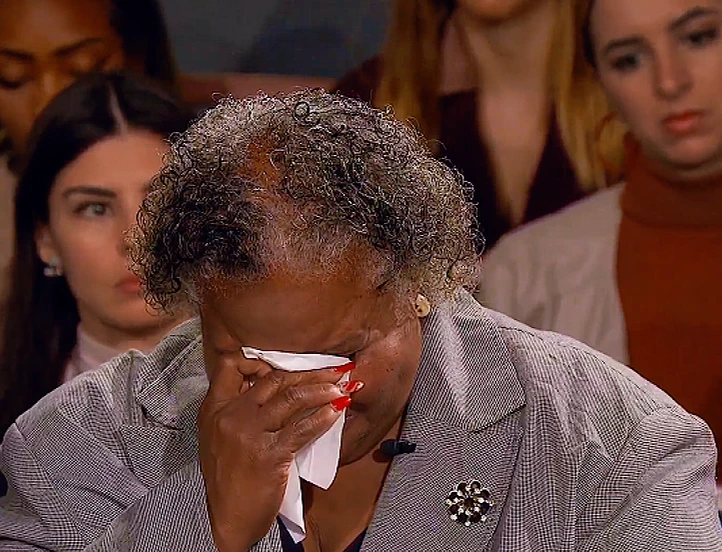
Johnson sued for $10,000. She told Judge Judy that Klocke had caused her pain and heartache and that the stress had affected her health and medication. She said she had spent six months distressed because she did not know where her “child” was and because she had not received the cremation she wanted.
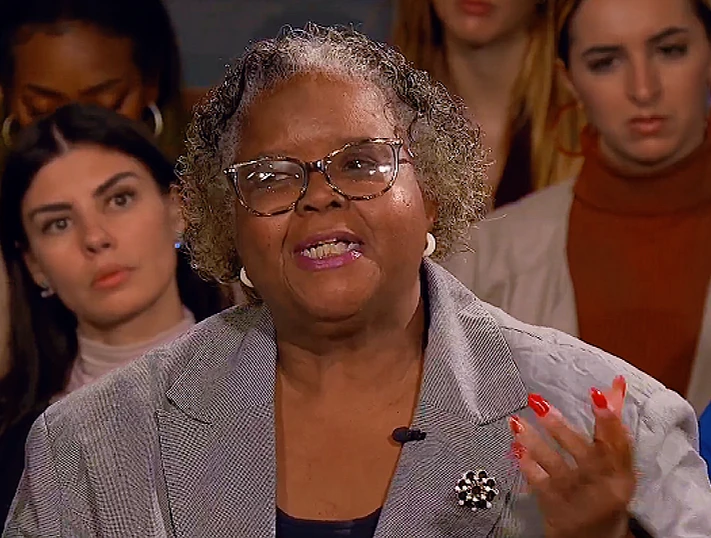
Her argument was emotional as well as practical. Johnson did not dispute that Ice had died at home or that Klocke had transported him. Her complaint was that he had made a decision about the body without her permission and had prevented her from carrying out the farewell she had planned.
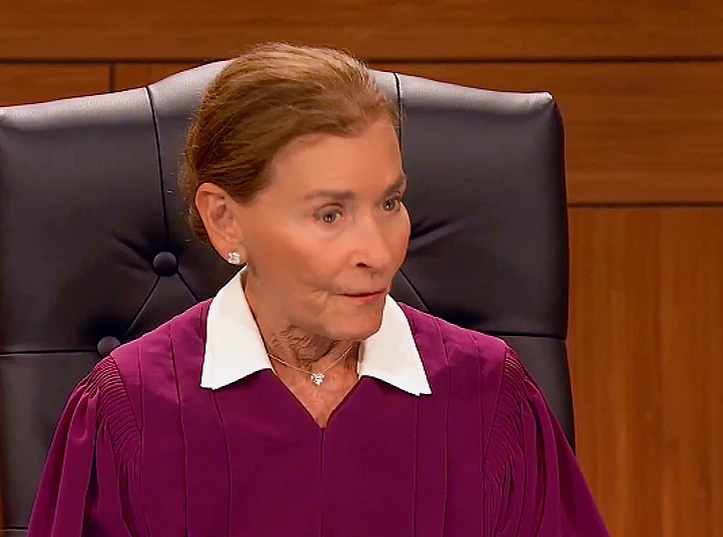
Judge Judy recognized the depth of the loss but separated two different sources of pain: the grief caused by Ice’s death and the consequences of the failed arrangement. She reminded Johnson that Ice had lived to be 17, which she described as an exceptionally long life for a dog. But she questioned what a $10,000 award would accomplish and whether it would fairly punish a neighbor who had attempted to help.
Judge Judy’s Decision
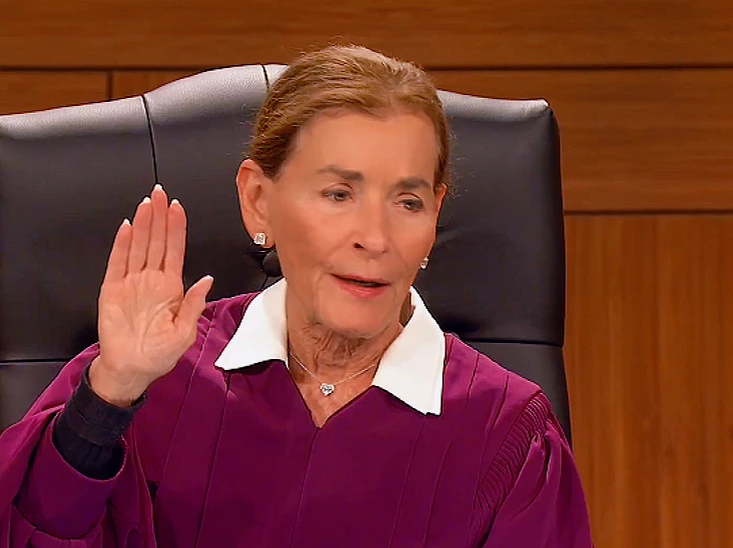
The judge focused on the sequence of events. Johnson asked Klocke to take Ice to a veterinary center. He did that. Blue Pearl required payment to hold the dog. Johnson did not give Klocke the money before the trip, and Klocke said he could not reach her for a period of time. He then buried Ice and returned the collar and fur she had requested.
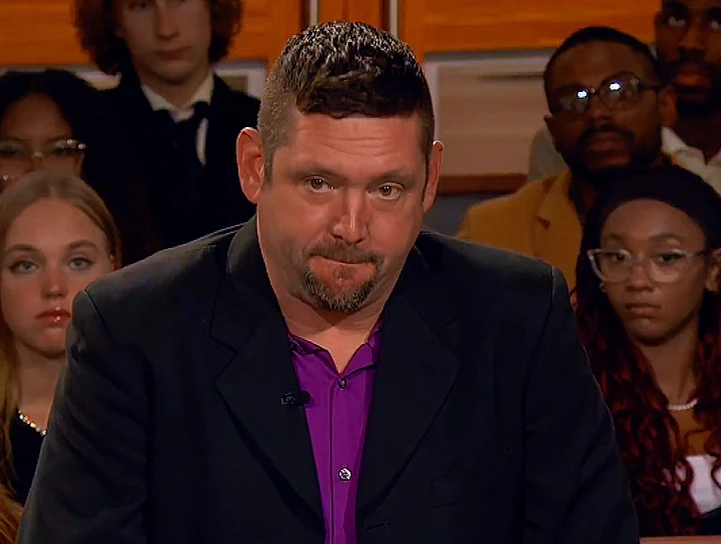
Judge Judy concluded that Johnson did not have a case against Klocke. She said it would be unreasonable to award $10,000 because Ice had not been cremated when Johnson had not provided the resources needed to keep him at the facility. The case was dismissed, and the court was adjourned.
The decision did not settle every disagreement about the calls, the cost, or the offer to visit the grave. It answered only whether Klocke was financially responsible for the failed favor. Judge Judy found that he was not.
What the Case Was Really About
This was a civil dispute rooted in a failed end-of-life arrangement, not a conventional criminal case. Its emotional stakes were nevertheless serious.
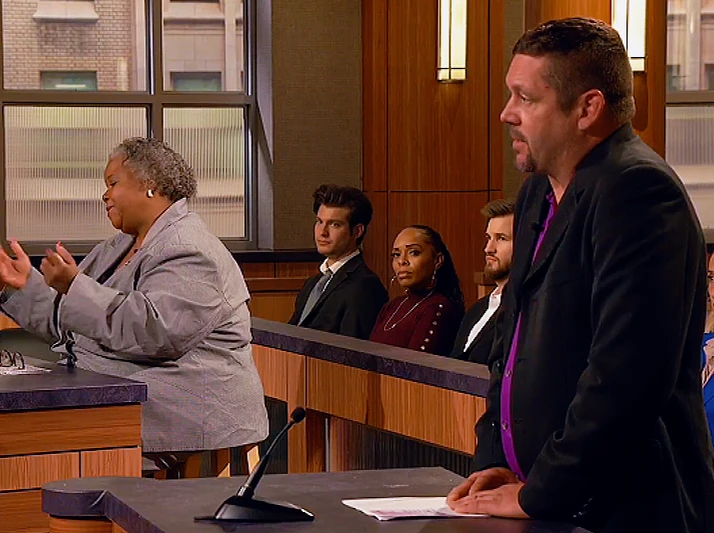
Johnson wanted control over the final goodbye for a dog who had been part of her life for 17 years. Klocke believed he had stepped in when the planned solution broke down. Between them were a weekend deadline, a veterinary holding fee, unanswered calls, and different understandings of what the favor required.
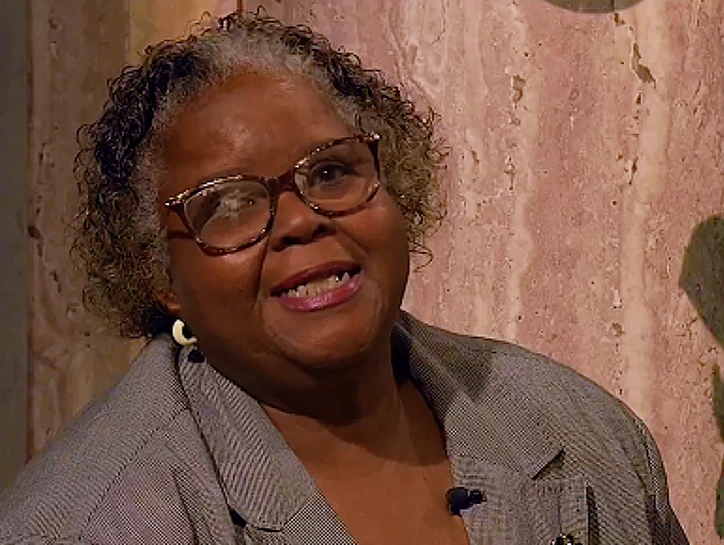
The program’s post-trial discussion returned to Judge Judy’s observation that sadness can be harder to confront than anger. Johnson’s grief found a target in the neighbor who buried Ice, while Klocke’s practical decision conflicted with the farewell she had chosen.
The dismissal drew a boundary between emotional suffering and legal liability. It did not declare that Johnson’s pain was unimportant. It found that pain alone could not turn an unsuccessful favor into a $10,000 judgment against the person who tried to help.
FAQ
Who was Ice in the Judy Justice case?
Ice was April Johnson’s dog. She testified that she had him for 17 years and regarded him as family. The courtroom account described him as an approximately 40-pound Jack Russell terrier and schnauzer mix.
What did April Johnson want Joel Klocke to do?
She wanted Klocke to take Ice to a veterinary center so Faithful Friends Cremation Service could collect him and arrange cremation. Johnson wanted to receive Ice’s ashes.
Why did Joel Klocke bury Ice?
Klocke said the veterinary facility required payment to hold the deceased dog through the weekend. He said he did not have the money and could not reach Johnson for a period of time, so he buried Ice in a wooded area at a nearby local park.
How much did April Johnson sue for?
Johnson sought $10,000, citing emotional pain, heartache, health problems, medication, and months of stress.
Did Judge Judy award Johnson damages?
No. Judge Judy dismissed the case after concluding that Johnson did not have a case against Klocke on the facts presented.
Was Joel Klocke criminally charged?
The source presents the dispute as a civil claim for damages and emotional distress. It does not establish a criminal charge against Klocke.