The relationship was over, but the bills were not. In one case, a former couple’s shared apartment became a fight over five unpaid months, child-support money, and a $2,325 judgment. In another, a $500 transfer and a disputed $1,400 payment turned a former romance into a question of whether money had been loaned, gifted, or simply misunderstood. Before Judge Judy, the emotional history mattered less than one demanding question: What can the evidence actually prove?
Case One : A Lease Left Behind After the Breakup
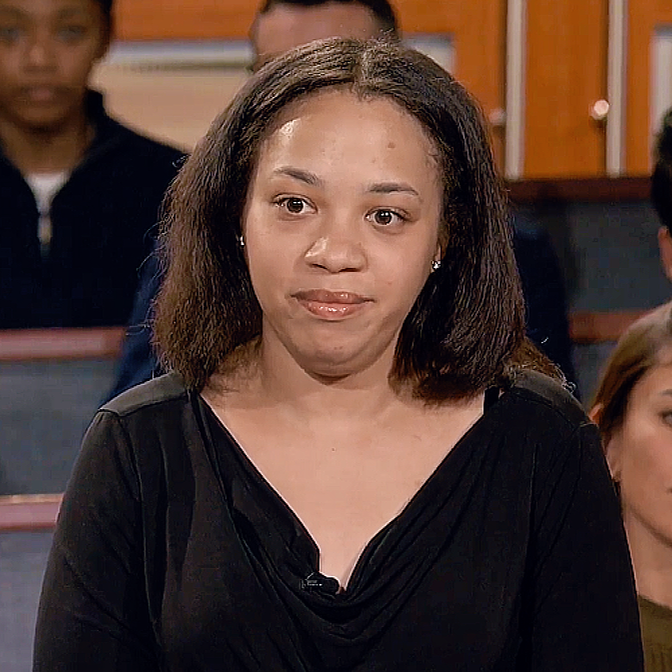
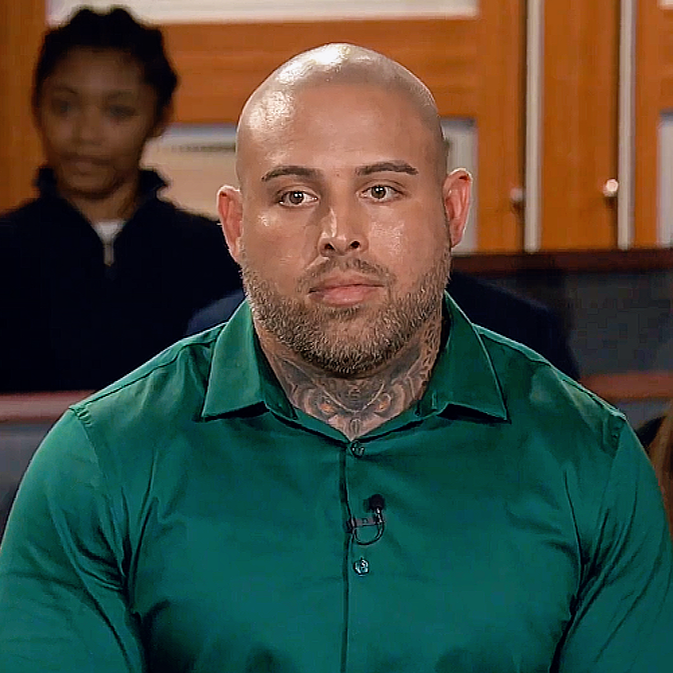
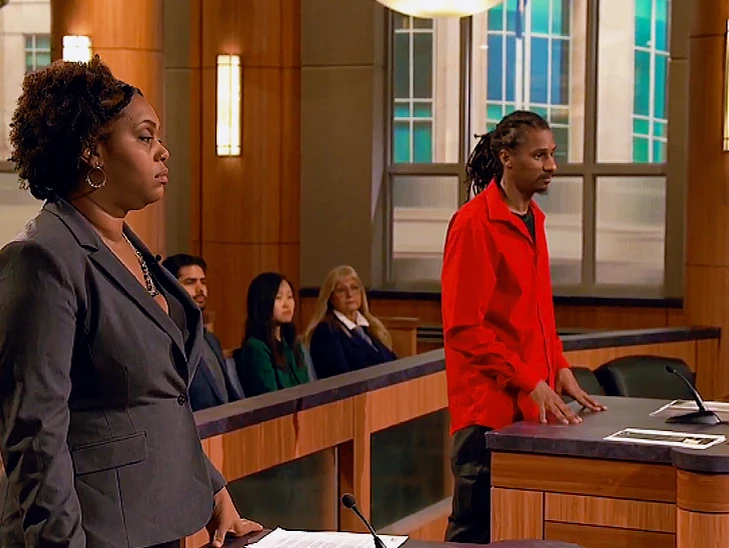
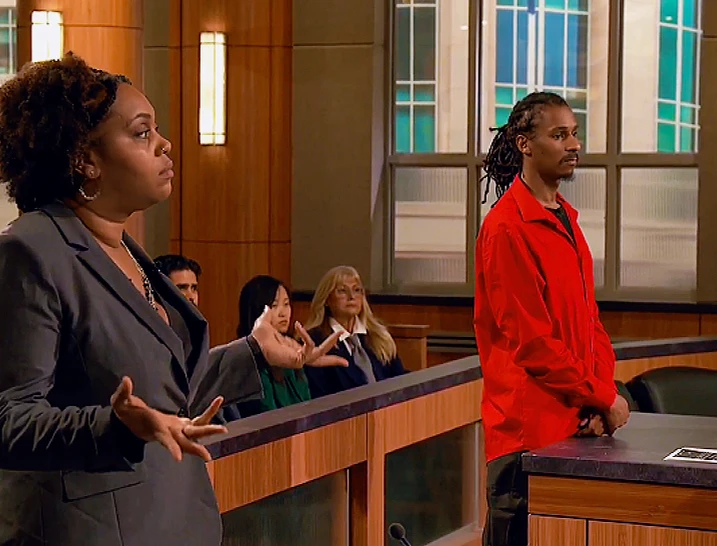
When Tonisha Brown and Wesley Smoot moved into an apartment together in April 2023, they were raising a six-year-old child and sharing a one-year lease. Both signed the agreement. The monthly rent was $775, and Brown told the court that the rent remained current through October 2023, when she moved out.
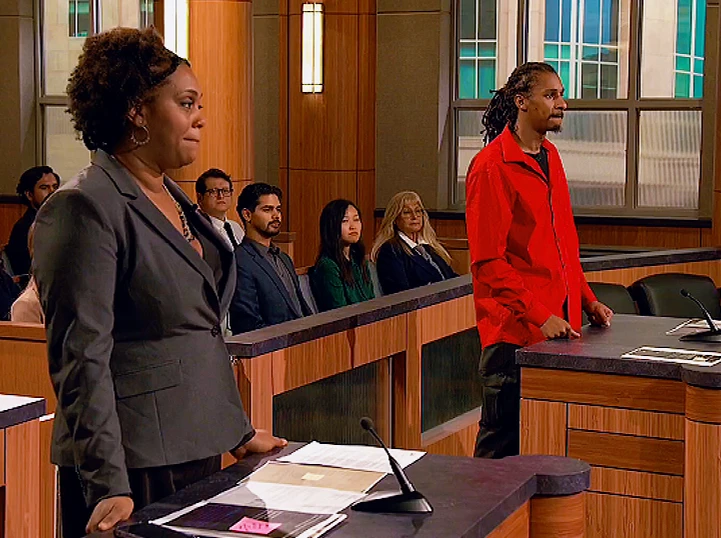
Five months remained: November through March. Brown said she had moved into another apartment and did not pay rent at the former residence. Smoot remained after she left.
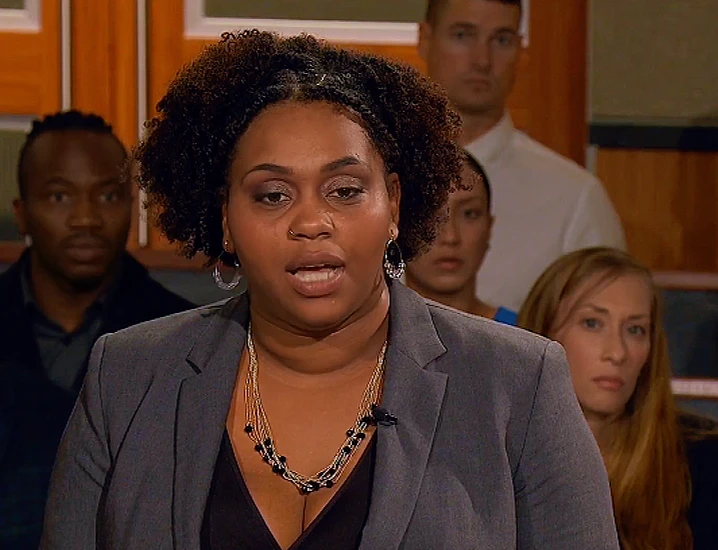
That distinction became the center of the case. Brown was suing over the broken lease and apartment-related amounts. Smoot argued that Brown had left first and that he should not be responsible for a lease she had abandoned. Both sides also brought the history of child-support payments into the argument, making a lease dispute inseparable from the financial tensions that had followed the relationship.
The Three Months Judge Judy Could Establish
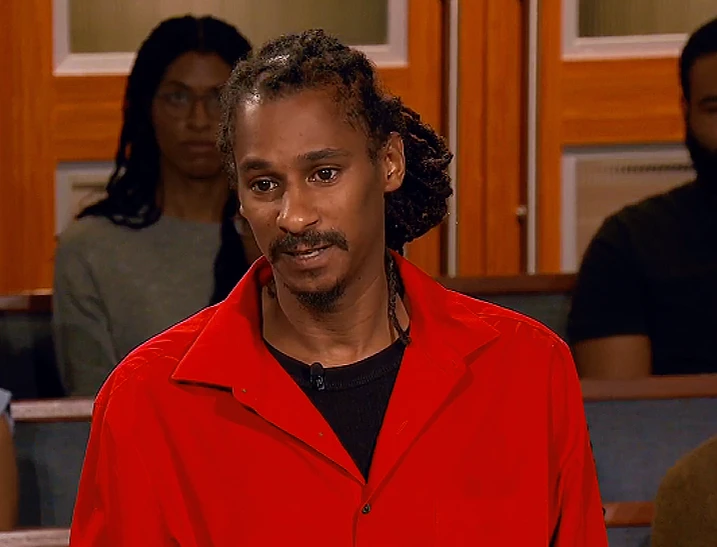
Judge Judy first narrowed the timeline. Smoot acknowledged that he continued living in the apartment after Brown moved out, but he initially said he was unsure exactly when he had been evicted. When asked whether he had paid rent while living there, his answer shifted from saying he had paid until Brown left to admitting that he could not afford all of it. Under direct questioning, he ultimately acknowledged that he had paid no rent for the period the judge was examining.
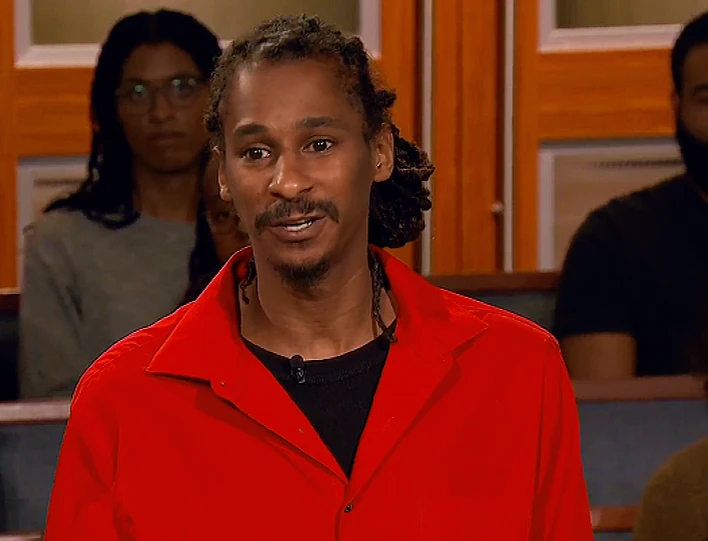
Brown maintained that Smoot stayed through March 3. A message discussed in court was dated March 5 and referred to a sheriff requiring him to leave. Judge Judy found that the message did not, by itself, prove precisely how long Smoot had been in the apartment. Still, the testimony established a period of three months during which he had personally occupied the residence without paying rent.
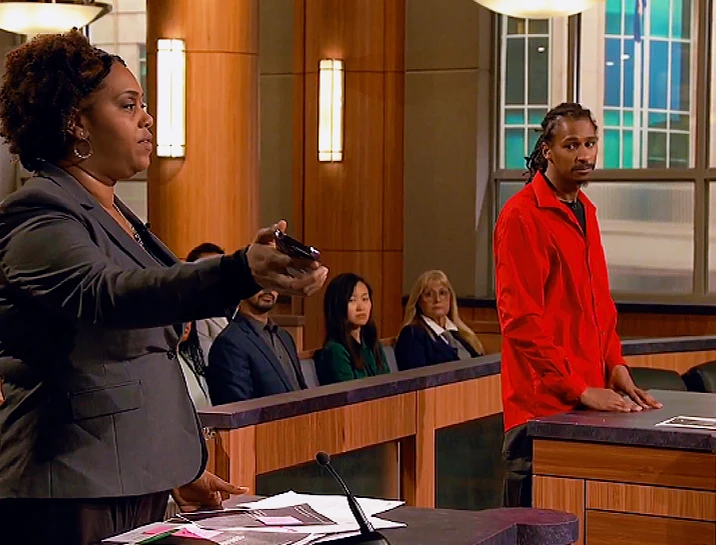
The calculation was straightforward: $775 multiplied by three months equaled $2,325. Judge Judy stated that the two former partners remained jointly responsible for other money the landlord might claim because both had signed the lease. But that did not erase Smoot’s responsibility for the months he himself had lived there.
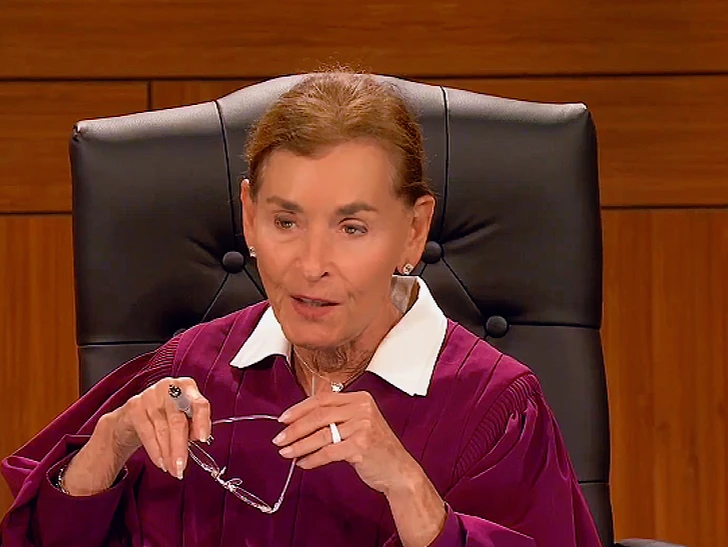
The child-support argument complicated the atmosphere but did not change that conclusion. Smoot said $470 was automatically withheld from his pay each month. Brown said support money had been used to pay household bills while they lived together, including a period when Smoot had no job from April through July. She also said more than $7,000 in back child support was owed and that $900 from a tax refund had been directed to her. Smoot disputed the financial picture and referred to payments made through different bank accounts, including one payment of $500.
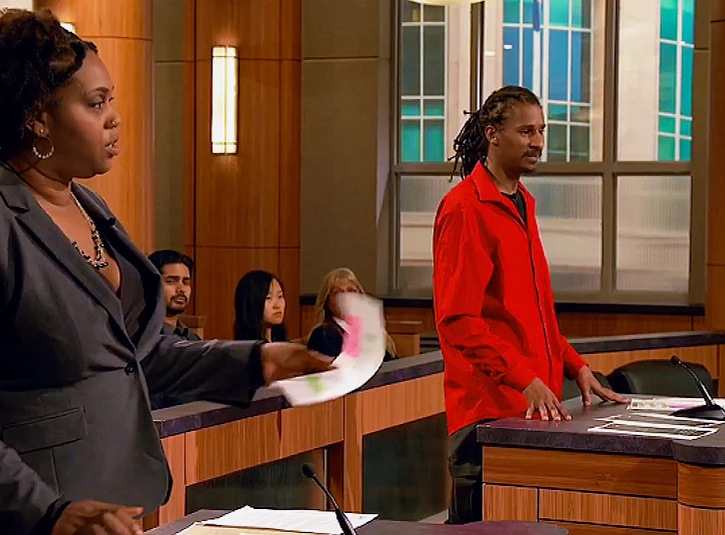
The judge’s focus remained narrower than the couple’s history. The question was not whether the relationship had been financially complicated. It was whether Smoot had lived in the apartment and failed to pay the rent. On that point, the court entered judgment for Brown in the amount of $2,325.
The $2,325 Judgment
After the ruling, Smoot said he did not believe he should owe any of the money. He argued that Brown was the person pursued under the lease and that she had broken it by leaving. Brown responded that Smoot’s name had remained on the lease and that he had continued living in the apartment, reportedly with roommates, after she moved out.
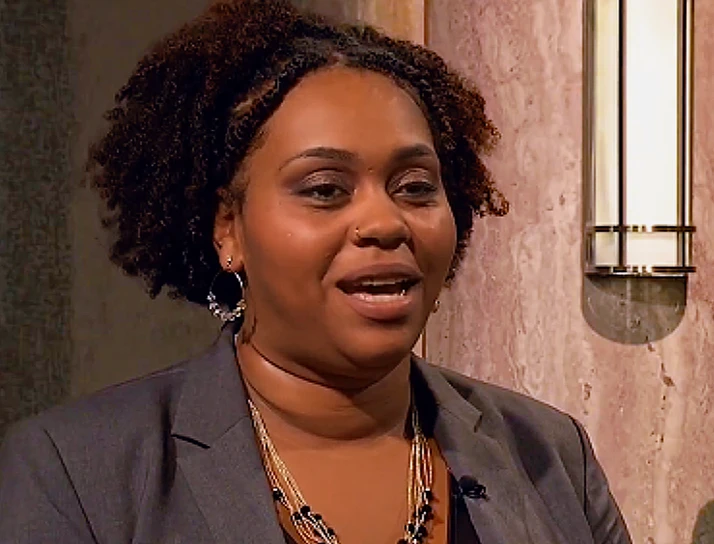
The court did not resolve every possible claim between the former partners and their landlord. Judge Judy made clear that any remaining lease balance could be pursued against both signatories by the landlord. The judgment in this case addressed the rent tied to Smoot’s own occupancy, not every financial consequence of the breakup.
Case Two : A Braces Loan Becomes a Second Courtroom Dispute
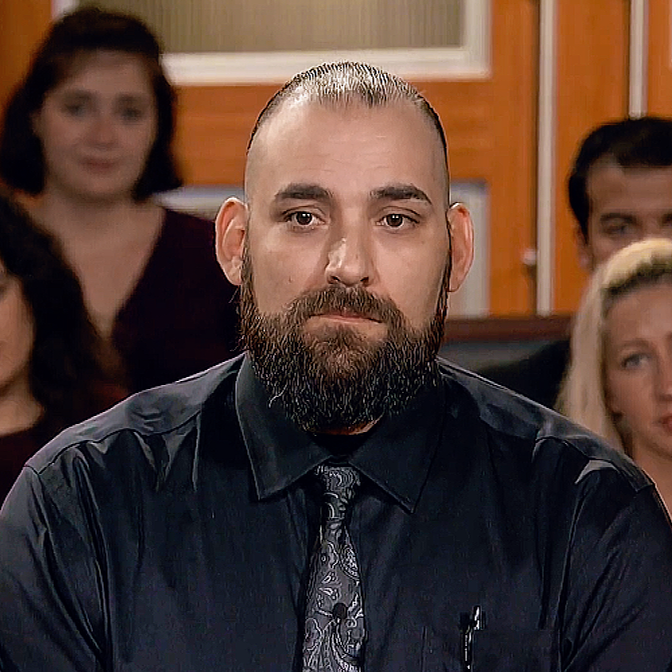
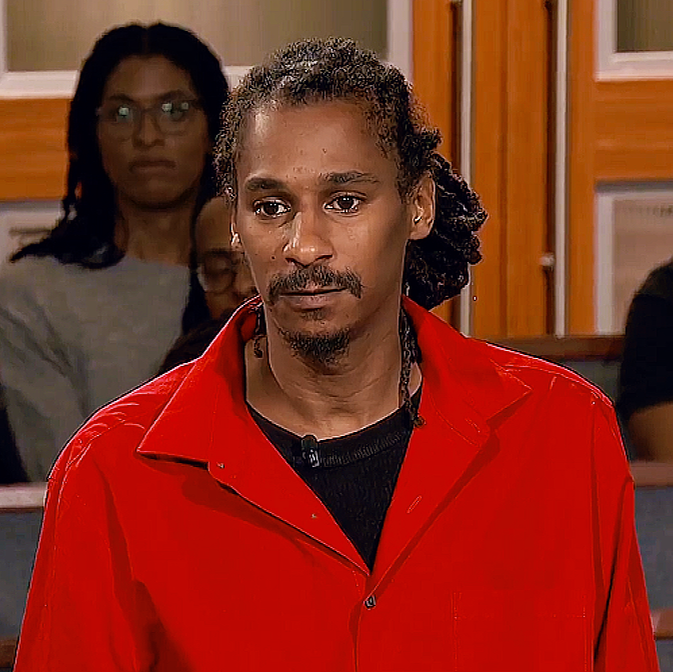
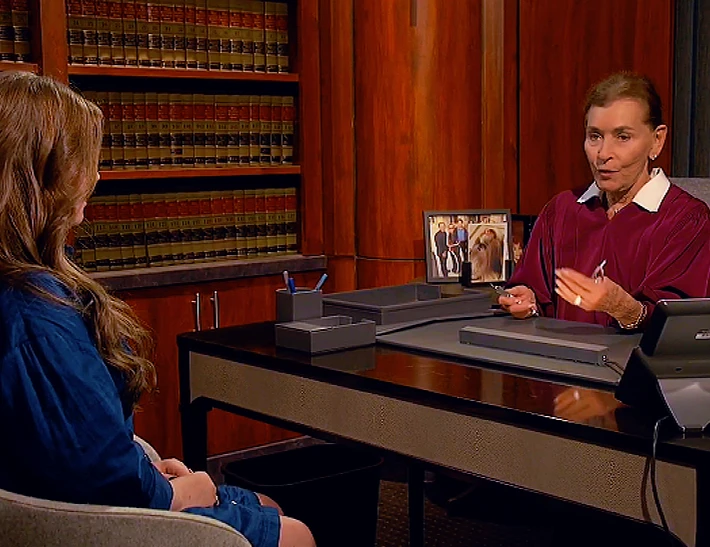
The next case, Boggs v. Johnson, involved a different kind of relationship debt. Trevor Boggs and Aldena Johnson dated from October 2023 until July 2024. Boggs claimed that Johnson had wanted braces and that he had loaned her money, beginning with $500 in January. He said he continued lending money for her personal needs while she saved for the dental treatment, with repayment expected after she received the braces.
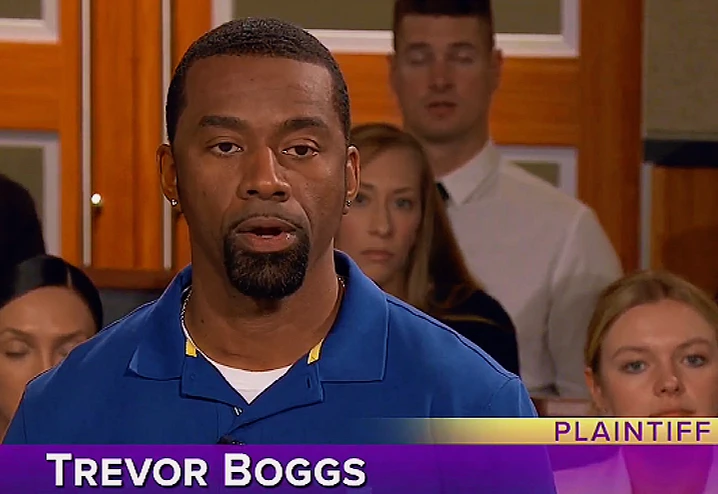
Johnson did receive $500 in January, but she described it differently. According to her account, the payment was repayment toward a separate $1,400 she had given Boggs. The $1,400, she said, was intended to help with a down payment for his niece’s car. Boggs denied that Johnson had ever given him that money for the purpose she described.
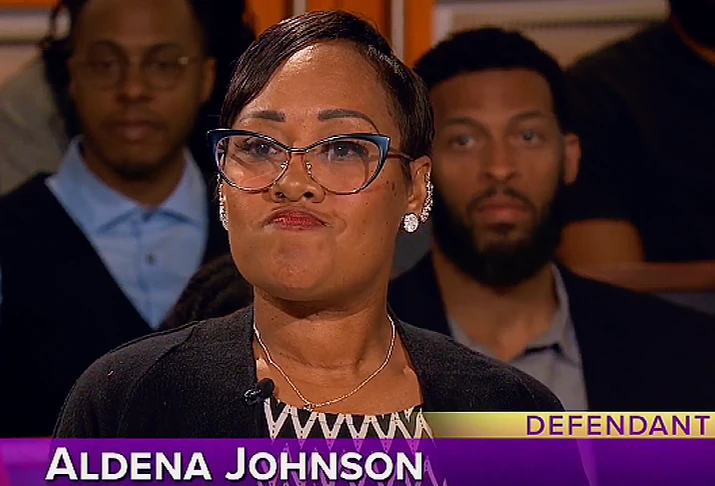
The disagreement was not merely about an amount. It was about the meaning of the transaction. The same payment could be portrayed as a braces loan, repayment of another loan, or money exchanged within a relationship without a clear expectation of reimbursement.
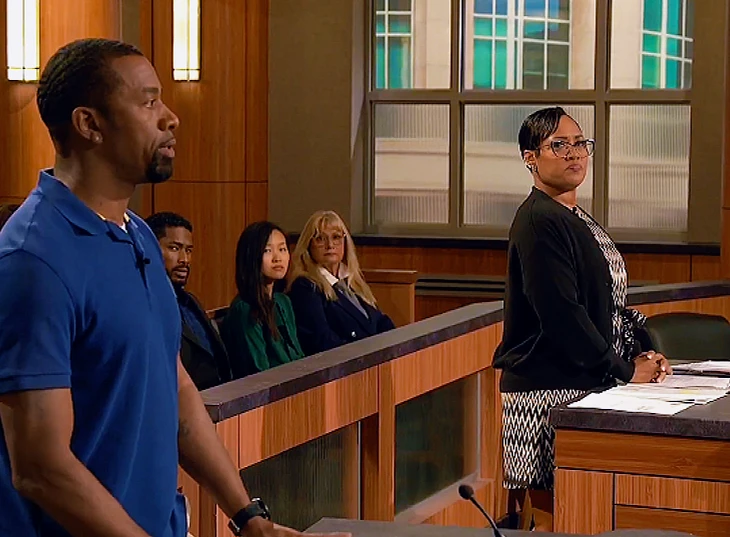
The $500 Payment and the Disputed $1,400
Boggs presented evidence showing a $500 transfer in January. Johnson acknowledged receiving it. Judge Judy then asked what Johnson had done with the money, and Johnson said it had been applied toward the $1,400 she claimed to have given Boggs.
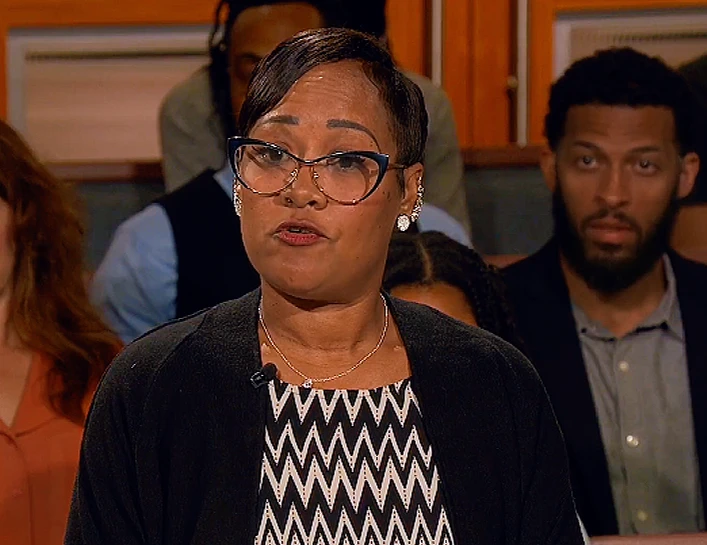
Johnson also discussed a Cash App transfer of $1,400 dated December 4. She said the electronic transaction failed, so she withdrew the funds from her bank account and gave Boggs the money in cash. The records and payment messages, however, did not plainly establish the purpose of each transfer. Judge Judy questioned what the emojis and memo language meant and emphasized that the displayed transactions did not provide a clear explanation on their own.
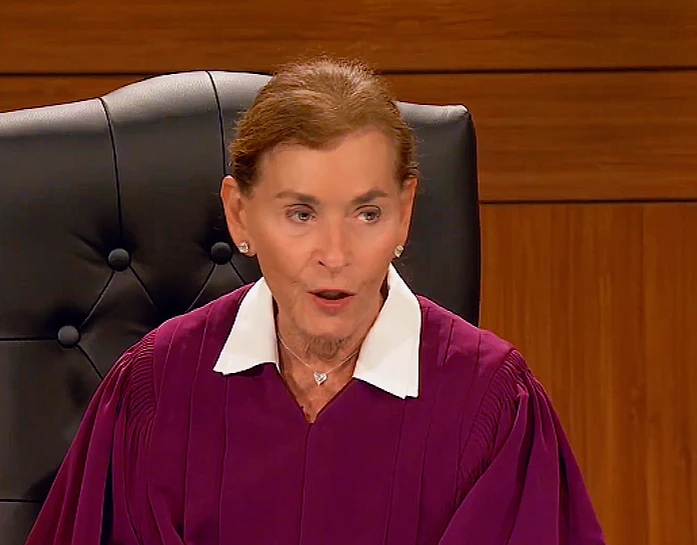
The judge then read from Johnson’s sworn answer. In that statement, Johnson had written that the couple gave each other money numerous times without an expectation of repayment. She had described the $1,400 as money given for a down payment on her former partner’s niece’s car and said she had not expected it back. In court, however, she characterized the same amount as money that Boggs owed her.
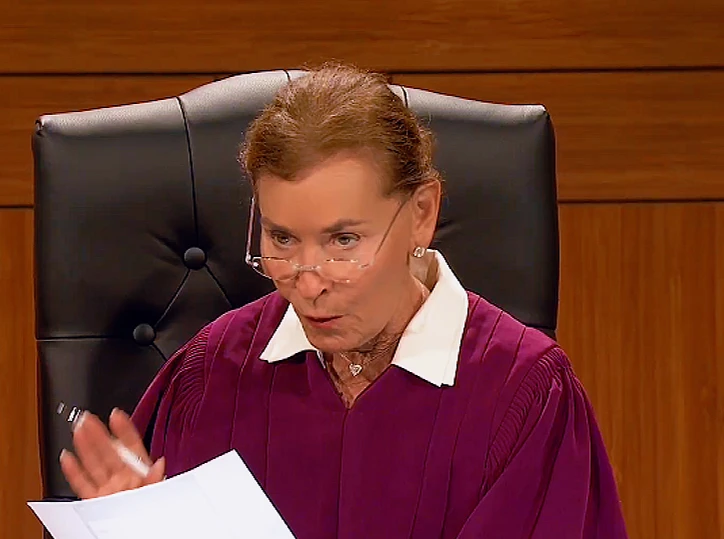
That inconsistency became decisive. Judge Judy told Johnson that she had to settle on whether the $1,400 was a gift or a loan. The court also considered Johnson’s counterclaim for lost wages and emotional distress. Johnson said she had arrived late to work and left early to care for Boggs after he nearly lost his leg in a motorcycle accident. She claimed eight hours of lost work and 24 hours of overtime, totaling $940, while seeking $2,000 in the counterclaim.
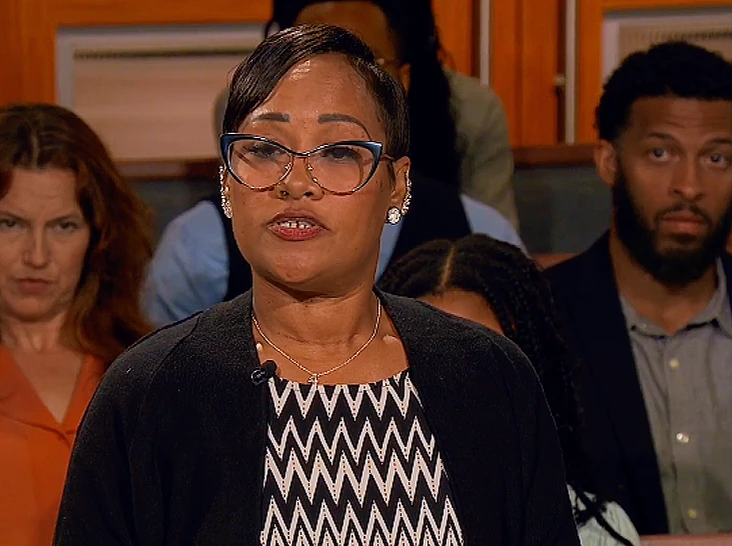
Judge Judy treated the caregiving as something that could occur within a relationship, not as a separately payable service supported by a contract. At the end of the hearing, the court dismissed Boggs’s case and dismissed Johnson’s counterclaim.
When Relationship History Is Not a Contract
Both cases turned on the same uncomfortable boundary: the difference between what former partners remember as fair and what they can demonstrate as an enforceable obligation.
In Brown v. Smoot, the court could identify occupancy, a monthly rent amount, and an unpaid three-month period. In Boggs v. Johnson, the evidence did not clearly identify the purpose of the transfers or reconcile the parties’ competing descriptions. The emotional history explained why the disputes mattered, but it did not supply the missing documentation.
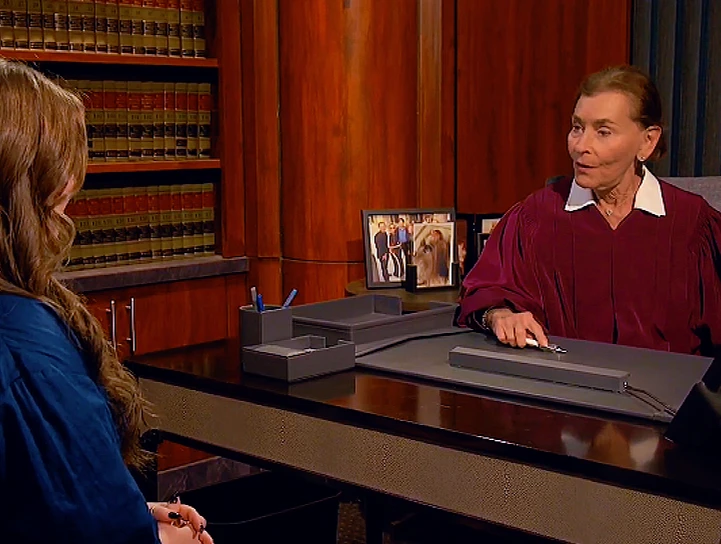
The episode’s closing commentary drew a practical lesson from the second case. When a substantial payment is intended to be repaid, the purpose should be memorialized. A written note, a clear payment-app memo, or another record stating “braces down payment” or “loan” could prevent a later dispute over whether the money was a gift.
That lesson applies beyond romantic relationships. Siblings, close friends, and business partners can face the same problem when generosity and lending are left undocumented. A relationship may operate on trust while it lasts. A courtroom, however, must work from evidence that survives the breakup.
FAQ
What was the outcome in Brown v. Smoot?
Judge Judy entered judgment for Tonisha Brown in the amount of $2,325, representing three months of rent at $775 per month for the period Wesley Smoot was found to have lived in the apartment without paying rent.
Were Tonisha Brown and Wesley Smoot both responsible for the lease?
Yes. Both had signed the one-year lease. Judge Judy said they remained jointly responsible for any other money owed to the landlord, while separately assigning Smoot responsibility for the three months he personally occupied the apartment.
What was the dispute in Boggs v. Johnson?
Trevor Boggs said he loaned Aldena Johnson money for braces and expected repayment. Johnson acknowledged receiving $500 but said it was repayment toward a separate $1,400 she had given Boggs for his niece’s car. The court dismissed both the main claim and the counterclaim.
Why did the $1,400 dispute fail to resolve the case?
The parties gave conflicting explanations, and Johnson’s sworn answer described the $1,400 as money given without an expectation of repayment. Judge Judy found the record insufficiently consistent to support the competing claims.
What evidence should people keep when lending money to a partner?
The transcript’s closing discussion recommends documenting the purpose and repayment expectation through a written agreement, a clear payment-app memo, or another record that identifies the transaction.