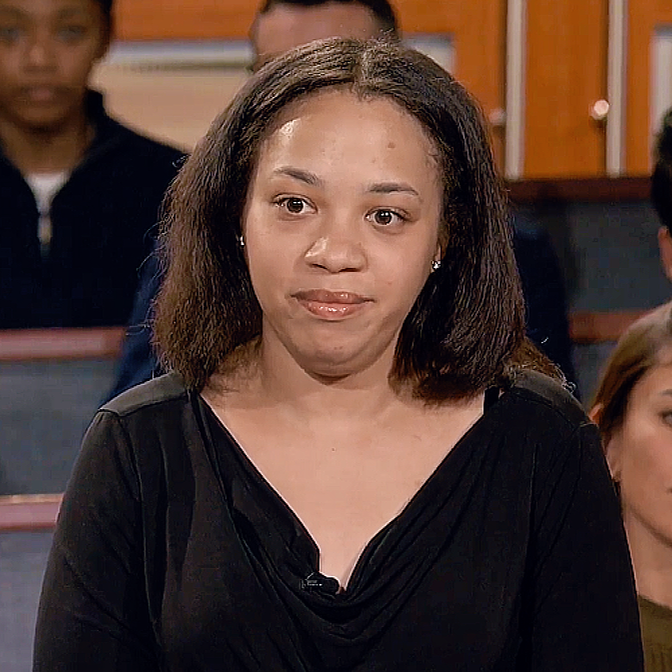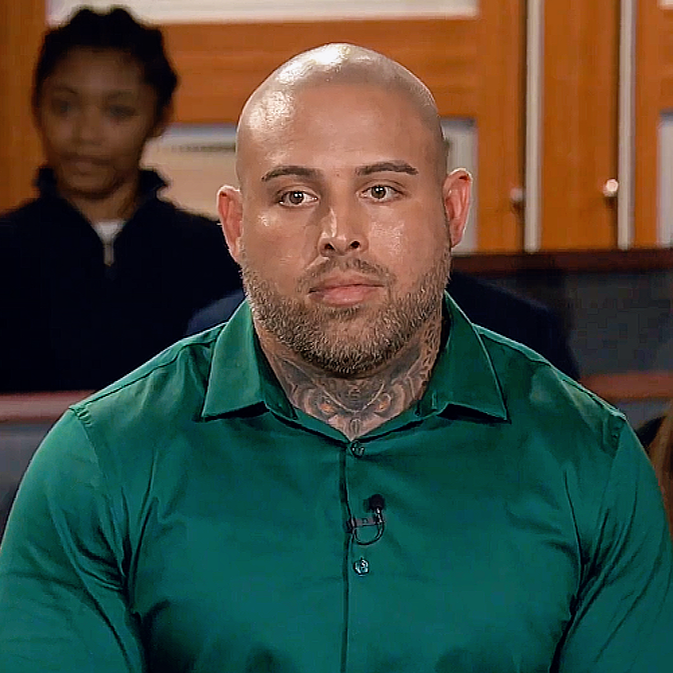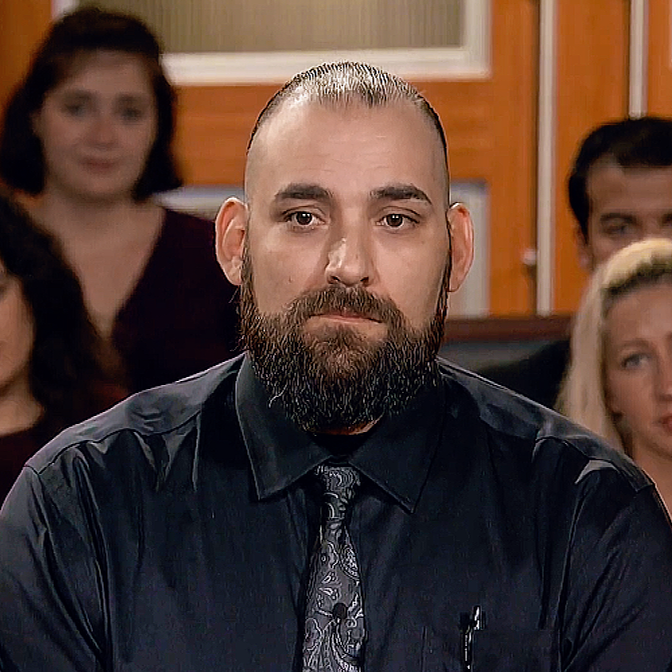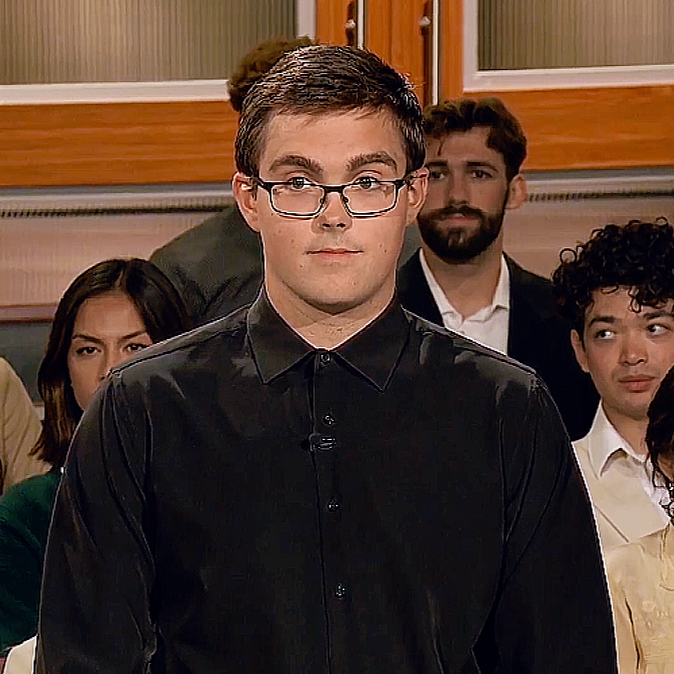
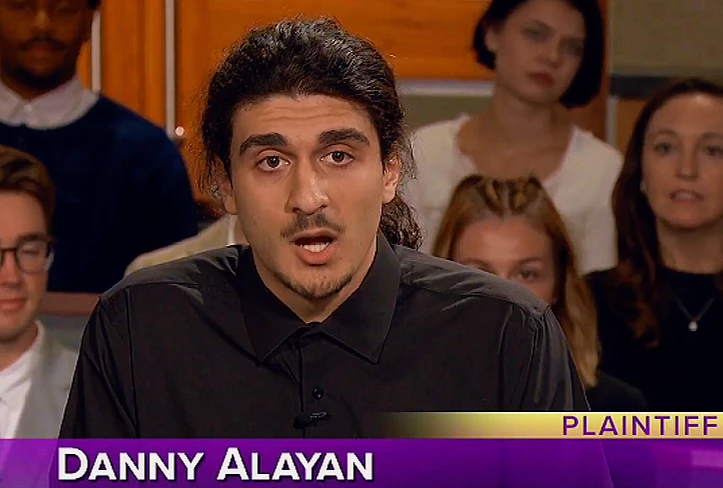
The courtroom had already seen the footage. On screen, a wrestling match at a Friday-night party suddenly became something else: a friend appeared to tap out, another man moved in, and a foot struck the side of Danny Alayan’s face. Months later, the dispute reached Los Angeles, where Judge Judy had to decide not only whether Ashton Ingalls had kicked Alayan, but whether the evidence connected that moment to the dental problems Alayan said he still carried.
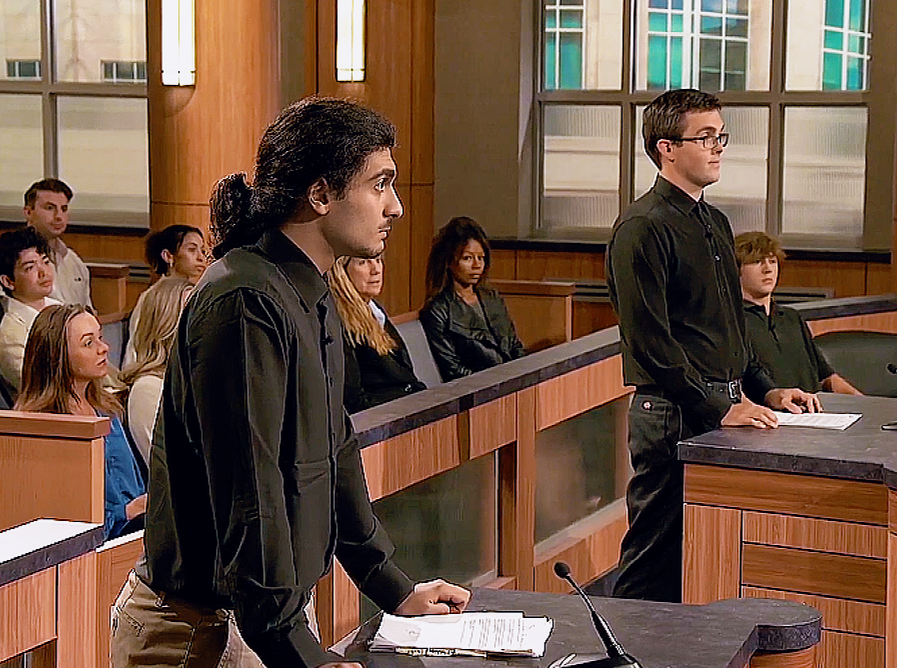
A Friday night in Detroit
The story began on December 9 at a house in Marshall, in the Metro Detroit area. According to testimony from Nick Measel, approximately ten people were present. The gathering began at about 7 p.m. on a Friday night, bringing together people who described themselves as friends of several years. They had traveled from Detroit to California by the time the case was heard, but the dispute itself began at home, during what was initially presented as an ordinary evening together.
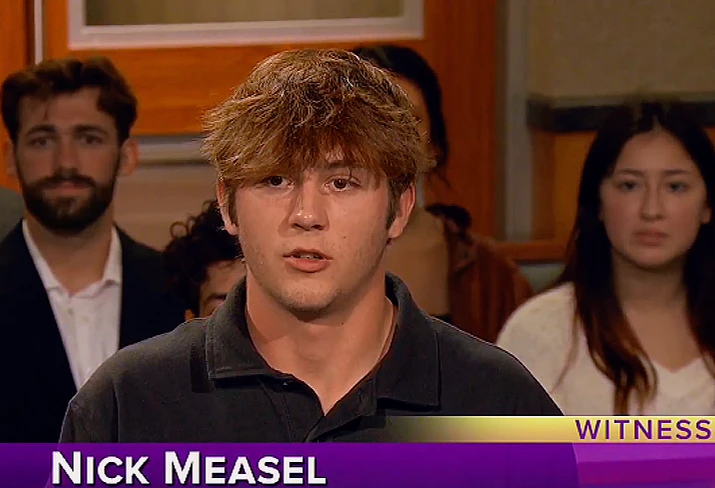
The party was not described as an alcohol-fueled gathering. Nick said his drink of choice was water. Ashton Ingalls said he preferred Diet Coke and stated that, as a Muslim, he abstained from alcohol. Another person questioned also said he did not drink. The detail mattered because the court was trying to understand the atmosphere surrounding an incident that would later be described in sharply different ways.
At some point, the group went outside to wrestle. The idea, as the testimony developed, was not a formal contest with rules or weapons. The friends had been watching Streetbeefs inside, and the mood appears to have shifted when Nick Measel and Danny Alayan became involved in an altercation.
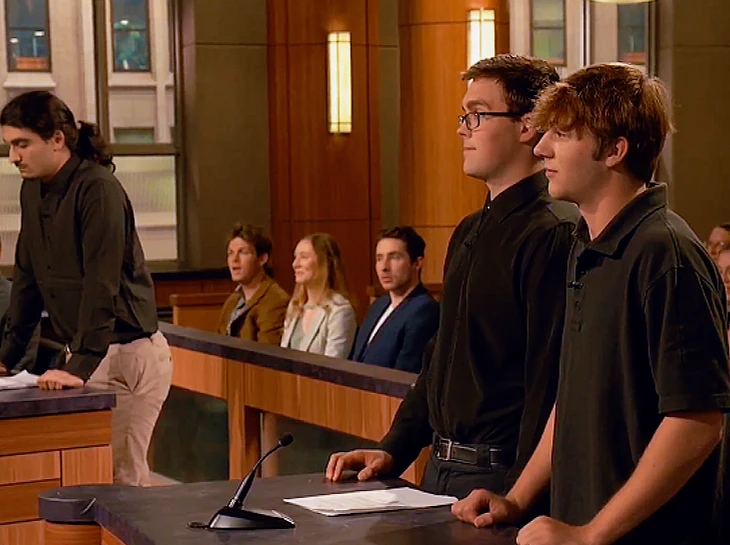
When play turned into a confrontation
Nick testified that Danny Alayan had been poking or bothering him. Nick said he asked Alayan to stop several times, but the behavior continued. Nick then pushed Alayan, who slipped on the tile flooring. What happened next was no longer simply playful wrestling. Alayan became upset and wanted to take the confrontation outside to settle it.
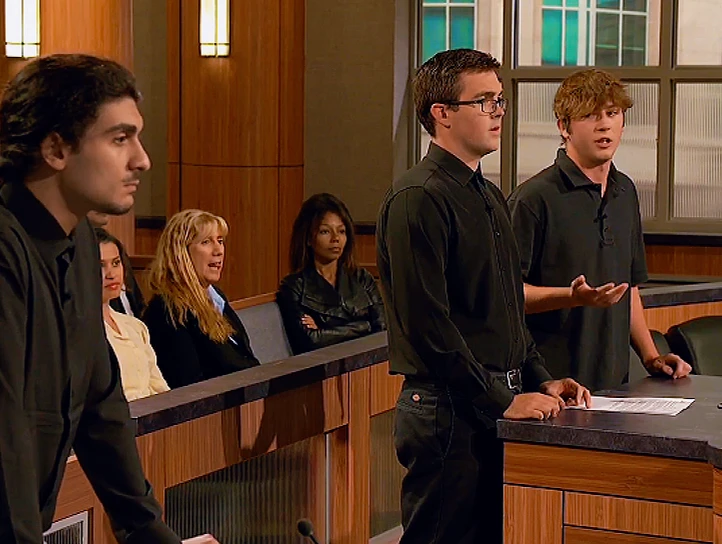
Outside, Nick Measel and Danny Alayan began wrestling. According to the testimony presented in court, Measel placed Alayan in a chokehold. Alayan said he tapped on Measel’s shoulder to signal that he wanted the hold released, but Measel did not let go. The testimony described the hold as tight and suggested that Alayan was having difficulty breathing.
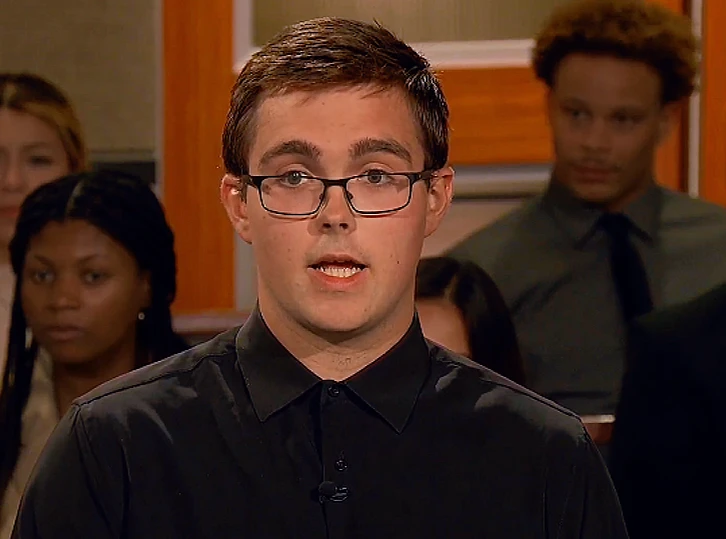
That was the moment Ashton Ingalls said he intervened. He told the court that he moved toward the two men and warned that Measel needed to stop because he could hurt Alayan. When Judge Judy pressed him to explain exactly how he intervened, Ingalls described using his leg around Measel’s torso because Measel’s arms were locked around Alayan. Ingalls said he was trying to free Alayan rather than intentionally kick anyone.
The altercation ended. At least in the immediate aftermath, however, no one testified that Alayan complained about an injury. There was no account in the transcript of a tooth being lost, a visibly bleeding mouth, or medical treatment sought that night.
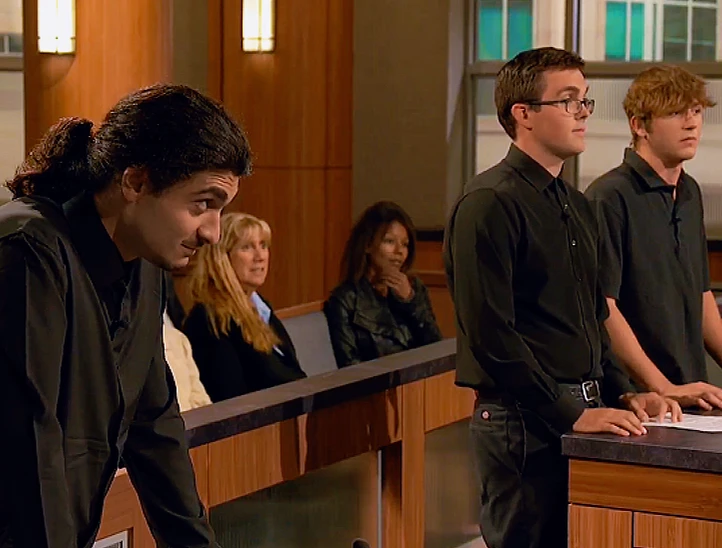
The delayed medical record
Alayan’s claim centered on what he said happened to his jaw. He testified that he contacted Ingalls less than a week after the December 9 incident and told him that he had been seriously hurt. Alayan said he wanted the two of them to confront the situation and work it out outside court.
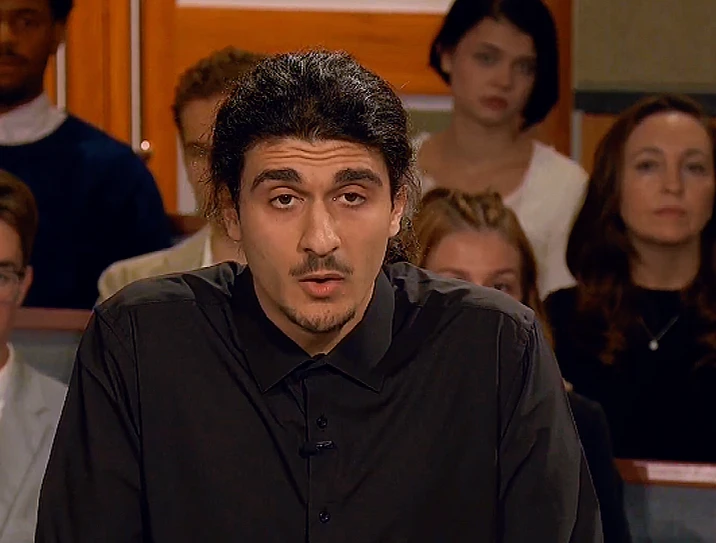
But the timeline became a central problem. When Judge Judy asked when Alayan first sought medical or dental attention, he answered: August. The court later identified the date as August 21. That meant that months passed between the party and the first documented dental attention. Judge Judy counted the gap from December through the third week of August as nearly nine months.
Alayan explained that he had initially hesitated to seek attention because he hoped the issue would go away. He described a lasting impingement on the left side of his jaw, pain when speaking, piercing headaches, difficulty sleeping on his face, and lost sleep. He also said he had seen several doctors, but the material presented in court did not establish a medical professional’s conclusion linking those complaints to the December incident.
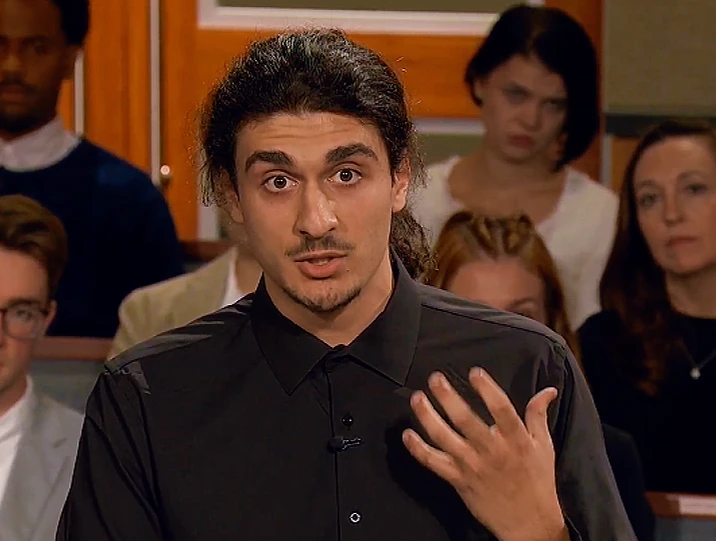
The documents Alayan offered included dental material, X-rays, and a referral describing a possible course of treatment. Judge Judy made clear that a bill or treatment recommendation was not enough by itself. The court needed evidence connecting the condition to the act shown in the video.
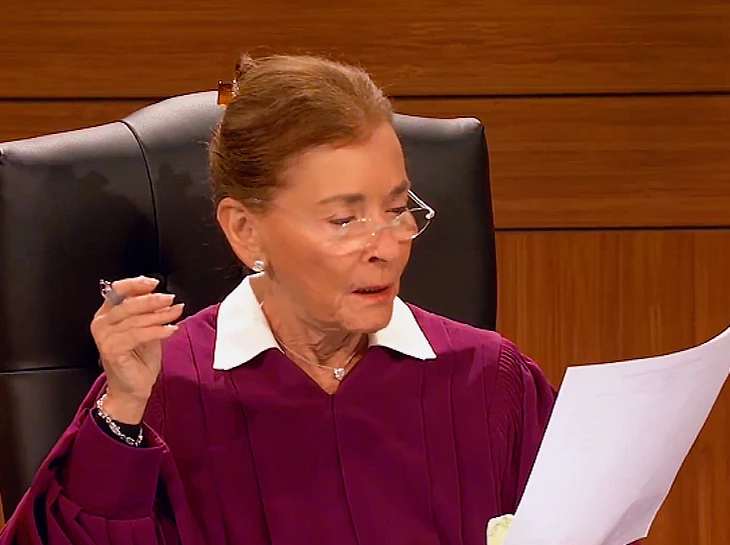
That distinction was the heart of the case. The question was not simply whether Alayan had discomfort. It was whether the court could reliably determine that Ashton Ingalls caused the later dental problem during the party on December 9.
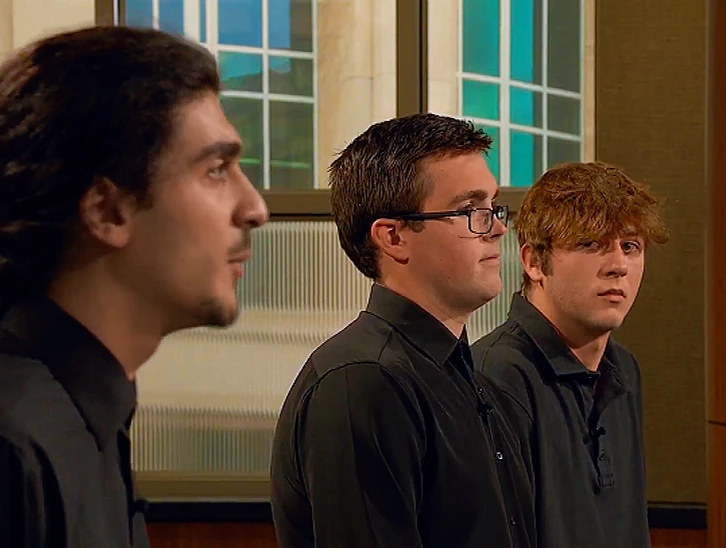
The video changes the argument
The surveillance video became the most important evidence in the courtroom. Before it was played, Ingalls had described his movement as an attempt to get Measel’s arms away from Alayan. He demonstrated a motion around the torso, comparing it to something closer to a circular step or a “pachanga” movement than a deliberate strike.
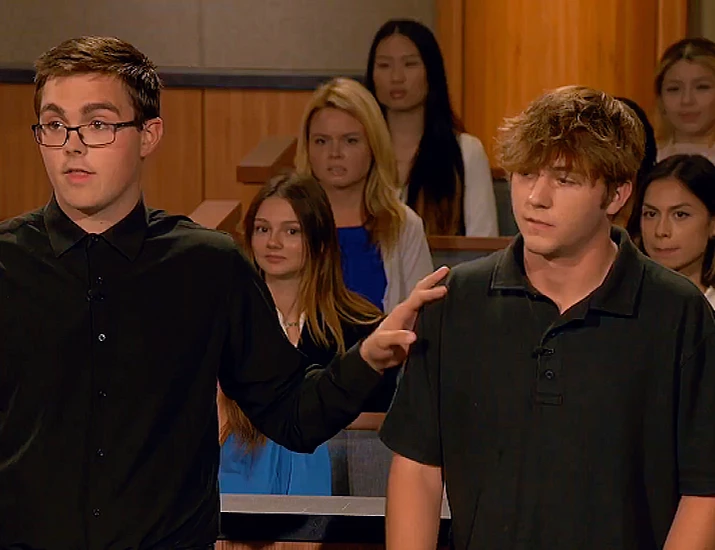
The footage challenged that description. After watching it, Judge Judy repeatedly characterized what she saw as a kick. The motion went toward Alayan’s mouth, and Alayan immediately placed his hand over his mouth. When Ingalls maintained that he had not technically kicked Alayan, Judge Judy rejected the attempt to minimize the movement as merely a brush with the foot.
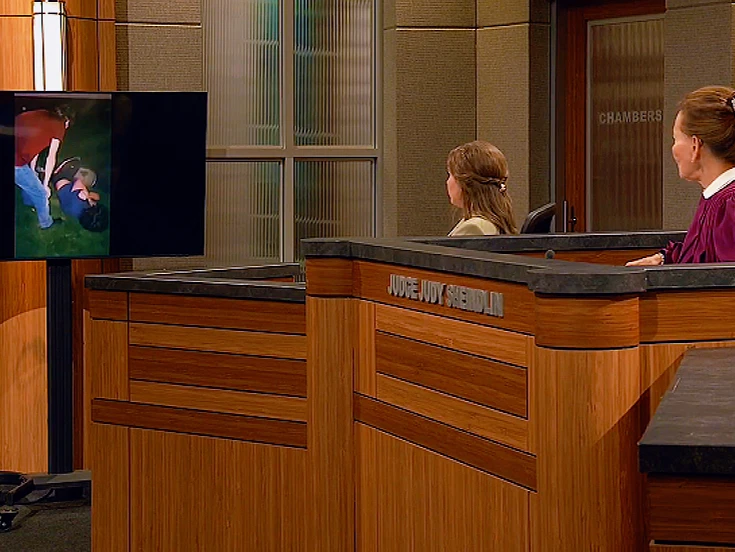
The video did not resolve every question. It did, however, lead Judge Judy to conclude that an unlawful act had occurred. In the court’s view, Ingalls could not place his hands or feet on another person in that manner, even if he believed he was intervening to help a friend. Judge Judy also told him that he should have gone to the floor and tried to pull Measel away by the arms instead of kicking Alayan in the face.
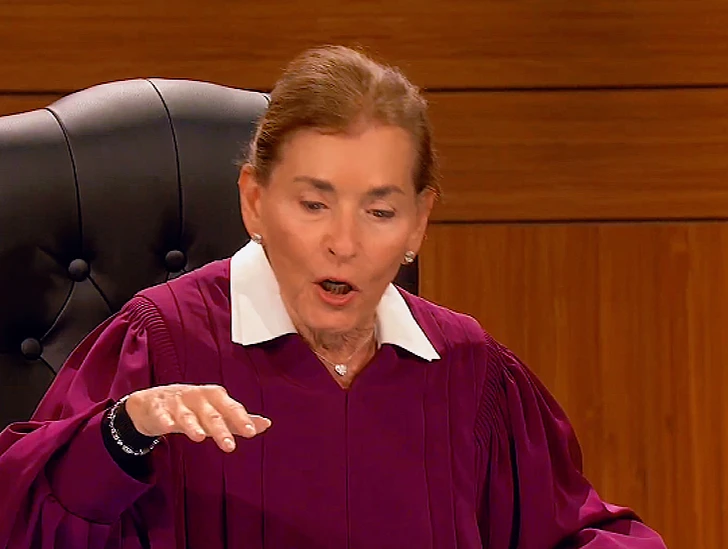
Ingalls continued to argue that his purpose was protective. In his account, he saw Measel refuse to release the chokehold after a tap and acted in a split second. The later discussion acknowledged that the chokehold appeared to be a serious use of force and that a friend might feel compelled to intervene. But the court’s reasoning focused on the method used and on the lack of reliable proof regarding the alleged long-term injury.
The ruling: an act, but not a proven injury
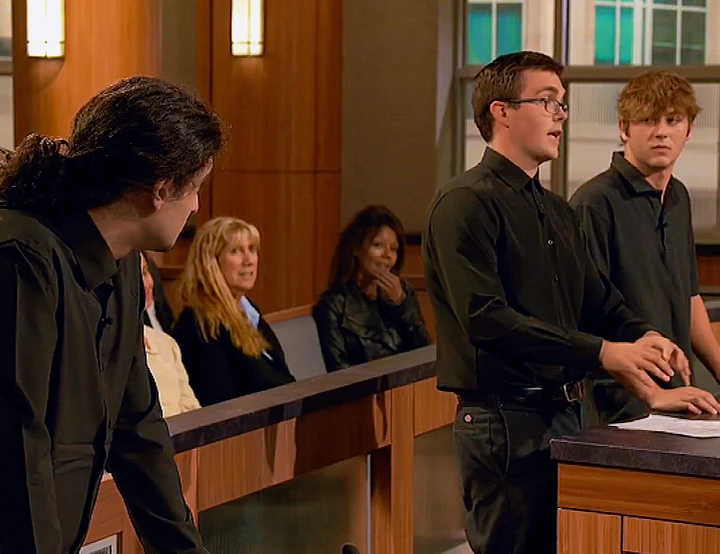
Judge Judy drew a careful line between the conduct captured on video and the damages claimed by Alayan. She concluded that the footage clearly showed a kick to the face. She also concluded that Alayan had not demonstrated the required nexus between that act and the dental problems reported months later.
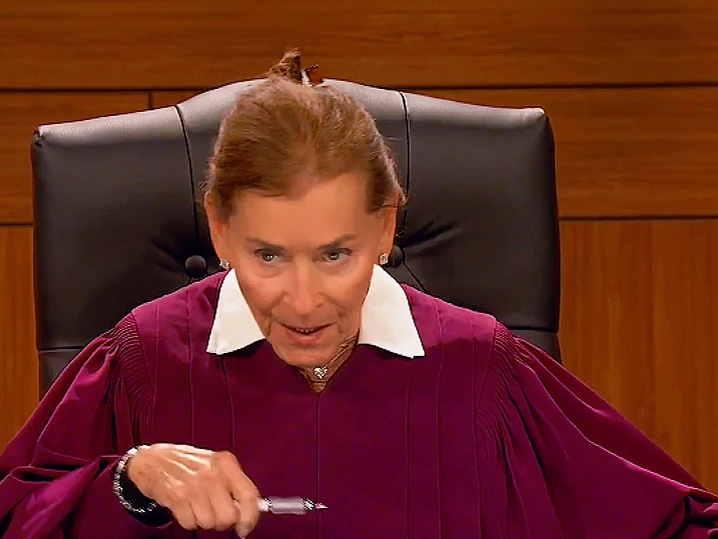
The court noted that Alayan did not seek medical attention during December, January, February, March, April, May, June, July, or until August. Without an immediate examination, a contemporaneous record of pain, or a dental report stating that the condition was consistent with a blow sustained on December 9, the court could not confidently assign all later dental costs to Ingalls.
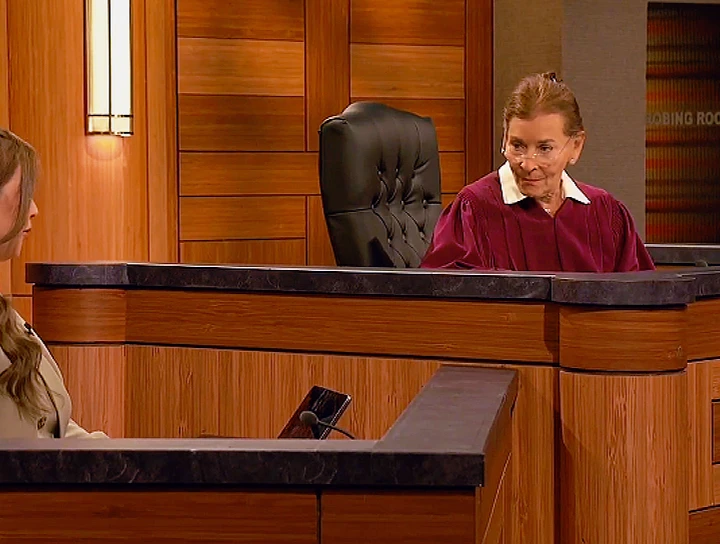
Judge Judy also raised other possible explanations for mouth or jaw trouble, including TMJ associated with stress or changes in a person’s bite. She emphasized that the court could not speculate about the cause. A future treatment plan, an X-ray, or a bill did not answer the central question unless a medical professional connected the condition to the party incident.
The result was a partial victory. Judge Judy entered judgment for the plaintiff in the amount of $250 and ended the case.
What the case ultimately established
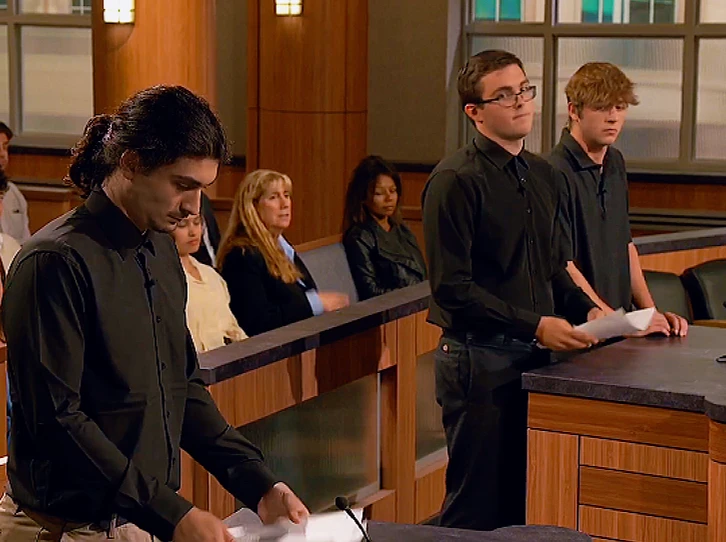
The dispute was not a criminal trial, and the record does not establish a criminal conviction. It was a civil case shaped by competing accounts, delayed treatment, and video evidence. The ruling recognized that Ingalls crossed a line when he kicked Alayan in the face, even though Ingalls said he was trying to end a chokehold.
At the same time, the court refused to assume that every later symptom came from that moment. The long delay before dental attention made the injury claim difficult to prove. In civil litigation, an act and an injury may both be real, yet the plaintiff still has to show that one caused the other.
The post-ruling discussion contrasted the $250 award with the $6,000 in damages that the plaintiff had been unable to prove. The discussion treated the award as a consequence for the kick, while making clear that the larger claim could not be supported by the available evidence. The lesson was not that the incident did not matter. It was that the evidence had to answer two separate questions: what happened at the party, and what caused the problems reported afterward.
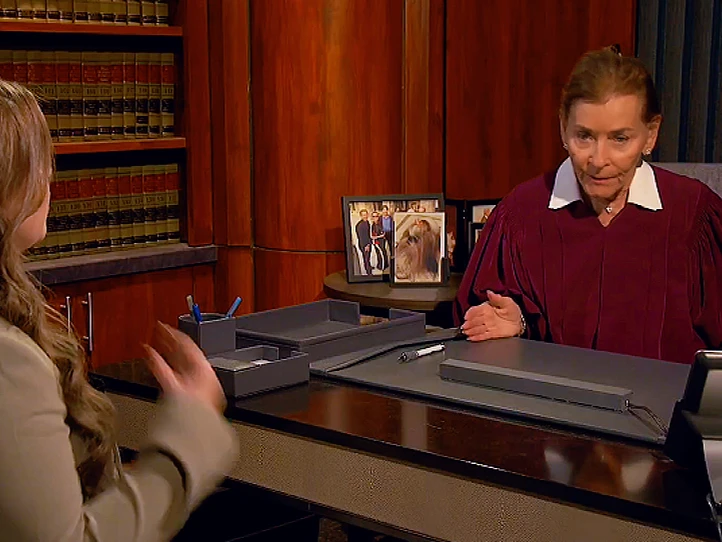
For Alayan, the video proved that the confrontation ended with a kick to his face. For Ingalls, the footage preserved his claim that he was reacting to a friend in a chokehold. For the court, both facts could exist at once: the intervention may have been motivated by concern, but the method was improper, and the later dental damages remained unproven.
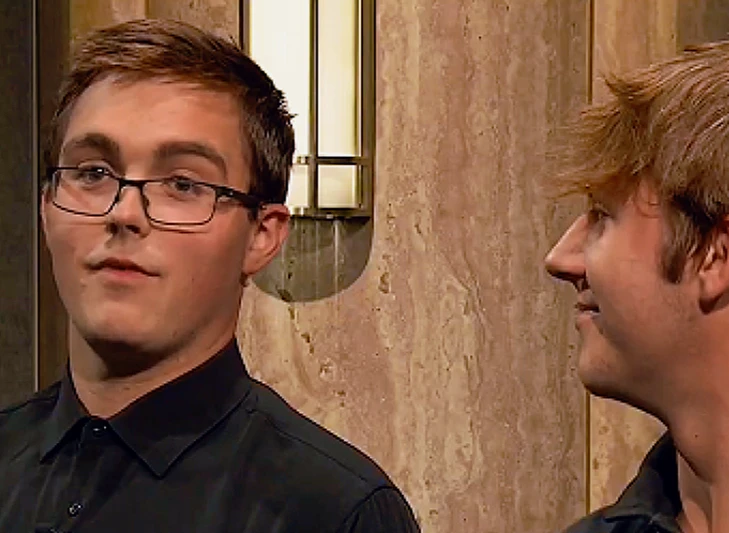
FAQ
Did Ashton Ingalls kick Danny Alayan?
Judge Judy concluded that the video showed Ingalls kicking Alayan in the face. Ingalls maintained that he was trying to free Alayan from Measel’s chokehold and did not intend to deliver a kick.
When did the party incident happen?
The incident occurred on December 9 at a house in Marshall, in the Metro Detroit area. The party began at approximately 7 p.m. on a Friday night and involved about ten people.
When did Danny Alayan first seek dental treatment?
Alayan testified that he first sought dental attention in August. During the hearing, the date was identified as August 21, nearly nine months after the December 9 incident.
How much money did Judge Judy award Danny Alayan?
Judge Judy entered judgment for Alayan in the amount of $250. The court found that the kick was shown, but that Alayan did not prove the necessary connection between the kick and the later dental problems.
Why was the larger damages claim not awarded?
The court found that the delayed treatment and lack of a medical or dental report linking the condition to the party made it impossible to determine causation. A bill, X-rays, and possible treatment plans did not establish that connection.
Was alcohol involved at the party?
The testimony indicated that the people questioned did not drink alcohol. Nick said he drank water, Ingalls said he preferred Diet Coke, and Ingalls stated that he abstained from alcohol as a Muslim.