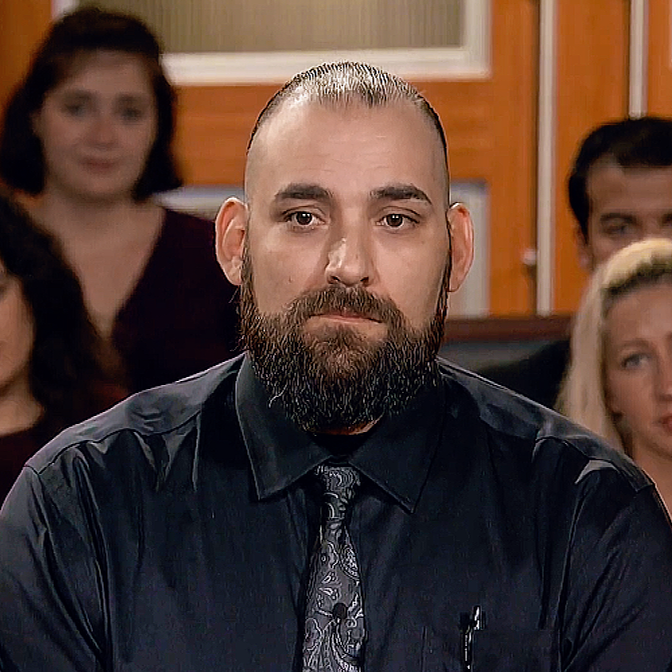
Outside a 7-Eleven near a Whittier shelter, a dispute over a used Hyundai allegedly turned physical. Inside the courtroom, however, the case became less about one confrontation than about a chain of decisions that began with a $1,600 car sale: a missing smog certificate, a title that was not transferred immediately, parking tickets, two impounds, and a stolen-vehicle report filed to force a response.
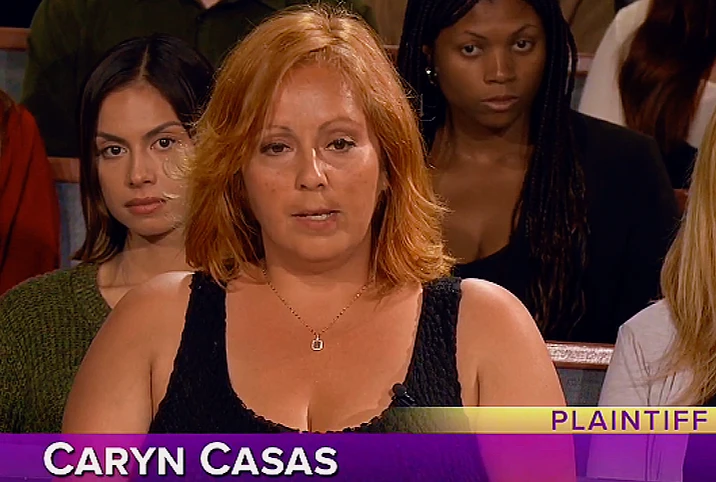
When Caryn Casas and Destiny Jones appeared before Judge Judy in case 4018, both women presented themselves as the person who had been wronged. The judge’s task was to separate the original agreement from everything that followed—and to determine which losses, if any, could be supported by evidence.

The Sale That Started the Dispute
The conflict began with a 2007 Hyundai Tucson. Caryn Casas told the court that she sold the vehicle to Destiny Jones for $1,600 on February 1, 2024. Jones disputed the date and said the purchase took place on February 25.
The date mattered because it shaped the timeline for possession, registration, and tickets. Judge Judy found that the evidence did not clearly establish whether the transaction occurred at the beginning of February or on February 25.
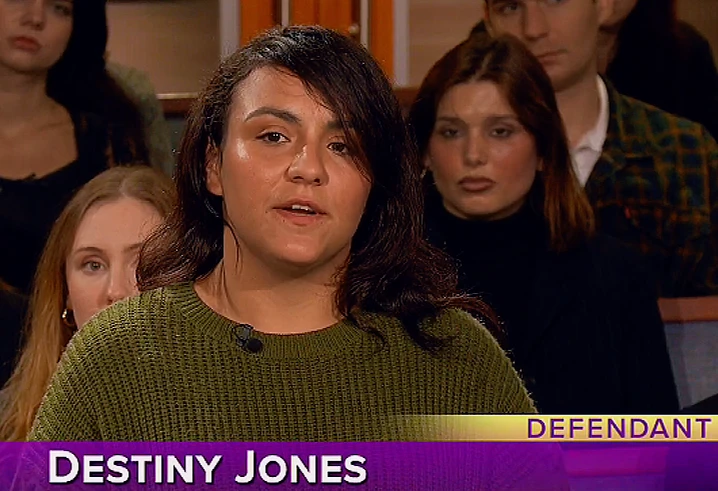
Jones said her cousin charged each woman $100 as a finder’s fee.
Jones had paid Casas for the Hyundai, and Casas had eventually given Jones the title. The problem was that responsibility did not transfer as quickly as the vehicle itself.
A Title, a Smog Certificate, and a Missed DMV Meeting
The next problem involved California vehicle paperwork. The document shown in court indicated that the Hyundai had been smog-tested on November 24, 2023. Jones said Casas did not give her the smog certificate when she bought the car. Without that document, Jones said, she could not complete the registration process as expected.

Casas answered that Jones had never asked for the certificate and that she would have provided it if Jones had requested it. Under questioning, Casas acknowledged that she had kept the document. She explained that this was her first time selling a car and ultimately accepted that she had been wrong to hold on to it.

Jones said Casas gave her the title two days after the purchase, on February 27. The women were supposed to meet at the Department of Motor Vehicles, but the meeting did not take place. Judge Judy’s reading of the situation was practical: once Jones had the title, she had possession of the document needed to move forward, while Casas remained exposed because the vehicle was still connected to her name during part of the dispute.

That created two separate issues. Jones believed the missing smog paperwork had prevented a smooth transfer. Casas feared that tickets and other liabilities would continue arriving under her name. The disagreement was no longer only about what had been promised at the sale. It was about who would bear the consequences while the paperwork remained incomplete.

How Parking Tickets Became a Liability Problem
Jones said she needed the Hyundai to visit her daughter, who lived in Whittier. Jones lived in South Central and acknowledged that she drove the vehicle during the period when the registration issue remained unresolved.
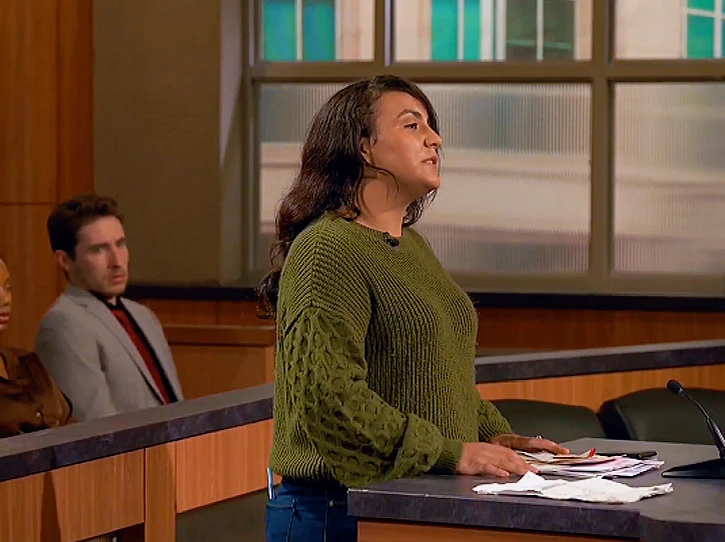
The court examined tickets connected to the car. One parking ticket was dated February 26. Another involved double-parking in March near the apartment complex where Jones lived. Jones explained that the complex had no parking lot for tenants and that street parking was extremely difficult. Judge Judy did not accept those circumstances as an answer to the underlying question. If Jones was driving the car and parking it improperly, the ticket remained connected to her use of the vehicle.
Jones said a friend named Bob lent her money to pay the tickets and held the car until she repaid him. But Bob was not present, and Jones did not produce receipts. The judge therefore had no proof that the parking tickets had been paid by Jones or by anyone on her behalf.

The missing smog certificate remained Jones’s central explanation for the larger dispute. Judge Judy repeatedly asked what the certificate had to do with double-parking or failing to pay a ticket. The registration problem might explain why the tickets reached Casas, but it did not excuse the way the vehicle was used.
The Stolen-Car Report and the First Impound
As tickets began arriving and Casas stopped answering Jones’s calls, Jones made a consequential decision. She reported the Hyundai stolen.
Jones did not claim that an unknown person had taken the car. She explained that she reported it because she wanted to get Casas’s attention and encourage her to transfer the title. In Jones’s account, involving the police seemed like a way to force movement in a stalled dispute.

Judge Judy rejected that reasoning. Jones had paid for the car and received the title. In the judge’s view, the Hyundai was not stolen, and reporting it as stolen transformed a civil disagreement into a false criminal report. The judge warned that the police were not there to provide leverage in a contract or registration dispute.
The consequences followed quickly. The vehicle was impounded after the stolen-car report. Jones said the first retrieval cost $900. Judge Judy made clear that Jones could not shift that expense to Casas because the impound resulted from Jones’s own report. The court did not treat the first tow as a loss caused by Casas’s failure to provide the smog certificate.
The Second Impound Pointed Somewhere Else
Jones testified that she got the car back on April 2. The vehicle was later impounded again on May 20, allegedly because it was blocking a driveway. Jones said it remained in the tow yard for 19 days.

This second impound raised a different question: who was considered the registered owner at the time? Casas said the tow yard sent her a letter because it still treated her as responsible for the vehicle. The court examined registration evidence stamped April 2, however, and concluded that the car had been registered in Jones’s name by early April.

Judge Judy told Casas that if the tow company continued treating her as the registered owner in May, the tow company may have made the mistake. In that event, Casas’s possible claim would be against the towing company—not against Jones. The court also noted that the second impound was allegedly connected to blocking a driveway, not to the earlier title dispute.
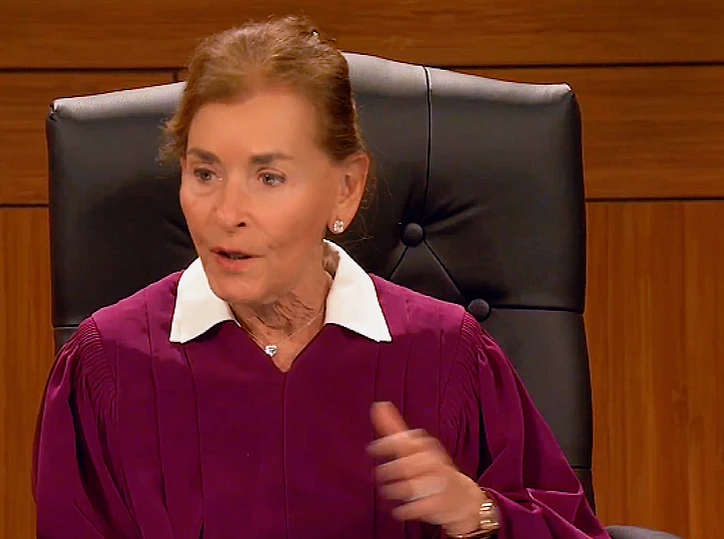
The first impound followed Jones’s false stolen-vehicle report. The second appeared to involve a possible failure by the towing company to update or investigate the ownership information correctly

The Disputed Confrontation Near the 7-Eleven
The dispute later became an alleged physical confrontation. Jones said it happened on June 7, two days after the vehicle was released from the second impound, near her Whittier shelter at a 7-Eleven off Greenleaf. She said surveillance video existed.

Her version unfolded in stages. Jones said she was sitting in the passenger seat while a friend drove. According to Jones, Casas approached while calling her names and appeared ready to fight. Jones then got out of the vehicle and walked toward her.
Jones claimed Casas struck first with a dog leash. Jones said she was prepared to fight back, tried to put her dog down and tie it up, and eventually hit Casas with the leash because it was the only thing she had available. She also said her dog was stepped on. When she bent down to pick it up, Jones alleged that Casas pushed or kicked her into the street, where she nearly got hit by a car.

Casas denied the account. Judge Judy then slowed the testimony down. Jones had initially described herself as sitting in the car when Casas approached, but acknowledged that she got out and moved toward Casas. The judge asked what Jones intended to do when she approached. Jones said she wanted to know why Casas was doing all of this, referring to the dispute over the car.

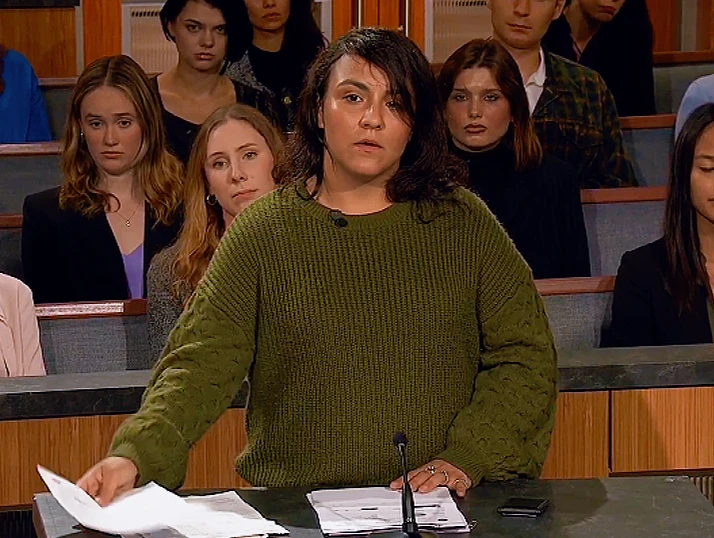
That exchange did not prove what happened physically. It did, however, show why the court needed evidence beyond competing statements. Jones said surveillance footage existed, but she did not present it. She had no police report, no medical record from an urgent-care center or emergency room, and no photographs of injuries. The transcript records an allegation and a denial; it does not establish that either woman assaulted the other.
Why the Case Was Dismissed
At the end of the hearing, Judge Judy organized the dispute around proof and causation. There was no evidence that Jones had paid the parking tickets. The first impound resulted from Jones’s false stolen-vehicle report. The second impound appeared connected to a possible error by the towing company. And the assault allegation was unsupported by video, police records, medical documentation, or injury photographs.
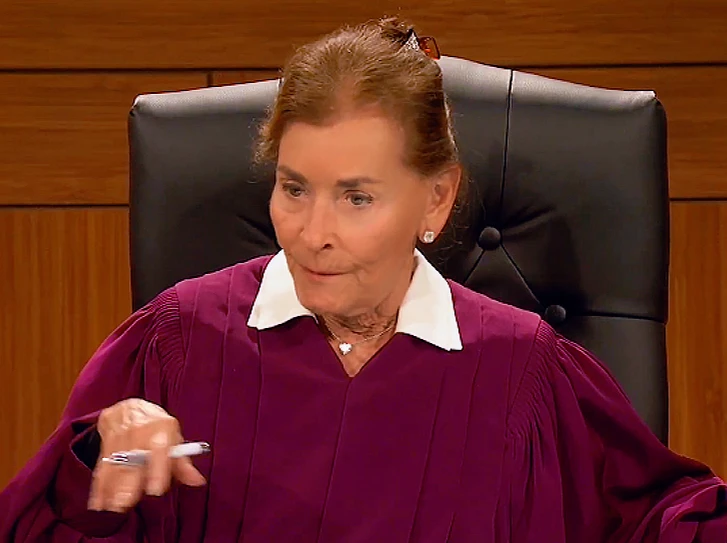
Casas had sued for impound fees, parking tickets, and the alleged assault. But the court could not award damages simply because the dispute had become expensive or emotionally charged. Each claimed loss had to be connected to conduct that Jones was responsible for, and each allegation needed support.

The case was dismissed. Afterward, Judge Judy said Casas’s strongest potential argument appeared to be against the towing company over the second impound. Jones continued to maintain that the missing smog certificate and the stalled transfer had caused the conflict in the first place.

The final picture was a chain reaction: an informal sale, disputed dates, incomplete paperwork, tickets under the seller’s name, an improper stolen-car report, two impounds, and an unproven confrontation. The Hyundai had been sold for $1,600. The real cost was the breakdown of responsibility that followed.

FAQ
What was the dispute between Caryn Casas and Destiny Jones about?
The dispute involved the sale of a 2007 Hyundai Tucson for $1,600, an unresolved title and smog-certificate issue, parking tickets, two impounds, and an assault allegation.
When did Destiny Jones say she bought the car?
Jones said she bought the Hyundai on February 25, 2024. Casas said the sale occurred on February 1. Judge Judy said the evidence did not clearly resolve the conflicting dates.
Why did Destiny Jones report the vehicle stolen?
Jones said she wanted to get Casas’s attention after tickets arrived and her calls were not answered. Judge Judy said the report was false because Jones had paid for the vehicle and received the title.
How many times was the Hyundai impounded?
The SRT describes two impounds. Jones said the first retrieval cost $900. The second impound occurred on May 20, allegedly for blocking a driveway, and the vehicle remained in the tow yard for 19 days.
Was the alleged assault proven?
No. Jones alleged that Casas attacked her and that she acted in self-defense, but she did not present the surveillance video, a police report, medical records, or photographs of injuries. The court dismissed the case.
What was the final ruling?
Judge Judy dismissed Casas’s case. The ruling treated the first impound as a consequence of Jones’s false report, viewed the second impound as a possible towing-company error, and found no supporting proof for the assault claim.