According to the testimony presented in court, a wounded Dalmatian may have remained loose for as long as two days after being struck by a car. By the time she reached veterinary care, the case had become a dispute over ownership, responsibility, and conflicting accounts of what happened.
A dog named Baby enters a new home
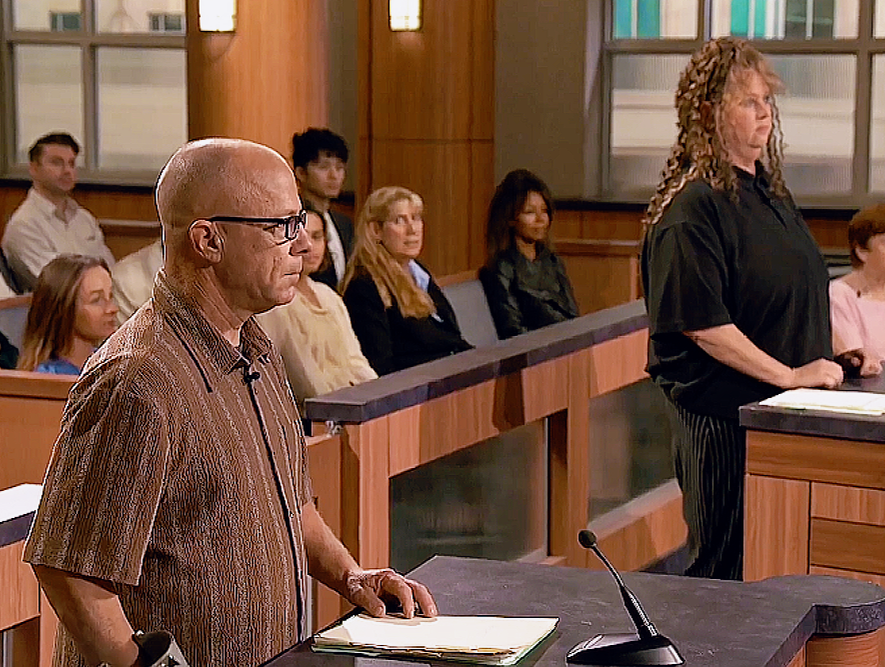
At first, the arrangement sounded straightforward. John Cossaboon wanted an adult Dalmatian, not a puppy. He had previously owned two Dalmatians for approximately 13 years, but both had died—one in 2006 and the other four years before the hearing. After suffering a stroke in September 2021, he said he wanted a mature, gentle dog that would not require the work of raising a puppy.
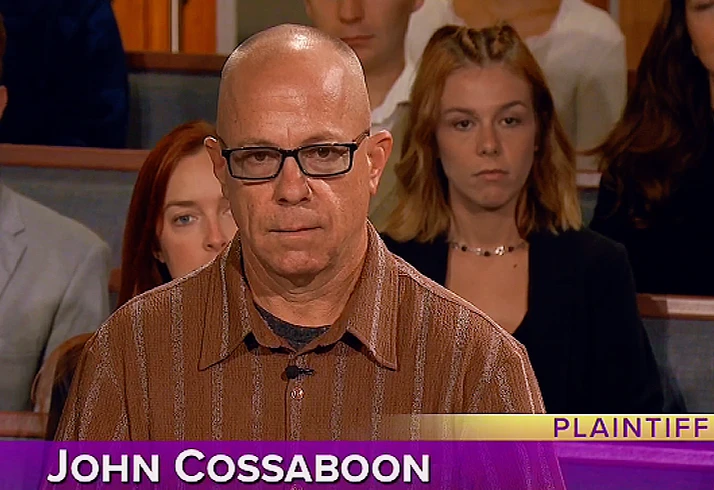
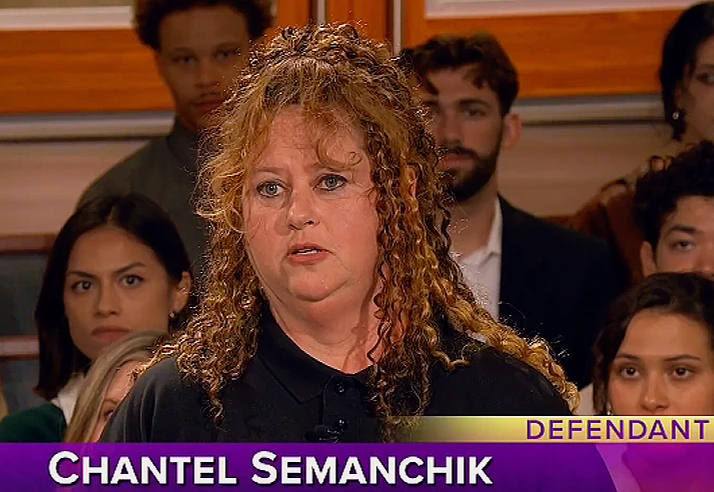
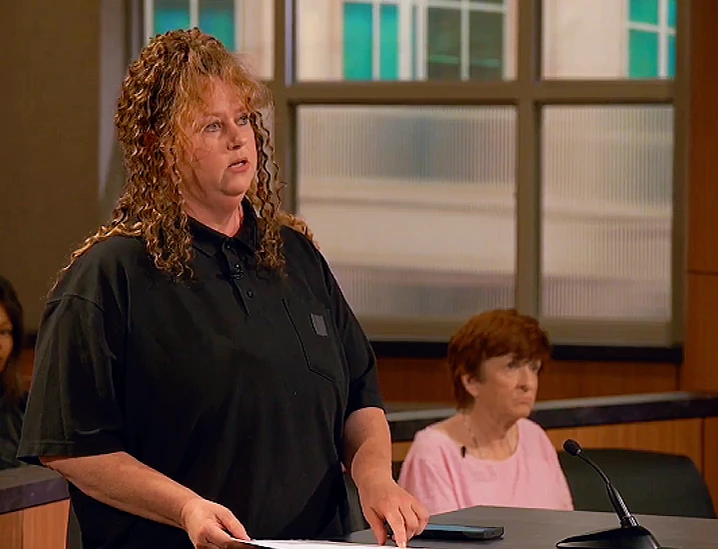
His search led him to Chantel Semanchik, a South Jersey Dalmatian breeder who also helped rehome dogs. Semanchik said she had raised Dalmatians most of her life and had bred them for eight years. The lawsuit accused her of taking Baby back and sought medical bills and ambulance fees connected to the recovery.
When Cossaboon visited Semanchik, three dogs were initially available. He did not feel connected to any of them. Then Semanchik remembered another dog upstairs. She brought down a female Dalmatian whom Cossaboon later named Baby. He described the dog as beautiful and said she jumped into his arms. He left with her in an Uber.
The testimony differed over Baby’s age. Cossaboon described her as about one year old, while Semanchik said she was two. Semanchik also testified that Baby had been born with her, raised from puppyhood, and never used in her breeding program. Because Baby was gentle, she believed the dog suited a man recovering from a stroke.
Cossaboon said he took Baby home on January 18. For roughly the next month, the dog was in his care. That arrangement would soon become the center of a bitter courtroom dispute.
The accident and the disputed timeline
The central question was not simply whether Baby was struck by a vehicle. Both sides agreed that the Dalmatian was injured. The dispute was over when the impact occurred, when Cossaboon knew about it, and how long Baby went without veterinary treatment.
Cossaboon initially identified February 24 as the date Baby was hit. He said a plumber accidentally let her out, after which neighbors and State Troopers helped search for her for three days.
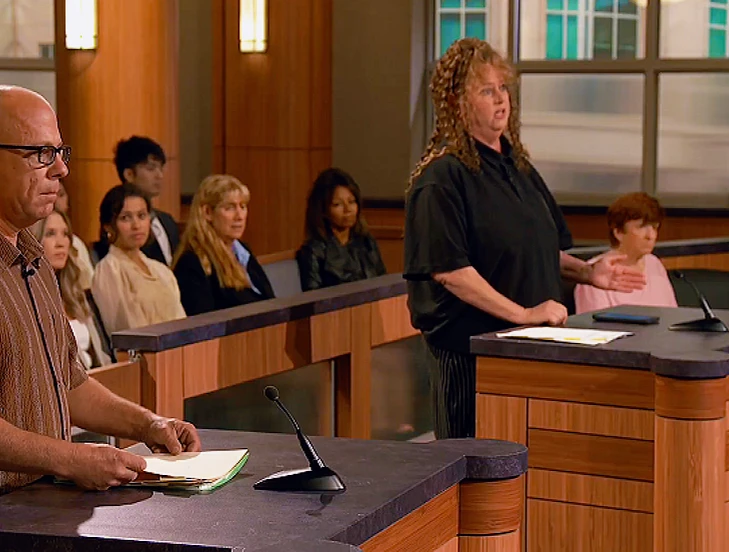
Semanchik presented a different sequence. She testified that Cossaboon contacted her on a Tuesday, identified in the hearing as possibly February 20, to say that Baby was loose. About 20 minutes later, he told her the dog had just been hit by a car and had run away. Semanchik said she was in New York and offered to send her daughters to help capture Baby.
She further testified that the dog had actually been struck on the Sunday before—possibly February 18—and that she regained possession of Baby on February 24, a Saturday. The transcript contains several conflicting references to February 22 and February 24, including different statements about whether the dog was hit on the 22nd, 24th, or earlier. Rather than resolve those inconsistencies independently, the court focused on the records and the testimony presented during the hearing.
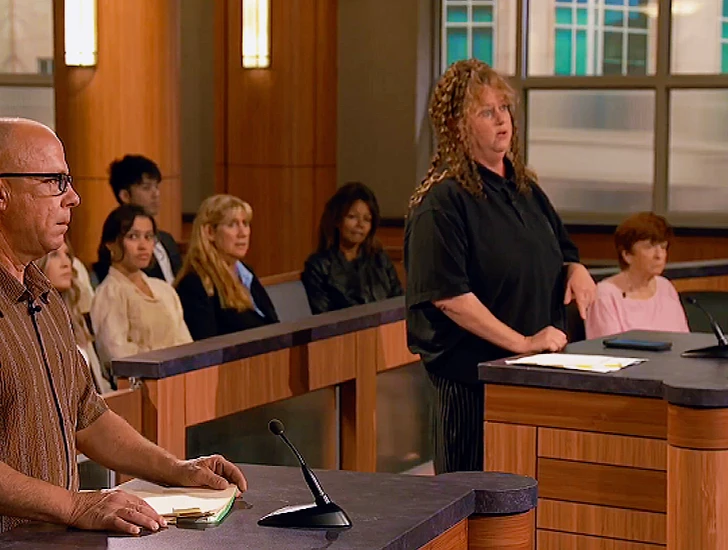
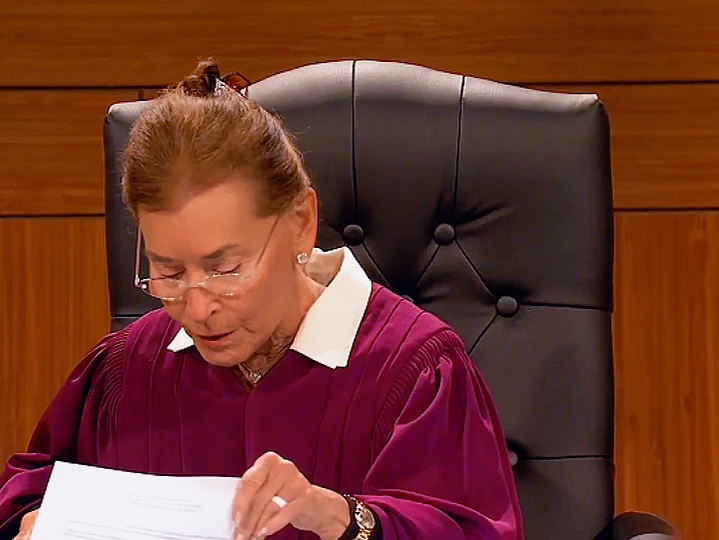
One point became especially damaging to Cossaboon’s position. Judge Judy pressed him about whether he had seen Baby get hit. Cossaboon acknowledged that he had not personally witnessed the impact. He said he first saw the dog injured on February 24. Judge Judy then pointed to the account that the dog had been struck earlier and had remained without treatment for two days.
The issue was not merely technical. A dog with a serious leg injury could not explain what had happened or protect itself. The delay therefore became central to the court’s examination of responsibility.
What the records revealed
The court reviewed Shore Animal Control material, along with a transcript and audio recording connected to a neighbor. The records described a broader history involving Cossaboon’s dogs.
According to the statements read in court, Animal Control had received repeated complaints about Cossaboon’s beagles running loose. One statement said the two beagles were eventually rehomed because of negligence involving their repeated escapes. Another said one of the beagles required medical care and that police became involved in the seizure or forfeiture of the dogs.
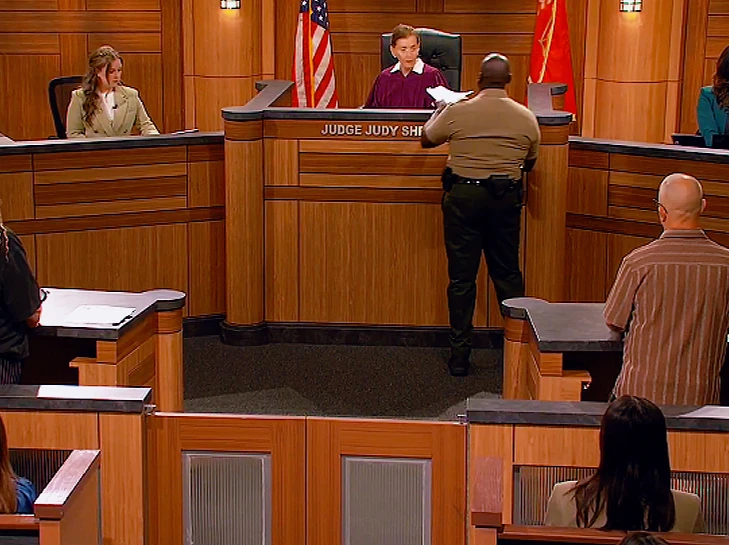
The records also included dated entries concerning Baby. A January 27 entry stated that the newly adopted Dalmatian was running at large and that a finder returned her on February 18. The account said Cossaboon left a door open and the dog escaped. A February 22 entry referred to Baby being hit by a car and needing medical care, with the person who had originally provided the dog transporting her to a hospital. A February 24 entry described a resident calling for an update and expressing concern that the accident was foreseeable if the dogs could not be contained.
Cossaboon disputed parts of the account. He said he had three wooded acres and that his beagles were rabbit dogs, not conventional household pets. He acknowledged letting them out to run rabbits and denied the records’ account of their rehoming.
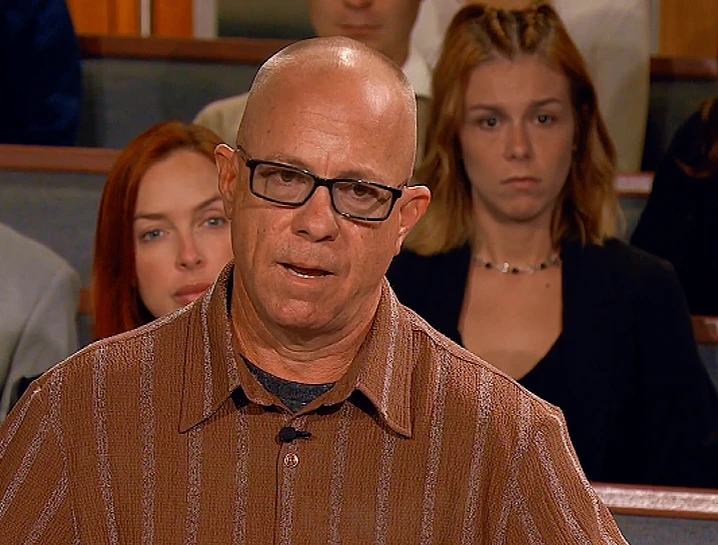
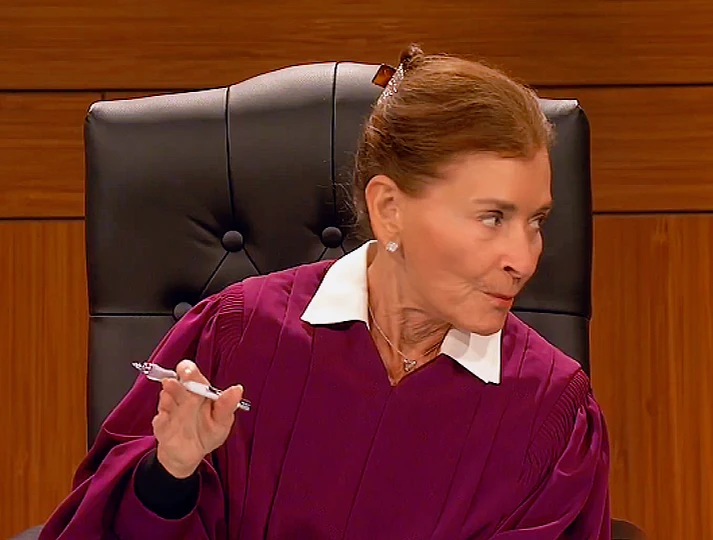
For Judge Judy, the details suggested more than an isolated mishap. The court heard evidence that Baby had gotten out more than once during the month Cossaboon had her. His explanation that a plumber let her out did not answer the larger question of responsibility: Baby was under his care when she escaped.
The struggle to recover the Dalmatian
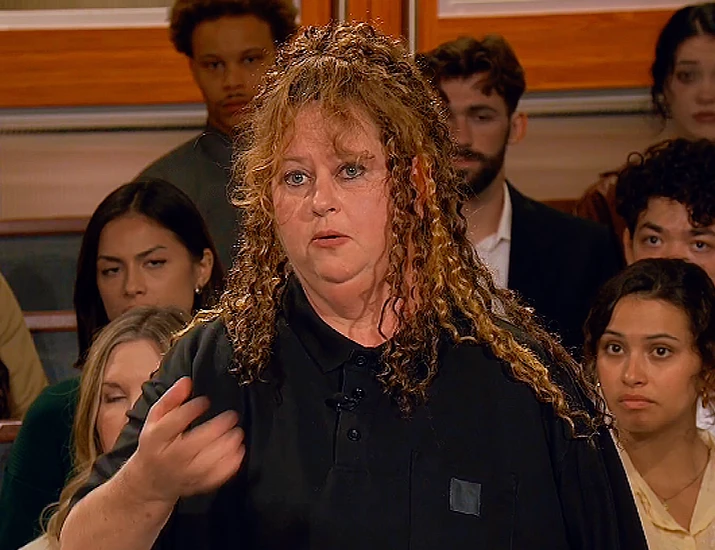
Semanchik said she eventually helped recover Baby with assistance from her daughters, neighbors, and State Troopers. The dog was taken for veterinary treatment, and Semanchik said thousands of dollars were spent setting, bandaging, and caring for the injured leg. In her post-hearing comments, she said Baby nearly lost the leg but that prompt treatment helped save it.
Cossaboon argued that he was injured during the effort to retrieve the dog. His account was that he tried to open the door of a moving car after the people who had captured Baby placed her inside. He also said a second dog had been brought to entice Baby and that the vehicle drove away while he was trying to intervene.
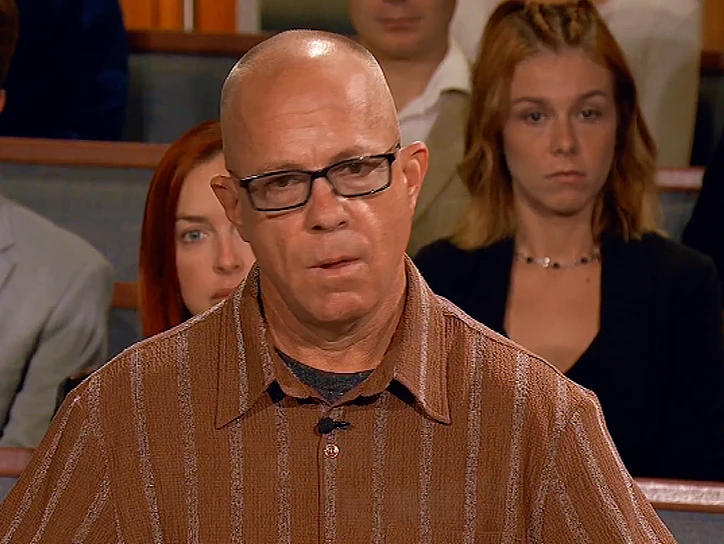
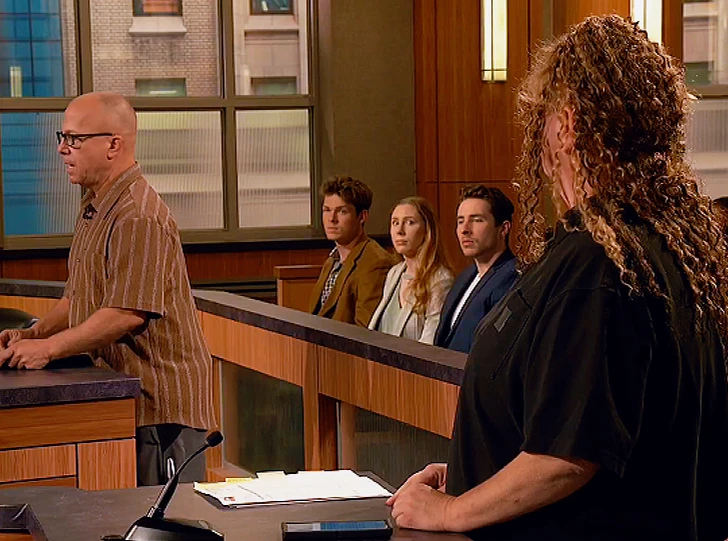
Cossaboon confirmed that Semanchik was not in the vehicle when the alleged incident occurred. Judge Judy therefore questioned why he was suing Semanchik for injuries allegedly caused by other people. If another person had assaulted him with a car, the judge said, that person—not Semanchik—would be the relevant target for a claim or police report.
The distinction mattered. Cossaboon’s lawsuit sought medical bills and ambulance fees, but the hearing made clear that he wanted Baby back. Judge Judy separated the two issues: ownership and custody of the dog on one side, and liability for the alleged vehicle-related injury on the other.
Judge Judy’s ruling
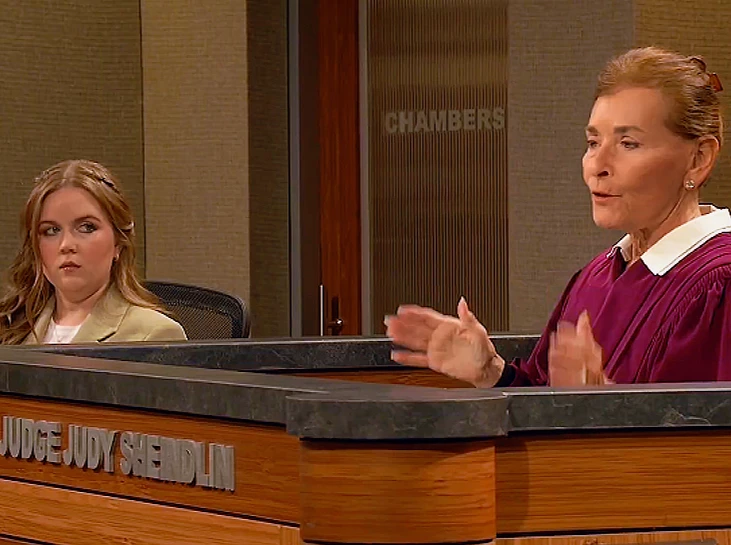
Judge Judy said Cossaboon could not have Baby back. In reaching that conclusion, she pointed to the dog’s injury, the delay before veterinary care, and testimony and records raising serious concerns about whether the animals in his care had been safely contained.
As for the injury claim, the judge questioned why Cossaboon had sued Semanchik when she was not in the car. She advised him to pursue the proper person if a crime had occurred and to file a police report where appropriate. The case was dismissed, and the court adjourned.
The courtroom’s closing exchange—when Judge Judy joked that Cossaboon should not have custody of “a gerbil”—underscored her conclusion. The remark was humorous, but the finding was serious: the court did not view Baby’s injuries as an isolated accident.
What happened after the decision
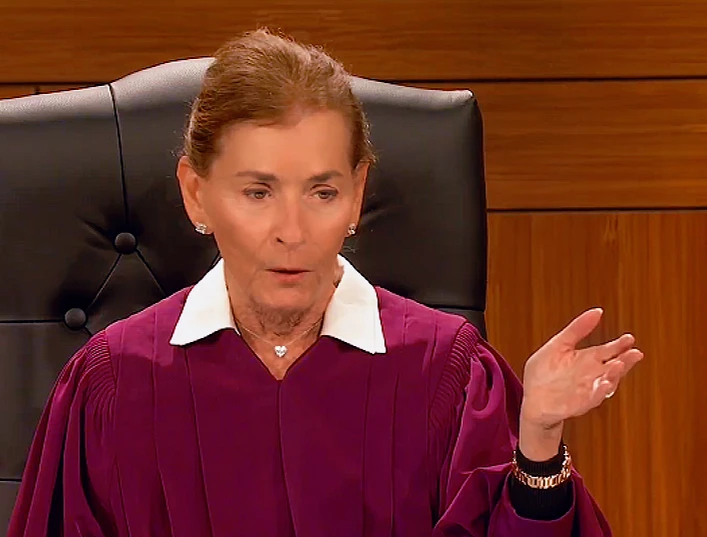
After the ruling, Semanchik said she regretted giving Baby to Cossaboon and had changed her adoption protocol. She expressed hope that anyone else seeking a dog from a breeder or rescuer would research the prospective home carefully.
The post-hearing discussion returned to the responsibility of caring for an animal. Dogs depend on people for safety and protection. In Baby’s case, Judge Judy treated the person who had custody when the dog escaped as the central point of responsibility.
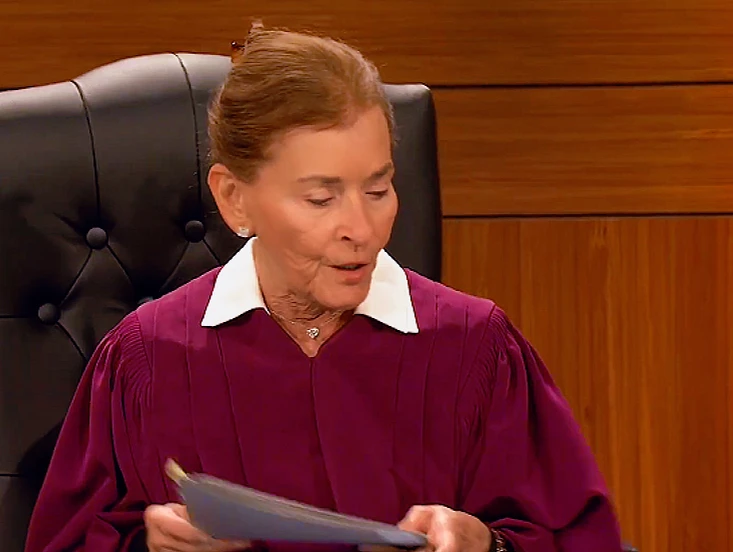
The transcript does not provide a later account of Baby’s placement. Semanchik said the dog was better off with her or wherever she was eventually rehomed. The case ended not with a criminal conviction, but with a civil dismissal and a clear judicial refusal to return the Dalmatian to Cossaboon.
FAQ
Who sued whom in the Judy Justice Dalmatian case?
John Cossaboon sued Chantel Semanchik, a Dalmatian breeder and rehoming contact, over medical bills, ambulance fees, and the disputed return of a Dalmatian named Baby.
Why did Chantel Semanchik retrieve Baby?
The hearing presented evidence that Baby escaped, was struck by a car, and required veterinary treatment. Semanchik said she and others helped recover the dog and arrange medical care. Judge Judy ruled that Cossaboon could not have Baby back.
When was the Dalmatian injured?
The testimony contained conflicting dates, including February 18, February 20, February 22, and February 24. The court relied on the records and testimony presented during the hearing and focused on the delay before veterinary care.
Did Judge Judy rule in John Cossaboon’s favor?
No. Judge Judy dismissed the case. She rejected Cossaboon’s request to get Baby back and questioned his decision to sue Semanchik for an injury allegedly caused by people who were not accompanied by Semanchik.
What happened to Baby’s leg?
Semanchik said Baby suffered a serious leg injury, required treatment, and nearly lost the leg. She later said the dog’s leg was saved after veterinary care.