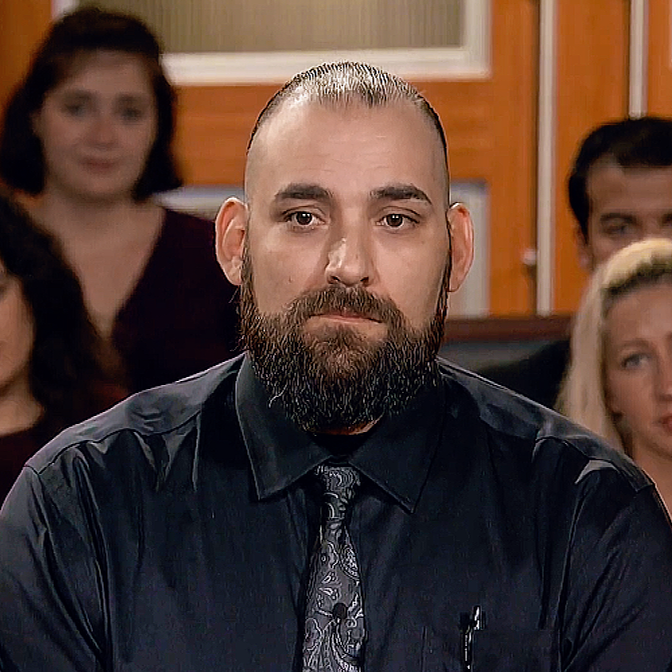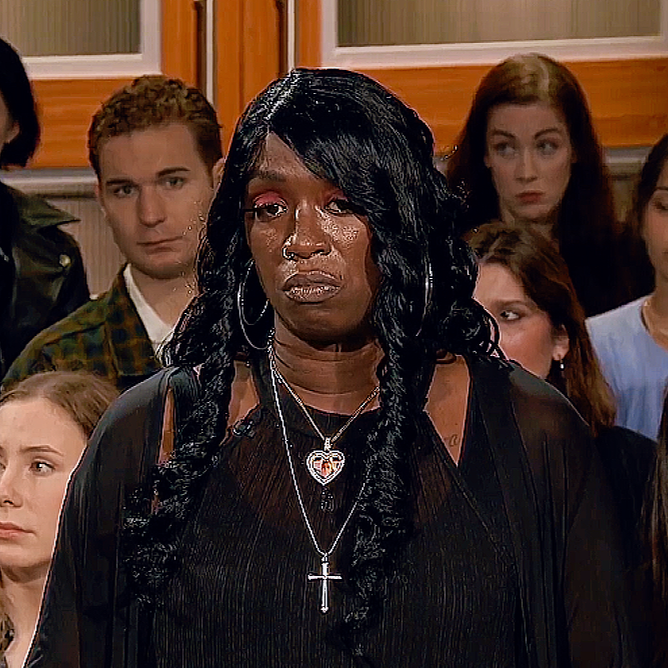
A grieving widow returned to the home she had temporarily vacated following her husband’s death, only to find the property—in her words—”completely devastated.” In a separate case, an estranged couple faced disputed charges totaling thousands of dollars related to their lease agreement. Both civil cases went to court, where the parties’ accounts were weighed against signed contracts, payment records, and their own sworn testimony.
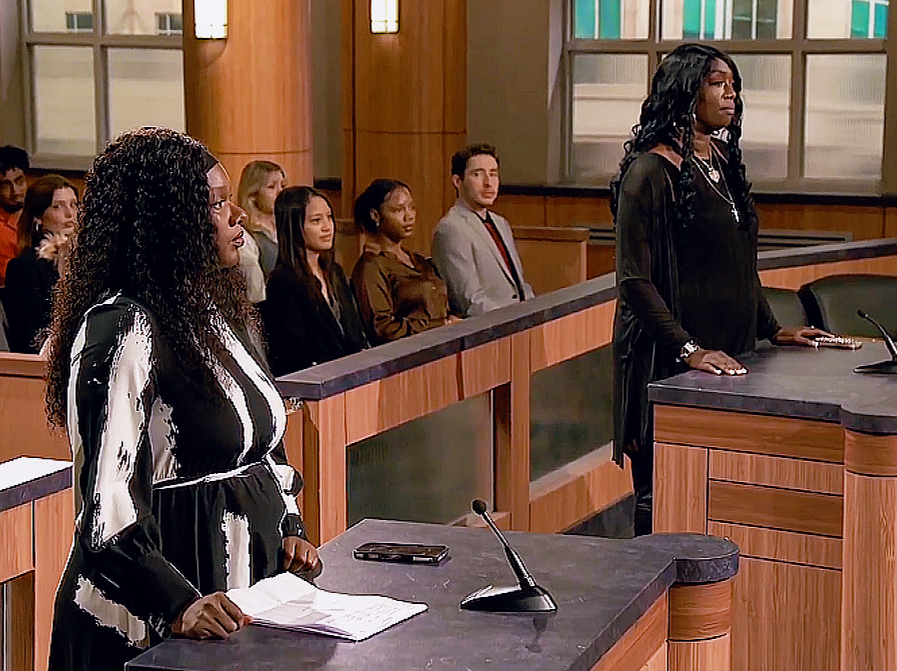
The First Case : The house left behind after a sudden loss
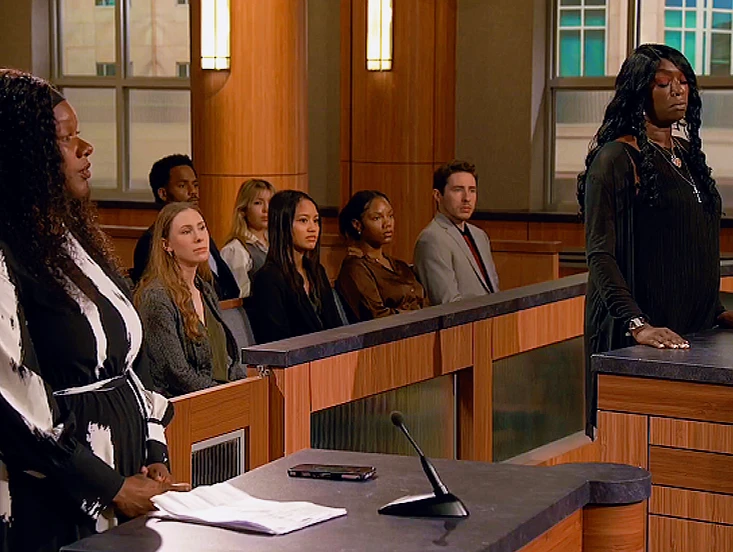
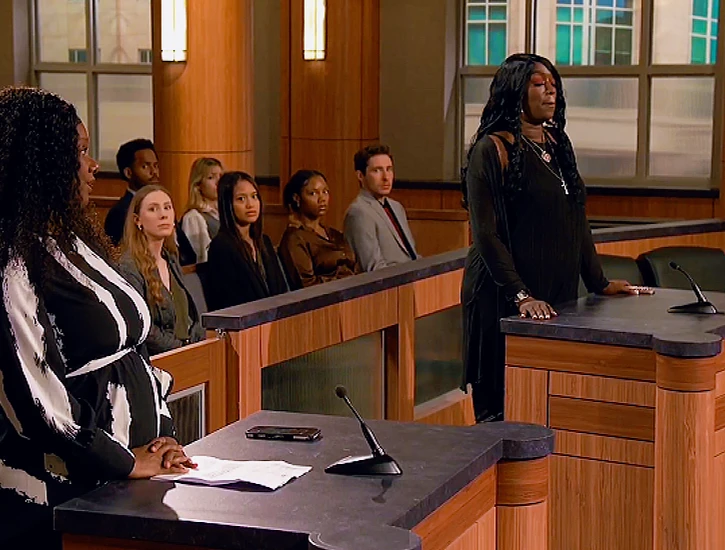
The first case, Perryman v. Small, began with grief rather than litigation. Waynenita Perryman told Judge Judy that her husband had died in February of the previous year after an asthma attack at home. He was 39. In the months that followed, Perryman said she was not comfortable returning immediately to the house they owned together because of what had happened there.
In March 2023, she moved temporarily into a place rented by an aunt. She remained there until August, while her older sister, Sherri Small, moved into Perryman’s home with Small’s six children. The arrangement was practical on paper: Small would live in the house and pay $1,450 in monthly rent, plus approximately $170 in utilities. Perryman explained that the rent covered the home’s mortgage and taxes.
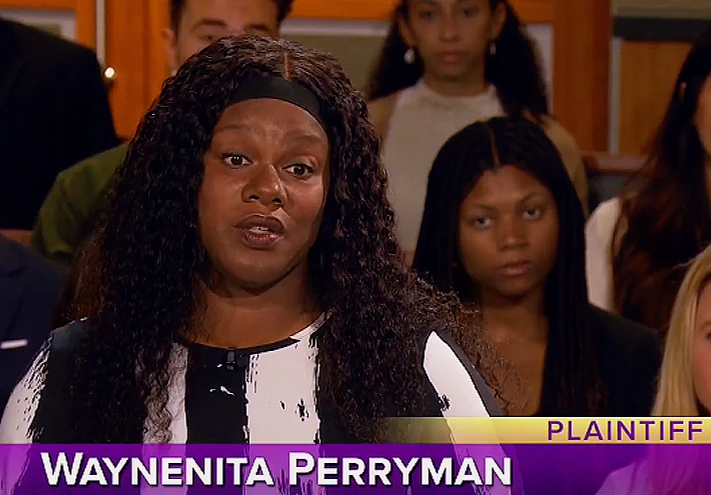
The agreement placed two sisters in a fragile position. Sherri Small needed a place to live after a difficult breakup, while Waynenita Perryman needed the bills covered on a house she had left while mourning her husband. What began as a family solution soon became a dispute over money, access to the property, and responsibility for what happened inside it.
A family arrangement begins to unravel
Small’s relationship with her boyfriend had deteriorated around February or March. She told the court that police eventually removed her from his apartment after she refused to leave. Although she later moved into her sister’s home, the relationship was not emotionally over. Small acknowledged that the boyfriend continued to visit, and that the visits sometimes led to loud arguments.
Toward the end of March, Perryman said neighbors began calling her about activity at the house. The SRT does not establish every detail of those reports, but Small agreed that police were called while her boyfriend was there. Small said she believed the neighbors had made the calls.

The rent also fell behind. Small paid $1,000 in March rather than the agreed $1,450. She said her paycheck had been short because she had lost hours with a client. Perryman accepted the explanation and allowed her sister to make up the difference the following month. In April, Small paid $900, again attributing the shortfall to reduced work hours. In May, she paid nothing. Small left the property in June.
The relationship between the sisters had by then become difficult to manage. Perryman testified that, after the May nonpayment, Small stopped communicating. Calls went unanswered, Small changed her telephone number, and Perryman said she tried reaching her through other family members. In June, Perryman placed a three-day notice to vacate on the door, partly hoping that the notice would prompt her sister to contact her. It did not.
The alleged damage and the $6,000 judgment
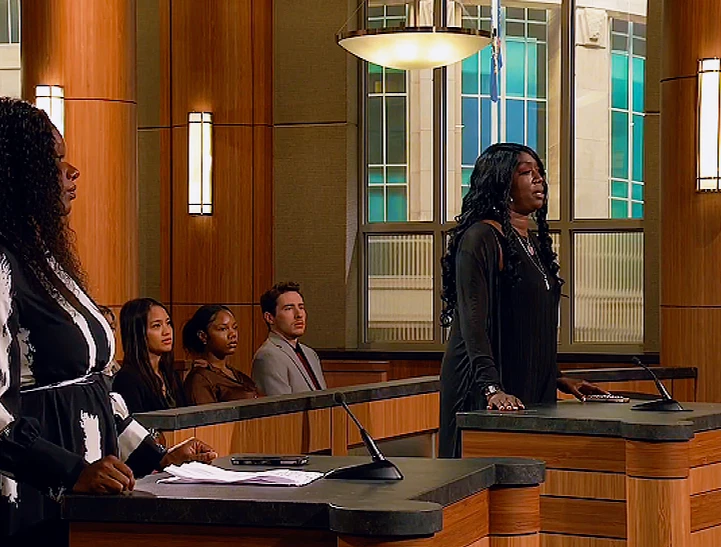
Perryman said she learned in mid-June, after speaking with another sister, that she would be upset by what she found at the property. When she went to the house, she described it as “completely wrecked.” She told Judge Judy that windows had been broken and presented photographs of the condition.
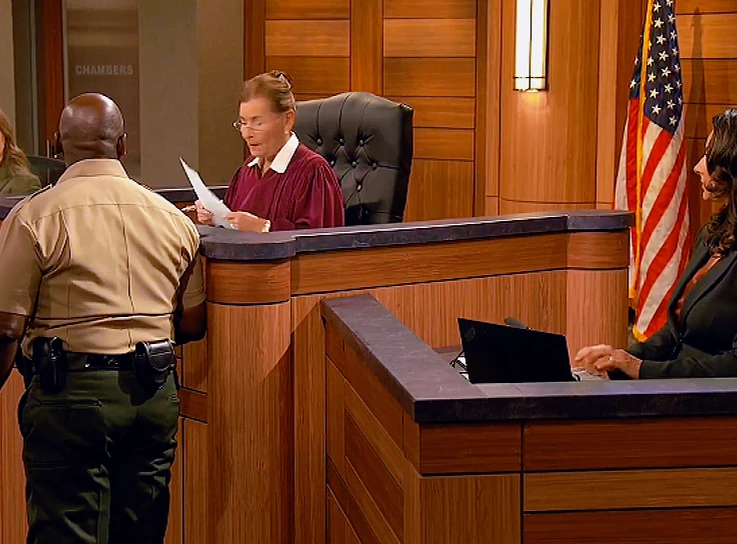
Small moved out in approximately two days after the notice. She said she called her boyfriend to help remove her belongings. When Judge Judy asked who had made the mess, Small initially said she did not know and suggested that Perryman might have done it herself. Judge Judy then returned to Small’s written answer, in which Small had acknowledged becoming angry after seeing the notice and described herself as having “got a little heated.” That earlier statement became important as the court examined what happened during the move-out period.
The court also examined whether Small’s boyfriend had been staying at the home. Small first gave an uncertain answer, saying he visited but also went home. Judge Judy pressed her for a direct response. Small ultimately acknowledged that he had been there at some point in June and that he was present when the three-day notice was on the door. She also confirmed that he came to help her move out.

Perryman eventually moved back into the house at the end of July, after recovering her belongings. When Judge Judy showed Small photographs of the property, the judge emphasized that Perryman owned the home and was planning to return there with her children. Judge Judy questioned why someone would damage a property they expected to occupy again, particularly because Perryman planned to return there with her children.
A signed rental agreement became another decisive piece of evidence. Small had suggested that there was no agreement to pay rent, but Perryman produced a document bearing Small’s signature. Small acknowledged that the signature was hers. The court then considered the unpaid rent alongside the repair evidence. Perryman testified that the damages exceeded the $6,000 limit of the small claims court.
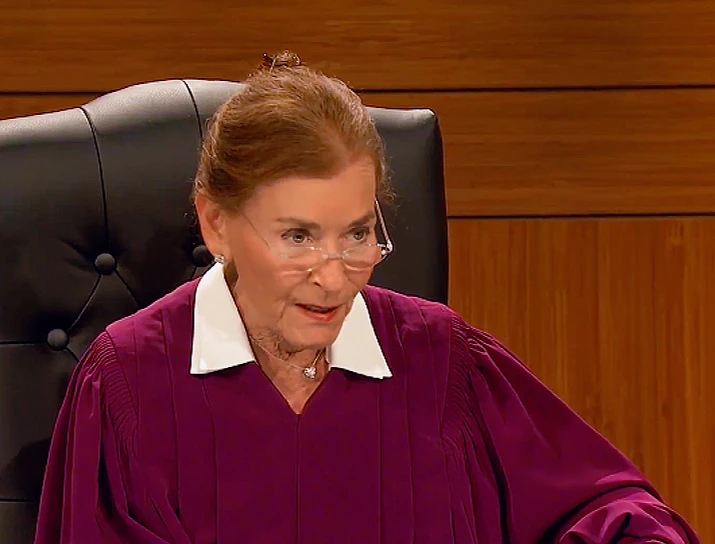
Judge Judy entered judgment for Waynenita Perryman in the amount of $6,000, the court’s stated maximum. The ruling did not compensate Perryman for every dollar she said the damage had cost.
Afterward, Perryman said she was still grieving and that seeing the house destroyed was horrible. Small said she believed she had damaged some things but not everything, and that she disagreed with the decision. Perryman hoped the sisters might eventually move forward as family; Small said she would never speak to her sister again.
The Second Case : A second dispute over a shared lease
The episode then turned to Hidenrick v. O’Quinn. Wendy Hidenrick sued her former boyfriend, Jamal O’Quinn, for lease-break fees, moving costs, and utilities. O’Quinn filed a counterclaim alleging emotional distress and abuse, but the hearing quickly focused on the financial obligations created by their shared apartment.
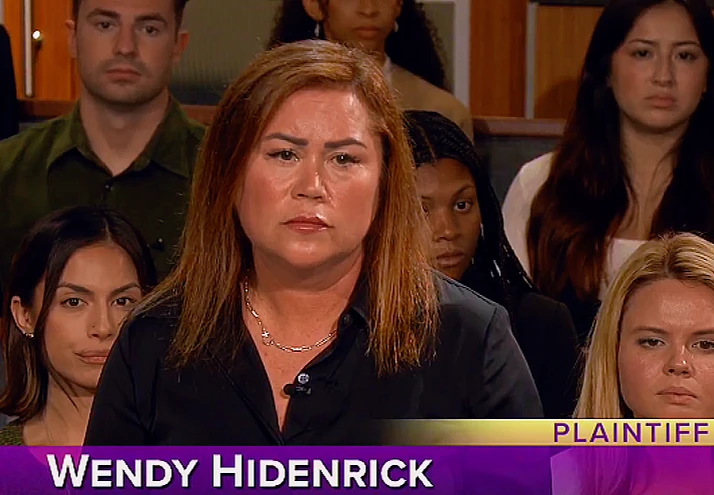
O’Quinn had full custody of his eight-year-old son. He met Hidenrick the previous year, and the two became a couple. According to the court’s summary, O’Quinn’s previous living situation was geographically inconvenient, so they decided to rent a home together. They moved in during August 2023 and signed a one-year lease.

By sometime between August and December, the relationship was no longer working. Both parties eventually moved elsewhere in January, while the lease itself was terminated on December 28, 2023. O’Quinn acknowledged that he had paid half the rent from September through December. The dispute was whether he should also share the cost of ending the lease early.
Hidenrick testified that the break-lease fee was $1,499. She also described a final settlement of $3,560, after the property had reportedly remained unrented for three months and accumulated $11,400 in charges before the amount was reduced. Judge Judy required Hidenrick to distinguish the figures and provide proof of the amounts she was claiming.

The judgment against Jamal O’Quinn
Judge Judy found the central issue straightforward: both parties had signed the lease, both had paid toward it, and both had decided the relationship was over. Whether Hidenrick or O’Quinn left first did not change the shared financial obligation, in the judge’s view.
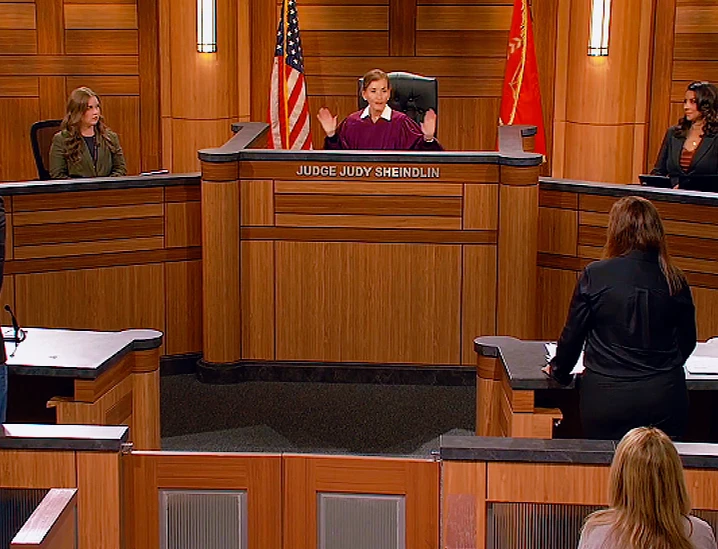
The court calculated half of $3,560 plus $1,499 as $2,574.50. The hearing also addressed a $4,350 deposit Hidenrick said she had paid herself and a January rent payment she said she had been left to cover. Judge Judy required evidence that O’Quinn had agreed to reimburse her for those additional amounts.
When the court turned to O’Quinn’s counterclaim, he withdrew it rather than continue. The judge entered judgment for Hidenrick in the amount of $2,574, as stated in the closing ruling.
After the decision, Hidenrick said she was happy and believed justice had been served. O’Quinn said he was disappointed. The program’s post-case discussion characterized his decision to withdraw the counterclaim as a sensible choice because pursuing it would have required him to explain the allegations in detail.

What these cases reveal
Neither dispute was only about money. In the first case, a housing arrangement between sisters unfolded in the shadow of a death, a breakup, unpaid rent, and allegations of extensive property damage. In the second, a relationship ended while the legal relationship created by a one-year lease remained in place.
The hearings also showed why written agreements and consistent testimony matter in civil court. In the first case, the signed rental agreement directly contradicted the claim that no rent arrangement existed. In the second, the parties’ shared lease and four months of shared rent payments supported the conclusion that they shared the lease expenses. In both matters, Judge Judy repeatedly returned to the documents and the parties’ earlier statements rather than allowing the proceedings to remain at the level of competing emotional narratives.
The episode’s final takeaway was cautious rather than sensational. These were civil disputes, not criminal prosecutions, but both showed how quickly private relationships can become legal and financial conflicts. Family members and romantic partners may be tempted to make informal housing arrangements, yet the personal relationship does not erase financial responsibilities. When those arrangements fail, the damage can extend well beyond a balance sheet.
FAQ
What was Perryman v. Small about?
Waynenita Perryman sued her older sister, Sherri Small, over alleged property damage and unpaid rent connected to Small’s stay in Perryman’s home. Judge Judy awarded Perryman $6,000.
How much rent was Sherri Small supposed to pay?
The stated agreement called for $1,450 per month in rent, plus approximately $170 in utilities. Small paid $1,000 in March, $900 in April, and nothing in May, according to the hearing.
What happened to the house?
Perryman testified that she found the house severely damaged, including broken windows. The court reviewed photographs and considered the testimony about the condition of the property.
How much did Jamal O’Quinn owe Wendy Hidenrick?
Judge Judy awarded Wendy Hidenrick $2,574, reflecting the court’s calculation of half of the documented lease-related fees as stated during the ruling.
Did Jamal O’Quinn pursue his counterclaim?
No. O’Quinn withdrew his counterclaim for emotional distress and abuse during the hearing.