The courtroom opened with a blunt accusation: “You shot a dog.” What followed was not only a dispute over veterinary bills. It was a story about mistaken identity, shifting property boundaries, animals caught in a neighborhood conflict, and one defendant’s reluctant admission that he had fired a BB gun at the wrong animal. Before the hearing ended, another family would face judgment over a canceled trip to Japan—and the deeper question of who gets to make decisions when parents, grandparents, and children are no longer moving in the same direction.
The First Case : The dog-shooting dispute begins with a complicated property arrangement
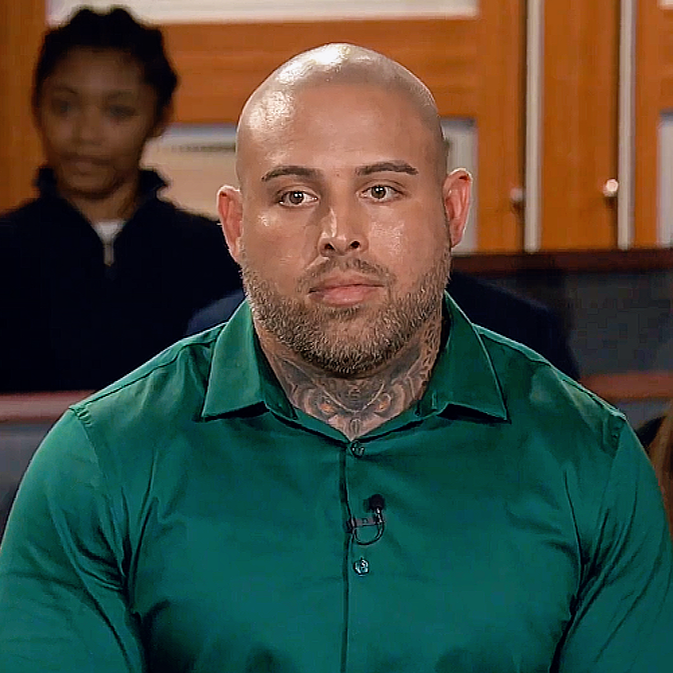
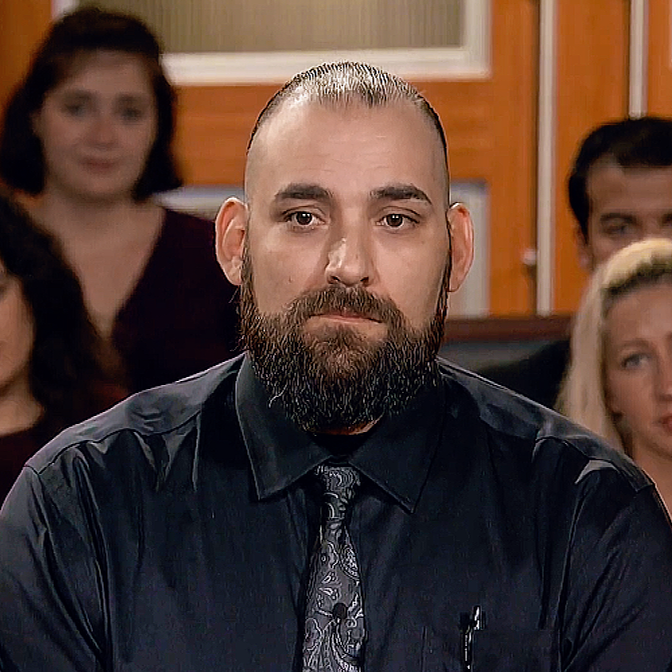
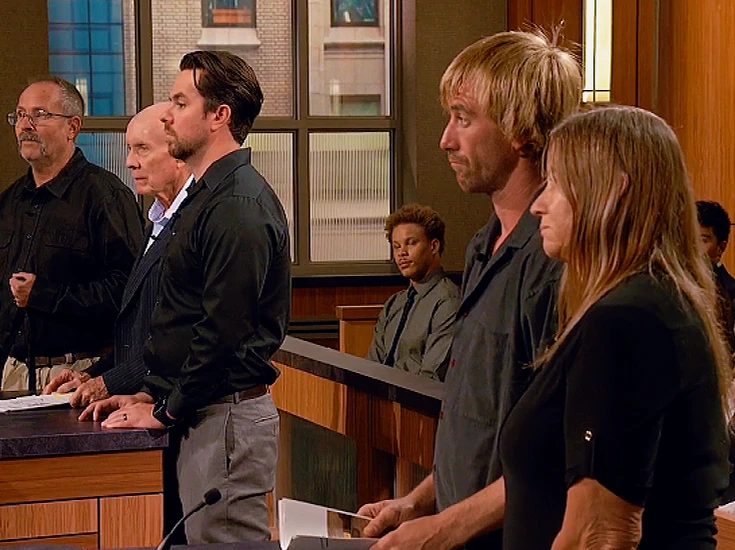
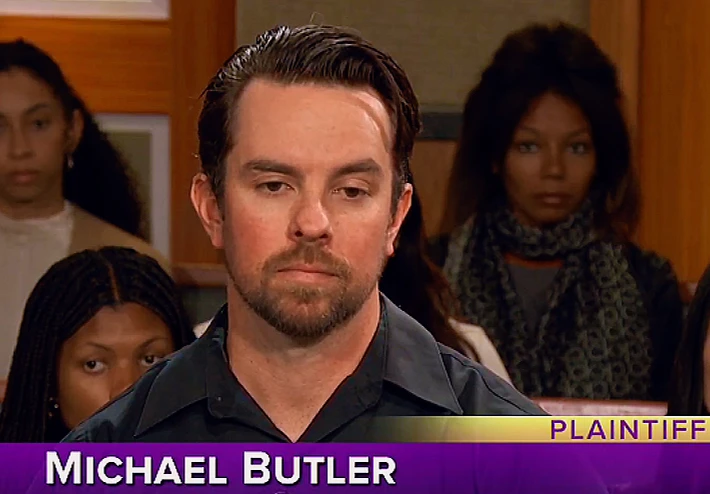
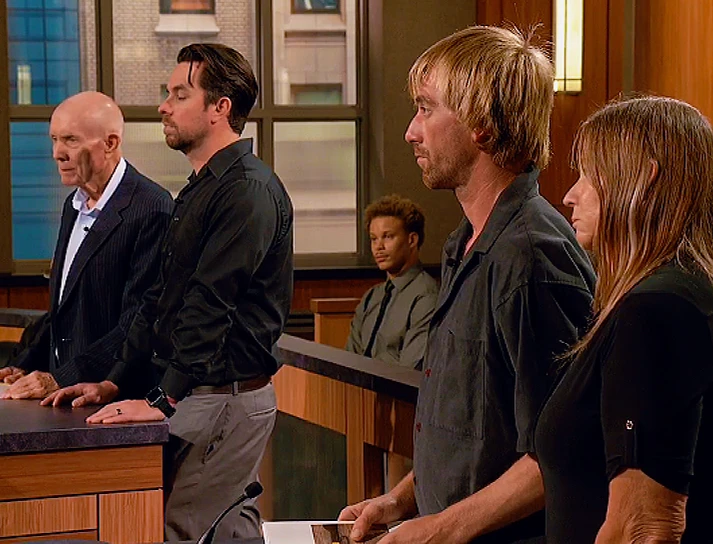
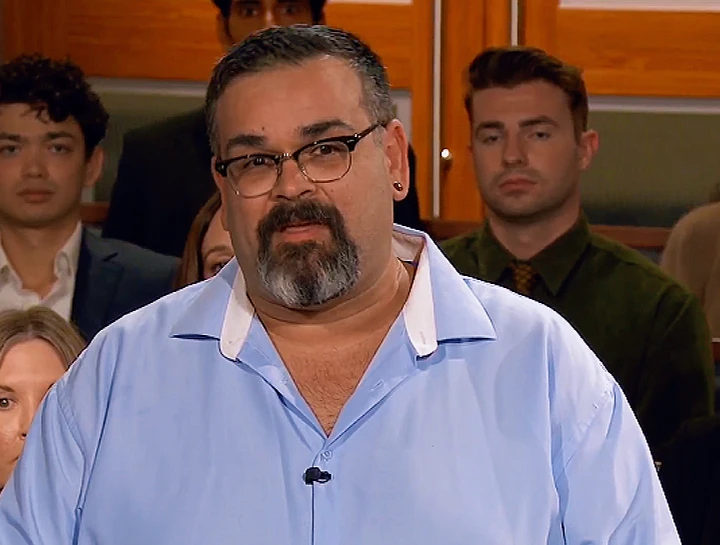
The first case, Butler v. Welch, involved Michael and Perry Butler, who sued their neighbors, Michael Welch, Jr. and Lisa Welch, for veterinary expenses. The central dispute began on rural property owned by Perry Butler, Sr., who said he had owned it for about 20 years. The transcript identifies Perry as the property owner and Michael Butler, Jr. as Ruca’s owner.
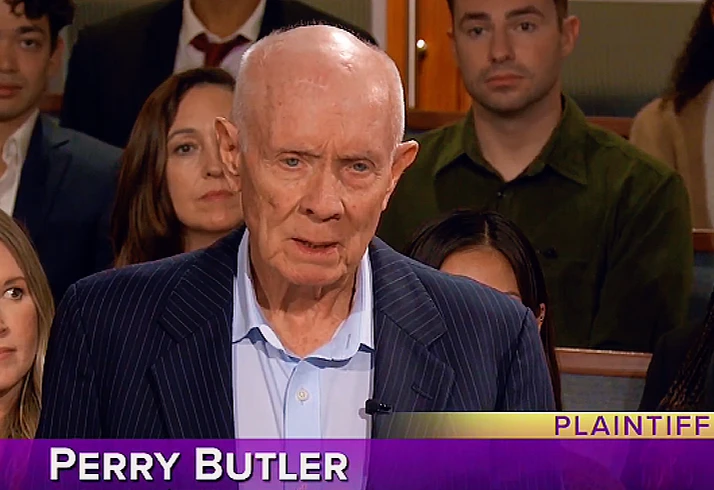
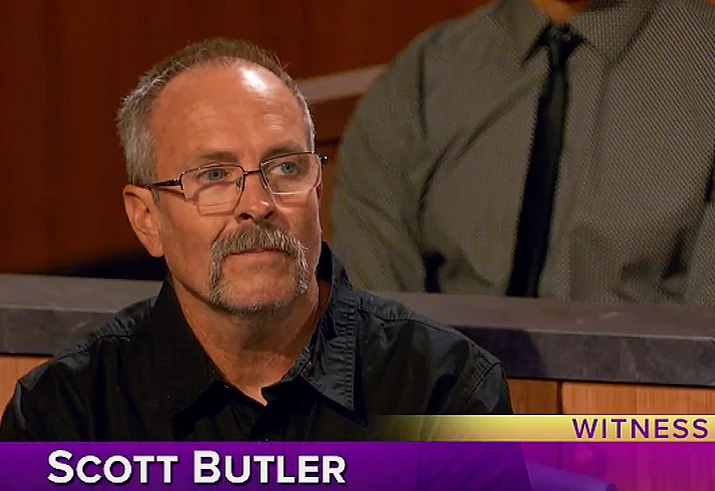
The arrangement between the families was not straightforward. An RV belonging to the Welches had been placed on part of the Butler property with Scott Butler’s permission. Scott lived in a house on his father’s property and described the Welches as old friends. He also acknowledged that the Welches paid $400 a month to him, with his father’s knowledge.
Michael Welch, Jr. said he lived with his parents in a camper outside the property. The hearing quickly established that the property owner wanted the Welches to leave. Their explanation was that the motorhome would not start. Judge Judy Sheindlin treated that as a practical problem, but not as permission to remain on someone else’s land.

Ruca is left behind before a family trip
Michael Butler, Jr. explained that he did not live with his father or grandfather. He owned a dog named Ruca, whom he had previously left with family members when traveling. On this occasion, he was preparing to leave for his niece’s graduation on June 1. He said Ruca was left with his father and grandfather for approximately a week, and that he believed he had left the dog on May 29.
The incident occurred the following morning, May 30, as Michael was preparing to fly out. He said the family received a call before departure informing them that Ruca had been shot.
According to the defense account, dogs had previously entered the property and taken or chased chickens and ducks. The animals were associated with Scott Butler, not with Michael Welch, Jr. Welch said he believed the dog that came onto the property on May 30 was one of the animals that had been attacking the chickens and ducks.
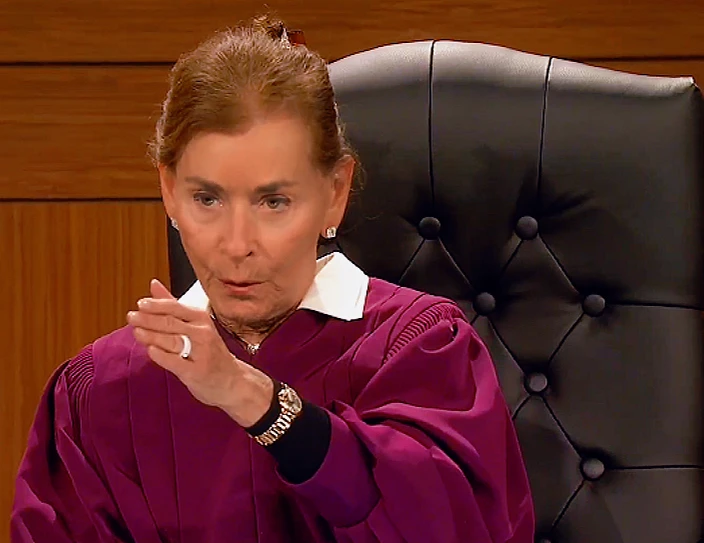
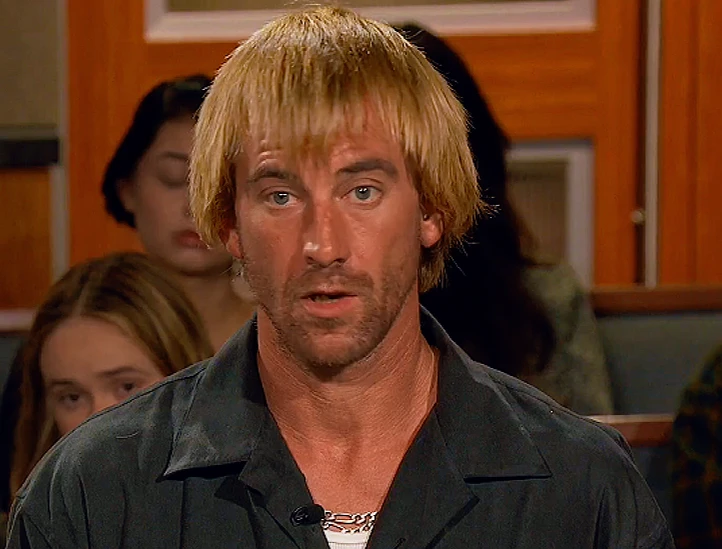
That belief turned out to be wrong. Welch told the court that a neighboring dog looked exactly like the dog he thought had caused the earlier problems. He described the shooting as a terrible mistake that went further than it should have. He said he had shouted for the dog to stop, but it did not stop.
A mistaken dog leads to a $4,156.48 judgment
Judge Sheindlin reduced the dispute to a direct question: Welch had shot a dog that did not belong to him, on property that did not belong to him, because he believed the animal had harmed animals that also did not belong to him. Welch confirmed that the judge’s summary was accurate.
The weapon was a BB gun, but the judge rejected the suggestion that this made the shooting insignificant. Welch acknowledged that he had fired multiple times. When he argued that he had aimed at the animal’s body rather than its head or eyes, the judge emphasized that repeated BB-gun shots could still cause serious harm, particularly if an eye or vital organ were struck.
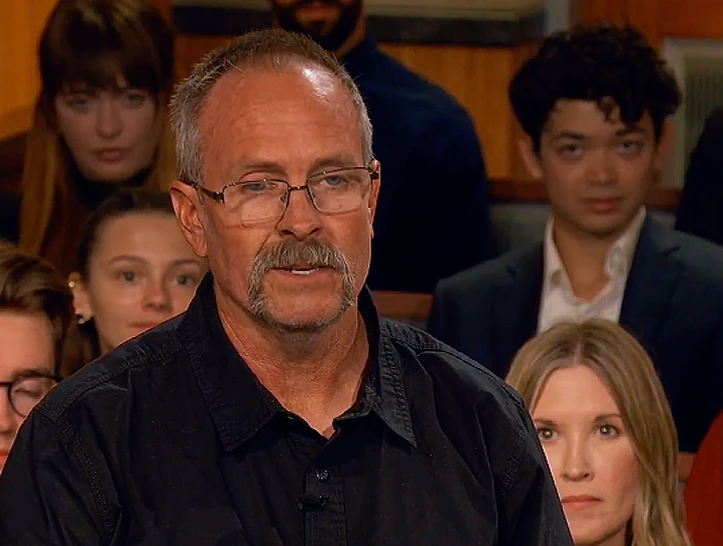
The courtroom exchange also tested whether Welch had acted independently. His mother had not told him to shoot the dog, and his father had not told him to do it. After being pressed for a yes-or-no answer, Welch admitted that he had shot the dog himself. He also agreed that he had shot the wrong dog.
The judge used an analogy involving children to underline the problem with mistaken identity. If one child had repeatedly chased ducks and another child of similar size later appeared, shooting the second child would not be justified merely because the shooter believed he had found the offender. The same principle, the judge said, applied to Ruca.
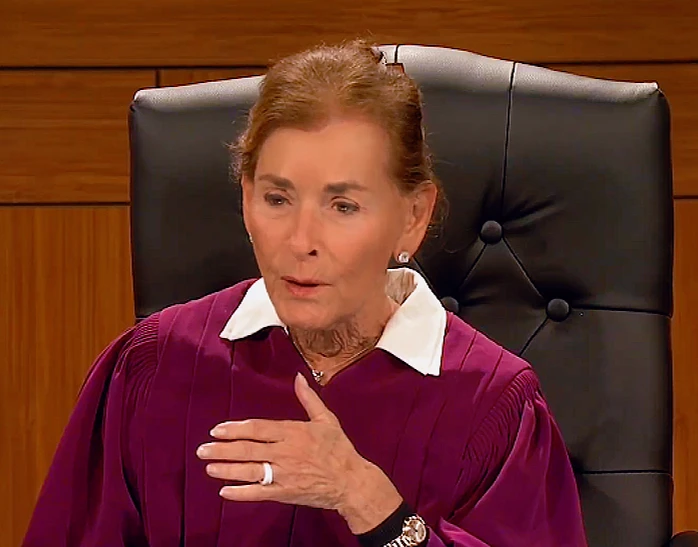
The veterinary bills exceeded $4,000. The court heard that Lisa Welch had agreed after the shooting to pay the bill and had made two $50 payments, for which receipts were issued. The judge ultimately entered judgment for the plaintiffs in the amount of $4,156.48.
The ruling also addressed the wider property conflict. Scott Butler testified that he had first asked Michael Welch, Jr. to leave about six months earlier, but that Michael Jr. and Lisa later returned and would not leave. Welch acknowledged that he knew he was on property that was not his. The judge told him to leave, and he agreed.
After the judgment, Michael Butler, Jr. said he felt justice had been done for Ruca. The Welch side also recognized the practical consequence of the hearing: it was time to find another place.
The Second Case : Another incident . The Japan trip that became a custody conflict
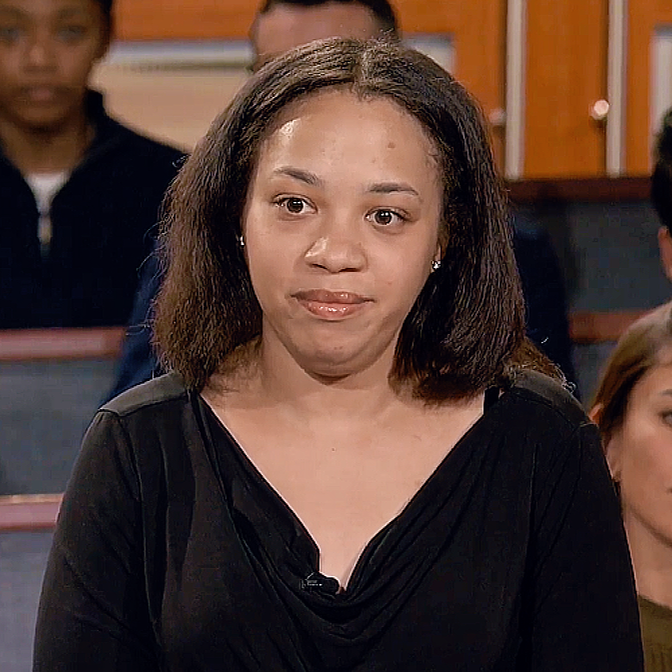
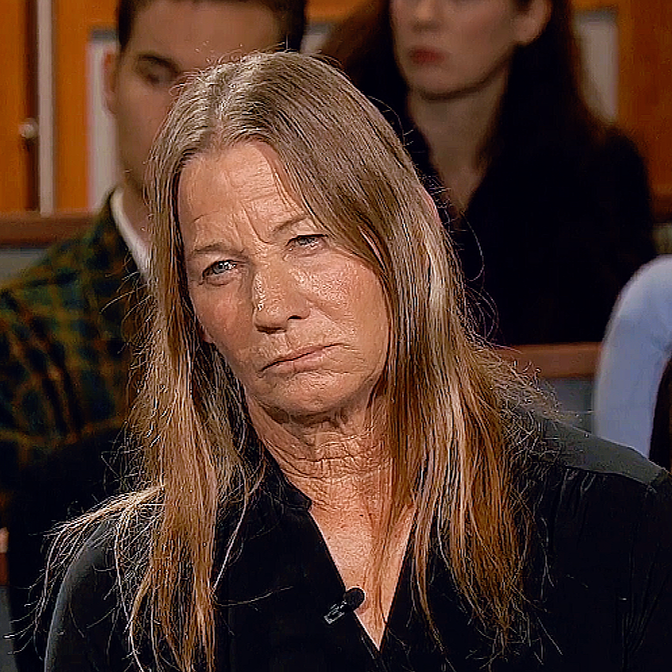
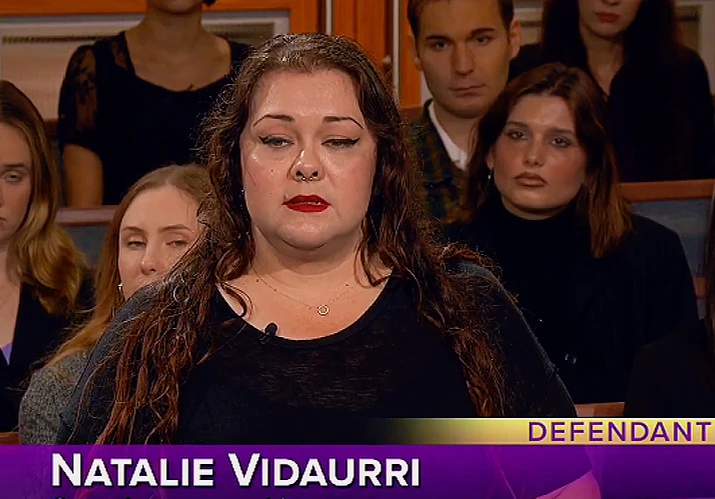
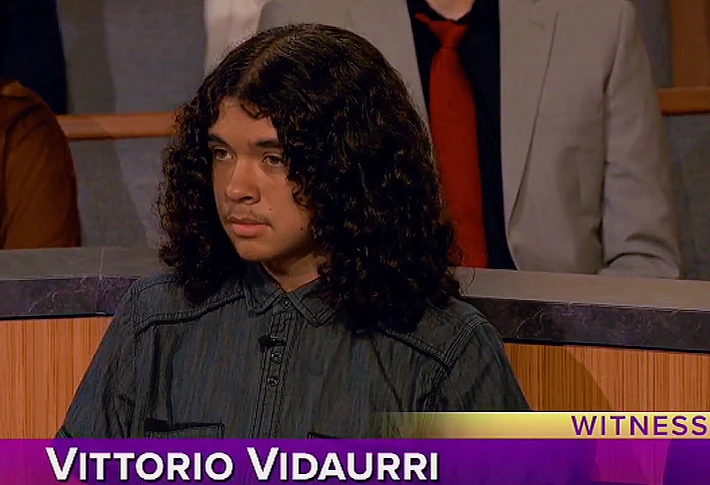
The second case, Rodriguez v. Vidaurri, involved Selma Rodriguez and her former daughter-in-law, Natalie Vidaurri. Rodriguez sued over the cost of a canceled trip to Japan that she had paid for her 14-year-old grandson, Vittorio. Because the cancellation occurred too late for refunds, Rodriguez sought reimbursement for the non-refundable cost.
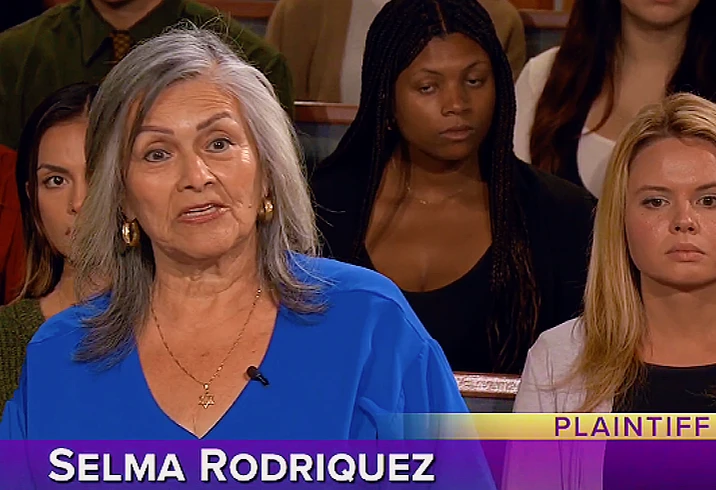
Natalie and her former husband had been married for 13 years and had two children, Vittorio and eight-year-old Mila. Their divorce became final in 2019, and the children split custody between both parents. Natalie acknowledged that Selma maintained a relationship with the children and had traveled with them independently of Natalie and her former husband, including trips with Vittorio to Alaska and Tennessee.
The Japan trip had been discussed in January 2024. Vittorio’s passport had expired, so the family renewed his photograph and information in preparation for the journey. The scheduled departure date was May 28.
The dispute intensified because Natalie was also considering relocating to Montana with her boyfriend, a retired veteran who lived on a pension. She explained that the move was connected to the cost of living in California and said they were seeking to relocate. Natalie maintained that the plans were not simply impulsive: she said they had pre-approval for a home loan and had arranged a schedule for the children.
But the children’s father did not consent to moving them from California to Montana. He testified that Natalie first raised the relocation in December 2023 and that they discussed it more seriously in April. He said he would have been more comfortable if she already had a home and a job in Montana. That had not happened.
The court rejects a last-minute cancellation
Natalie testified that her lawyer told her in April that she should not allow Vittorio to travel to Tokyo. The judge described the resulting cancellation as unnecessary and held Natalie responsible for the trip Rodriguez had paid for but could not refund.
The relocation issue was not formally before the court in that hearing, but it shaped the judge’s reasoning. Judge Sheindlin strongly criticized the idea that one parent could unilaterally take children to another state when they had an ongoing relationship with the other custodial parent. She emphasized that Vittorio, 14, and Mila, eight, had serious ties in California and that their father was entitled to remain a meaningful part of their lives.
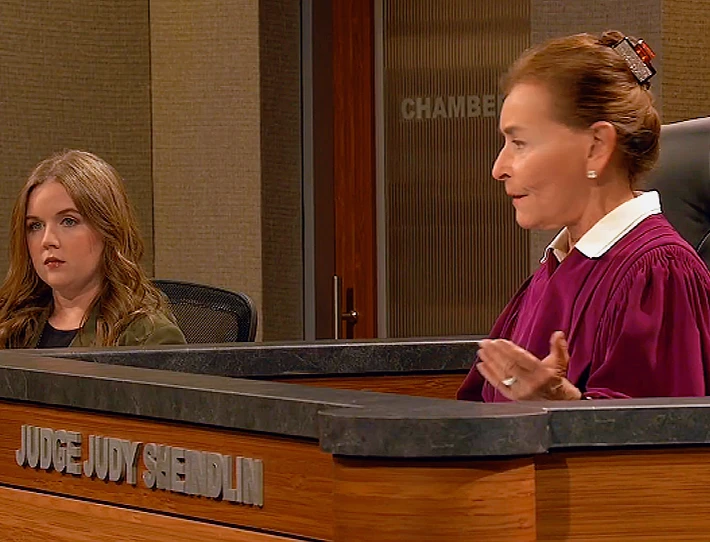
When Natalie argued that the move was supported by a home-loan pre-approval and was not based on a whim, the judge disagreed. The court’s concern was not simply whether Natalie had personal reasons for wanting a different life. It was whether those reasons justified disrupting the children’s established relationships.
Judge Sheindlin entered judgment for Rodriguez in the amount stated in court as “thirty-eight, sixty-five.” She also told Natalie that she had no reason to cancel the Japan trip. The hearing ended with the court adjourned.
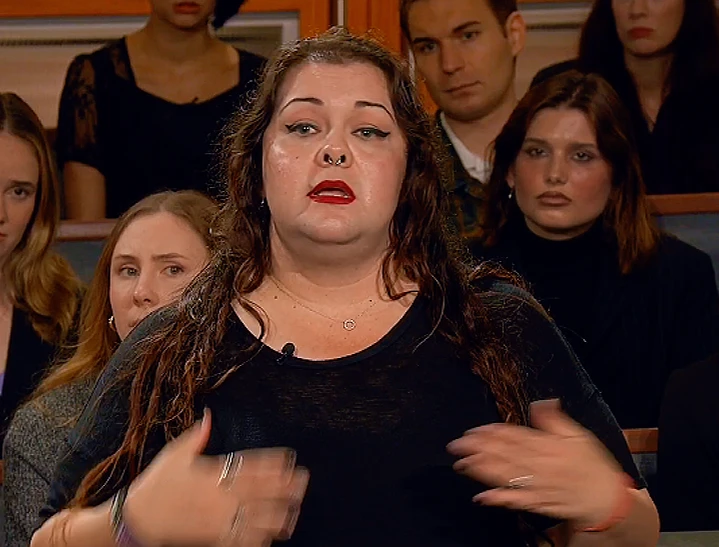
Afterward, Rodriguez said Natalie had sent a message two days before departure stating that Vittorio would not be allowed to go. Natalie argued that the Montana dispute had become entangled with the trip case, while Rodriguez said Natalie had been working to sever her relationship with the children. The closing discussion returned to a central principle: after having children, a parent’s personal preferences cannot automatically come before the children’s interests and their relationship with both parents.
What both cases revealed about responsibility
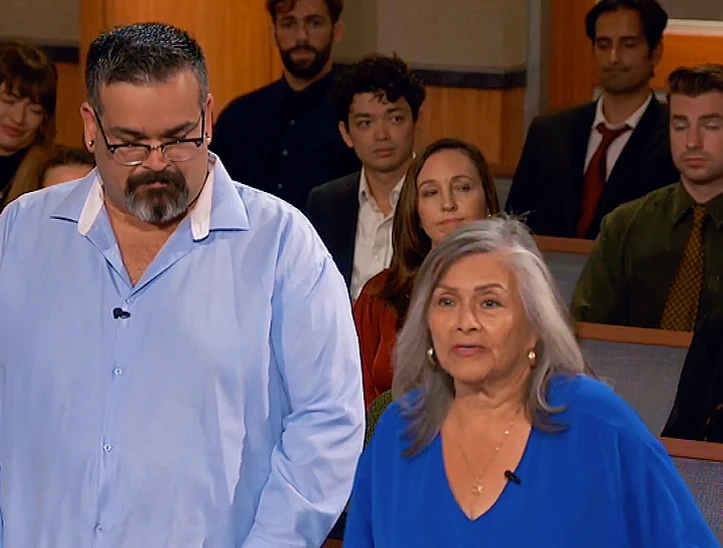
Although the two disputes involved different families, the hearings turned on similar questions. In the first, Michael Welch, Jr. acted on an assumption about an animal’s identity and then resisted paying the consequences. In the second, Natalie Vidaurri made a decision about a child’s travel while a larger custody and relocation conflict was developing.
The testimony showed strained relationships and competing explanations. Yet the court returned to responsibility: know whose property you are dealing with, understand the authority you do—or do not—have, and recognize when a decision affects someone else.
In Ruca’s case, the result was a veterinary judgment and an order to leave the property. In the Japan-trip case, the result was reimbursement for the canceled travel. In both, the court treated avoidable decisions as consequences that could not simply be transferred to someone else.
FAQ
Why did Michael and Perry Butler sue Michael Welch, Jr. and Lisa Welch?
They sued for veterinary bills after Michael Welch, Jr. shot Michael Butler, Jr.’s dog, Ruca, with a BB gun. The court awarded the plaintiffs $4,156.48.
Why was Ruca shot?
Welch said he believed Ruca was one of the dogs that had been entering the property and taking or chasing chickens and ducks. He later acknowledged that he had mistaken Ruca for a similar-looking dog.
Did the Welches own the property?
No. Perry Butler, Sr. testified that he owned the rural property and had owned it for about 20 years. The hearing established that the Welches were being asked to leave.
What was the second lawsuit about?
Selma Rodriguez sued Natalie Vidaurri over the cost of a canceled trip to Japan for Rodriguez’s 14-year-old grandson, Vittorio. The trip became connected to a dispute over travel authorization, custody, and a possible move to Montana.
What did the judge decide in the Japan-trip case?
The judge held Natalie responsible for the non-refundable trip cost and entered judgment for Rodriguez in the amount stated in court as “thirty-eight, sixty-five.”