This episode presents two civil disputes that begin with ordinary acts—a walk through a neighborhood park and financial help between former partners—but end with arrests, counterclaims, and courtroom judgments. At roughly 8:00 p.m., a question about a leash changed the course of one evening. A large dog ran toward another dog in a neighborhood park. One owner reached for a CO2 pistol and kicked the approaching animal back. A 911 call followed, then handcuffs, a night in jail, and a lawsuit that eventually reached Judy Justice. In the same episode, a former couple faced a different kind of reckoning: $3,000 in disputed payments, a police report, and a counterclaim that came under sustained questioning.
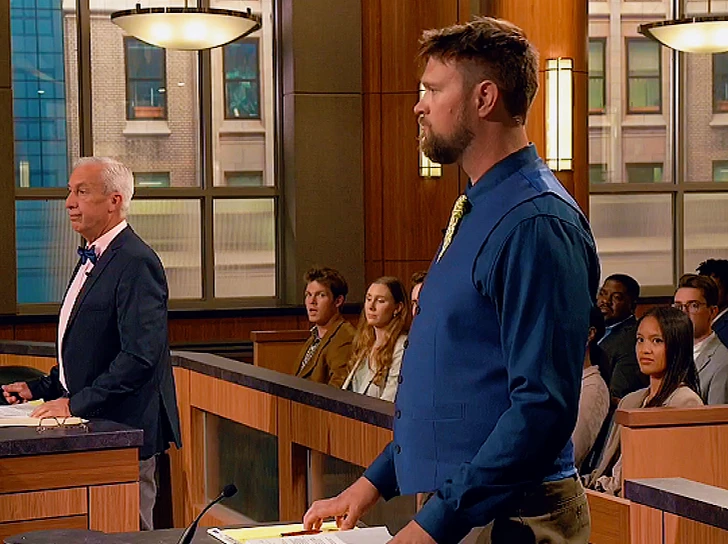
The First Case : The Park Encounter
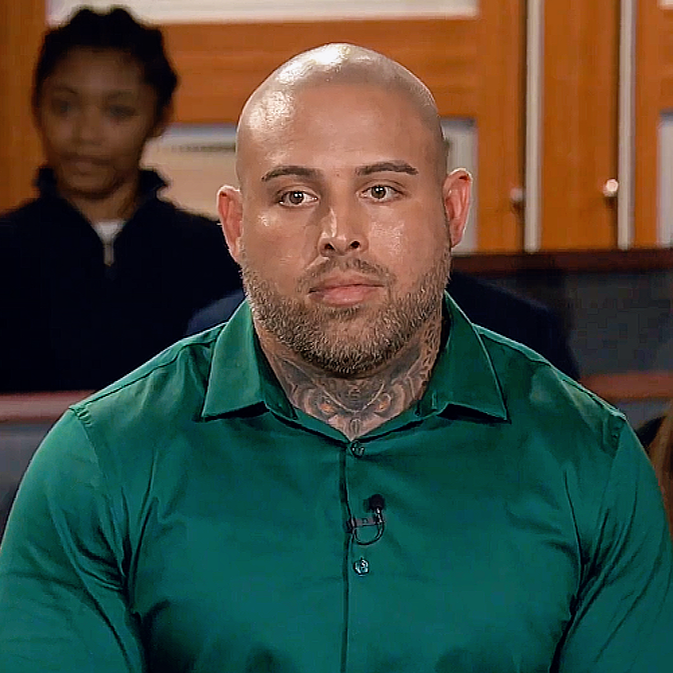
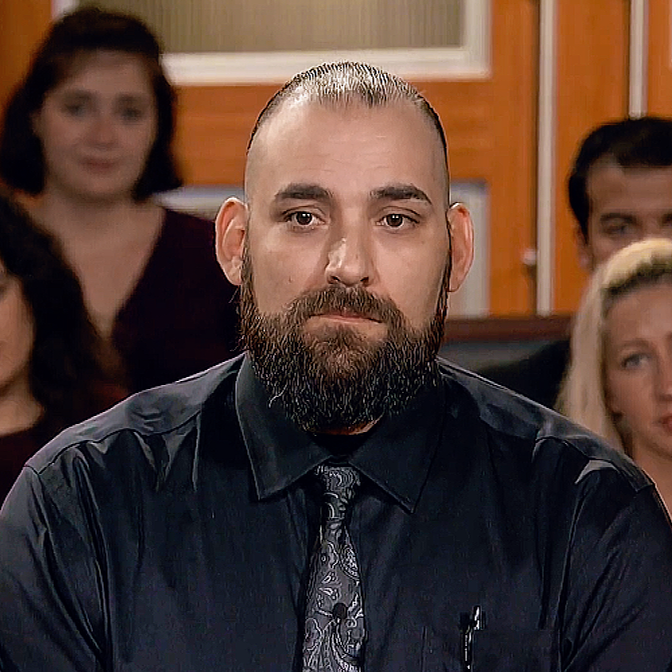
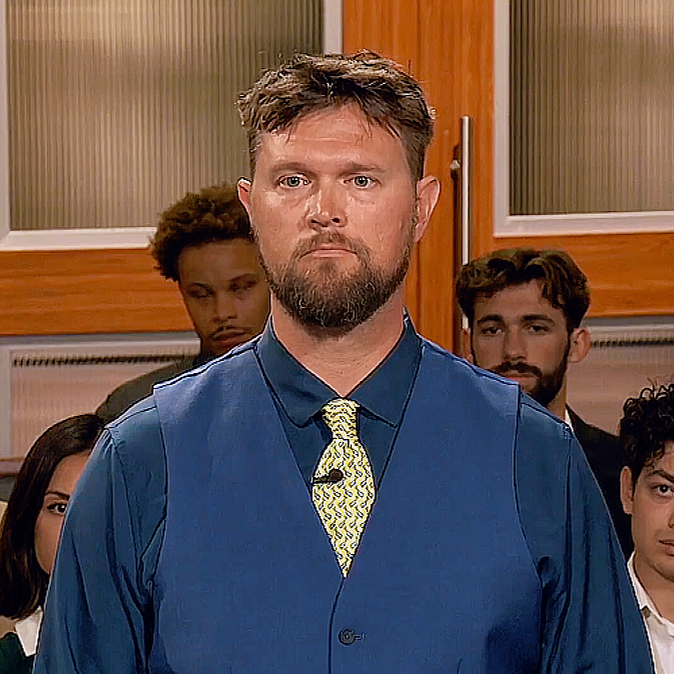
The first dispute, identified in the transcript as Case 4008, Durfey versus Sachs, began at Fazio Farms Park. Jason Durfey told the court that he was walking his own dog on a leash at about 8:00 p.m. Terry Sachs was also at the park with his dog, Rico, a 73-pound German Shepherd–Husky mix. Sachs acknowledged that Rico was off leash, even though the area was not designated as a dog park and the dog should have been leashed.
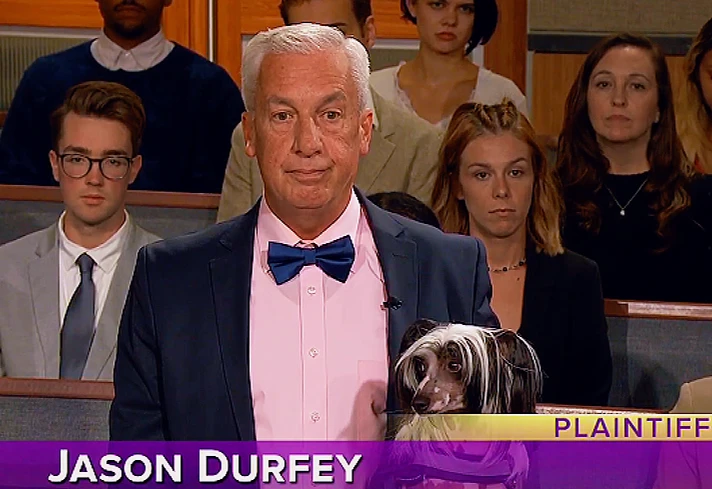
The physical setting mattered. Durfey described entering an area above a playground, with the playground approximately 15 feet below him. He said he saw Rico off leash and called toward Sachs, asking whether the dog was on a leash. Sachs was in the playground area using a drone to help retrieve a neighbor’s rocket from a tree. He said he heard the question and turned around as Rico moved toward Durfey.
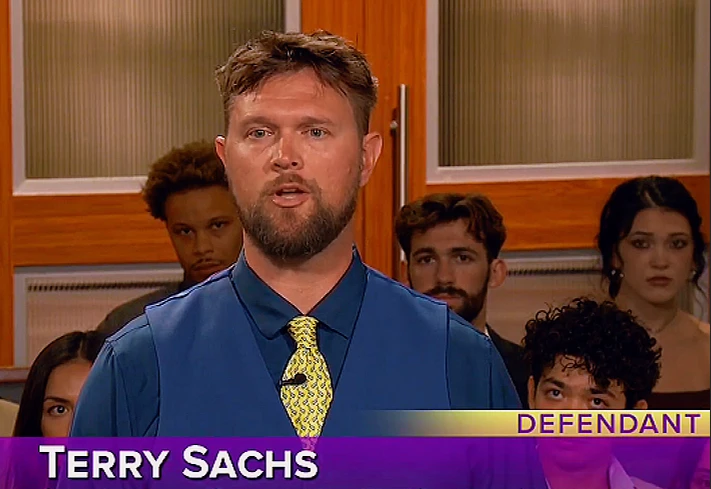
Neither side described the dog in the same way. Sachs emphasized that Rico was friendly and not aggressive. Durfey focused on what he could see in the moment: a large animal running toward him while he was holding his own dog. The judge repeatedly returned to that distinction. A dog may be familiar and gentle to its owner, but an approaching animal can still appear threatening to someone who does not know what will happen next.
How a Leash Dispute Became an Arrest
Durfey’s account was immediate and physical. After he called out, he said, Rico began running toward him and barking at his dog. Durfey picked up his own dog, took out the CO2 pistol he carried for protection, and kicked Rico backward. He said that when he kicked, the dog lunged toward his face. At about that point, Sachs regained control of Rico.
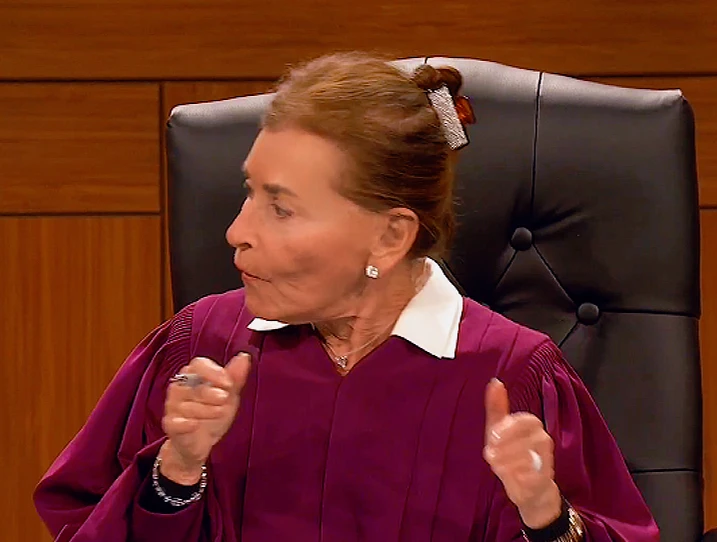
Sachs gave the court a different emphasis. He argued that Durfey pulled out the pistol in response to Sachs’s approach rather than because of Rico’s movement. Judge Judy rejected the idea that the encounter could be reconstructed as if it had unfolded in slow motion. The testimony described a sequence in which a question, a running dog, a defensive reaction, and an owner’s intervention happened almost at once.
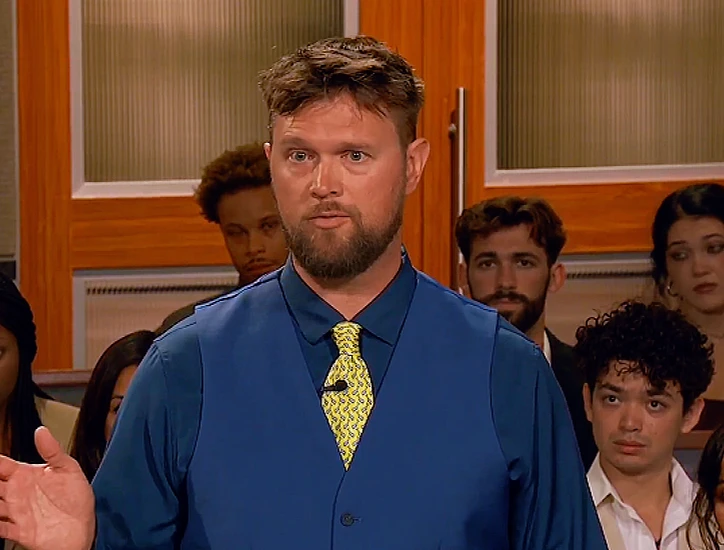
The aftermath was more serious than the original confrontation. Durfey called 911, and Sachs was arrested for aggravated assault with a deadly weapon. During the hearing, Durfey testified that he did not fire the pistol. Sachs spent 24 hours in jail. Durfey said the arrest had been false and sought compensation for his legal expenses and damages.
The hearing also exposed an apparent imbalance in how the incident was handled. Judge Judy noted that Sachs had not received a ticket for allowing his dog to run off leash. Sachs explained that an officer had told him the leash requirement came from a West Valley city ordinance, even though he said the park did not have signage stating that dogs had to be leashed. The judge’s response was direct: the absence of a sign did not change the law described in the proceeding.
The $10,000 Judgment
Durfey produced a legal bill listed in the hearing as $4,980 and sued for $10,000. Sachs, meanwhile, maintained a counterclaim for emotional distress, arguing that the encounter and the arrest-related events had caused him serious harm.
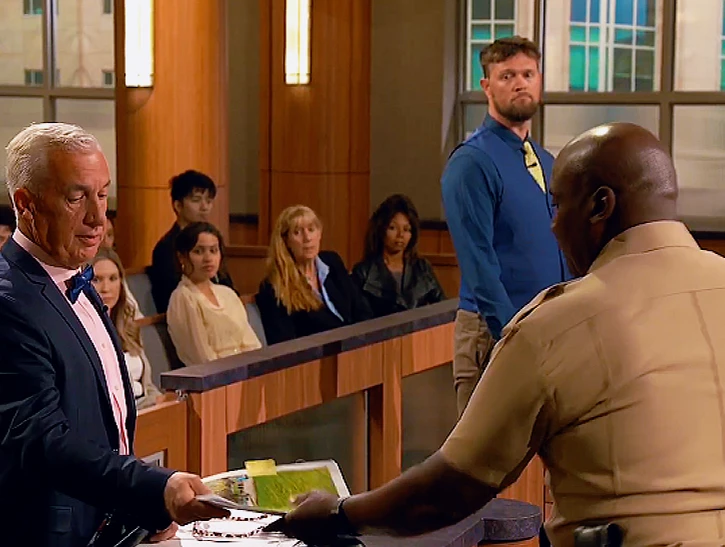
That counterclaim did not persuade the court. Judge Judy framed the central responsibility as belonging to the dog’s owner. Sachs had allowed a large animal—one he knew to be friendly—to be off leash and outside his immediate physical or visual control while he focused on the drone. In the judge’s view, that decision placed Rico in a situation where the dog “almost got shot.”
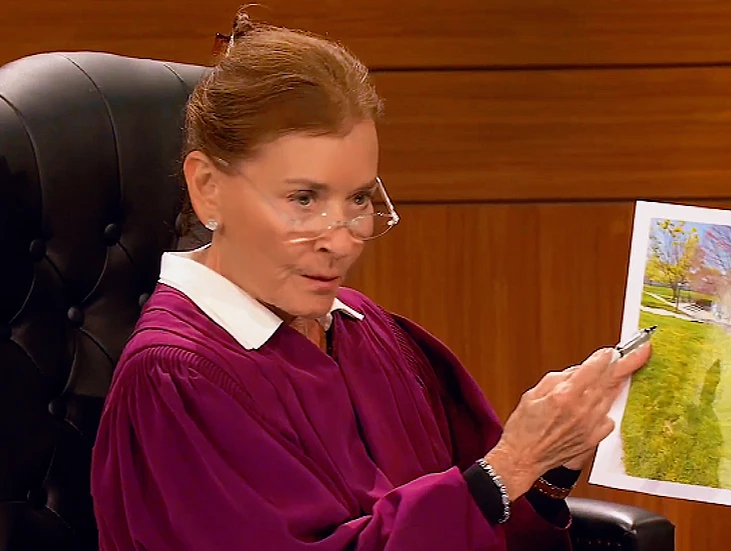
The court entered judgment for Durfey in the amount of $10,000 and dismissed Sachs’s counterclaim. The ruling did not establish that Rico was inherently aggressive. Instead, it centered on the foreseeable fear created when a large, unattended dog runs toward another person or animal, and on the consequences of failing to maintain control.
In a later comment, the incident was described as involving handcuffs and ten officers with guns drawn. The speaker urged dog owners to keep their animals leashed and watch them closely. Judge Judy later explained that her reaction was shaped by personal experience: she had once been knocked down by a large, friendly dog that had run up to her and nearly injured her. Her point was not that every friendly dog intends harm. It was that intent cannot be known by the person facing the animal in that moment.
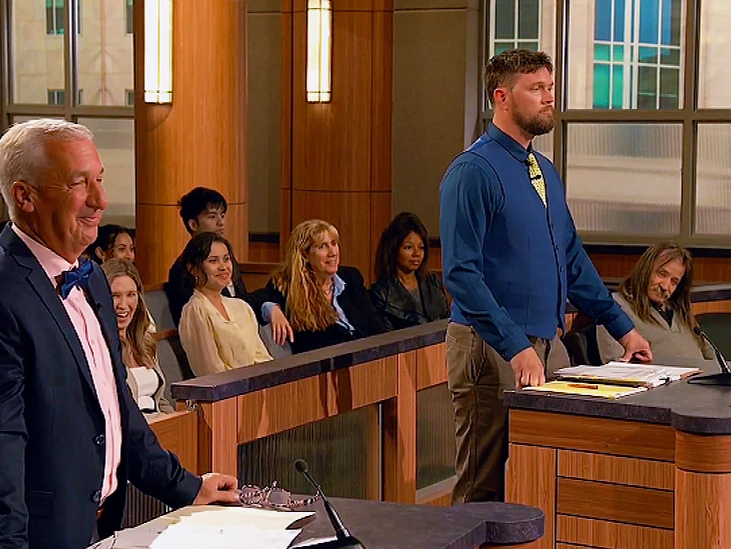
The Second Case : Case About Money and Trust
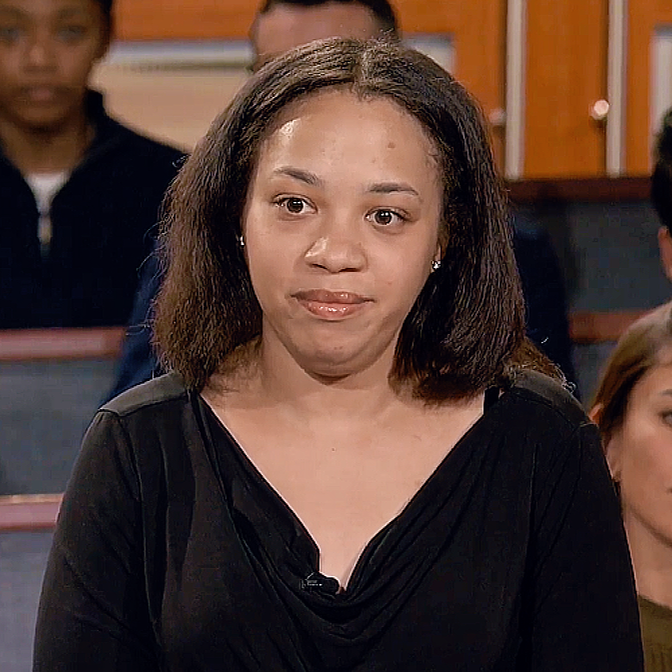
The episode then moved to Case 4001, Wilhelm versus White, a civil dispute involving a former couple. Brandi Wilhelm and Camrie White met on a dating app in 2020, when both were in Michigan. White later moved from Ypsilanti to Columbus, Ohio, for work. The two discussed Wilhelm joining her, and Wilhelm said the plan involved finding a place where they could live together. Wilhelm also told the court that she had a one-year-old child.
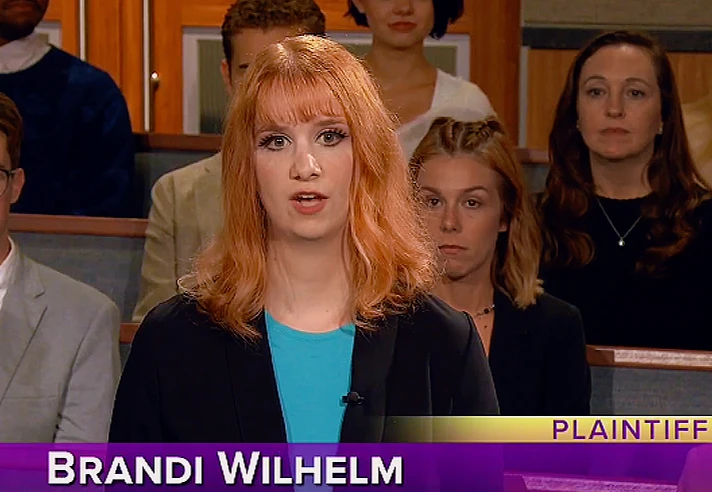
Wilhelm claimed that White owed her $3,000 from two separate payments. The first was $860.48, sent to cover White’s late car payment. White acknowledged that she had not repaid the money and said she had told Wilhelm she would pay her back when she had the money. Under questioning, Judge Judy treated that exchange as evidence that the car payment was a loan.

The second payment was $2,000 connected to a planned B&B or Airbnb stay. Wilhelm said the money was intended to cover White’s share of a place where the two women could live for approximately three months while Wilhelm worked. White said the money went toward the Airbnb, but Wilhelm never came. The women never lived together, and the intended arrangement did not unfold as planned.
The relationship dispute widened when White filed a counterclaim for $5,000, alleging that Wilhelm had made a false police report and harassed her. The hearing focused on a report describing an alleged threat to beat someone up. The dispute also involved Wilhelm telling White’s father that White owed her money. White said her father subsequently stopped paying the insurance on her car.
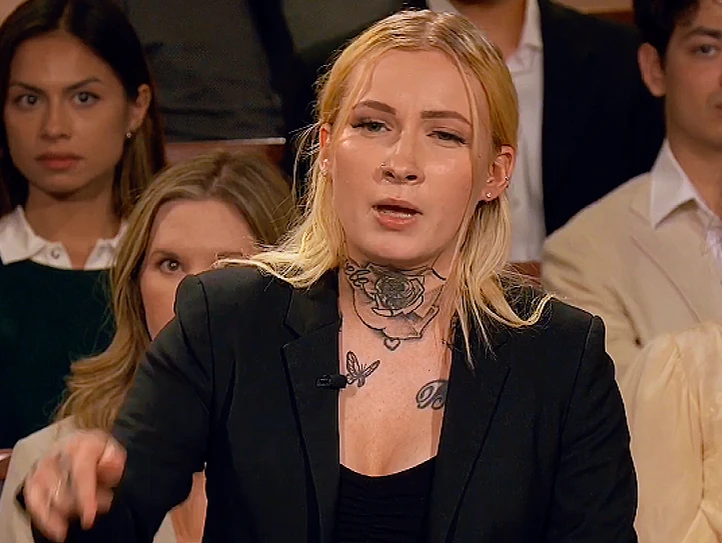
White argued that the $2,000 was not a loan because she had offered to pay half of the accommodation in exchange for Wilhelm coming to stay. Judge Judy did not accept that explanation as a reason to keep the money after the shared living arrangement never occurred. The judge dismissed White’s counterclaim for the alleged false report and harassment.
The judge entered judgment for Wilhelm in the amount of $2,860.28—the two disputed amounts together—and dismissed White’s counterclaim. The final exchange underscored the court’s view that Wilhelm was permitted to tell White’s father that White owed her money.
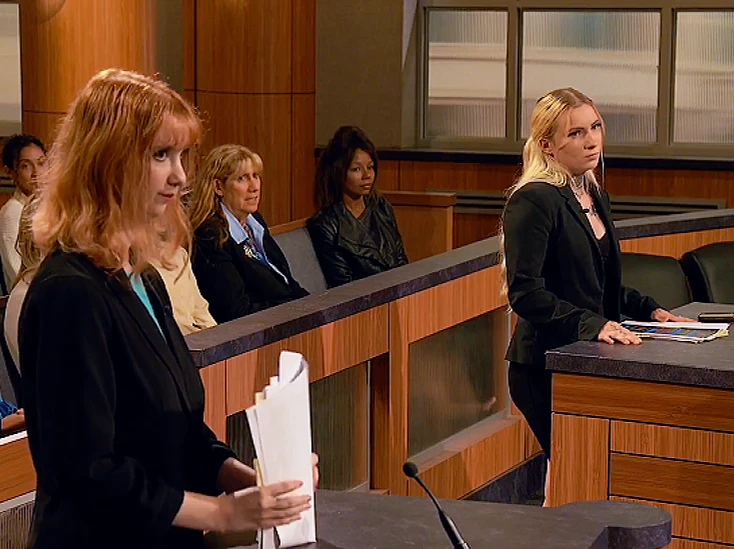
The Court’s Final Lessons
The two cases were different, but both turned on responsibility after an informal arrangement went wrong. In the park dispute, the question was not simply whether Rico was a good dog. It was whether Sachs had maintained control of a large animal in a public space and whether the consequences of that lapse could be shifted onto the person who reacted to it.
In the loan dispute, the question was not simply whether the former partners had once trusted each other. It was whether the payments functioned as loans, whether the expected living arrangement occurred, and whether the counterclaim was supported by evidence rather than frustration.
Judge Judy’s closing advice in the second case was practical: people who come to court should be clear-headed, clear-eyed, and clear-thinking—especially when they carry the burden of proving a claim. In both matters, the court separated personal explanations from the specific facts that could support a judgment.
FAQ
What happened in Judy Justice Case 4008?
Jason Durfey sued Terry Sachs after an off-leash dog encounter led to Durfey’s arrest-related legal expenses. The court awarded Durfey $10,000 and dismissed Sachs’s emotional-distress counterclaim.
Why was Terry Sachs arrested?
According to the hearing, Sachs was arrested for aggravated assault with a deadly weapon after Durfey displayed a CO2 or air pistol during the confrontation. Sachs spent 24 hours in jail, and the transcript states that Durfey did not fire the pistol.
Was Terry Sachs’s dog aggressive?
The transcript does not establish that Rico was inherently aggressive. Sachs described the dog as friendly. The court focused instead on the risk and fear created when a large dog was off leash and ran toward another dog and its owner.
How much money did Brandi Wilhelm win?
In Case 4001, the court awarded Brandi Wilhelm $2,860.28 for the two disputed payments and dismissed Camrie White’s counterclaim.
What were the two payments in the Wilhelm case?
The first was $860.48 for a car payment. The second was $2,000 connected to an intended B&B or Airbnb arrangement for the former couple.