
In Judge Judy’s courtroom, a breakup arrived as a list of objects: washcloths, lamps, end tables, a bed, and a $300 Walmart gift card. Behind that list was a serious question. Cassidy Walker and Leo Fulkerson had once shared a home and joint guardianship of Cassidy’s 16-year-old brother, Dakota. Now they were disputing not only what had been taken, but who was responsible for the public money meant to support him.
A relationship that began at a nursing facility
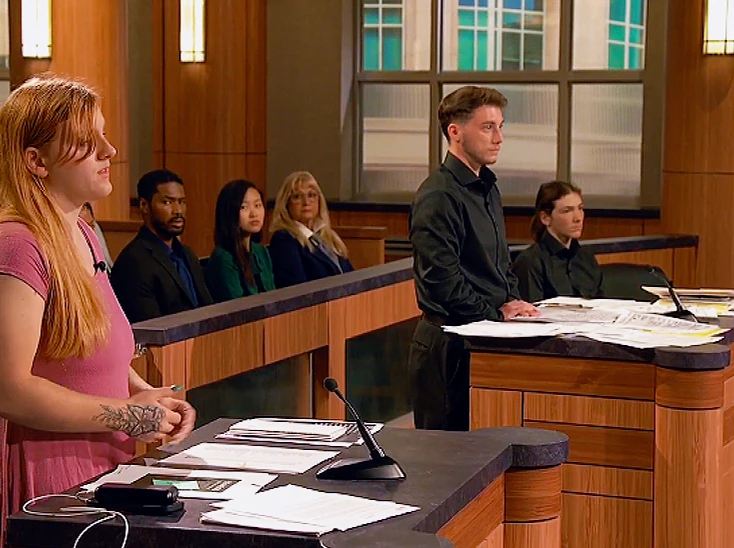
The case, identified in court as Walker v. Fulkerson, grew out of a relationship that began while Cassidy Walker and Leo Fulkerson were working at the same nursing facility. In December 2022, Leo moved into Cassidy’s leased apartment. Cassidy told the court that the lease was expected to continue until approximately March 2023.

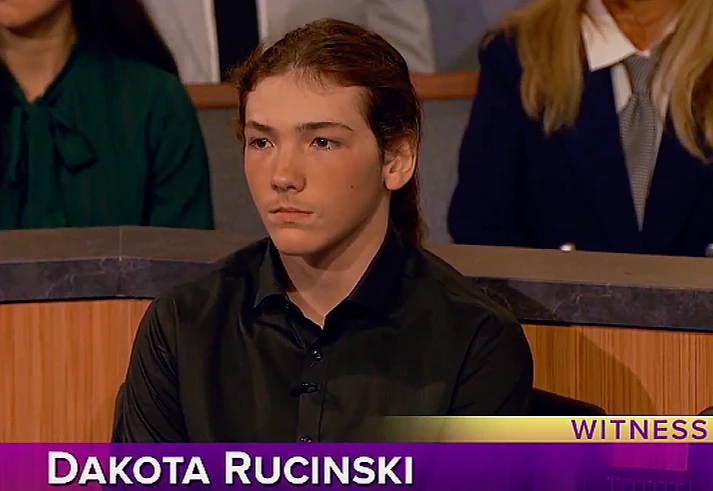
At the time, Cassidy’s younger brother Dakota was staying in a foster home in Nekoosa and visiting on weekends. Cassidy said her parents were not in the picture. In February 2023, she obtained guardianship of Dakota, and the papers discussed in court showed that Cassidy and Leo had been granted joint guardianship of the minor. That arrangement connected the couple through both a shared home and responsibility for a teenager whose living arrangements and public assistance would later become central to the case.
The February 2024 breakup and the disputed $2,445
The relationship began to unravel in February 2024. Cassidy told Judge Judy that she discovered $2,445 had been taken from one of her accounts after Leo accessed her phone without permission. Cassidy said she ended the relationship and briefly stayed with a family friend in Stevens Point.

Cassidy clarified that she stayed with the friend for only a couple of nights before returning because of Dakota. After that, she and Leo resumed living together as a couple and took a trip in April. Cassidy said Leo told her the money had been placed in his savings account for the trip, then claimed she owed him $2,000 because his account had gone negative. She separately described visiting her father for the month of July. Judge Judy treated the account dispute as a private relationship matter rather than an issue for this ruling.

A property list that tested the court’s patience
Cassidy said Leo left with kitchen and laundry supplies, cutting boards, lamps, end tables, a tool set, a cube organizer, cat-related supplies, bedding, whiteboards, a shower curtain, tapestries, a medication lock box, framed skateboarding décor, and a $300 Walmart gift card.
Judge Judy repeatedly asked for proof of ownership. She moved past the ordinary household items, then requested photographs and receipts for the lamps. Leo acknowledged taking a small black lamp from Dakota’s bedroom, but Cassidy did not have the receipt. Cassidy also said she bought the end tables, yet the court found no invoice proving who had paid for them. Both claims were left without the documentation the judge wanted.

The apartment had three bedrooms and a kitchen. Leo left Cassidy the shared bed, the couch, and a dresser. He took Dakota’s bed, cube organizer, gaming items, and clothing; Cassidy sold the bunk bed. Leo said he moved about 20 minutes away to remain in Dakota’s school district, while Cassidy said Dakota moved between both homes.

The guardianship money becomes the central issue
The case changed direction when the court examined Dakota’s government assistance. The SRT states he received $375 per month after leaving foster care and entering joint guardianship with Cassidy and Leo. Cassidy acknowledged depositing the money into her bank account and spending it on Dakota or household needs.
Judge Judy focused on where Dakota lived. Cassidy agreed that he stayed with Leo during the school week, five days a week, although she said he moved between both homes. When asked directly whether she had kept the $375 payment since July, Cassidy explained how she had used it. The judge pressed for a yes-or-no answer, highlighting the difference between holding the money and being the person responsible for Dakota’s daily care.

The judge calculated three months of payments—July, August, and September—at $375 each. The total was $1,125. In Judge Judy’s view, those funds should have followed the person providing Dakota’s day-to-day care, rather than remaining in the account of a guardian with whom Dakota did not primarily reside.
Judge Judy’s ruling
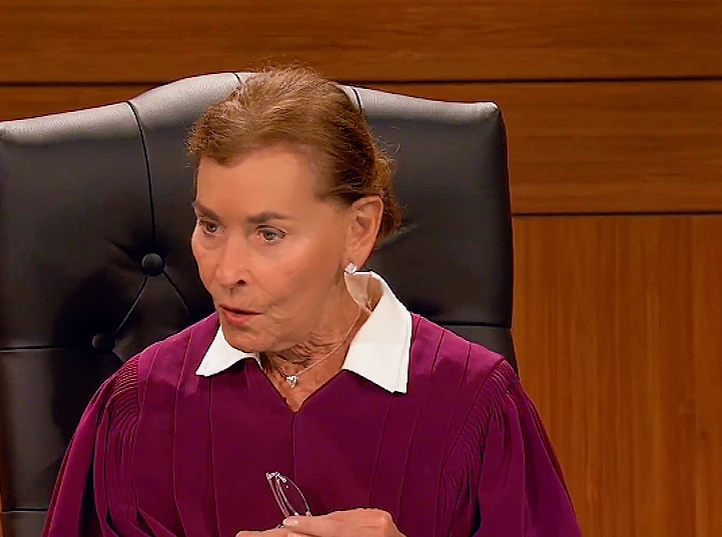
Judge Judy dismissed Cassidy Walker’s claim against Leo. The court did not award her money for the alleged account withdrawal or the disputed household belongings. The transcript makes clear that the dismissal was based on the evidentiary and relationship context presented at the hearing; it does not establish that every item Cassidy named was imaginary, nor does it constitute a criminal finding against Leo.
Leo’s counterclaim, however, succeeded. Judge Judy awarded him $1,125, representing the three months of Dakota’s assistance that Cassidy had retained while Dakota was living with Leo during the school week.
The judge also strongly urged Leo to return to family court with Dakota and seek removal of Cassidy’s name from the guardianship paperwork if Dakota chose to live with him and the family court found that arrangement to be in Dakota’s best interest. Judge Judy further explained that, if Dakota remained with Leo, future checks should be issued in Leo’s name so the money could be used for the purpose intended: supporting Dakota.

At 16, the judge said, Dakota’s wishes would likely carry significant weight unless there were an overriding reason for the court to disregard them. That observation was guidance about a possible family-court process, not a replacement for one.
What happened after the decision
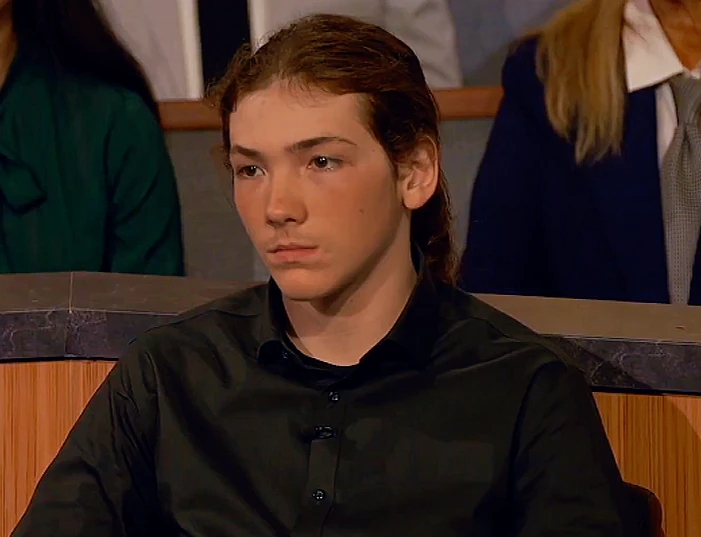
After the ruling, Cassidy said Leo had been abusive and controlling and had tried to prevent her from working when she wanted to leave. Leo denied that abuse occurred in the home and argued that Dakota would not have chosen to live with him if Cassidy’s allegations were true. The judge made no finding on those post-hearing allegations in the SRT, so they remain competing statements rather than established facts.
Cassidy said she would seek another court review of the guardianship paperwork. The closing discussion emphasized how slowly benefit arrangements can change and noted that Dakota could be 18 before the process was resolved. The limited financial outcome connected to Dakota was the $1,125 award on Leo’s counterclaim, representing three months of support.

This was not a criminal trial. It was a civil dispute shaped by a breakup, guardianship, property, and responsibility for Dakota’s daily support. The judge ruled on public funds with an intended recipient.
FAQ
Did Judge Judy find Leo Fulkerson guilty of stealing?
No. The SRT presents a civil case, not a criminal prosecution. Cassidy claimed Leo took money and belongings, but Judge Judy dismissed her claim. The transcript does not report a criminal conviction or a finding of criminal theft.
How much money did Leo receive in the ruling?
Judge Judy awarded Leo Fulkerson $1,125 on his counterclaim. The amount represented three months of Dakota’s $375 monthly government assistance.
Why was Cassidy Walker’s claim dismissed?
The judge found that the account dispute was connected to the couple’s shared life and trip, while the property claims lacked sufficient proof of ownership in the hearing. The court did not award Cassidy damages for the alleged $2,445 withdrawal or the listed household items.
Who is Dakota in the case?
Dakota is Cassidy Walker’s younger brother. He was 16 at the hearing, had previously been in foster care in Nekoosa, and was under the joint guardianship of Cassidy and Leo according to the testimony and court papers discussed in the SRT.
What did Judge Judy tell Leo to do next?
She urged Leo to return to family court with Dakota and seek removal of Cassidy’s name as guardian if Dakota wanted to live with Leo and the court determined that doing so was in Dakota’s best interest.