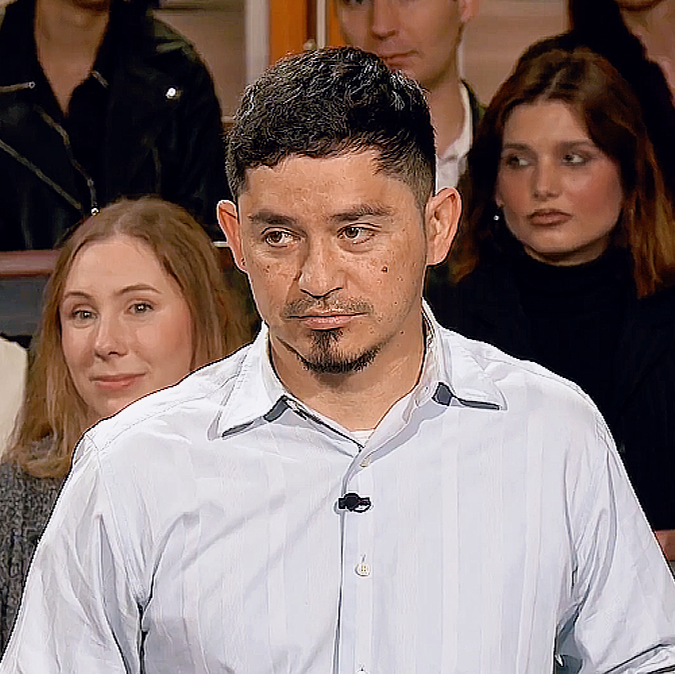
On March 18, Robin Bragg said two men walked into her Jacksonville shop together. One, Andrew Deal, had scratches and a bloodshot eye, she testified. The other—Deal’s friend—had, according to Bragg, brought a gun in a box and described seeing spirits on Deal the night before. Deal later said he knew nothing about any gun and that the scratches came from bickering and fighting with his friend. That disputed meeting became the hinge of an $806.25 courtroom battle over cleansing services, a refund, and a credit-card reversal.
The ruling did not purport to decide whether spiritual cleansing is real. It addressed a narrower question: whether Deal had authorized an arrangement that included work at his friend’s home, and whether he could reverse the charges after those services were performed. The court found for Bragg.
An Unusual Service, a Familiar Legal Question
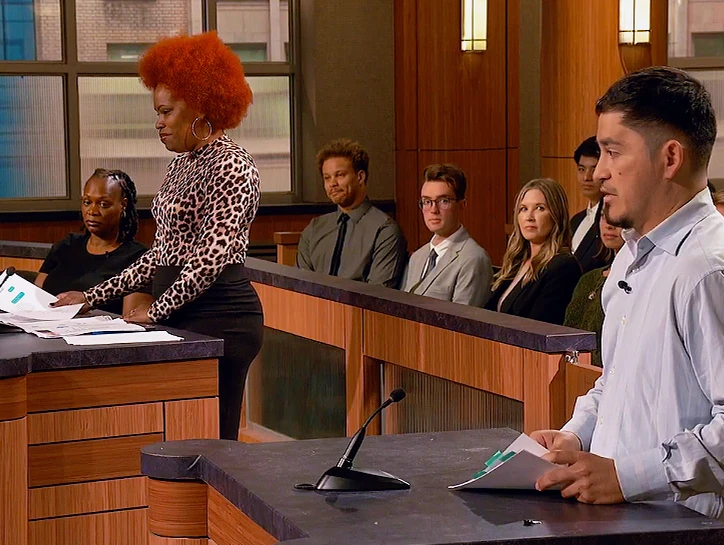
It concerns a spiritual healer who alleged that a former client refused to pay for house-cleansing services and fraudulently reversed the charges.
Bragg sued Deal for unpaid services, lost wages, and fraud after his credit-card dispute removed money from her account. At its core, the hearing asked what Deal had authorized and whether the chargeback could stand.
How Robin Bragg and Andrew Deal Connected
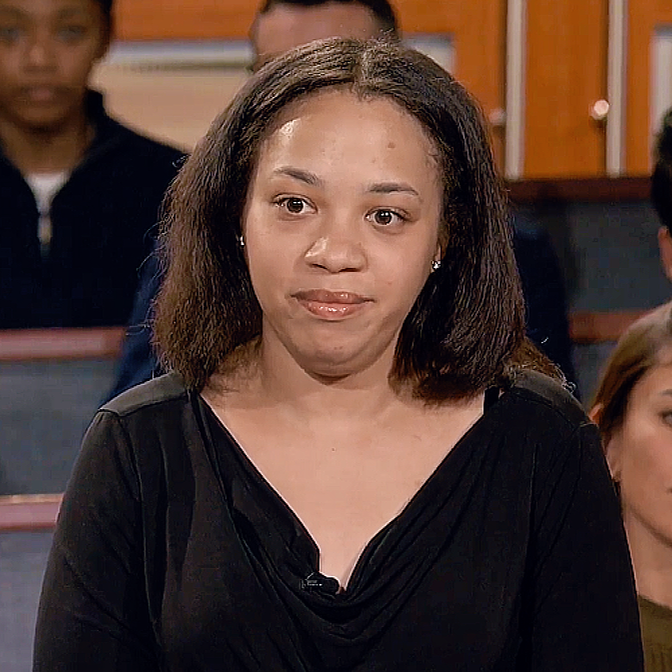
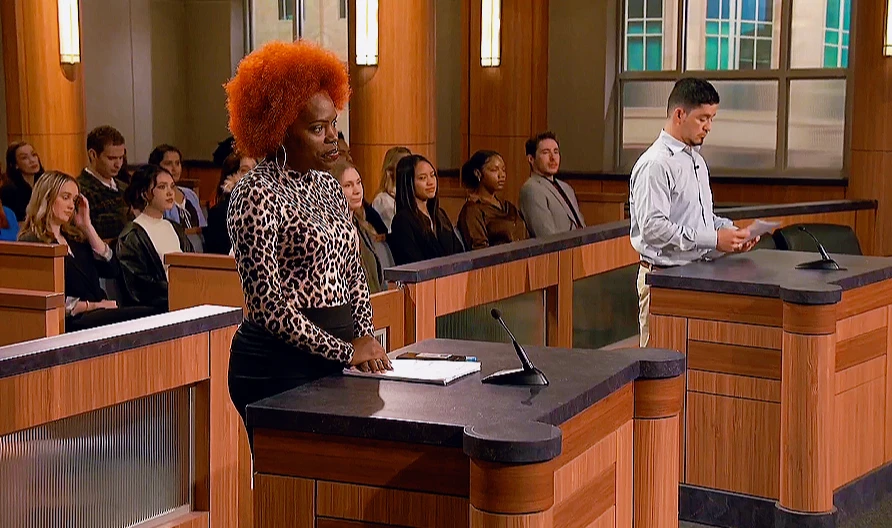
Bragg described herself as the owner of a metaphysical and organic shop in Jacksonville, Florida. She said the business sold teas, tonics, and tinctures and also offered spiritual-healing services, including Reiki. She told the court that she had operated the brick-and-mortar shop for two years after previously making in-home visits.

Deal said he began as a customer of the shop. He purchased teas, a cough-type preparation, a blend for congestion, and drink-like products that he said tasted good. He also said he did not continue using the teas and still had them at home. Even so, he kept returning to Bragg’s store.
Why a House Cleansing Was Discussed
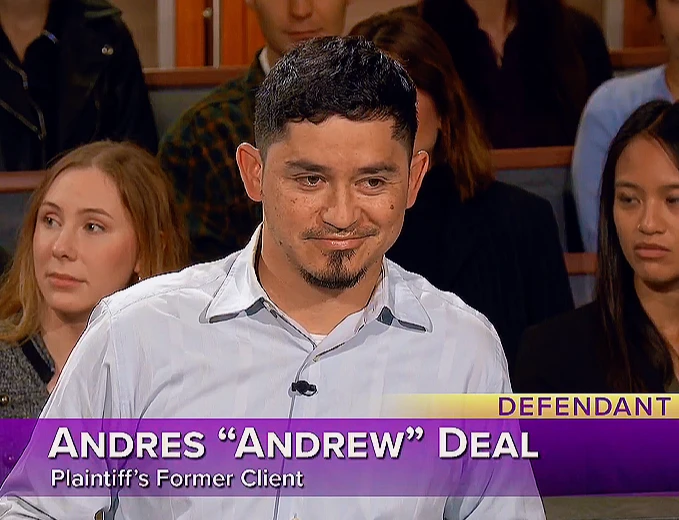
Deal testified that he began considering a cleansing because of unsettling experiences at his residence. He said someone had died there before he moved in and described occasional noises he could not explain, including sounds he initially associated with an owl that he could not locate. He acknowledged that the explanation could sound “cuckoo,” but said the experiences prompted a conversation with Bragg.
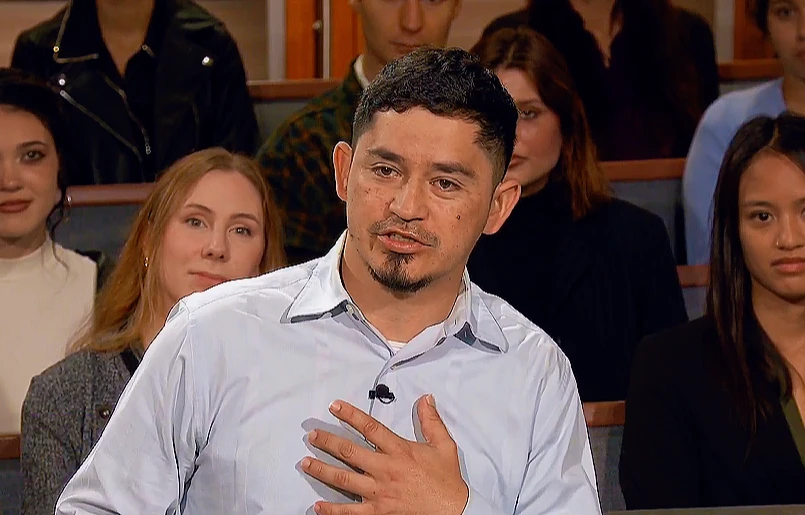
That conversation occurred in early March, according to Deal. He said Bragg gave him a price, he provided his credit-card information at her shop, and an appointment was initially set for roughly two to four days later. The price stated in the hearing was $806.
Deal said he reconsidered before Bragg came to his house. He said he “came to [his] senses,” concluded he did not need the cleansing, and believed the teas had not worked. Bragg agreed that she never performed a cleansing at Deal’s residence. The dispute was whether the arrangement ended there—or whether the payment also covered related work involving Deal’s friend.
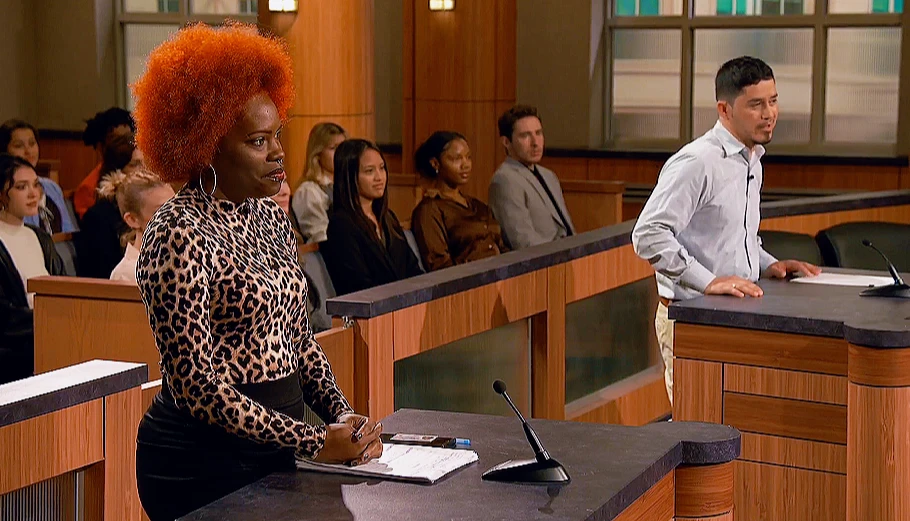
The Friend’s Visit and the Disputed Scope of Work
The case changed direction when Bragg described a March 18 visit involving Deal and his friend. Bragg testified that the friend arrived with a gun in a box, while Deal had visible scratches and a bloodshot eye. She said the friend told her he had seen spirits on Deal after they had been in bed and had said, “I was gonna kill him.” Bragg explained that she first focused on the friend’s home because, in her view, he was the person showing the most obvious signs of a mental episode.
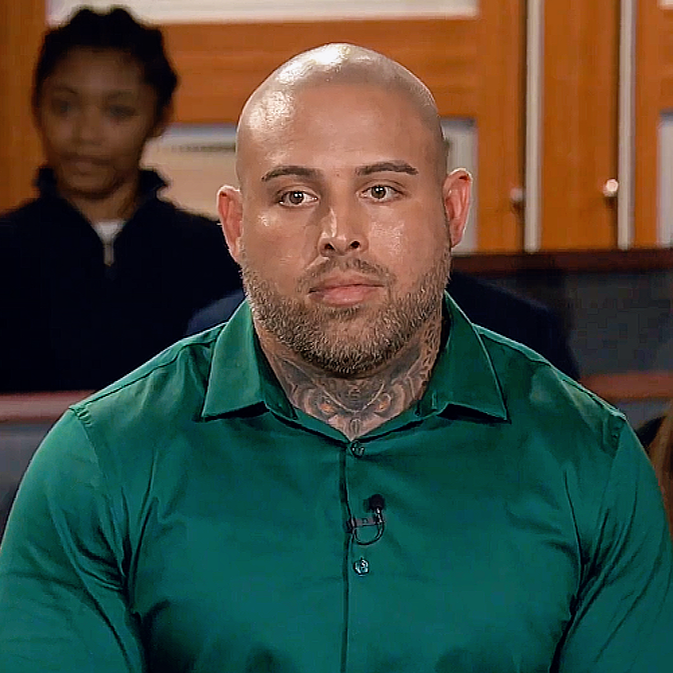
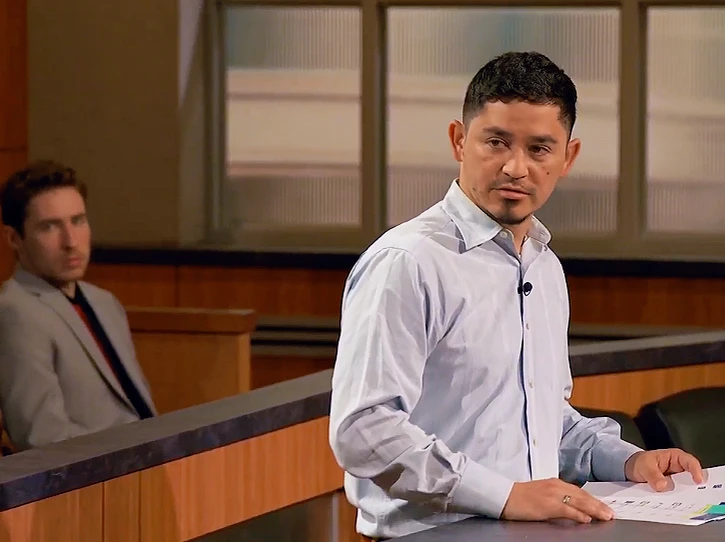
Deal disputed key parts of that account. He acknowledged that he and the friend came to Bragg’s location together and that he had scratches after what he described as bickering and fighting with the friend. But he said he did not know about a gun in a box and was hearing that part of Bragg’s account for the first time in court.
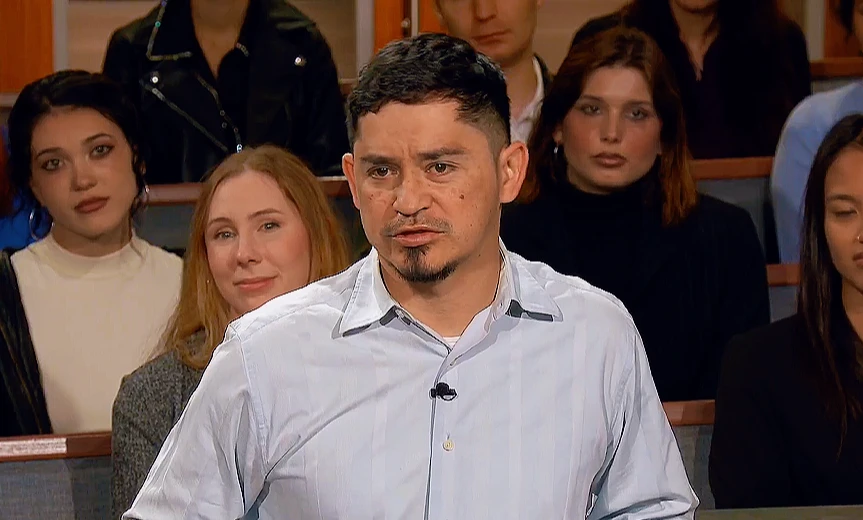
Bragg said she consulted with the friend and then performed a house cleansing and a removal-and-protection service for him at the friend’s residence. She said she sent Deal a preview invoice during the consultation, and she relied on his reply and the text-message history to argue that he was coordinating the arrangements. A text read into the record indicated that Deal would be at work while the friend would be ready, and that Bragg might later be taken to Deal’s own place.
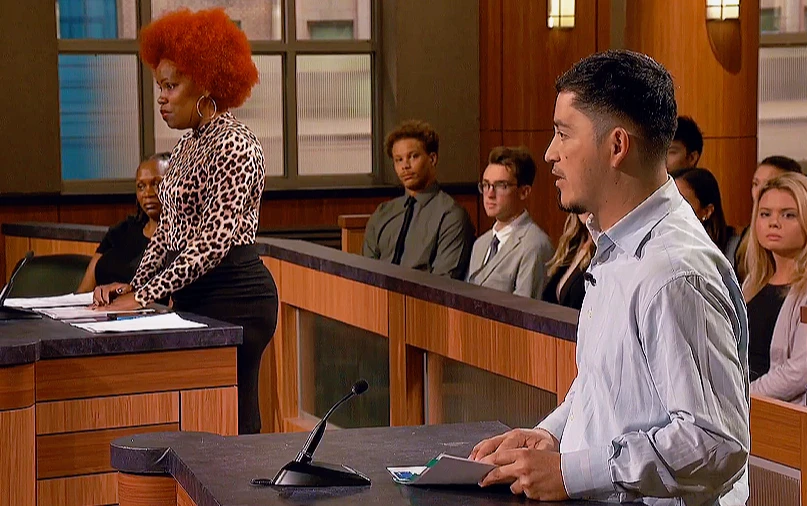
Deal said he believed he was paying only for his own service—not his friend’s—and that he did not know the friend’s work was being folded into the charge. That was the central divide: Bragg described a shared arrangement; Deal described a charge for work he had not authorized.
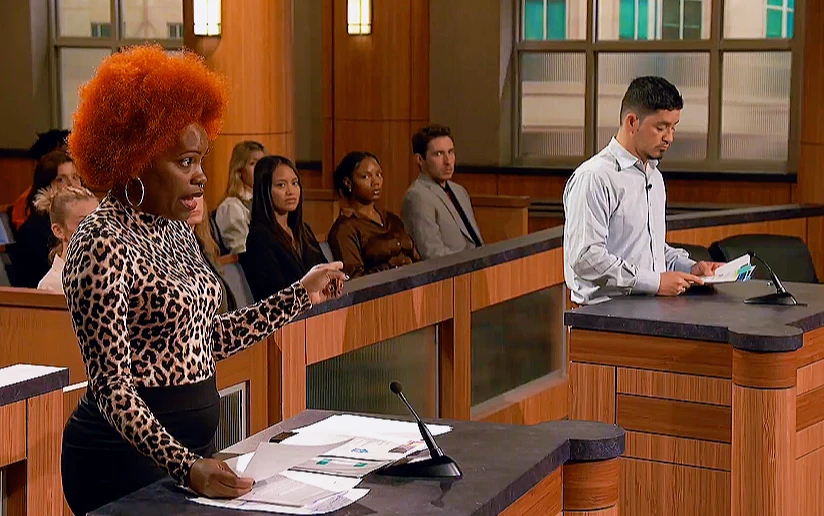
From Partial Refund to Full Chargeback
The numbers in the hearing were not presented in one neat ledger, but the central sequence was clear. Bragg said that after Deal canceled his own service, she made an exception to her return policy and initially refunded $295.62. She then said Deal obtained a chargeback of $510.63, which she characterized as an attempt to recover the full amount even though a partial refund had already been issued.
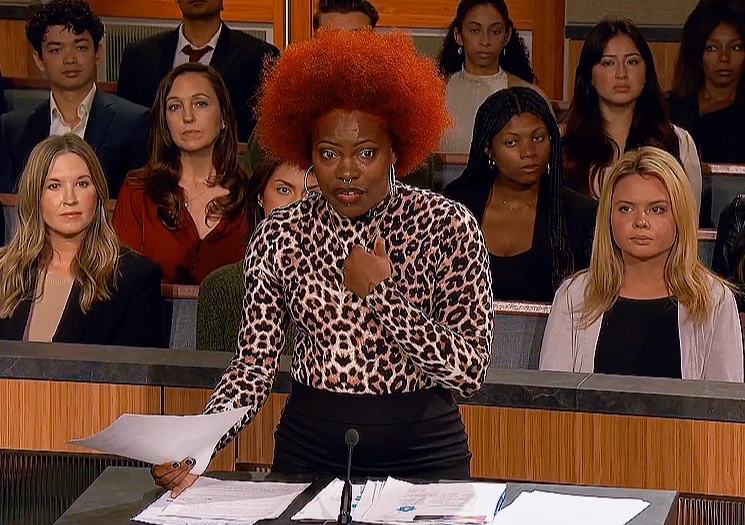
Deal agreed that he first received the $295.62 refund and said he then contacted his card company. He testified that the rest of the money was ultimately returned to him, leaving the entire charge reversed. In the courtroom exchange, the final disputed total was described as $806.25.
Bragg characterized the reversal as fraud. Deal characterized it as getting his money back after a service he did not want and, he said, had not authorized for his friend.
What the Court Chose to Credit
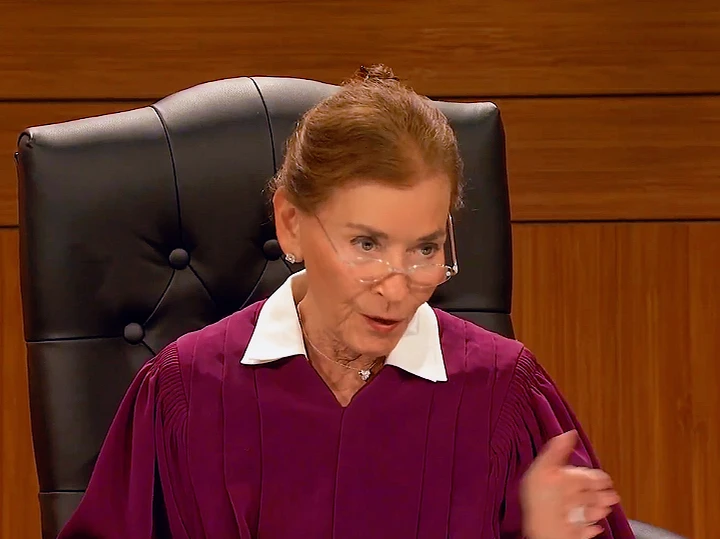
Judge Judy did not turn the hearing into a referendum on spiritual practices. Bragg’s descriptions of Reiki, crystals, inherited family practice, and ayahuasca prompted questions, but the ruling focused on the transaction and on Deal’s credibility.
The invoice and text-message history mattered. After the court heard the message about the friend being ready for Bragg and the possibility of a later visit to Deal’s home, Judge Judy told Deal that the exchange made it clear the two men were doing something together. Deal continued to deny knowing about the incident Bragg described involving the gun, but he confirmed that he had met with Bragg and his friend that afternoon.
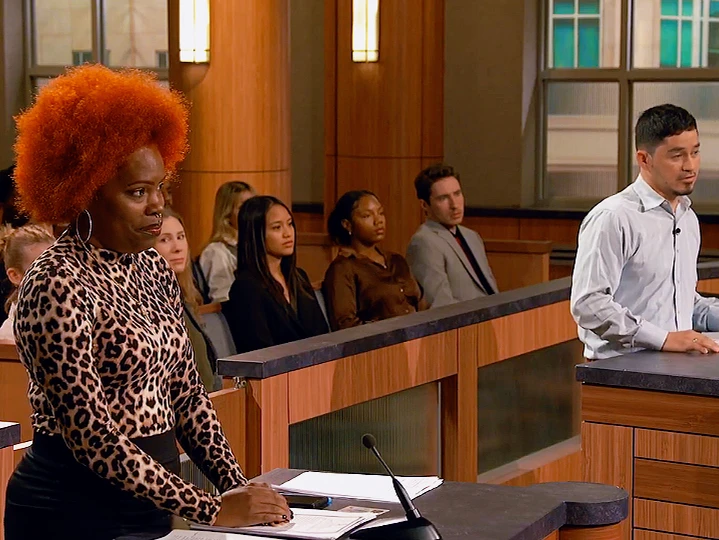
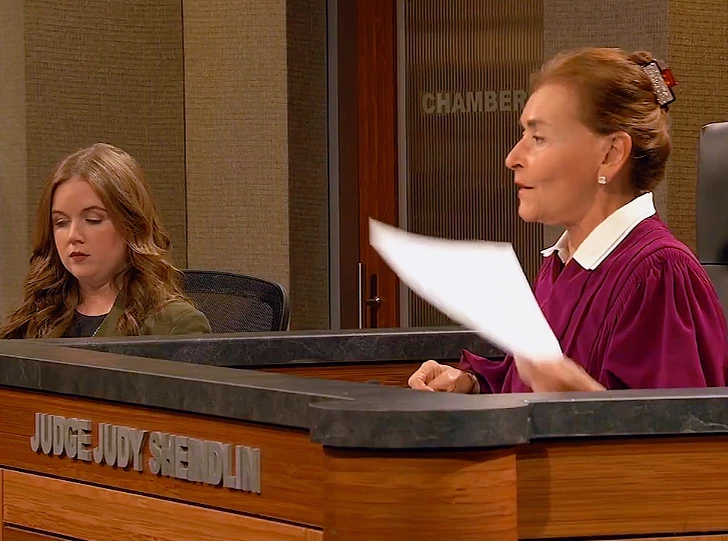
The judge ultimately stated that there was “no question” in her mind that Bragg had earned the money and that Deal was not being “100% honest” with the court. That conclusion resolved the core payment dispute in Bragg’s favor.
The $806.25 Judgment and Its Limits
Judge Judy entered judgment for Bragg in the amount of $806.25. She instructed Bragg to send a copy of the judgment to the credit-card company, explaining that the court had found in her favor and returned the money that had been reversed.
The transcript does not state a separate award for Bragg’s additional requests involving lost wages, punitive damages, or emotional distress. Bragg told the court that the chargeback had harmed her business’s ability to obtain hardware on credit. The judge asked whether she had proof, then confined the stated judgment to $806.25.

Afterward, Deal said he felt Bragg had been making things up. Bragg said she was happy the judge had seen through what she viewed as his lies. Those reactions underscore an important limit of the ruling: it settled this civil payment dispute. It did not erase the parties’ sharply different interpretations of how the arrangement unfolded.
Why the Case Is About More Than Belief
“Spiritual Decluttering” is easy to reduce to its most unusual details. The record includes talk of spirits, protection rituals, and a house cleansing. Yet Judge Judy’s stated finding was narrower: Bragg had earned the money, and Deal was not being “100% honest” with the court.
Clear terms, itemized invoices, and direct communication become especially important when services are personal, unconventional, or delivered across several people and locations. In this case, Judge Judy found that the messages and testimony favored Bragg. The result was $806.25—a court judgment about payment.