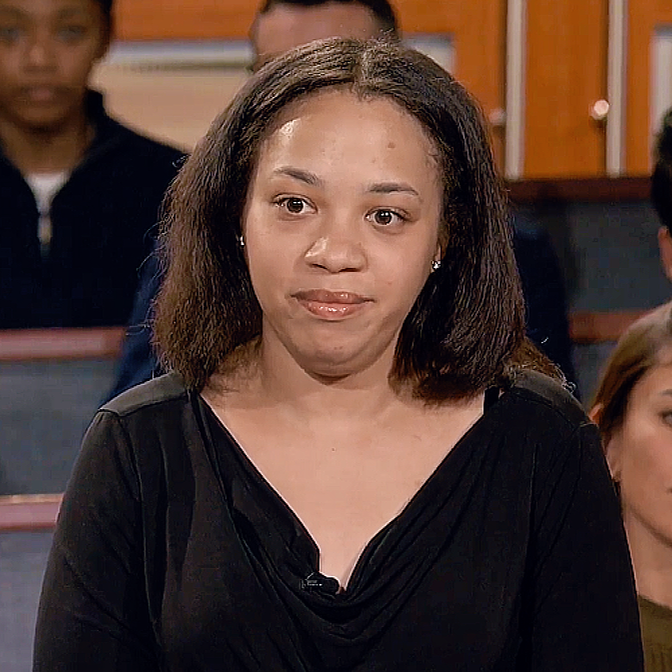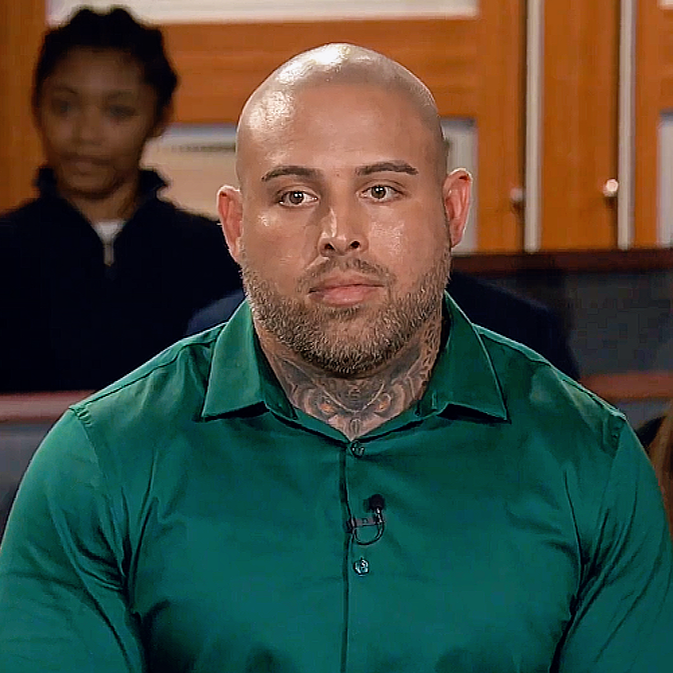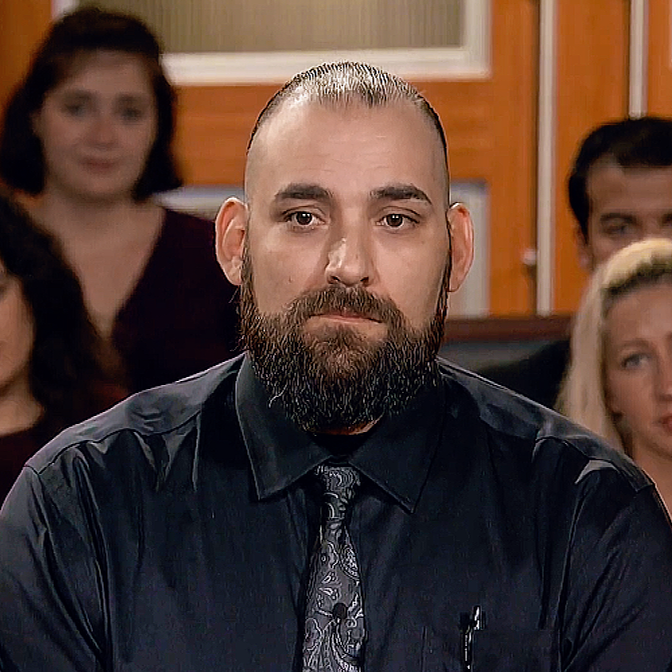
Ryan Livengood insisted the German Shepherd was his dog. Judge Judy saw a different issue: a puppy had been given to him under conditions, and one of those conditions had not been met. When the hearing grew tense, Livengood tried to leave the courtroom. The judge then explained why the dog could be recovered.
That was one of two civil cases in this episode. Earlier, a failed entertainment partnership had produced its own collision over an unpaid $1,000 payment, expensive stage costumes, disputed performance compensation, and travel expenses. In both matters, the central question was not simply who felt betrayed. It was what the parties had agreed to do—and what the evidence showed afterward.
Case One : The band partnership behind the first lawsuit
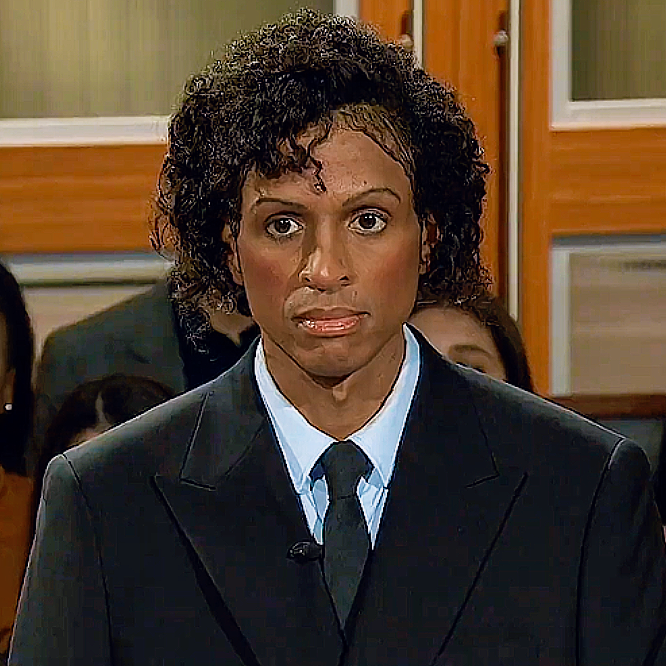
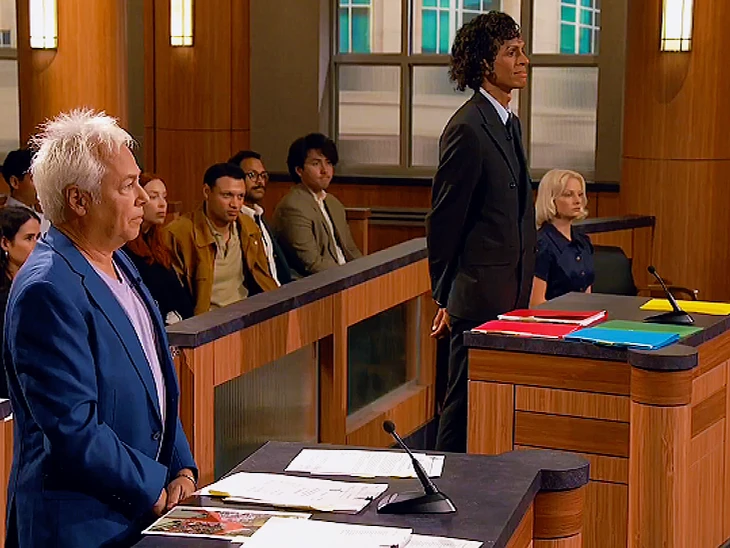
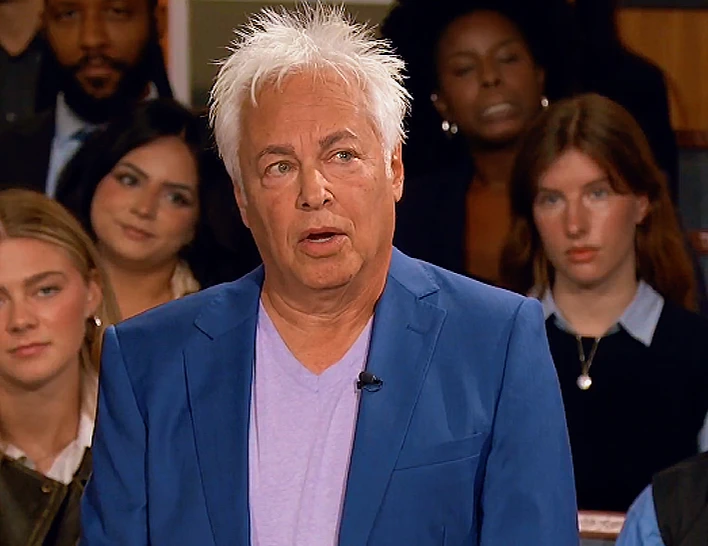
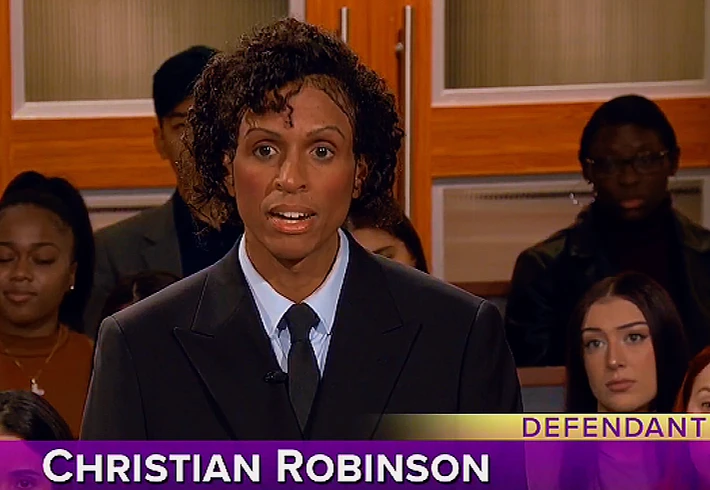
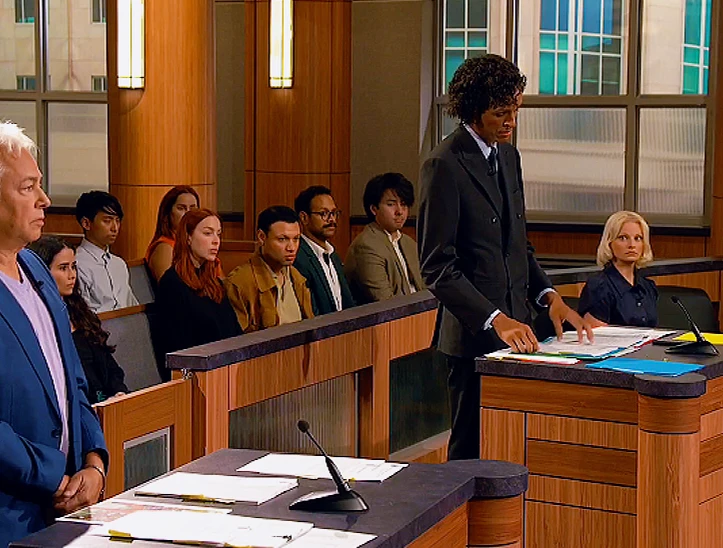
The first matter was Pollock versus Robinson, case 4048. Marc Pollock, who worked in real estate, had also formed a Michael Jackson tribute band as a side business. Christian Robinson joined the project as the Michael Jackson impersonator.
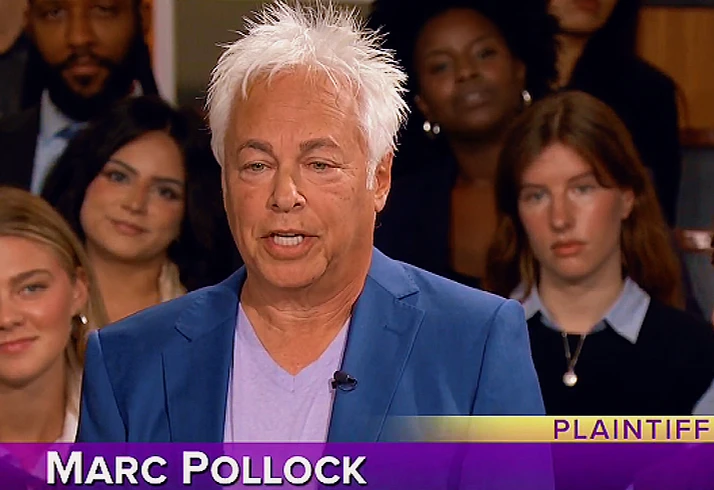
The men met in mid-2018. Two or three months later, they decided to work together. The band did not perform its first show until 2023, but the project required a wardrobe designed for Robinson’s performances. Pollock said he paid for some of the materials and that the costumes were in his possession. Robinson did not deny contributing money or helping build the wardrobe. Their disagreement was over ownership, payment, and the nature of their business relationship.
Robinson said he had paid $2,772.52 for materials, while Pollock had paid $460.64 for crystals used on the main jacket and tools needed by Pollock’s girlfriend, who designed and helped make the costumes.
By the time the case reached court, Robinson had left. A replacement impersonator had brought separate costumes, leaving the court to decide what Robinson had to return and what Pollock still owed him.
The $1,000 payment and two April shows
The money dispute began in December 2023. Pollock gave Robinson $1,000 after Robinson said he was short on expenses. Pollock described it as a personal loan. Robinson said he understood it as an advance that would be taken from money he earned performing with the band.
The band performed two shows in April 2024 between the payment and Robinson’s departure in May 2024. Pollock testified that the band’s gross pay was $7,600 for one show and $5,600 for the other. Robinson received $1,082 from one performance and $775 from the second.
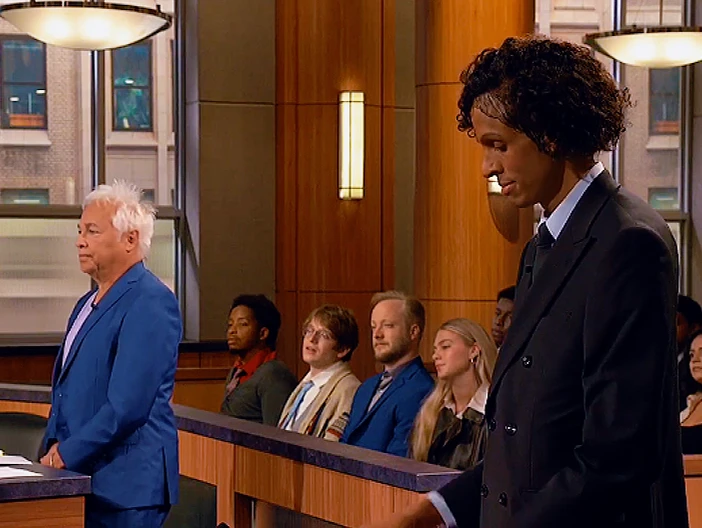
Judge Judy focused on whether the $1,000 had actually been deducted from those payments. Pollock said it had not. He explained that the loan came from his personal account and that the money Robinson earned from performances was kept separate for tax purposes.
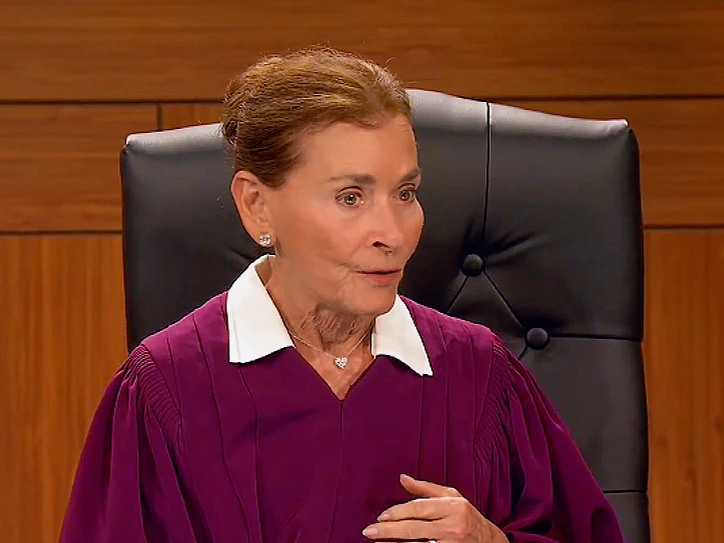
Robinson referred to an agreement stating that he was owed $1,500 per show, but the document was described as an estimate, not a guarantee. He maintained that he understood the $1,000 as an advance. Still, he acknowledged Pollock had not deducted it from the two April payments.
That answer narrowed the issue. Whatever the parties had called the payment, it had not been deducted from Robinson’s performance earnings. Judge Judy therefore ordered Robinson to return the $1,000.
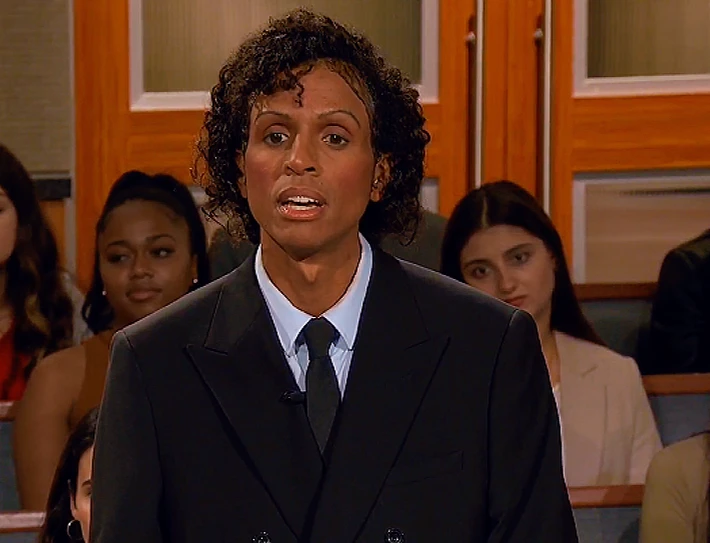
Why Robinson had to return the costumes
Robinson testified that he left because of problems with business communication and the relationship generally. The two men were supposed to be business partners, he said, but the arrangement failed. He argued that the costumes were part of something they had created together, not items simply loaned to a performer.
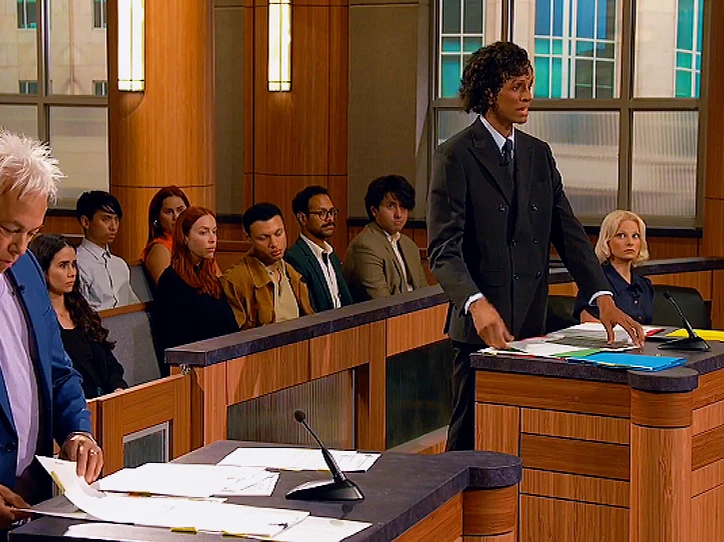
Pollock disagreed. He described himself as the sole investor and maintained that the wardrobe had been purchased for the band’s production. Robinson’s contributions to materials and construction, in Pollock’s view, did not make the costumes Robinson’s personal property.
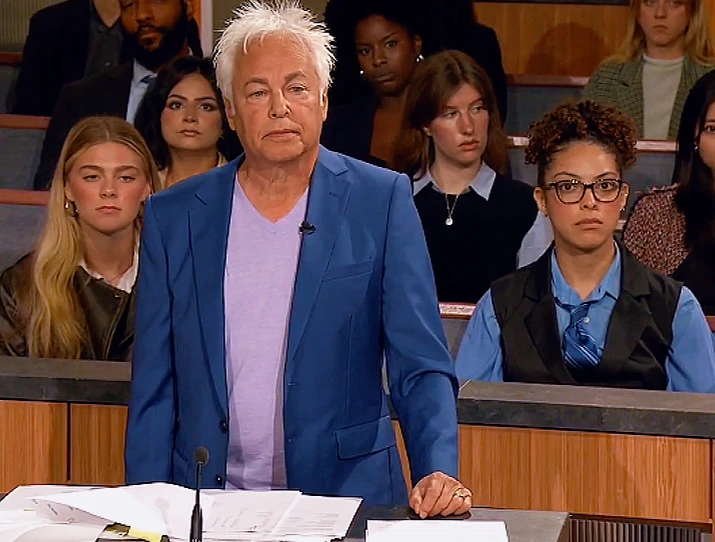
Judge Judy used a theatrical comparison to explain the ruling. If an actor leaves a Broadway show after playing Sir Lancelot, the actor does not take Sir Lancelot’s costumes. The wardrobe stays with the production for the next performer.
Robinson asked whether he could pay money instead of returning the costumes. The testimony referred to $3,019 as an amount discussed as an alternative. Judge Judy rejected that request and ordered the costumes returned because that was the remedy Pollock had asked for.
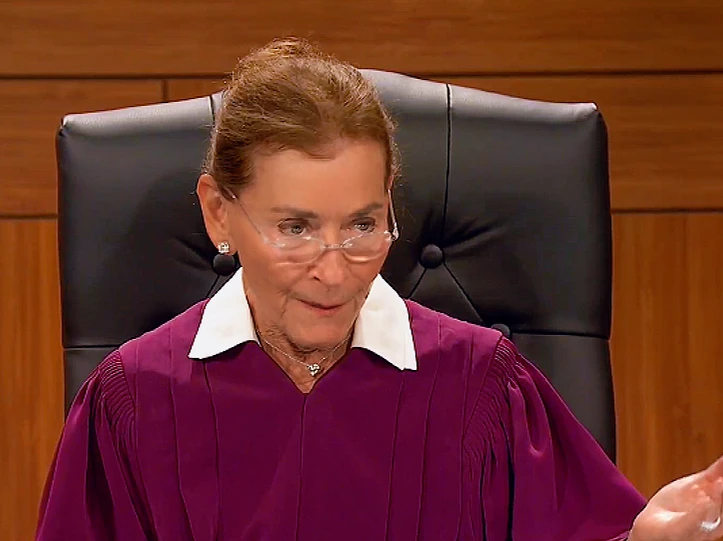
Robinson also filed a counterclaim for $4,186 in travel expenses, saying Pollock had failed to reimburse him from the first show onward. Judge Judy asked for messages or other communication showing that Robinson had timely identified the expenses and requested payment. Robinson said he had simply told Pollock how much he had spent. The judge dismissed the counterclaim and concluded that Pollock would receive both the costumes and the $1,000.
Case Two : How Angel became the center of a second dispute
The next case, Johnson versus Livengood, case 4042, involved Madison and Jonathon Johnson, their former friend Ryan Livengood, and a female German Shepherd named Angel.
Madison and Jonathon said they separated in November 2023 and reunited in January 2024. On December 28, they purchased two German Shepherd puppies from a woman in Salem, Oregon—one male and one female.
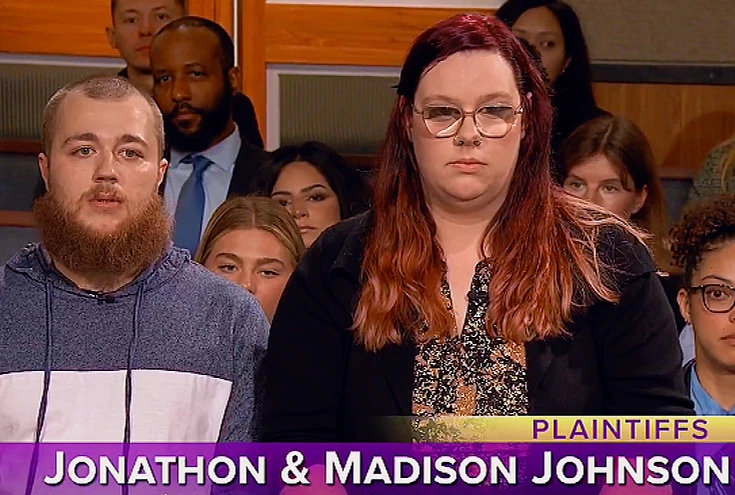
The Johnsons later decided they could not care for both puppies. They agreed to give the female dog to Ryan under conditions: he was expected to have a stable home, care for Angel, allow the Johnsons to complete her shots, and follow through with a spay appointment scheduled for March 12, 2024.
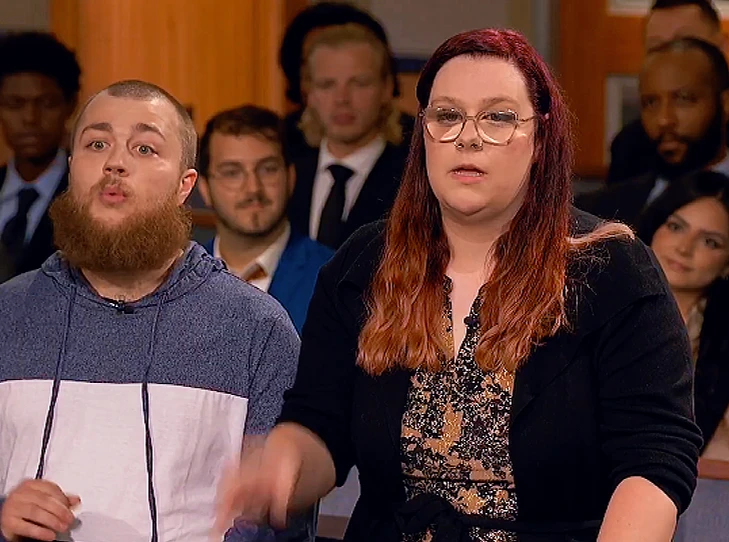
When Ryan received Angel, he was living at a friend’s house. He later argued that he wanted to pay for the spay procedure himself and did not want the dog placed in the Johnsons’ name. He disputed what had been discussed about microchipping. The Johnsons said they had intended the dog to be microchipped in Ryan’s name because he would be keeping her.
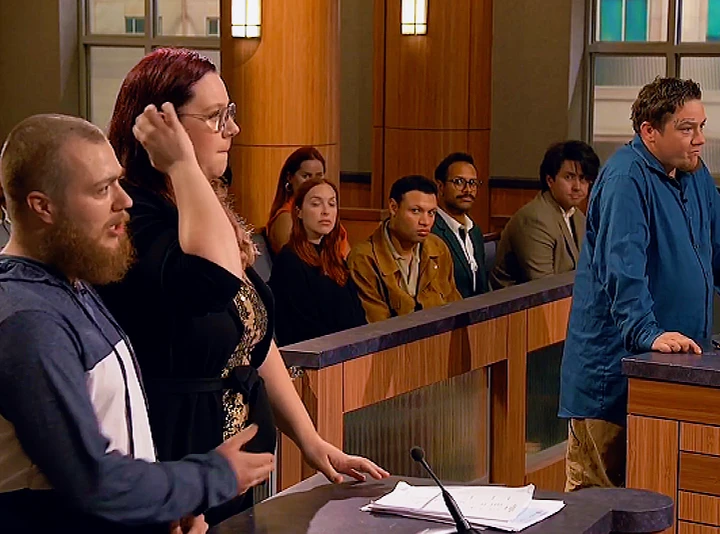
The disagreement became more serious when Ryan acknowledged that Angel had still not been spayed. During the hearing, the court referred to October, meaning roughly eight months had passed since the scheduled appointment. The Johnsons said they had struggled to locate Ryan and described their search for Angel as a “wild goose hunt.”
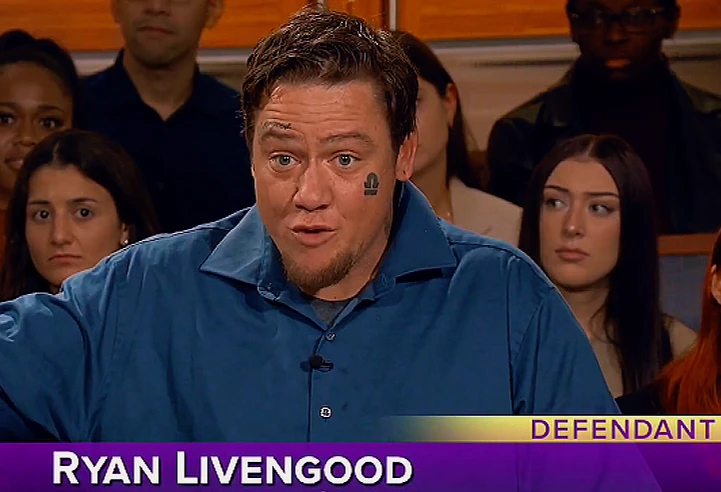
The missed spay appointment changes the outcome
Judge Judy did not accept Ryan’s explanation that he had delayed the procedure because he planned to pay for it himself. Ryan insisted that Angel was his dog and that the decision was his. But the judge treated the transfer as conditional rather than absolute.
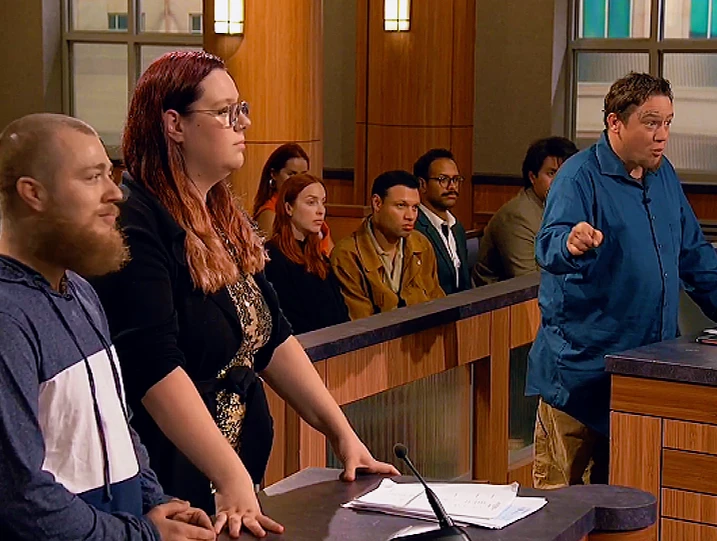
She identified three requirements as reasonable: Ryan needed a place to live, Angel needed to be current on her vaccinations, and the female dog needed to be spayed. The Johnsons had allowed Ryan to receive the puppy without paying for her, had paid for the shots, and had arranged the veterinary appointment. Ryan had not completed the remaining condition.
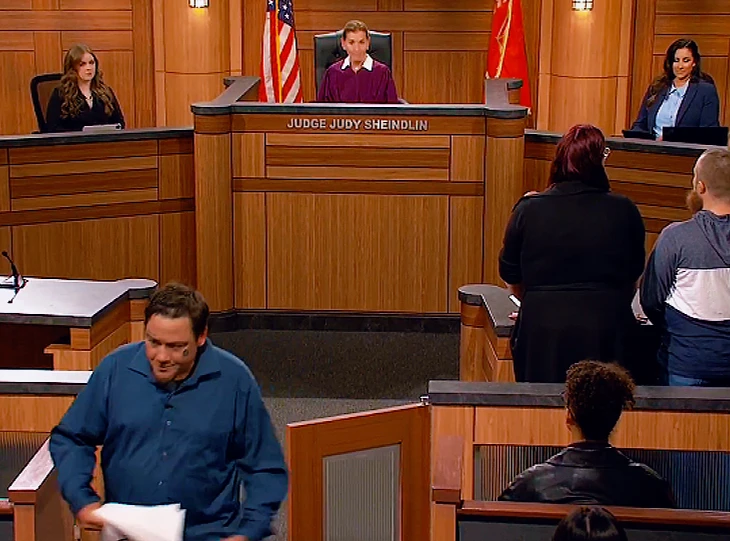
At one point, Ryan said he was leaving. Judge Judy told him to return so she could give her decision. She explained that if he had spayed the dog and paid for it, the result could have been different. But eight months had passed, Angel was older, and the promised procedure had not occurred.
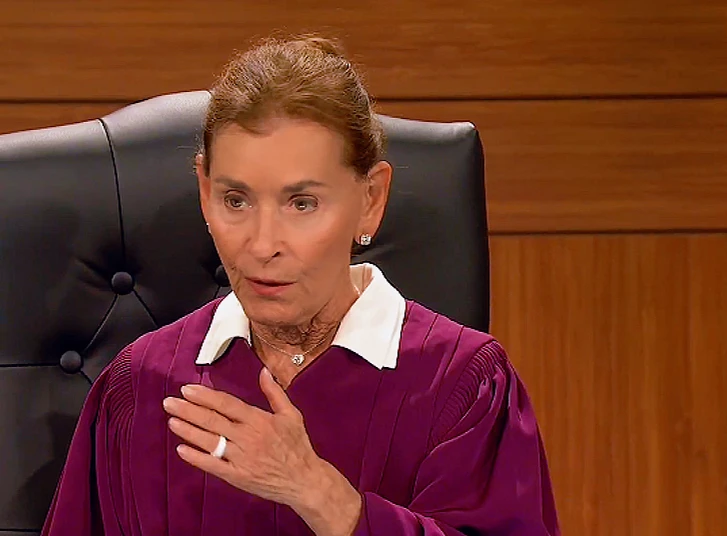
Judge Judy ruled that Ryan had breached the agreement. She issued an order allowing the Johnsons to recover Angel, including with assistance from a sheriff or marshal. The court then adjourned.
Afterward, the Johnsons said they were grateful and ready to bring Angel home. They said they planned to take her to the veterinarian and had a future appointment arranged. Ryan said he intended to keep her and claimed that he also had a future veterinary appointment, but the ruling gave the Johnsons the right to recover the dog.
The rulings and the larger lesson
These were civil disputes, not criminal investigations. Yet both cases showed how quickly informal arrangements can become courtroom conflicts once trust disappears.
In the band case, the conflict involved a $1,000 payment, costumes funded and built by more than one person, an estimated performance rate, and poorly documented travel expenses. In the dog case, the dispute turned on whether a conditional gift had been honored. Judge Judy found that Robinson had not repaid the $1,000 or returned the costumes, while Ryan had not had Angel spayed as required by the agreement described in court.
The episode’s message is straightforward: when business, friendship, property, money, and animal care overlap, clear agreements and timely proof can matter long after a relationship ends.
FAQ
What was Marc Pollock suing Christian Robinson for?
Marc Pollock sued Christian Robinson for repayment of a $1,000 payment and the return of wardrobe items purchased for the Michael Jackson tribute band.
Why did Christian Robinson leave the band?
Robinson testified that he left in May 2024 because of problems with business communication and the relationship generally.
How much did Robinson receive from the two April 2024 shows?
He received $1,082 from one show and $775 from the second show.
What did Judge Judy order Robinson to do?
Judge Judy ordered Robinson to return the costumes and repay the $1,000. She also dismissed his $4,186 counterclaim for travel expenses.
Who is Angel in the Johnson versus Livengood case?
Angel is the female German Shepherd puppy that Madison and Jonathon Johnson gave to Ryan Livengood under conditions involving housing, care, vaccinations, and spaying.
Why did the Johnsons get Angel back?
Judge Judy ruled that Ryan breached the agreement by not having Angel spayed after a March 12, 2024 appointment had been arranged and approximately eight months had passed.
Were these criminal cases?
No. The transcript presents both matters as civil disputes involving money, property, travel expenses, veterinary care, and possession of a dog.