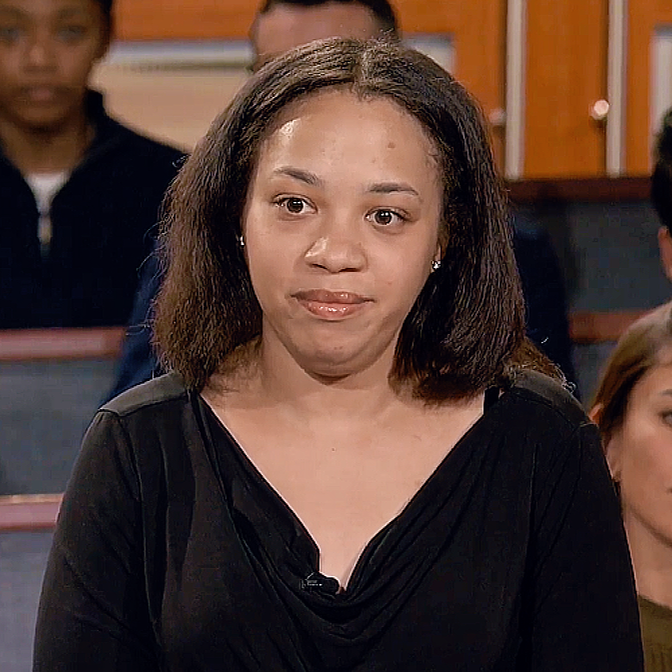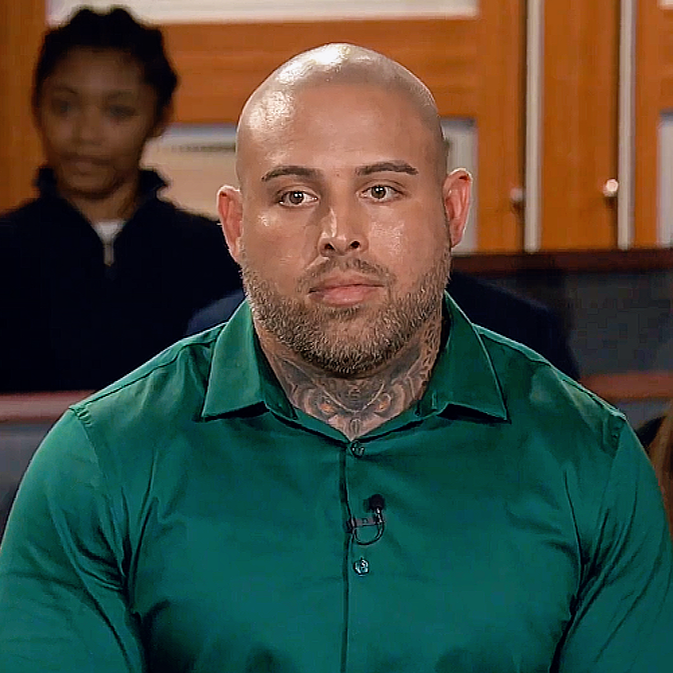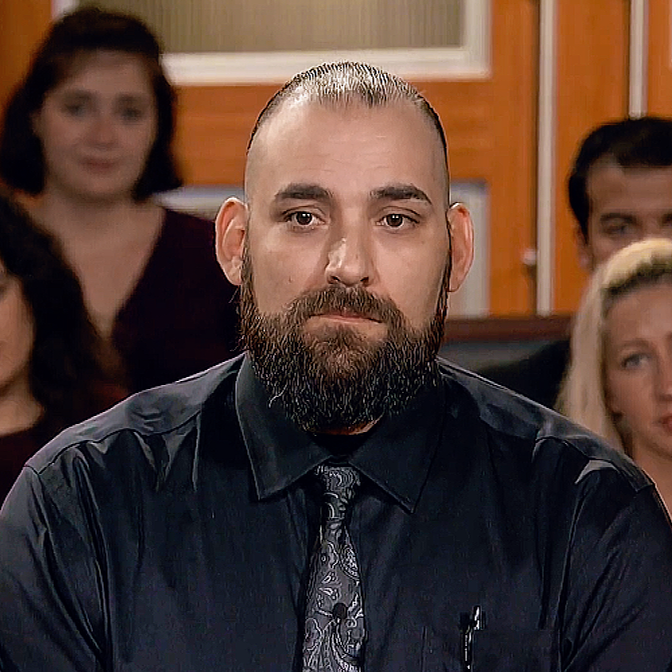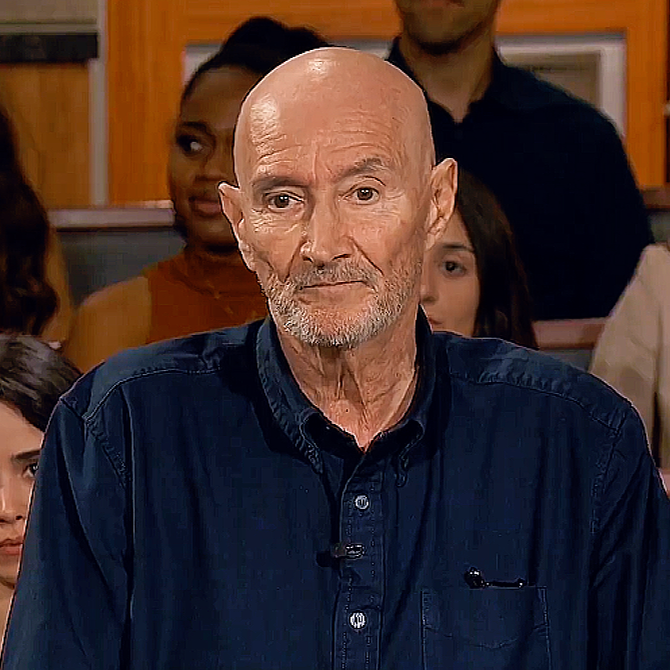
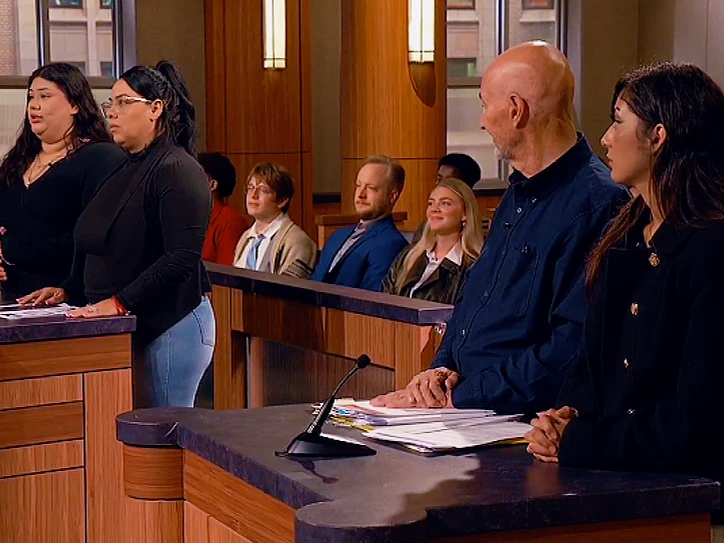
Inside a county jail, a marriage ceremony became the starting point for a professional feud. Jennifer Flores and Jean-Claude Bensoussan, two officiants serving people who wanted to marry incarcerated partners, accused each other of damaging their businesses. By the time they faced Judge Judy, the dispute involved alleged defamation, a website-copying claim, a county complaint, and a disputed offer of $200 cash. The decisive question was not simply what each side alleged, but what the witnesses had actually heard and could prove.
Two officiants, one narrow business
Jennifer Flores and Jean-Claude Bensoussan worked in the same specialized business: arranging and performing marriages for couples that included an incarcerated partner. Flores sued Bensoussan for defamation and lost wages. Bensoussan countersued for loss of business, defamation, and plagiarism. The testimony centered on one jail visit and the people who witnessed it.
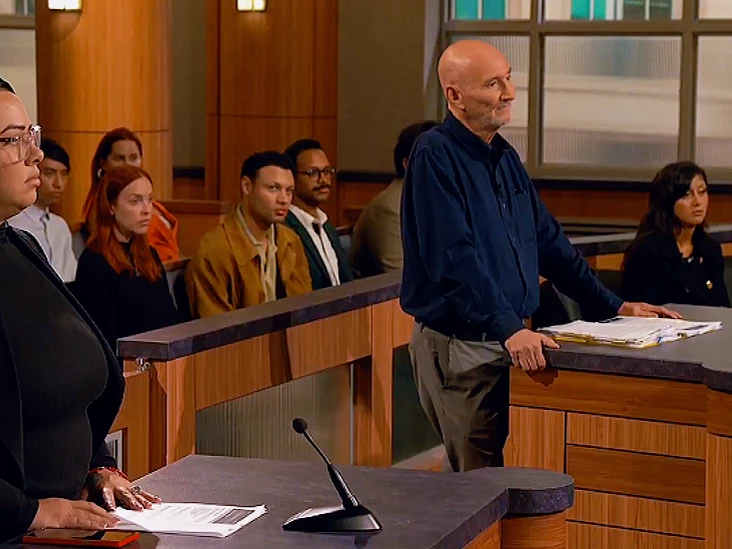
Flores told Judge Judy that she entered the field after working for an attorney whose clients were seeking to marry in county jail. Because those clients did not have an obvious service to turn to, Flores learned about obtaining a certificate that allowed her to perform marriages. She said the certificate cost $47, and that the work became a side hustle.
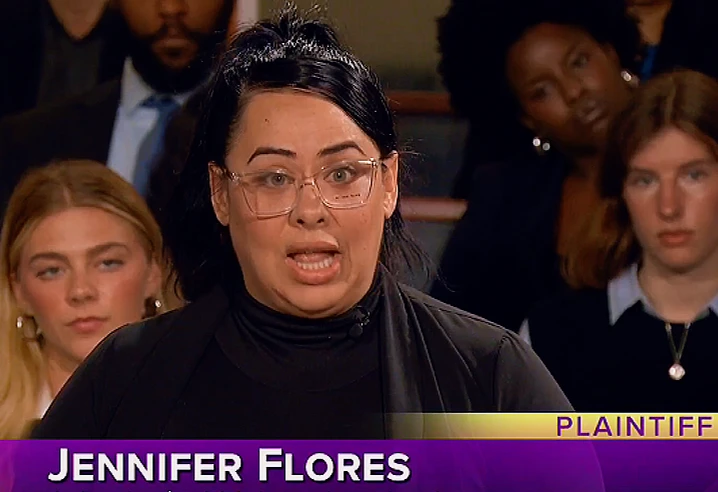
Her stated prices were $475 for couples with identification and $600 for those without it. She explained that California has certain clerks who can issue a marriage license when an incarcerated person lacks specific identification. The process may involve an “Inability to Appear” form, which can be used for incarceration or hospitalization and is verified through a notary.
Flores said two California clerks would issue the license using the Inability to Appear form alone, while others required identification and a birth certificate. The trip could take approximately three to five hours.
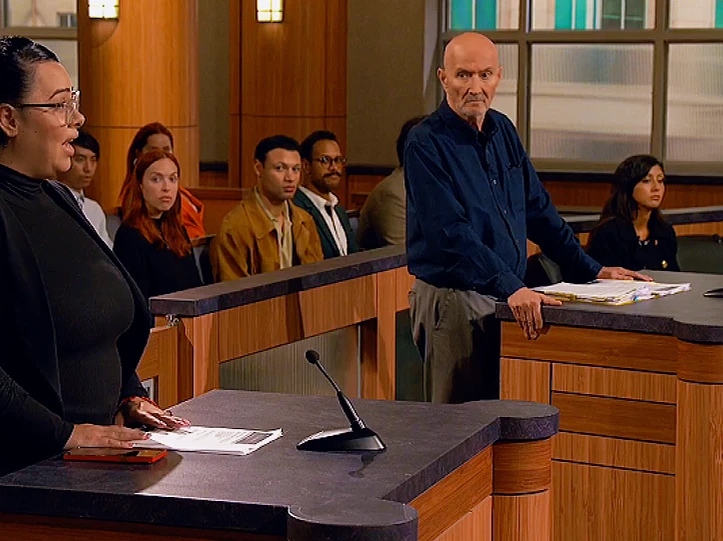
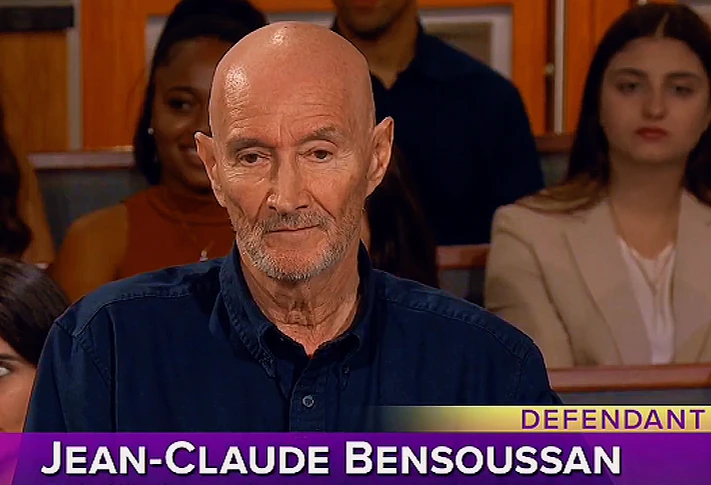
Bensoussan described his path into the profession as essentially the same. During questioning, however, the timeline became complicated. He said he had been doing the work for 25 years, then stated that he had been ordained on January 16, 2022. That timeline became relevant when Flores later challenged his claim that she had been defaming him for years.
How the dispute began inside the jail
The central incident involved Genesis, who wanted to marry her incarcerated husband. She saw Flores on social media and contacted her. According to Genesis, Flores explained that the couple would sign paperwork separately without a ceremony. Genesis said she believed that arrangement was illegal and wanted a proper ceremony.
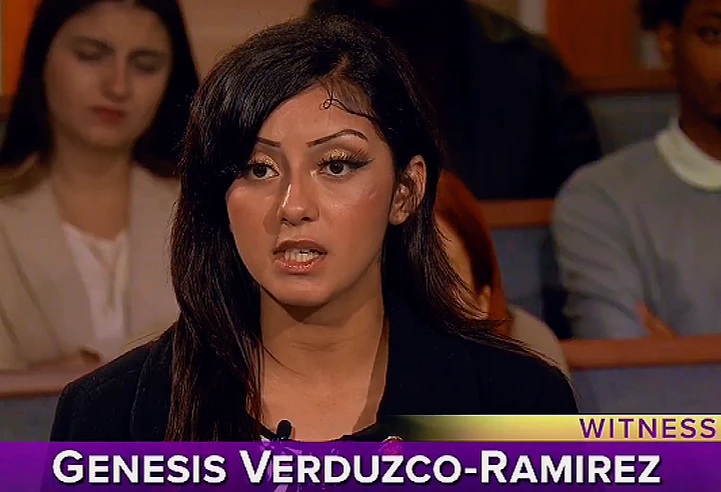
Genesis then learned about Bensoussan through an inmate who had been married by him. Bensoussan performed the ceremony on June 15, a Saturday, and charged Genesis $1,000. She said the higher price was connected to her husband not having papers and the need to travel approximately four hours to a clerk who could approve the marriage.
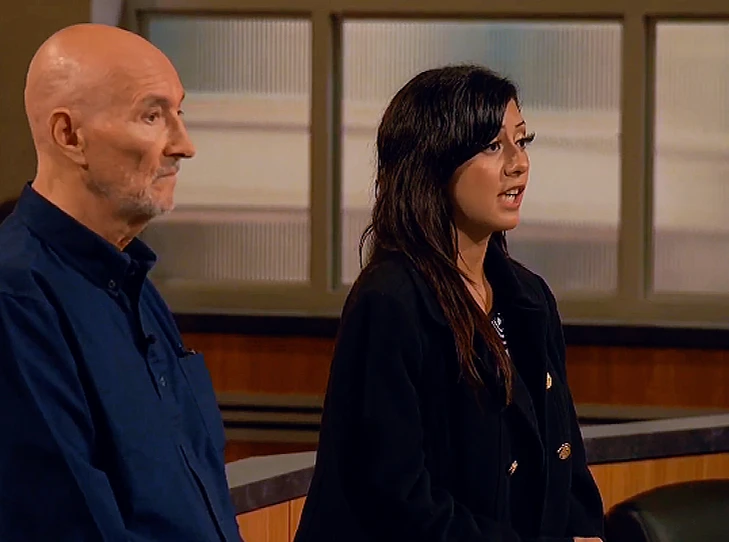
Genesis testified that she did not know anything about Flores until the day of her marriage. While Genesis and Bensoussan waited inside the facility for her husband to be called, Flores allegedly approached them. Genesis said Flores called Bensoussan a “scam,” accused him of doing women wrong, and said he did not provide the full service. Flores allegedly told Genesis that she felt sorry for her.
Flores acknowledged that an exchange took place but did not remember it in the same way. The disagreement over what was said became the first major conflict in the testimony.
The witnesses describe the confrontation
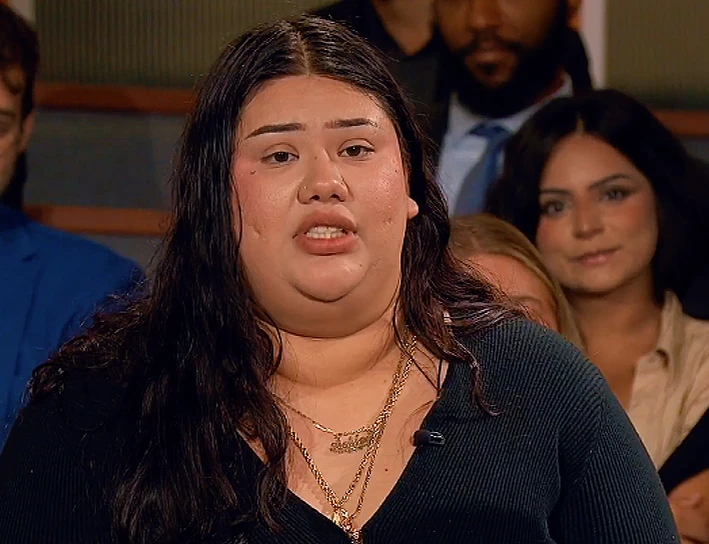
The witness, identified in court by the last name Burton and addressed in the testimony as Ryan, said she visited her incarcerated husband every weekend. She already knew Flores because Flores had performed her ceremony. Burton described Flores going into the back of the facility with an inmate’s wife, performing a ceremony, and returning to the waiting area.
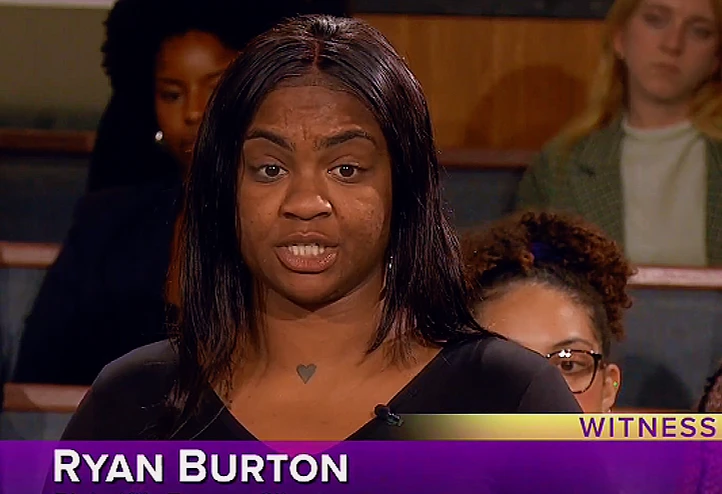
According to Burton, Bensoussan turned his head when Flores returned and then whispered to his witness. Burton said the witness turned toward Flores and told her not to slander Bensoussan. Flores responded, Burton testified, by asking how she could be slandering him when she did not even know the witness.
Burton also recalled a prior Saturday when she heard Bensoussan mention Jennifer while speaking with a potential witness. Burton said he described himself as the best choice because other officiants allegedly committed fraud, ran scams, and would take clients’ money. Judge Judy interrupted to clarify that Bensoussan had not named anyone in that conversation. Burton agreed that she had heard only that much.
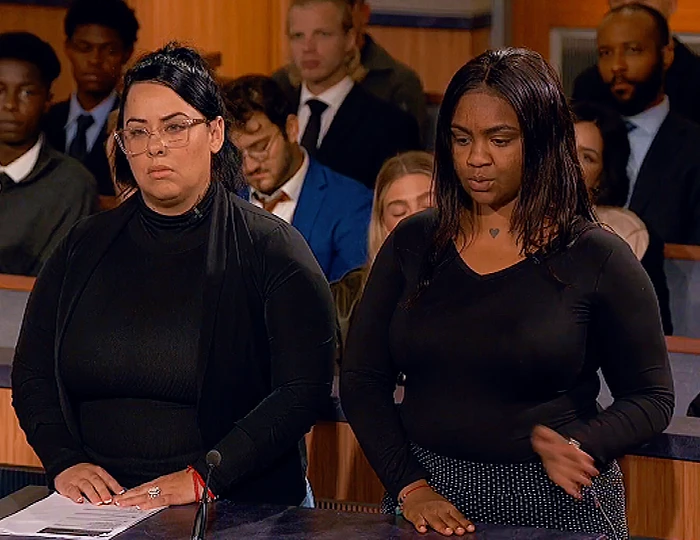
Flores gave a different account. She said Ryan accused her of being a fraud and claimed the couple would not receive their marriage licenses. Flores said she asked whether they had a problem with her because, in her account, similar accusations had happened repeatedly.
She testified that the young woman told her it was wrong to slander Bensoussan. Flores replied that the woman could not know she was slandering him if Flores had never said anything to her. Flores then told the woman that she probably chose Bensoussan because he was cheaper. Genesis, according to Flores’s account, answered that Bensoussan had charged her $1,000 because her husband did not have papers.
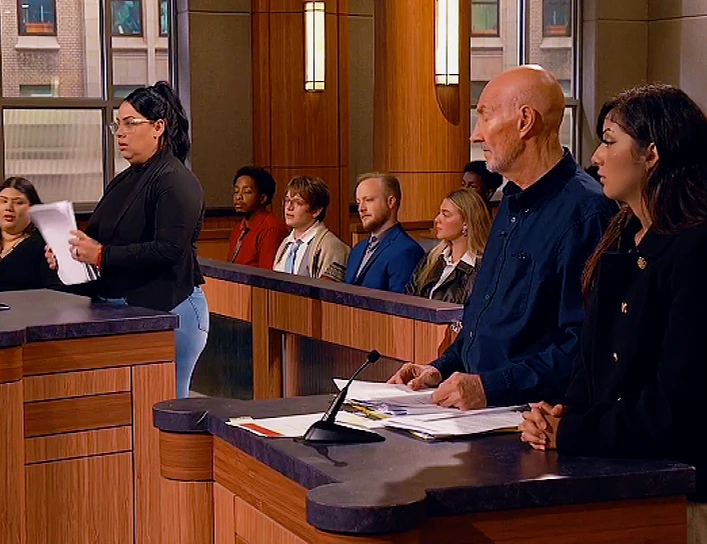
Flores said she then turned away from Genesis and addressed Bensoussan, arguing that he should not have charged extra because there was no additional paperwork. Judge Judy repeatedly questioned why Flores had entered the conversation at all, particularly when the price could have reflected the travel involved.
The disputed $200 offer
The most serious allegation emerged when Ashley Garcia took the stand. Garcia identified herself as a friend of Laylani’s. Laylani was considering a marriage service from Bensoussan, and Garcia said she accompanied her as moral support on June 27.
Garcia initially testified that Bensoussan offered them additional money for reporting Flores. When Judge Judy demanded the precise details, Garcia said the amount was approximately $200 in cash. According to Garcia, the money would be paid if they reported Flores to the county for allegedly failing to perform her services or performing them fraudulently.
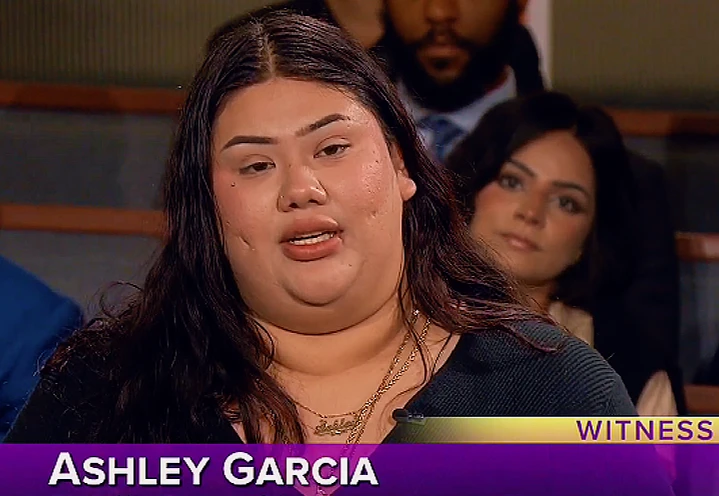
The testimony became uncertain. Judge Judy questioned how Flores’s name had arisen during a meeting that was supposedly about Laylani’s possible marriage. Garcia said Laylani had a separate conversation with Bensoussan. Garcia was not present for that conversation. She said Laylani later returned alone and told her about the offer.
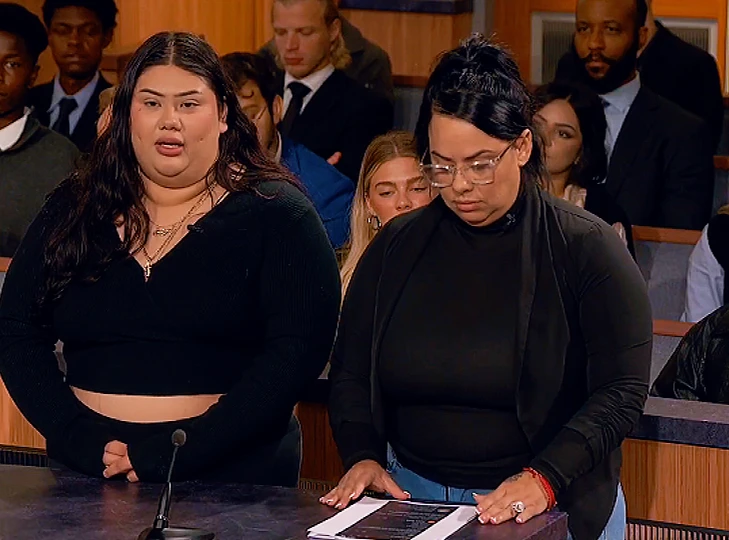
That admission changed the evidentiary value of Garcia’s testimony. Garcia could describe what Laylani told her, but she had not personally heard Bensoussan make the alleged offer. Judge Judy characterized the account as hearsay and established that Bensoussan had not offered Garcia money directly.
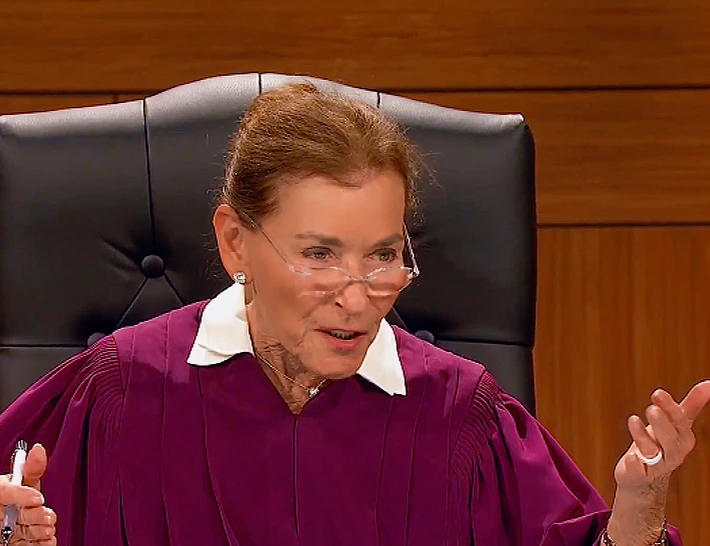
Flores also connected Garcia to the county-clerk complaint. She said the report led to an investigation and that she had been cleared on September 12. But the testimony did not establish that Bensoussan directed Garcia to make the report. Judge Judy focused on the contradiction: Garcia first described an offer made to both women, then acknowledged that she was not present for the private conversation and learned about it from Laylani.
The website-copying claim
Bensoussan’s countersuit included a plagiarism allegation. He claimed Flores copied the content of his website verbatim. When Judge Judy examined the material, she rejected the idea that the information was proprietary. Both officiants listed marriage services and the names and addresses of locations where they could perform ceremonies.
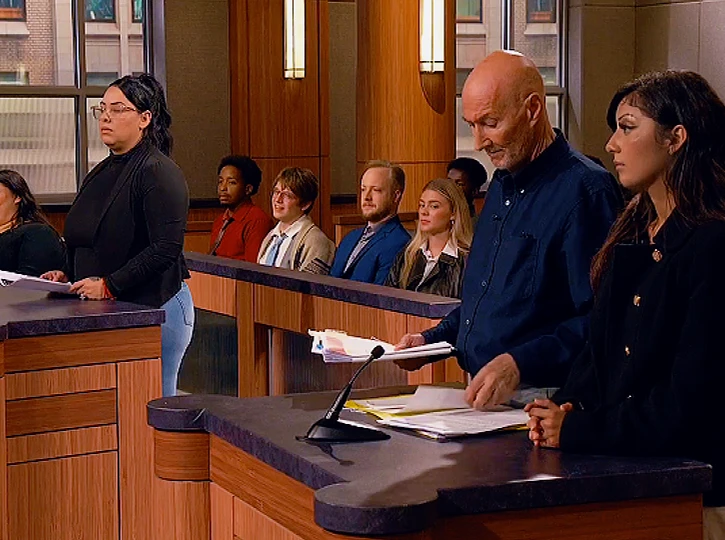
The judge observed that there was nothing proprietary about stating that an officiant could perform marriages in jail or listing public-facing locations. She also asked whether there was not enough business for both officiants. Both agreed that there was.
Why both cases were dismissed
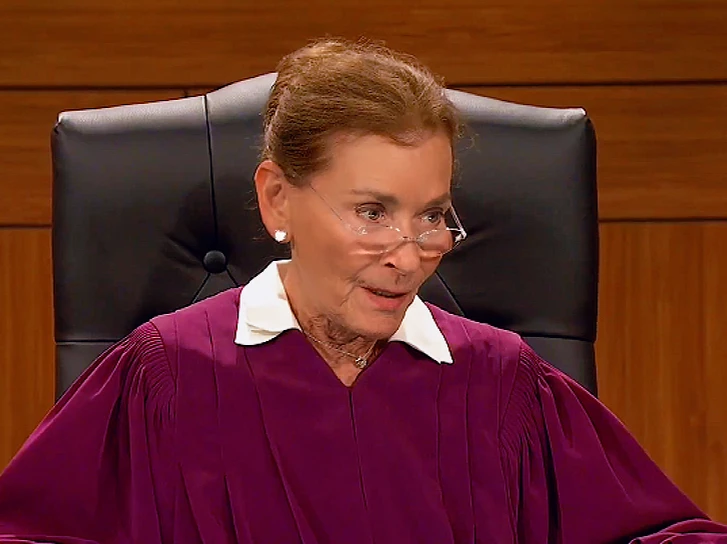
By the end of the hearing, Judge Judy said neither side had proved the financial harm claimed in the lawsuits. The testimony showed that the two officiants were speaking negatively about each other, but the court was not shown sufficient proof that either had lost business as a result.
The alleged $200 offer was weakened because the witness had no firsthand knowledge of it. The website claim also failed because the material was considered straightforward rather than proprietary. On the evidence presented, the competing accusations did not establish a basis for awarding damages.
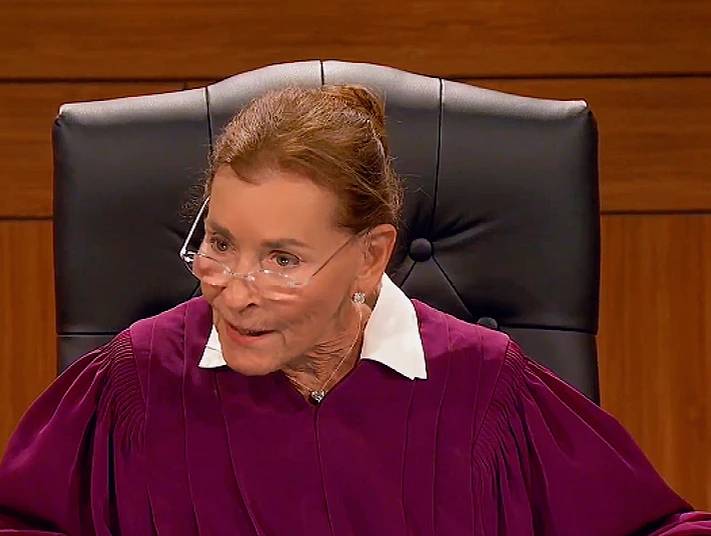
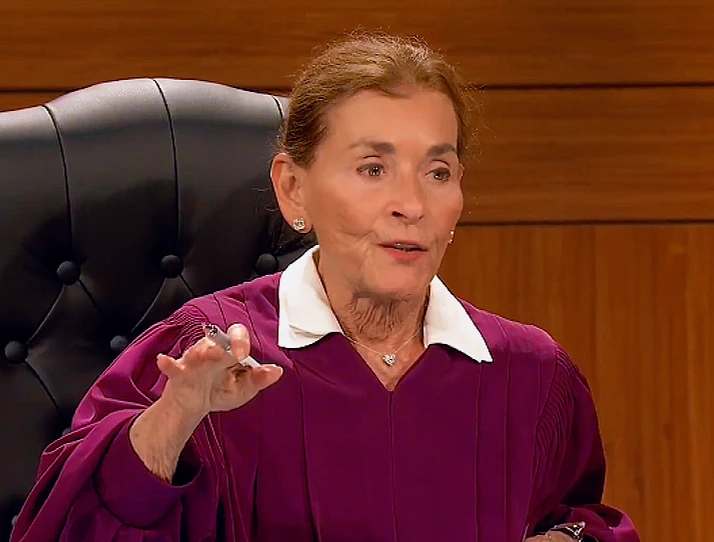
Judge Judy dismissed both cases and advised Flores and Bensoussan to learn to live with each other because they were in the same business. She remarked that there appeared to be many women seeking to marry incarcerated men, ensuring that neither officiant would be without potential clients.
The final exchange added a surprising note. When Judge Judy asked Genesis when her husband would be released, Genesis answered that he had received 15 to life. The court then adjourned.
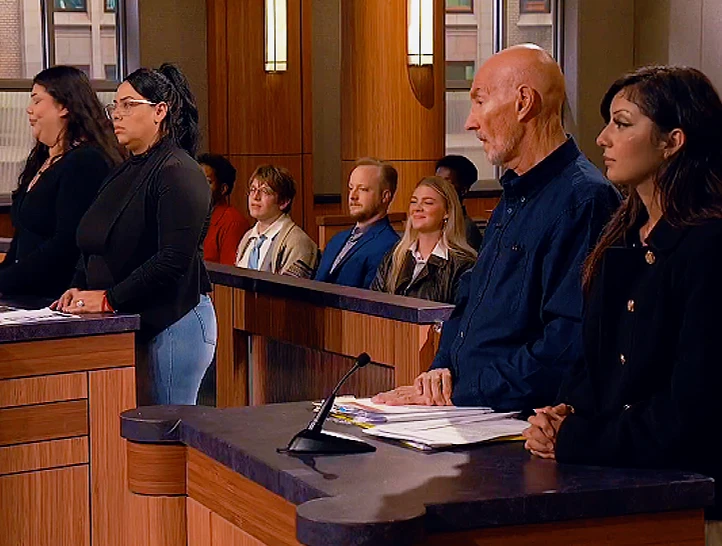
The hearing did not determine every private disagreement between the two officiants. It established something narrower: allegations alone were not enough. The outcome turned on firsthand knowledge, consistent testimony, and proof of actual loss.
FAQ
What was Jennifer Flores suing Jean-Claude Bensoussan for?
Jennifer Flores sued Jean-Claude Bensoussan for defamation and lost wages. Bensoussan countersued for loss of business, defamation, and plagiarism.
What was the alleged $200 payment about?
Ashley Garcia testified that Bensoussan allegedly offered approximately $200 in cash if she and Laylani reported Flores to a county clerk for allegedly failing to provide services or providing them fraudulently. Garcia acknowledged that she did not hear the alleged offer directly.
How much did Bensoussan charge Genesis?
Genesis testified that Bensoussan charged her $1,000 because her husband did not have papers and the marriage required approximately four hours of travel to a clerk.
Why were both cases dismissed?
Judge Judy found that neither side provided sufficient proof of lost business or other damages. The alleged offer was also undermined by conflicting testimony and hearsay, while the website material was not found to be proprietary.
When did Bensoussan say he was ordained?
Bensoussan said he was ordained on January 16, 2022. He also said he had been doing the work for 25 years, creating a timeline that Flores challenged during the hearing.