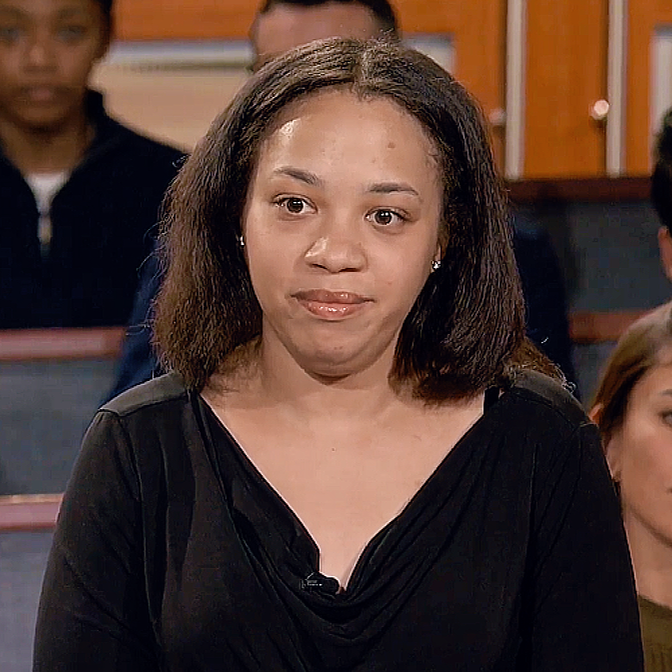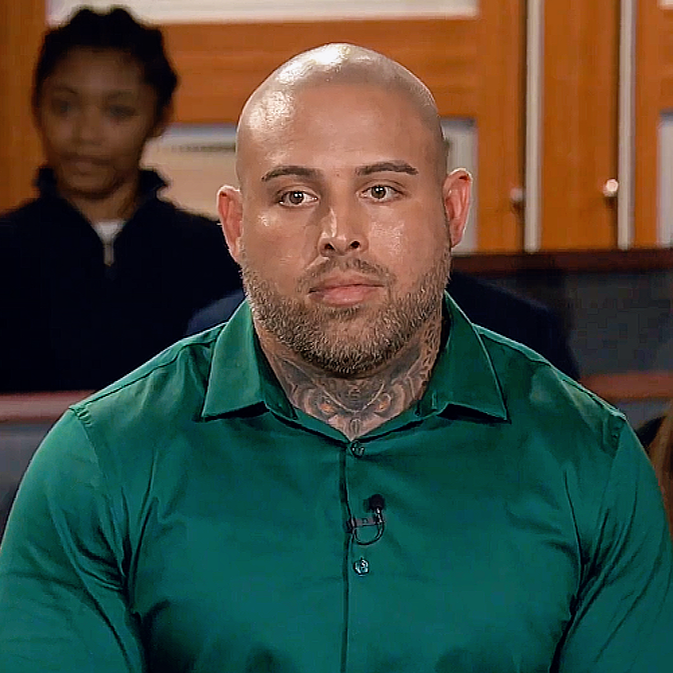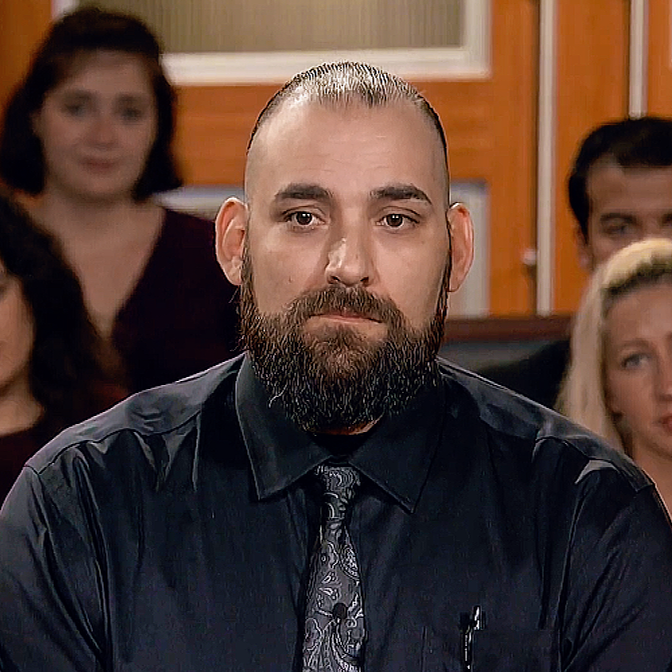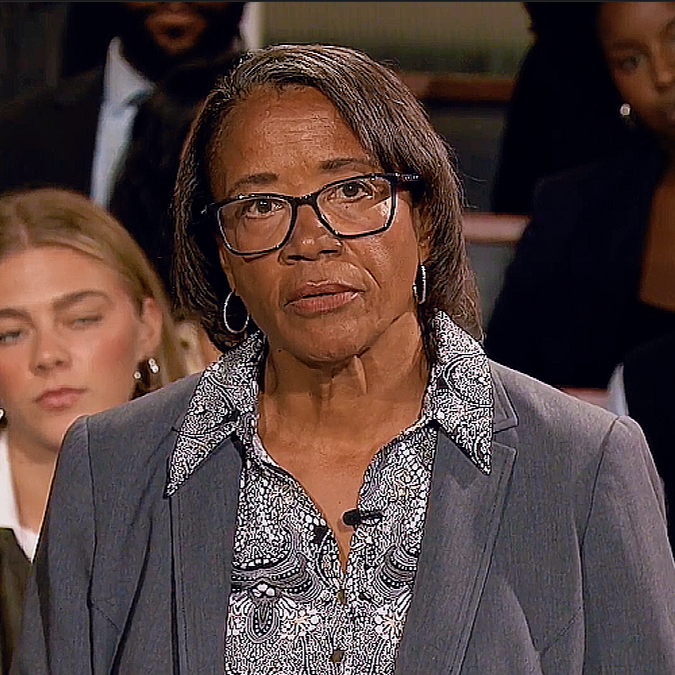
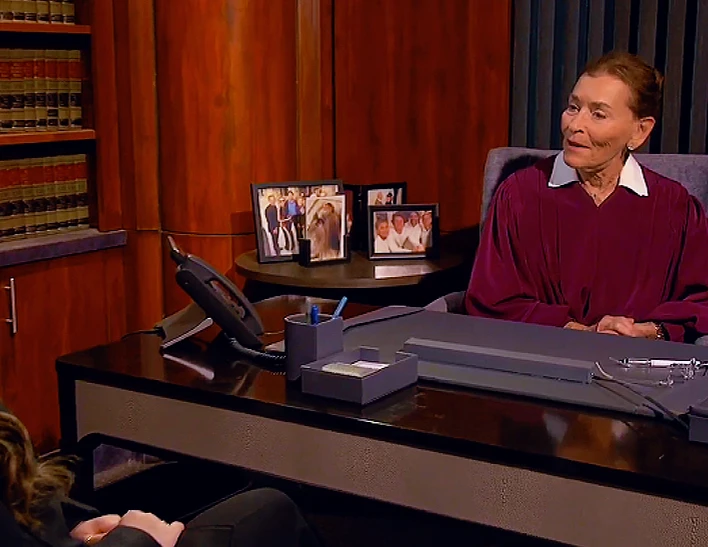
In the courtroom, Judge Judy kept returning to the same demand: answer the question that matters. Had the work been completed? Had the money been divided as promised? One dispute involved a $750 family-tree project. The other began with a winning birthday number and ended with $1,329 withheld from a longtime friend. Together, the cases show how quickly an informal promise can become a legal battle when the people involved no longer agree on what was owed.
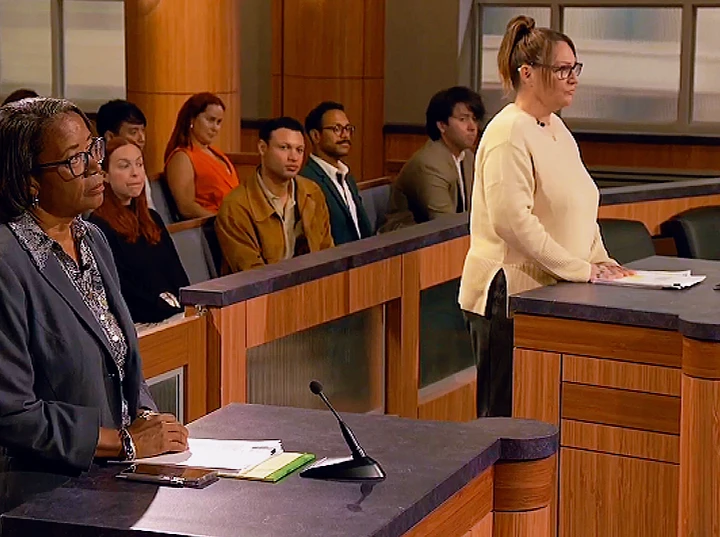
Case One : The family-tree dispute begins with a $750 payment
The first case, Stevens v. Vargas, began with a personal search for family history and ended with a dispute over whether the promised result had ever been delivered. Cheryl Stevens told Judge Judy that she paid Gabriella Vargas $750 on February 7, 2023, to complete genealogical research. The episode identified Vargas as a cold case investigator. Stevens came to court seeking the return of the fee because, in her account, the work remained unfinished.
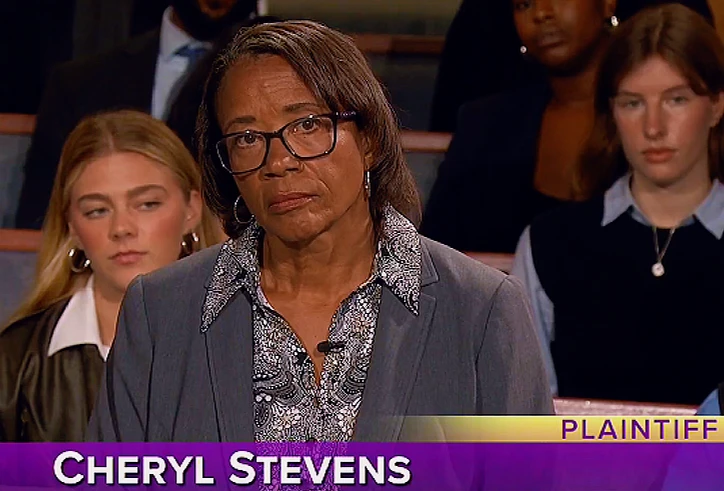
Stevens said the assignment covered the maternal side of her family tree, including her mother’s grandparents, those grandparents’ siblings, and further relatives. This was not a dispute over whether Vargas had done any work. Both sides acknowledged that she had. The disagreement was narrower and more consequential: whether the work performed amounted to the completed service Stevens had paid for.
The documentary trail was not a formal signed contract, but a text message. Vargas described inaccurate information, duplicate people, and material copied from other trees without supporting proof. She warned that slavery-era gaps and missing documentation could make the maternal research difficult, but still said the task was absolutely possible for $750.
A project complicated by missing records and conflicting accounts
Stevens told the court that she received information and changes between February 9 and February 25. She said Vargas deleted some of her information and added family members, but did not complete the maternal branch as promised. When Judge Judy examined the material, she noted that it was difficult to distinguish what was old from what was new. That limitation became important: the court was looking at a changing digital tree rather than a clean before-and-after record.
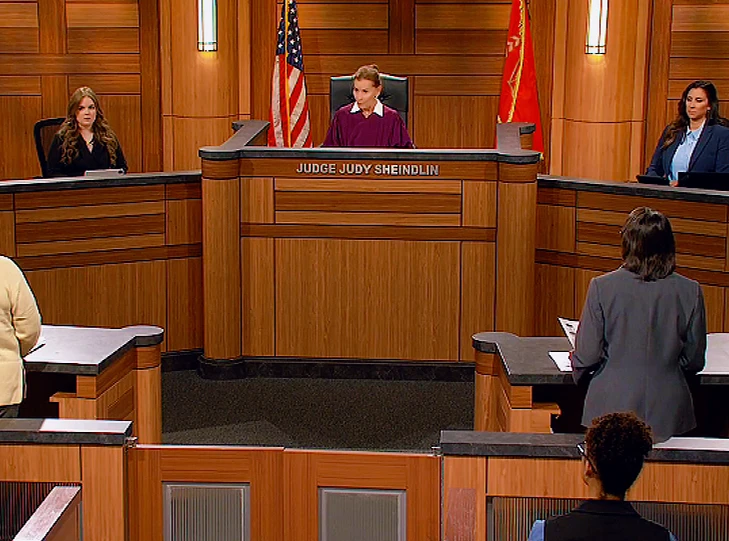
Vargas did not deny that no final report had been delivered. Her position was that she had completed a significant amount of research but had been removed from the tree before she could provide that report. She also said Stevens continued editing the account while Vargas was cleaning and verifying the information. In Vargas’s account, each new change could affect the work already in progress.
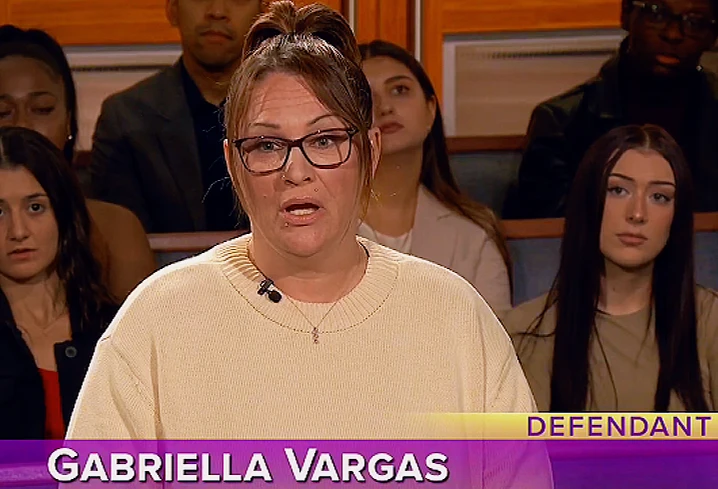
The timeline then stretched across more than a year. Vargas said that family and health issues had prevented her from working for a few days, perhaps a week, during the May-to-August 2023 period. She also said she later began working on a high-profile murder case. Vargas testified that she worked from her own tree and paper documents, did work in March 2024, gave Stevens additional information in May, and restarted the project in August after learning that Stevens was suing her.
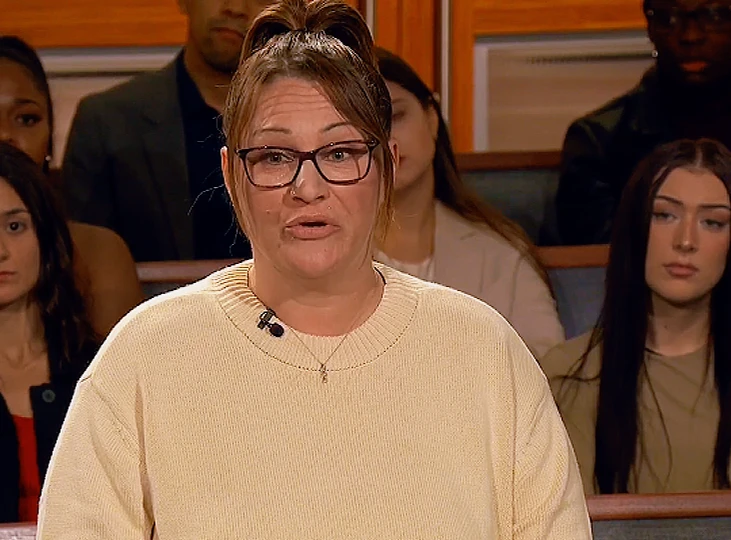
The problem was not only delay. It was also delivery. Vargas acknowledged that the later work had not been transmitted to Stevens. She said Stevens had blocked her and that she no longer had contact with her. When asked to identify the exact date of the work, Vargas could provide only March 2024 for one period and August for the restart. She did not have an exact final date.
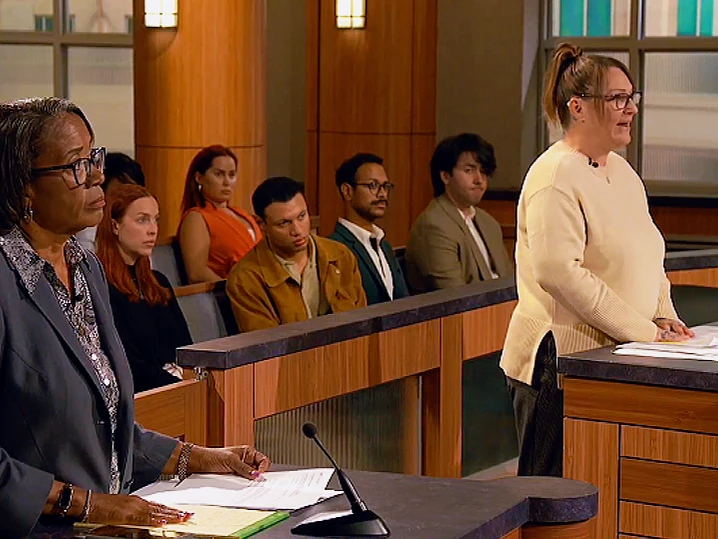
Why the judge focused on completion and timing
The courtroom exchange eventually narrowed the case to one question: had the promised job been completed and delivered? Vargas repeatedly described the amount of work she had performed, but Judge Judy separated effort from completion. The issue was not whether genealogy research could be difficult. It was whether the service purchased in February 2023 had been finished in a form Stevens could receive and evaluate.
The text exchange was later described in the episode’s commentary as a contract, even though it was simple and contained no specific completion date. The commentary emphasized that the agreement did not include a “time is of the essence” clause. In practical terms, the absence of a fixed date left the court to consider what was reasonable under the circumstances. The episode’s commentary also stated that restarting the work after being served with a lawsuit did not cure the problem from the customer’s perspective.
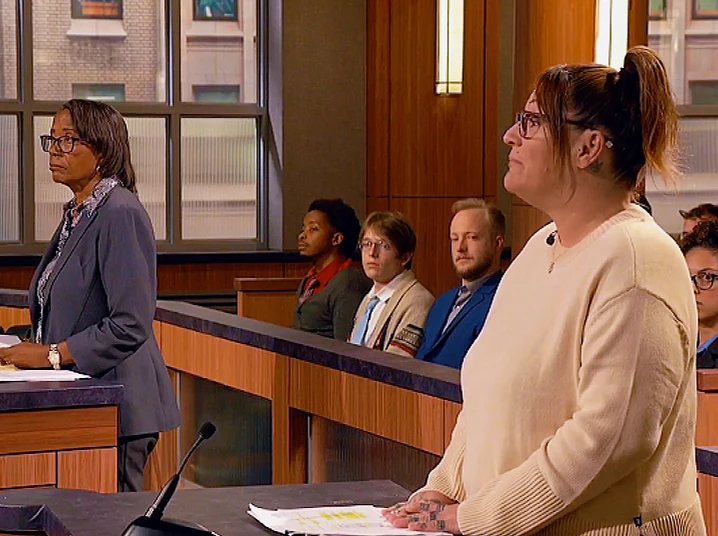
Judge Judy offered Stevens an opportunity to see the results of Vargas’s later work. If Stevens wanted to review those results, the judge said the lawsuit would be dismissed. Stevens initially indicated interest, then withdrew and said she had no confidence in the work. The court ultimately entered judgment for Stevens in the amount of $750.
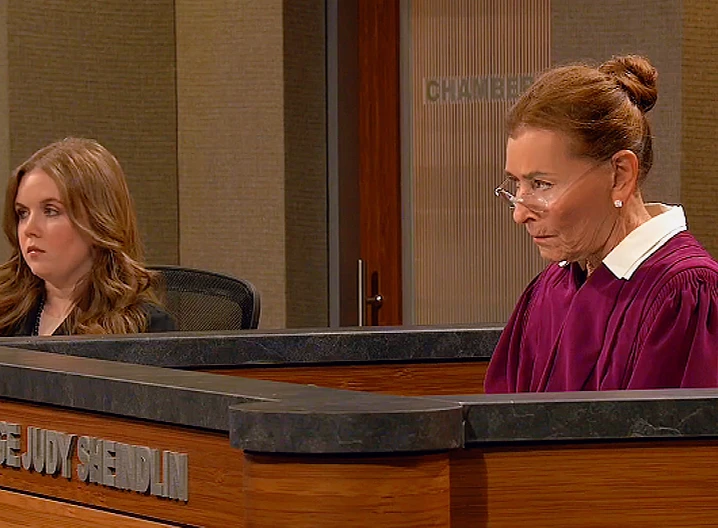
After the ruling, Stevens said she was pleased and planned to find someone else to finish the tree. Vargas said the result was unfair and maintained that she had never been given the chance to provide a final report. The transcript preserves both accounts. The judgment, however, turned on the gap between the promised service, the delayed work, and a final deliverable that had never reached the customer.
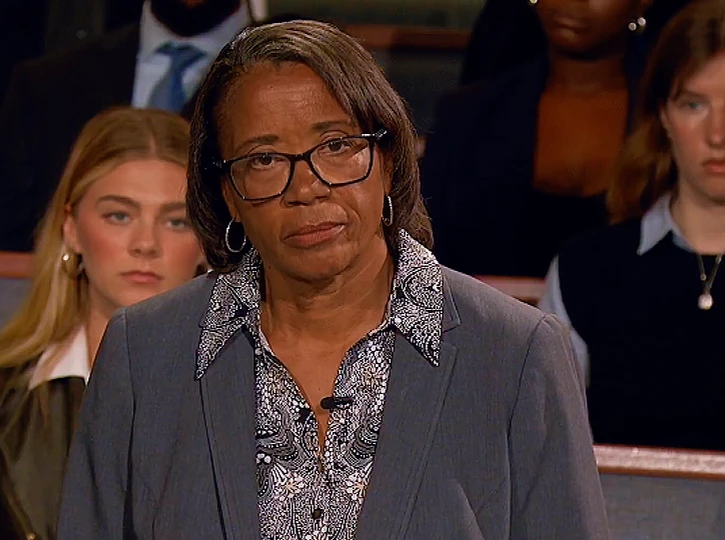
Case Two : The lottery number that changed a friendship
The second case, McPhee v. Snell, began with an ordinary phone call between longtime friends and ended over a winning lottery ticket. Danielle McPhee and Lateisha Snell had been friends for more than 40 years. They lived in different counties but communicated regularly. On July 30 of the year discussed in court, Snell said she was going to the store to play her numbers. McPhee asked her to play McPhee’s numbers as well.
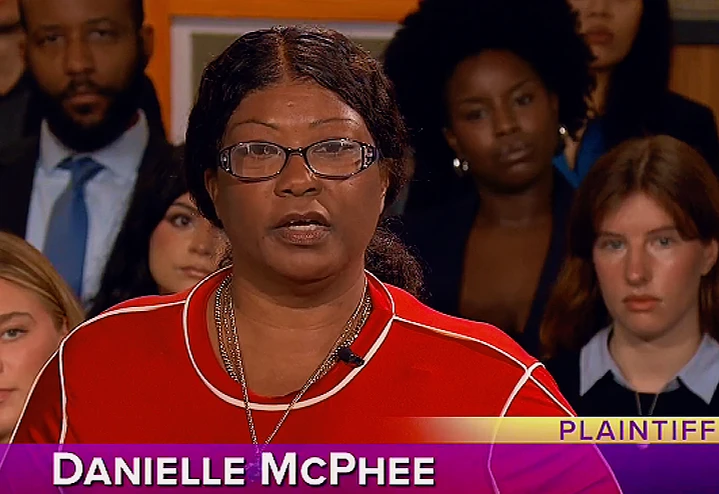
McPhee’s number was 1004, her birthday. She sent Snell $35 through Cash App. Snell went to a 7-Eleven, spent $4 of her own money on four tickets, and said there were only about five minutes before the draw. The number 1004 won. The total winnings were $2,700.
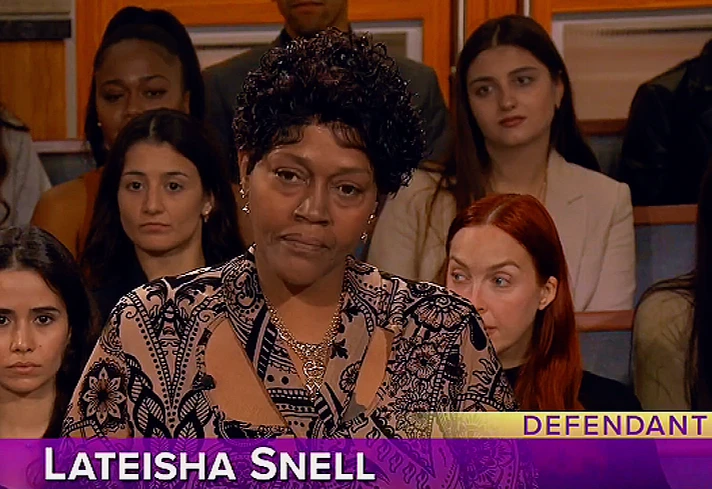
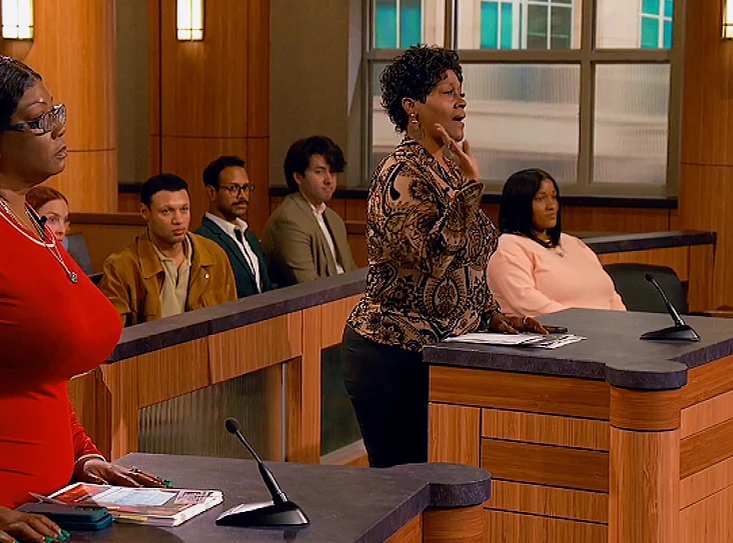
The dispute began after the win. Snell sent McPhee $1,371 but kept $1,329 from the $2,700 total. Snell argued that she had done the necessary legwork and that the number would never have been played without her trip to the store. Testimony also covered where the ticket would be cashed and McPhee’s stated concern about receiving the winnings in her own name because she received disability benefits. The two women disagreed about who had asked Snell to cash the ticket.
The judgments and what remained afterward
Although the two cases involved different subjects, both turned on the same pressure point: an informal promise became difficult to enforce once the outcome disappointed one side. In the family-tree case, the dispute centered on whether substantial research was equivalent to a completed and delivered report. In the lottery case, the question was whether doing the errand created a right beyond the agreed split.
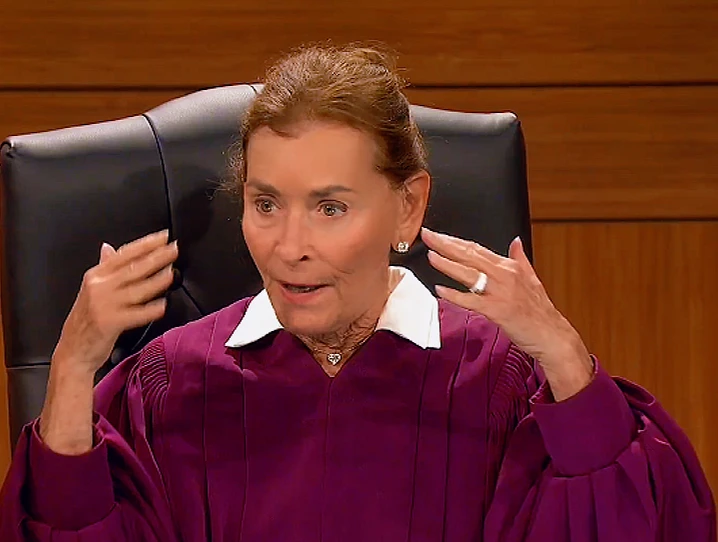
Neither disagreement was presented as a simple story of effort versus laziness. Vargas described obstacles and competing work; Snell described the time and travel involved. The court evaluated both explanations against the original arrangements. The result was two judgments: $750 returned to Stevens and $1,329 awarded to McPhee.
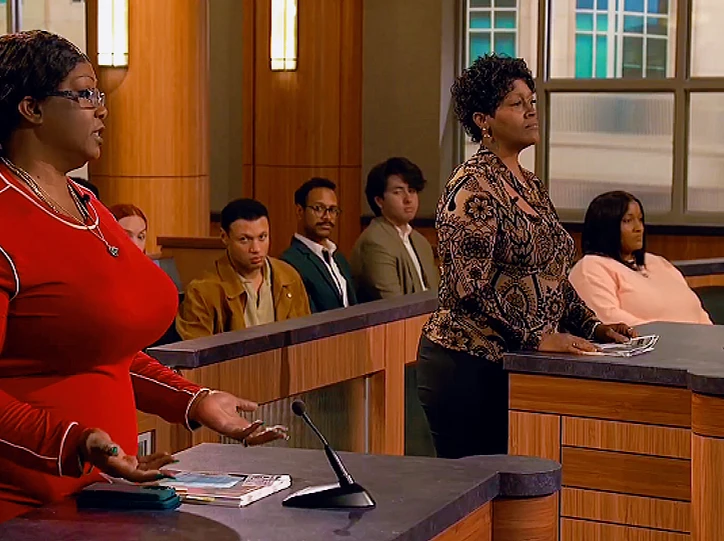
The two cases leave the audience with a practical lesson rather than a simple moral verdict. When money, services, or winnings are involved, goodwill may not be enough. A clear description of the work, a completion date, and an explicit agreement about how proceeds will be divided can prevent later arguments. In both cases, the courtroom had to reconstruct an arrangement only after trust had already broken down.
FAQ
What was Cheryl Stevens suing Gabriella Vargas for?
Cheryl Stevens sued Gabriella Vargas for the return of $750 paid for family-tree research that Stevens said had not been completed. The court entered judgment for Stevens for the full $750.
When did Cheryl Stevens pay for the family-tree work?
According to the transcript, Stevens paid Vargas $750 on February 7, 2023. The case was heard in October 2024.
What did Gabriella Vargas say about the family-tree project?
Vargas said she had completed significant work, but that she was removed from the tree before providing a final report. She also described access problems, competing edits, personal issues, and later efforts to continue from her own documentation.
How much did Danielle McPhee win in the lottery case?
The winning ticket paid $2,700. Lateisha Snell sent McPhee $1,371 and withheld $1,329. Judge Judy entered judgment for McPhee for $1,329.
Why did Judge Judy call the lottery arrangement a contract?
The arrangement involved money sent by McPhee, a specific request for Snell to play McPhee’s number, and an agreement that Snell would receive half if the number won. The judge said that was a contract rather than merely a favor.
Were Cheryl Stevens and Lateisha Snell awarded the same amount?
No. Stevens was awarded $750 in the family-tree dispute. McPhee was awarded $1,329 in the lottery dispute.