A boat sat unusable after its buyer paid $8,000. A sister handed over a credit card to help with legal expenses after a DUI. In both disputes, the money was only part of the story. The harder question was whether an informal promise between people who knew—or trusted—one another could survive once the facts were challenged in court.
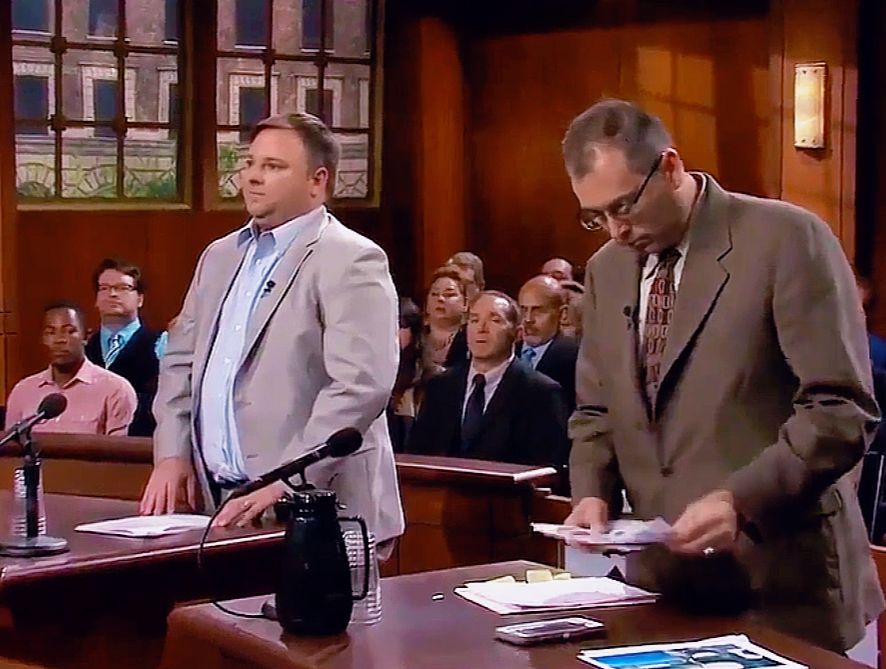
Case 1:The Boat That Never Reached the Water
The first dispute began with a 1997 CDO Challenger and ended with a question that was far more basic than the mechanics of a boat: what, exactly, had the buyer agreed to pay for?
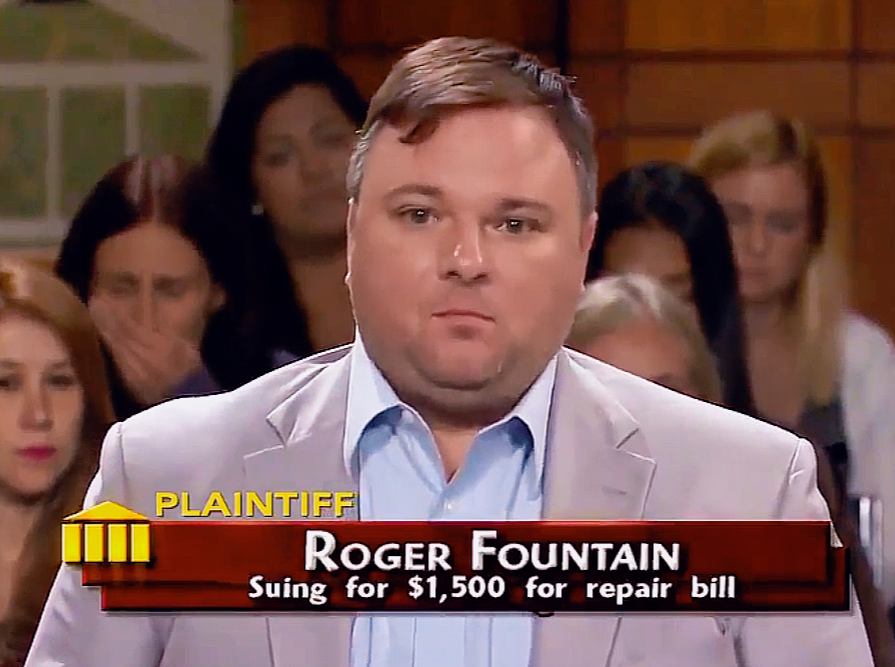
Roger Fountain appeared as the plaintiff, claiming that Jody McCluskey owed him money for repairing the boat. McCluskey did not see the matter the same way. According to his account, he had contacted Fountain because he was a new boat owner who needed help. He maintained that the only work he authorized was an oil change.
That version immediately collided with the condition of the boat itself. The testimony established that McCluskey had purchased the vessel from a customer named Ferguson in April 2015 for $8,000. The boat was approximately twenty years old at the time. McCluskey said it was attractive because it came with accessories, including a wake tower and sound system. He also said the boat’s approximate value was $7,000, with the additional equipment helping explain the higher purchase price.
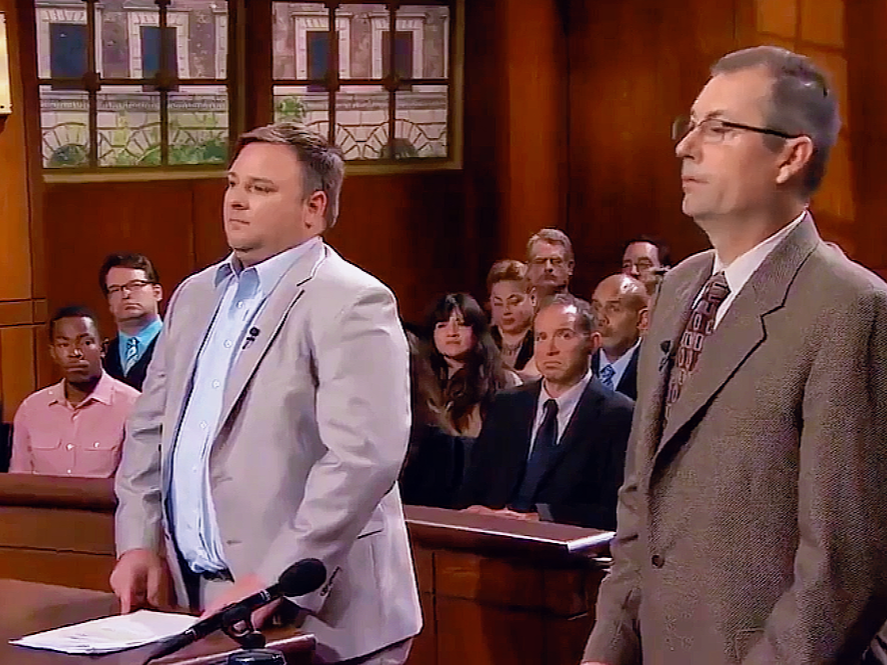
But the purchase had been made without a water test and without an inspection by a mechanic. The engine was started before the sale, but McCluskey did not test-drive the boat in the water. He later acknowledged that Ferguson had told him before the purchase that the boat had a leaky crankcase—a defect that, according to the testimony, could require an engine rebuild.
That disclosure became central to the case. McCluskey had not been surprised by an entirely unknown problem; he had bought the boat after being told about a serious mechanical issue. Yet he still expected to use it.
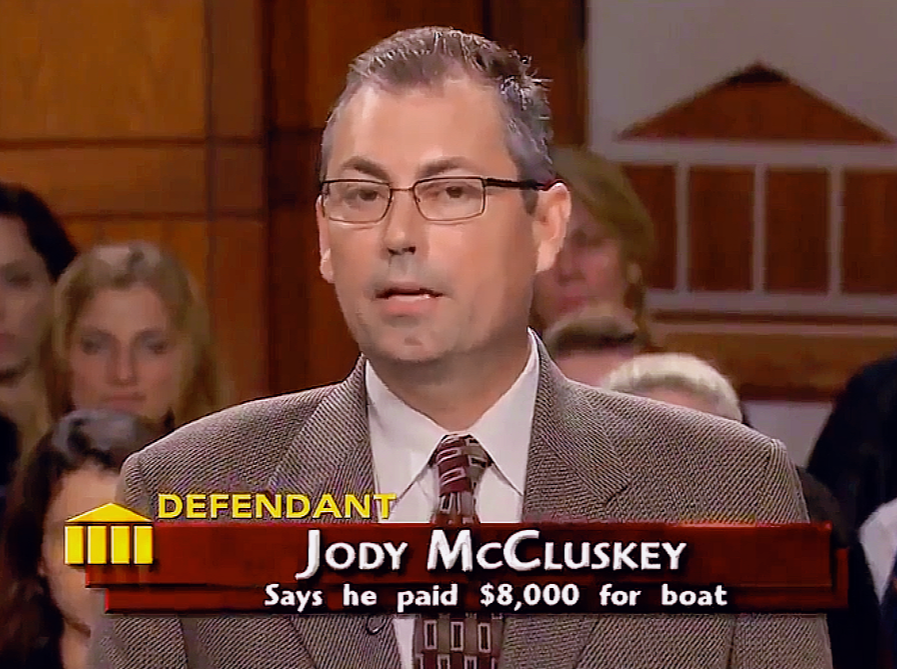
A Purchase Made Without a Test Drive
After bringing the boat home on its trailer, McCluskey tried to start it, apparently in May 2015. He could not get it running. He contacted Ferguson, who came to McCluskey’s home and attempted to help. The boat had two engines. The testimony indicated that the number-one engine would not start while the number-two engine was functioning. A bypass had been installed to stop oil from leaking from the crankcase, but the boat remained unusable to McCluskey.
There was an awkward practical complication. Ferguson was not simply a former seller. He was also McCluskey’s landscaping customer, and McCluskey continued to perform landscaping work for him. The court questioned whether that ongoing business relationship influenced McCluskey’s decision not to demand his purchase money back from Ferguson.
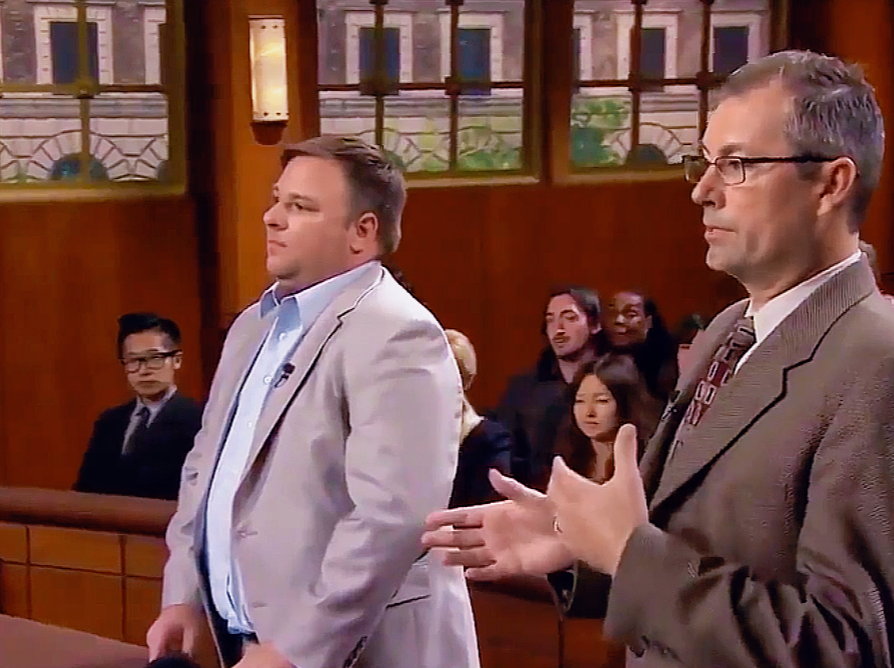
McCluskey said he did not ask Ferguson for a refund. The explanation presented in court was that he did not want to jeopardize a customer relationship that brought him more than $8,000 a year in landscaping work. That left him with a boat he had paid $8,000 for, a known mechanical defect, and no clear effort to undo the original sale.
Instead, he looked elsewhere for help. After noticing a new boat shop down the street, McCluskey contacted Roger Fountain. Fountain came to inspect and collect the boat. That decision moved the dispute from a failed private purchase into a second financial conflict: who was responsible for the work that followed?
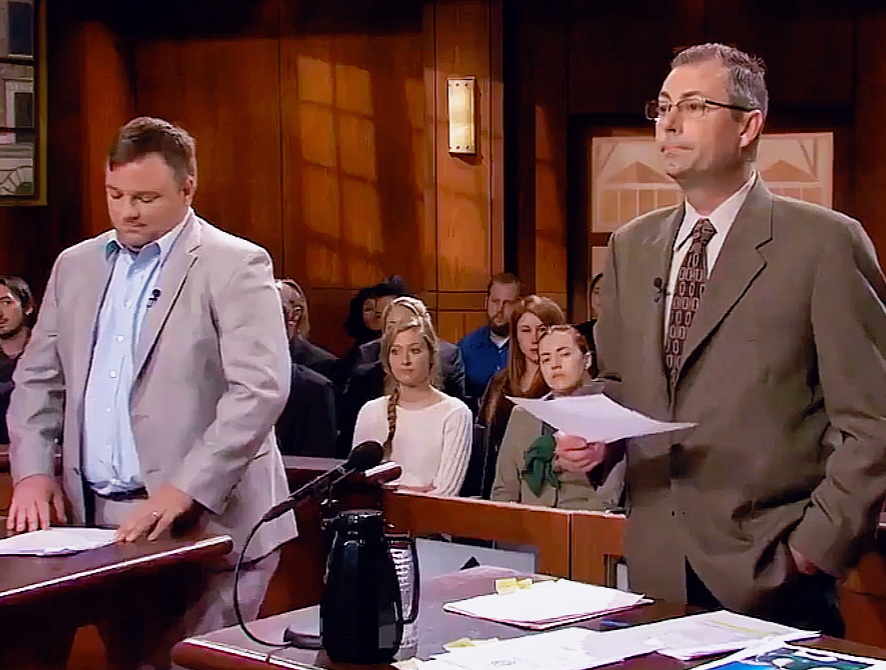
The Repair Bill and the Roadside Dispute
The hearing turned on a contradiction in McCluskey’s written statement. He had sworn that he did not owe Fountain any money and that he had been looking only for an oil change. Yet the testimony described a boat that would not start, an owner who had already tried to address the problem, and a repair process that ultimately made the boat usable.
Judge Judy pressed the distinction. An oil change might be routine maintenance, but a boat that could not start because of a crankcase problem needed more than routine maintenance. The court characterized McCluskey’s account as inconsistent with the condition of the boat and with the work that had apparently been performed.

There was also a dispute over what happened when the repaired boat was returned. According to the testimony summarized in court, Fountain followed McCluskey while the boat was being transported. The boat cover was flapping, and Fountain said it had been ripped. Police became involved after the two men disagreed over possession and payment. McCluskey said he would not pay because he had not authorized the repair. Fountain’s position was that the boat had been repaired and that payment was due.
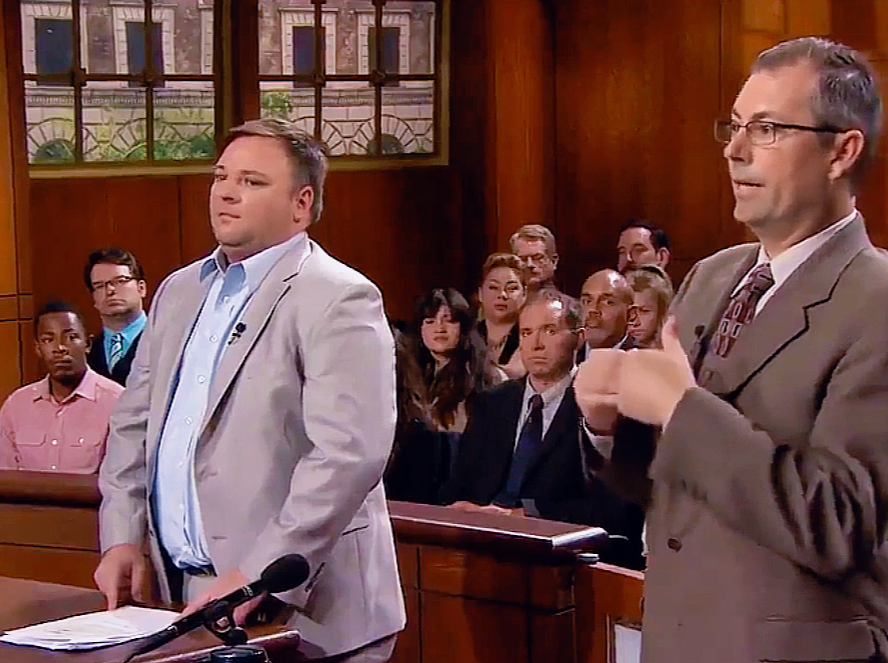
The amount at issue was $879.40. Judge Judy noted that the sum was modest compared with the $8,000 purchase price, but it still represented a real obligation. The court also rejected the suggestion that McCluskey could rely on a later, unsupported claim that a friend named Darryl had repaired the boat. When asked for a paid bill documenting that work, McCluskey could not produce one.
The ruling was for Roger Fountain in the amount of $879.40. McCluskey’s counterclaim was dismissed. The decision did not erase the original purchase problem, but it separated that problem from the repair bill: the court held that Fountain was owed for the work at issue.
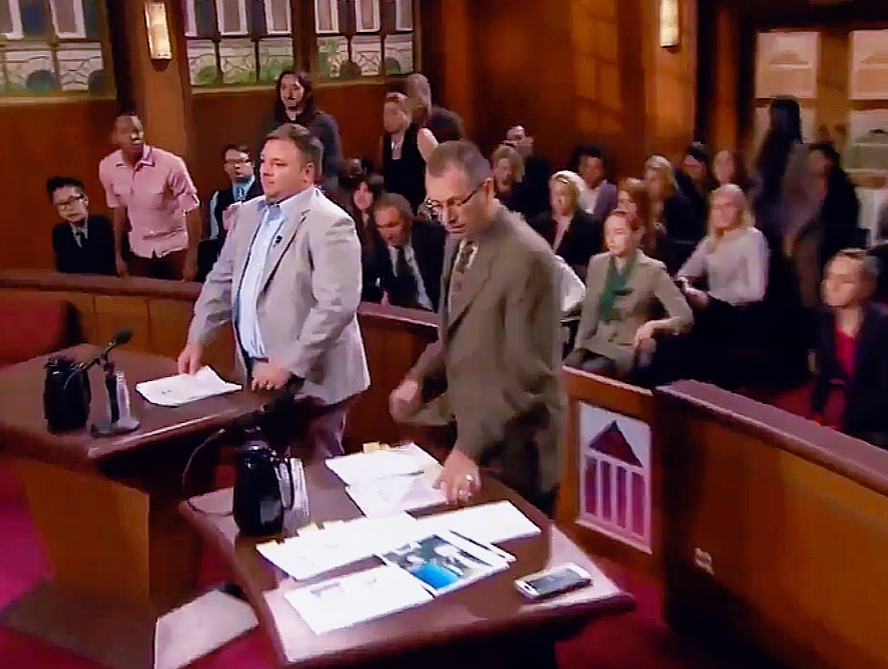
Case 2 :The Credit Card Between Sisters
The second case moved from a boat and a repair invoice to a family disagreement involving a credit card, a DUI, a damaged car, and a promise to repay.
The plaintiff, identified in the transcript as Miss McDonald, claimed that her sister had used a credit card that she had been allowed to access. The alleged understanding was that the sister would repay the money after getting a job. By the time of the hearing, the sister was working, but the balance had not been repaid.
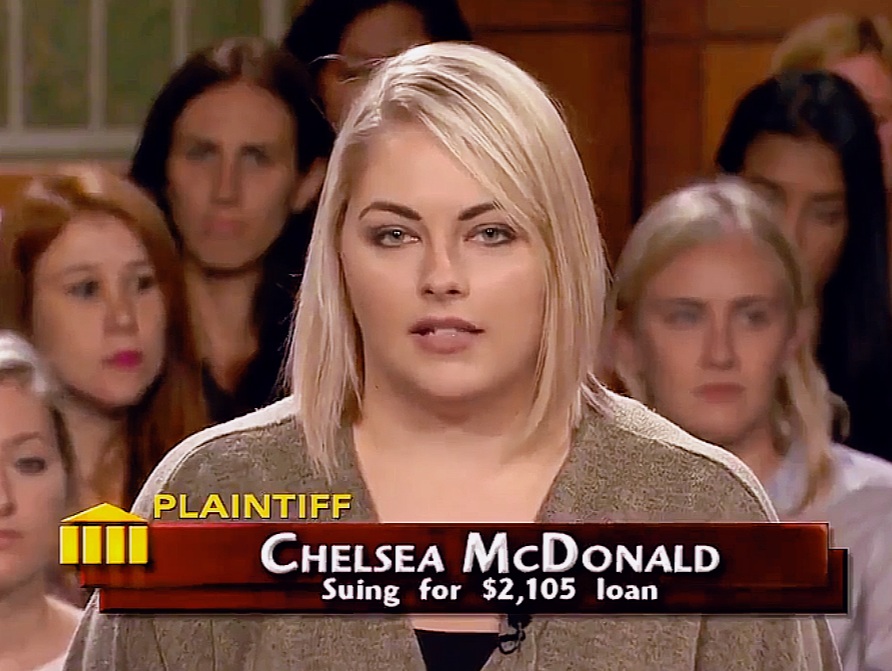
The defendant explained that she had worked full time at Citibank before being laid off in June 2016. She then returned to school and worked part time for a cleaning company. During questioning, the court also heard that the family circumstances involved a twenty-five-year-old sister working part time, a twenty-two-year-old sister working part time for TriHealth registering patients in an emergency room, and a mother who worked full time.
The credit card became important after the defendant, identified in the testimony as Jordan, said she got a DUI on February 21, 2016, the day before her birthday. She said she needed money for legal fees. Her sister gave her the card and, according to the defendant, said it had a zero balance. The defendant maintained that she understood the card to be a gift or at least believed she could rely on her sister’s statement about the balance.
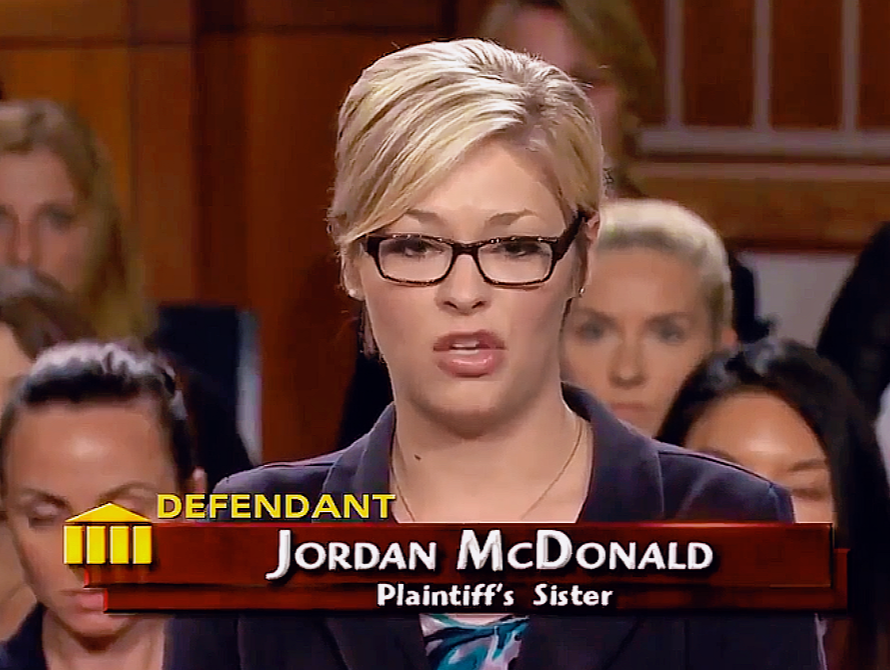
Judge Judy questioned why the card’s alleged zero balance would have been emphasized if the entire card was simply a gift. The implication was not that the answer had been proved by that question alone, but that the language surrounding the card mattered. One sister said she assumed she could trust the other. The court observed that the sister who provided the card had apparently made the same assumption in reverse: she expected the card to be used responsibly and repaid.

When Family Trust Became a Debt
The relationship deteriorated after an argument over a car. The plaintiff had allowed her sister to borrow the vehicle. The incident occurred in late July 2016, when the defendant said she took the car to cash a check and stopped for gas at a Kroger’s location.
The plaintiff’s account was different. She said her sister was watching the backup camera rather than the front of the car and struck a rail or pole near the gas pumps. The result, she testified, was damage to the side and fender. The defendant denied wrecking the car.
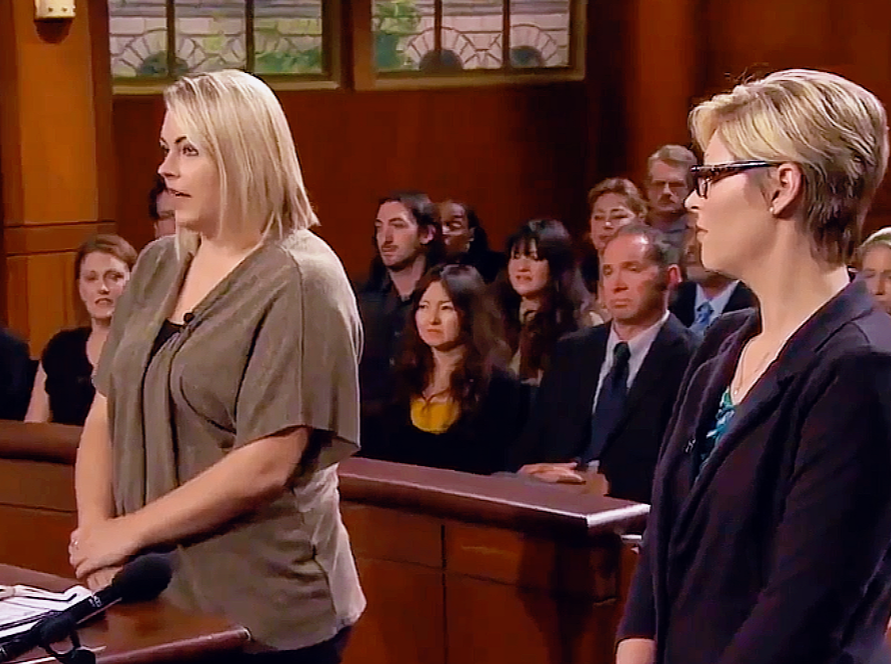
The disagreement deepened when the defendant returned with a paint kit purchased from Walmart. According to the plaintiff, her sister had attempted to patch or match the paint. The defendant described the sequence differently, saying she had texted that she had a surprise and then returned home. The car damage and the credit-card spending became part of the same family breakdown.
The credit-card records showed a total of $2,105.49. Some charges were miscellaneous expenses that the plaintiff said she had permitted while her sister was between jobs. Another charge involved a cash advance used to pay off a title loan taken against the defendant’s car. The plaintiff said she paid the loan in cash or by cashier’s check because the situation required it.
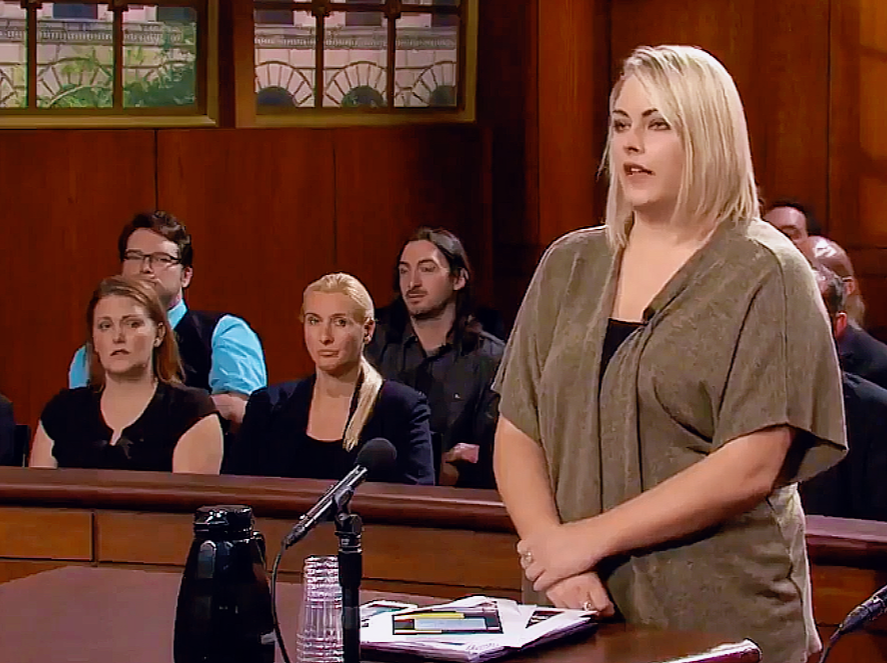
The defendant acknowledged that she had taken the title loan. She also testified that her sister had paid for legal representation that successfully resolved the DUI matter, leaving no DUI on her record. She did not plead guilty, according to the testimony. Later, the defendant no longer had a car: she said her license had been suspended, her insurance was canceled, and she ultimately stopped driving. The plaintiff added that the car had been impounded after her sister was caught driving while suspended and that she decided not to help retrieve it.
The Evidence Behind the $2,105.49 Claim
The court reviewed highlighted account records and questioned the parties about the specific transactions. The defense attempted to characterize the card as a gift, while the plaintiff maintained that repayment had been expected.
The dispute therefore depended on credibility as much as arithmetic. The family members had different understandings of what had been promised, and the evidence was presented against the backdrop of unemployment, legal expenses, a title loan, car damage, and a deteriorating relationship.

In the end, Judge Judy entered judgment for the plaintiff for $2,105.49. The ruling resolved the financial claim presented in the case. It did not turn the family disagreement into a criminal finding, and the transcript does not establish that every detail was understood identically by both sisters. What it does show is how an informal arrangement can become difficult to reconstruct once trust has broken down.
What the Two Judgments Showed
The two cases involved different relationships and different kinds of debt, but they shared a pattern. In the boat dispute, a sale was made without a water test or a mechanic’s inspection, and a known defect became the source of later conflict. In the family dispute, a credit card was provided during a period of financial and legal pressure, but the parties later disagreed over whether the money was a gift or a loan.
In both hearings, the court focused on the gap between what people believed they had agreed to and what the evidence could support. The first judgment awarded Roger Fountain $879.40 and dismissed the counterclaim. The second awarded Miss McDonald $2,105.49.
Neither result depended on a dramatic revelation. The decisive details were more ordinary: whether a defective boat had been inspected before purchase, whether a repair had been authorized or completed, whether a paid invoice existed, whether a credit card had been described as a gift, and whether the account records matched the testimony.
That is the enduring lesson in both proceedings. Trust may begin a transaction, but documentation—and consistent testimony—often determines how the transaction ends.

FAQ
Who sued whom in the boat-repair case?
Roger Fountain sued Jody McCluskey for money he said was owed for repairing McCluskey’s boat.
How much did Judge Judy award Roger Fountain?
The judgment was $879.40. Jody McCluskey’s counterclaim was dismissed.
How much did Jody McCluskey pay for the boat?
McCluskey testified that he paid $8,000 for the 1997 CDO Challenger in April 2015.
What was wrong with the boat?
The testimony described a leaky crankcase and an engine that would not start. McCluskey acknowledged that he had been told about the crankcase issue before buying the boat.
Did McCluskey test the boat before buying it?
No. He did not put it in the water or have a mechanic inspect it before the purchase, although the boat was started before the sale.
What was the second case about?
The second case involved Miss McDonald’s claim that her sister owed money charged to a credit card. The dispute also included DUI legal fees, a title loan, and damage to a borrowed car.
How much was the second judgment?
Judge Judy entered judgment for the plaintiff for $2,105.49.
Was either case a criminal conviction?
No. The SRT presents both matters as civil disputes heard in court. The second case discussed a DUI and driving under suspension, but the judgment described in the transcript concerned the credit-card claim.